Fülszöveg
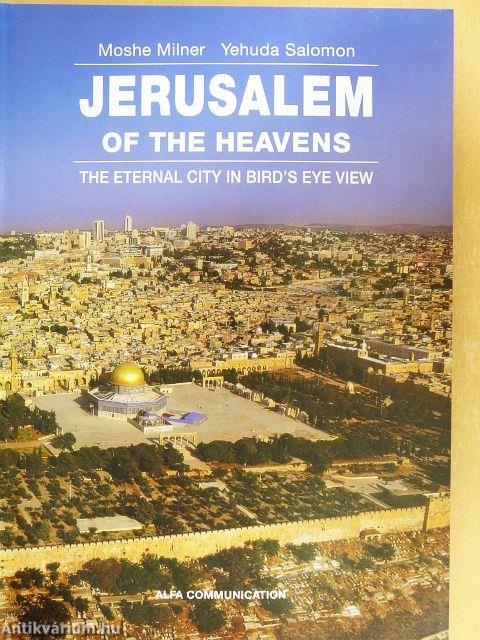
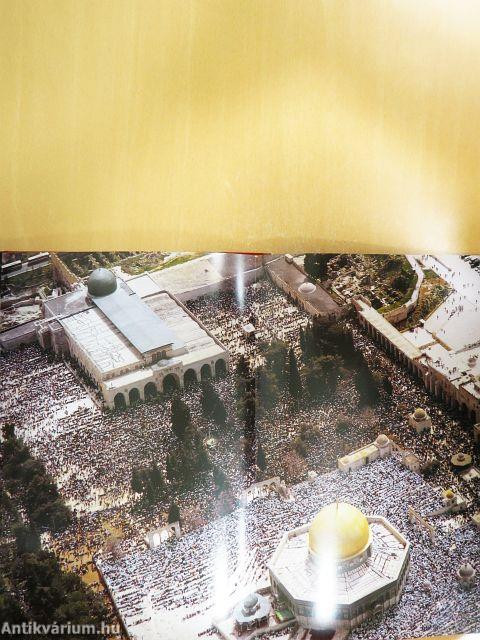
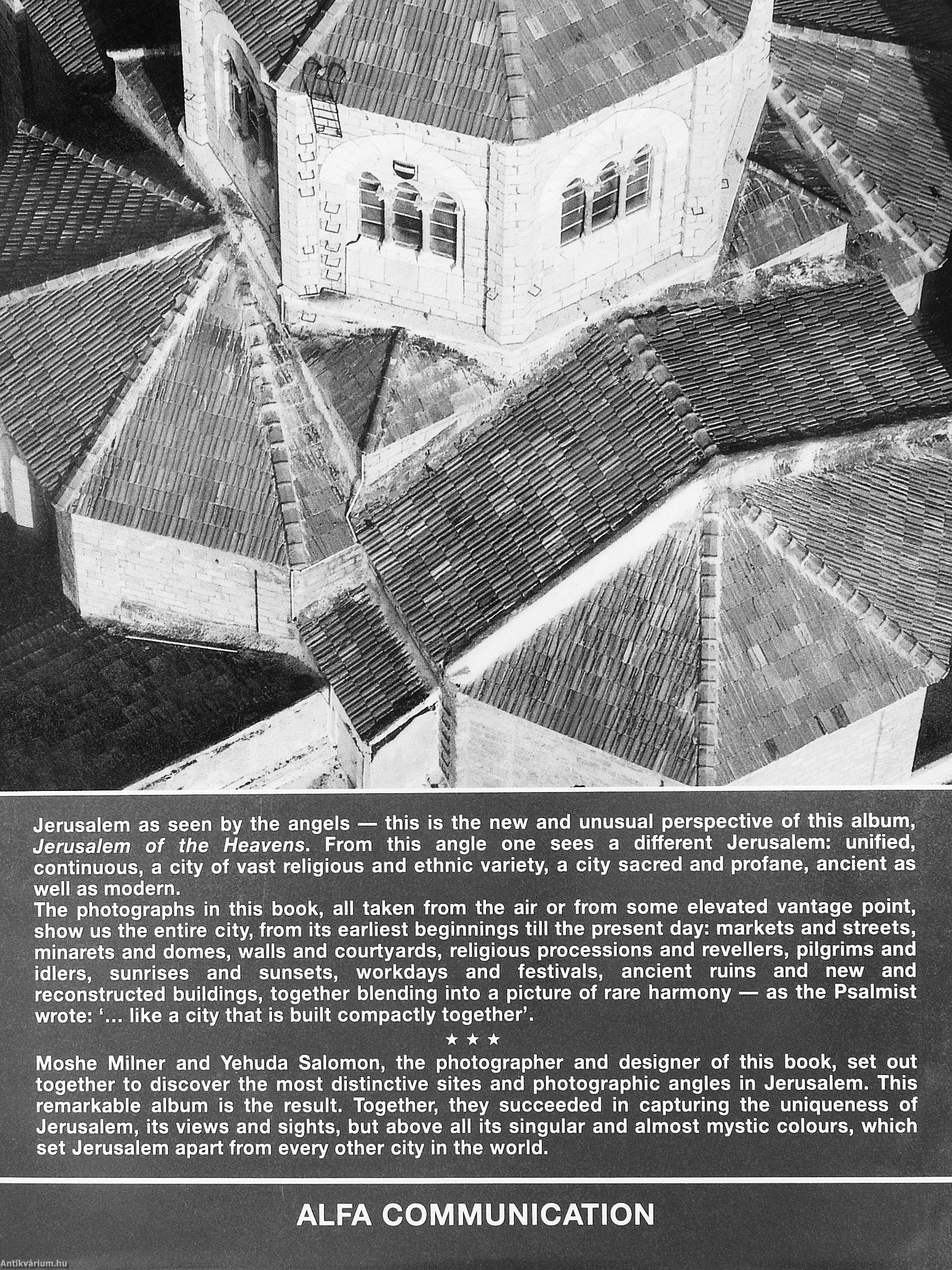
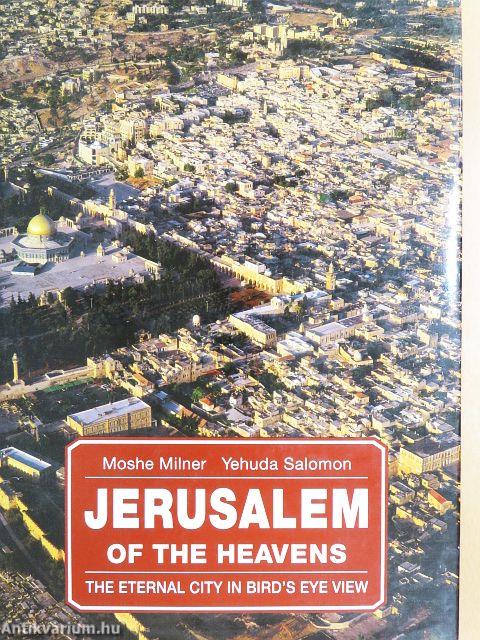
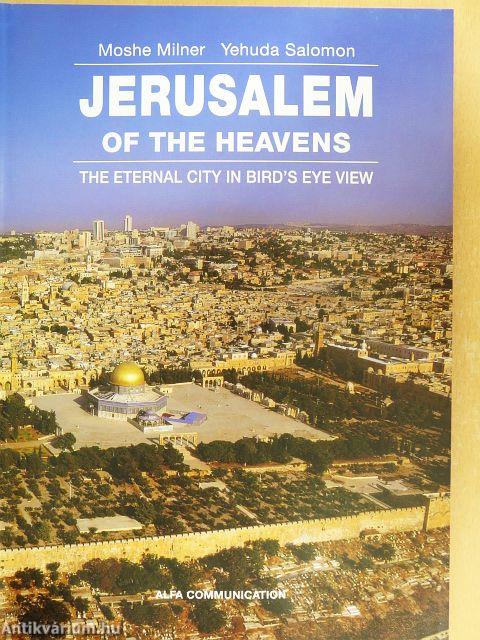
Jerusalem as seen by the angels — this is the new and unusual perspective of this album, Jerusalem of the Heavens. From this angle one sees a different Jerusalem: unified, continuous, a city of vast religious and ethnic variety, a city sacred and profane, ancient as well as modern.
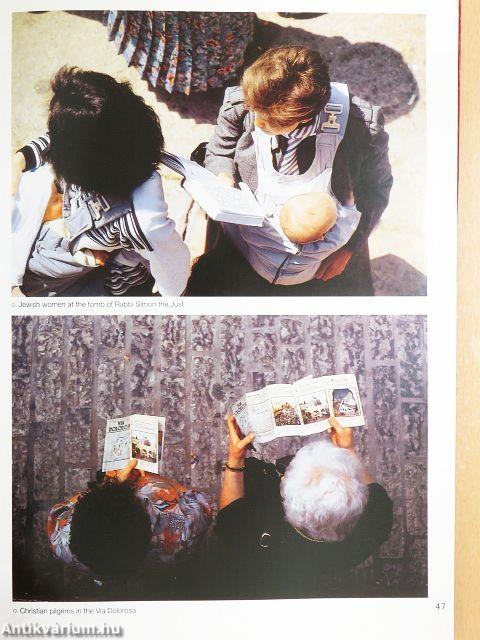
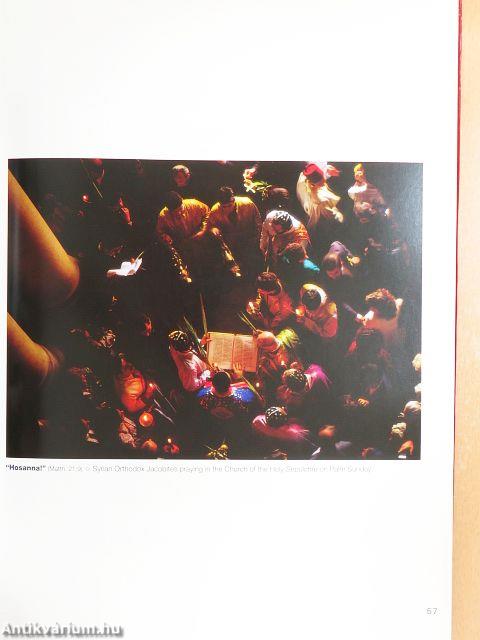
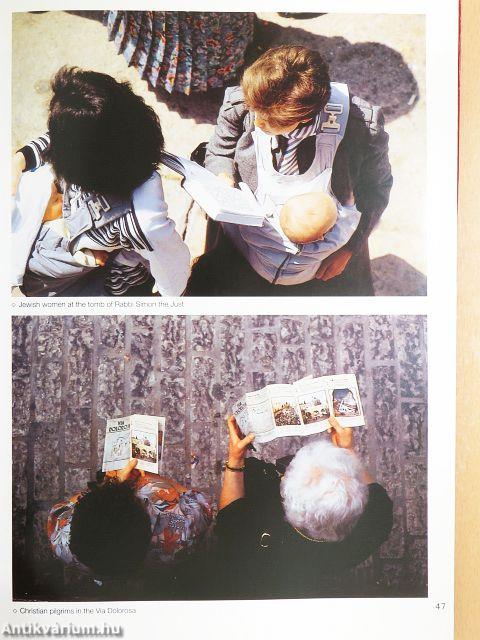
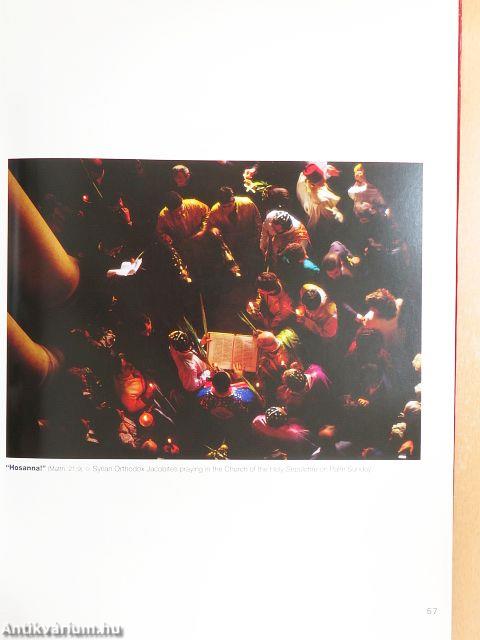
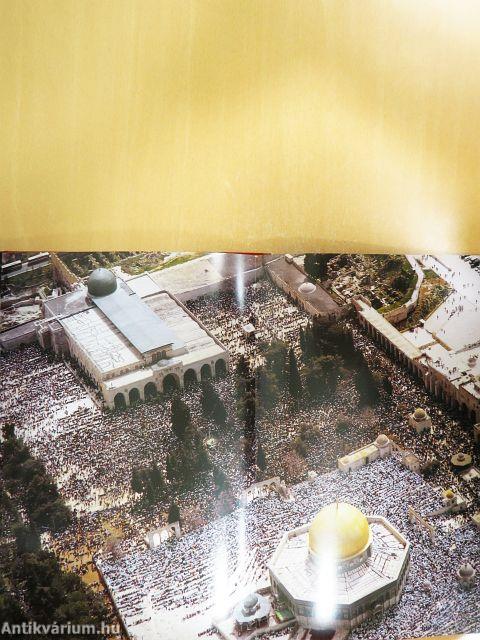
The photographs in this book, all taken from the air or from some elevated vantage point, show us the entire city, from Its earliest beginnings till the present day: markets and streets, minarets and domes, walls and courtyards, religious processions and revellers, pilgrims and idlers, sunrises and sunsets, workdays and festivals, ancient ruins and new and reconstructed buildings, together blending Into a picture of rare harmony — as the Psalmist
wrote:like a city that Is built compactly together'.
? ? ?
Moshe Milner and Yehuda Salomon, the photographer and designer of this book, set out together to discover the most distinctive sites and photographic angles In Jerusalem. This remarkable album Is...
Tovább
Fülszöveg
Jerusalem as seen by the angels — this is the new and unusual perspective of this album, Jerusalem of the Heavens. From this angle one sees a different Jerusalem: unified, continuous, a city of vast religious and ethnic variety, a city sacred and profane, ancient as well as modern.
The photographs in this book, all taken from the air or from some elevated vantage point, show us the entire city, from Its earliest beginnings till the present day: markets and streets, minarets and domes, walls and courtyards, religious processions and revellers, pilgrims and idlers, sunrises and sunsets, workdays and festivals, ancient ruins and new and reconstructed buildings, together blending Into a picture of rare harmony — as the Psalmist
wrote:like a city that Is built compactly together'.
? ? ?
Moshe Milner and Yehuda Salomon, the photographer and designer of this book, set out together to discover the most distinctive sites and photographic angles In Jerusalem. This remarkable album Is the result. Together, they succeeded In capturing the uniqueness of Jerusalem, its views and sights, but above all Its singular and almost mystic colours, which set Jerusalem apart from every other city in the world.
ALFA COMMUNICATION
JERUSALEM
OF THE HEAVENS
Jerusalem is a city of stone, as well as of the spirit. It is a city with a thousand faces, a thousand perspectives. The light seems brighter and purer In Jerusalem, and the sky far closer than In any other place on earth. What can we tell about Jerusalem that has not been told already? Isn't Jerusalem a city of stories after all? Just the same we looked for something new, some new viewpoint or angle — that maybe only an angel would see. This gave us an idea: What do angels see when they soar above this city? We took a little time to think about it, but not too much, for — as the saying goes — Heaven can't wait! And besides: the problem with Jerusalem is that once you have an idea, it no longer leaves you alone but begins to persecute you.
And the results: after eighteen months of work, they are here before you. This is what Jerusalem looks like from above — how an angel would see it. This is how we saw the city from a helicopter and a Cessna. What we did not succeed to capture in our photographs were the small stories behind the principal narrative. How we tried to shoot at exactly the right moment and angle to capture Jerusalem's early morning radiance. Who can picture us in an open airplane above a city covered under a blanket of snow, trying to disregard the biting cold while maneuvering to capture the correct angle and illumination? We also could tell you about the religious wars we conducted. The muezzin forbade us to photograph the El-Aqsa mosque, while the Greek-Orthodox clergy didn't want us to shoot the Roman-Catholic ceremonies taking place opposite from the roof of their monastery — a matter of religious rivalry. When we decided to take some aerial pictures of the .Temple Mount, a voice from the control tower roared at us: "Are you out of your minds, you can't fly over the Temple Mount. You'll cause a world war." And the ultra-orthodox Jews were of course infuriated when we drew our camera on the Sabbath. We haven't yet mentioned the wave of complaints from citizens whose rest was disturbed by some of our low flying. Or that night when, suddenly, in the middle of our photography thousands of firecrackers ilioured skyward, giving the bewildered pilot the feeling that he was back in the war, ducking ground to air missiles. And all that we wanted, after all, was to photograph Jerusalem from the perspective of the birds and the angels — and return home safely
Vissza 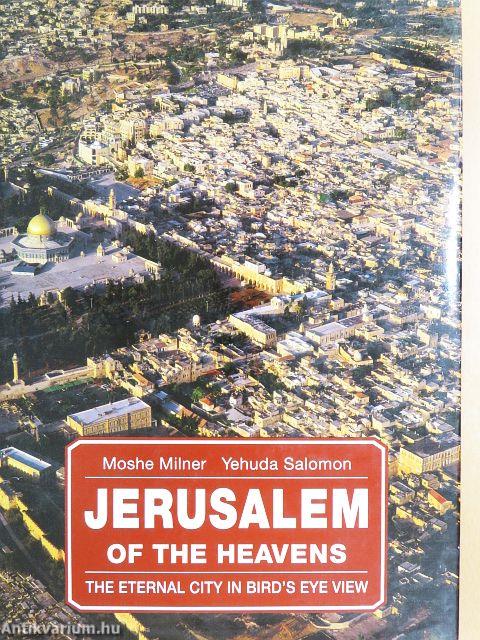


 Folytatás Microsoft-tal