Fülszöveg
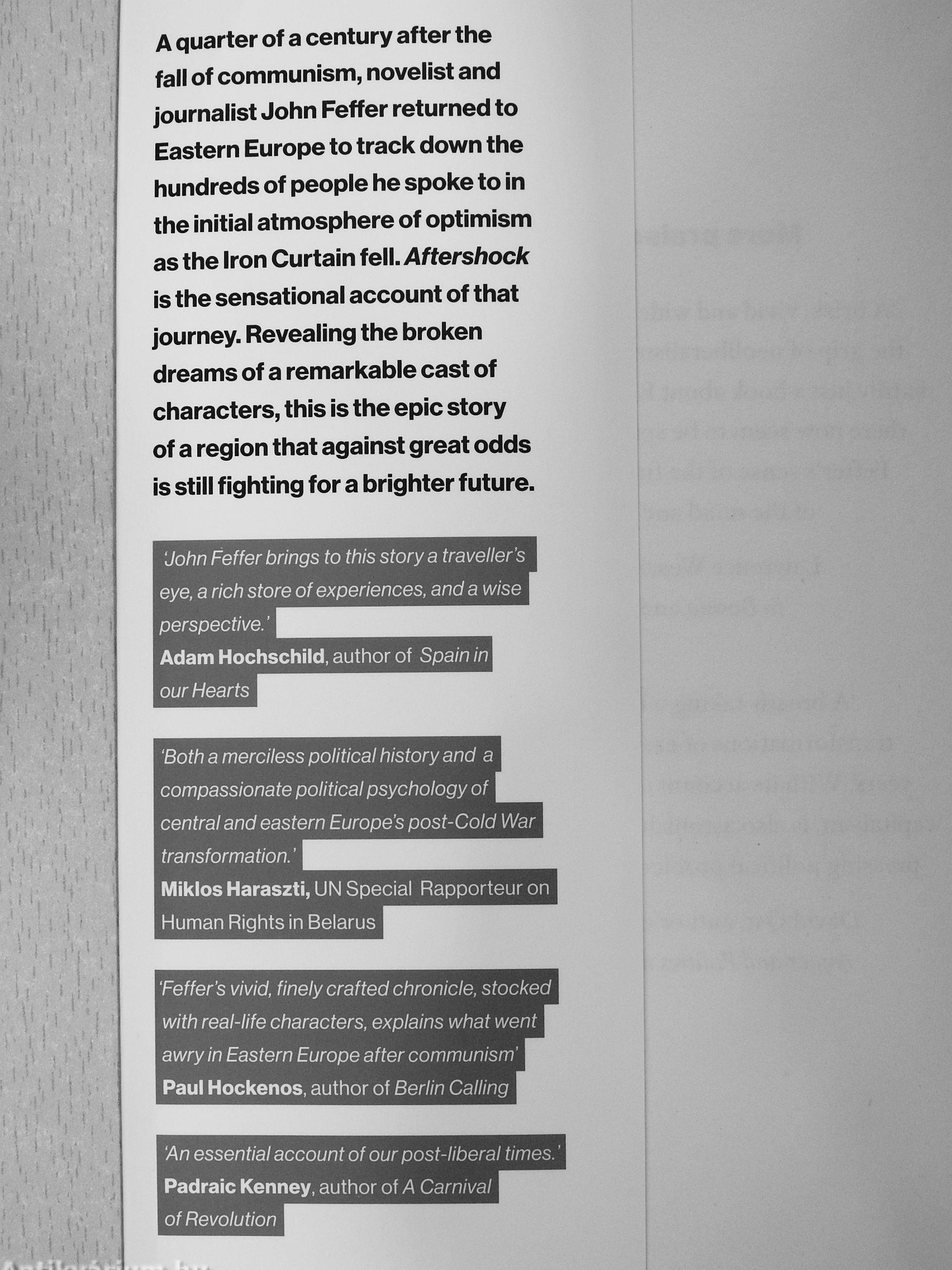
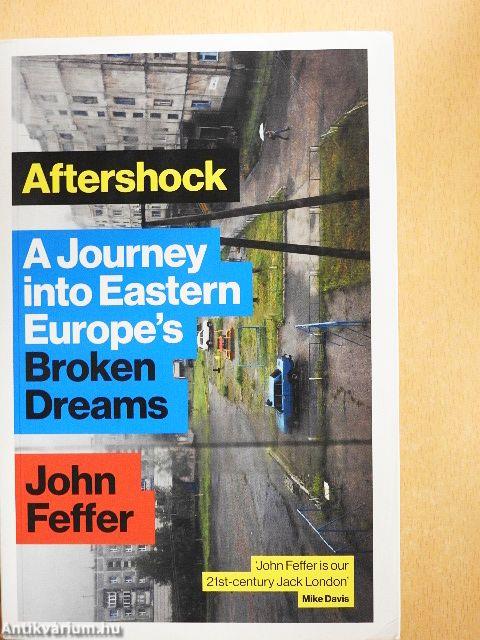
A quarter of a century after the fall of communism, novelist and journalist John Feffer returned to Eastern Europe to track down the hundreds of people he spoke to in the initial atmosphere of optimism as the Iron Curtain fell. Aftershock is the sensational account of that journey. Revealing the broken dreams of a remarkable cast of characters, this is the epic story of a region that against great odds is still fighting for a brighter future.
Both a merciless political tiistory and a compassionate political psyctiology of central and eastern Europe's post-Cold War transformation.' Miklos Haraszti, UN Special Rapporteur on Human Rights in Belarus
'Fetter's vivid, finely crafted chronicle, stocked with real-life characters, explains what went awry in Eastern Europe after communism Paul Hockenos, author of Berlin Calling
'An essential account of our post-liberal times.' Padraic Kenney, author of A Carnival of Revolution
the passengers pile onto the train. The lucky few occupy...
Tovább
Fülszöveg
A quarter of a century after the fall of communism, novelist and journalist John Feffer returned to Eastern Europe to track down the hundreds of people he spoke to in the initial atmosphere of optimism as the Iron Curtain fell. Aftershock is the sensational account of that journey. Revealing the broken dreams of a remarkable cast of characters, this is the epic story of a region that against great odds is still fighting for a brighter future.
Both a merciless political tiistory and a compassionate political psyctiology of central and eastern Europe's post-Cold War transformation.' Miklos Haraszti, UN Special Rapporteur on Human Rights in Belarus
'Fetter's vivid, finely crafted chronicle, stocked with real-life characters, explains what went awry in Eastern Europe after communism Paul Hockenos, author of Berlin Calling
'An essential account of our post-liberal times.' Padraic Kenney, author of A Carnival of Revolution
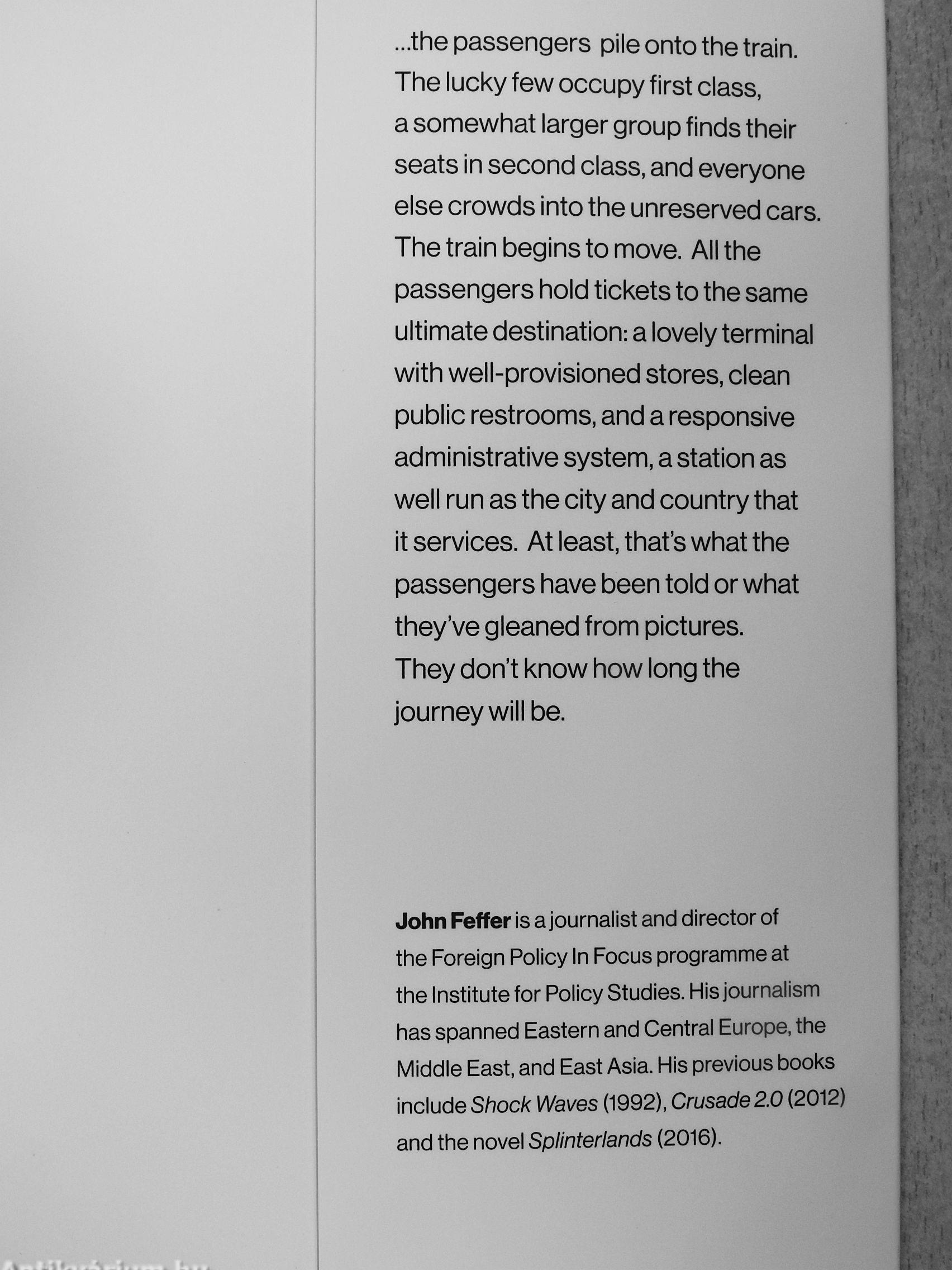
the passengers pile onto the train. The lucky few occupy first class, a somewhat larger group finds their seats in second class, and everyone else crowds into the unreserved cars. The train begins to move. All the passengers hold tickets to the same ultimate destination: a lovely terminal with well-provisioned stores, clean public restrooms, and a responsive administrative system, a station as well run as the city and country that it services. At least, that's what the passengers have been told or what they've gleaned from pictures. They don't know how long the journey will be.
John Feffer is a journalist and director of the Foreign Policy In Focus programme at the Institute for Policy Studies. His journalism has spanned Eastern and Central Europe, the Middle East, and East Asia. His previous books \nc\ude Shock IVaves (1992), Crusade 2.0 (2012) and the novel Splinterlands (2016).
Vissza 


 Folytatás Microsoft-tal