
1.119.848
kiadvánnyal nyújtjuk Magyarország legnagyobb antikvár könyv-kínálatát

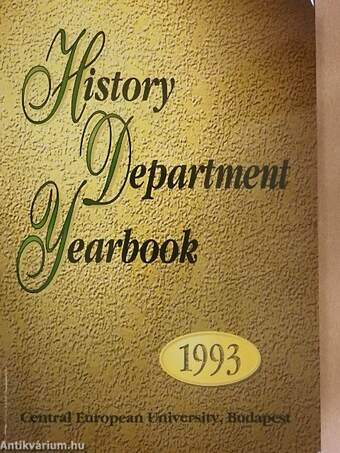
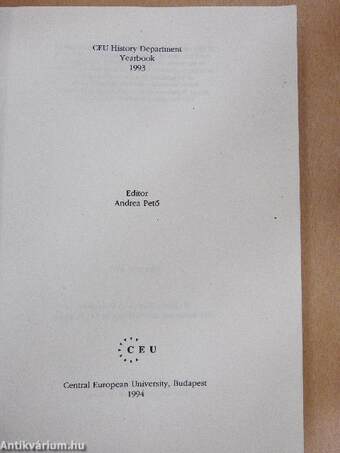
CEU History Department Yearbook 1993

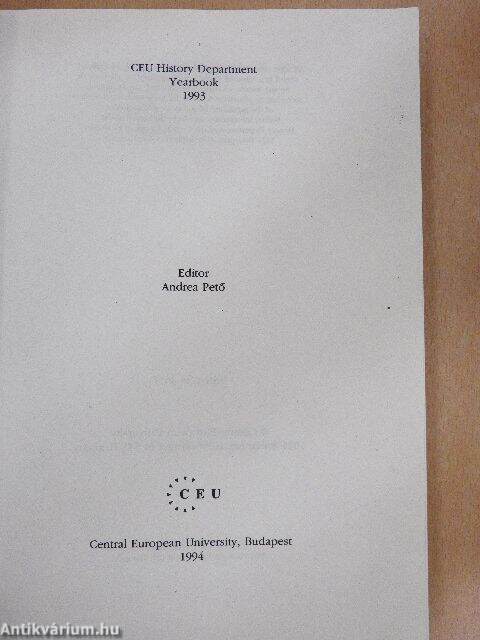
Budapest
| Kiadó: | Central European University |
|---|---|
| Kiadás helye: | Budapest |
| Kiadás éve: | |
| Kötés típusa: | Ragasztott papírkötés |
| Oldalszám: | 293 oldal |
| Sorozatcím: | CEU History Department Yearbook |
| Kötetszám: | |
| Nyelv: | Angol |
| Méret: | 24 cm x 17 cm |
| ISBN: | |
Értesítőt kérek a kiadóról
Értesítőt kérek a sorozatról
A beállítást mentettük,
naponta értesítjük a beérkező friss
kiadványokról
naponta értesítjük a beérkező friss
kiadványokról
A beállítást mentettük,
naponta értesítjük a beérkező friss
kiadványokról
naponta értesítjük a beérkező friss
kiadványokról
Előszó
Tovább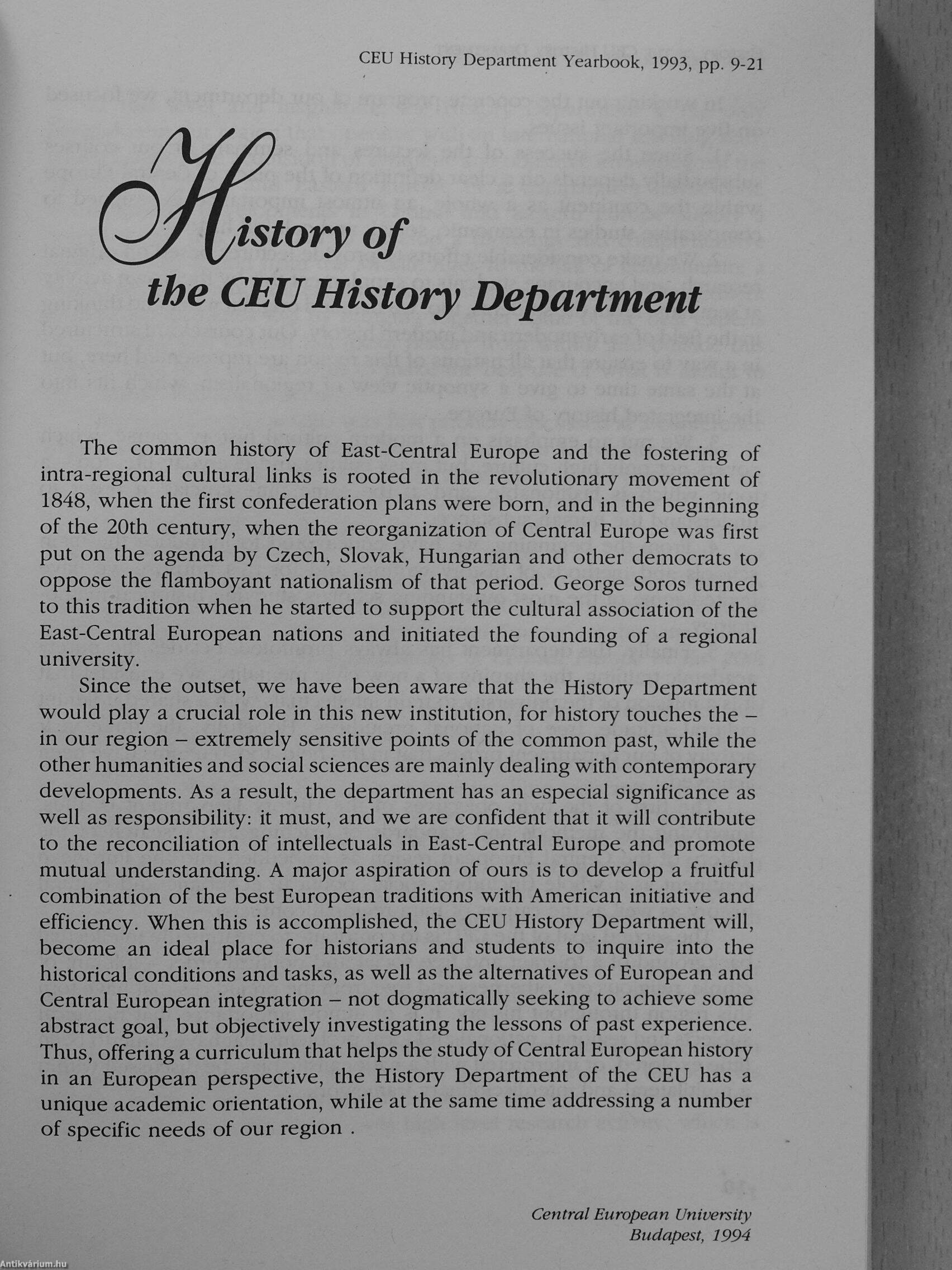
Fülszöveg
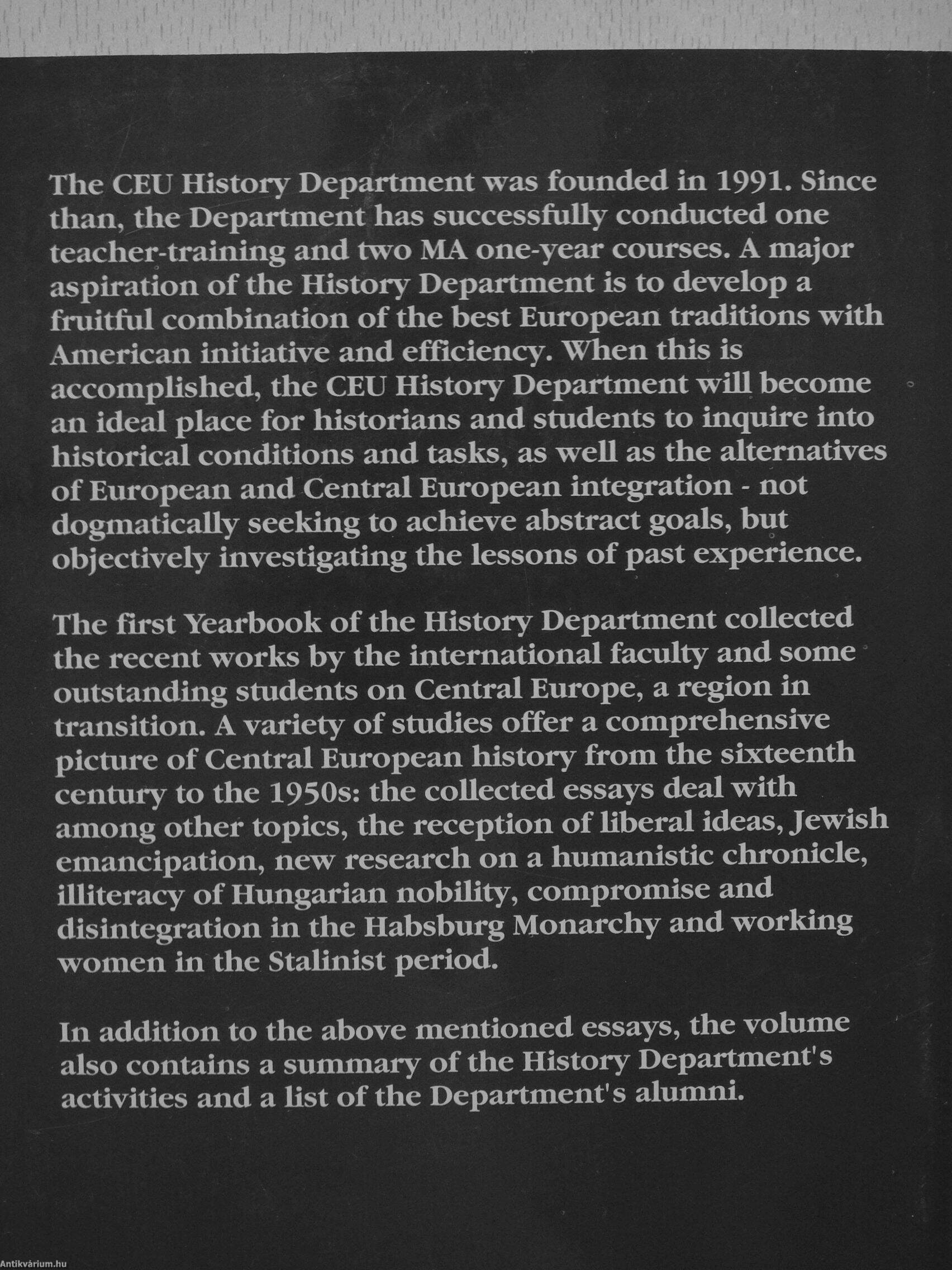
The CEU History Department was founded in 1991. Since than, the Department has successfully conducted one teacher-training and two MA one-year courses. A major aspiration of the History Department is to develop a fruitful combination of the best European traditions with American initiative and efficiency. When this is accomplished, the CEU History Department wül become an ideal place for historians and students to inquire into historical conditions and tasks, as weU as the alternatives of European and Central European integration - not dogmatically seeking to achieve abstract goals, but objectively investigating the lessons of past experience.
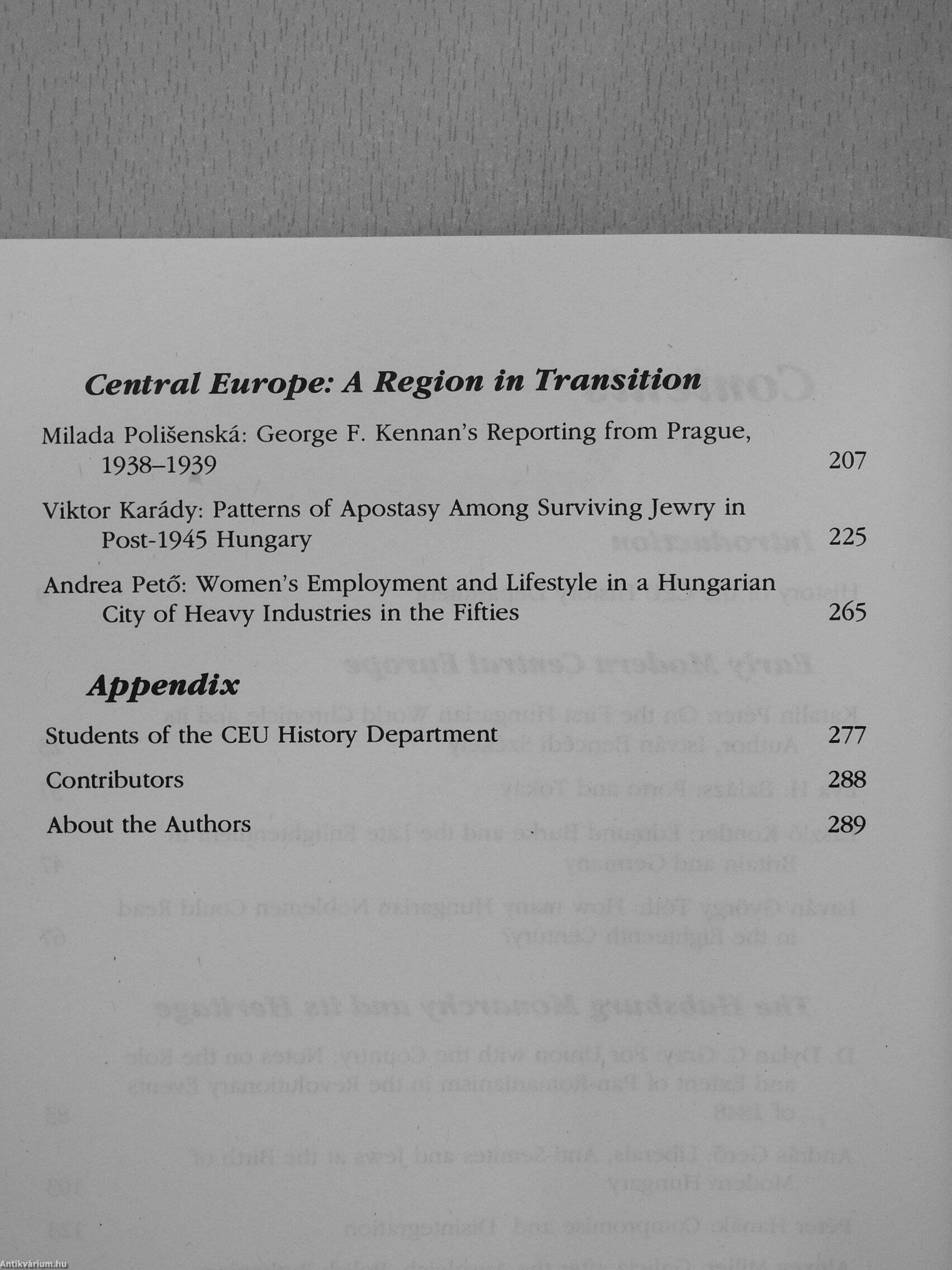
The first Yearbook of the History Department collected the recent works by the international faculty and some outstanding students on Central Europe, a region in transition. A variety of studies offer a comprehensive picture of Central European history from the sixteenth century to the 1950s: the collected essays deal with among other... Tovább
Fülszöveg
The CEU History Department was founded in 1991. Since than, the Department has successfully conducted one teacher-training and two MA one-year courses. A major aspiration of the History Department is to develop a fruitful combination of the best European traditions with American initiative and efficiency. When this is accomplished, the CEU History Department wül become an ideal place for historians and students to inquire into historical conditions and tasks, as weU as the alternatives of European and Central European integration - not dogmatically seeking to achieve abstract goals, but objectively investigating the lessons of past experience.
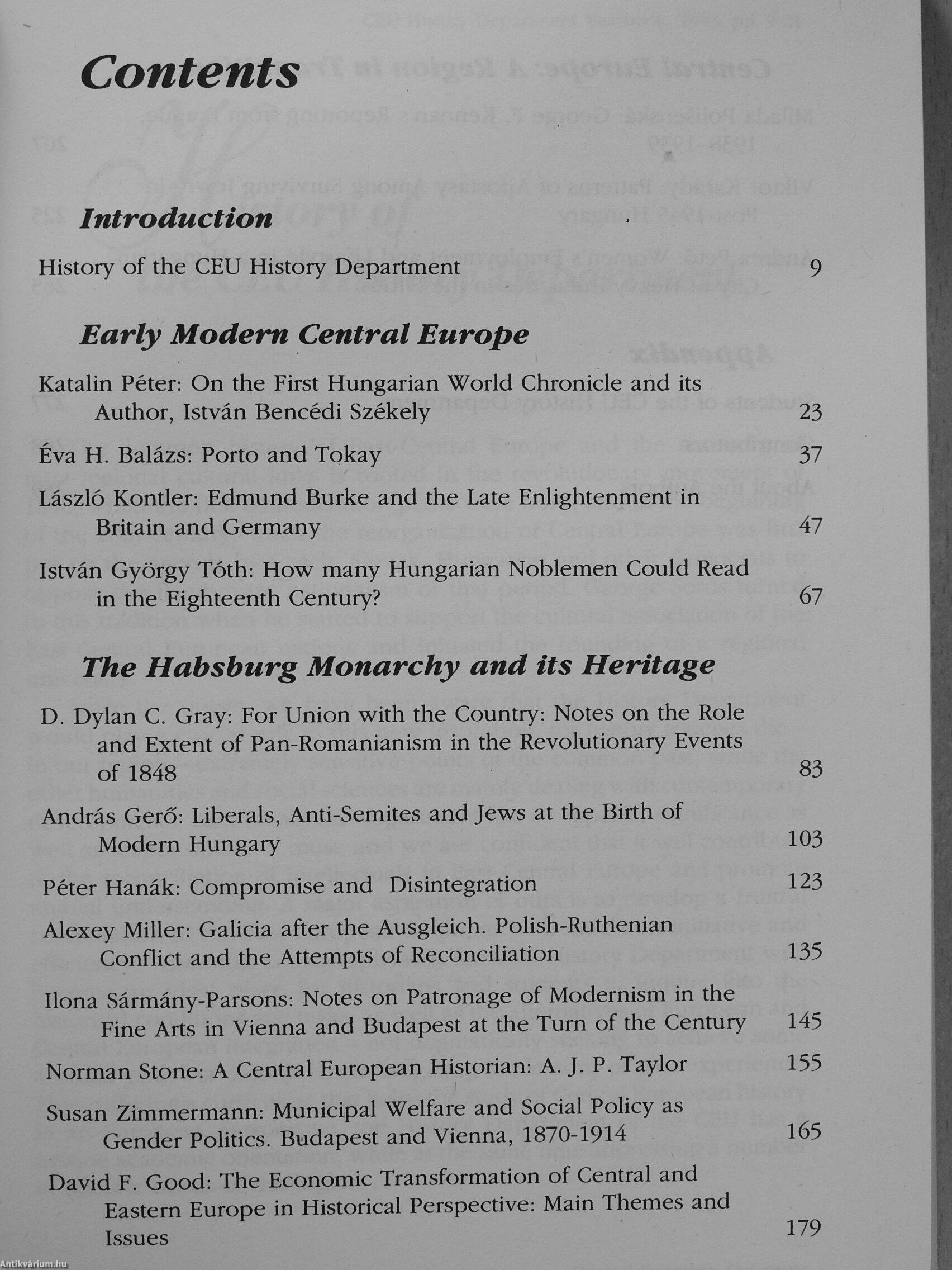
The first Yearbook of the History Department collected the recent works by the international faculty and some outstanding students on Central Europe, a region in transition. A variety of studies offer a comprehensive picture of Central European history from the sixteenth century to the 1950s: the collected essays deal with among other topics, the reception of liberal ideas, Jewish emancipation, new research on a humanistic chronicle, illiteracy of Hungarian nobility, compromise and disintegration in the Habsburg Monarchy and working women in the Stalinist period.
In addition to the above mentioned essays, the volume also contains a summary of the History Department's activities and a list of the Department's alumni. Vissza
Témakörök
- Idegennyelv > Idegennyelvű könyvek > Angol > Évkönyvek, kalendáriumok
- Idegennyelv > Idegennyelvű könyvek > Angol > Történelem > Európa története > Egyéb
- Évkönyvek, kalendáriumok > Évszám szerint > 1991-1995
- Évkönyvek, kalendáriumok > Témakör szerint > Intézmények > Egyetem, főiskola
- Évkönyvek, kalendáriumok > Témakör szerint > Idegennyelvű
- Évkönyvek, kalendáriumok > Témakör szerint > Történelem
- Történelem > Folyóiratok, közlemények, évkönyvek > Magyar
- Történelem > Idegennyelvű > Angol
- Történelem > Magyarország története és személyiségei > Átfogó művek, tanulmányok
- Történelem > Kontinensek szerint > Európa, európai országok története > Kelet-Európa > Egyéb
- Történelem > Tanulmányok
- Történelem > Kontinensek szerint > Európa, európai országok története > Közép-Európa > Egyéb
Megvásárolható példányok
Állapotfotók
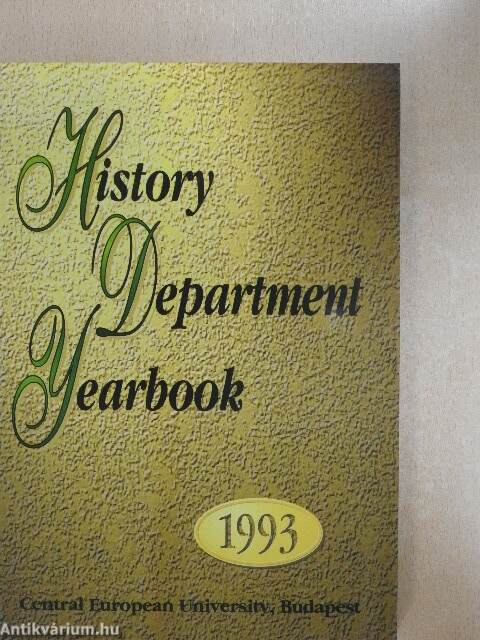
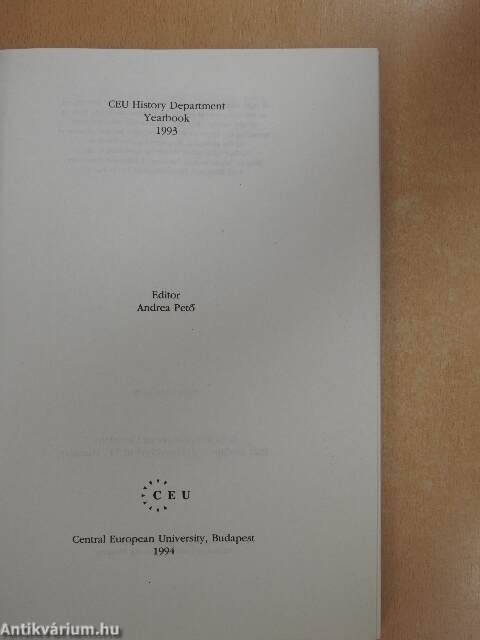
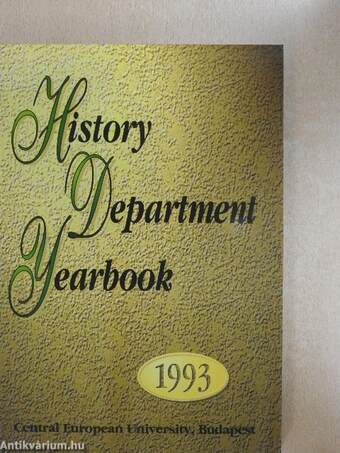
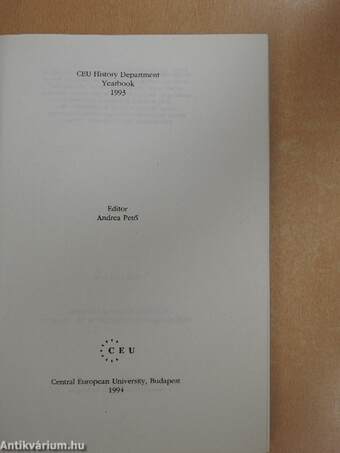
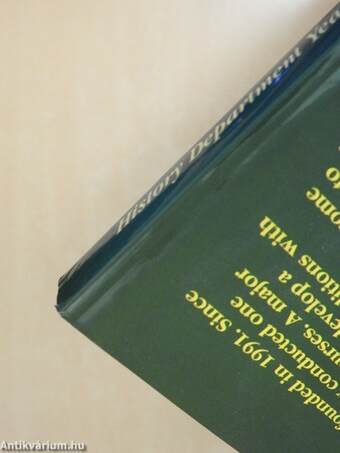
A borító enyhén elszíneződött, a lapélek foltosak.
Állapot:
Jó
1.640 ,-Ft
8
pont kapható
Kosárba
 Folytatás Microsoft-tal