Fülszöveg
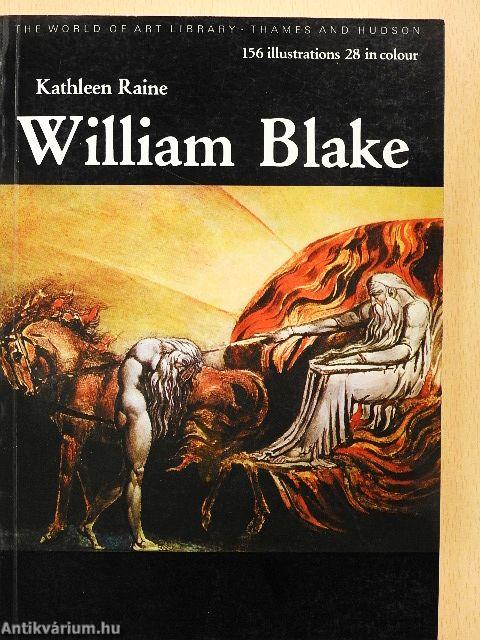
The fame of William Blake - poet, painter and engraver - has greatly increased in j-ecent years. Kathleen Raine, well known as a Blake scholar, considers that his genius was akin to that of the Old Testament prophets whom he so greatly admired, and that he addressed himself to the English people as they had addressed themselves to the Jewish people. In this study of his life, thought and art, she explains how, for Blake, the arts were not an end in themselves, but expressed his vision of the spiritual drama of the English national being, as he saw it enacted in contemporary history. Blake understood that events are generated by ideologies - that the 'dark Satanic mills' of the industrial landscape are built in the image of the mechanistic philosophy whose product they are. But Blake's uniqueness as a prophet has tended to obscure the origins of his visual, poetic and philosophic ideas in tradition, or in the intellectual trends of his day. He was in fact subject to the same...
Tovább
Fülszöveg
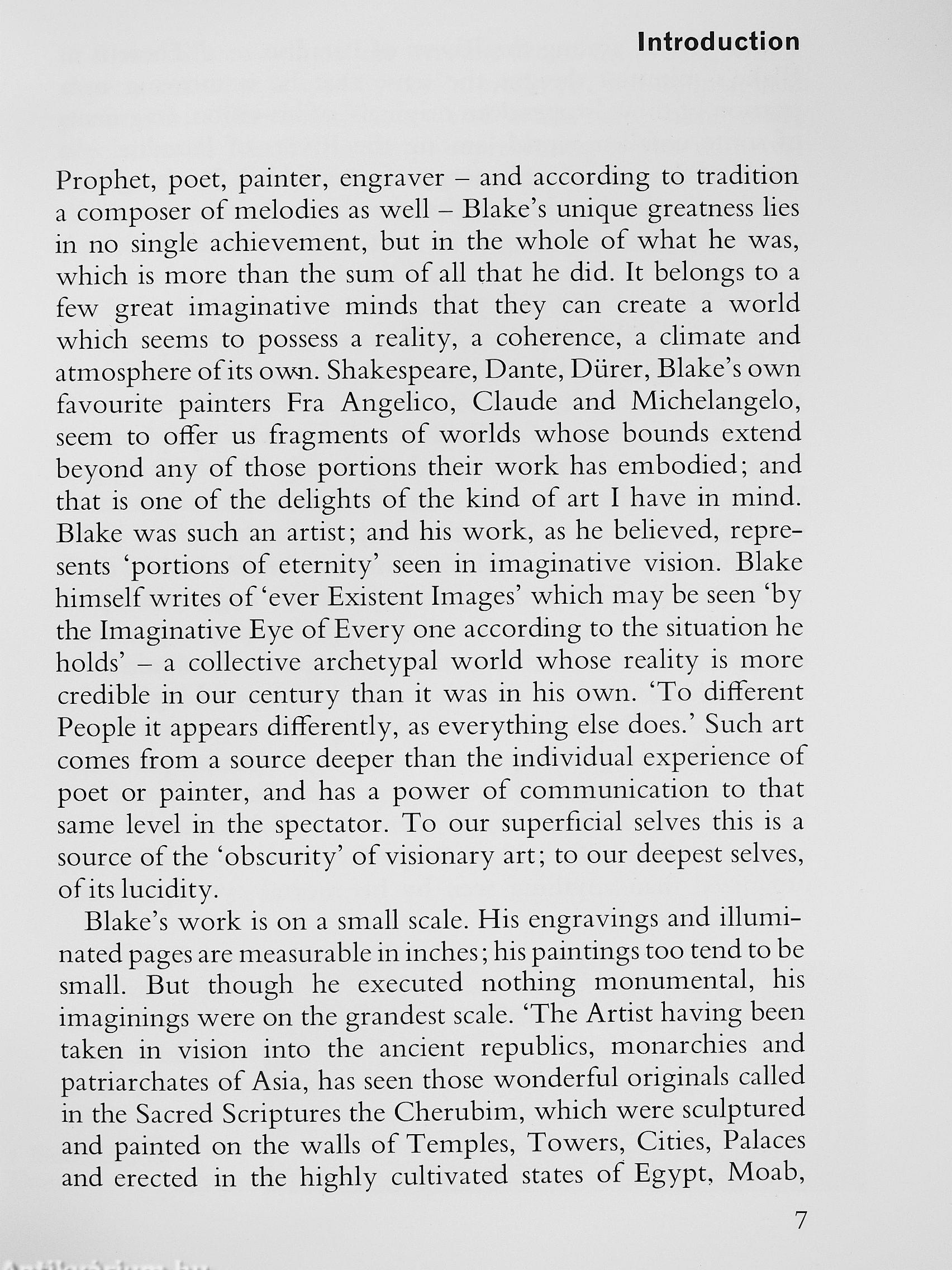
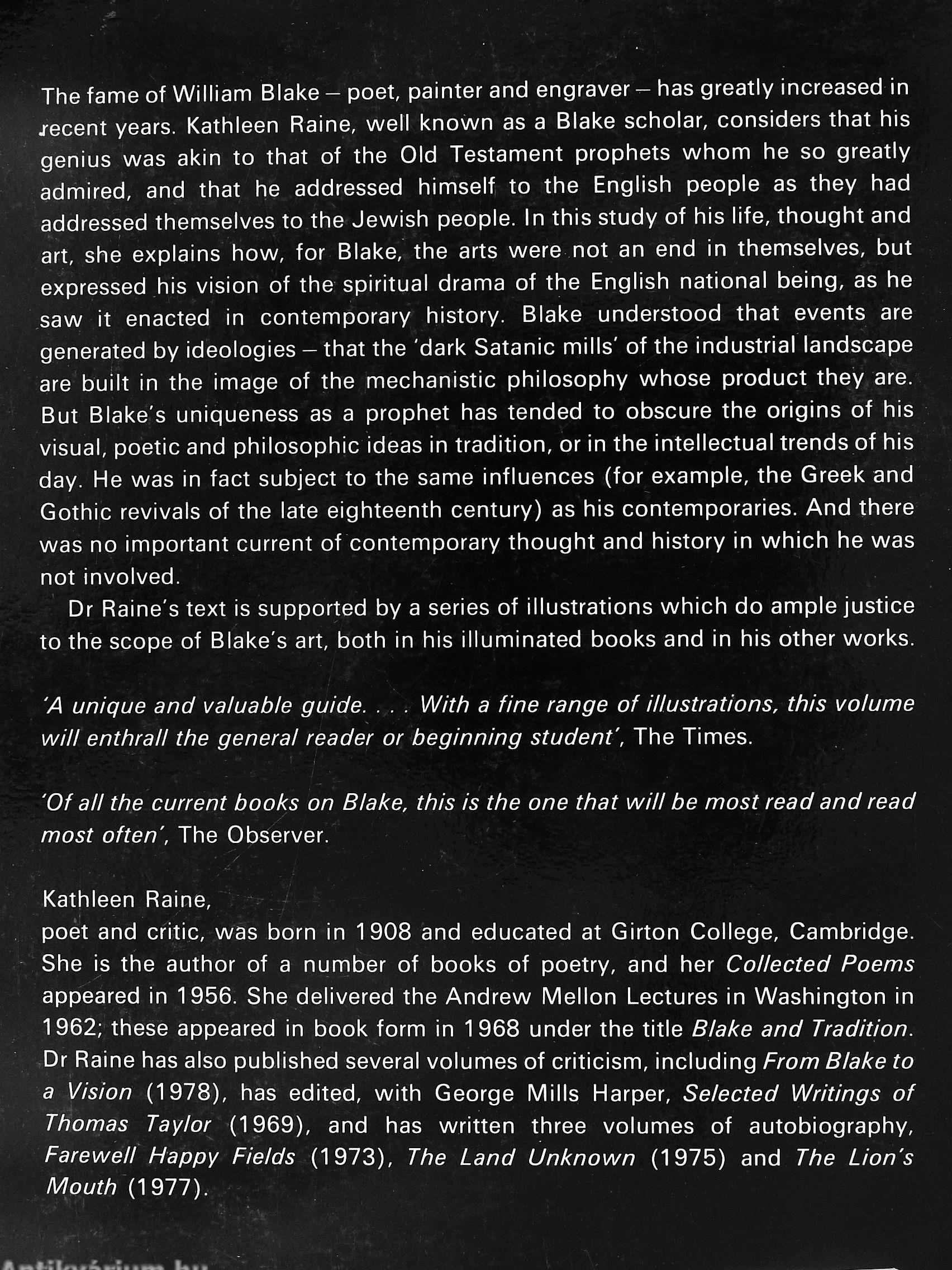
The fame of William Blake - poet, painter and engraver - has greatly increased in j-ecent years. Kathleen Raine, well known as a Blake scholar, considers that his genius was akin to that of the Old Testament prophets whom he so greatly admired, and that he addressed himself to the English people as they had addressed themselves to the Jewish people. In this study of his life, thought and art, she explains how, for Blake, the arts were not an end in themselves, but expressed his vision of the spiritual drama of the English national being, as he saw it enacted in contemporary history. Blake understood that events are generated by ideologies - that the 'dark Satanic mills' of the industrial landscape are built in the image of the mechanistic philosophy whose product they are. But Blake's uniqueness as a prophet has tended to obscure the origins of his visual, poetic and philosophic ideas in tradition, or in the intellectual trends of his day. He was in fact subject to the same influences (for example, the Greek and Gothic revivals of the late eighteenth century) as his contemporaries. And there was no important current of contemporary thought and history in which he was not involved.
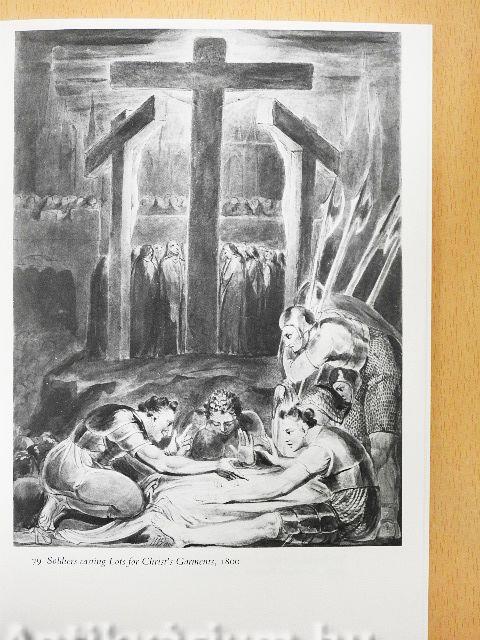
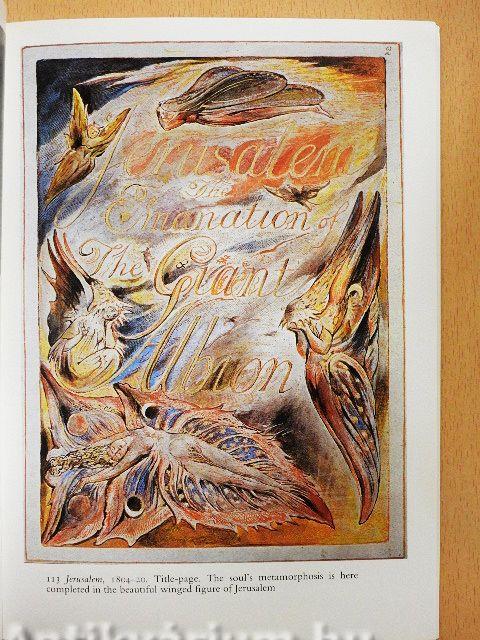
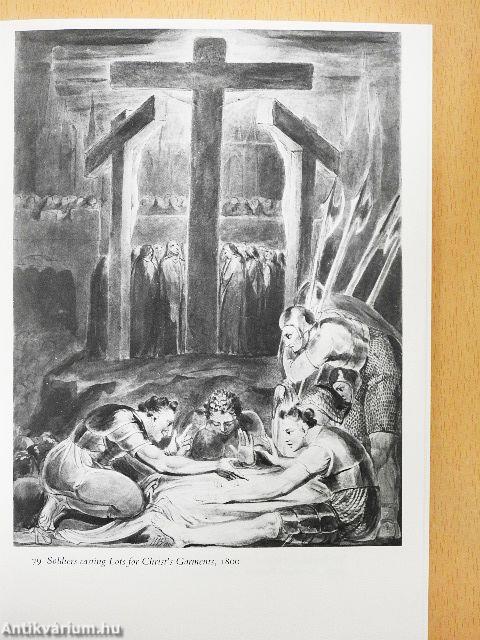
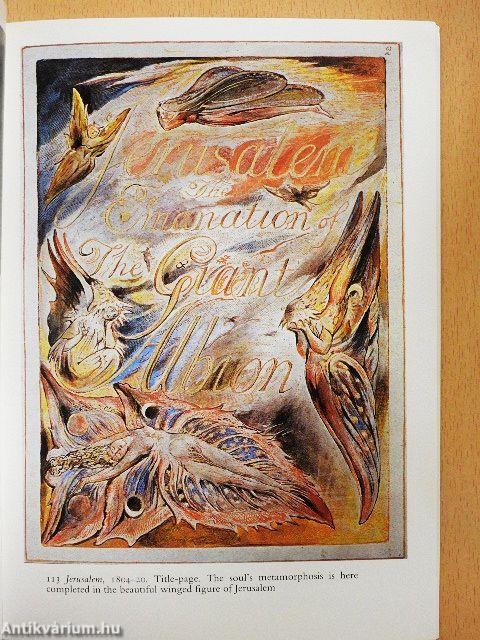
Dr Raine's text is supported by a series of illustrations which do ample justice to the scope of Blake's art, both in his illuminated books and in his other works.
'A unique and valuable guide. . . . With a fine range of illustrations, this volume will enthrall the general reader or beginning student', The Times.
'Of all the current books on Blake, this is the one that will be most read and read most often', The Observer.
Kathleen Raine,
poet and critic, was born in 1908 and educated at Girton College, Cambridge. She is the author of a number of books of poetry, and her Collected Poems appeared in 1956. She delivered the Andrew Mellon Lectures in Washington in 1962; these appeared in book form in 1 968 under the title Blake and Tradition. Dr Raine has also published several volumes of criticism, including From Blake to a Vision (1978), has edited, with George Mills Harper, Selected Writings of Thomas Taylor (1969), and has written three volumes of autobiography. Farewell Happy Fields (1973), The Land Unknown (1975) and The Lion's Mouth (1977).
Vissza 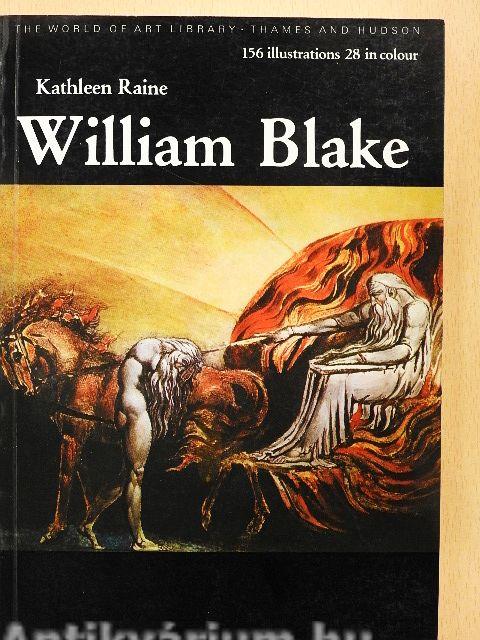


 Folytatás Microsoft-tal