
1.136.347
kiadvánnyal nyújtjuk Magyarország legnagyobb antikvár könyv-kínálatát

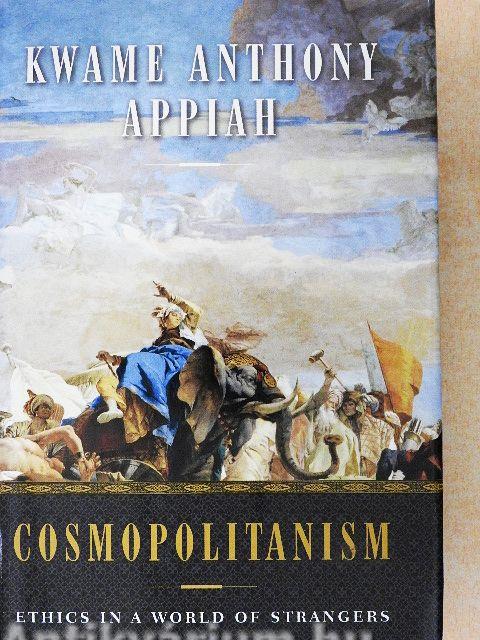
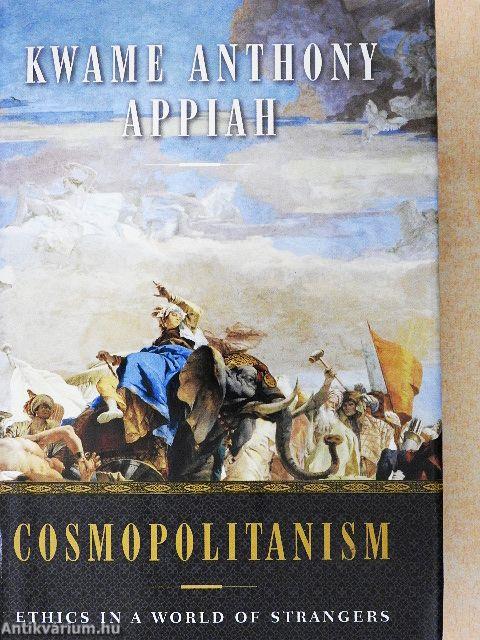
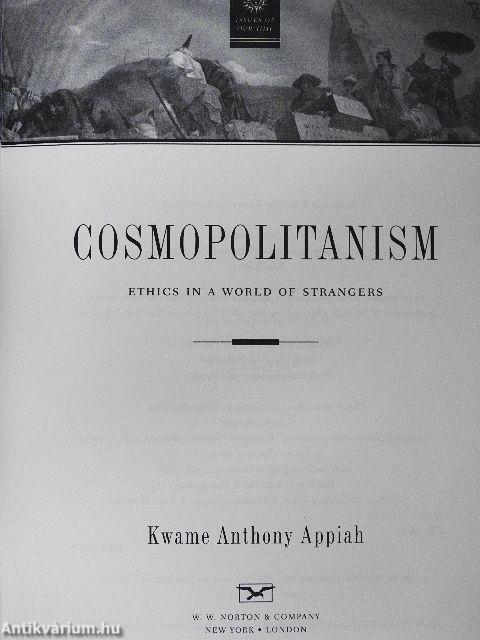
Cosmopolitanism
Ethics in a World of Strangers
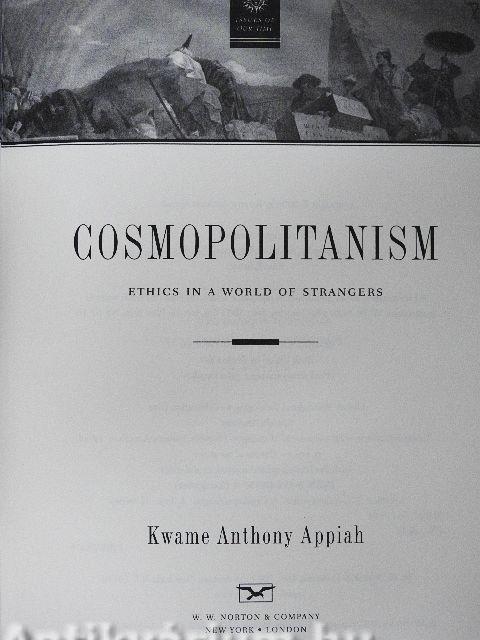
New York-London
| Kiadó: | W. W. Norton & Company |
|---|---|
| Kiadás helye: | New York-London |
| Kiadás éve: | |
| Kötés típusa: | Fűzött keménykötés |
| Oldalszám: | 196 oldal |
| Sorozatcím: | Issues of Our Time |
| Kötetszám: | |
| Nyelv: | Angol |
| Méret: | 22 cm x 15 cm |
| ISBN: | 0-393-06155-8 |
Értesítőt kérek a kiadóról
Értesítőt kérek a sorozatról
A beállítást mentettük,
naponta értesítjük a beérkező friss
kiadványokról
naponta értesítjük a beérkező friss
kiadványokról
A beállítást mentettük,
naponta értesítjük a beérkező friss
kiadványokról
naponta értesítjük a beérkező friss
kiadványokról
Előszó
Tovább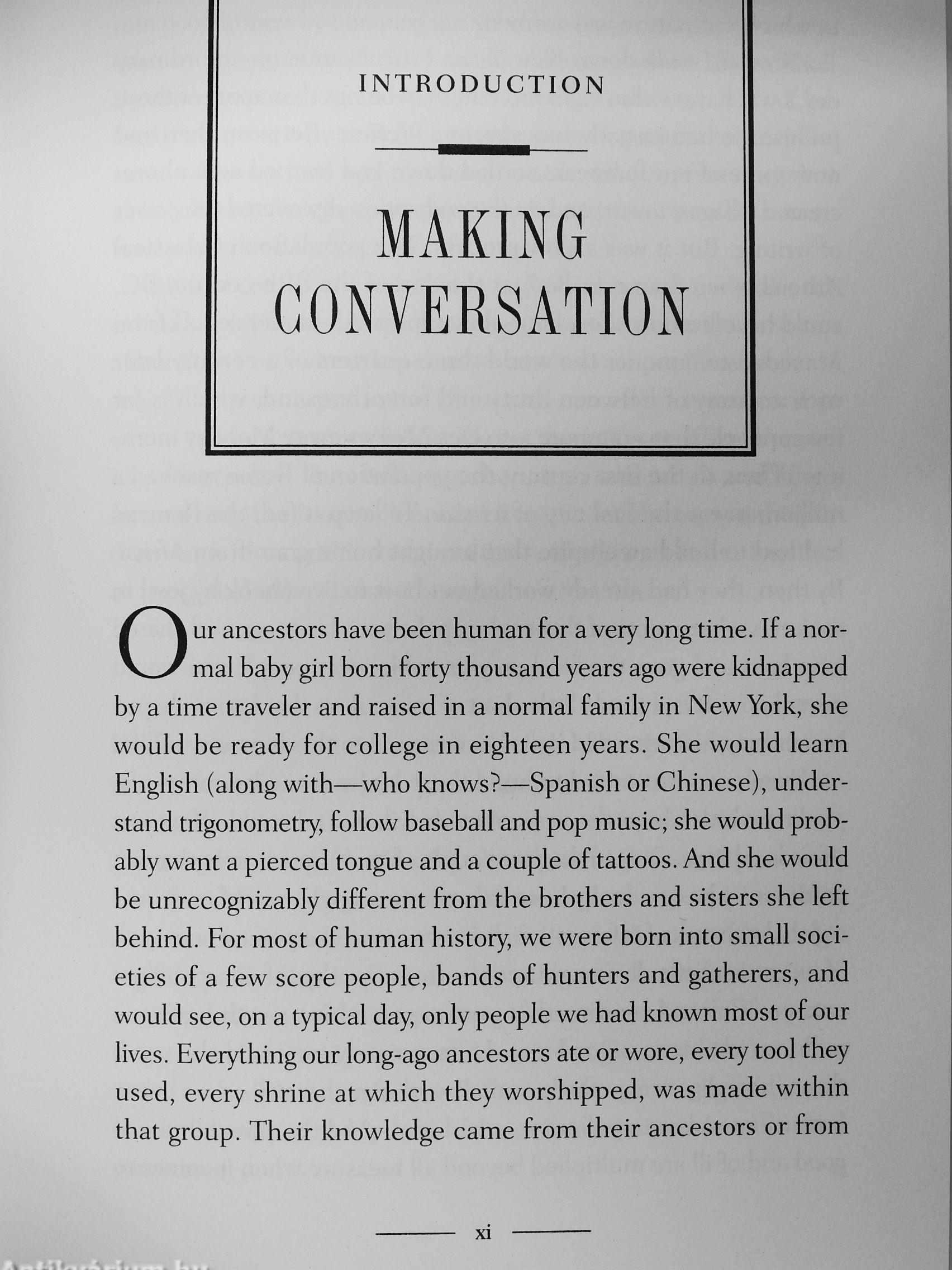
Fülszöveg
ISBN 0-393-06155-8
USÄ $23.95 CAN. $33.00.
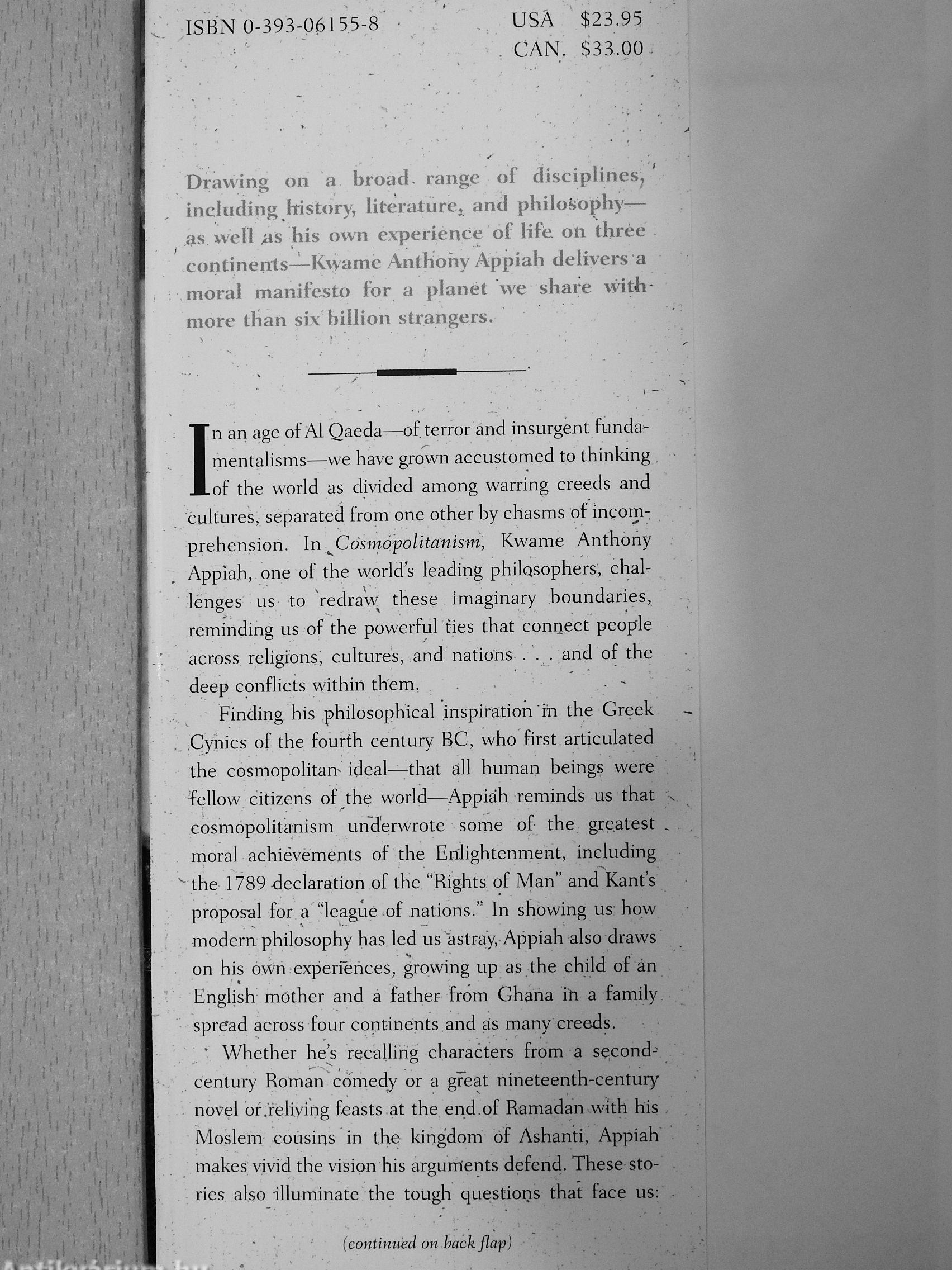
Drawing on a broad, range of disciplines,' including Itistorj, literature;, and philosophy— gs well ;is his own experience of life on three continents-^Kwame Anthony Appiah delivers a moral manifesto for a planet \ve share with-niore than six billion strangers.
I
n an age of Al Qaeda—of terror and insurgent fundamentalisms—we have grown accustomed to thinking of the world as divided among warring creeds and cultures, separated from one other by chasms of incomprehension. In ^Cosmopolitanism, Kwame Anthony Appiah, one of the world's leading philosophers, challenges us to redraw these imaginary boundaries, reminding us of the powerful ties that connect people across religions, cultures, and nations and of the deep conflicts within them. . -
Finding his philosophical inspiration in the Greek Cynics of the fourth century BC, who first articulated the cosmopolitan- ideal—that all human beings were fellow citizens of the world—Appiah... Tovább
Fülszöveg
ISBN 0-393-06155-8
USÄ $23.95 CAN. $33.00.
Drawing on a broad, range of disciplines,' including Itistorj, literature;, and philosophy— gs well ;is his own experience of life on three continents-^Kwame Anthony Appiah delivers a moral manifesto for a planet \ve share with-niore than six billion strangers.
I
n an age of Al Qaeda—of terror and insurgent fundamentalisms—we have grown accustomed to thinking of the world as divided among warring creeds and cultures, separated from one other by chasms of incomprehension. In ^Cosmopolitanism, Kwame Anthony Appiah, one of the world's leading philosophers, challenges us to redraw these imaginary boundaries, reminding us of the powerful ties that connect people across religions, cultures, and nations and of the deep conflicts within them. . -
Finding his philosophical inspiration in the Greek Cynics of the fourth century BC, who first articulated the cosmopolitan- ideal—that all human beings were fellow citizens of the world—Appiah reminds us that cosmopolitanism underwrote some of the greatest moral achievements of the Enlightenment, including the 1789 -declaration of the "Rights of Man" and Kant's proposal for a "league of nations." In showing us how modern philosophy has led us astray, Appiah also draws on his own experiences, growing up as the child of án English mother and a father from Ghana in a family spread across four continents and ás many creeds.
' Whether he^s recalling characters from a second-century Roman comedy or a great nineteenth-century novel or.reliving feasts at the end.of Ramadan with his Moslem cousins in the kingdom of Ashanti, Appiah makes vivid the vision his arguments defend. These stories also illuminate the tough questions that face us:
(continued on back flap)
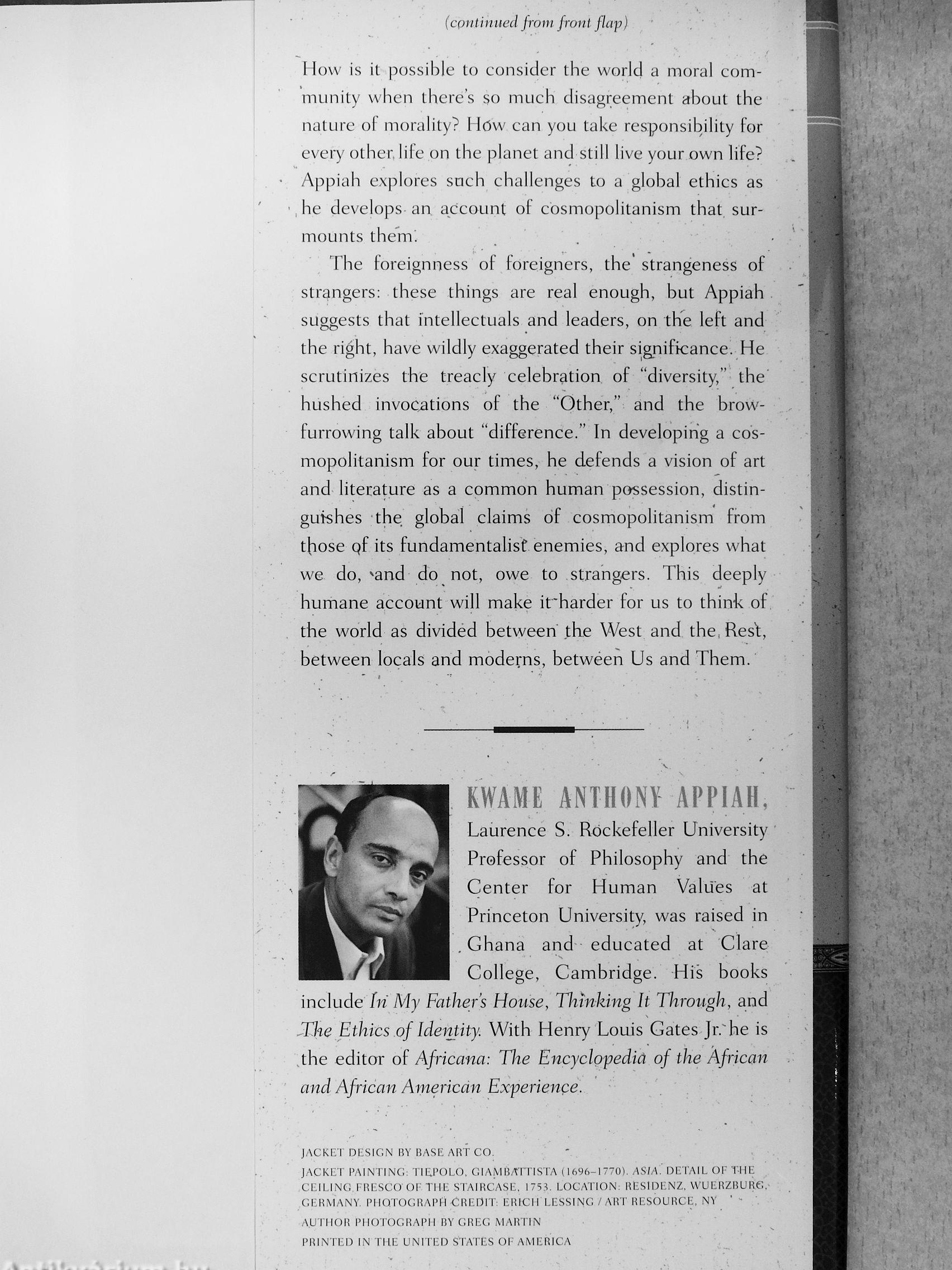
(cqhtiniiecl froul front flap)
How is il possible to consider the world a moral community when there's so much disagreement about the nature of morality? H(5w can you take responsibility for every other life on the planet and still live your own life? Appiah explores such challenges to a global ethics as he develops an account of cosmopolitanism that surmounts them.
The foreignness of foreigners, the strangeness of strangers: these things are real enough, but Appiah suggests that intellectuals and leaders, on the left and the right, have wildly exaggerated their signifkrance. He scrutinizes the treacly celebration of "diversity," the hushed invocations of the "Other," and the brow-furrowing talk about "difference." In developing a cosmopolitanism for our times, he defends a vision of art and literature as a common human possession, distinguishes the global claims of cosmopolitanism from those gf its fundamentalist enemies, and explores what we do, ^and do not, owe to strangers. This deeply humane account will make it'harder for us to think of the world as divided between the West and the,Res~t, between locals and moderns, between Us and Them.
KWAME ANTHONY APPIAH,
Laurence S. Rockefeller University Professor of Philosophy and the Center for Human Values at Princeton University, was raised in Ghana and educated at Clare College, Cambridge. His books include /nM)' Father's House, Thinking It Ihrough, and -Xlie Ethics of Identity. With Henry Louis Gates Jr.~he is the editor of Africana: The Encyclopedia of the African and African American Experience.
JACKET DESIGN HY HASE ART CO,
JACKET PAINTING; TIEI'OLO, CIAMBATTISTA (1696-1770). ASM.'DETAIL OF THE CEILING. FRESCO OFTHt-: STAIHCASI:, I7S.V LOCATION: RESIDENZ. WUERZI5URG. GI-:HMANY. PMQTOGRAPH-CREDIT: ERICH LESSING / ART RESOURCE, NY ' -AUTHOR PHOTOGRAPH RY GREG MARTIN PRINTED IN THE UNITED STATES 01" AMERICA
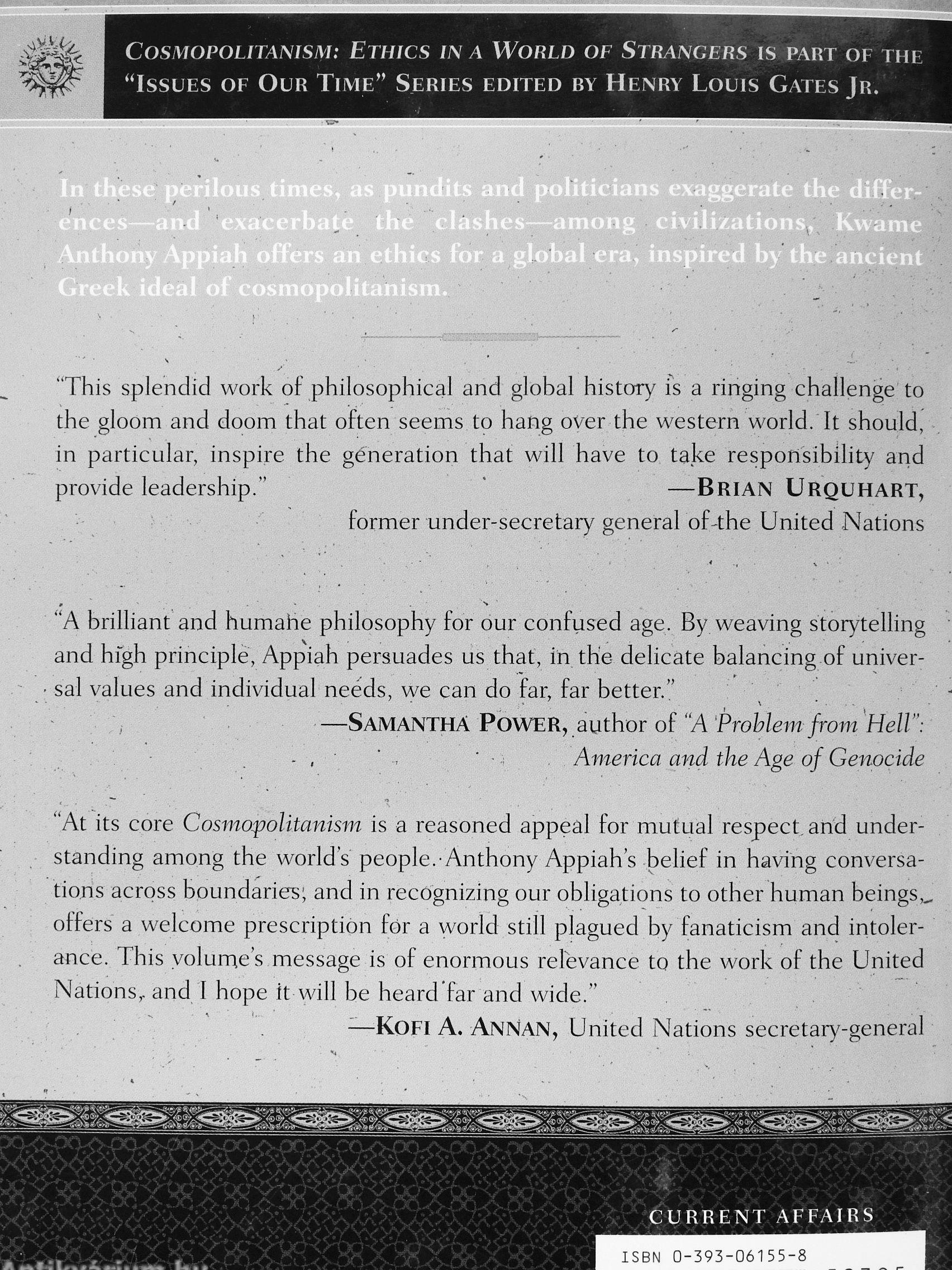
Cosmopolitanism: Ethics in a World of Strangers is part of the "Issues of Our Time" Series edited by Henry Louis Gates Jr.
'This splendid work of philosophical and global histOTy is a ringing challenge to the gloom and doom that often seems to hang over the western world. It should, in particular, inspire the génération that will have to take responsibility and provide leadership." " —brian Urquhart,
former under-secretary general of-the United Nations
"A brilliant and humahe philosophy for our confused age. By weaving storytelling and high principle, Appiah persuades us that, in the delicate balancing of universal values and individual needs, we can do far, far better."
—samantfl4 Power, author of "A ProWeji?/rom HeZJ": . , • , ¦ America and the Age of Genocide
"At its core Cosmopolitanism is a reasoned appeal for mutual respect and understanding among the world's people. Anthony Appiah's behef in having conversations across boundaries; and in recognizing our obligations to other human beings,, offers a welcome prescription for a worid still plagued by fanaticism and intolerance. This yolume's message is of enormous relevance to the work of the United
Nations,, and I hope ft will be heard'far and wide."
—Kofi A. Annan, United Nations secretar\'-general
ISBN 0-393-06155-8 Vissza
Témakörök
- Filozófia > Témaköre szerint > Etika
- Idegennyelv > Idegennyelvű könyvek > Angol > Művelődéstörténet
- Idegennyelv > Idegennyelvű könyvek > Angol > Filozófia > Témaköre szerint > Etika
- Művelődéstörténet > Eszmetörténet > Erkölcs
- Filozófia > Témaköre szerint > Filozófiatörténet > Irányzatok
- Idegennyelv > Idegennyelvű könyvek > Angol > Filozófia > Témaköre szerint > Filozófiatörténet > Irányzatok
- Filozófia > Témaköre szerint > Társadalomfilozófia > Egyéb
- Idegennyelv > Idegennyelvű könyvek > Angol > Filozófia > Témaköre szerint > Társadalomfilozófia > Egyéb
- Művelődéstörténet > Eszmetörténet > Történelem > Egyéb
Kwame Anthony Appiah
Kwame Anthony Appiah műveinek az Antikvarium.hu-n kapható vagy előjegyezhető listáját itt tekintheti meg: Kwame Anthony Appiah könyvek, művekMegvásárolható példányok
Állapotfotók
Az előzéklapon tulajdonosi pecsétnyom látható.
Állapot:
Jó
3.440 ,-Ft
17
pont kapható
Kosárba
 Folytatás Microsoft-tal