
1.161.704
kiadvánnyal nyújtjuk Magyarország legnagyobb antikvár könyv-kínálatát

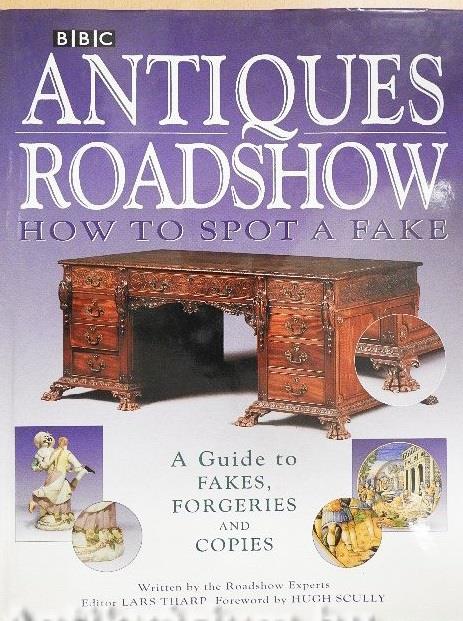
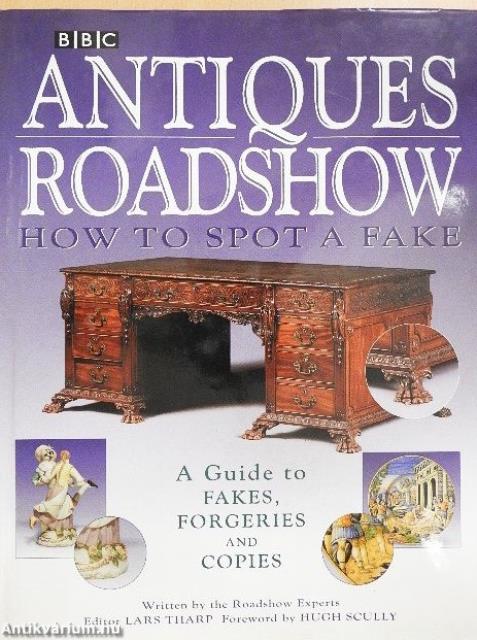
Antiques Roadshow
How to Spot a Fake/A Guide to Fakes, Forgeries and Copies
London
| Kiadó: | Boxtree Ltd. |
|---|---|
| Kiadás helye: | London |
| Kiadás éve: | |
| Kötés típusa: | Fűzött keménykötés |
| Oldalszám: | 192 oldal |
| Sorozatcím: | |
| Kötetszám: | |
| Nyelv: | Angol |
| Méret: | 29 cm x 23 cm |
| ISBN: | 0-7522-1791-7 |
| Megjegyzés: | Színes fotókkal. |
Értesítőt kérek a kiadóról
A beállítást mentettük,
naponta értesítjük a beérkező friss
kiadványokról
A beállítást mentettük,
naponta értesítjük a beérkező friss
kiadványokról
Előszó
Tovább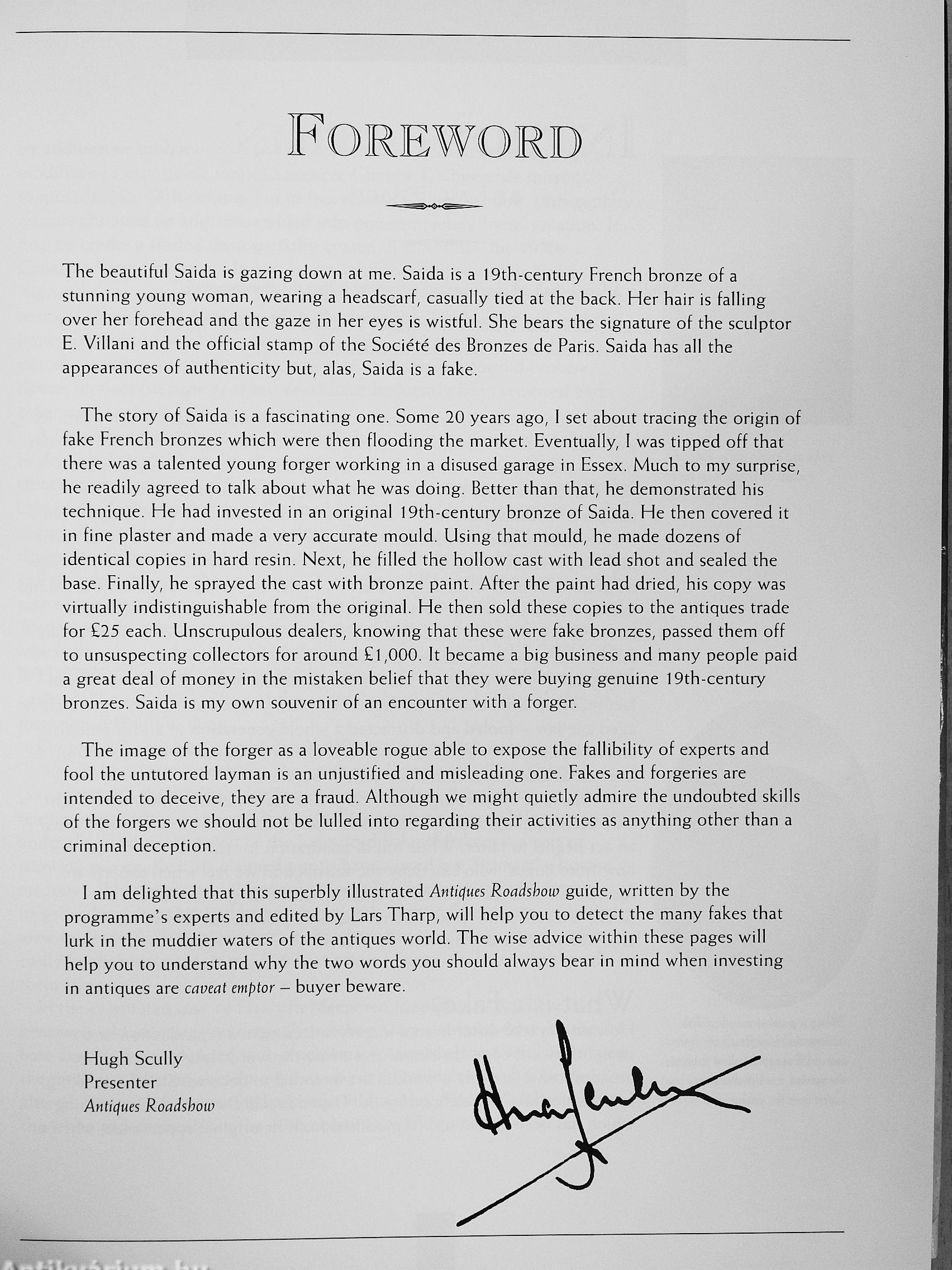
Fülszöveg
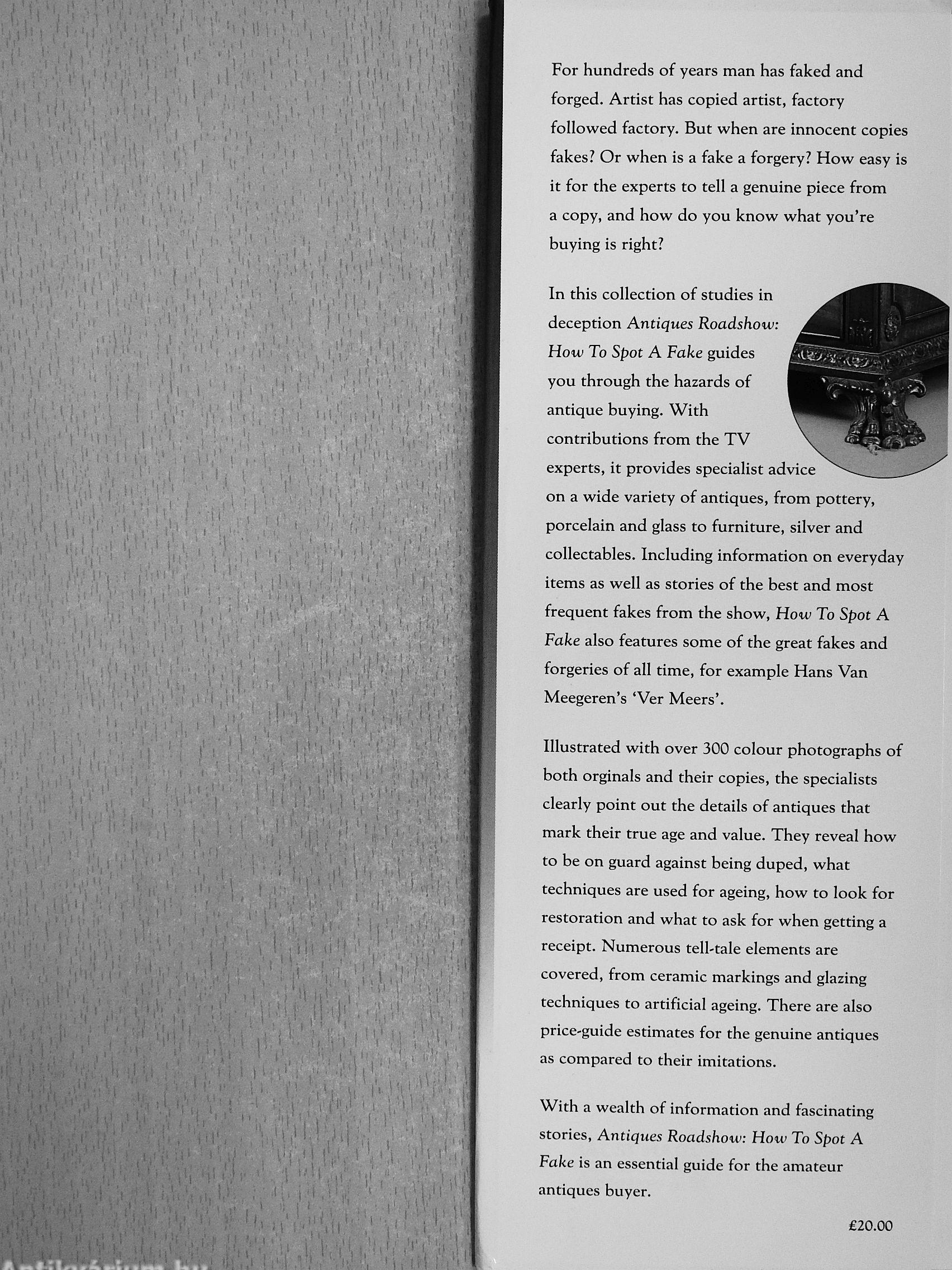
For hundreds of years man has faked and forged. Artist has copied artist, factory followed factory. But when are innocent copies fakes? Or when is a fake a forgery? How easy is it for the experts to tell a genuine piece from a copy, and how do you know what you're buying is right?
In this collection of studies in deception Antiques Roadshow: How To Spot A Fake guides you through the hazards of antique buying. With contributions from the TV experts, it provides specialist advice on a wide variety of antiques, from pottery, porcelain and glass to furniture, silver and collectables. Including information on everyday items as well as stories of the best and most frequent fakes from the show, How To Spot A Fake also features some of the great fakes and forgeries of all time, for example Hans Van Meegeren's 'Ver Meers'.
Illustrated with over 300 colour photographs of both orginals and their copies, the specialists clearly point out the details of antiques that mark their true age and... Tovább
Fülszöveg
For hundreds of years man has faked and forged. Artist has copied artist, factory followed factory. But when are innocent copies fakes? Or when is a fake a forgery? How easy is it for the experts to tell a genuine piece from a copy, and how do you know what you're buying is right?
In this collection of studies in deception Antiques Roadshow: How To Spot A Fake guides you through the hazards of antique buying. With contributions from the TV experts, it provides specialist advice on a wide variety of antiques, from pottery, porcelain and glass to furniture, silver and collectables. Including information on everyday items as well as stories of the best and most frequent fakes from the show, How To Spot A Fake also features some of the great fakes and forgeries of all time, for example Hans Van Meegeren's 'Ver Meers'.
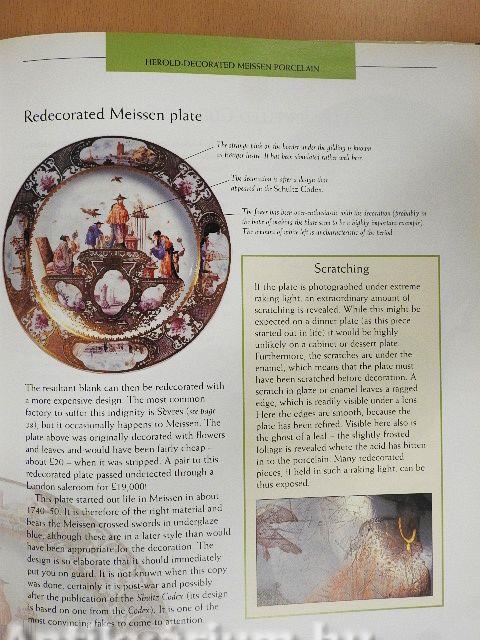
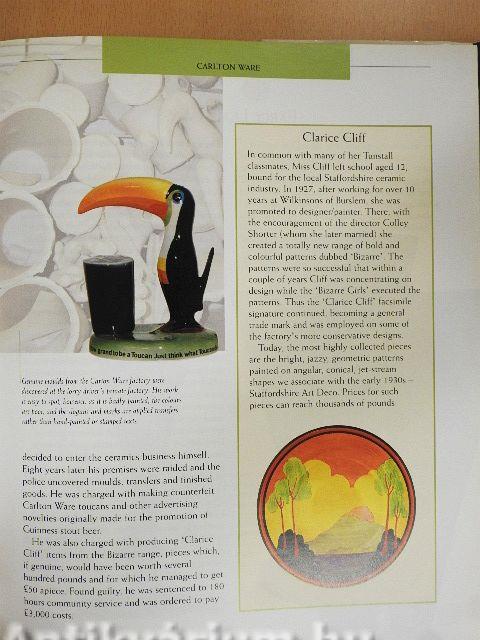
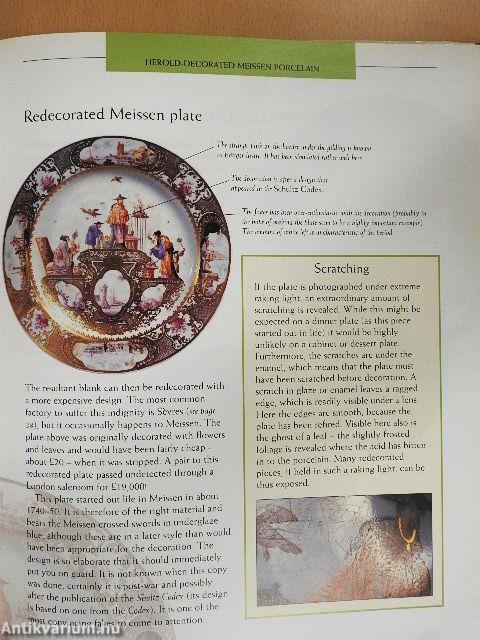
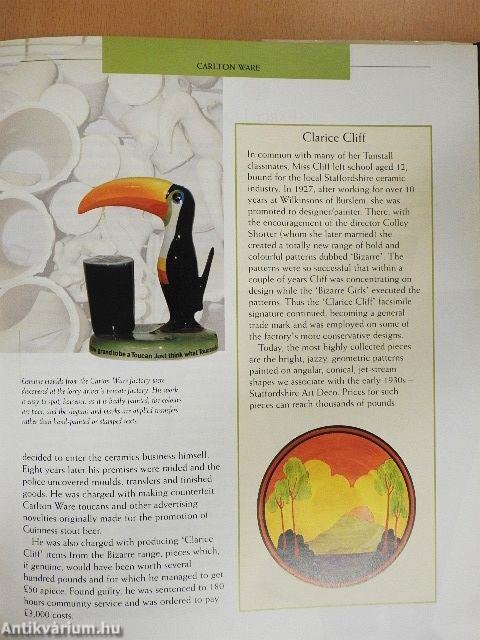
Illustrated with over 300 colour photographs of both orginals and their copies, the specialists clearly point out the details of antiques that mark their true age and value. They reveal how to be on guard against being duped, what techniques are used for ageing, how to look for restoration and what to ask for when getting a receipt. Numerous tell-tale elements are covered, from ceramic markings and glazing techniques to artificial ageing. There are also price-guide estimates for the genuine antiques as compared to their imitations.
With a wealth of information and fascinating stories, Antiijite-s Roadshoiv: How To Spot A Fake is an essential guide for the amateur antiques buyer.
L20.00
. ' • ^ I ' 5 • i . .
1 ,
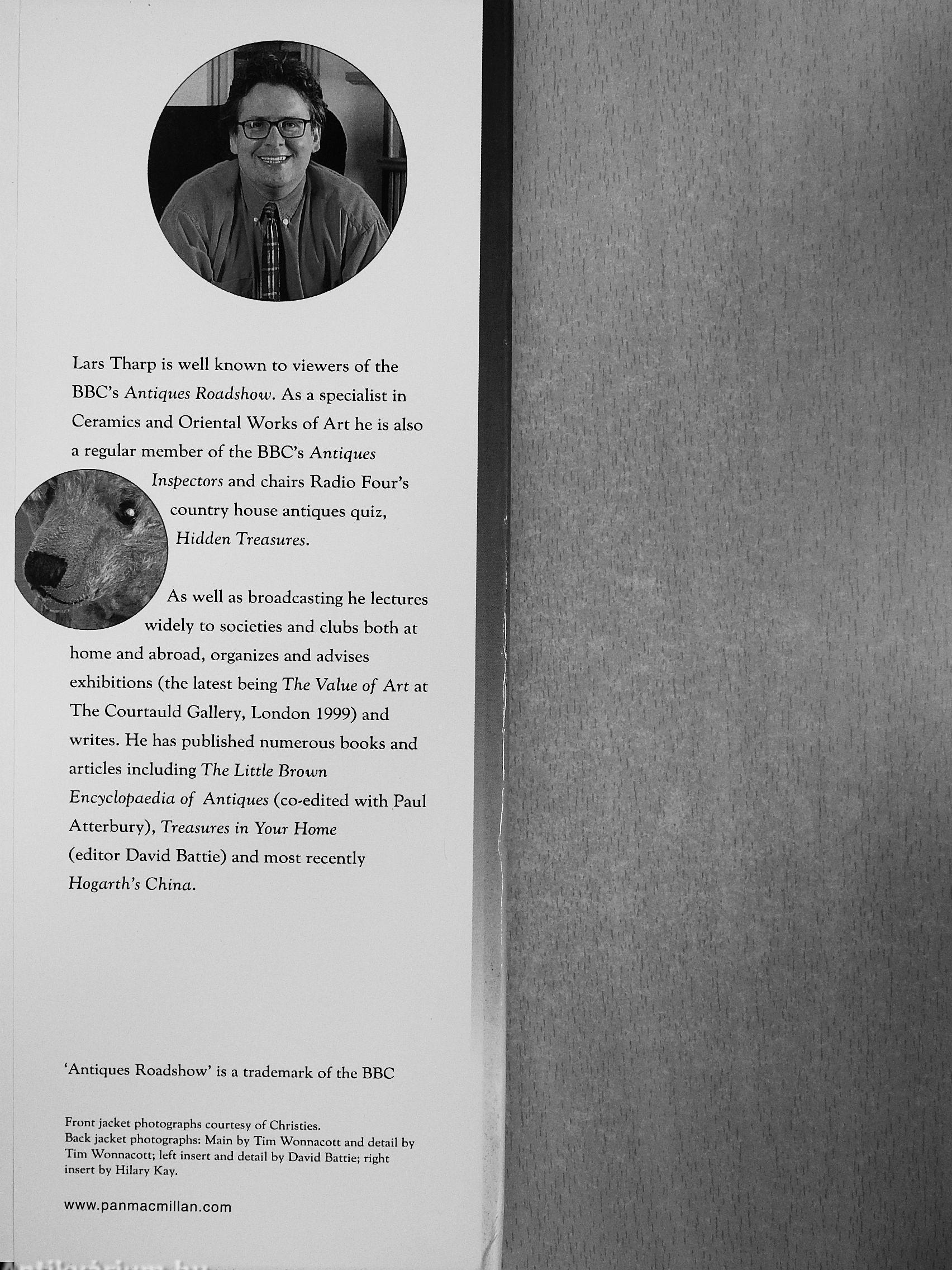
Lars Tharp is well known to viewers of the BBC's Antiques Roadshon». As a specialist in Ceramics and Oriental Works of Art he is also a regular member of the BBC's Antiques
Inspectors and chairs Radio Four's country house antiques quiz, Hidden Treasures.
As well as broadcasting he lectures widely to societies and clubs both at home and abroad, organizes and advises exhibitions (the latest being The Value of Art at The Courtauld Gallery, London 1999) and writes. He has published numerous books and articles including The Little Brou;n Encyclopaedia of Antiques (co-edited with Paul Atterbury), Treasures in Your Home (editor David Battie) and most recently Hogarth's China.
'Antiques Roadshow' is a trademark, of the BBC
Front jacket photoKraphs courtesy of Christies. Back jacket pliotographs: Main by Tim Wonnacott and detail hy Tim Wonnacott; left insert and detail by David Battie; right insert by Hilary Kay.
www.panmacmifian.com Vissza
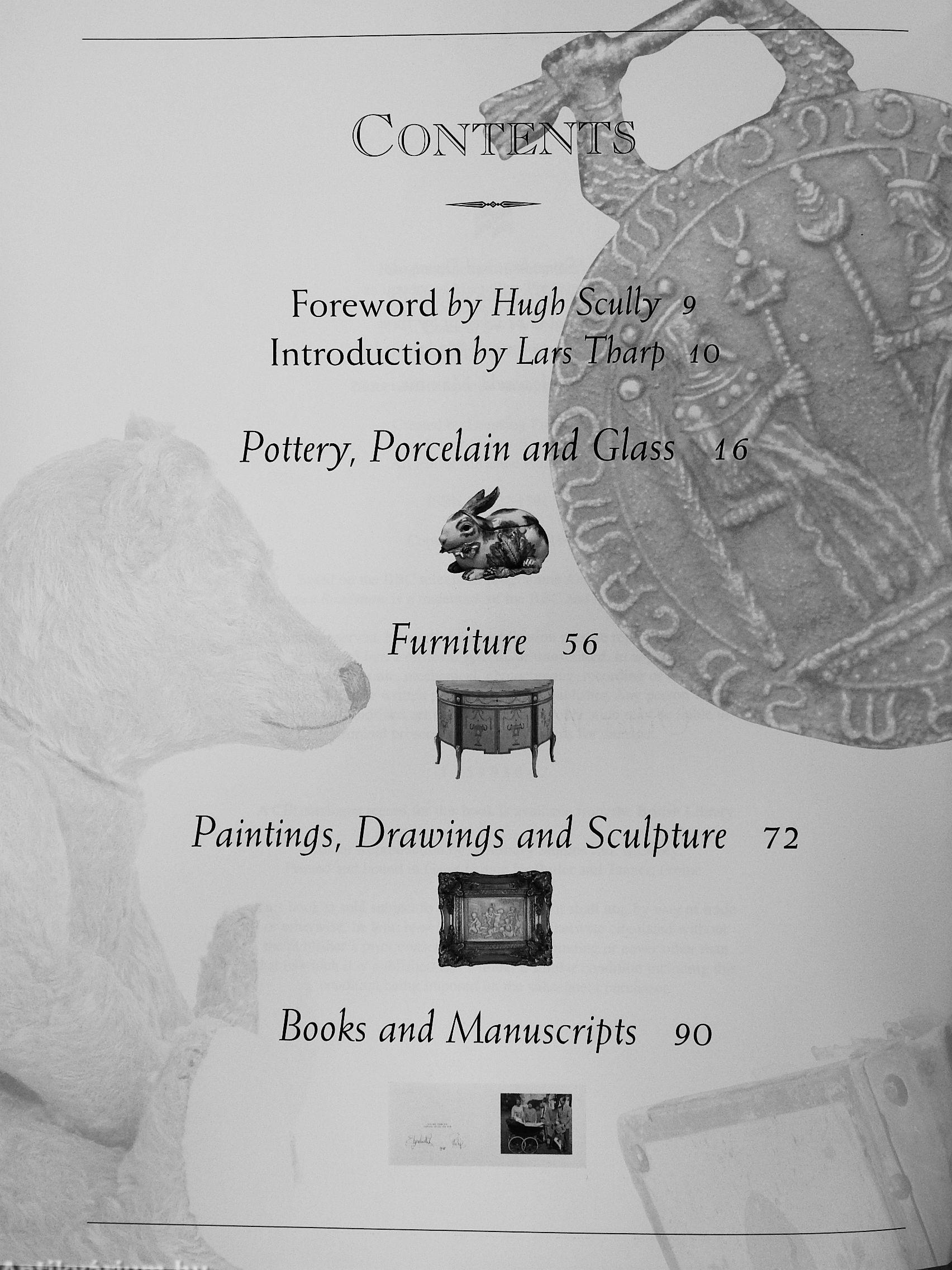
Témakörök
- Idegennyelv > Idegennyelvű könyvek > Angol > Művészetek > Iparművészet
- Idegennyelv > Idegennyelvű könyvek > Angol > Vendéglátás, kereskedelem
- Művészetek > Iparművészet > Kézikönyvek, lexikonok
- Művészetek > Iparművészet > Idegen nyelv > Angol
- Művészetek > Iparművészet > Fém-, ötvösművészet > Ezüst, arany
- Művészetek > Iparművészet > Fém-, ötvösművészet > Fémművesség
- Művészetek > Iparművészet > Bútor, lakberendezés > Antik bútorok
- Művészetek > Iparművészet > Kerámia, porcelán, üveg > Stílustörténet
- Vendéglátás, kereskedelem > Műtárgy kereskedelem
Megvásárolható példányok
Nincs megvásárolható példány
A könyv összes megrendelhető példánya elfogyott. Ha kívánja, előjegyezheti a könyvet, és amint a könyv egy újabb példánya elérhető lesz, értesítjük.
 Folytatás Microsoft-tal