
1.153.930
kiadvánnyal nyújtjuk Magyarország legnagyobb antikvár könyv-kínálatát

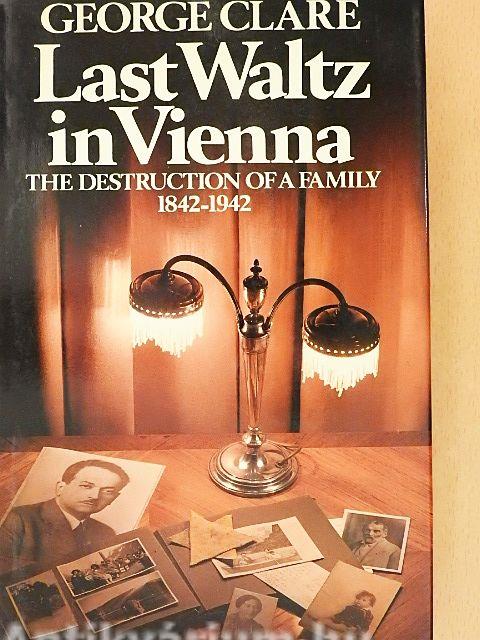
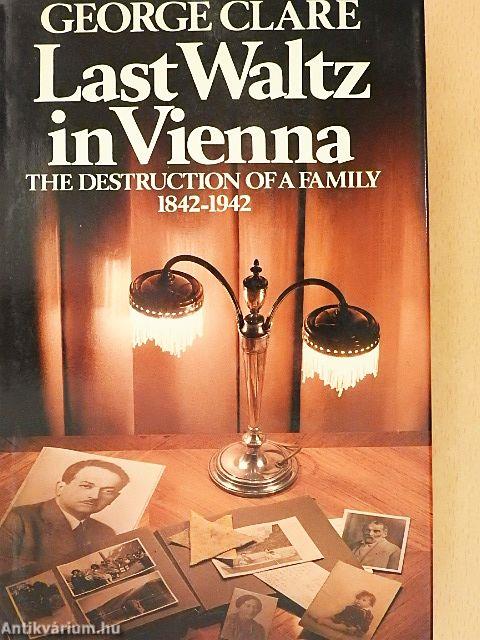
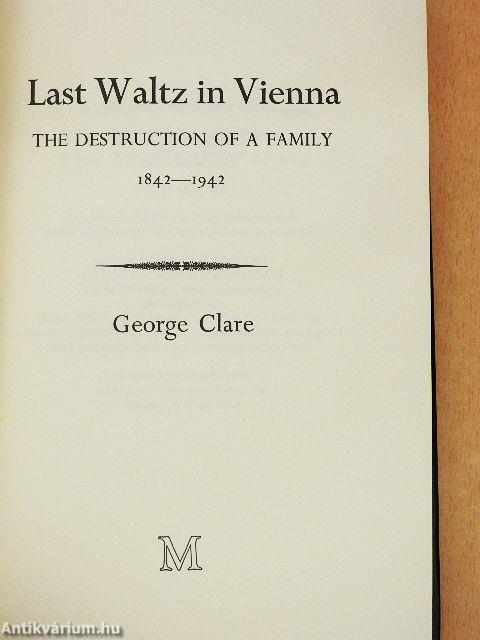
Last Waltz in Vienna
The Destruction of a Family/1842-1942
London
| Kiadó: | Macmillan London Limited |
|---|---|
| Kiadás helye: | London |
| Kiadás éve: | |
| Kötés típusa: | Varrott keménykötés |
| Oldalszám: | 274 oldal |
| Sorozatcím: | |
| Kötetszám: | |
| Nyelv: | Angol |
| Méret: | 22 cm x 14 cm |
| ISBN: | 0-333-32212-6 |
| Megjegyzés: | Fekete-fehér fotókkal. |
Értesítőt kérek a kiadóról
A beállítást mentettük,
naponta értesítjük a beérkező friss
kiadványokról
naponta értesítjük a beérkező friss
kiadványokról
A beállítást mentettük,
naponta értesítjük a beérkező friss
kiadványokról
naponta értesítjük a beérkező friss
kiadványokról
Előszó
Tovább
Fülszöveg
1,1 ' +
1 i 1 î M I
!' , I
i f.
1
' ' r
Ml
I TV' ^t
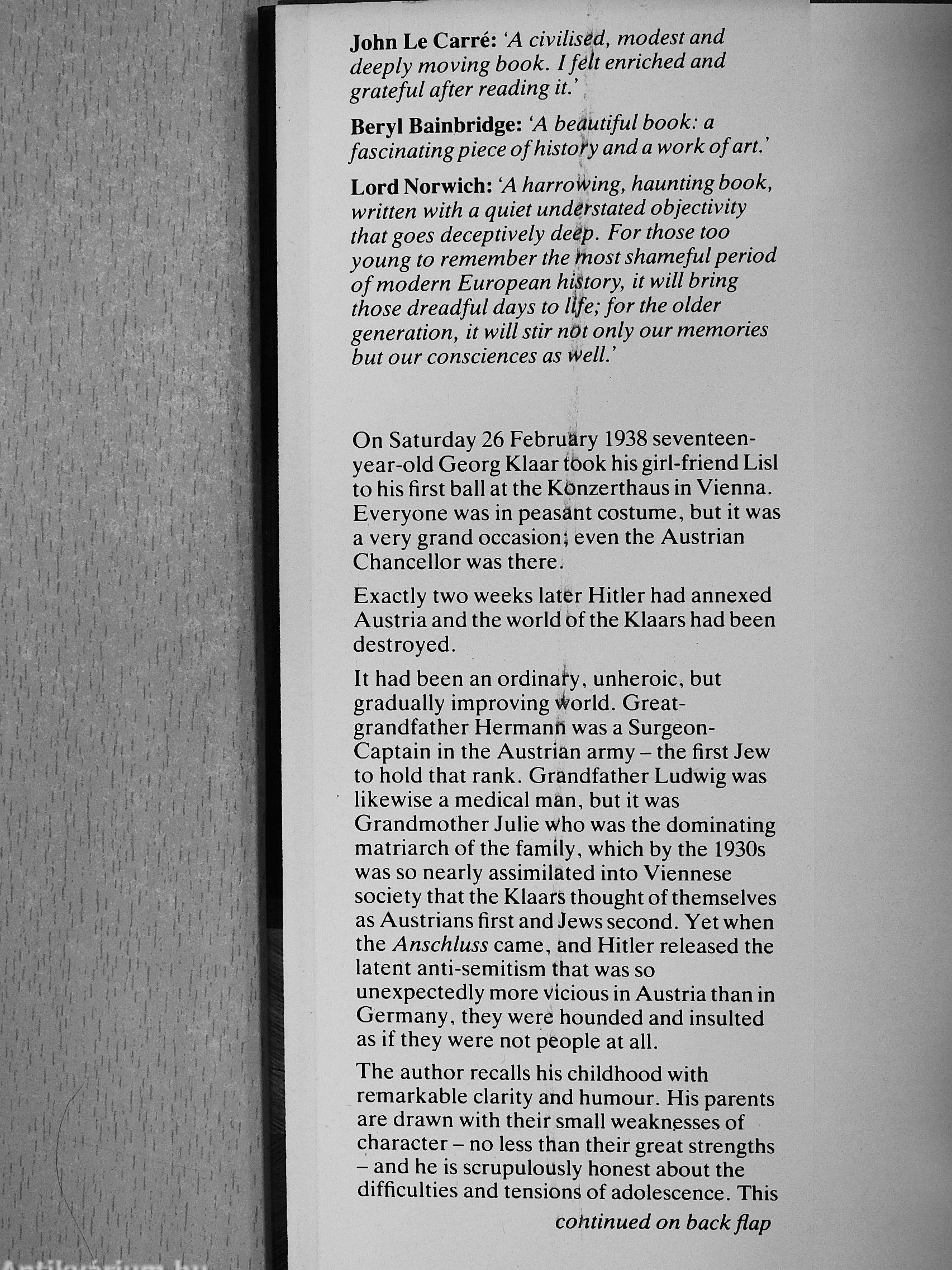
John Le Carré: 'A civilised, modest and deeply moving book. I felt enriched and grateful after reading It.'
Beryl Bainbridge: 'A beautiful book: a fascinating piece of history and a work of art. '
Lord Norwich: A harroiving, haunting book, written with a quiet understated objectivity that goes deceptively deep. For those too young to remember the hiost shameful period of modern European history, it will bring those dreadful days to life; for the older generation, it will stir nOt only our memories but our consciences as Well.'
On Saturday 26 February 1938 seventeen-year-old Georg Klaar took his girl-friend Lisl to his first ball at the Kbnzerthaus in Vienna. Everyone was in peasant costume, but it was a very grand occasion; even the Austrian Chancellor was there.
Exactly two weeks later Hitler had annexed Austria and the world of the Klaars had been destroyed.
It had been an ordinai'y, unheroic, but gradually... Tovább
Fülszöveg
1,1 ' +
1 i 1 î M I
!' , I
i f.
1
' ' r
Ml
I TV' ^t
John Le Carré: 'A civilised, modest and deeply moving book. I felt enriched and grateful after reading It.'
Beryl Bainbridge: 'A beautiful book: a fascinating piece of history and a work of art. '
Lord Norwich: A harroiving, haunting book, written with a quiet understated objectivity that goes deceptively deep. For those too young to remember the hiost shameful period of modern European history, it will bring those dreadful days to life; for the older generation, it will stir nOt only our memories but our consciences as Well.'
On Saturday 26 February 1938 seventeen-year-old Georg Klaar took his girl-friend Lisl to his first ball at the Kbnzerthaus in Vienna. Everyone was in peasant costume, but it was a very grand occasion; even the Austrian Chancellor was there.
Exactly two weeks later Hitler had annexed Austria and the world of the Klaars had been destroyed.
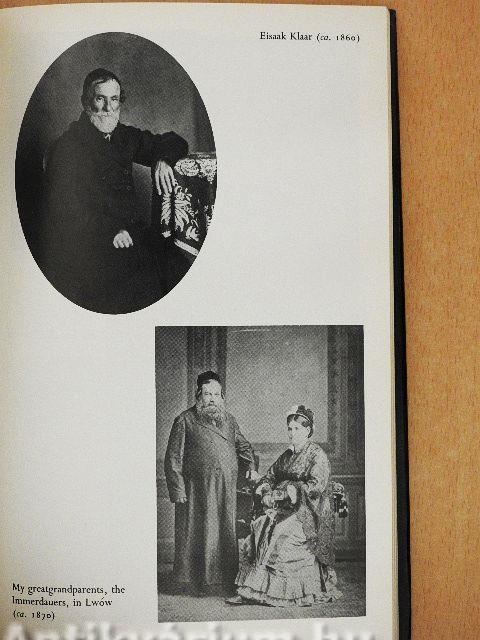
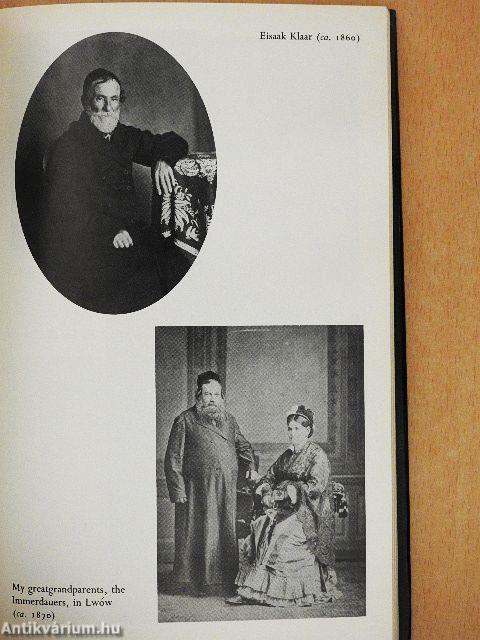
It had been an ordinai'y, unheroic, but gradually improving World. Greatgrandfather Hermann was a Surgeon-Captain in the Austrian army - the first Jew to hold that rank. Grandfather Ludwig was likewise a medical man, but it was Grandmother Julie who was the dominating matriarch of the family, which by the 1930s was so nearly assimilated into Viennese society that the Klaars thought of themselves as Austrians first and Jews second. Yet when the Anschluss came, and Hitler released the latent anti-semitism that was so unexpectedly more vicious in Austria than in Germany, they were hounded and insulted as if they were not people at all.
The author recalls his childhood with remarkable clarity and humour. His parents are drawn with their small weaknesses of character - no less than their great strengths - and he is scrupulously honest about the difficulties and tensions of adolescence. This continued on back flap
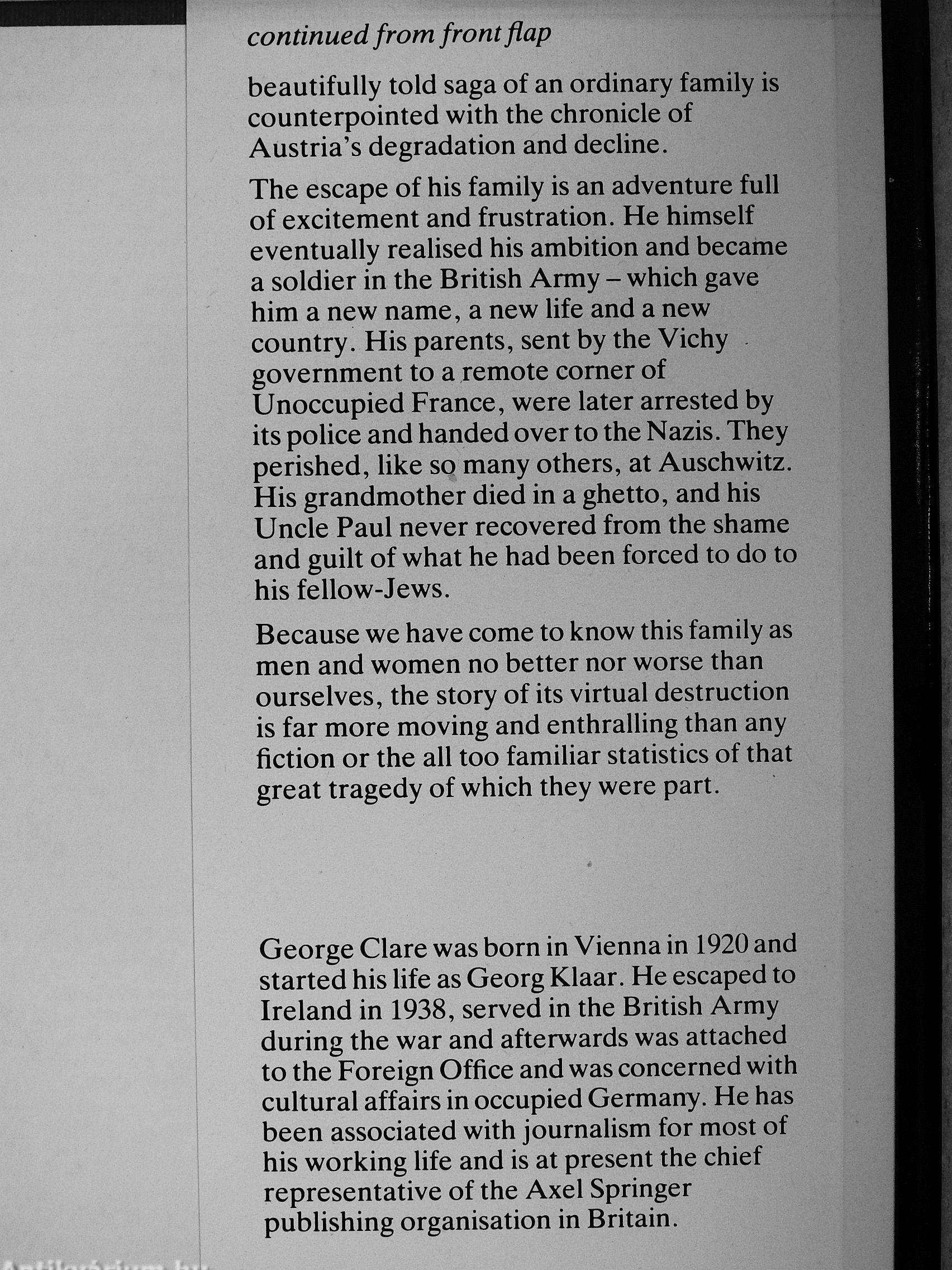
continued from front flap
beautifully told saga of an ordinary family is counterpointed with the chronicle of Austria's degradation and decline.
The escape of his family is an adventure full of excitement and frustration. He himself eventually realised his ambition and became a soldier in the British Army - which gave him a new name, a new life and a new country. His parents, sent by the Vichy government to a remote corner of Unoccupied France, were later arrested by its police and handed over to the Nazis. They perished, like so many others, at Auschwitz. His grandmother died in a ghetto, and his Uncle Paul never recovered from the shame and guilt of what he had been forced to do to his fellow-Jews.
Because we have come to know this family as men and women no better nor worse than ourselves, the story of its virtual destruction is far more moving and enthralling than any fiction or the all too familiar statistics of that great tragedy of which they were part.
George Clare was born in Vienna in 1920 and started his life as Georg Klaar. He escaped to Ireland in 1938, served in the British Army during the war and afterwards was attached to the Foreign Office and was concerned with cultural affairs in occupied Germany. He has been associated with journalism for most of his working life and is at present the chief representative of the Axel Springer publishing organisation in Britain. Vissza
Témakörök
- Idegennyelv > Idegennyelvű könyvek > Angol > Szépirodalom > Megtörtént bűnügyek, dokumentumregények
- Idegennyelv > Idegennyelvű könyvek > Angol > Szépirodalom > Regény, novella, elbeszélés
- Szépirodalom > Regény, novella, elbeszélés > Az író származása szerint > Európa > Ausztria
- Szépirodalom > Regény, novella, elbeszélés > Tartalom szerint > Történelmi regények > Koncentrációs táborok, holokauszt
- Szépirodalom > Regény, novella, elbeszélés > Tartalom szerint > Családregények
- Szépirodalom > Regény, novella, elbeszélés > Tartalom szerint > Életrajzi regények > Önéletrajzok, naplók, memoárok
- Szépirodalom > Regény, novella, elbeszélés > Tartalom szerint > Kor- és társadalomrajz
- Szépirodalom > Megtörtént bűnügyek, dokumentumregények
George Clare
George Clare műveinek az Antikvarium.hu-n kapható vagy előjegyezhető listáját itt tekintheti meg: George Clare könyvek, művekMegvásárolható példányok
Állapotfotók
Jó állapotú példány.
Állapot:
Jó
2.240 ,-Ft
11
pont kapható
Kosárba
 Folytatás Microsoft-tal