
1.146.100
kiadvánnyal nyújtjuk Magyarország legnagyobb antikvár könyv-kínálatát

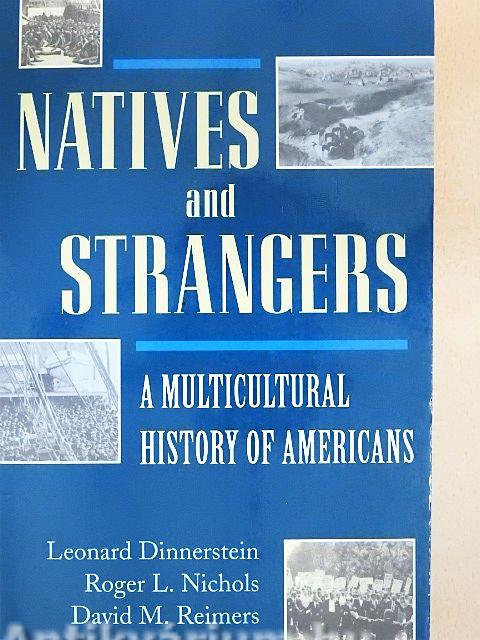
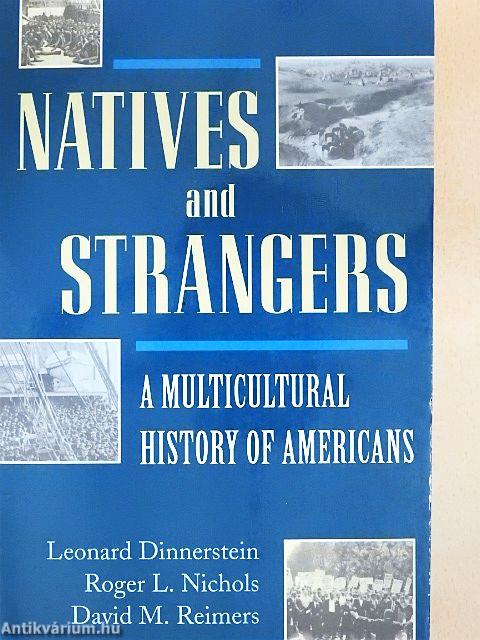
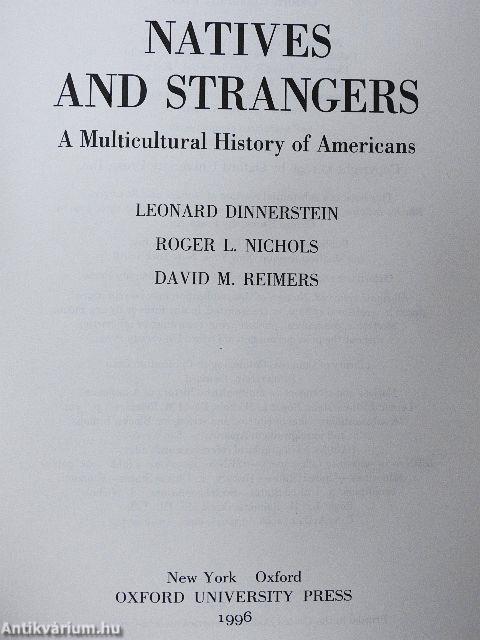
Natives and Strangers
A Multicultural History of Americans
New York-Oxford
| Kiadó: | Oxford University Press |
|---|---|
| Kiadás helye: | New York-Oxford |
| Kiadás éve: | |
| Kötés típusa: | Ragasztott papírkötés |
| Oldalszám: | 370 oldal |
| Sorozatcím: | |
| Kötetszám: | |
| Nyelv: | Angol |
| Méret: | 21 cm x 14 cm |
| ISBN: | 0-19-509084-5 |
| Megjegyzés: | Fekete-fehér fotókkal. |
Értesítőt kérek a kiadóról
A beállítást mentettük,
naponta értesítjük a beérkező friss
kiadványokról
naponta értesítjük a beérkező friss
kiadványokról
A beállítást mentettük,
naponta értesítjük a beérkező friss
kiadványokról
naponta értesítjük a beérkező friss
kiadványokról
Előszó
Tovább
Fülszöveg
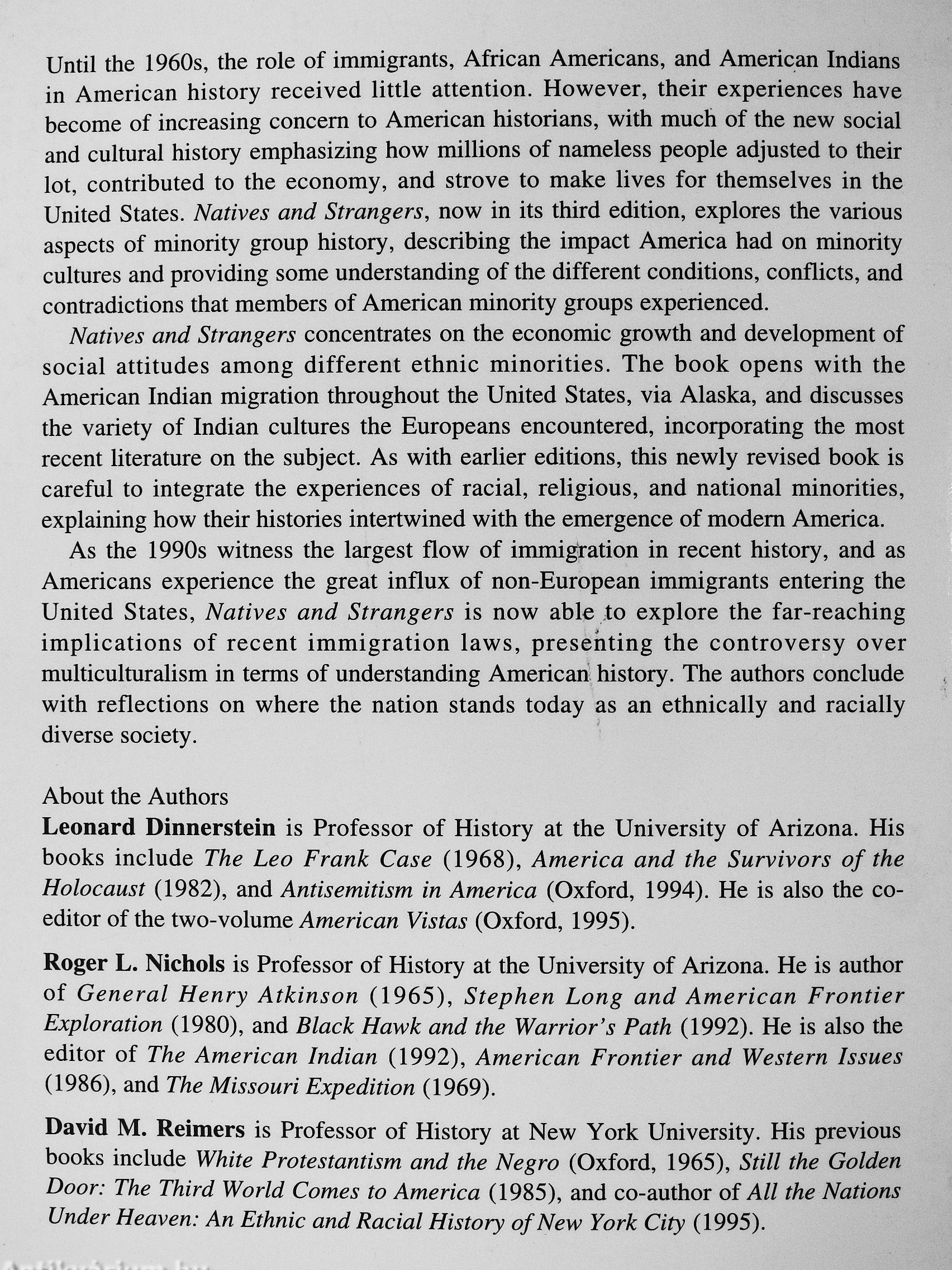
Until the 1960s, the role of immigrants, African Americans, and American Indians in American history received little attention. However, their experiences have become of increasing concern to American historians, with much of the new social and cultural history emphasizing how millions of nameless people adjusted to their lot, contributed to the economy, and strove to make lives for themselves in the United States. Natives and Strangers, now in its third edition, explores the various aspects of minority group history, describing the impact America had on minority cultures and providing some understanding of the different conditions, conflicts, and contradictions that members of American minority groups experienced.
Natives and Strangers concentrates on the economic growth and development of social attitudes among different ethnic minorities. The book opens with the American Indian migration throughout the United States, via Alaska, and discusses the variety of Indian cultures the... Tovább
Fülszöveg
Until the 1960s, the role of immigrants, African Americans, and American Indians in American history received little attention. However, their experiences have become of increasing concern to American historians, with much of the new social and cultural history emphasizing how millions of nameless people adjusted to their lot, contributed to the economy, and strove to make lives for themselves in the United States. Natives and Strangers, now in its third edition, explores the various aspects of minority group history, describing the impact America had on minority cultures and providing some understanding of the different conditions, conflicts, and contradictions that members of American minority groups experienced.
Natives and Strangers concentrates on the economic growth and development of social attitudes among different ethnic minorities. The book opens with the American Indian migration throughout the United States, via Alaska, and discusses the variety of Indian cultures the Europeans encountered, incorporating the most recent literature on the subject. As with earlier editions, this newly revised book is careful to integrate the experiences of racial, religious, and national minorities, explaining how their histories intertwined with the emergence of modem America.
As the 1990s witness the largest flow of immigration in recent history, and as Americans experience the great influx of non-European immigrants entering the United States, Natives and Strangers is now able to explore the far-reaching implications of recent immigration laws, presenting the controversy over multiculturalism in terms of understanding American history. The authors conclude with reflections on where the nation stands today as an ethnically and racially diverse society.
About the Authors
Leonard Dinnerstein is Professor of History at the University of Arizona. His books include The Leo Frank Case (1968), America and the Survivors of the Holocaust (1982), and Antisemitism in America (Oxford, 1994). He is also the co-editor of the two-volume American Vistas (Oxford, 1995).
Roger L. Nichols is Professor of History at the University of Arizona. He is author of General Henry Atkinson (1965), Stephen Long and American Frontier Exploration (1980), and Black Hawk and the Warrior's Path (1992). He is also the editor of The American Indian (1992), American Frontier and Western Issues (1986), and The Missouri Expedition (1969).
David M. Reimers is Professor of History at New York University. His previous books include White Protestantism and the Negro (Oxford, 1965), Still the Golden Door: The Third World Comes to America (1985), and co-author of All the Nations Under Heaven: An Ethnic and Racial History of New York City (1995). Vissza




Témakörök
- Történelem > Társadalomelmélet
- Idegennyelv > Idegennyelvű könyvek > Angol > Művelődéstörténet
- Idegennyelv > Idegennyelvű könyvek > Angol > Történelem > USA története
- Művelődéstörténet > Civilizációtörténet > Amerikai
- Művelődéstörténet > Kultúra > Története
- Történelem > Idegennyelvű > Angol
- Történelem > Politika > Belpolitika > Kisebbségi kérdés
- Történelem > Kontinensek szerint > Amerika, amerikai országok története > Észak-Amerika

Megvásárolható példányok
Nincs megvásárolható példány
A könyv összes megrendelhető példánya elfogyott. Ha kívánja, előjegyezheti a könyvet, és amint a könyv egy újabb példánya elérhető lesz, értesítjük.
 Folytatás Microsoft-tal