
1.136.463
kiadvánnyal nyújtjuk Magyarország legnagyobb antikvár könyv-kínálatát

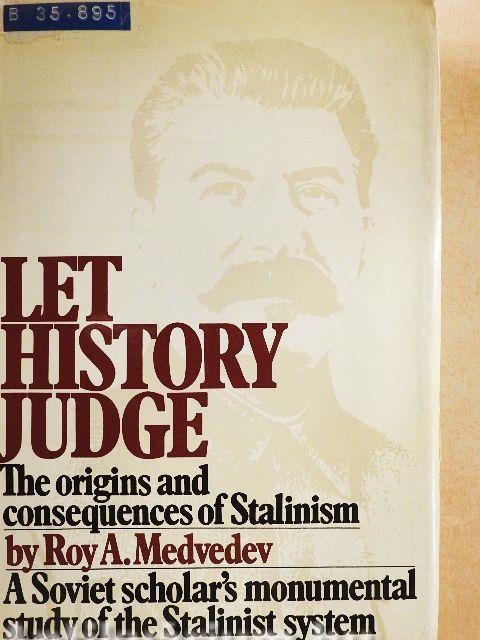
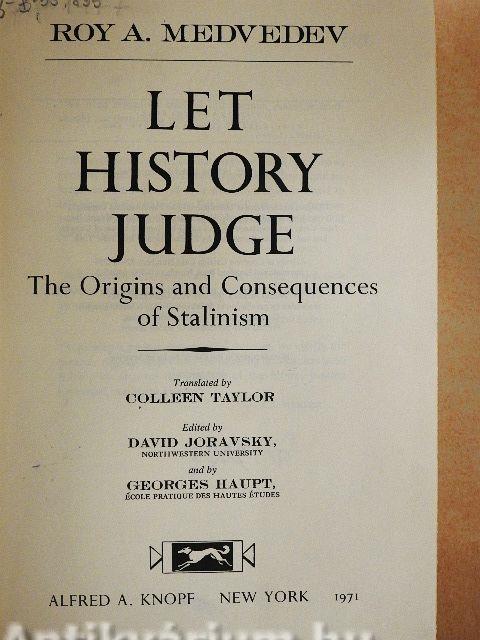
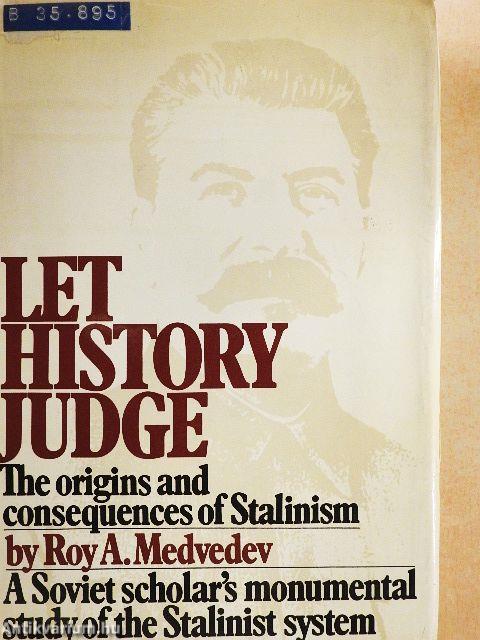
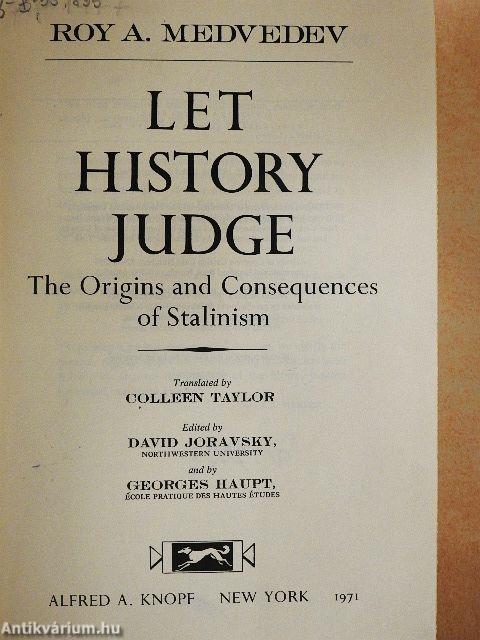
Let History Judge
The Origins and Consequences of Stalinism/A Soviet scholar's monumental study of the Stalinist system
New York
| Kiadó: | Alfred A. Knopf |
|---|---|
| Kiadás helye: | New York |
| Kiadás éve: | |
| Kötés típusa: | Vászon |
| Oldalszám: | 584 oldal |
| Sorozatcím: | |
| Kötetszám: | |
| Nyelv: | Angol |
| Méret: | 25 cm x 17 cm |
| ISBN: | |
Értesítőt kérek a kiadóról
A beállítást mentettük,
naponta értesítjük a beérkező friss
kiadványokról
naponta értesítjük a beérkező friss
kiadványokról
A beállítást mentettük,
naponta értesítjük a beérkező friss
kiadványokról
naponta értesítjük a beérkező friss
kiadványokról
Előszó
Tovább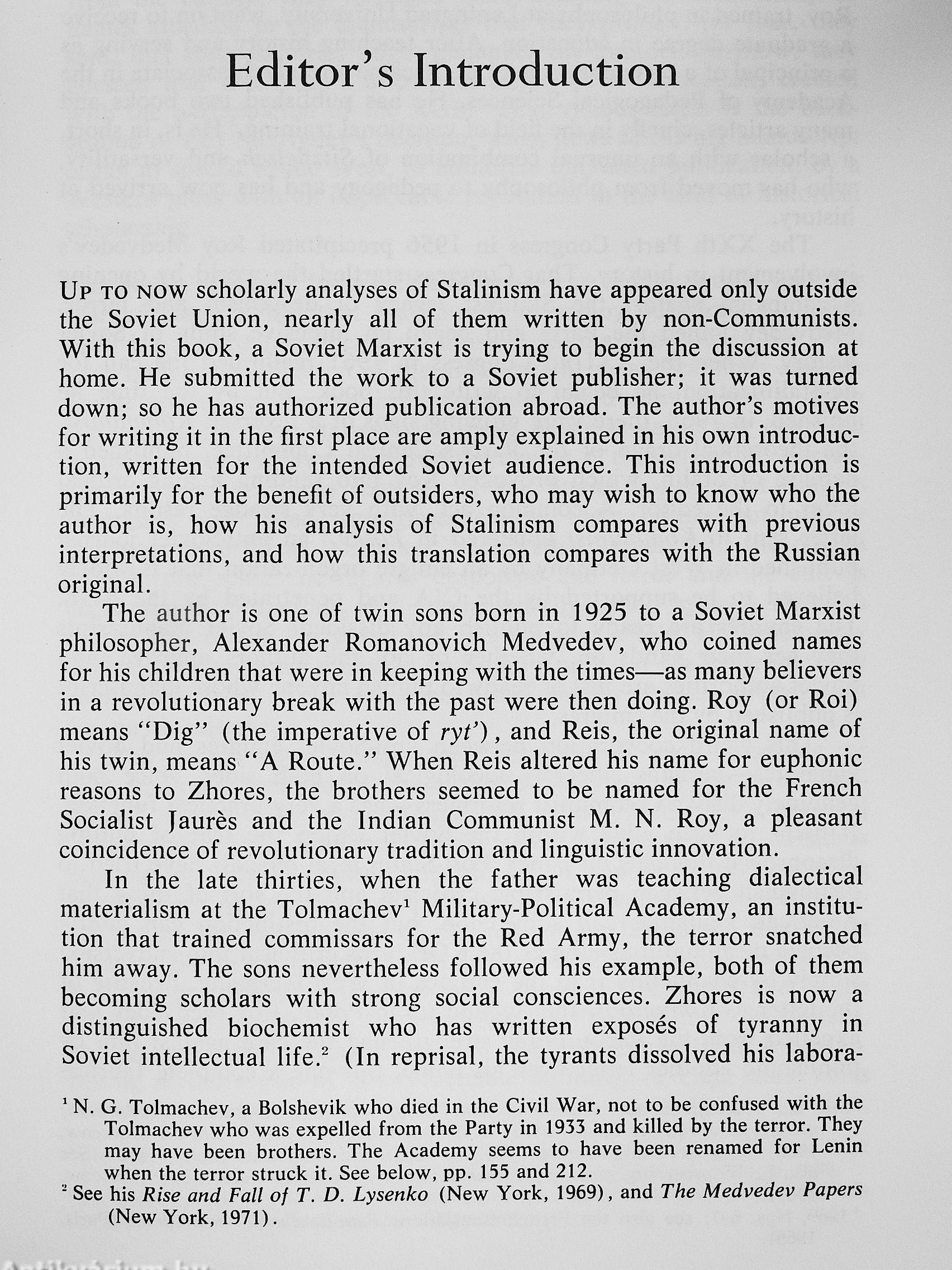
Fülszöveg
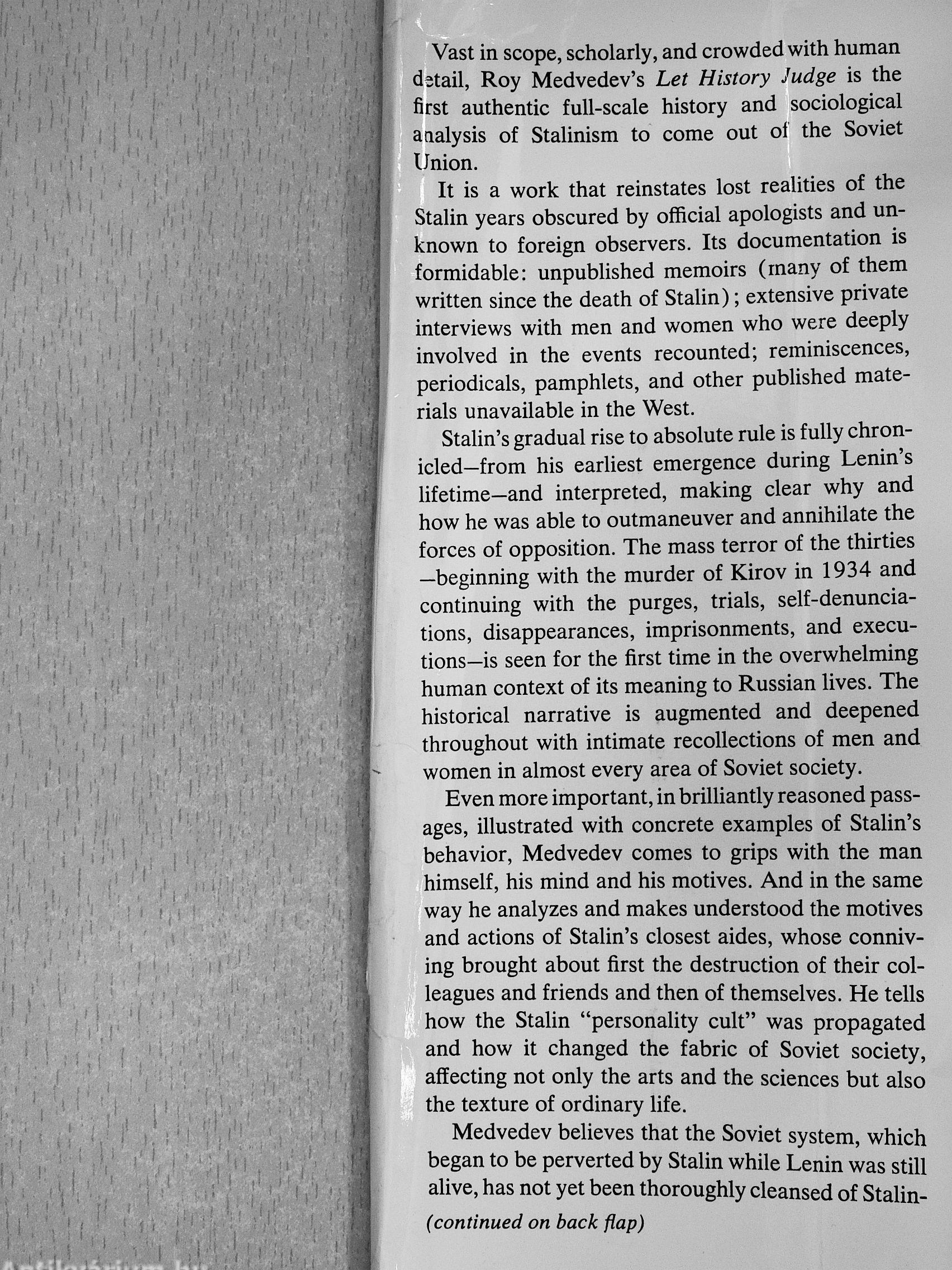
Vast in scope, scholarly, and crowded with human datail, Roy Medvedev's Let History Judge is the first authentic full-scale history and sociological analysis of Stalinism to come out of the Soviet Union.
It is a work that reinstates lost realities of the Stalin years obscured by official apologists and unknown to foreign observers. Its documentation is formidable: unpublished memoirs (many of them written since the death of Stalin); extensive private interviews with men and women who were deeply involved in the events recounted; reminiscences, periodicals, pamphlets, and other published materials unavailable in the West.
Stalin's gradual rise to absolute rule is fully chron-icled-from his earliest emergence during Lenin's lifetime-and interpreted, making clear why and how he was able to outmaneuver and annihilate the forces of opposition. The mass terror of the thirties —beginning with the murder of Kirov in 1934 and continuing with the purges, trials, self-denuncia-tions,... Tovább
Fülszöveg
Vast in scope, scholarly, and crowded with human datail, Roy Medvedev's Let History Judge is the first authentic full-scale history and sociological analysis of Stalinism to come out of the Soviet Union.
It is a work that reinstates lost realities of the Stalin years obscured by official apologists and unknown to foreign observers. Its documentation is formidable: unpublished memoirs (many of them written since the death of Stalin); extensive private interviews with men and women who were deeply involved in the events recounted; reminiscences, periodicals, pamphlets, and other published materials unavailable in the West.
Stalin's gradual rise to absolute rule is fully chron-icled-from his earliest emergence during Lenin's lifetime-and interpreted, making clear why and how he was able to outmaneuver and annihilate the forces of opposition. The mass terror of the thirties —beginning with the murder of Kirov in 1934 and continuing with the purges, trials, self-denuncia-tions, disappearances, imprisonments, and executions-is seen for the first time in the overwhelming human context of its meaning to Russian lives. The historical narrative is augmented and deepened throughout with intimate recollections of men and women in almost every area of Soviet society.
Even more important, in brilliantly reasoned passages, illustrated with concrete examples of Stalin's behavior, Medvedev comes to grips with the man himself, his mind and his motives. And in the same way he analyzes and makes understood the motives and actions of Stalin's closest aides, whose conniving brought about first the destruction of their colleagues and friends and then of themselves. He tells how the Stalin "personality cult" was propagated and how it changed the fabric of Soviet society, affecting not only the arts and the sciences but also the texture of ordinary life.
Medvedev believes that the Soviet system, which began to be perverted by Stalin while Lenin was still alive, has not yet been thoroughly cleansed of Stalin-(continued on back flap) Vissza
Témakörök
- Idegennyelv > Idegennyelvű könyvek > Angol > Művelődéstörténet
- Idegennyelv > Idegennyelvű könyvek > Angol > Történelem > Európa története > Egyéb
- Művelődéstörténet > Eszmetörténet > Történelem > Politika
- Történelem > Idegennyelvű > Angol
- Történelem > Kontinensek szerint > Európa, európai országok története > Kelet-Európa > Oroszország, Szovjetúnió
- Történelem > Legújabb kor > A hidegháború kora (1946-1991)
- Történelem > Politika > Politikai rendszerek
- Történelem > Politika > Politológia
Roy A. Medvedev
Roy A. Medvedev műveinek az Antikvarium.hu-n kapható vagy előjegyezhető listáját itt tekintheti meg: Roy A. Medvedev könyvek, művekMegvásárolható példányok
Állapotfotók
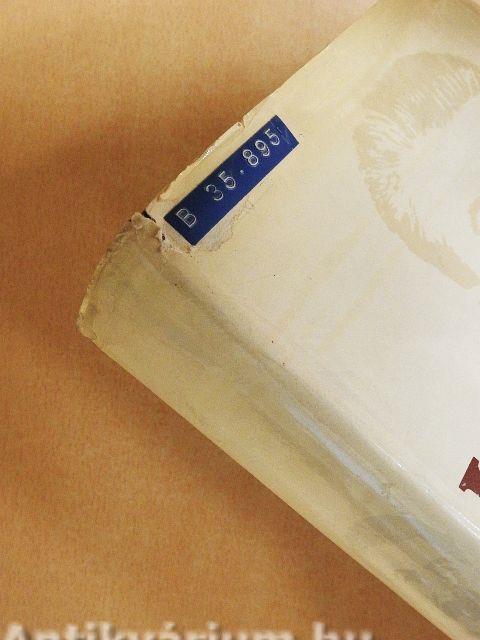


Könyvtári könyv volt. A védőborító szakadozott. A lapélek foltosak, egyenetlenek.
Állapot:
Közepes
20.000 Ft
16.000 ,-Ft 20
80
pont kapható
Kosárba
 Folytatás Microsoft-tal