
1.142.422
kiadvánnyal nyújtjuk Magyarország legnagyobb antikvár könyv-kínálatát

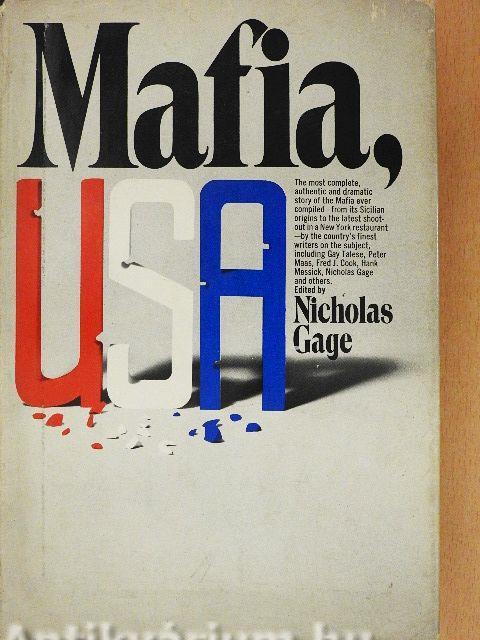
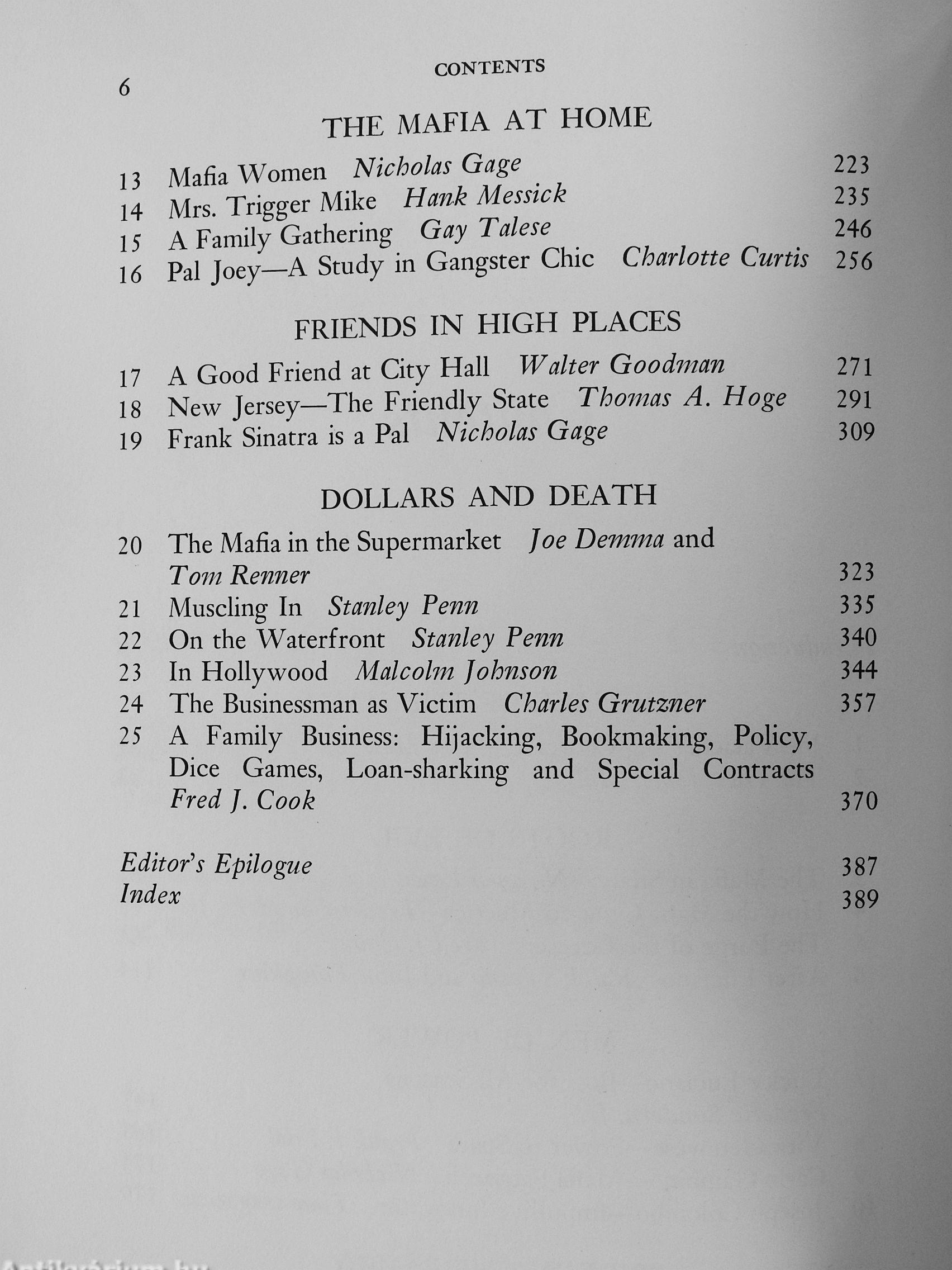
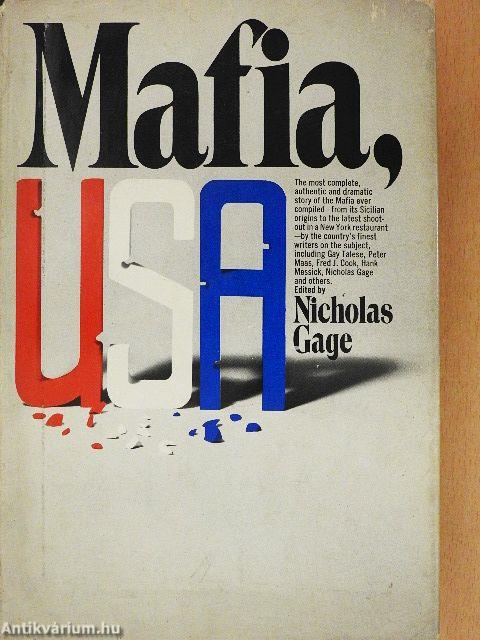
Mafia, U.S.A.
Chicago
| Kiadó: | Playboy Press |
|---|---|
| Kiadás helye: | Chicago |
| Kiadás éve: | |
| Kötés típusa: | Vászon |
| Oldalszám: | 397 oldal |
| Sorozatcím: | |
| Kötetszám: | |
| Nyelv: | Angol |
| Méret: | 24 cm x 16 cm |
| ISBN: | |
| Megjegyzés: | További kapcsolódó személyek a könyvben. Fekete-fehér fotókkal. |
Értesítőt kérek a kiadóról
A beállítást mentettük,
naponta értesítjük a beérkező friss
kiadványokról
naponta értesítjük a beérkező friss
kiadványokról
A beállítást mentettük,
naponta értesítjük a beérkező friss
kiadványokról
naponta értesítjük a beérkező friss
kiadványokról
Előszó
Tovább
Fülszöveg
o
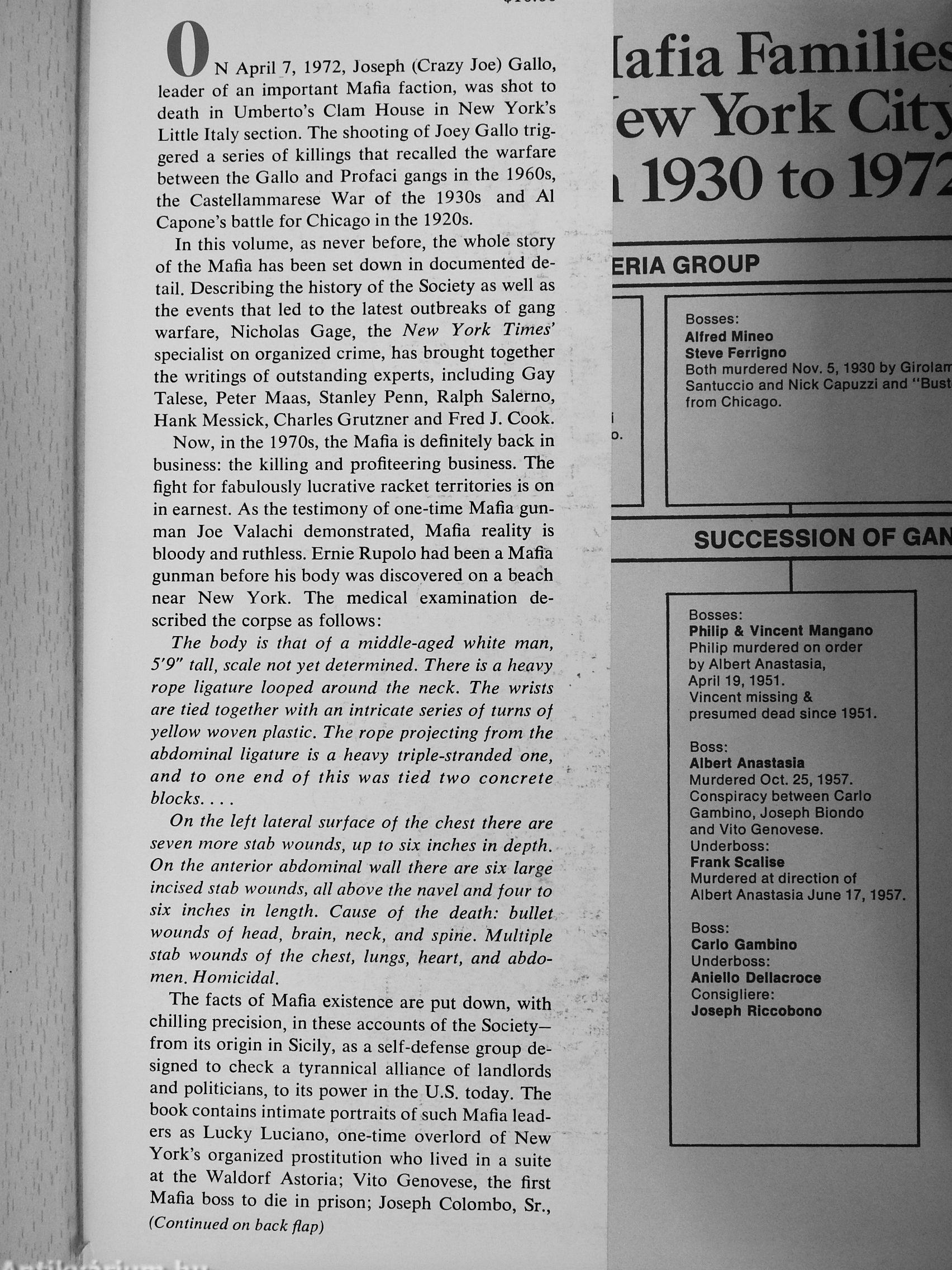
N April 1, 1972, Joseph (Crazy Joe) Gallo, leader of an important Mafia faction, was shot to death in Umberto's Clam House in New York's Little Italy section. The shooting of Joey Gallo triggered a series of killings that recalled the warfare between the Gallo and Profaci gangs in the 1960s, the Castellaniniarese War of the 1930s and Al Capone's battle for Chicago in the 1920s.
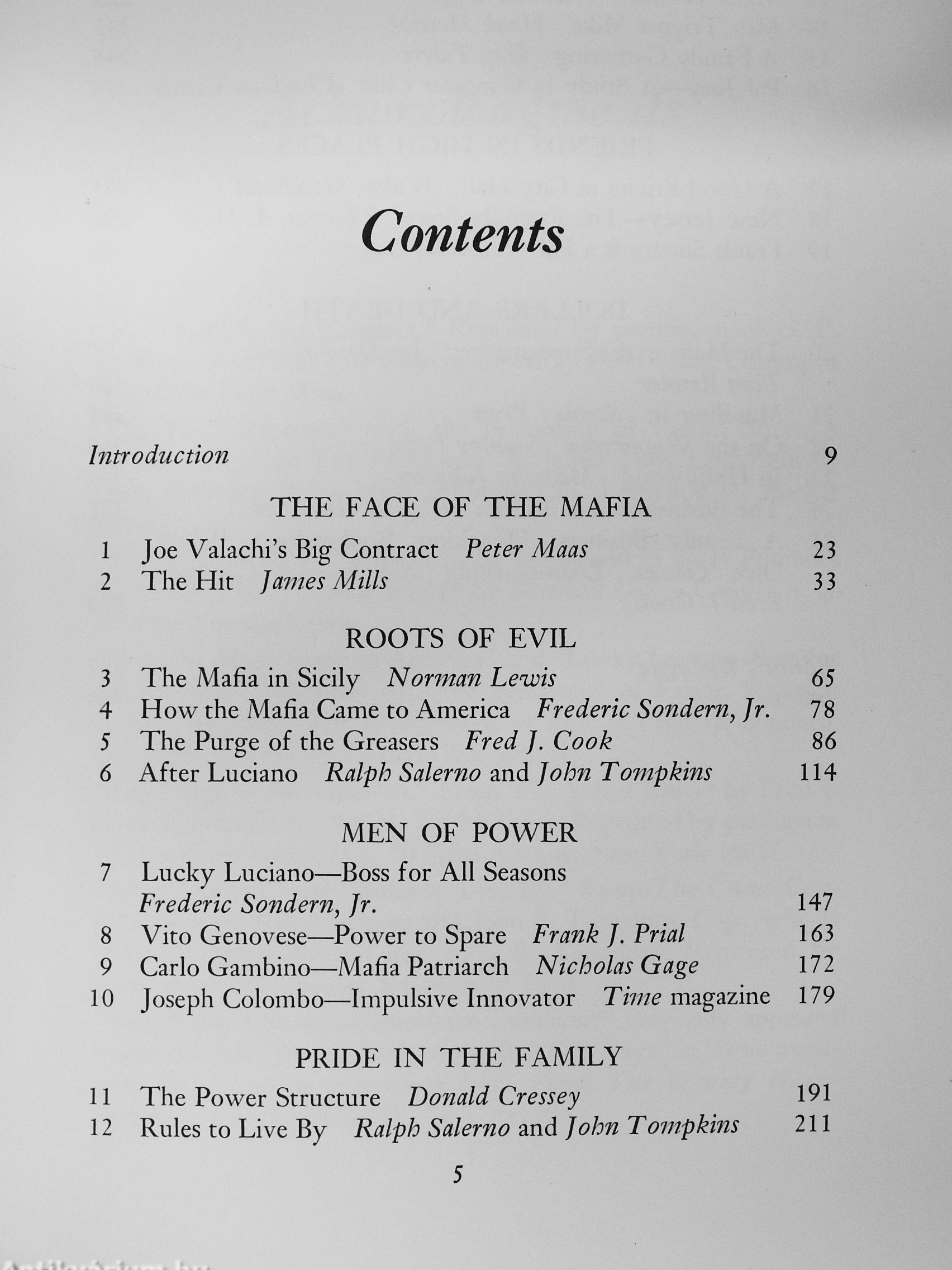
In this volume, as never before, the whole story of the Mafia has been set down in documented detail. Describing the history of the Society as well as the events that led to the latest outbreaks of gang warfare, Nicholas Gage, the New York Times' specialist on organized crime, has brought together the writings of outstanding experts, including Gay Tálese, Peter Maas, Stanley Penn, Ralph Salerno, Hank Messick, Charles Grutzner and Fred J. Cook.
Now, in the 1970s, the Mafia is definitely back in business: the killing and profiteering business. The fight for fabulously lucrative racket territories is on... Tovább
Fülszöveg
o
N April 1, 1972, Joseph (Crazy Joe) Gallo, leader of an important Mafia faction, was shot to death in Umberto's Clam House in New York's Little Italy section. The shooting of Joey Gallo triggered a series of killings that recalled the warfare between the Gallo and Profaci gangs in the 1960s, the Castellaniniarese War of the 1930s and Al Capone's battle for Chicago in the 1920s.
In this volume, as never before, the whole story of the Mafia has been set down in documented detail. Describing the history of the Society as well as the events that led to the latest outbreaks of gang warfare, Nicholas Gage, the New York Times' specialist on organized crime, has brought together the writings of outstanding experts, including Gay Tálese, Peter Maas, Stanley Penn, Ralph Salerno, Hank Messick, Charles Grutzner and Fred J. Cook.
Now, in the 1970s, the Mafia is definitely back in business: the killing and profiteering business. The fight for fabulously lucrative racket territories is on in earnest. As the testimony of one-time Mafia gunman Joe Valachi demonstrated, Mafia reality is bloody and ruthless. Ernie Rupolo had been a Mafia gunman before his body was discovered on a beach near New York. The medical examination described the corpse as follows:
The body is that of a middle-aged white man, 5'9" tall, scale not yet determined. There is a heavy rope ligature looped around the neck. The wrists are tied together with an intricate series of turns of yellow woven plastic. The rope projecting from the abdominal ligature is a heavy triple-stranded one, and to one end of this was tied two concrete blocks. . . .
On the left lateral surface of the chest there are seven more stab wounds, up to six inches in depth. On the anterior abdominal wall there are six large incised stab wounds, all above the navel and four to six inches in length. Cause of the death: bullet wounds of head, brain, neck, and spine. Multiple stab wounds of the chest, lungs, heart, and abdomen. Homicidal.
The facts of Mafia existence are put down, with chilling precision, in these accounts of the Society— from its origin in Sicily, as a self-defense group designed to check a tyrannical alliance of landlords and politicians, to its power in the U.S. today. The book contains intimate portraits of such Mafia leaders as Lucky Luciano, one-time overlord of New York's organized prostitution who lived in a suite at the Waldorf Astoria; Vito Genovese, the first Mafia boss to die in prison; Joseph Colombo, Sr., (Continued on back flap)
[af ia Familiei ew'Vbrk Citj L1930 to m:
ERIA GROUP
O.
Bosses: Alfred Mineo Steve Ferrigno
Both murdered Nov. 5,1930 by Girotarr Santuccio and Nick Capuzzi and "Bust from Chicago.
SUCCESSION OF GAN
Bosses:
Philip & Vincent Mangano Philip murdered on order by Albert Anastasia, April 19.1951. Vincent missing & presumed dead since 1951.
Boss:
Albert Anastasia Murdered Oct. 25,1957. Conspiracy between Carlo Gambino, Joseph Biondo and Vito Genovese. Underboss: Frank Scalise Murdered at direction of Albert Anastasia June 17,1957.
Boss:
Carlo Gambino Underboss: Anieilo Deiiacroce Conslgllere: Joseph Riccobono
> OF BOSSES:
LAS MORELLO
TORE MARANZANO
MARANZy
Maranzano s:
iruso
AFTER MARANZAN
ofaci
tural causes 1962.
Magllocco tural causes in 1963. i:
Mussachio
3lombo, Sr. ncapacltated 971. s:
ineo e:
acovelli
58:
icovelli
ed leadership 1972.
Bos Jest Dep Und Can
Bos; Frar Inva com Und Johi
BOS! Gas Reti heai
Boss Paul Retil
Bosi NaU Undi Phill Con Jos^
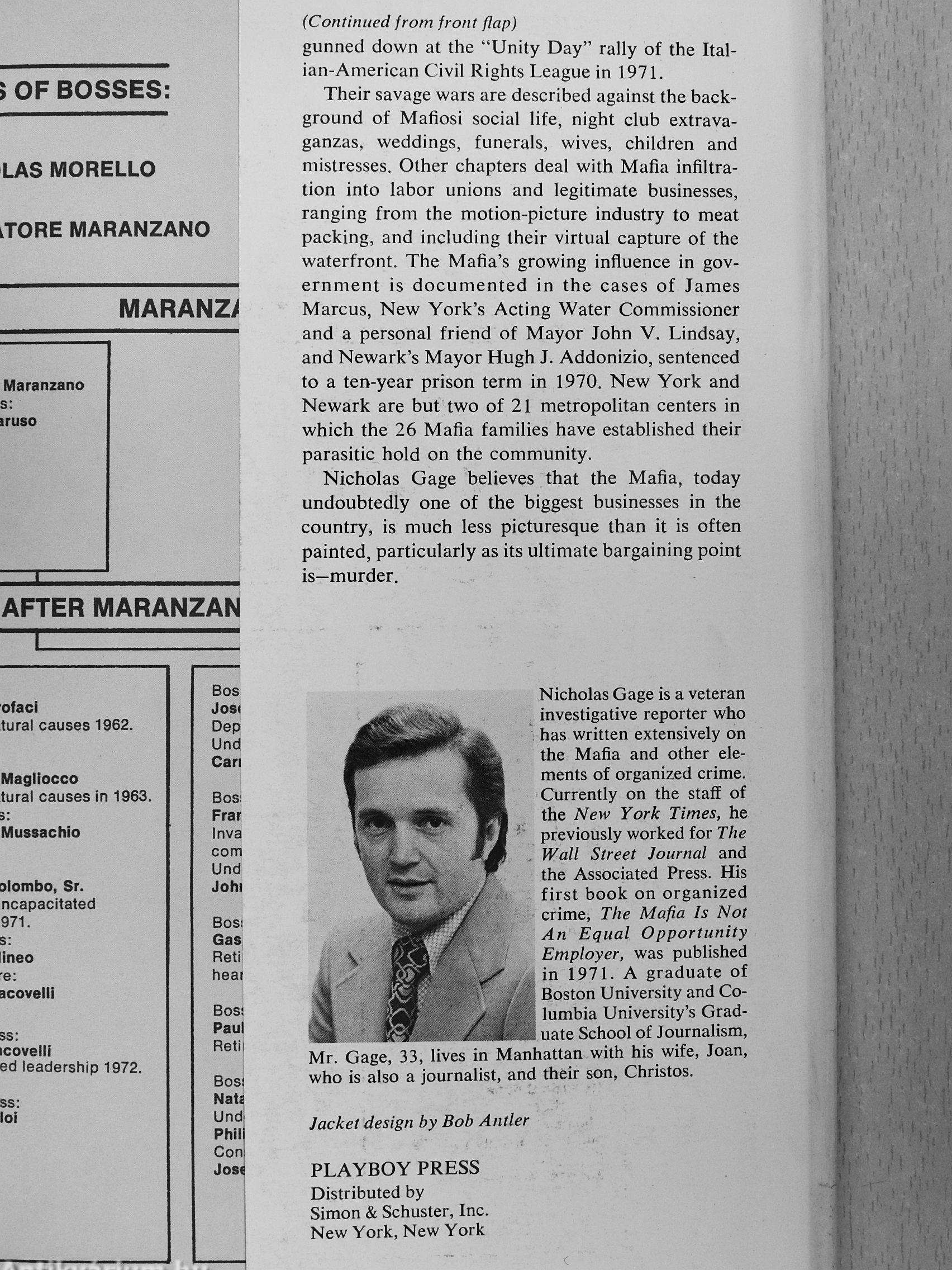
(Continued from front flap)
gunned down at the "Unity Day" rally of the Italian-American Civil Rights League in 197L
Their savage wars are described against the background of Mafiosi social life, night club extravaganzas, weddings, funerals, wives, children and mistresses. Other chapters deal with Mafia infiltration into labor unions and legitimate businesses, ranging from the motion-picture industry to meat packing, and including their virtual capture of the waterfront. The Mafia's growing influence in government is documented in the cases of James Marcus, New York's Acting Water Commissioner and a personal friend of Mayor John V. Lindsay, and Newark's Mayor Hugh J. Addonizio, sentenced to a ten-year prison term in 1970. New York and Newark are but two of 21 metropolitan centers in which the 26 Mafia families have established their parasitic hold on the community.
Nicholas Gage believes that the Mafia, today undoubtedly one of the biggest businesses in the country, is much less picturesque than it is often painted, particularly as its ultimate bargaining point is-murder.
Nicholas Gage is a veteran investigative reporter who has written extensively on the Mafia and other elements of organized crime. Currently on the staff of the New York Times, he previously worked for The Wall Street Journal and the Associated Press. His first book on organized crime, The Mafia Is Not An Equal Opportunity Employer, was published in 1971. A graduate of Boston University and Columbia University's Grad-?^ uate School of Journalism, Mr. Gage, 33, lives in Manhattan with his wife, Joan, who is also a journalist, and their son, Christos.
Jacket design by Bob Antler
PLAYBOY PRESS Distributed by Simon & Schuster, Inc. New York, New York
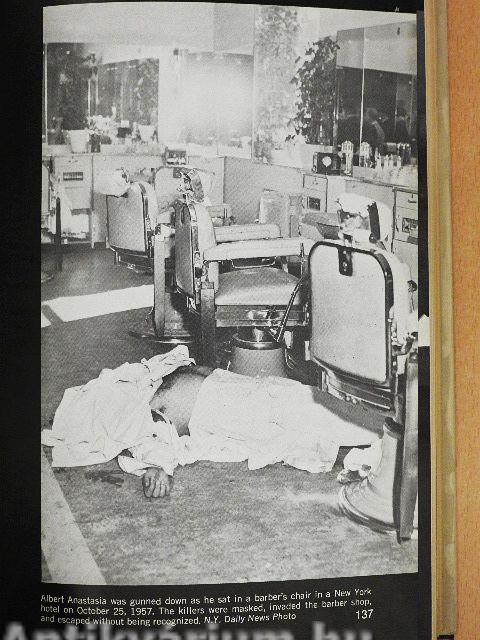
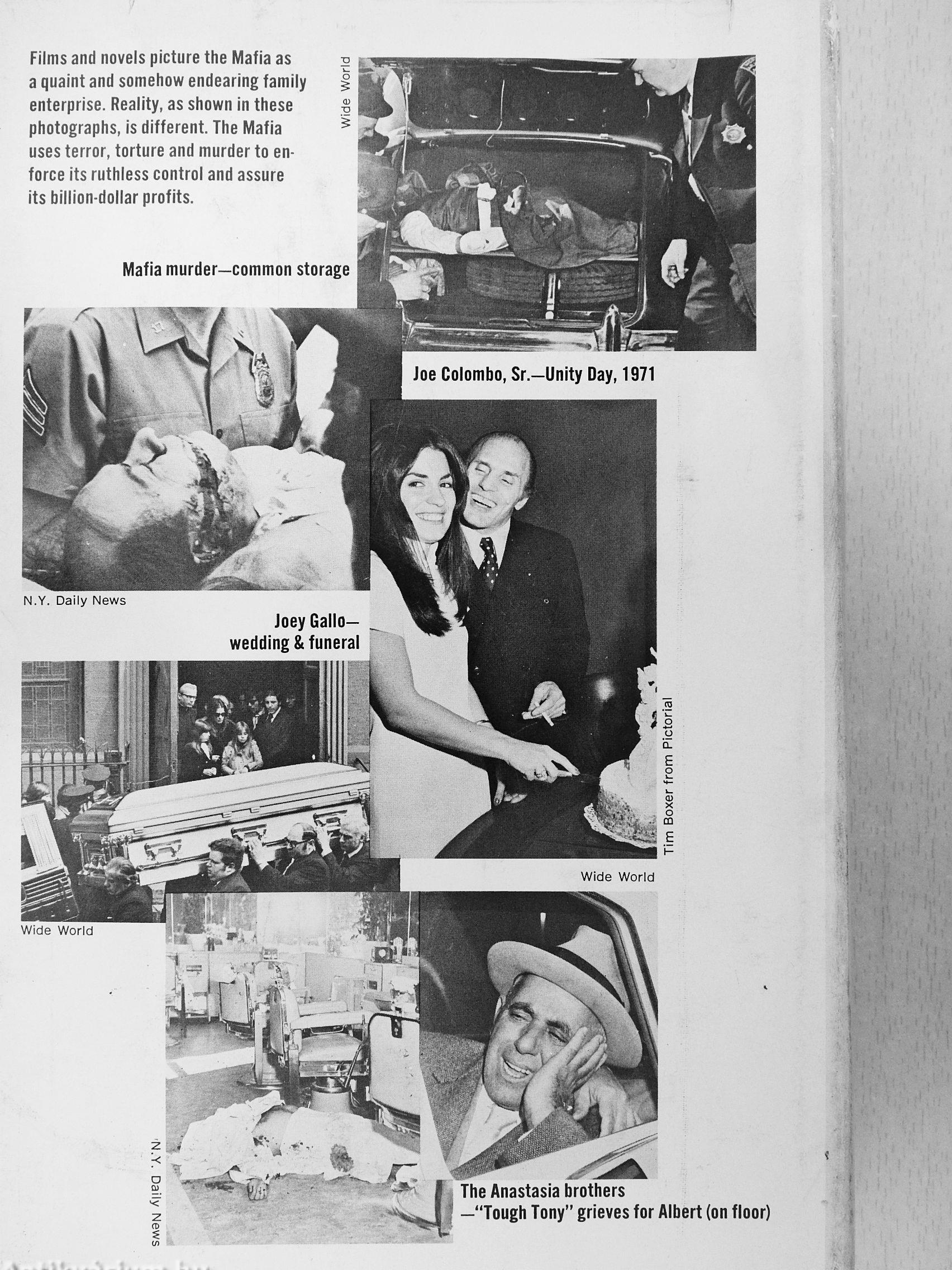
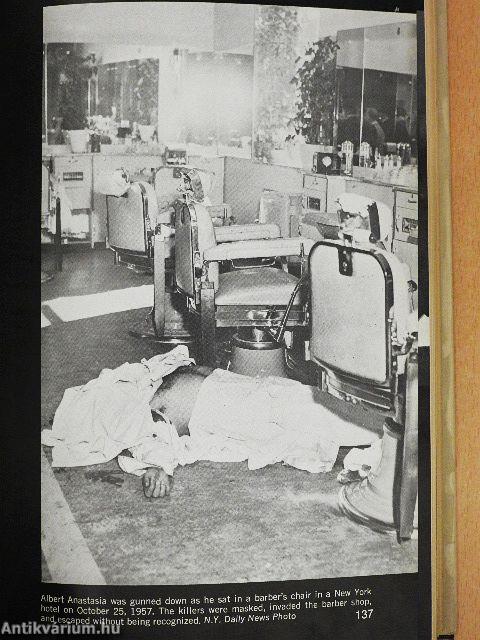
Films and novels picture the Mafia as a quaint and somehow endearing family enterprise. Reality, as shown in these photographs, is different. The Mafia uses terror, torture and murder to enforce its ruthless control and assure Its billion-dollar profits.
The Anastasia brothers
—"Tough Tony" grieves for Albert (on floor) Vissza
Témakörök
- Idegennyelv > Idegennyelvű könyvek > Angol > Szépirodalom > Megtörtént bűnügyek, dokumentumregények
- Idegennyelv > Idegennyelvű könyvek > Angol > Jogtudomány > Kriminalisztika
- Jogtudomány > Története
- Jogtudomány > Kriminalisztika > Bűnesetek, bűnözés
- Szépirodalom > Megtörtént bűnügyek, dokumentumregények
Megvásárolható példányok
Nincs megvásárolható példány
A könyv összes megrendelhető példánya elfogyott. Ha kívánja, előjegyezheti a könyvet, és amint a könyv egy újabb példánya elérhető lesz, értesítjük.
 Folytatás Microsoft-tal