
1.148.427
kiadvánnyal nyújtjuk Magyarország legnagyobb antikvár könyv-kínálatát

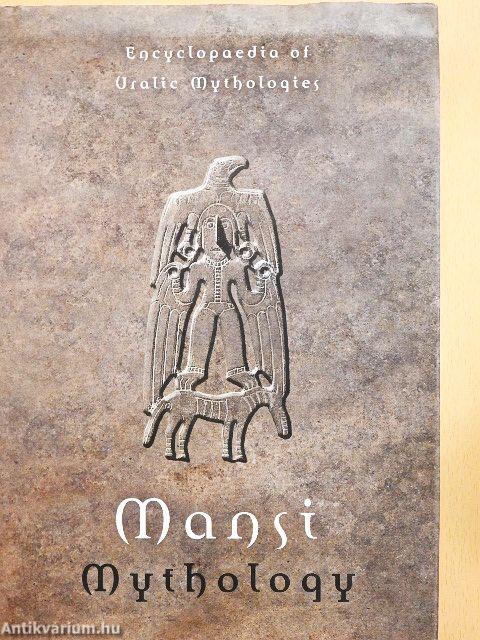
Mansi Mythology
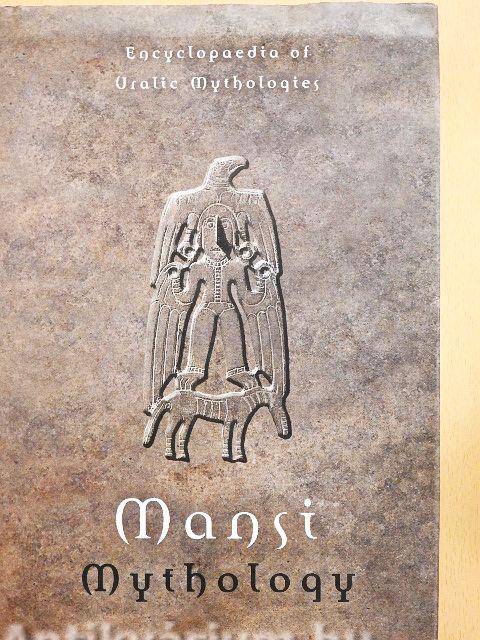
Budapest-Helsinki
| Kiadó: | Akadémiai Kiadó-Finnish Literature Society |
|---|---|
| Kiadás helye: | Budapest-Helsinki |
| Kiadás éve: | |
| Kötés típusa: | Fűzött kemény papírkötés |
| Oldalszám: | 190 oldal |
| Sorozatcím: | Encyclopaedia of Uralic Mythologies |
| Kötetszám: | 3 |
| Nyelv: | Angol |
| Méret: | 24 cm x 17 cm |
| ISBN: | 978-963-05-8556-9 |
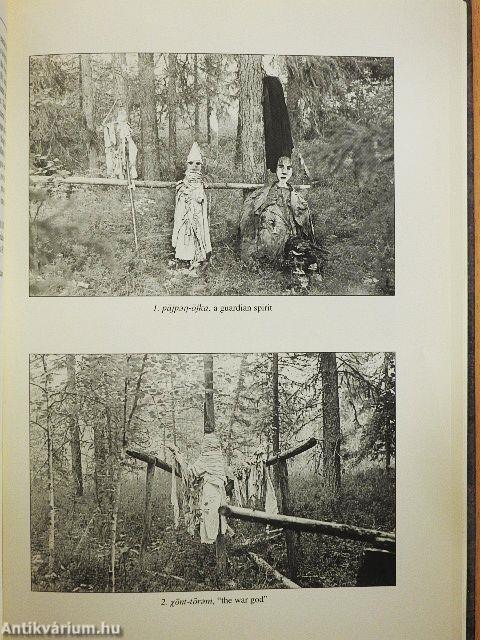
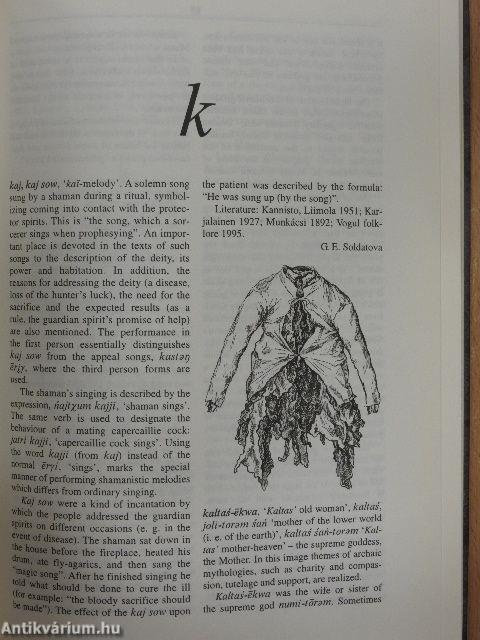
| Megjegyzés: | További kapcsolódó személyek a könyvben. Fekete-fehér fotókkal, illusztrációkkal. |
Értesítőt kérek a kiadóról
Értesítőt kérek a sorozatról
A beállítást mentettük,
naponta értesítjük a beérkező friss
kiadványokról
naponta értesítjük a beérkező friss
kiadványokról
A beállítást mentettük,
naponta értesítjük a beérkező friss
kiadványokról
naponta értesítjük a beérkező friss
kiadványokról
Előszó
Tovább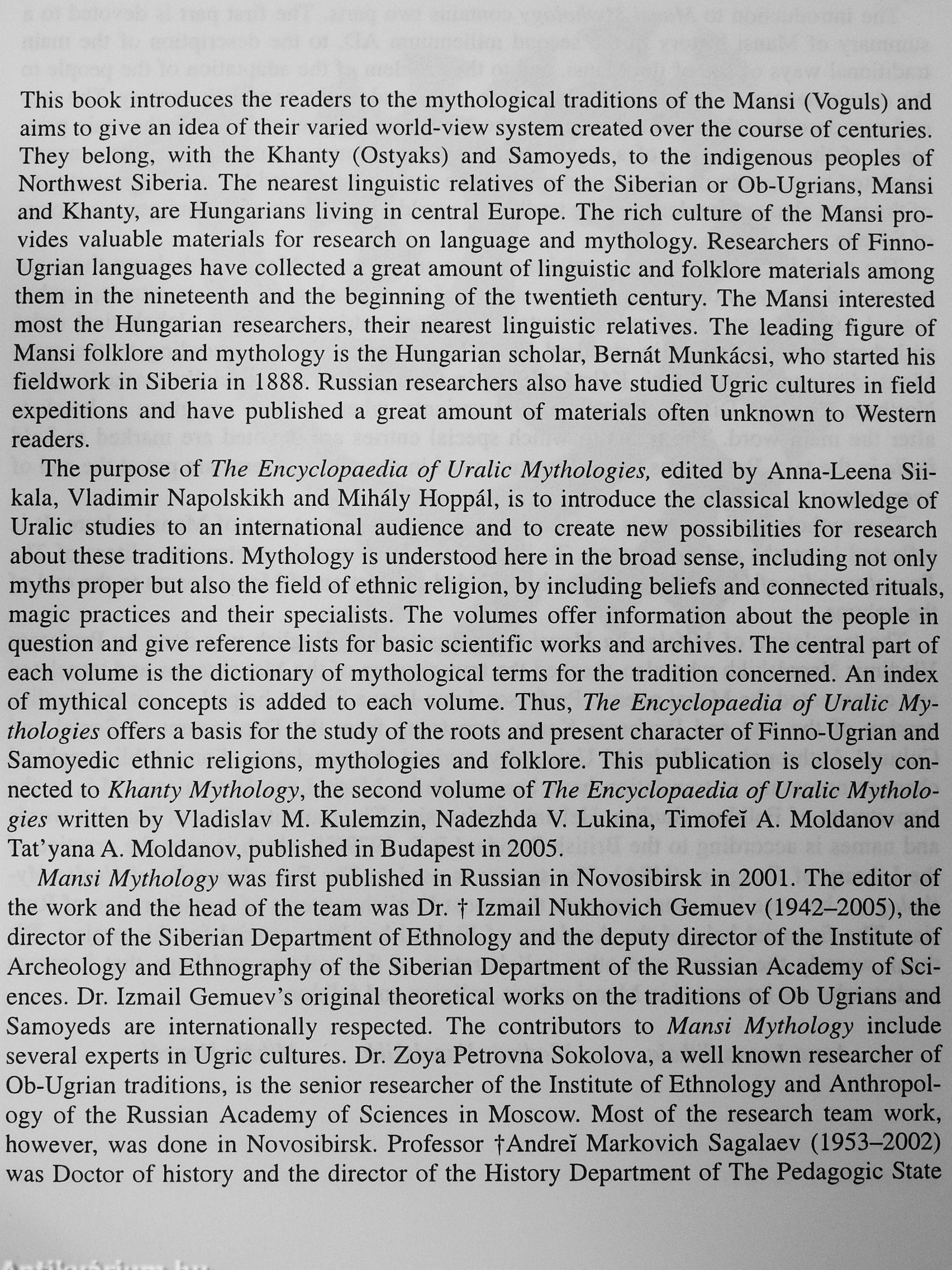
Fülszöveg
(D Q Í^ S t
(D V t b o I o q V
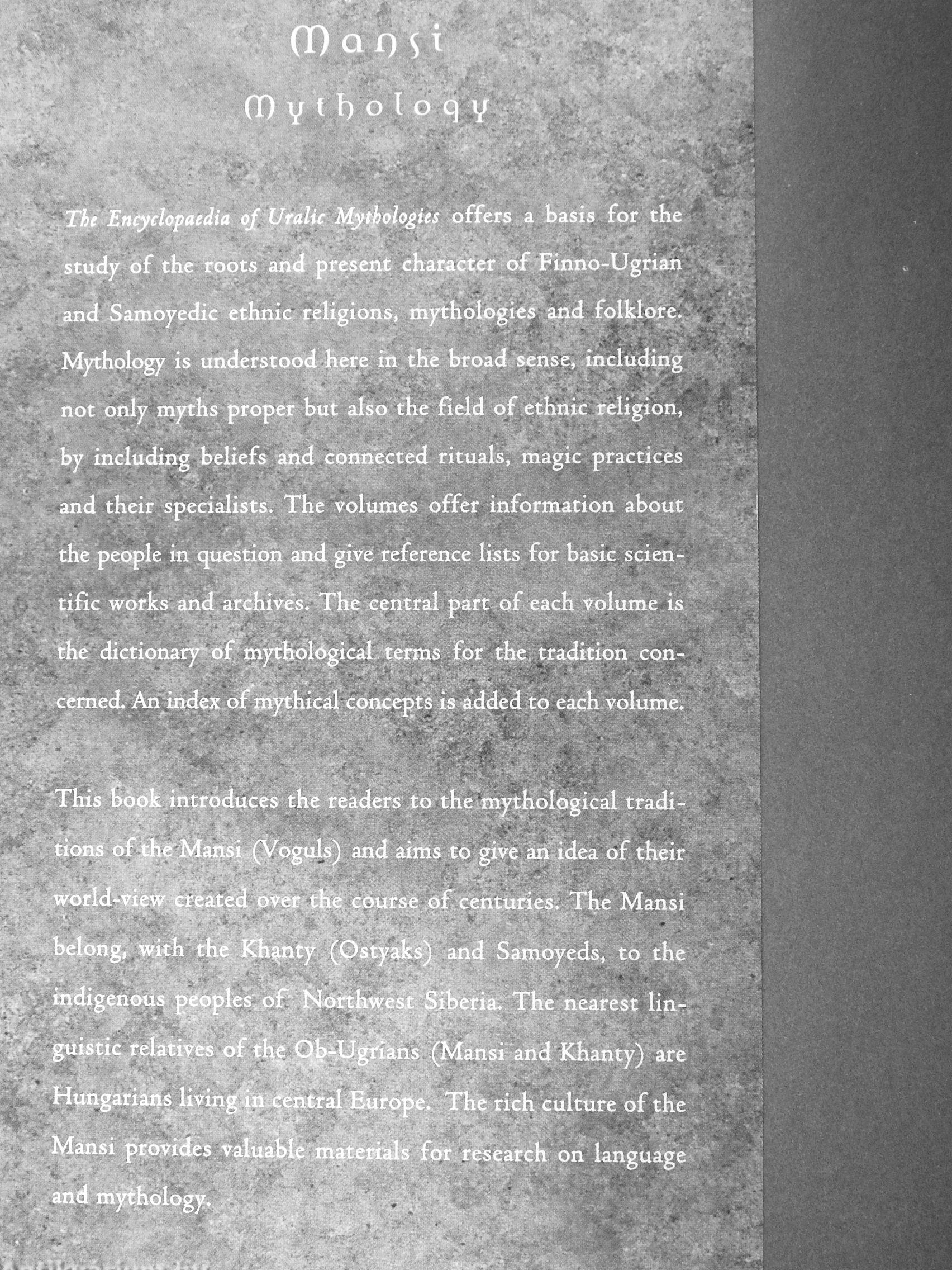
The Encyclopaedia of Uralic Mythologies offers a basis for the _ i': study of the roots and present character of Finnb-Ugrian'¦--j^;!:
and Samoyedic ethnic religions, mythologies and fol^íoíe.^ Mythology is understood here in the broad sense, .mcWyig Xri^ -not only myths proper but also the field of ethnic religion, V V - by including beliefs and connected rituals, magic practices
and their specialists. The volumes offer information about H the people in question and give reference lists for basic scien-tifie works and archives. The central part of each volume is
pist the" dictionary-of mytíiólógicaL terms for the tradition con-
_ _ d?- ' ¦ cerned. An ijadex of mythical concepts is-added po each volume. »
' M- f ' • • ' I,
'This Eook introduces the readers to the itnj'thological tradi-
, tions of tiie Mansi (Voguls) and aims to give an idea of their •
world-view cfeaxed over .'the course of centuries. The Mansi «!^ ¦ ¦ a
' «belong, with... Tovább
Fülszöveg
(D Q Í^ S t
(D V t b o I o q V
The Encyclopaedia of Uralic Mythologies offers a basis for the _ i': study of the roots and present character of Finnb-Ugrian'¦--j^;!:
and Samoyedic ethnic religions, mythologies and fol^íoíe.^ Mythology is understood here in the broad sense, .mcWyig Xri^ -not only myths proper but also the field of ethnic religion, V V - by including beliefs and connected rituals, magic practices
and their specialists. The volumes offer information about H the people in question and give reference lists for basic scien-tifie works and archives. The central part of each volume is
pist the" dictionary-of mytíiólógicaL terms for the tradition con-
_ _ d?- ' ¦ cerned. An ijadex of mythical concepts is-added po each volume. »
' M- f ' • • ' I,
'This Eook introduces the readers to the itnj'thological tradi-
, tions of tiie Mansi (Voguls) and aims to give an idea of their •
world-view cfeaxed over .'the course of centuries. The Mansi «!^ ¦ ¦ a
' «belong, with the Kh^nty (Ostyaks) and Samoyeds, to the * V
.iV indigenous peoples, of" Nortkwest Siberia. The nearest lia-; y- guistic relatives of the Q^-Ugfians (Mansi and Khanty) are
Hungarians living, iriiiientral Europe. The rich culture of the" "" : Mansi provides valuabíe materials for research on language .i . ' and mythology.f g . • . , ^
: ^^^^ ^^
« ' í S ¦
* ¦ . • > V r
« ¦ •
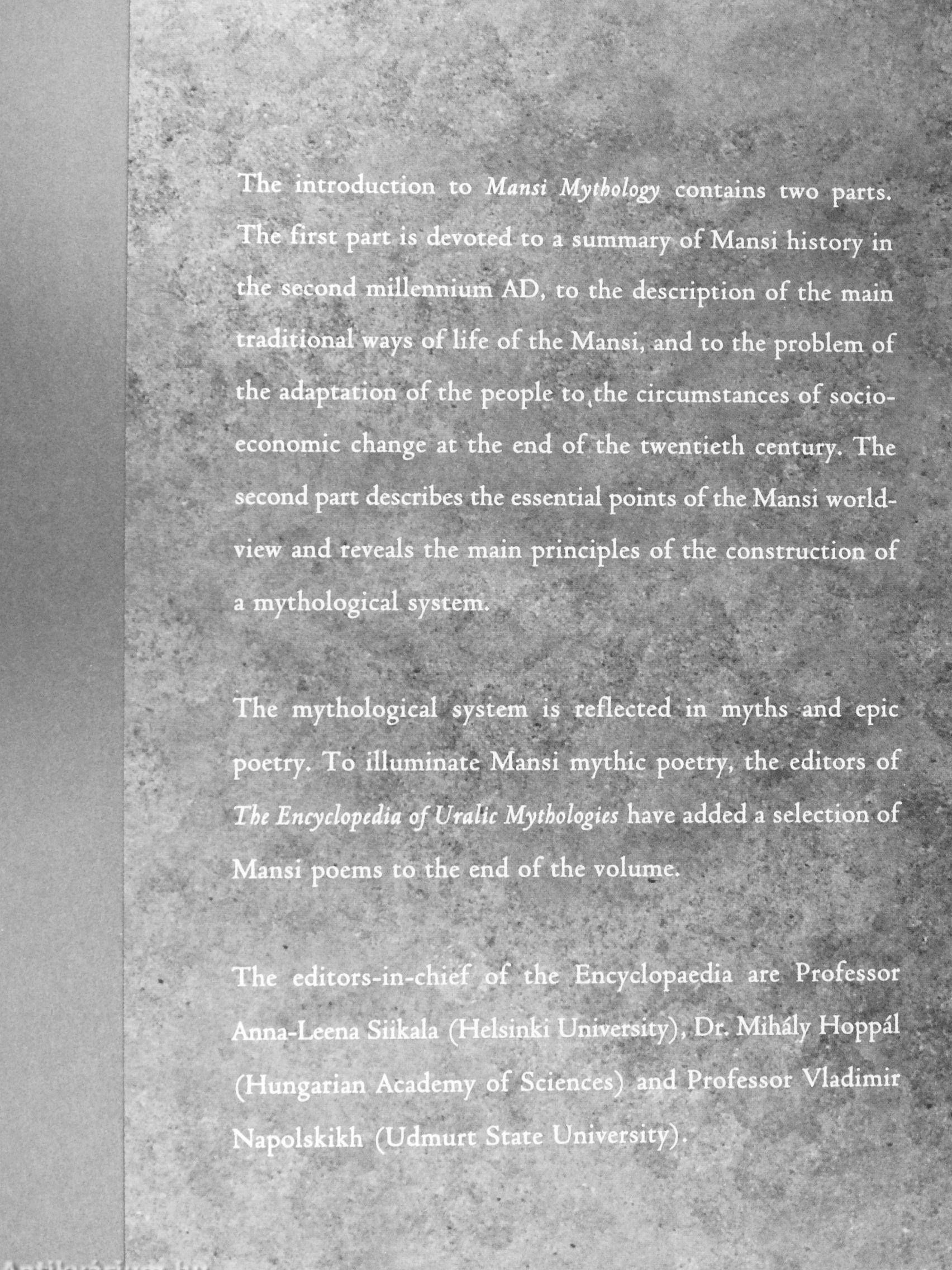
"The introduction to Mansi Mythology contains two parti^
i^é^fîrst part is devoted to a sumniar)^of Mansi history in ^tjtlic second^illennium AD, to the description of thé main tradltiônaif ways of life of the Mansi, and to the problem of the adaptation'of the peoplcTo^the circumstances of soicio-
AX
is t z
< M-
«s
economic change at the end of the twentieth centugr. The i
a"
second part describes the essential points of the Mansi world-view and reveals the main principles of the construction of . a mythological systeni. -
1
The mythological systeni reflected in mytj^^imd^cpic-'Y poetry. To illuminate Mansi mythic poetry, the editors of »a
The Encyclopedia af Uratic Mythologies have added a selection of - 'f ^^^ansi poems to^^ end of the volume,
The cditors-in-chiei tKe Encyclopaedia are Professor
Hungarian Aíaácmy of Sciences) and Professor Vlâdiniits,; ^
; . .
. . ¦SV. Í
Napolskikh (Udmurt State University).^; ^ .
y- O Vissza
Témakörök
- Idegennyelv > Idegennyelvű könyvek > Angol > Művelődéstörténet
- Idegennyelv > Idegennyelvű könyvek > Angol > Néprajz
- Idegennyelv > Idegennyelvű könyvek > Angol > Nyelvészet
- Művelődéstörténet > Civilizációtörténet > Egyéb
- Művelődéstörténet > Életmód > Egyéb
- Nyelvészet > Nyelvtörténet > Nyelvemlékek
- Nyelvészet > Nyelvtörténet > Egyéb
- Néprajz > Folklór (szellemi néprajz) > Népszokások, babonák
- Néprajz > Folklór (szellemi néprajz) > Népi kultúrák > Ázsia
Megvásárolható példányok
Nincs megvásárolható példány
A könyv összes megrendelhető példánya elfogyott. Ha kívánja, előjegyezheti a könyvet, és amint a könyv egy újabb példánya elérhető lesz, értesítjük.
 Folytatás Microsoft-tal