Fülszöveg
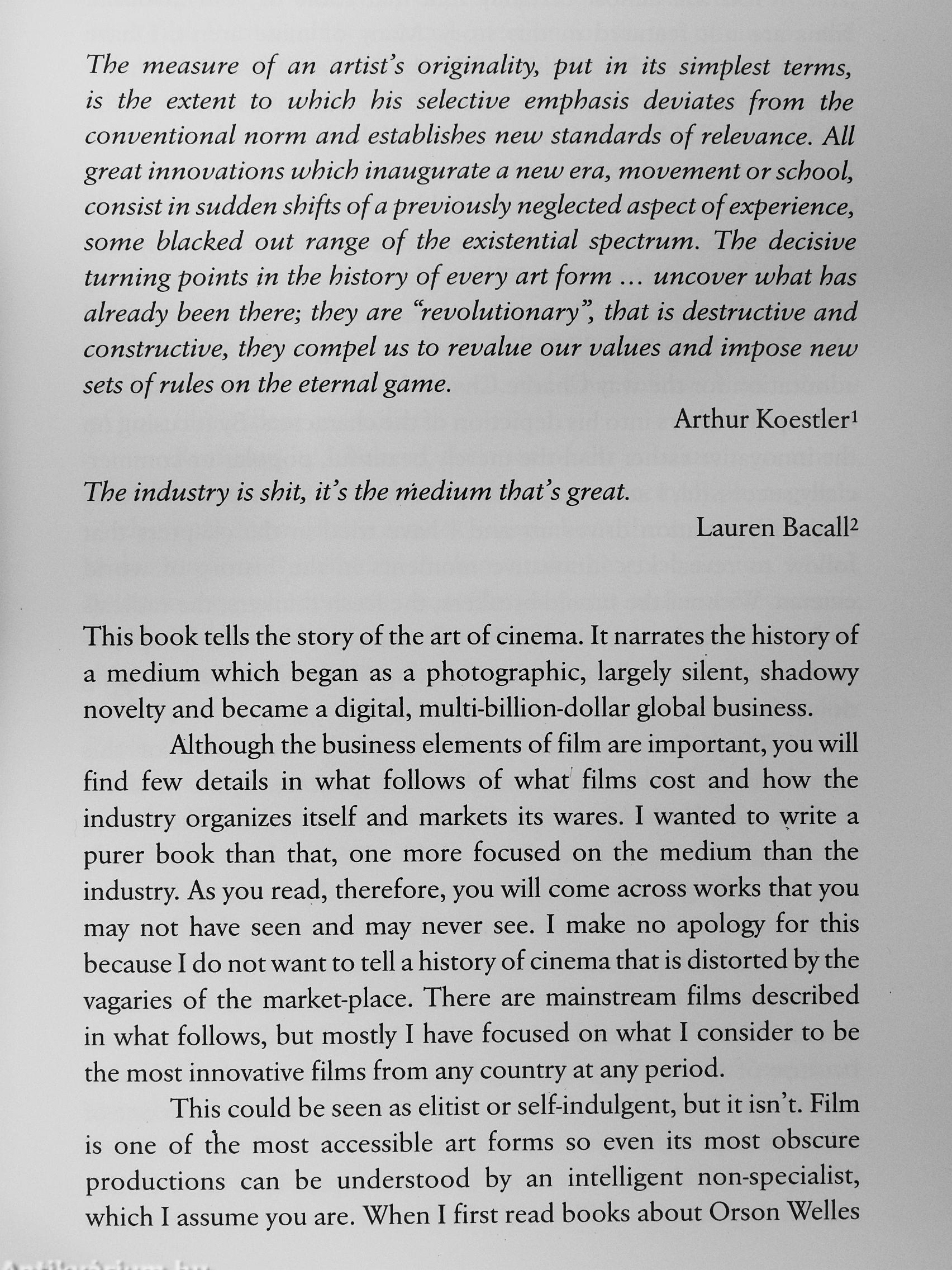
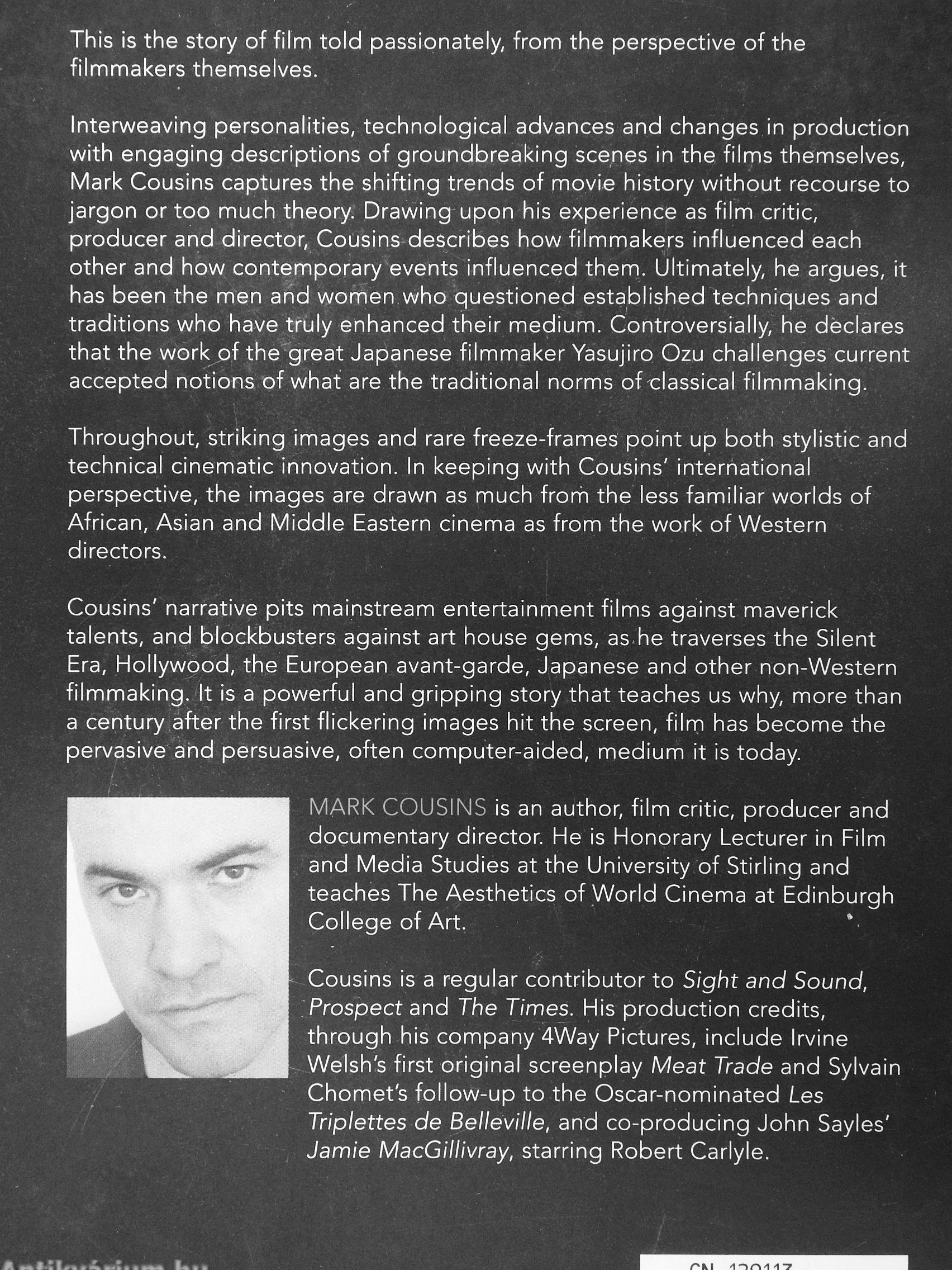
This is the story of film told passionately, from the perspective of the filmmakers themselves.
Interweaving personalities, technological advances and changes in production with engaging descriptions of groundbreaking scenes in the films themselves, Mark Cousins captures the shifting trends of movie history without recourse to jargon or too much theory. Drawing upon his experience as film critic, producer and director. Cousins describes how filmmakers influenced each other and how contemporary events influenced them. Ultimately, he argues, it has been the men and women who questioned established techniques and traditions who have truly enhanced their medium. Controversially, he déclares that the work of the great Japanese filmmaker Yasujiro Ozu challenges current accepted notions of what are the traditional norms of-classical filmmaking.
Throughout, striking images and rare freeze-frames point up both stylistic and technical cinematic innovation. In keeping with Cousins'...
Tovább
Fülszöveg
This is the story of film told passionately, from the perspective of the filmmakers themselves.
Interweaving personalities, technological advances and changes in production with engaging descriptions of groundbreaking scenes in the films themselves, Mark Cousins captures the shifting trends of movie history without recourse to jargon or too much theory. Drawing upon his experience as film critic, producer and director. Cousins describes how filmmakers influenced each other and how contemporary events influenced them. Ultimately, he argues, it has been the men and women who questioned established techniques and traditions who have truly enhanced their medium. Controversially, he déclares that the work of the great Japanese filmmaker Yasujiro Ozu challenges current accepted notions of what are the traditional norms of-classical filmmaking.
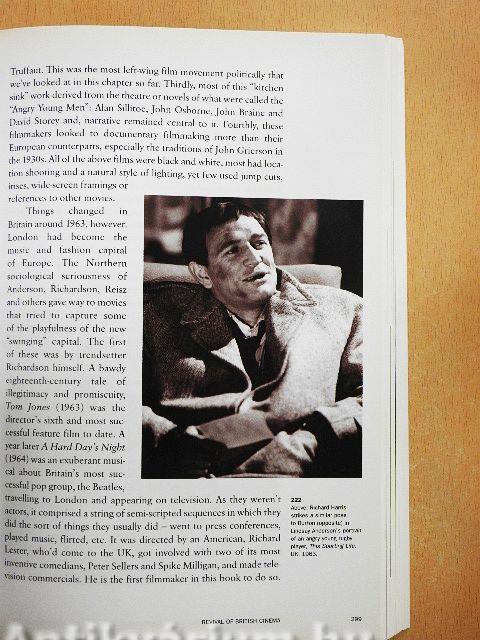
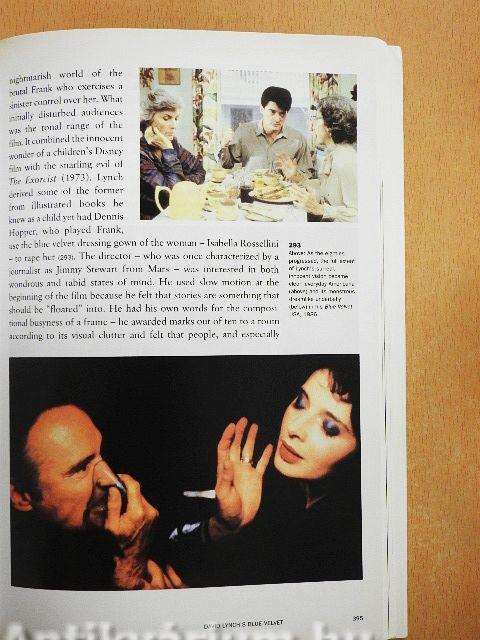
Throughout, striking images and rare freeze-frames point up both stylistic and technical cinematic innovation. In keeping with Cousins' international perspective, the images are drawn as much fronh the less familiar worlds of African, Asian and Middle Eastern cinema as from the work of Western directors.
Cousins' narrative pits mainstream entertainment films against maverick talents, and blockbusters against art house gems, as.he traverses the Silent Era, Hollywood, the European avant-garde, Japanese and other non-Western filmmaking. It is a powerful and gripping story that teaches us why, more than a century after the first flickering images hit the screen, filnn has become the pervasive and persuasive, often computer-aided, medium it is today.
1 MARK COUSINS is an author, film critic, producer and I documentary director. He is Honorary Lecturer in Film ' and Media Studies at the University of Stirling and
teaches The Aesthetics of World Cinema at Edinburgh i College of Art.
Cousins is a regular contributor to Sight and Sound, Prospect and The Times. His production credits, through his company 4Way Pictures, include Irvine Welsh's first original screenplay Meat Trade and Sylvain Chomet's follow-up to the Oscar-nominated Les Triplettes de Belleville, and co-producing John Sayles' Jamie MacGillivray, starring Robert Carlyle.
Vissza 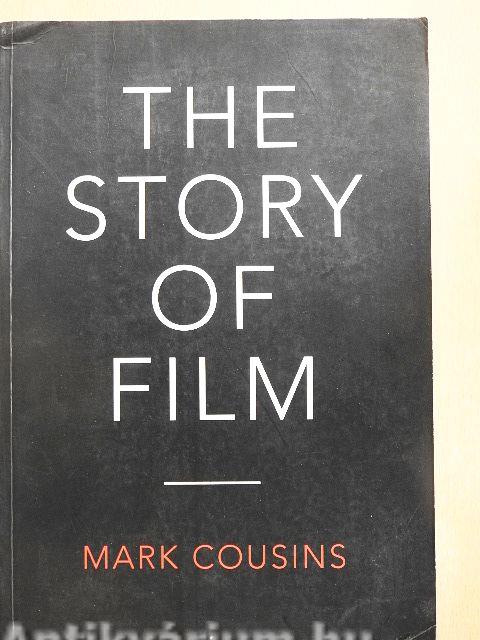





 Folytatás Microsoft-tal