
1.145.193
kiadvánnyal nyújtjuk Magyarország legnagyobb antikvár könyv-kínálatát

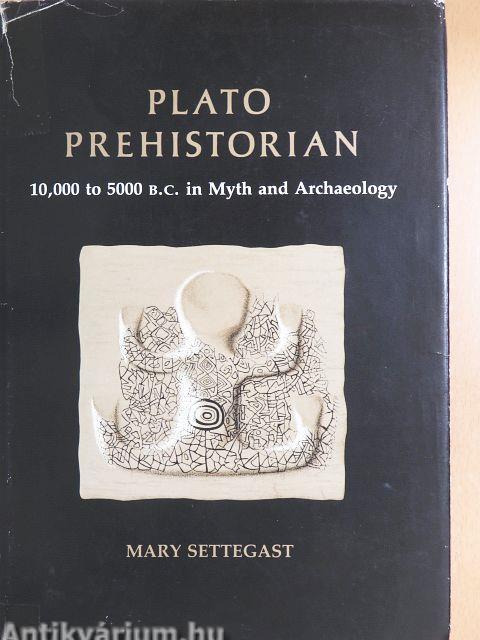
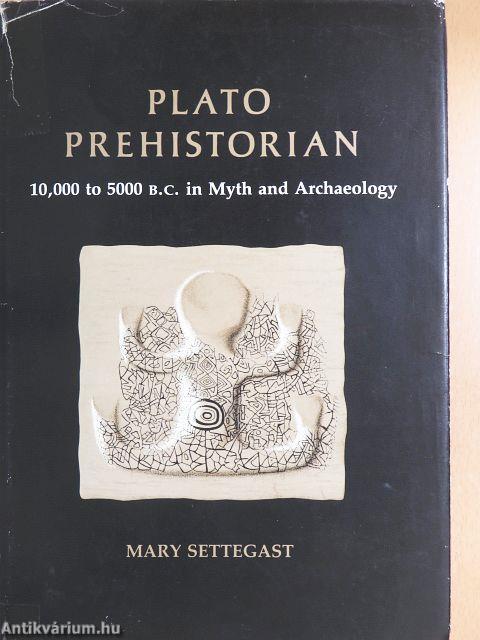
Plato Prehistorian
10,000 to 5000 B.C. in Myth and Archaeology
Cambridge
| Kiadó: | The Rotenberg Press |
|---|---|
| Kiadás helye: | Cambridge |
| Kiadás éve: | |
| Kötés típusa: | Vászon |
| Oldalszám: | 334 oldal |
| Sorozatcím: | |
| Kötetszám: | |
| Nyelv: | Angol |
| Méret: | 26 cm x 18 cm |
| ISBN: | 0-9617333-1-4 |
| Megjegyzés: | Fekete-fehér illusztrációkkal. |
Értesítőt kérek a kiadóról
A beállítást mentettük,
naponta értesítjük a beérkező friss
kiadványokról
naponta értesítjük a beérkező friss
kiadványokról
A beállítást mentettük,
naponta értesítjük a beérkező friss
kiadványokról
naponta értesítjük a beérkező friss
kiadványokról
Előszó
Tovább
Fülszöveg
PLATO PREHISTORIAN
10,000 to 5000 b.c. in Myth and Archaeology
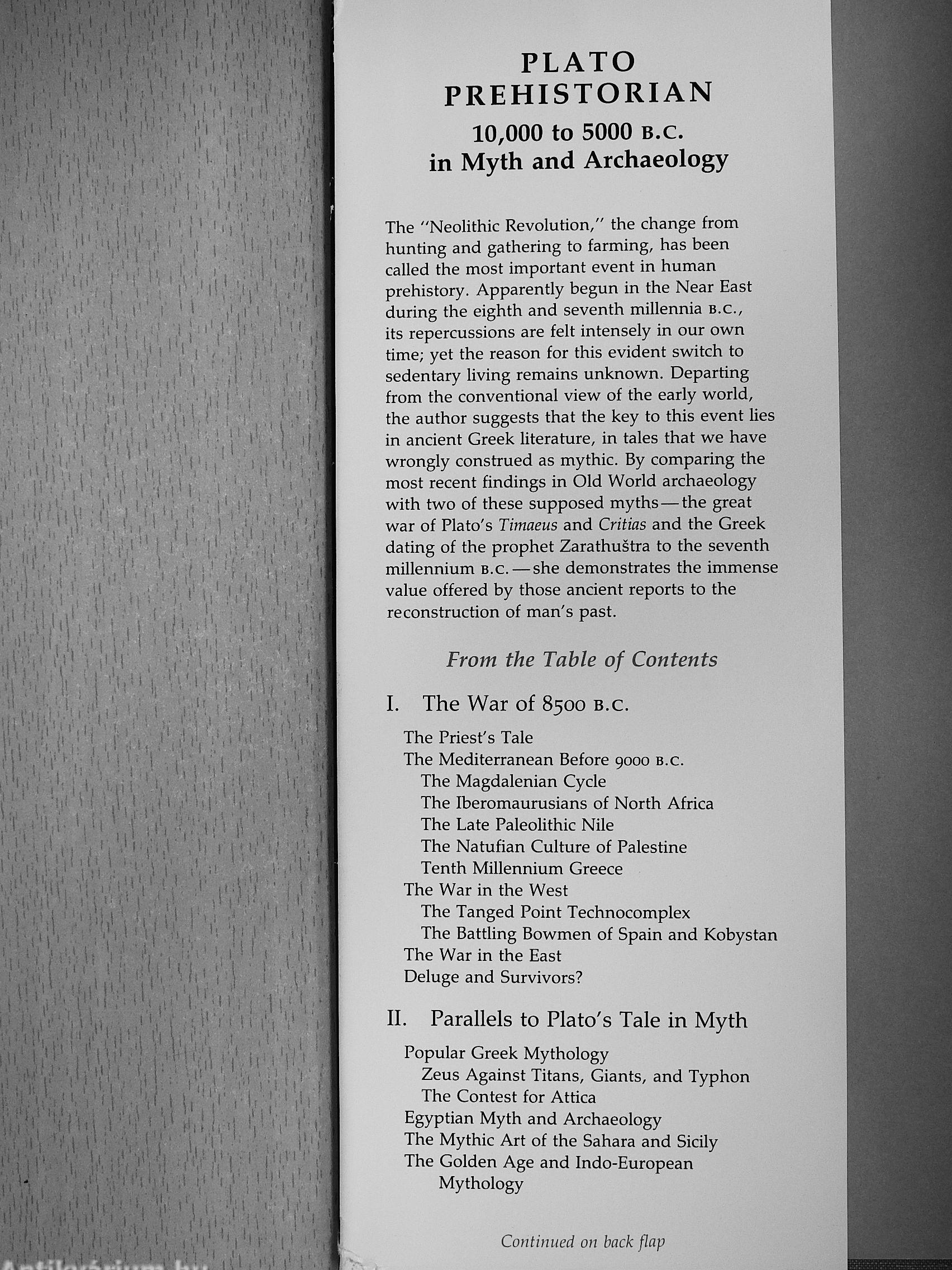
The "Neolithic Revolution," the change from hunting and gathering to farming, has been called the most important event in human prehistory. Apparently begun in the Near East during the eighth and seventh millennia B.C., its repercussions are felt intensely in our own time; yet the reason for this evident switch to sedentary living remains unknown. Departing from the conventional view of the early world, the author suggests that the key to this event lies in ancient Greek literature, in tales that we have wrongly construed as mythic. By comparing the most recent findings in Old World archaeology with two of these supposed myths—the great war of Plato's Timaeus and Critias and the Greek dating of the prophet Zarathustra to the seventh millennium B.C.—she demonstrates the immense value offered by those ancient reports to the reconstruction of man's past.
From the Table of Contents
I. The War of 8500 b.c. The Priest's... Tovább
Fülszöveg
PLATO PREHISTORIAN
10,000 to 5000 b.c. in Myth and Archaeology
The "Neolithic Revolution," the change from hunting and gathering to farming, has been called the most important event in human prehistory. Apparently begun in the Near East during the eighth and seventh millennia B.C., its repercussions are felt intensely in our own time; yet the reason for this evident switch to sedentary living remains unknown. Departing from the conventional view of the early world, the author suggests that the key to this event lies in ancient Greek literature, in tales that we have wrongly construed as mythic. By comparing the most recent findings in Old World archaeology with two of these supposed myths—the great war of Plato's Timaeus and Critias and the Greek dating of the prophet Zarathustra to the seventh millennium B.C.—she demonstrates the immense value offered by those ancient reports to the reconstruction of man's past.
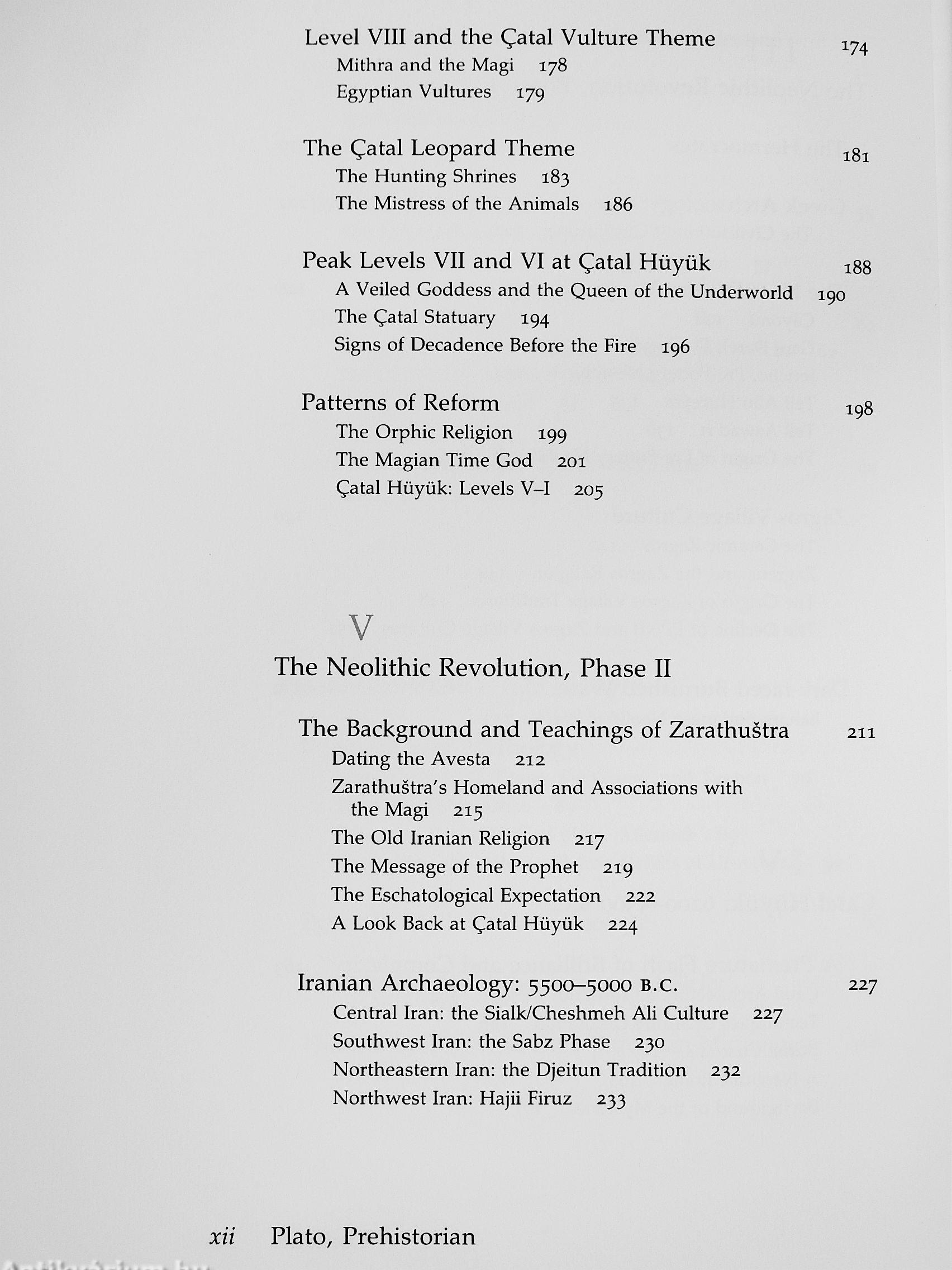
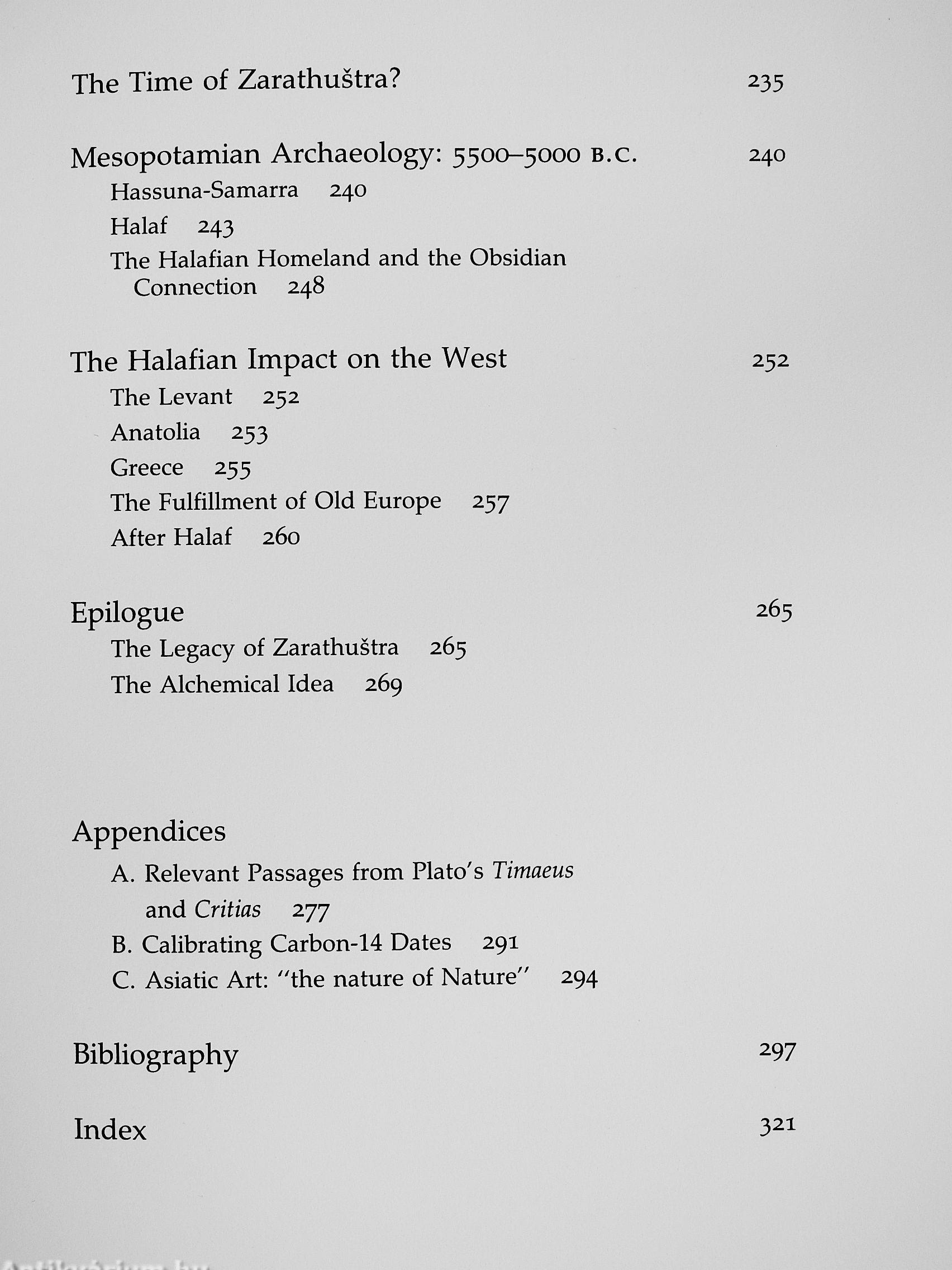
From the Table of Contents
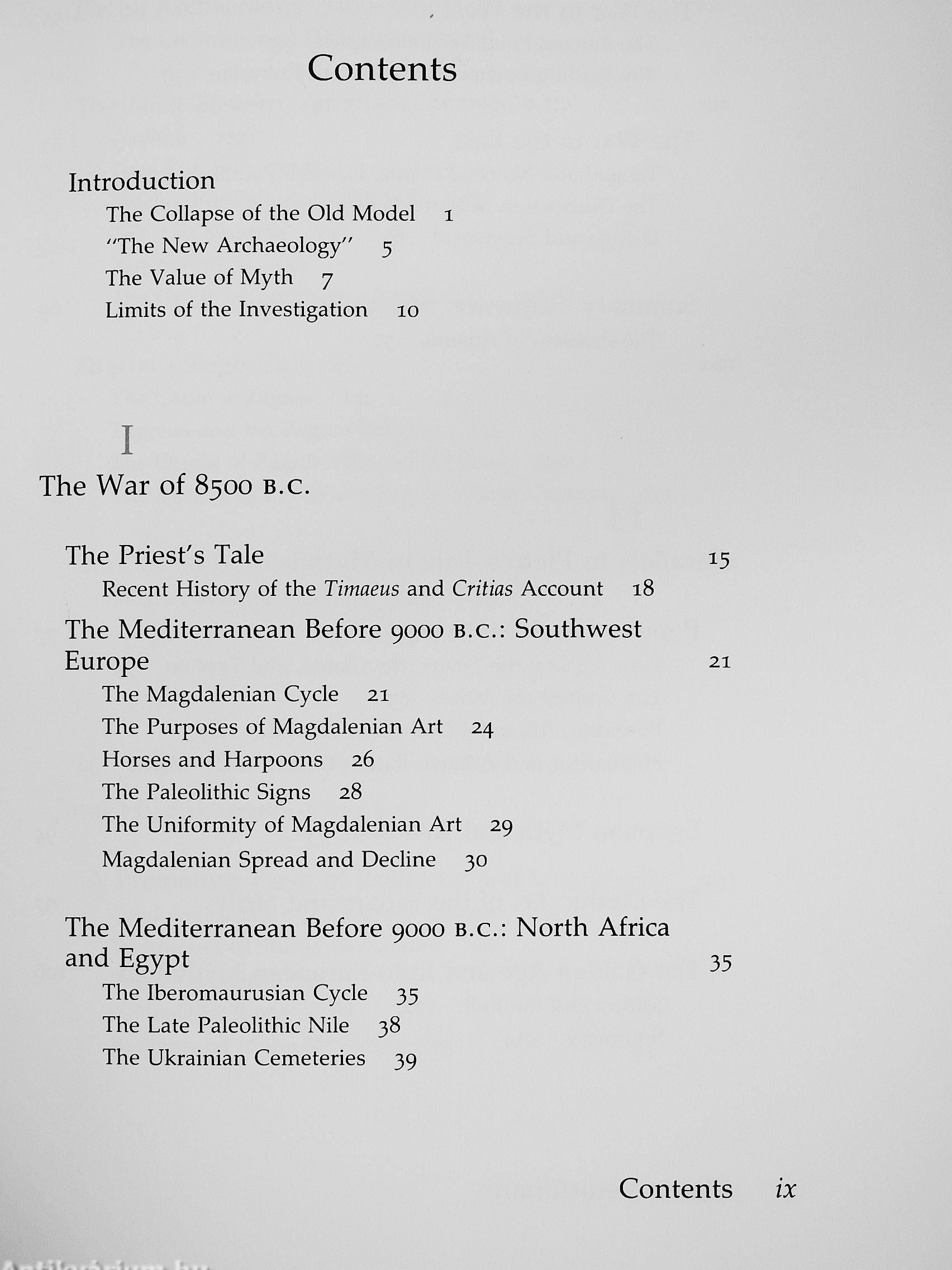
I. The War of 8500 b.c. The Priest's Tale
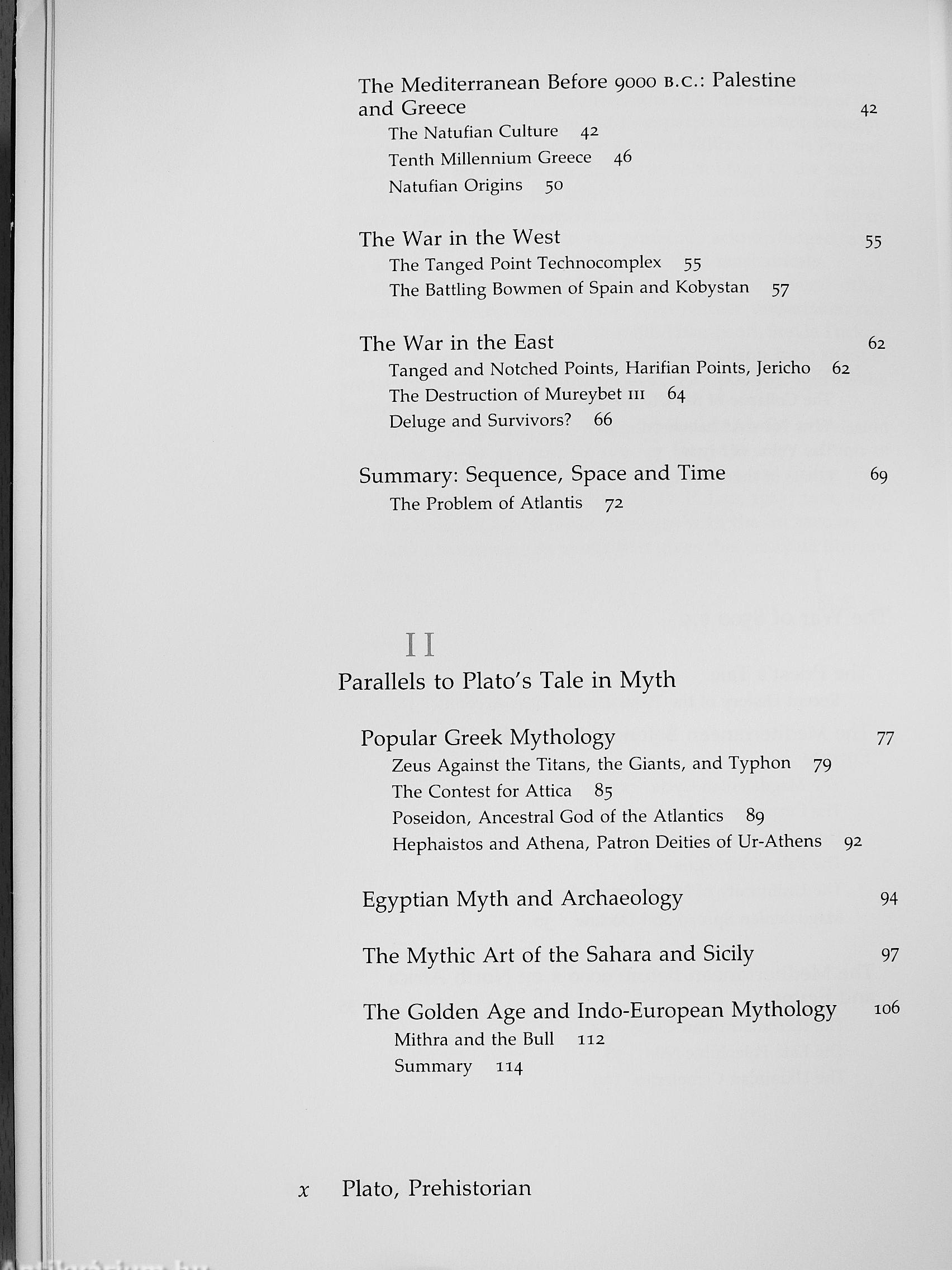
The Mediterranean Before 9000 b.c. The Magdalenian Cycle The Iberomaurusians of North Africa The Late Paleolithic Nile The Natufian Culture of Palestine Tenth Millennium Greece The War in the West The Tanged Point Technocomplex The Battling Bowmen of Spain and Kobystan The War in the East Deluge and Survivors?
II. Parallels to Plato's Tale in Myth
Popular Greek Mythology Zeus Against Titans, Giants, and Typhon The Contest for Attica Egyptian Myth and Archaeology The Mythic Art of the Sahara and Sicily The Golden Age and Indo-European Mythology
Continued on back flap Vissza
Témakörök
- Idegennyelv > Idegennyelvű könyvek > Angol > Történelem > Egyéb
- Történelem > Idegennyelvű > Angol
- Régészet > Általános régészet, antropológia > Ősrégészet
- Régészet > Kontinensek szerint > Egyéb
- Idegennyelv > Idegennyelvű könyvek > Angol > Régészet > Általános régészet, antropológia > Ősrégészet
- Idegennyelv > Idegennyelvű könyvek > Angol > Régészet > Kontinensek szerint
- Történelem > Régészet > Általános régészet, antropológia > Ősrégészet
- Történelem > Régészet > Kontinensek szerint
Mary Settegast
Mary Settegast műveinek az Antikvarium.hu-n kapható vagy előjegyezhető listáját itt tekintheti meg: Mary Settegast könyvek, művekMegvásárolható példányok
Nincs megvásárolható példány
A könyv összes megrendelhető példánya elfogyott. Ha kívánja, előjegyezheti a könyvet, és amint a könyv egy újabb példánya elérhető lesz, értesítjük.
 Folytatás Microsoft-tal