
1.152.685
kiadvánnyal nyújtjuk Magyarország legnagyobb antikvár könyv-kínálatát

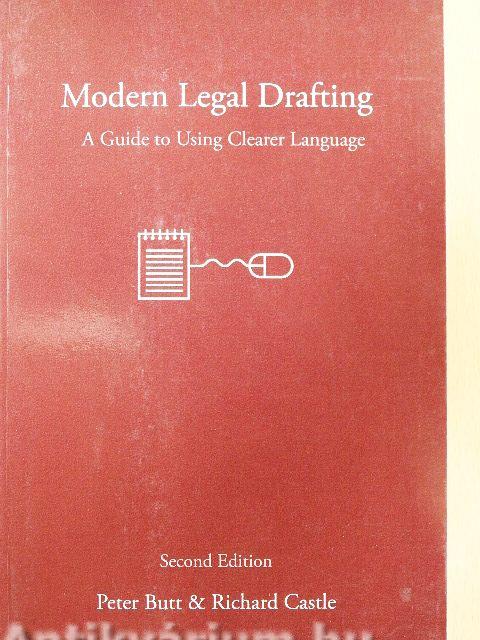
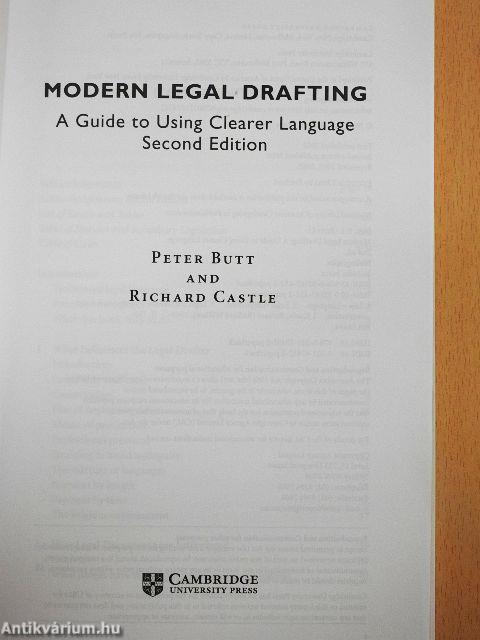
Modern Legal Drafting
A Guide to Using Clearer Language
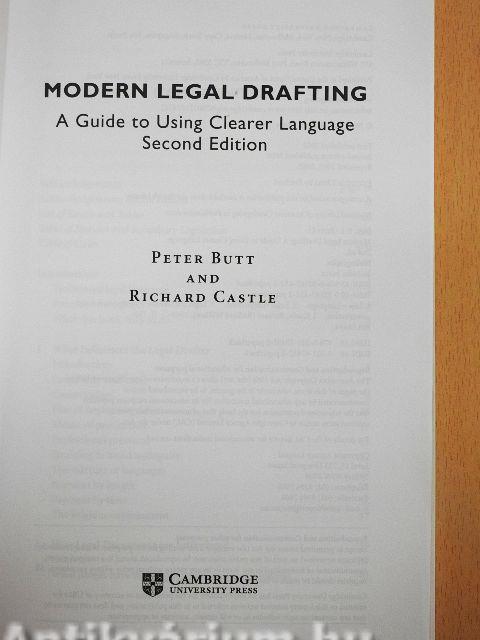
Cambridge
| Kiadó: | Cambridge University Press |
|---|---|
| Kiadás helye: | Cambridge |
| Kiadás éve: | |
| Kötés típusa: | Varrott papírkötés |
| Oldalszám: | 240 oldal |
| Sorozatcím: | |
| Kötetszám: | |
| Nyelv: | Angol |
| Méret: | 23 cm x 15 cm |
| ISBN: | 978-0-521-67452-2 |
| Megjegyzés: | 2. kiadás. |
Értesítőt kérek a kiadóról
A beállítást mentettük,
naponta értesítjük a beérkező friss
kiadványokról
naponta értesítjük a beérkező friss
kiadványokról
A beállítást mentettük,
naponta értesítjük a beérkező friss
kiadványokról
naponta értesítjük a beérkező friss
kiadványokról
Előszó
Tovább
Fülszöveg
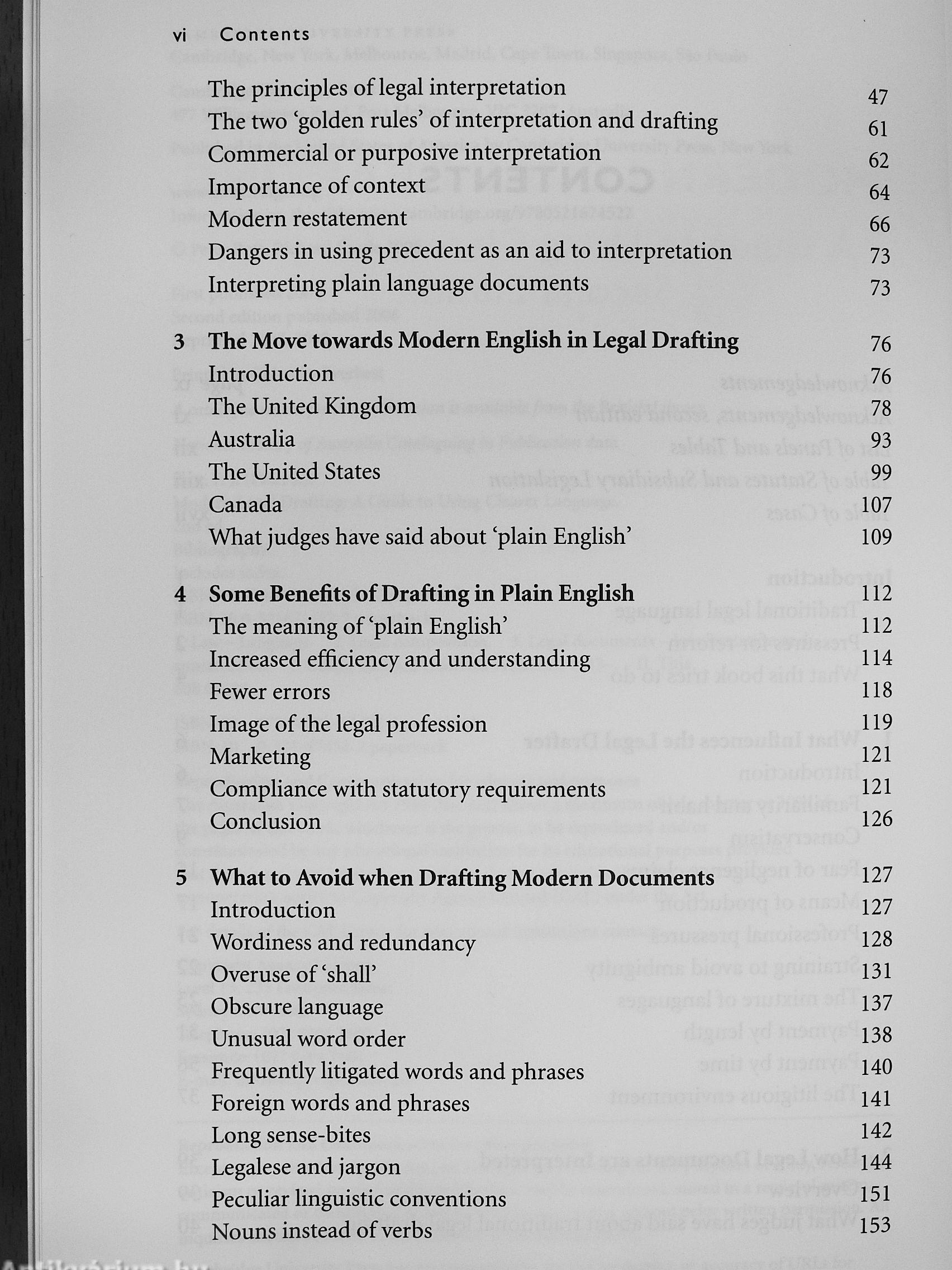
In the second edition of this highly regarded text, the authors show how and why traditional legal language has developed the peculiar characteristics that make legal documents inaccessible to the end users. Incorporating recent research and international examples, the book provides a critical examination of case law and the rules of interpretation. Detailed case studies illustrate how obscure or outdated words, phrases and concepts can be rewritten, reworked or removed altogether - without compromising legal exactitude. In emphasising the benefits of plain language drafting, the focus is on clarity and accessibility. Particularly useful is the step-by-step guide to drafting in the modern style, using practical examples from four types of common legal documents: leases, company constitutions, wills and conveyances.
Readers will gain an appreciation of the historical influences on drafting practice and the use of legal terminology. They will learn about the current moves to reform... Tovább
Fülszöveg
In the second edition of this highly regarded text, the authors show how and why traditional legal language has developed the peculiar characteristics that make legal documents inaccessible to the end users. Incorporating recent research and international examples, the book provides a critical examination of case law and the rules of interpretation. Detailed case studies illustrate how obscure or outdated words, phrases and concepts can be rewritten, reworked or removed altogether - without compromising legal exactitude. In emphasising the benefits of plain language drafting, the focus is on clarity and accessibility. Particularly useful is the step-by-step guide to drafting in the modern style, using practical examples from four types of common legal documents: leases, company constitutions, wills and conveyances.
Readers will gain an appreciation of the historical influences on drafting practice and the use of legal terminology. They will learn about the current moves to reform legal language; and they will receive clear instruction on how to make their writing clearer and their legal documents more useful to clients and colleagues.
Modern Legal Drafting: A Guide to Using Clearer Language will benefit lawyers, law students, legislative drafters, and all who work in law-related fields.
Peter Butt is Professor of Law and founding director of the Centre for Plain Language at the University of Sydney.
Richard Castle is a former solicitor currently working in New Zealand. Vissza



Témakörök

Megvásárolható példányok
Állapotfotók
Állapot:
Jó
3.660 ,-Ft
18
pont kapható
Kosárba
 Folytatás Microsoft-tal