
1.154.856
kiadvánnyal nyújtjuk Magyarország legnagyobb antikvár könyv-kínálatát

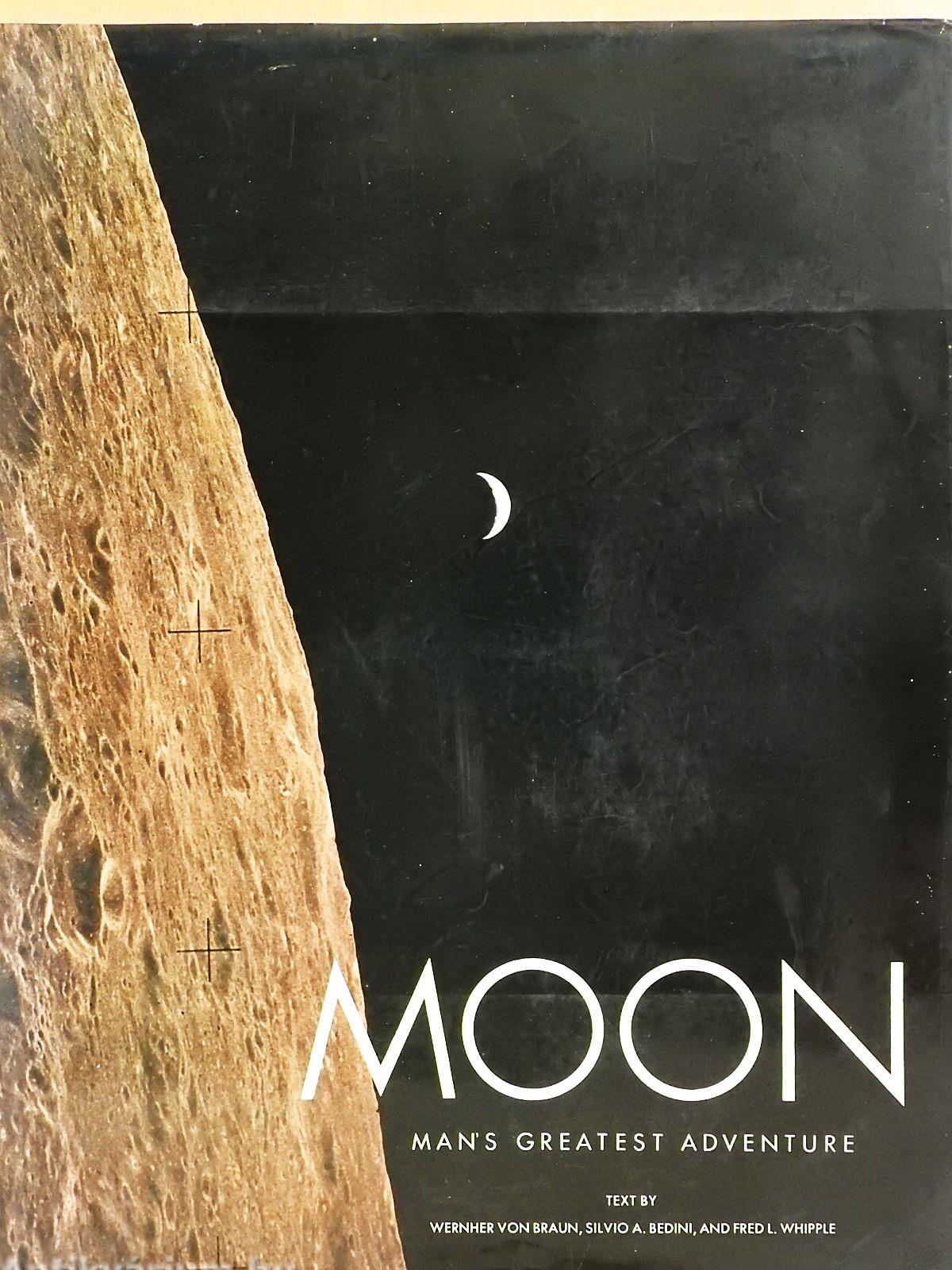
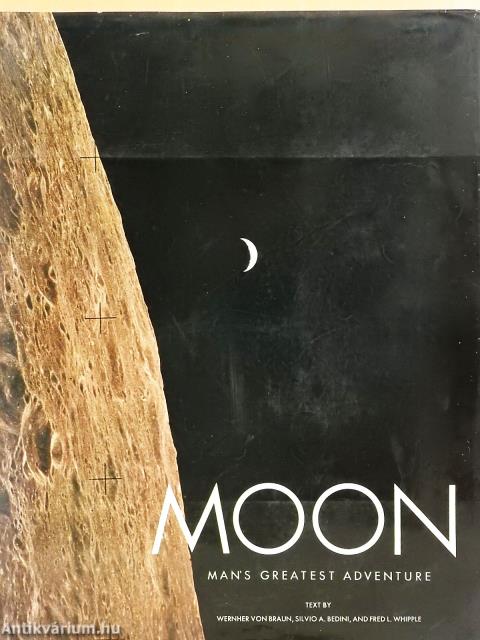
Moon (rossz állapotú)
Man's greatest adventure
New York
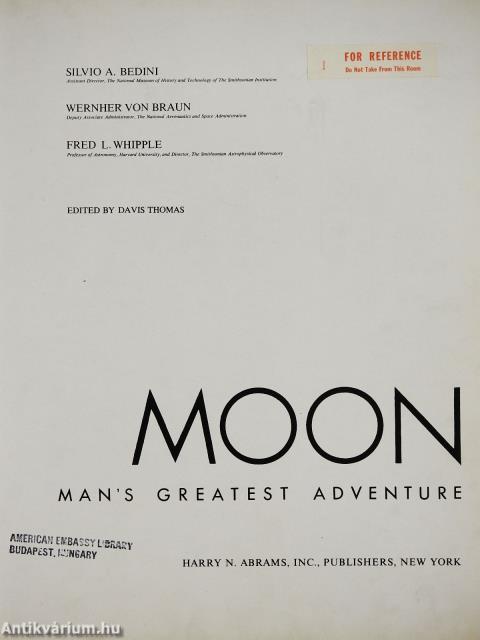
| Kiadó: | Harry N. Abrams, Inc., Publishers |
|---|---|
| Kiadás helye: | New York |
| Kiadás éve: | |
| Kötés típusa: | Vászon |
| Oldalszám: | 247 oldal |
| Sorozatcím: | |
| Kötetszám: | |
| Nyelv: | Angol |
| Méret: | 39 cm x 31 cm |
| ISBN: | |
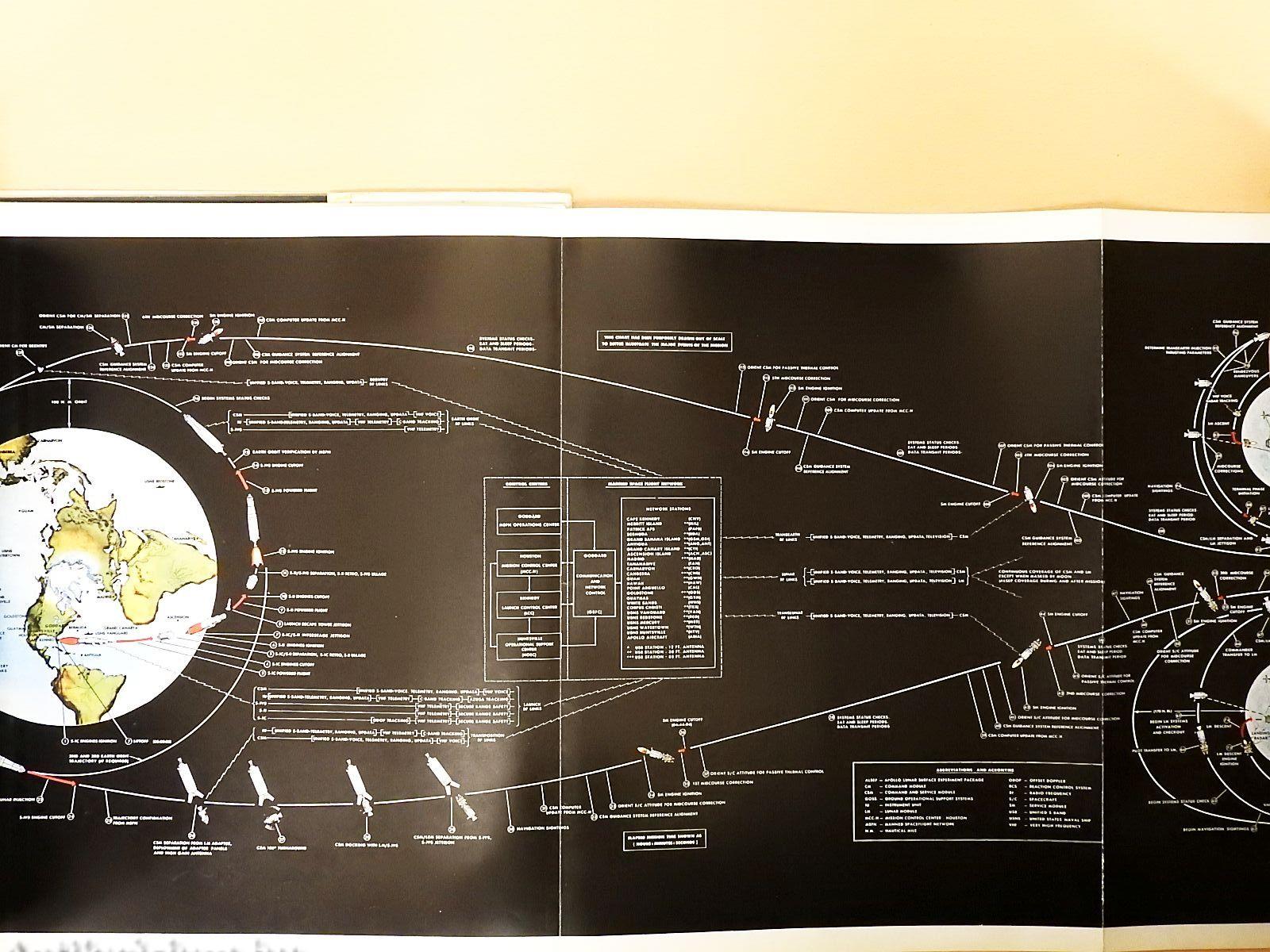
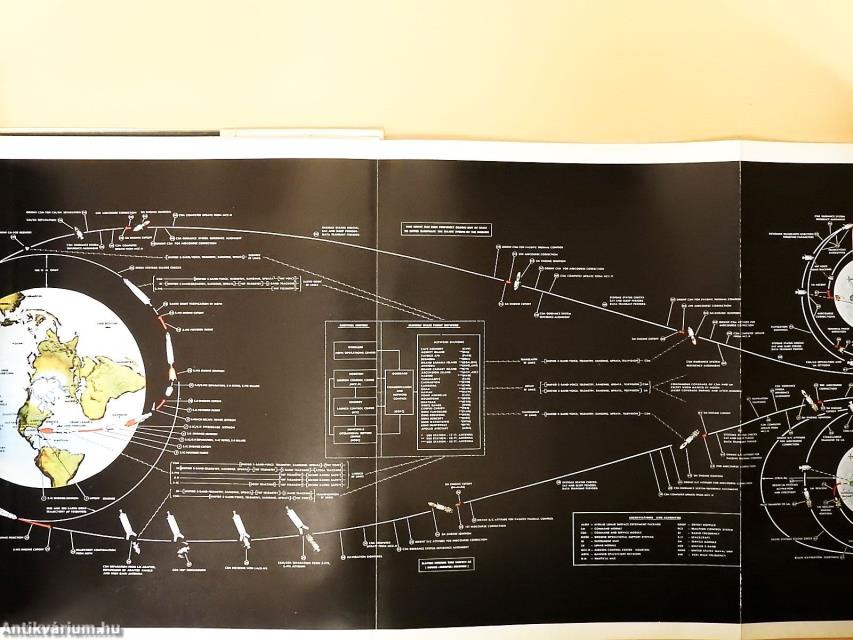
| Megjegyzés: | Fekete-fehér és színes fotókkal, kihajtható melléklettel. |
Értesítőt kérek a kiadóról
A beállítást mentettük,
naponta értesítjük a beérkező friss
kiadványokról
naponta értesítjük a beérkező friss
kiadványokról
A beállítást mentettük,
naponta értesítjük a beérkező friss
kiadványokról
naponta értesítjük a beérkező friss
kiadványokról
Előszó
Tovább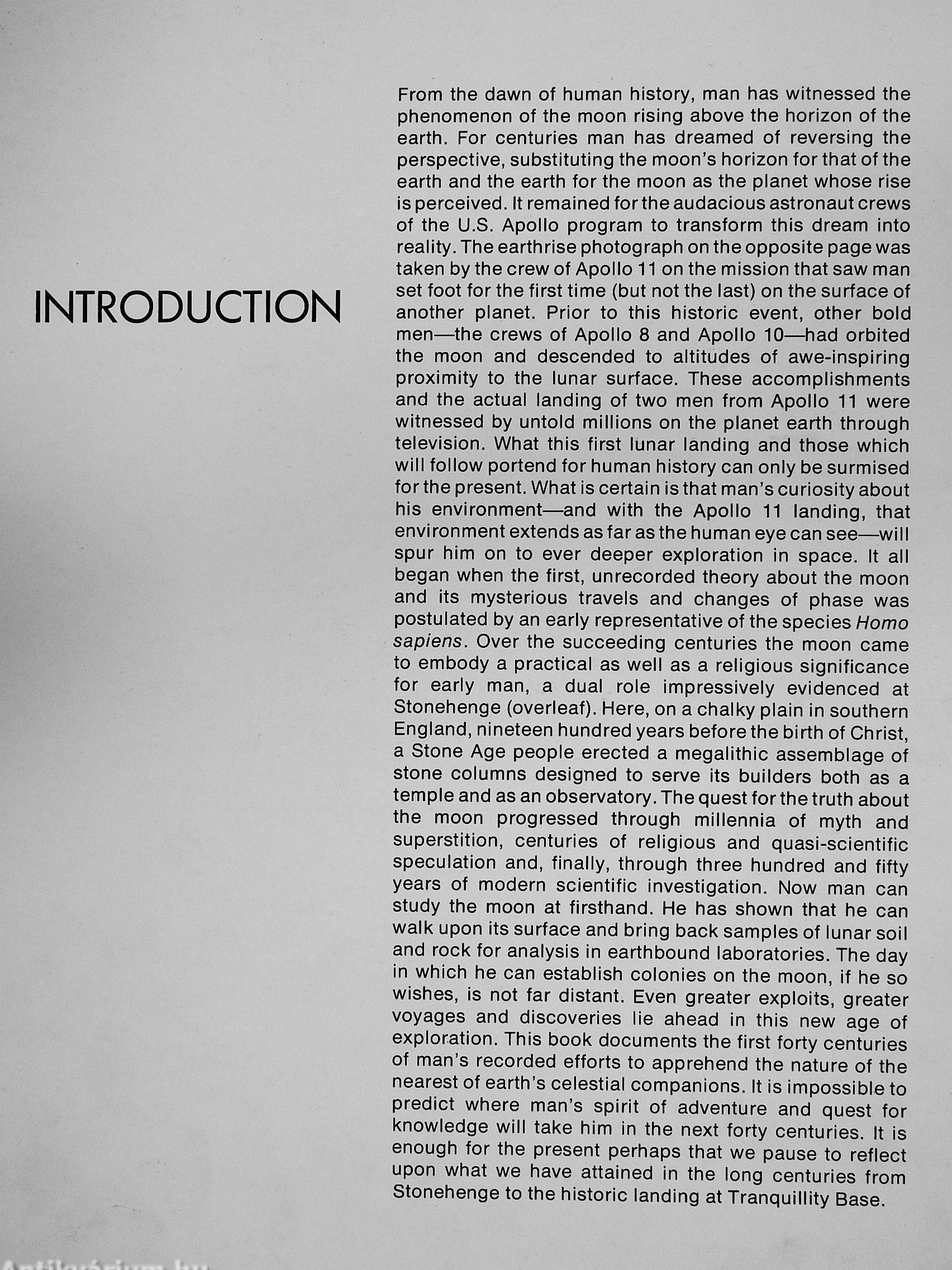
Fülszöveg
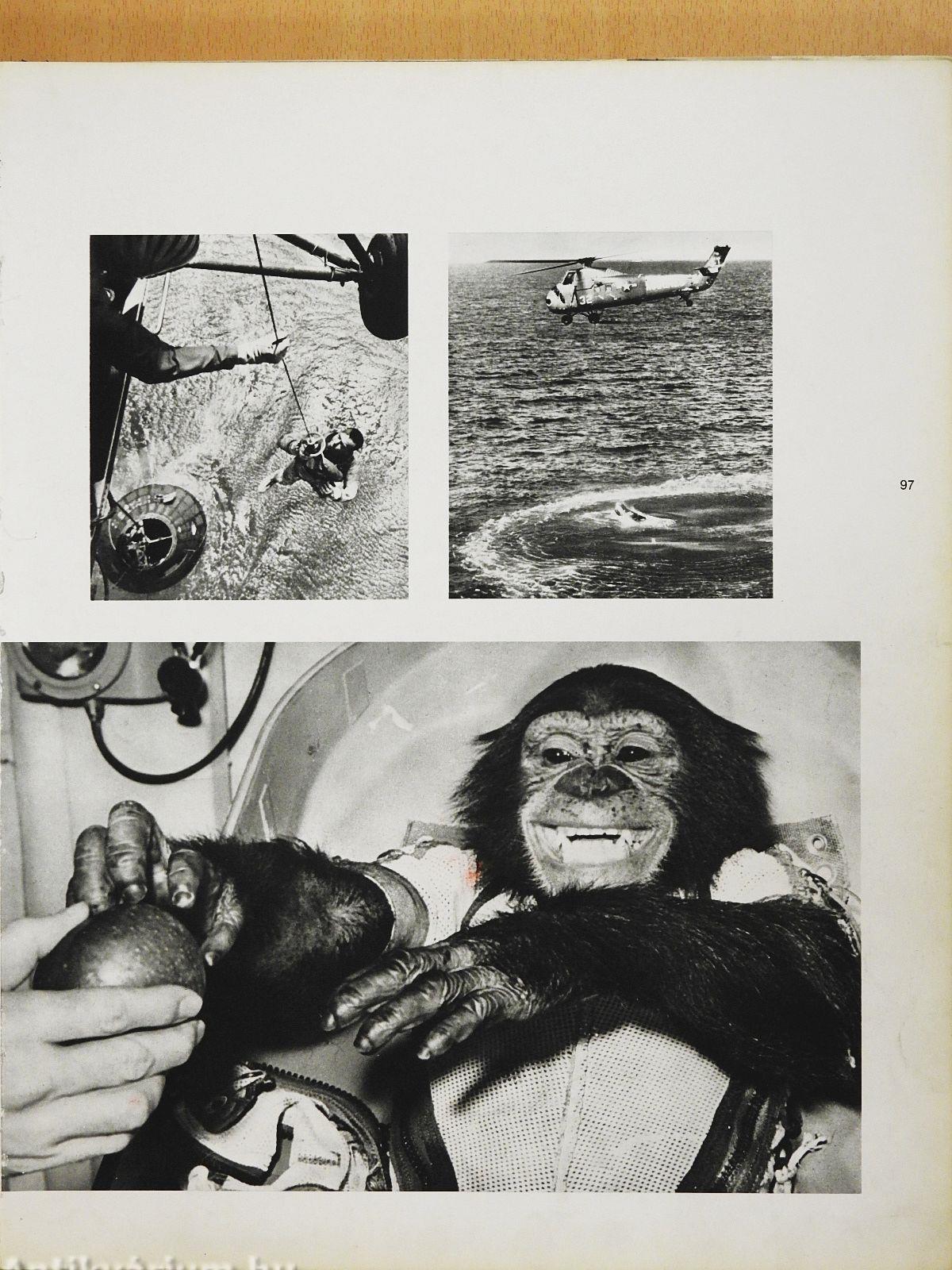
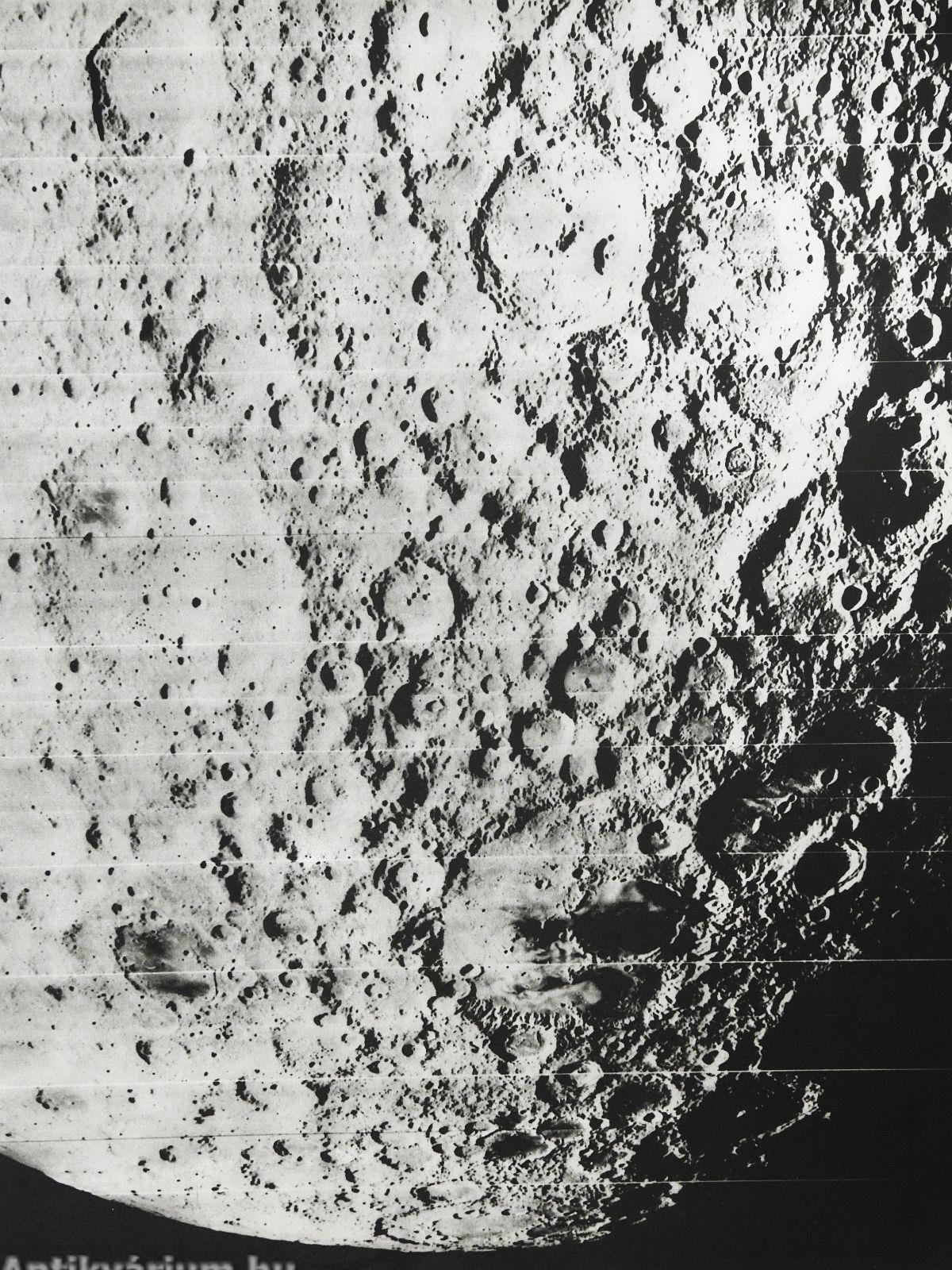
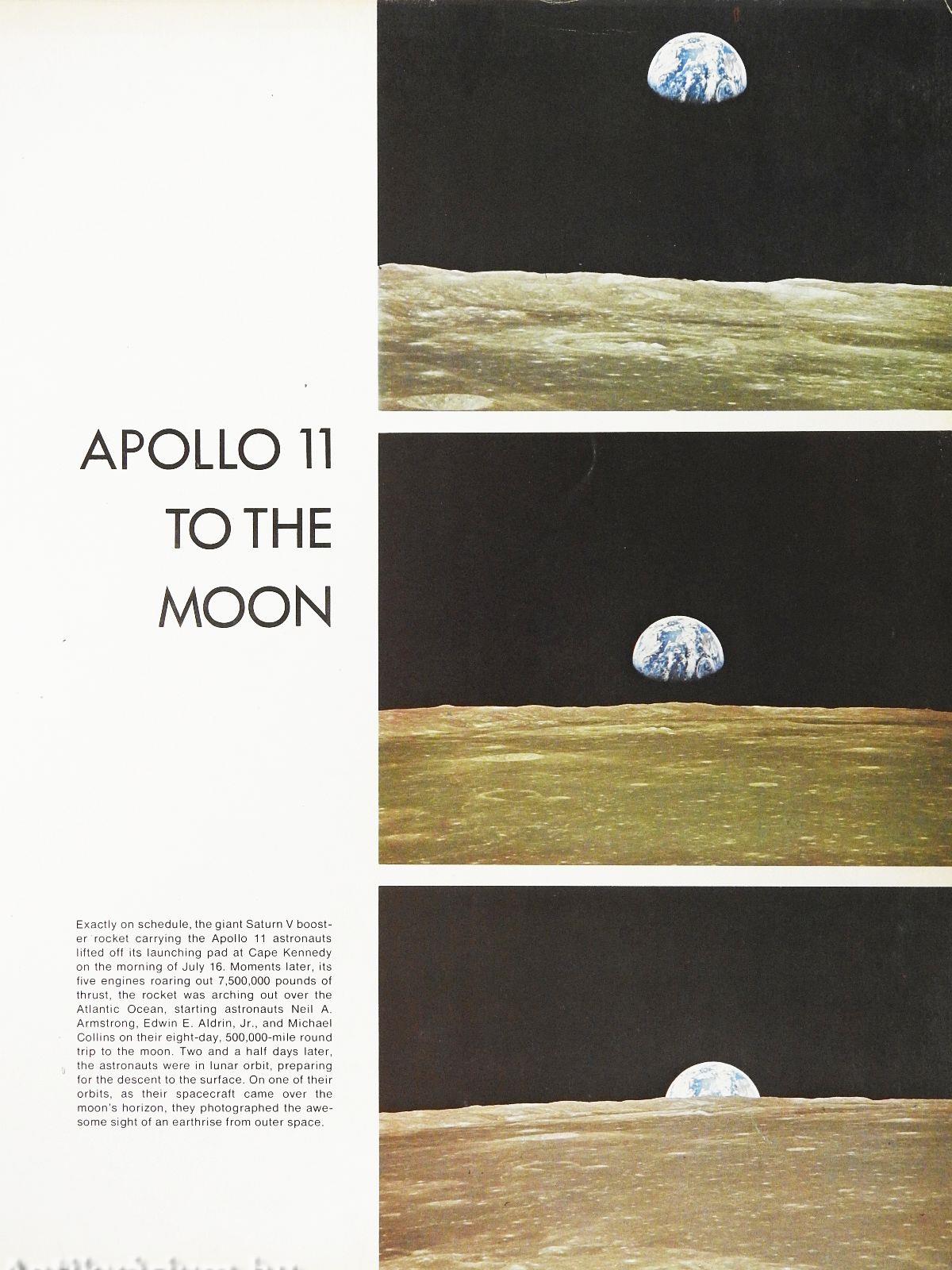
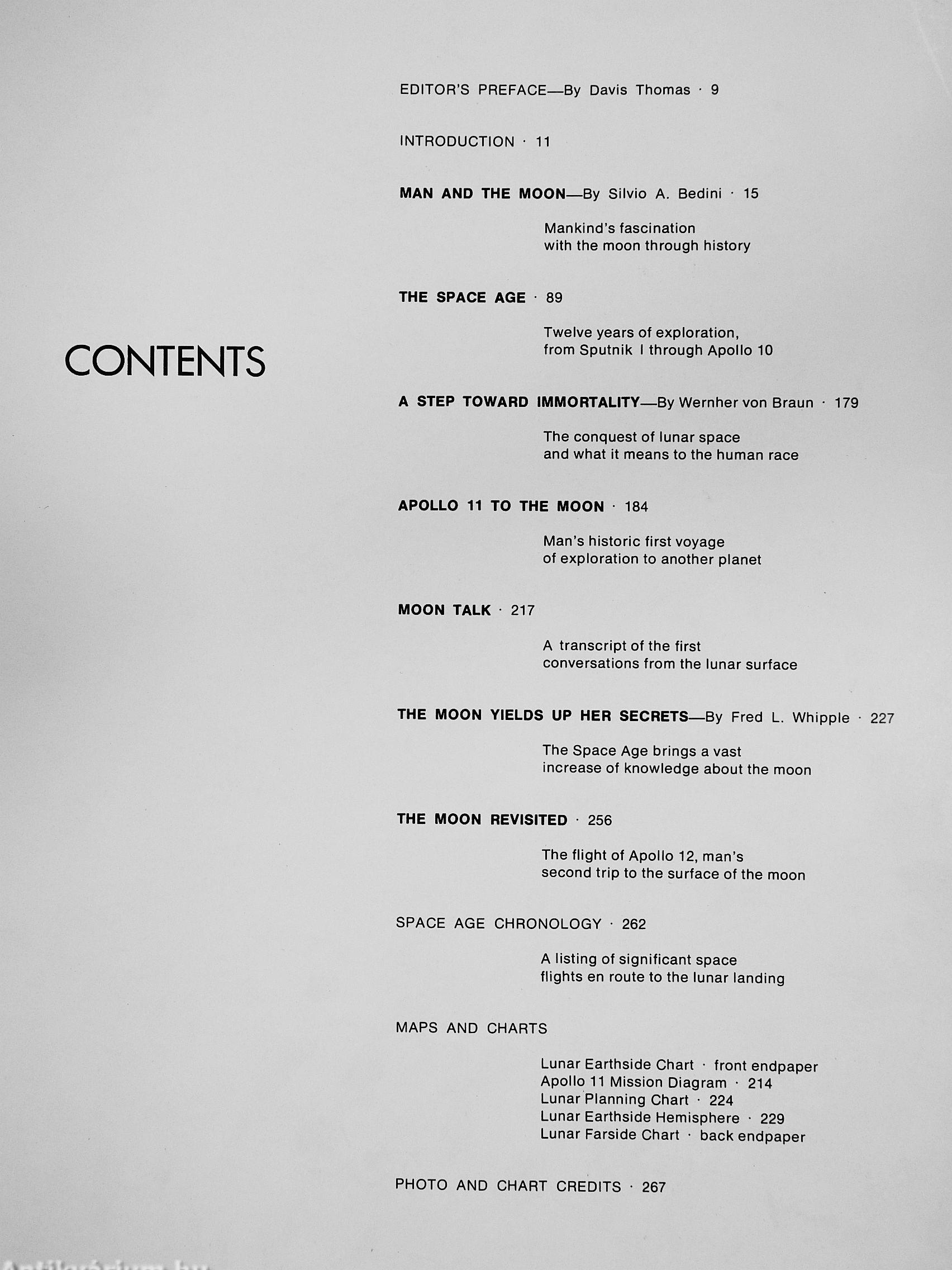
Man's fascination witli the moon through forty centuries of recorded history is the subject of this definitive volume commemorating what is perhaps the greatest accomplishment in the annals of human endeavor — the conquest of lunar space. In text and magnificently reproduced photographs, MOON traces the long history of man's striving to reach out to another planetary body, an effort that culminated in the Apollo 11 moon landing and Neil Armstrong's historic words as he first set foot on the surface of the moon: "That's one small stepfor a man;one giant leap for mankind."
MOON deals with the entire sweep of human involvement with earth's mysterious sister planet, from Stonehenge to Tranquillity Base. Texts by distinguished and uniquely qualified authors buttress the authoritative character of the pictorrol presentation. Silvio A. Bedini of the Smithsonian Institution describes the history of mankind's centuries-long love affair with the moon. He deals with storied and real... Tovább
Fülszöveg
Man's fascination witli the moon through forty centuries of recorded history is the subject of this definitive volume commemorating what is perhaps the greatest accomplishment in the annals of human endeavor — the conquest of lunar space. In text and magnificently reproduced photographs, MOON traces the long history of man's striving to reach out to another planetary body, an effort that culminated in the Apollo 11 moon landing and Neil Armstrong's historic words as he first set foot on the surface of the moon: "That's one small stepfor a man;one giant leap for mankind."
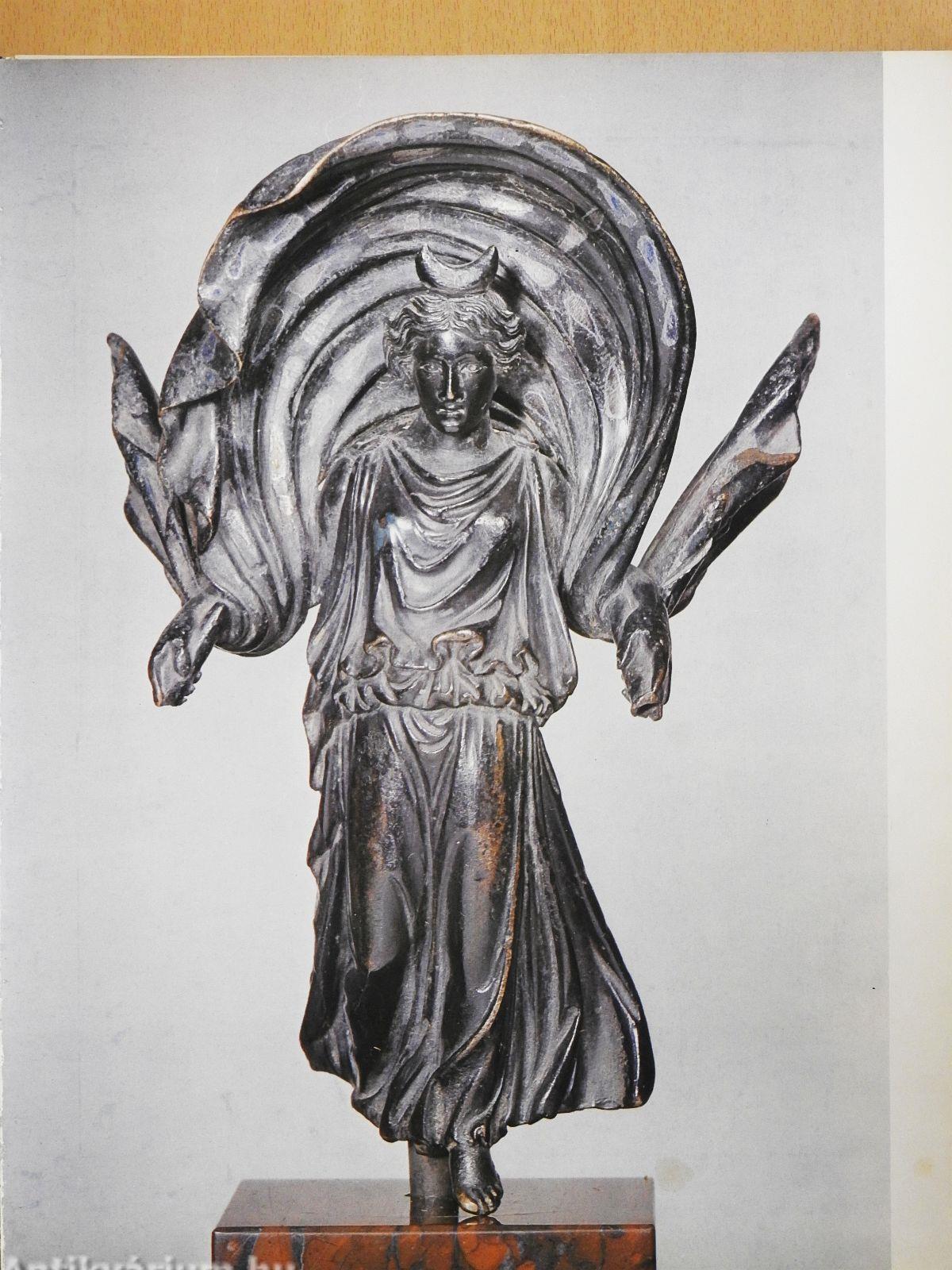
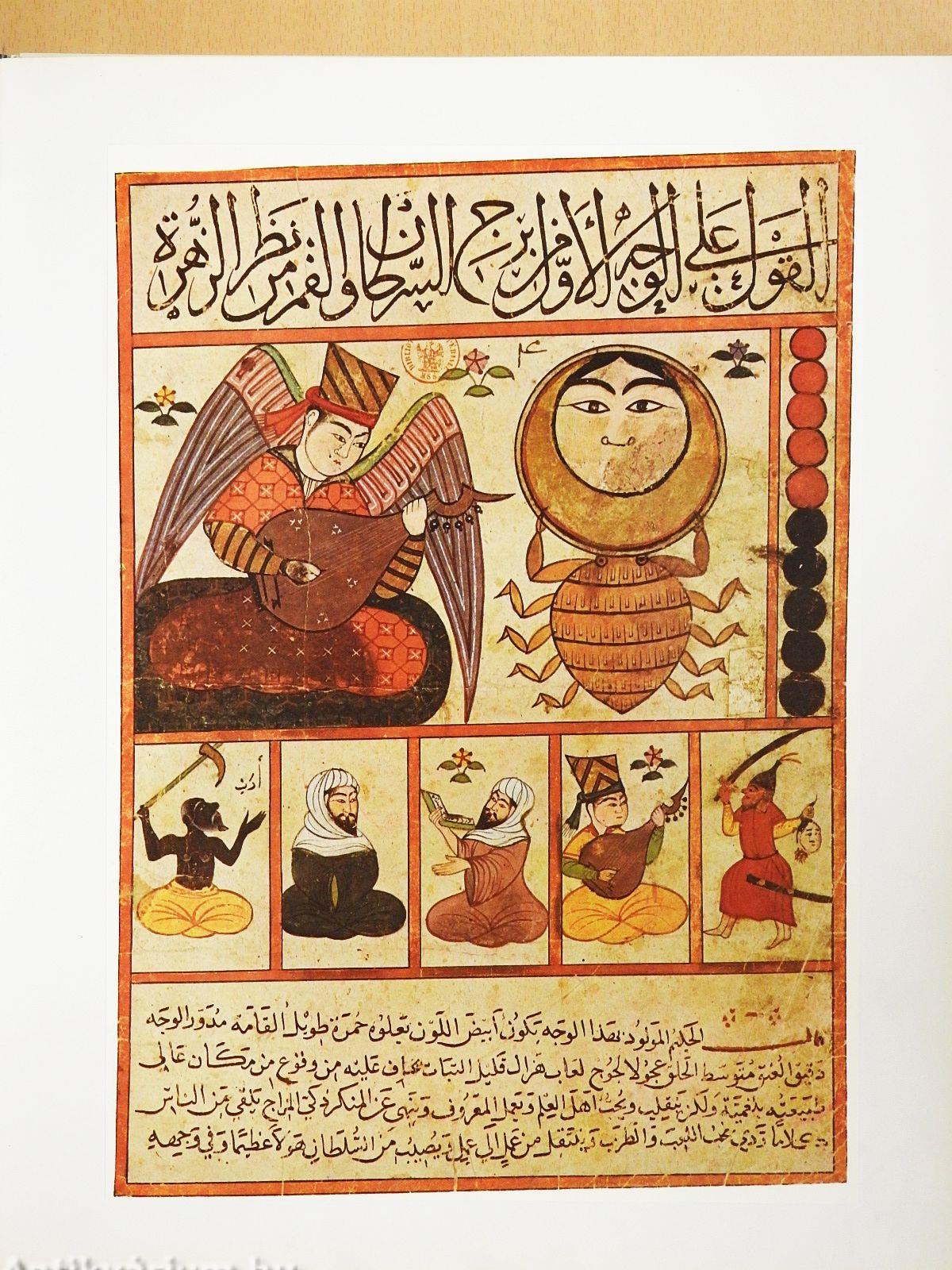
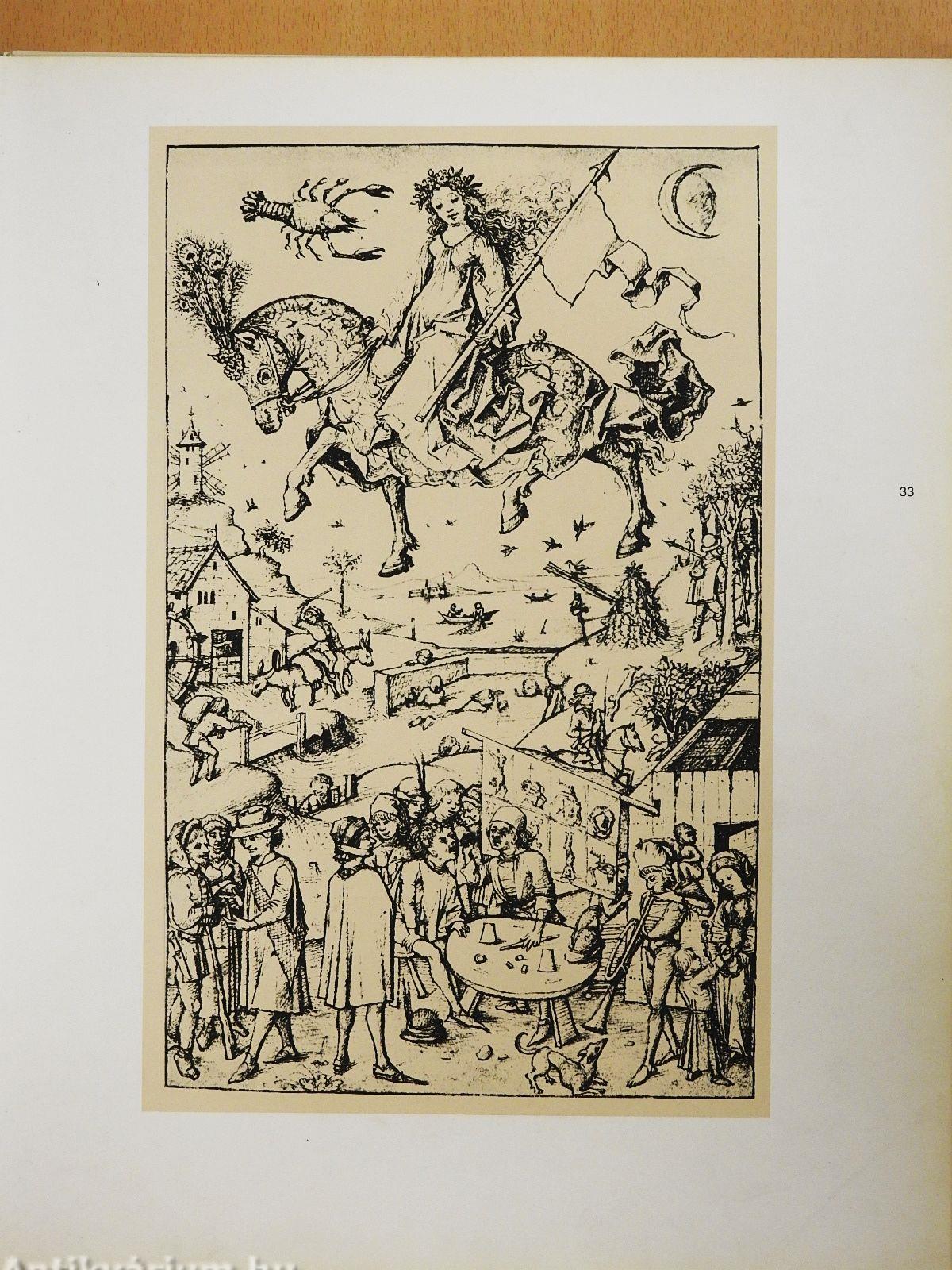
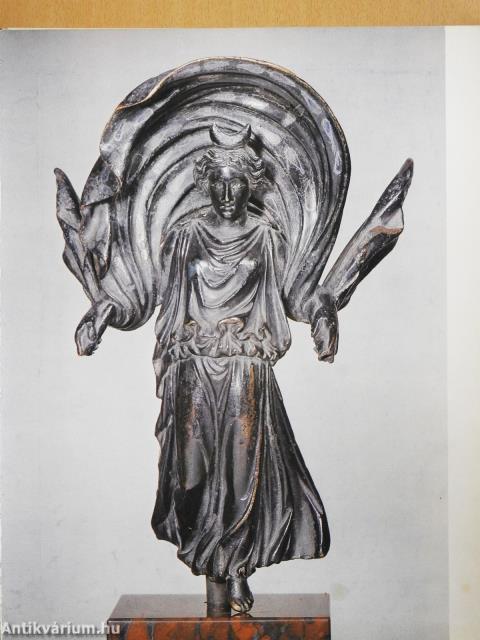
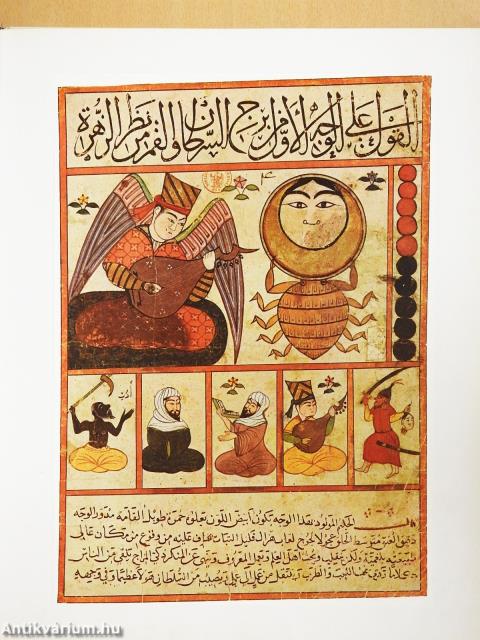
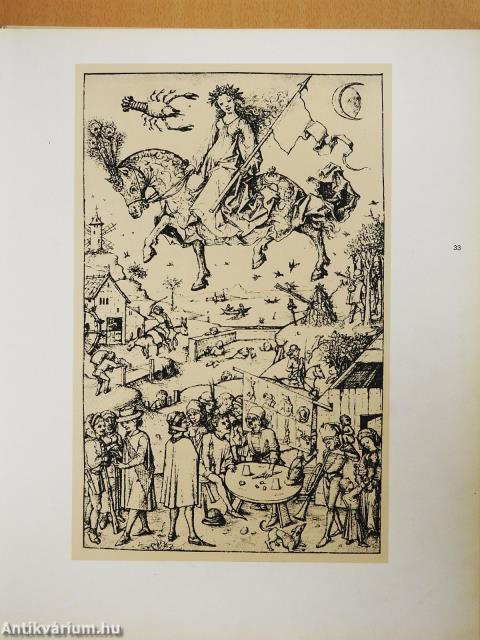
MOON deals with the entire sweep of human involvement with earth's mysterious sister planet, from Stonehenge to Tranquillity Base. Texts by distinguished and uniquely qualified authors buttress the authoritative character of the pictorrol presentation. Silvio A. Bedini of the Smithsonian Institution describes the history of mankind's centuries-long love affair with the moon. He deals with storied and real "personalities" like Thoth, the Egyptian moon god, with Galileo, Isaac Newton, Cyrano de Bergerac, Jules Verne, Buck Rogers, and with the heroic astronauts of Russia and America. His text is accompanied by fascinating illustrations that span 4,000 years as man progressed through superstition, myth, fantasy, and early science to the momentous events of the Space Age.
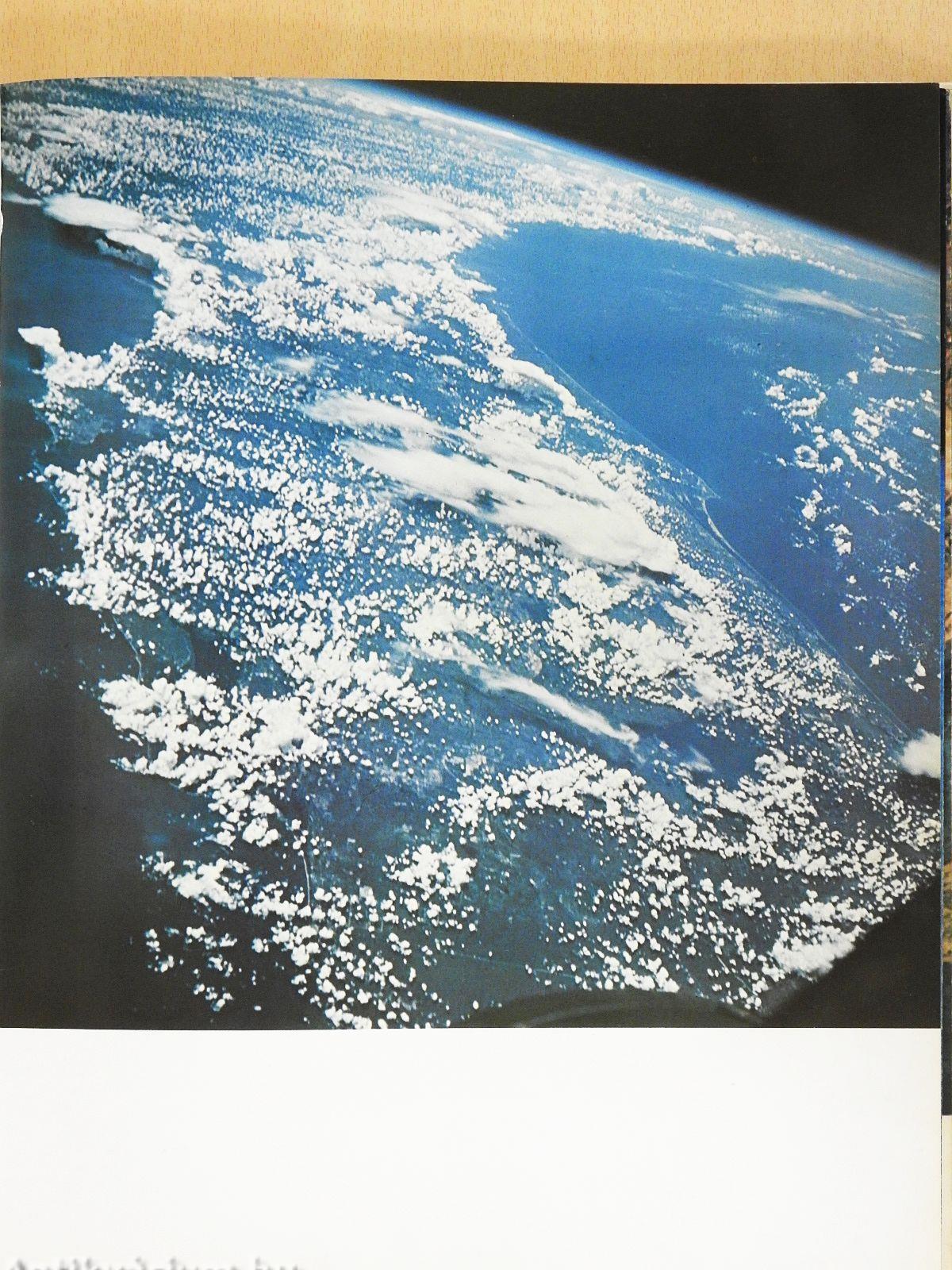
Space pioneer Wernher von Braun, deputy associate administrator of the National Aeronautics and Space Administration, contributes a provocative essay on the first Apollo lunar landing and its ultimate significance for the future of the humon race. Fred L. Whipple, noted Harvard astronomer and director of the Smithsonian Astrophysical Observatory, examines in absorbing detail the sometimes surprising scientific harvest reaped by astronauts and scientists in this new age of discovery. His definitive essay not only evaluates the impact of these new findings on our current body of knowledge about the moon, but explains how future exploration can lead to the unraveling of the greatest mystery of all — the origin and evolution of the solar system.
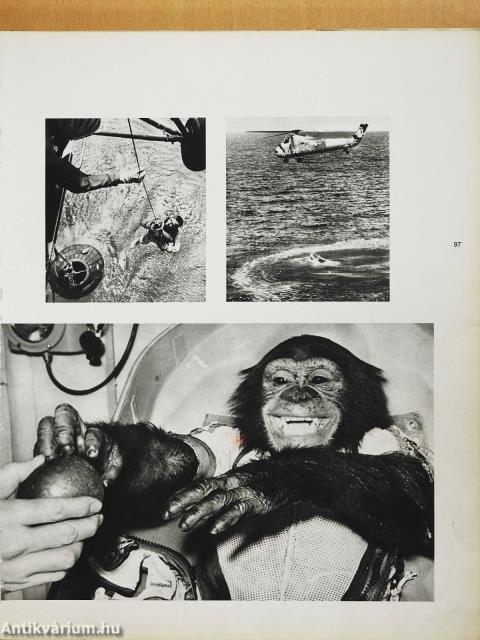
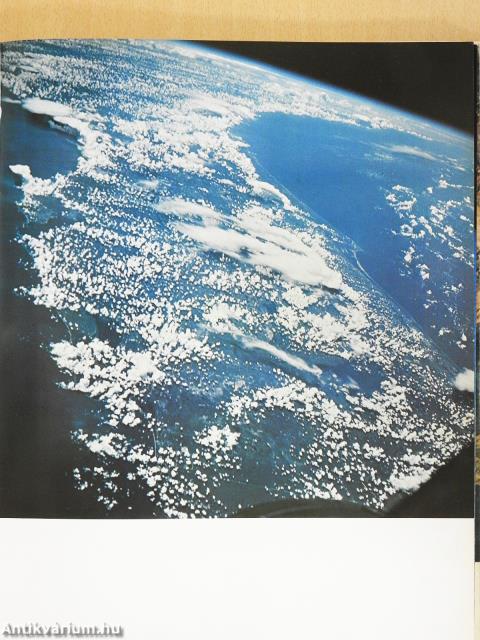
These essays complement the comprehensive and lavishly printed pictorial history of man's quest for the moon. Exhaustive research in the voluminous picture files of NASA as well as the collections of libraries and museums in the United States and Europe has produced a volume that reflects the magnificence of the Space Age achievements themselves.
In addition to a general introduction, the editor and researcher, Davis Thomas, contributes a chronology of significant space achievements en route to the lunar landing and a year-by-year history of the Space Age that odd to the value of this unique documentary volume.
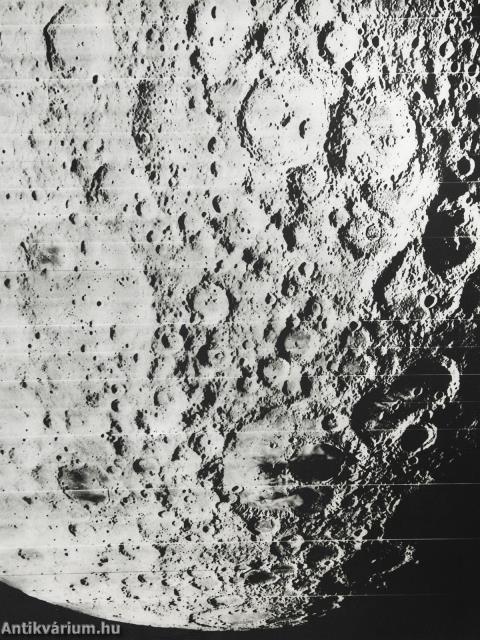
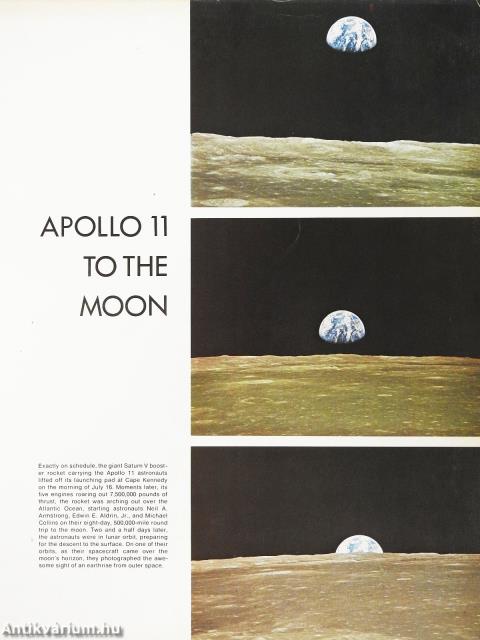
278 illustrations, including 143 in full color
o
ifc
V ¦. , ti, -' C E'
'-J ¦
¦f V- 't' V. v
I* IwAWfNIISf . \ --. Vissza
Témakörök
- Idegennyelv > Idegennyelvű könyvek > Angol > Műszaki
- Idegennyelv > Idegennyelvű könyvek > Angol > Természettudományok > Csillagászat
- Természettudomány > Csillagászat > Bolygók > Egyéb
- Természettudomány > Csillagászat > Idegennyelvű
- Természettudomány > Csillagászat > Űrhajózás, űrkutatás
- Műszaki > Idegennyelv > Angol
- Műszaki > Közlekedés > Repülés > Repüléstörténet
- Műszaki
Megvásárolható példányok
Állapotfotók
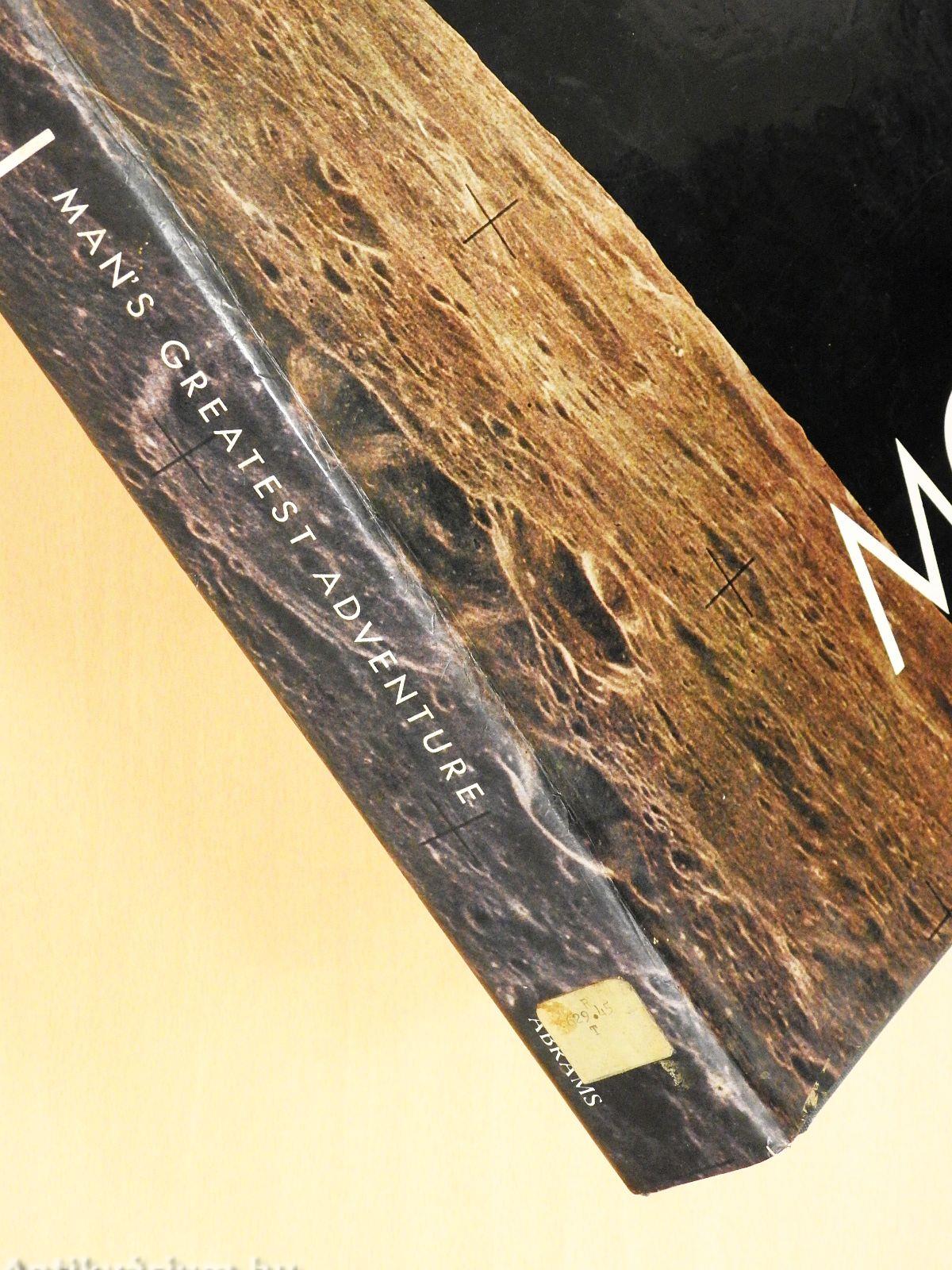


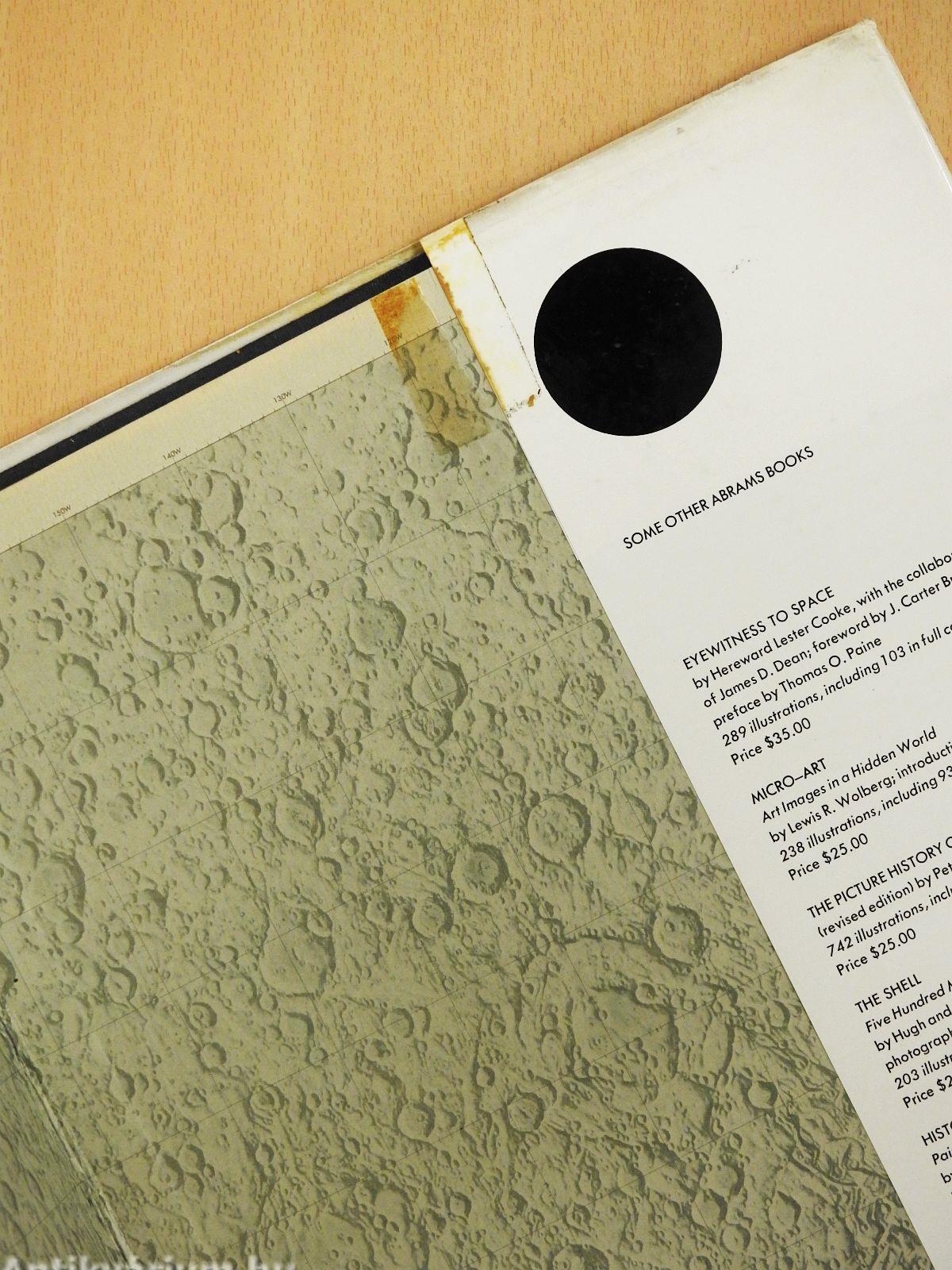
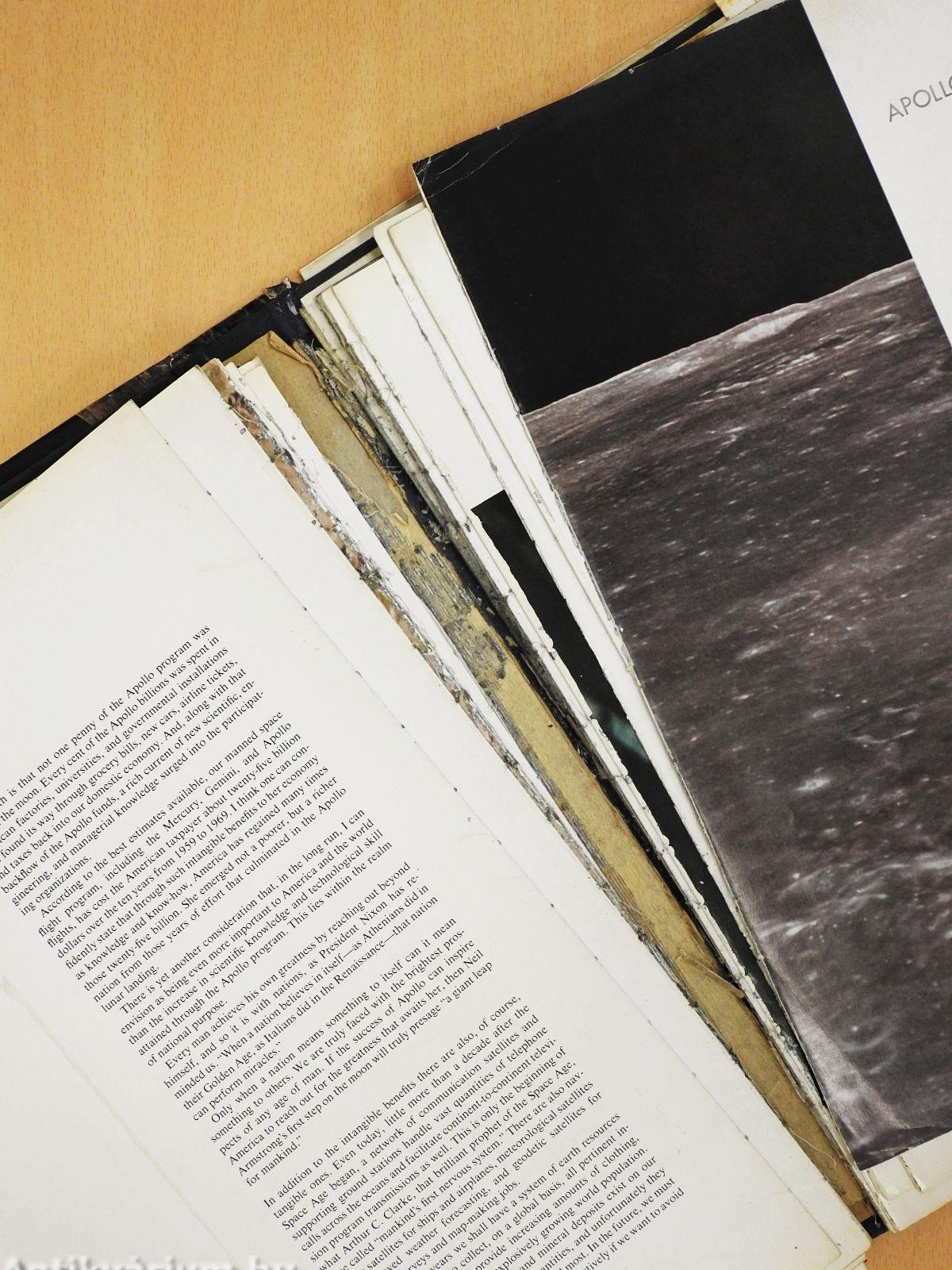
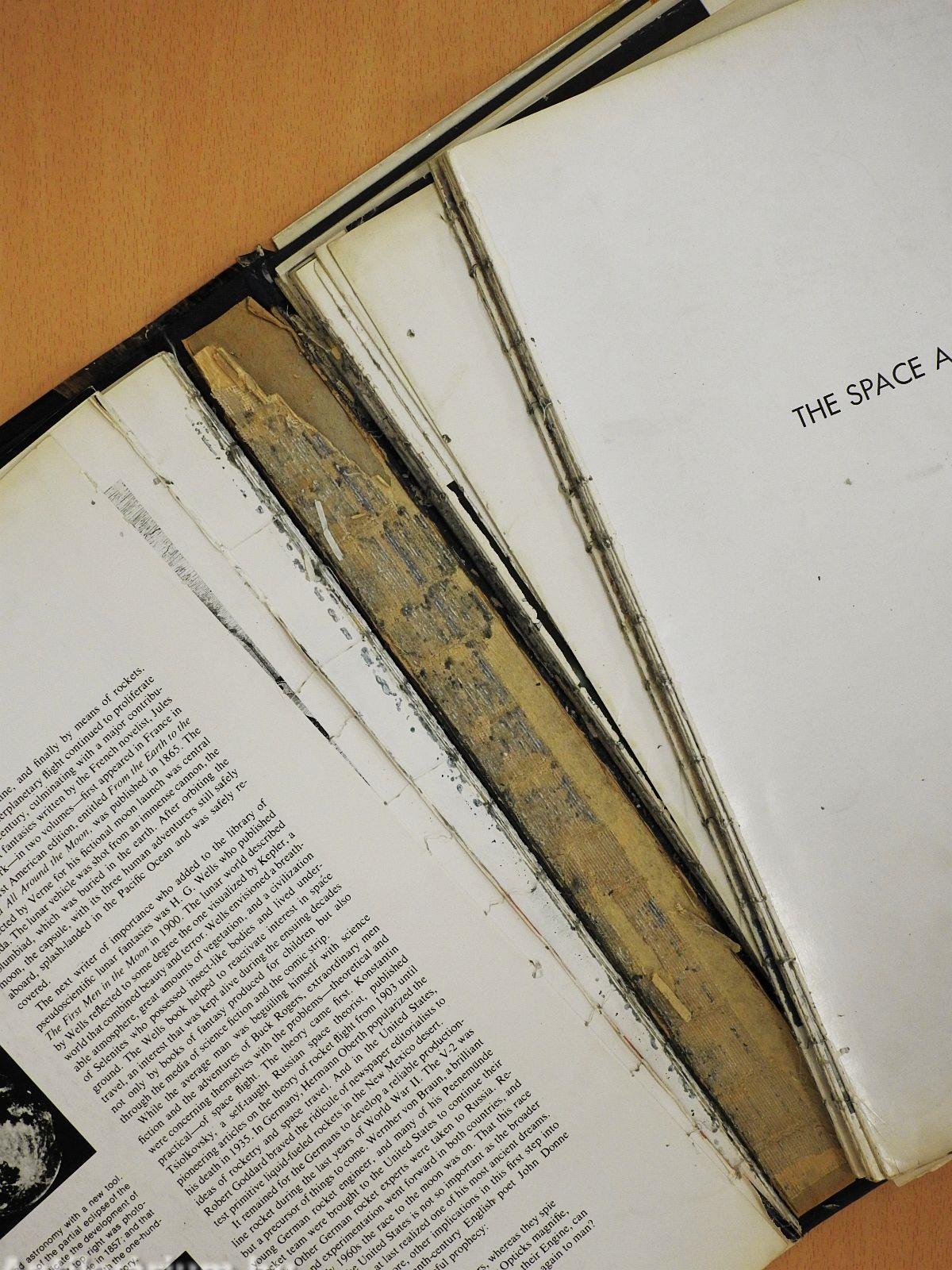
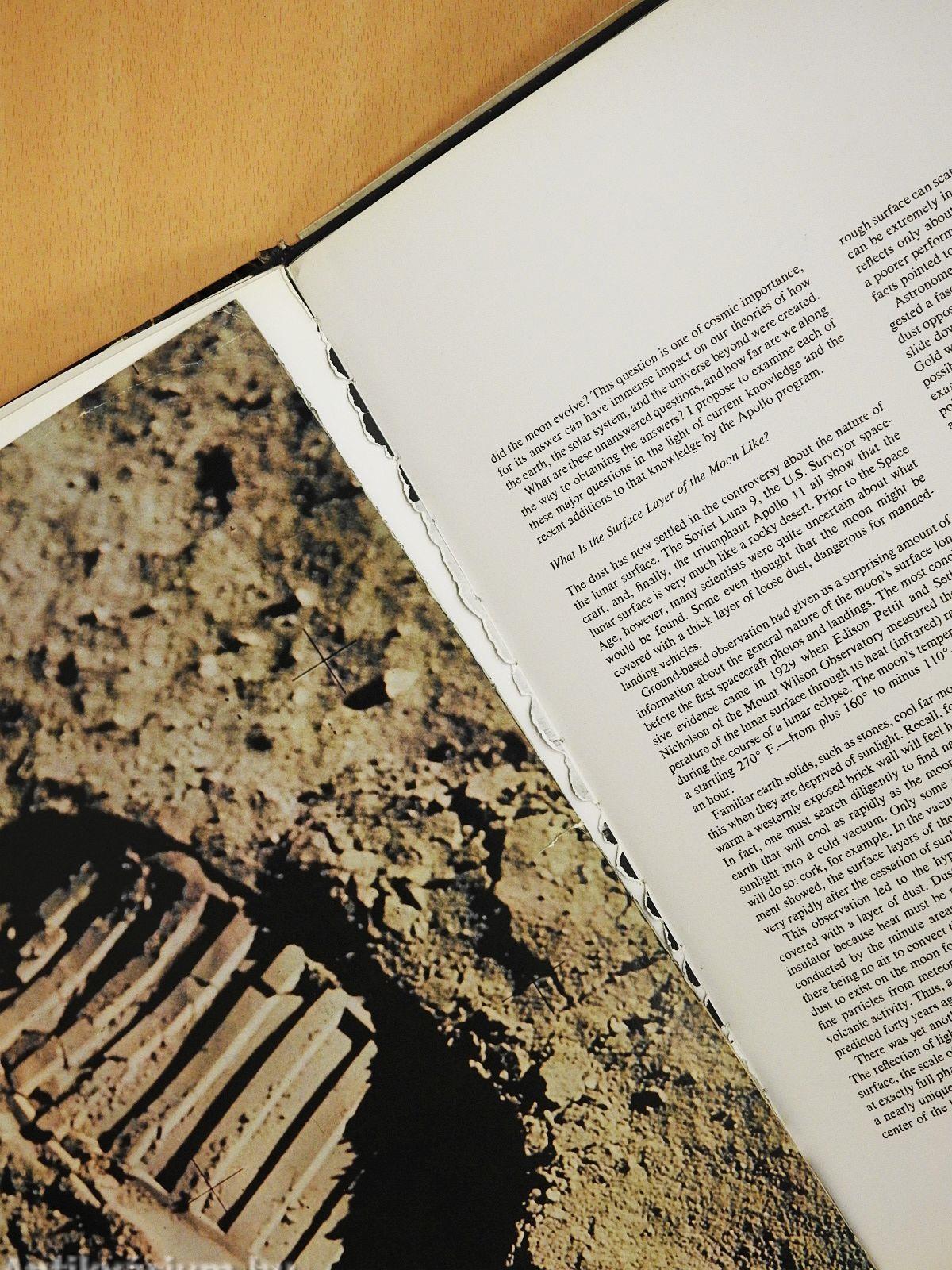
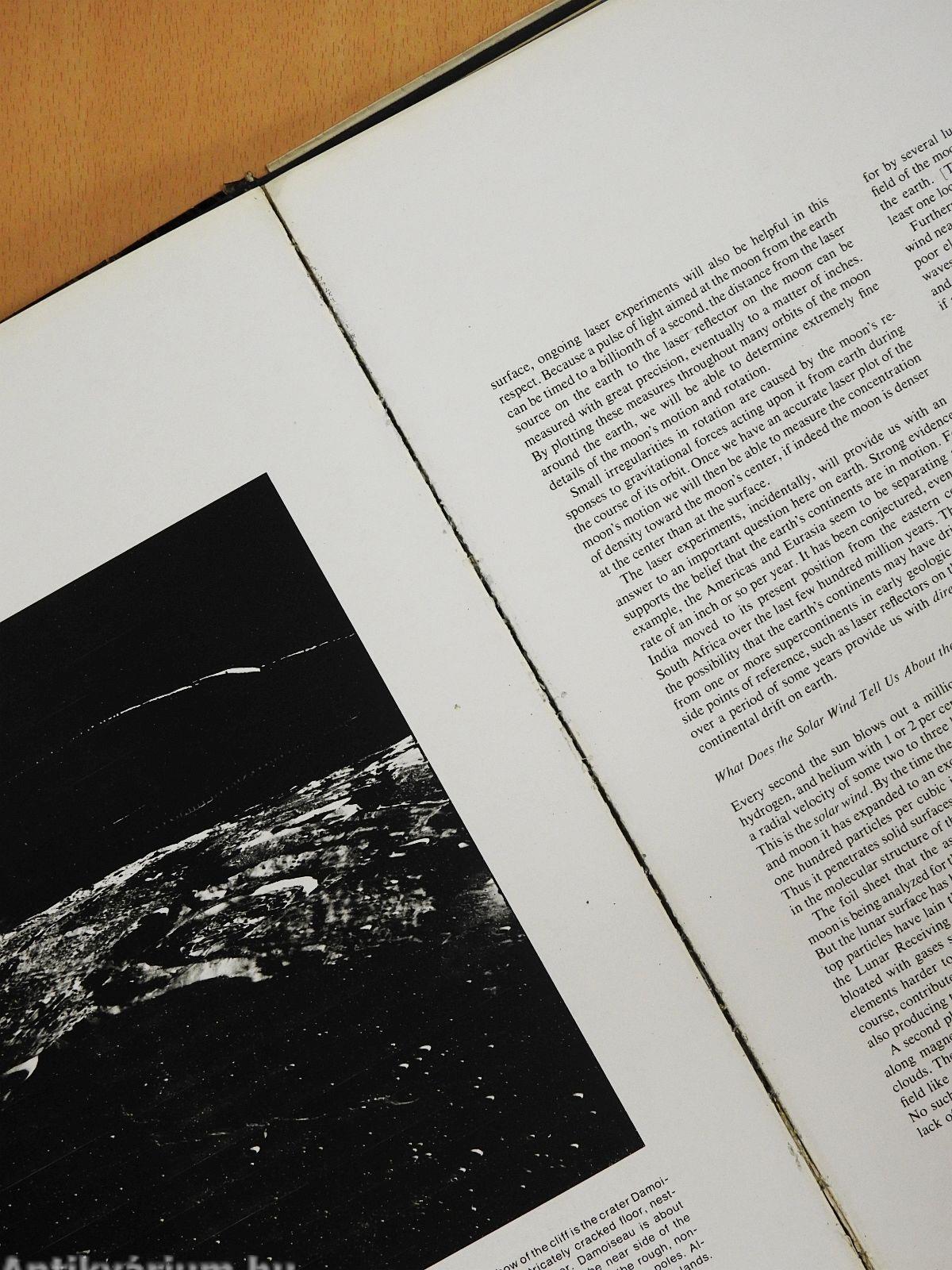
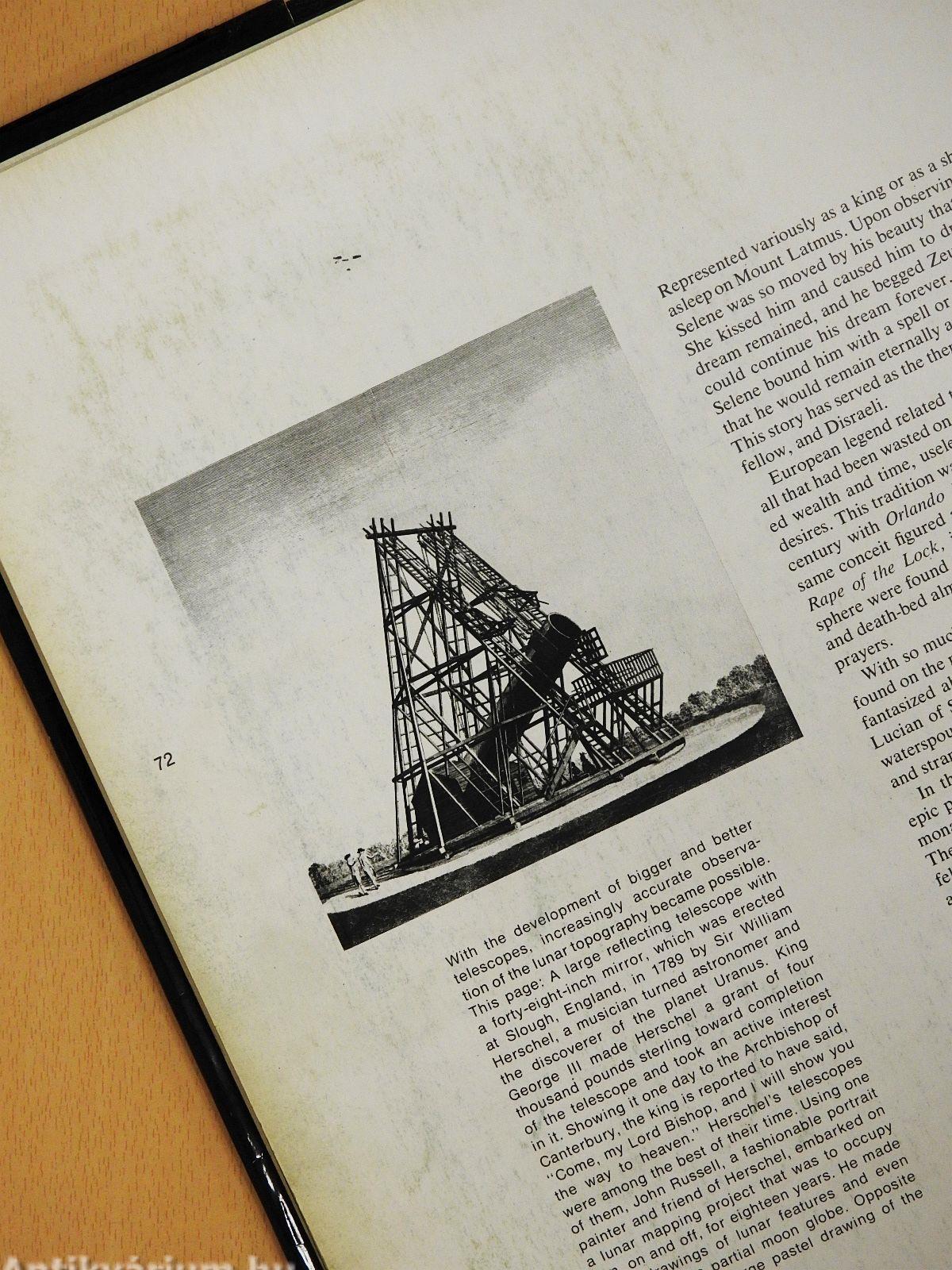


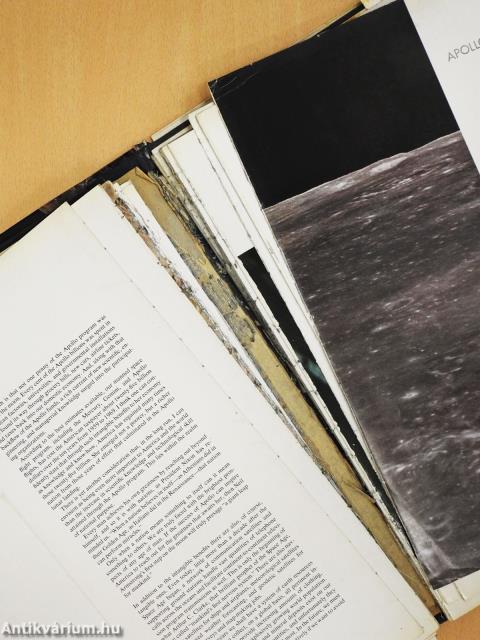
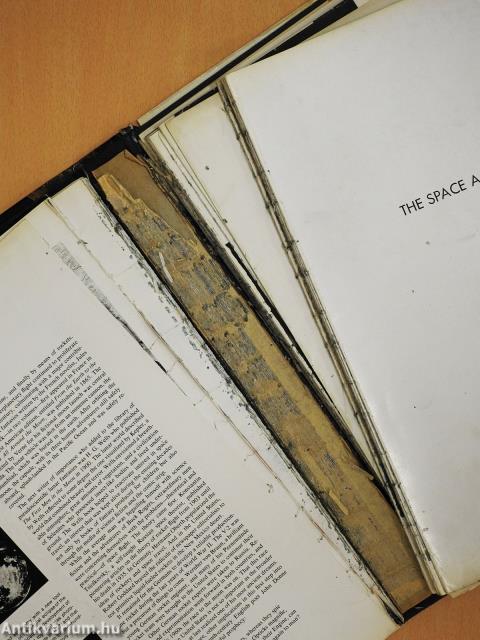
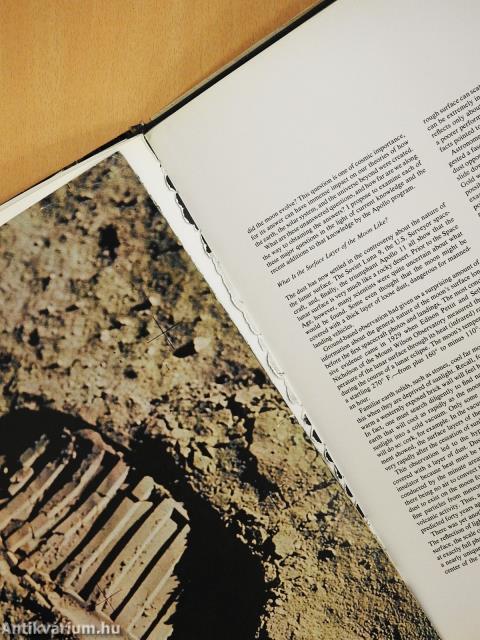
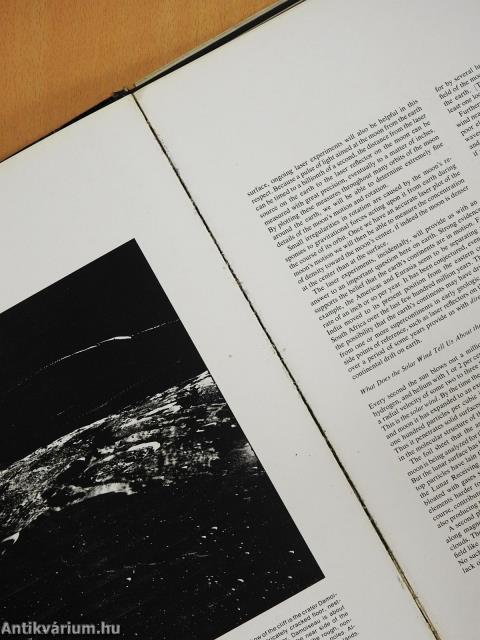
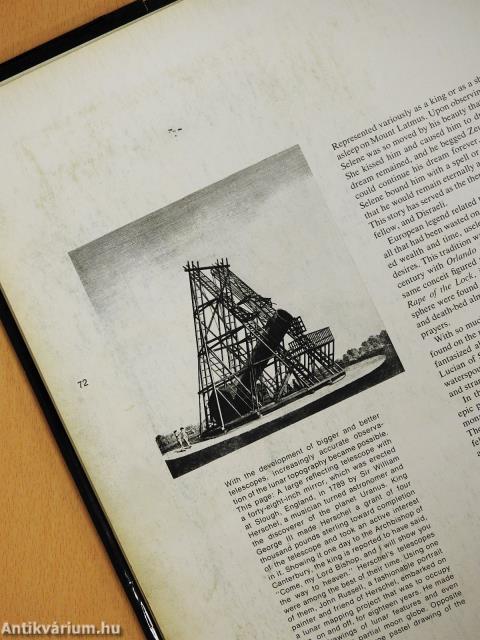
A védőborító elszíneződött, a borítón ragasztásnyom található. A lapok különváltak egymástól, kijárnak. Néhány lap foltos. A 87-88., 115-118., 177-178., 195-208. oldal és számos kép hiányzik a könyvből.
Állapot:
Rossz
3.980 ,-Ft
20
pont kapható
Kosárba
 Folytatás Microsoft-tal