Fülszöveg
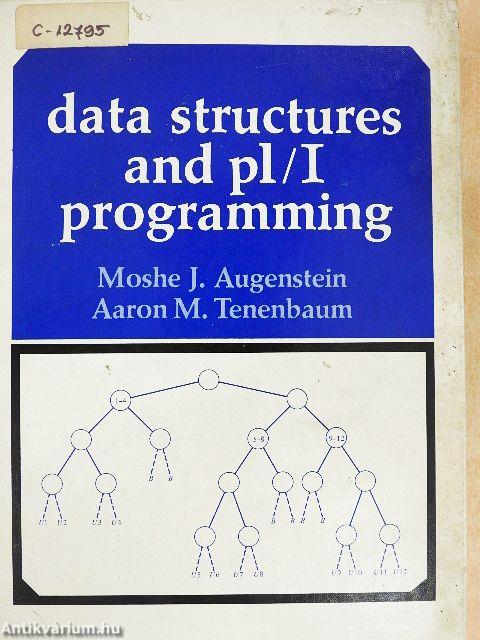
data structures
and pi/1 programming
Augenstern / Tenenbaum
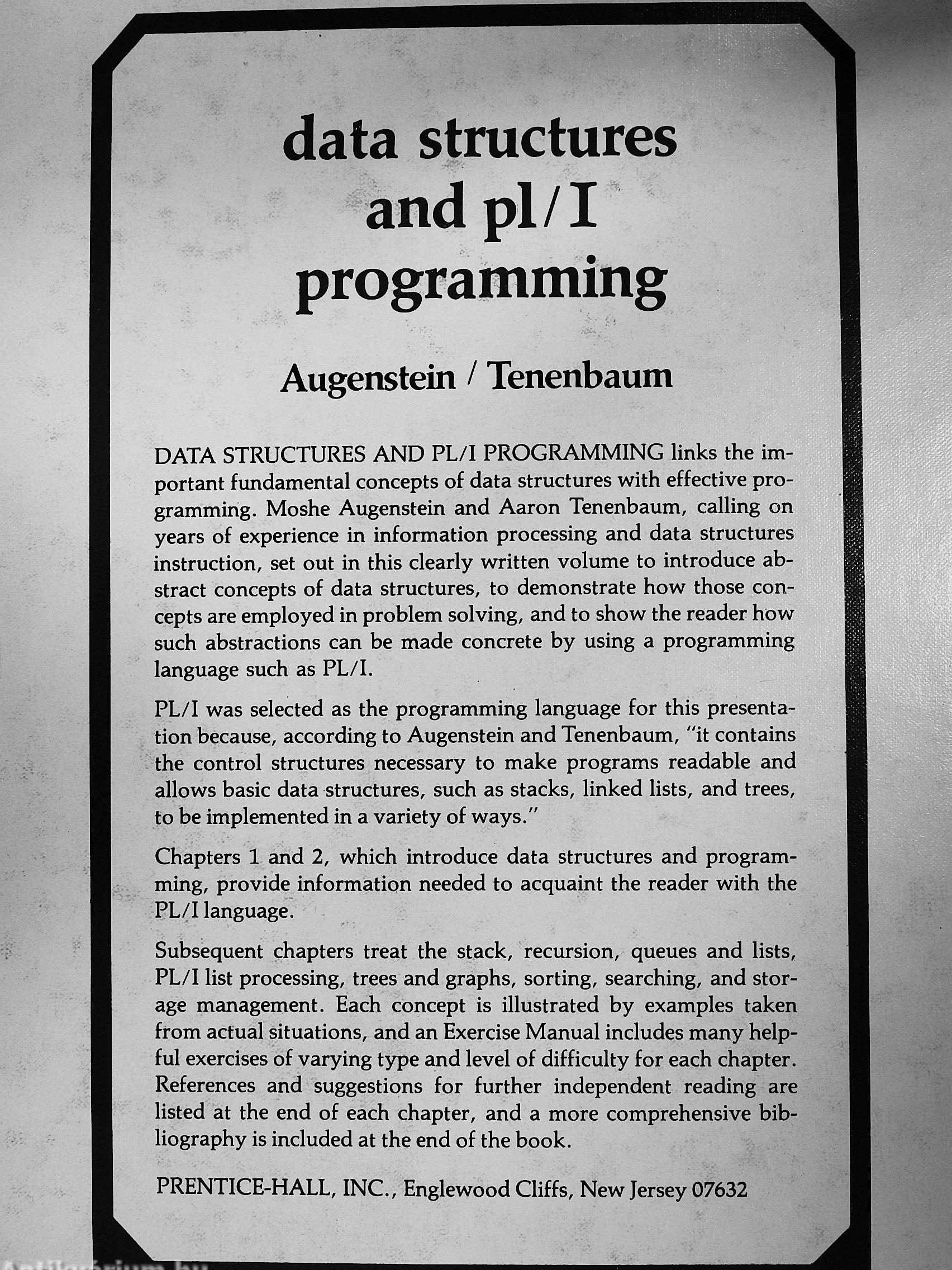
DATA STRUCTURES AND PL/I PROGRAMMING links the important fundamental concepts of data structures with effective programming. Moshe Augenstein and Aaron Tenenbaum, calling on years of experience in information processing and data structures instruction, set out in this clearly written volume to introduce abstract concepts of data structures, to demonstrate how those concepts are employed in problem solving, and to show the reader how such abstractions can be made concrete by using a programming language such as PL/1.
PL/I was selected as the programming language for this presentation because, according to Augenstein and Tenenbaum, "it contains the control structures necessary to make programs readable and allows basic data structures, such as stacks, linked lists, and trees, to be implemented in a variety of ways."
Chapters 1 and 2, which introduce data structures and programming, provide information needed to...
Tovább
Fülszöveg
data structures
and pi/1 programming
Augenstern / Tenenbaum
DATA STRUCTURES AND PL/I PROGRAMMING links the important fundamental concepts of data structures with effective programming. Moshe Augenstein and Aaron Tenenbaum, calling on years of experience in information processing and data structures instruction, set out in this clearly written volume to introduce abstract concepts of data structures, to demonstrate how those concepts are employed in problem solving, and to show the reader how such abstractions can be made concrete by using a programming language such as PL/1.
PL/I was selected as the programming language for this presentation because, according to Augenstein and Tenenbaum, "it contains the control structures necessary to make programs readable and allows basic data structures, such as stacks, linked lists, and trees, to be implemented in a variety of ways."
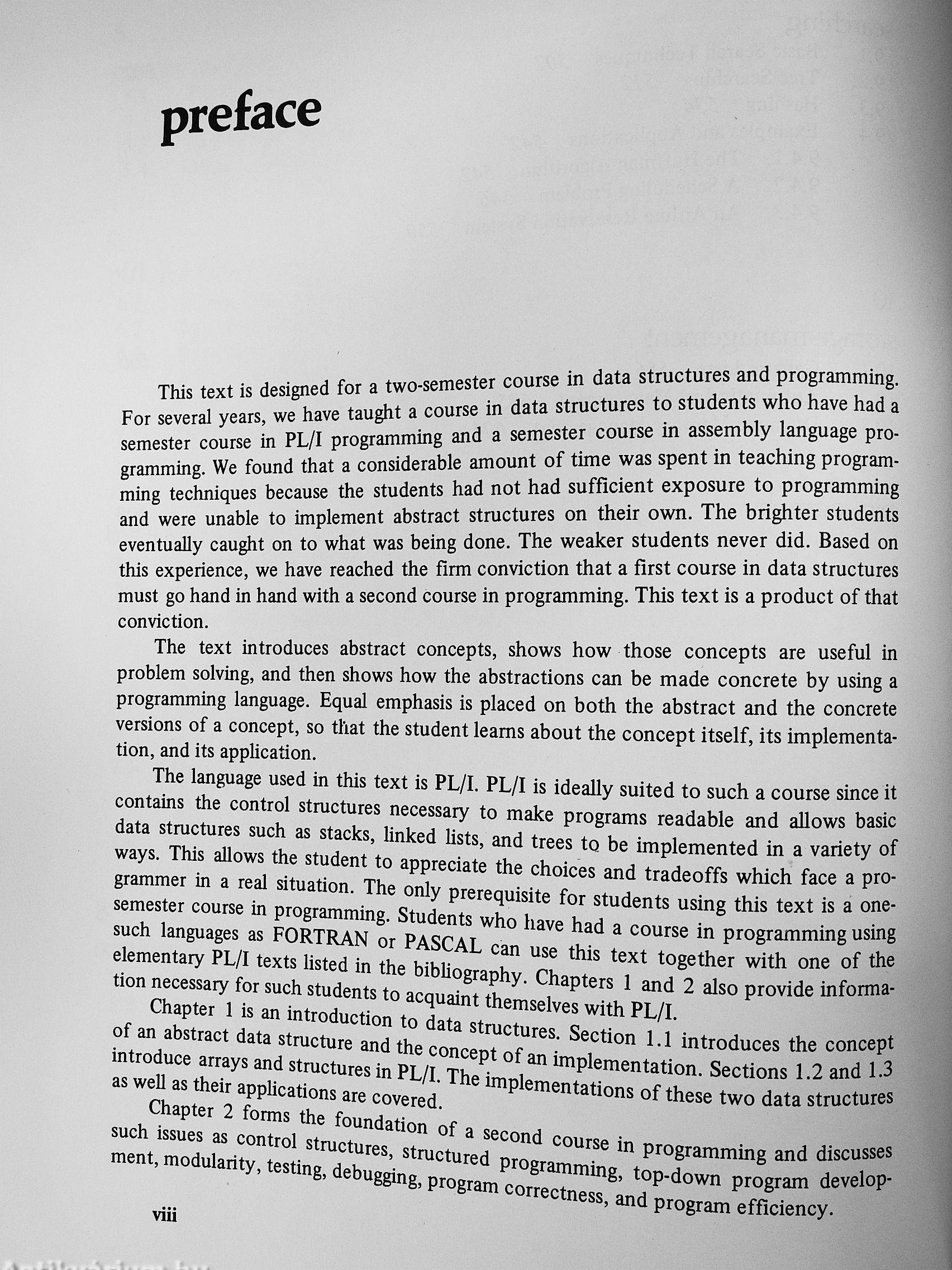
Chapters 1 and 2, which introduce data structures and programming, provide information needed to acquaint the reader with the PL/I language.
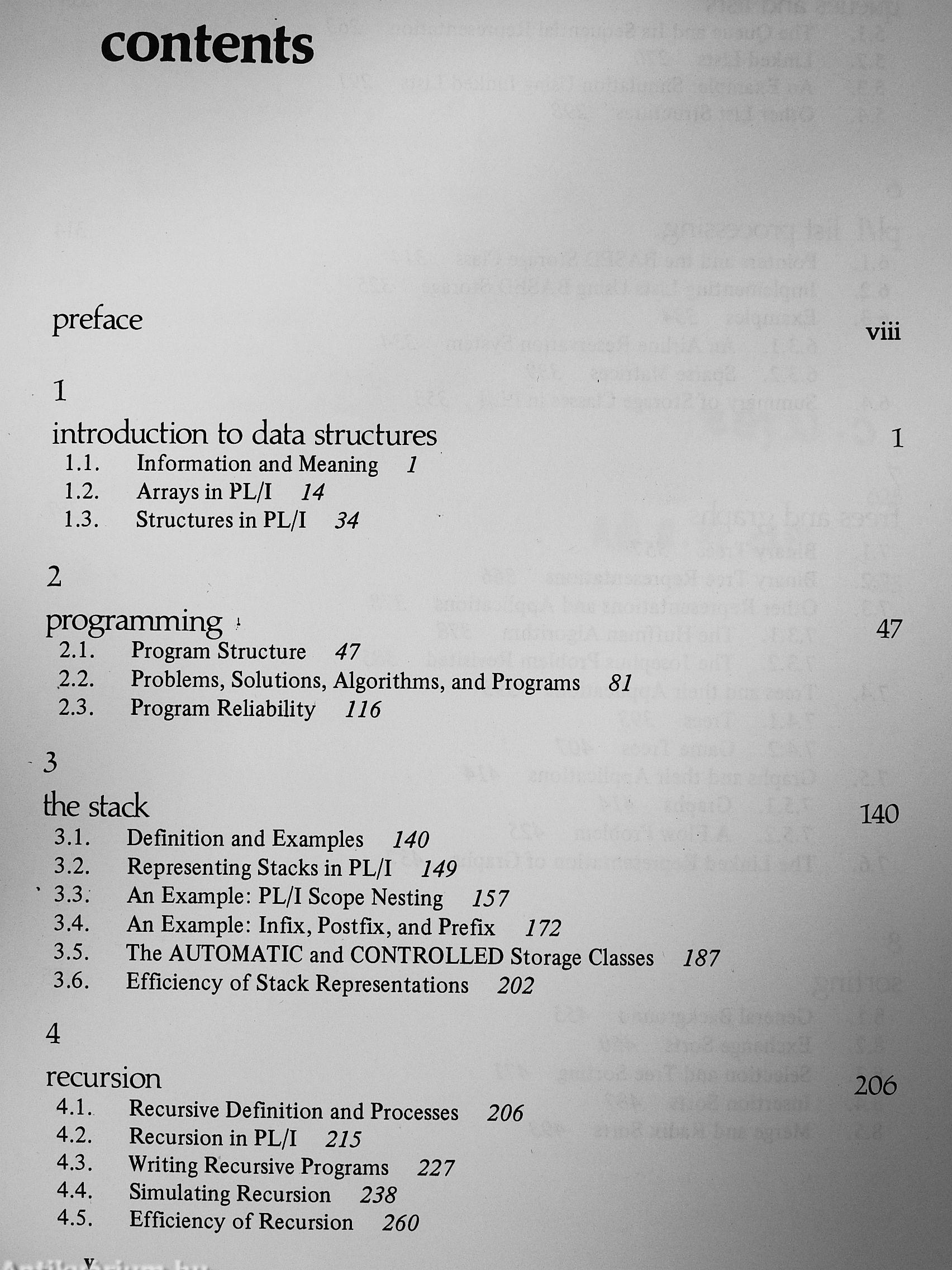
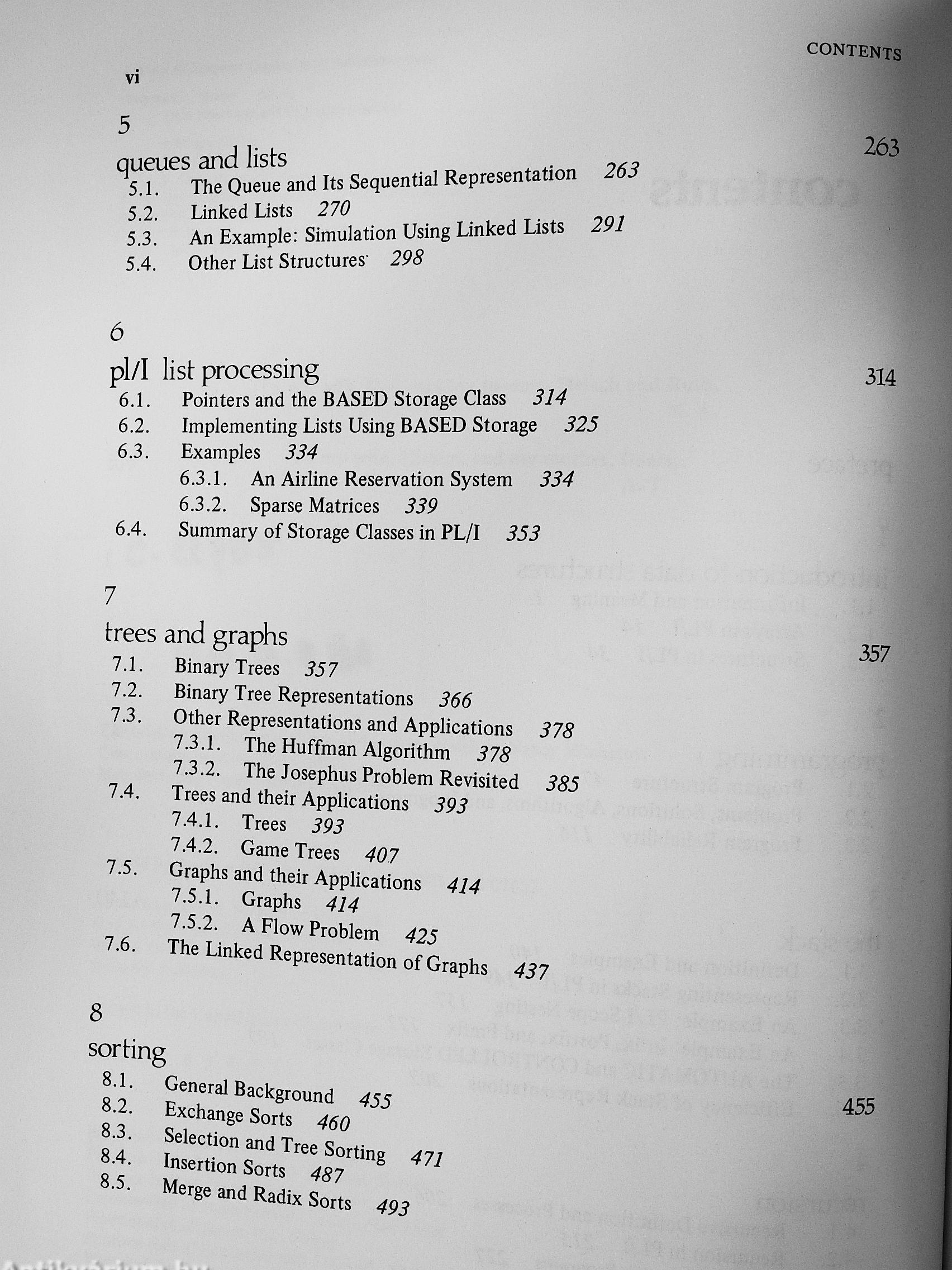
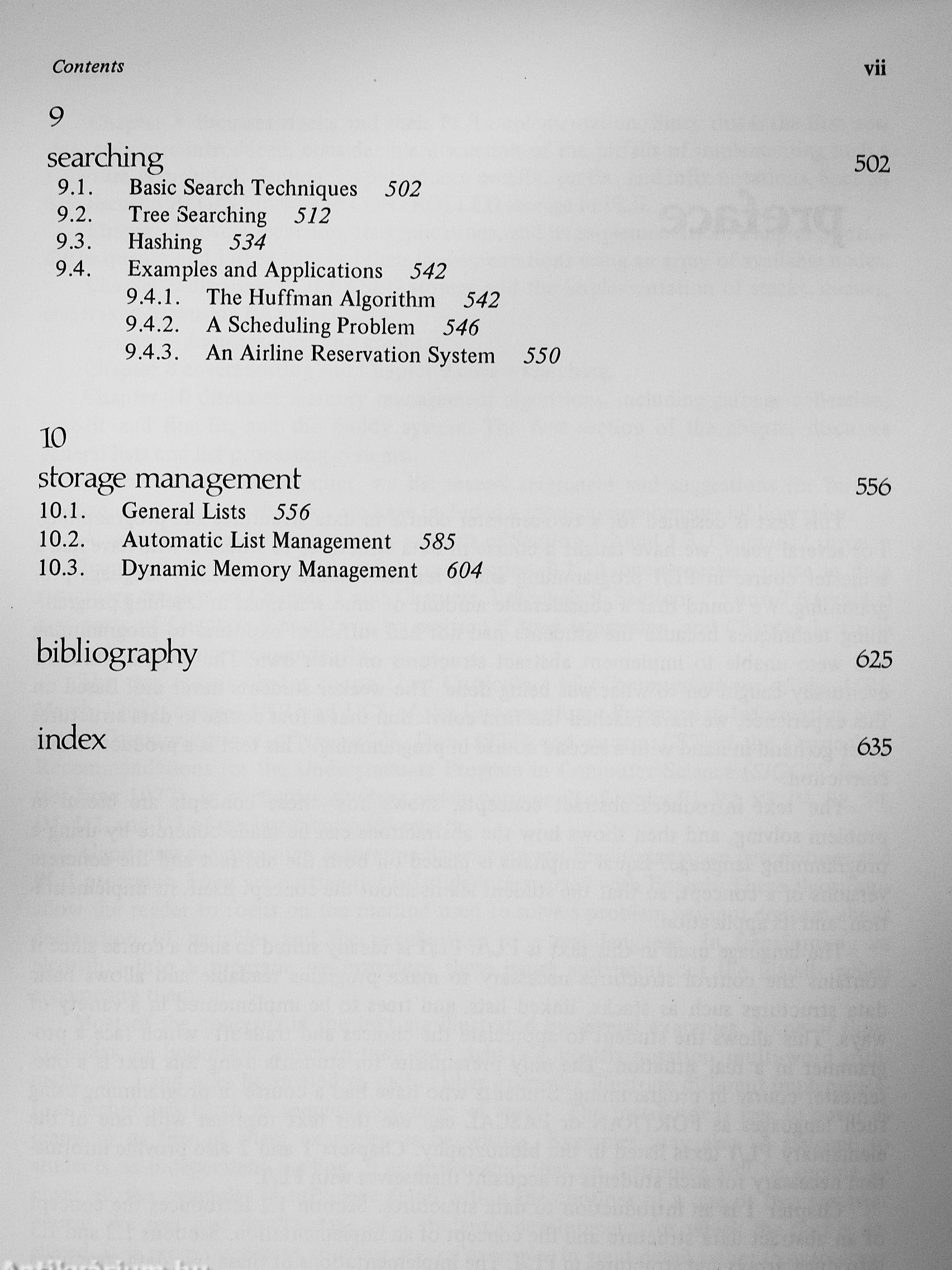
Subsequent chapters treat the stack, recursion, queues and lists, PL/I list processing, trees and graphs, sorting, searching, and storage management. Each concept is illustrated by examples taken from actual situations, and an Exercise Manual includes many helpful exercises of varying type and level of difficulty for each chapter. References and suggestions for further independent reading are listed at the end of each chapter, and a more comprehensive bibliography is included at the end of the book.
PRENTICE-HALL, INC., Englewood Cliffs, New Jersey 07632
Vissza 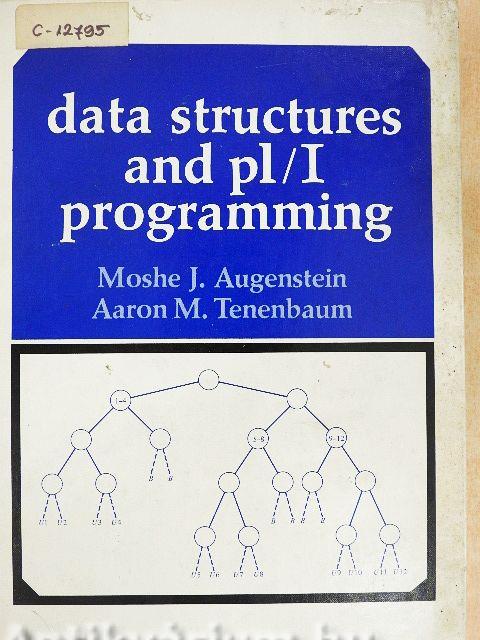


 Folytatás Microsoft-tal