
1.146.091
kiadvánnyal nyújtjuk Magyarország legnagyobb antikvár könyv-kínálatát

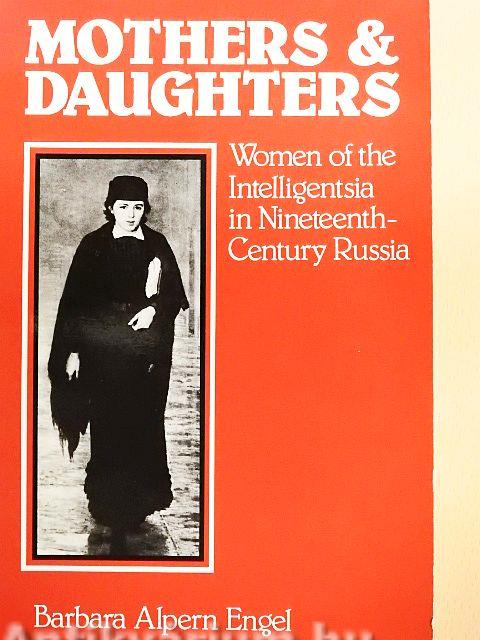
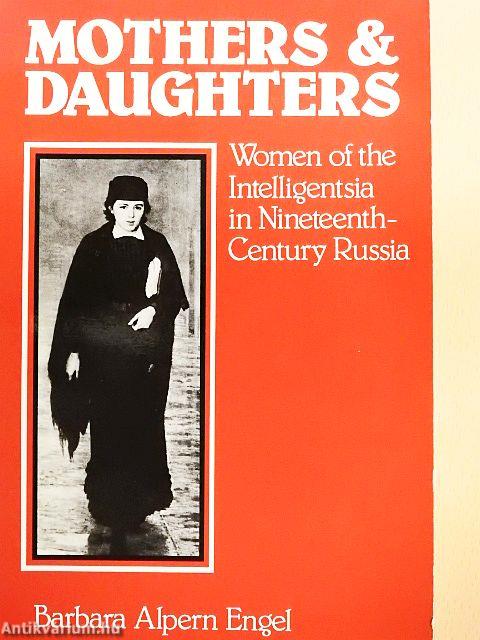
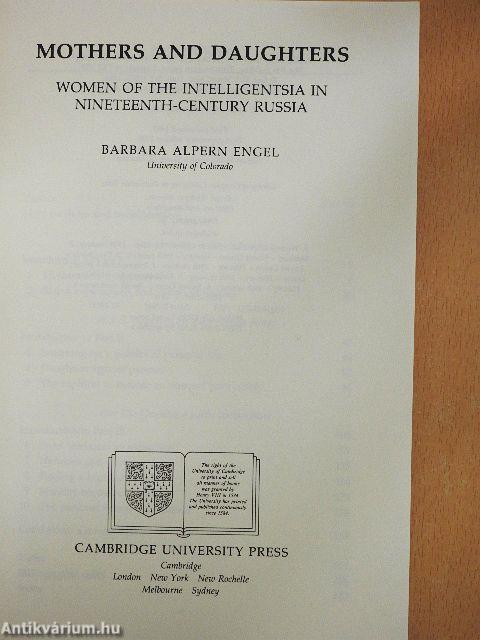
Mothers and Daughters
Women of the Intelligentsia in Nineteenth-Century Russia
Cambridge
| Kiadó: | Cambridge University Press |
|---|---|
| Kiadás helye: | Cambridge |
| Kiadás éve: | |
| Kötés típusa: | Ragasztott papírkötés |
| Oldalszám: | 230 oldal |
| Sorozatcím: | |
| Kötetszám: | |
| Nyelv: | Angol |
| Méret: | 23 cm x 15 cm |
| ISBN: | 0-521-31301-5 |
Értesítőt kérek a kiadóról
A beállítást mentettük,
naponta értesítjük a beérkező friss
kiadványokról
naponta értesítjük a beérkező friss
kiadványokról
A beállítást mentettük,
naponta értesítjük a beérkező friss
kiadványokról
naponta értesítjük a beérkező friss
kiadványokról
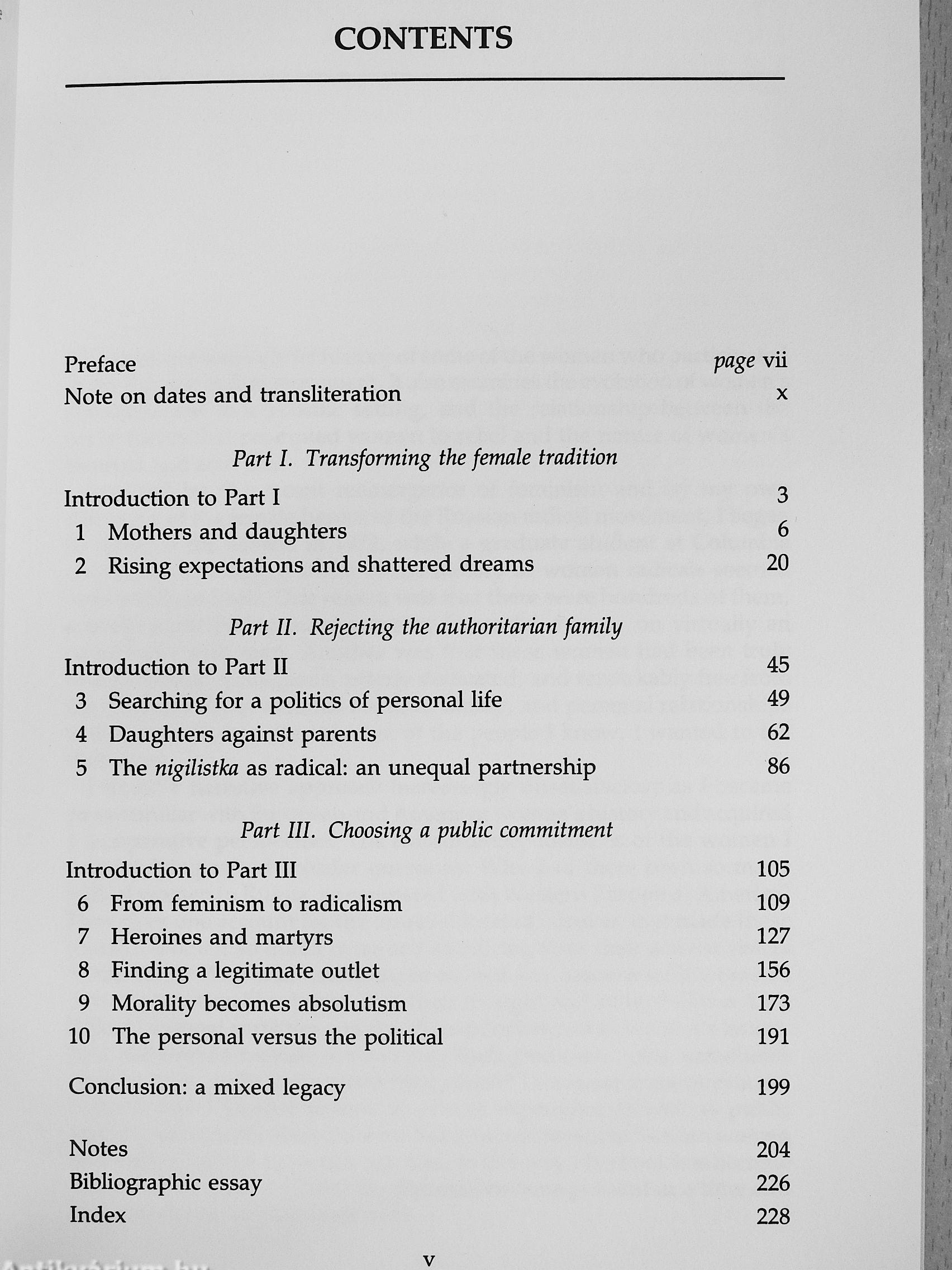
Előszó
Tovább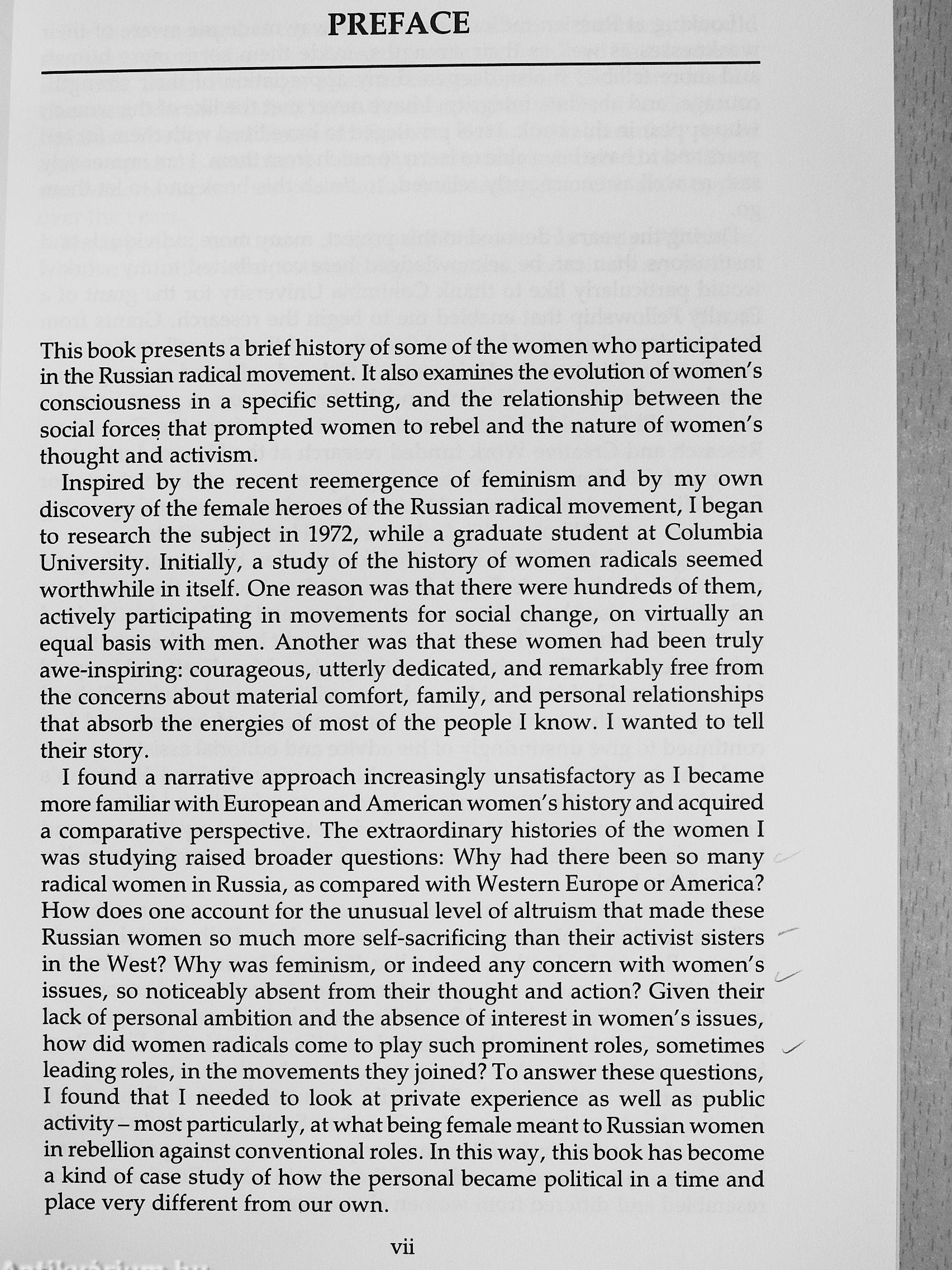
Fülszöveg
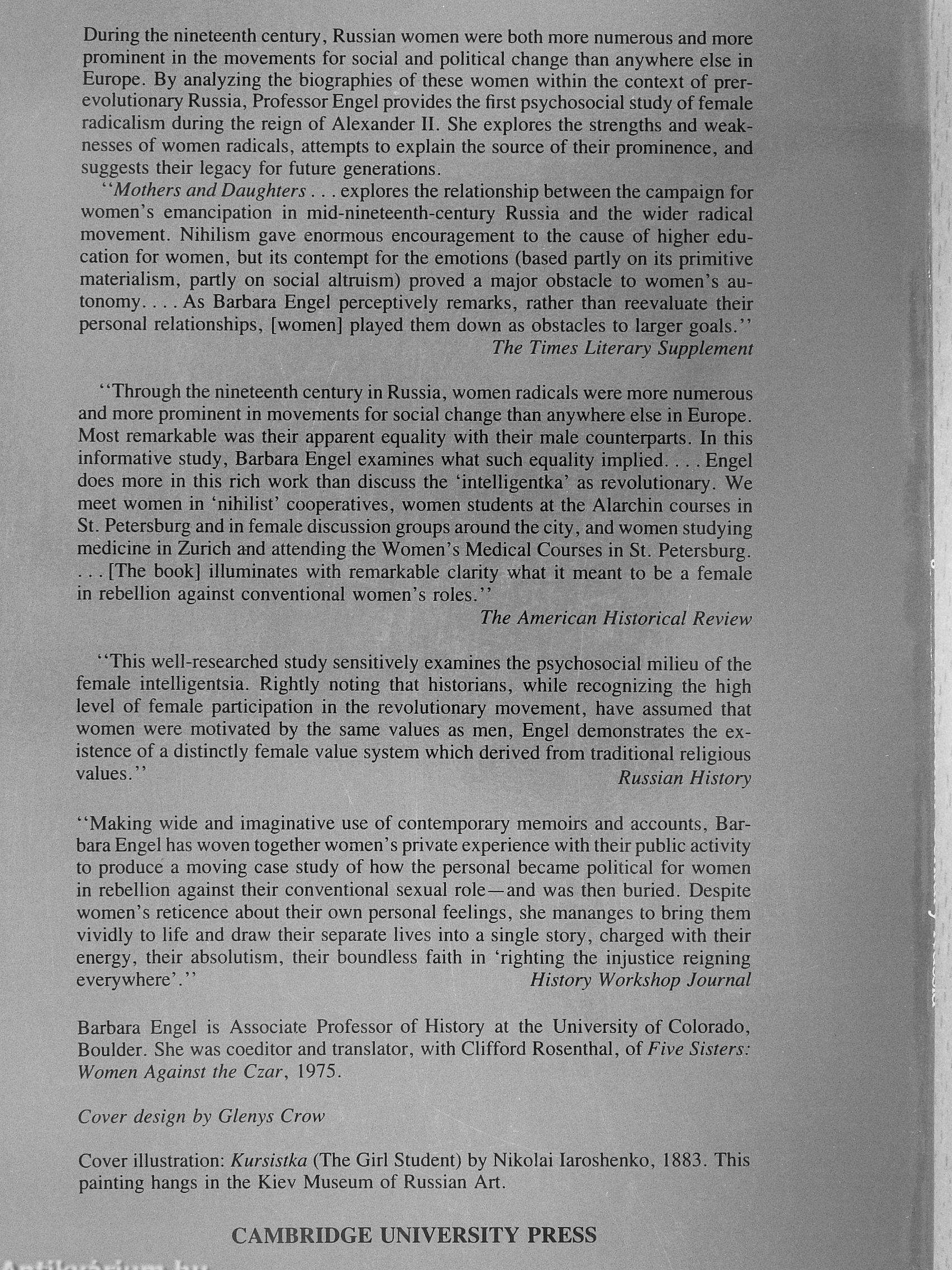
During the nineteenth century, Russian women were both more numerous and more prominent in the movements for social and political change than anywhere else in Europe. By analyzing the biographies of these women within the context of prer-evolutionary Russia, Professor Engel provides the first psychosocial study of female radicalism during the reign of Alexander II. She explores the strengths and weaknesses of women radicals, attempts to explain the source of their prominence, and suggests their legacy for future generations.
' 'Mothers and Daughters . . . explores the relationship between the campaign for women's emancipation in mid-nineteenth-century Russia and the wider radical movement. Nihilism gave enormous encouragement to the cause of higher education for women, but its contempt for the emotions (based partly on its primitive materialism, partly on social altruism) proved a major obstacle to women's autonomy. As Barbara Engel perceptively remarks, rather than reevaluate... Tovább
Fülszöveg
During the nineteenth century, Russian women were both more numerous and more prominent in the movements for social and political change than anywhere else in Europe. By analyzing the biographies of these women within the context of prer-evolutionary Russia, Professor Engel provides the first psychosocial study of female radicalism during the reign of Alexander II. She explores the strengths and weaknesses of women radicals, attempts to explain the source of their prominence, and suggests their legacy for future generations.
' 'Mothers and Daughters . . . explores the relationship between the campaign for women's emancipation in mid-nineteenth-century Russia and the wider radical movement. Nihilism gave enormous encouragement to the cause of higher education for women, but its contempt for the emotions (based partly on its primitive materialism, partly on social altruism) proved a major obstacle to women's autonomy. As Barbara Engel perceptively remarks, rather than reevaluate their personal relationships, [women] played them down as obstacles to larger goals."
The Times Literary Supplement
"Through the nineteenth century in Russia, women radicals were more numerous and more prominent in movements for social change than anywhere else in Europe. Most remarkable was their apparent equality with their male counterparts. In this informative study, Barbara Engel examines what such equality implied. . . . Engel does more in this rich work than discuss the 'intelligentka' as revolutionary. We meet women in 'nihilist' cooperatives, women students at the Alarchin courses in St. Petersburg and in female discussion groups around the city, and women studying medicine in Zurich and attending the Women's Medical Courses in St. Petersburg. . . . [The book] illuminates with remarkable clarity what it meant to be a female in rebellion against conventional women's roles."
The American Historical Review
"This well-researched study sensitively examines the psychosocial milieu of the female intelligentsia. Rightly noting that historians, while recognizing the high level of female participation in the revolutionary movement, have assumed that women were motivated by the same values as men, Engel demonstrates the existence of a distinctly female value system which derived from traditional religious values." Russian History
"Making wide and imaginative use of contemporary memoirs and accounts, Barbara Engel has woven together women's private experience with their public activity to produce a moving case study of how the personal became political for women in rebellion against their conventional sexual role—and was then buried. Despite women's reticence about their own personal feelings, she mananges to bring them vividly to life and draw their separate lives into a single story, charged with their energy, their absolutism, their !soundless faith in 'righting the injustice reigning everywhere'." History Workshop Journal
Barbara Engel is Associate Professor of History at the University of Colorado, Boulder. She was coeditor and translator, with Clifford Rosenthal, of Five Sisters: Women Against the Czar, 1975.
Cover design by Glenys Crow
Cover illustration; Kursistka (The Girl Student) by Nikolai laroshenko, 1883. This painting hangs in the Kiev Museum of Russian Art.
cambridge university press Vissza
Témakörök
- Történelem > Társadalomelmélet
- Szociológia > Társadalmi csoportok > Nők
- Idegennyelv > Idegennyelvű könyvek > Angol > Művelődéstörténet
- Idegennyelv > Idegennyelvű könyvek > Angol > Szociológia > Társadalmi csoportok > Nők
- Idegennyelv > Idegennyelvű könyvek > Angol > Történelem > Európa története > Egyéb
- Művelődéstörténet > Kultúra > Története
- Művelődéstörténet > Kultúra > Kultúrantropológia
- Szociológia > Tanulmányok, esszék
- Történelem > Idegennyelvű > Angol
- Történelem > Kontinensek szerint > Európa, európai országok története > Kelet-Európa > Oroszország, Szovjetúnió
- Történelem > Politika > Ideológiák > Egyéb
- Történelem > Újkor > Egyéb
Barbara Alpern Engel
Barbara Alpern Engel műveinek az Antikvarium.hu-n kapható vagy előjegyezhető listáját itt tekintheti meg: Barbara Alpern Engel könyvek, művekMegvásárolható példányok
Állapotfotók
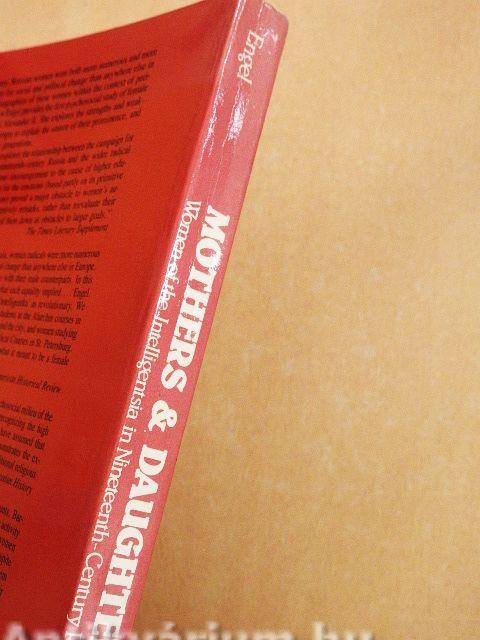
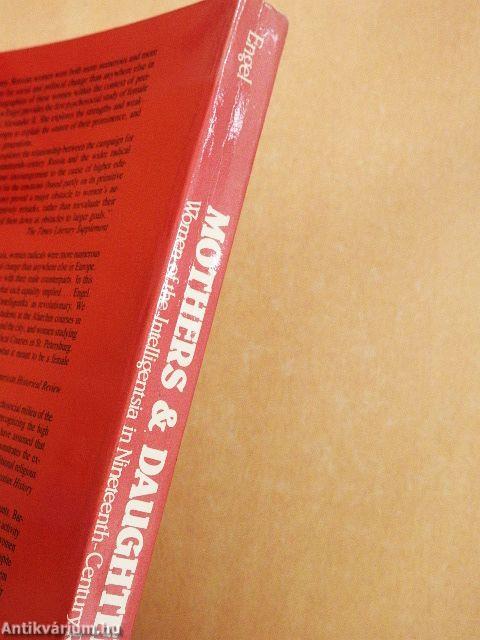
A gerinc elszíneződött.
Állapot:
Jó
12.000 ,-Ft
60
pont kapható
Kosárba
 Folytatás Microsoft-tal