
1.119.716
kiadvánnyal nyújtjuk Magyarország legnagyobb antikvár könyv-kínálatát

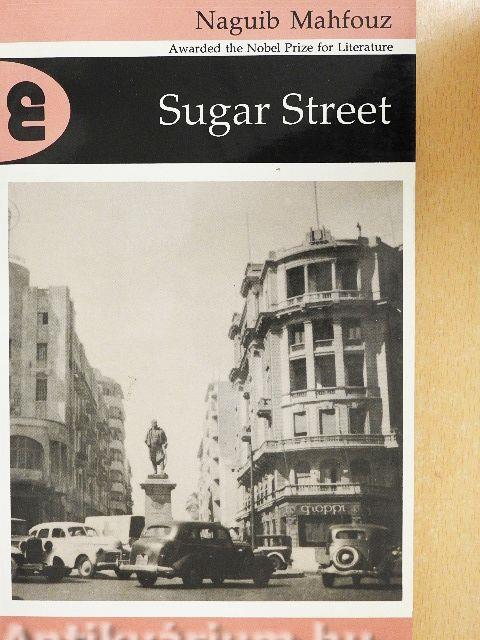
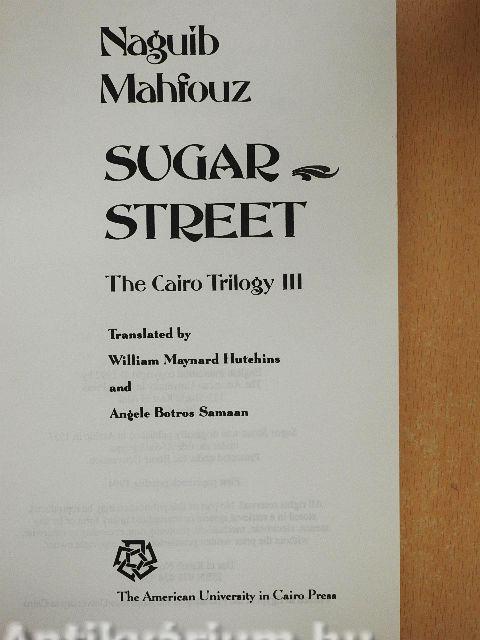
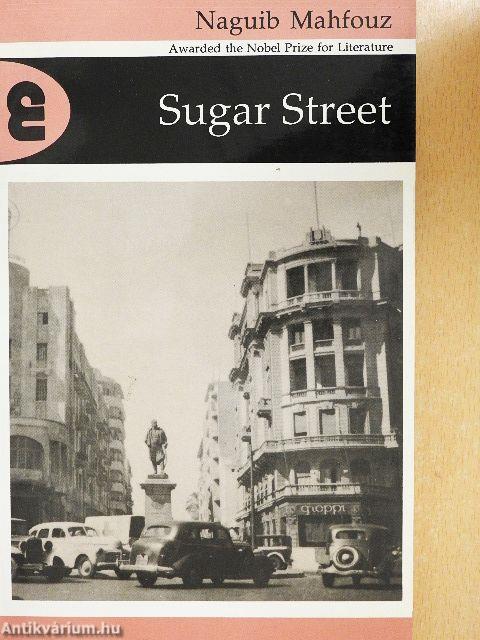
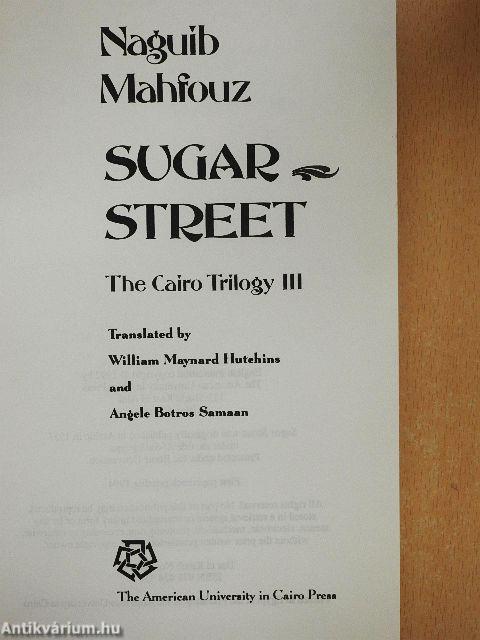
Sugar Street
The Cairo Trilogy III
Kairó
| Kiadó: | The American University in Cairo Press |
|---|---|
| Kiadás helye: | Kairó |
| Kiadás éve: | |
| Kötés típusa: | Ragasztott papírkötés |
| Oldalszám: | 308 oldal |
| Sorozatcím: | Modern Arabic Writing |
| Kötetszám: | |
| Nyelv: | Angol |
| Méret: | 24 cm x 15 cm |
| ISBN: | 977-424-358-7 |
Értesítőt kérek a kiadóról
Értesítőt kérek a sorozatról
A beállítást mentettük,
naponta értesítjük a beérkező friss
kiadványokról
naponta értesítjük a beérkező friss
kiadványokról
A beállítást mentettük,
naponta értesítjük a beérkező friss
kiadványokról
naponta értesítjük a beérkező friss
kiadványokról
Előszó
Tovább
Fülszöveg
Modern Arabic Writing
The Swedish Academy of Letters in awarding Naguib Mahfouz the 1988 Nobel Prize for Literature noted that Mahfouz "through works rich in nuance—^now clear-sightedly realistic, now evocatively ambiguous—^has formed an Arabic narrative art that applies to all mankind."
In Sugar Street, the climactic conclusion to the Cairo Trilogy, the family of al-Sayyid Ahmad Abd al-Jawad moves into the middle of the twentieth century, and the seeds of contemporary Egypt are sown.
Aging and ill, the family patriarch now surveys the world from his house's latticed balcony, as his long-suffering wife Amina once did. His children face middle age: daughter Khadija is comfortably married; once-radiant Aisha is an ashen wraith living in her parents' house; elder son Yasin has settled into complacent domesticity with his father's former mistress; and introspective Kamal devotes himself to an academic career, seeking love in the arms of a buxom prostitute.
But it is in the... Tovább
Fülszöveg
Modern Arabic Writing
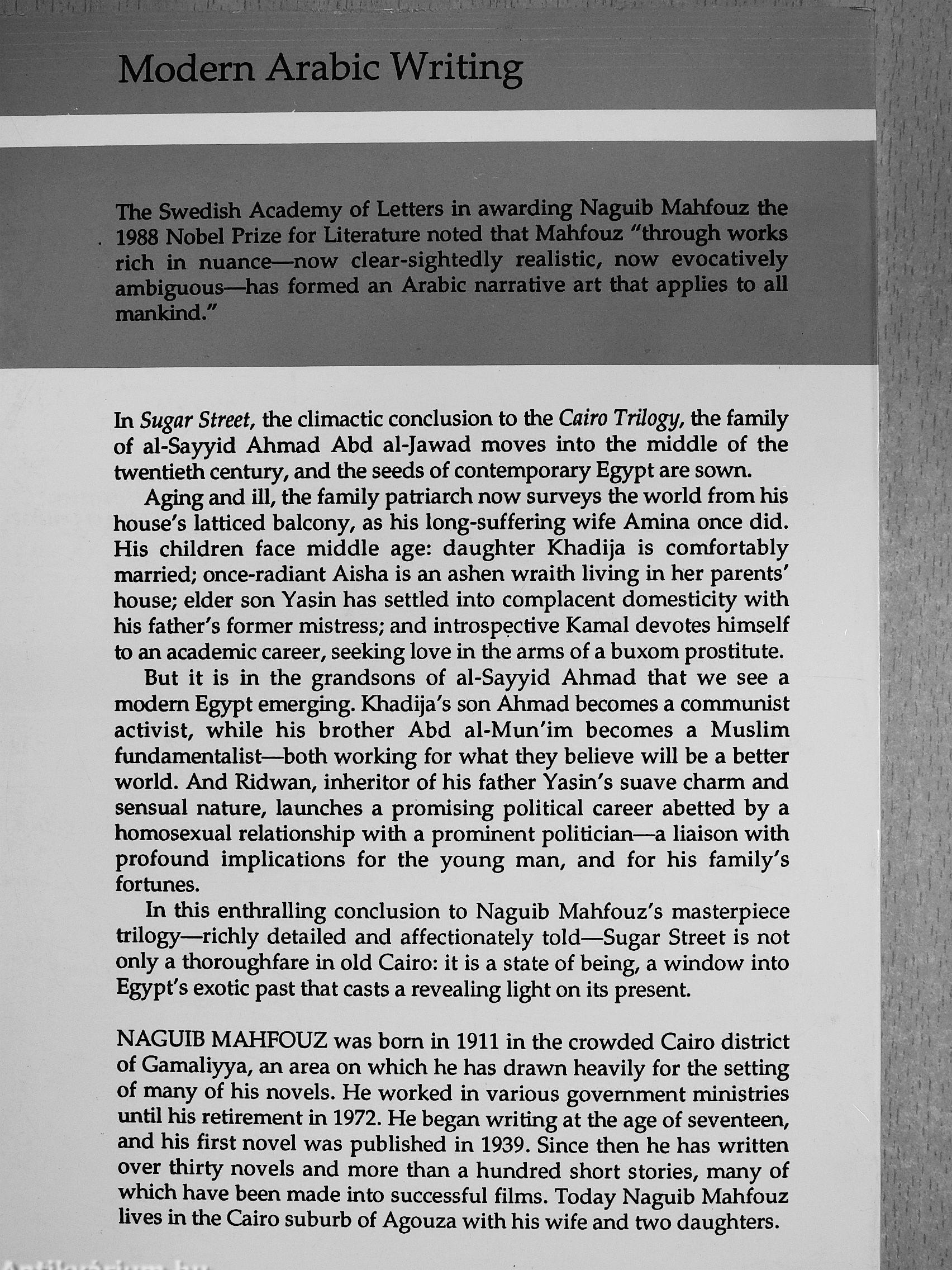
The Swedish Academy of Letters in awarding Naguib Mahfouz the 1988 Nobel Prize for Literature noted that Mahfouz "through works rich in nuance—^now clear-sightedly realistic, now evocatively ambiguous—^has formed an Arabic narrative art that applies to all mankind."
In Sugar Street, the climactic conclusion to the Cairo Trilogy, the family of al-Sayyid Ahmad Abd al-Jawad moves into the middle of the twentieth century, and the seeds of contemporary Egypt are sown.
Aging and ill, the family patriarch now surveys the world from his house's latticed balcony, as his long-suffering wife Amina once did. His children face middle age: daughter Khadija is comfortably married; once-radiant Aisha is an ashen wraith living in her parents' house; elder son Yasin has settled into complacent domesticity with his father's former mistress; and introspective Kamal devotes himself to an academic career, seeking love in the arms of a buxom prostitute.
But it is in the grandsons of al-Sayyid Ahmad that we see a modem Egypt emerging. Khadija's son Ahmad becomes a communist activist, while his brother Abd al-Mun'im becomes a Muslim fundamentalist—^both working for what they believe will be a better world. And Ridwan, inheritor of his father Yasin's suave charm and sensual nature, launches a promising political career abetted by a homosexual relationship witti a prominent politician—a liaison with profound implications for the young man, and for his family's fortunes.
In this enthralling conclusion to Naguib Mahfouz's masterpiece trilogy—richly detailed and affectionately told—Sugar Street is not only a thoroughfare in old Cairo: it is a state of being, a window into Egypt's exotic past that casts a revealing light on its present.
NAGUIB MAHFOUZ was born in 1911 in the crowded Cairo district of Gamaliyya, an area on which he has drawn heavily for the setting of many of his novels. He worked in various government ministries until his retirement in 1972. He began writing at the age of seventeen, and his first novel was published in 1939. Since then he has written over thirty novels and more than a hundred short stories, many of which have been made into successful films. Today Naguib Mahfouz lives in the Cairo suburb of Agouza with his wife and two daughters. Vissza
Témakörök
- Idegennyelv > Idegennyelvű könyvek > Angol > Szépirodalom > Regény, novella, elbeszélés
- Szépirodalom > Regény, novella, elbeszélés > Az író származása szerint > Afrika > Egyiptom
- Szépirodalom > Regény, novella, elbeszélés > Tartalom szerint > Földrajzi besorolások > Afrika
- Szépirodalom > Regény, novella, elbeszélés > Tartalom szerint > Családregények
- Szépirodalom > Regény, novella, elbeszélés > Tartalom szerint > Történelmi regények > Legújabb kor > Egyéb
- Szépirodalom > Regény, novella, elbeszélés > Irodalmi díjas szerzők > Nobel-díjasok
Naguib Mahfouz
Naguib Mahfouz műveinek az Antikvarium.hu-n kapható vagy előjegyezhető listáját itt tekintheti meg: Naguib Mahfouz könyvek, művekMegvásárolható példányok
Állapotfotók
Az előlapon ajándékozási bejegyzés található.
Állapot:
Jó
2.540 ,-Ft
13
pont kapható
Kosárba
 Folytatás Microsoft-tal