
1.148.427
kiadvánnyal nyújtjuk Magyarország legnagyobb antikvár könyv-kínálatát

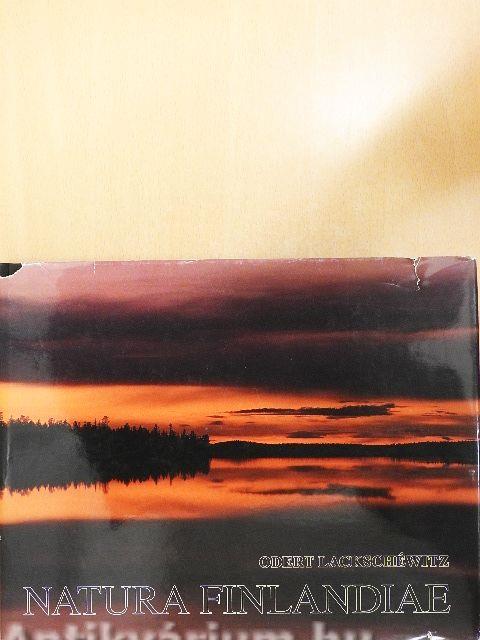
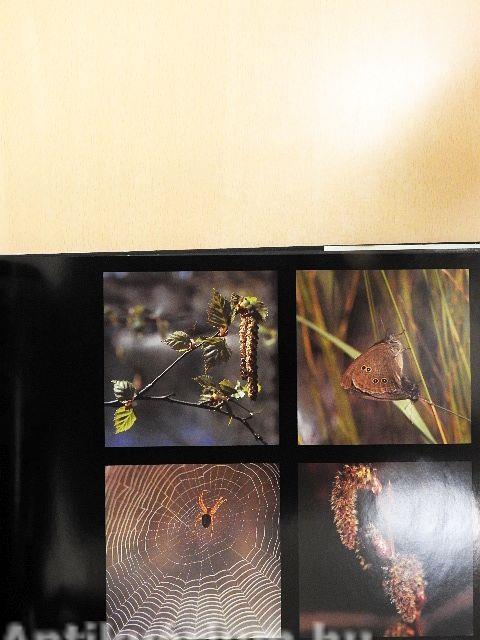
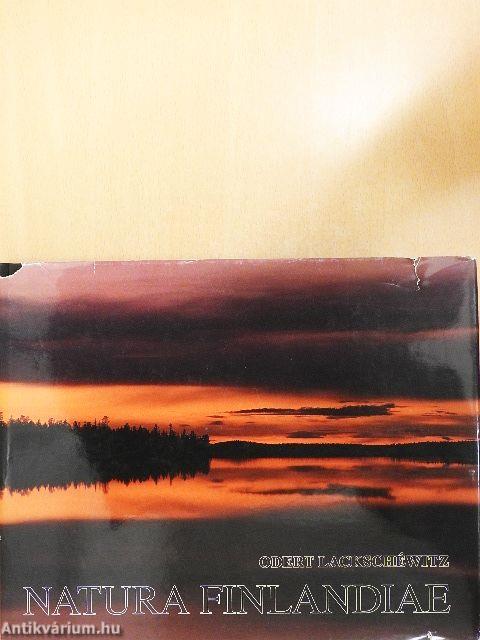
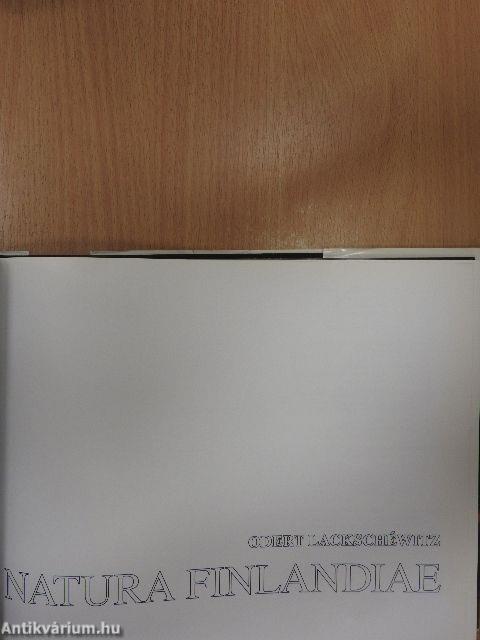
Natura Finlandiae
Luoma
| Kiadó: | Oy Photorent Ltd |
|---|---|
| Kiadás helye: | Luoma |
| Kiadás éve: | |
| Kötés típusa: | Vászon |
| Oldalszám: | 96 oldal |
| Sorozatcím: | |
| Kötetszám: | |
| Nyelv: | Finn Svéd Spanyol Angol Orosz Francia Német |
| Méret: | 24 cm x 30 cm |
| ISBN: | 952-90-3706-6 |
| Megjegyzés: | Színes fotókkal. |
Értesítőt kérek a kiadóról
A beállítást mentettük,
naponta értesítjük a beérkező friss
kiadványokról
naponta értesítjük a beérkező friss
kiadványokról
A beállítást mentettük,
naponta értesítjük a beérkező friss
kiadványokról
naponta értesítjük a beérkező friss
kiadványokról
Előszó
Tovább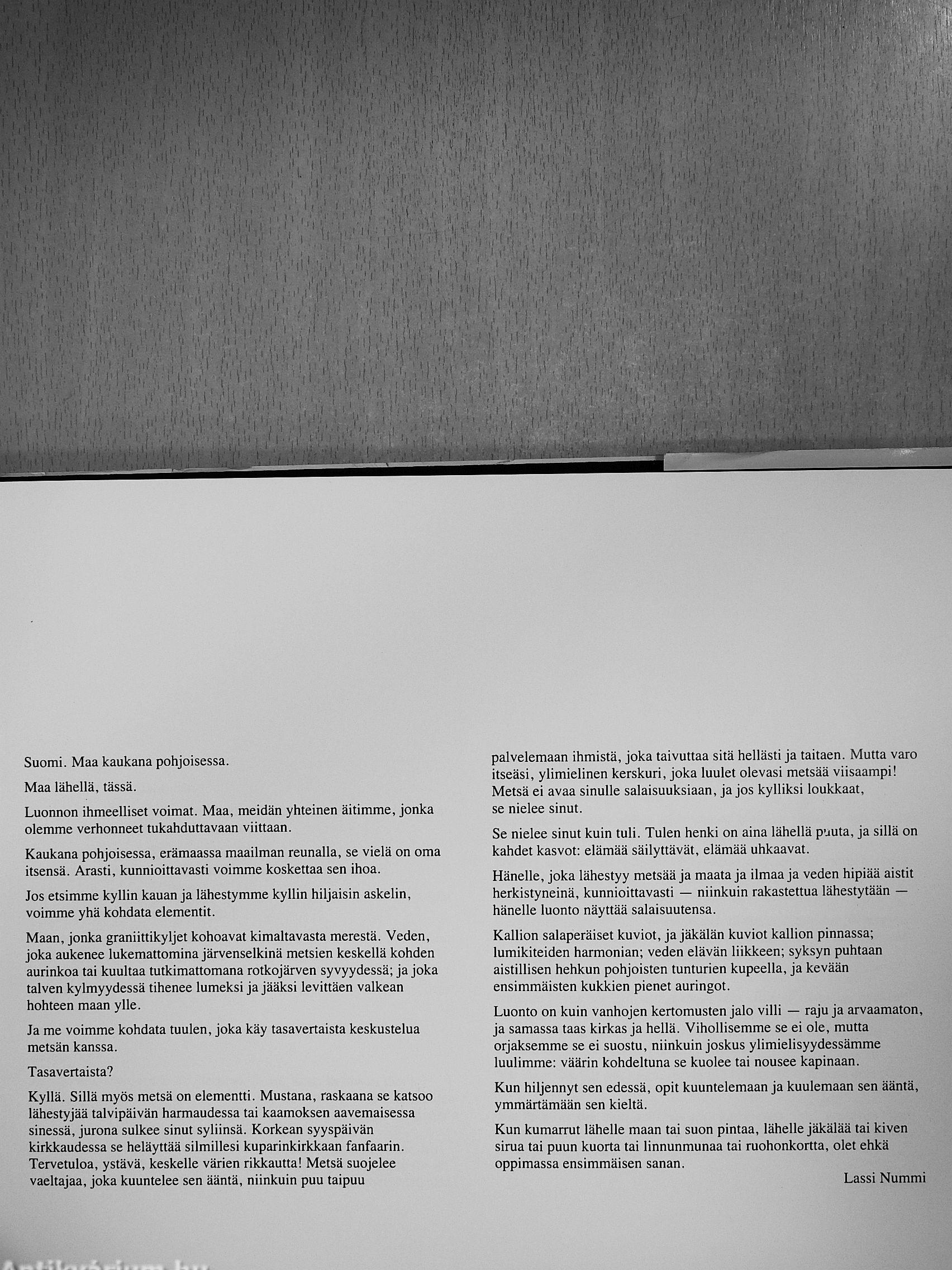
Fülszöveg
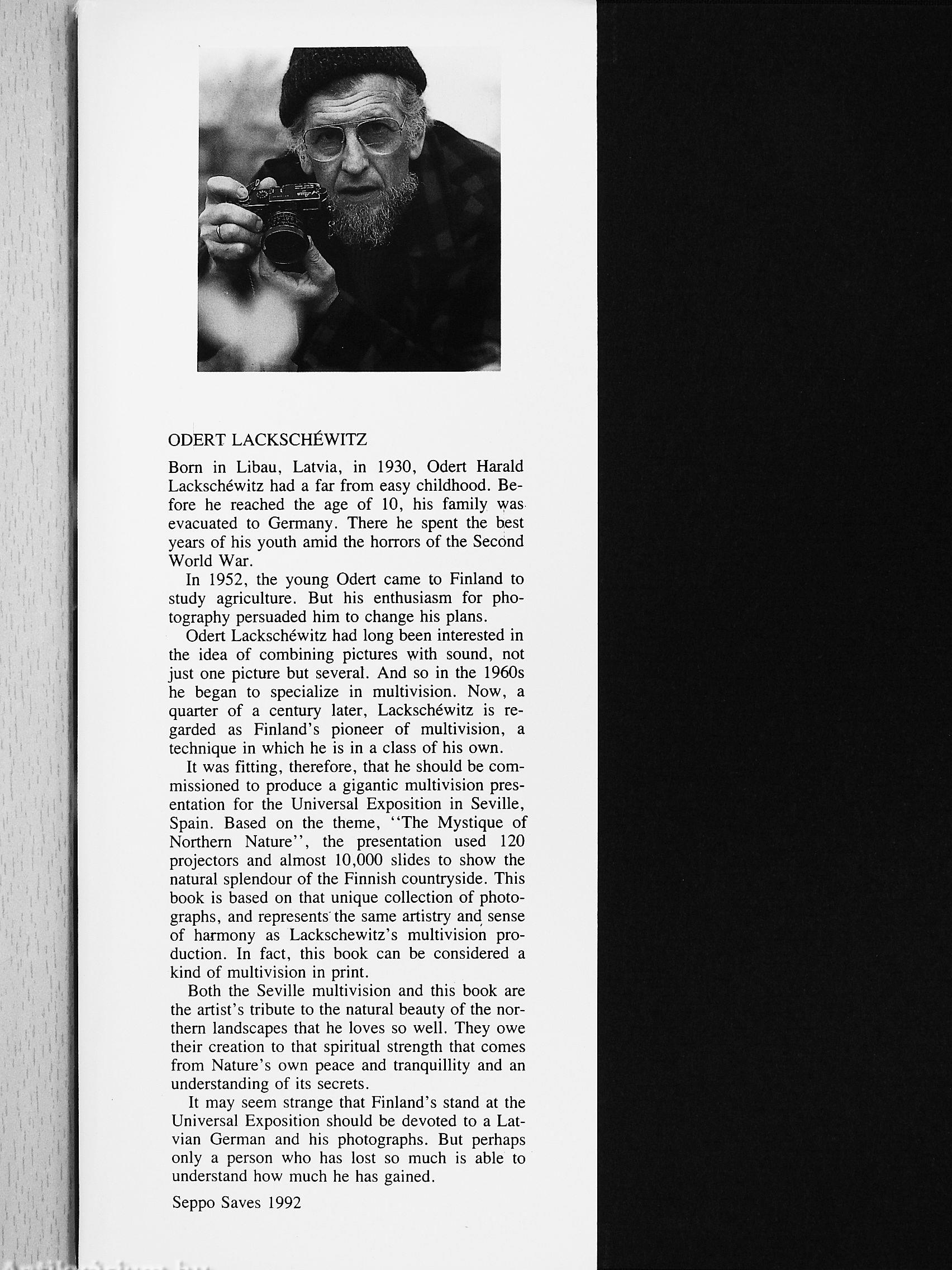
ODERT LACKSCHfiWITZ
Bom in Libau, Latvia, in 1930, Odert Harald Lackschewitz had a far from easy childhood. Before he reached the age of 10, his family was evacuated to Germany. There he spent the best years of his youth amid the horrors of the Second World War.
In 1952, the young Odert came to Finland to study agriculture. But his enthusiasm for photography persuaded him to change his plans.
Odert Lackschewitz had long been interested in the idea of combining pictures with sound, not just one picture but several. And so in the 1960s he began to speciaUze in multivision. Now, a quarter of a century later, Lackschewitz is regarded as Finland's pioneer of multivision, a technique in which he is in a class of his own.
It was fitting, therefore, that he should be commissioned to produce a gigantic multivision presentation for the Universal Exposition in Seville, Spain. Based on the theme, "The Mystique of Northern Nature", the presentation used 120 projectors and almost 10,000... Tovább
Fülszöveg
ODERT LACKSCHfiWITZ
Bom in Libau, Latvia, in 1930, Odert Harald Lackschewitz had a far from easy childhood. Before he reached the age of 10, his family was evacuated to Germany. There he spent the best years of his youth amid the horrors of the Second World War.
In 1952, the young Odert came to Finland to study agriculture. But his enthusiasm for photography persuaded him to change his plans.
Odert Lackschewitz had long been interested in the idea of combining pictures with sound, not just one picture but several. And so in the 1960s he began to speciaUze in multivision. Now, a quarter of a century later, Lackschewitz is regarded as Finland's pioneer of multivision, a technique in which he is in a class of his own.
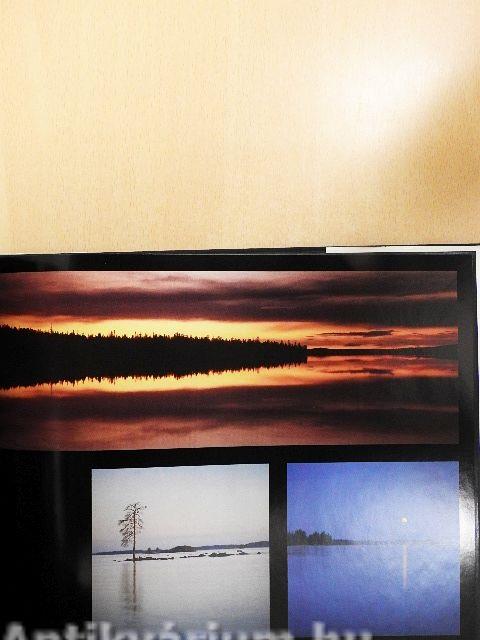
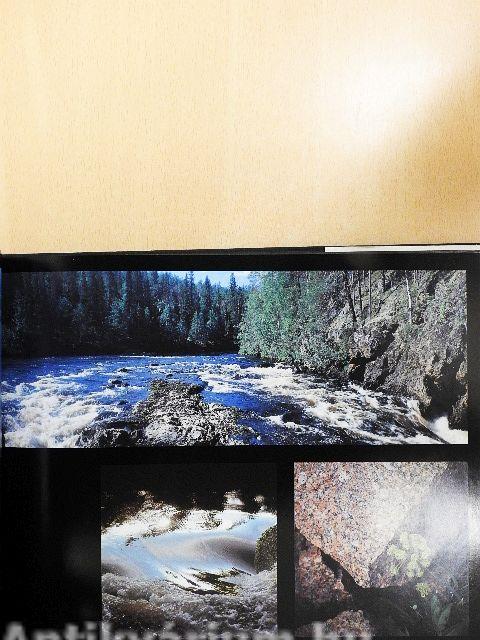
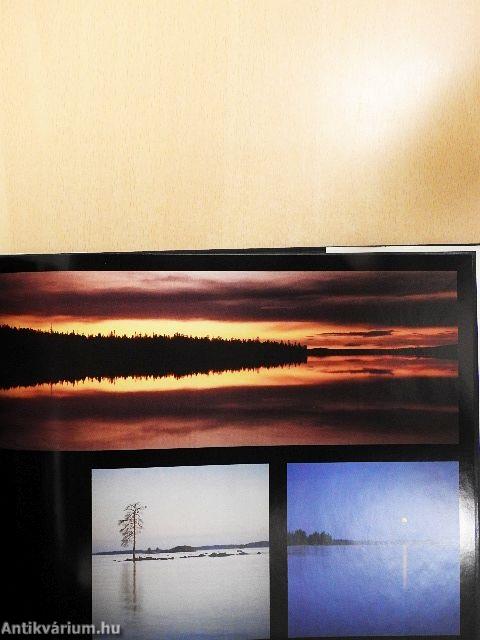
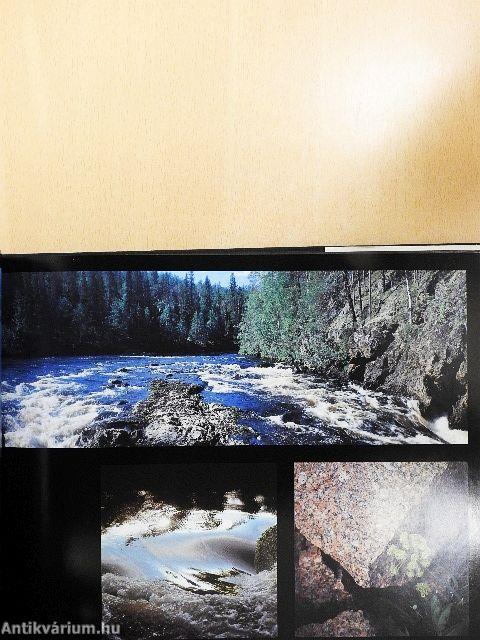
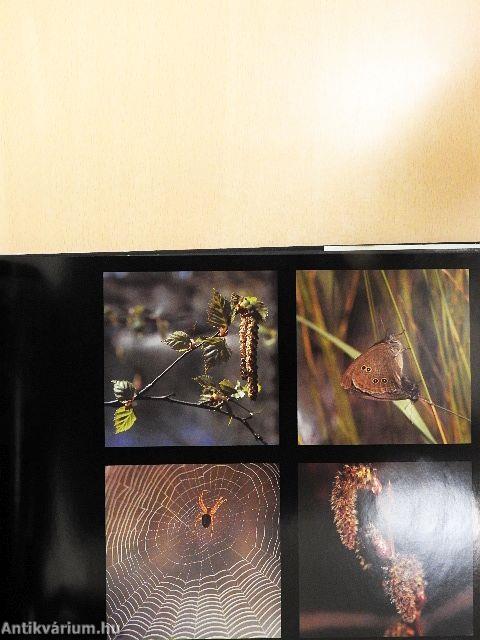
It was fitting, therefore, that he should be commissioned to produce a gigantic multivision presentation for the Universal Exposition in Seville, Spain. Based on the theme, "The Mystique of Northern Nature", the presentation used 120 projectors and almost 10,000 slides to show the natural splendour of the Finnish countryside. This book is based on that unique collection of photographs, and represents the same artistry and sense of harmony as Lackschewitz's multivision production. In fact, this book can be considered a kind of multivision in print.
Both the Seville multivision and this book are the artist's tribute to the natural beauty of the northern landscapes that he loves so well. They owe their creation to that spiritual strength that comes from Nature's own peace and tranquillity and an understanding of its secrets.
It may seem strange that Finland's stand at the Universal Exposition should be devoted to a Latvian German and his photographs. But perhaps only a person who has lost so much is able to understand how much he has gained.
Seppo Saves 1992 Vissza
Témakörök
- Idegennyelv > Idegennyelvű könyvek > Többnyelvű könyvek
- Művészetek > Fotóművészet > Albumok > Külföldi
- Művészetek > Fotóművészet > Albumok > Tematikus
- Művészetek > Fotóművészet > Idegen nyelv > Többnyelvű
- Művészetek > Fotóművészet > Témái > Fotódokumentumok
- Művészetek > Fotóművészet > Témái > Tájfényképészet
- Művészetek > Fotóművészet > Témái > Természet
Lassi Nummi
Lassi Nummi műveinek az Antikvarium.hu-n kapható vagy előjegyezhető listáját itt tekintheti meg: Lassi Nummi könyvek, művekMegvásárolható példányok
Állapotfotók
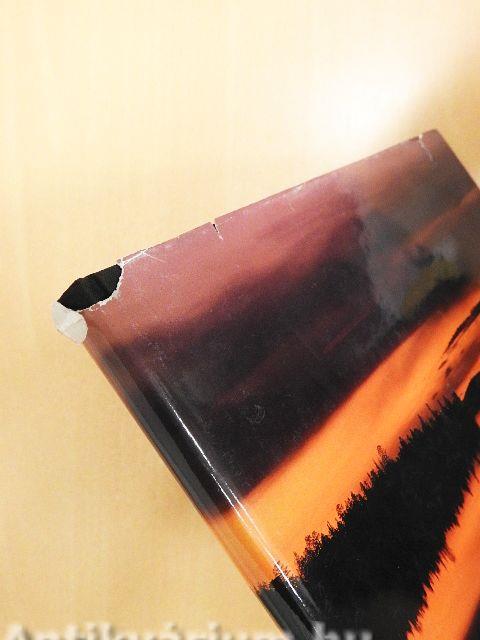
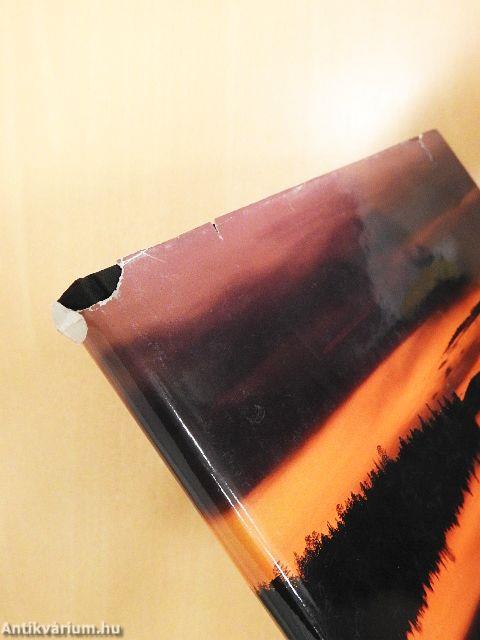
A védőborító szakadozott.
Állapot:
Jó
7.980 ,-Ft
40
pont kapható
Kosárba
 Folytatás Microsoft-tal