
1.152.282
kiadvánnyal nyújtjuk Magyarország legnagyobb antikvár könyv-kínálatát

Now & Then Oman
| Kiadó: | Zodiac Publishing |
|---|---|
| Kiadás helye: | |
| Kiadás éve: | |
| Kötés típusa: | Fűzött keménykötés |
| Oldalszám: | 127 oldal |
| Sorozatcím: | Our Earth Series |
| Kötetszám: | 8 |
| Nyelv: | Angol |
| Méret: | 32 cm x 25 cm |
| ISBN: | 0-9533033-5-7 |
| Megjegyzés: | Színes és fekete-fehér fotókkal gazdagon illusztrálva. |
Értesítőt kérek a kiadóról
Értesítőt kérek a sorozatról
A beállítást mentettük,
naponta értesítjük a beérkező friss
kiadványokról
naponta értesítjük a beérkező friss
kiadványokról
A beállítást mentettük,
naponta értesítjük a beérkező friss
kiadványokról
naponta értesítjük a beérkező friss
kiadványokról
Előszó
Tovább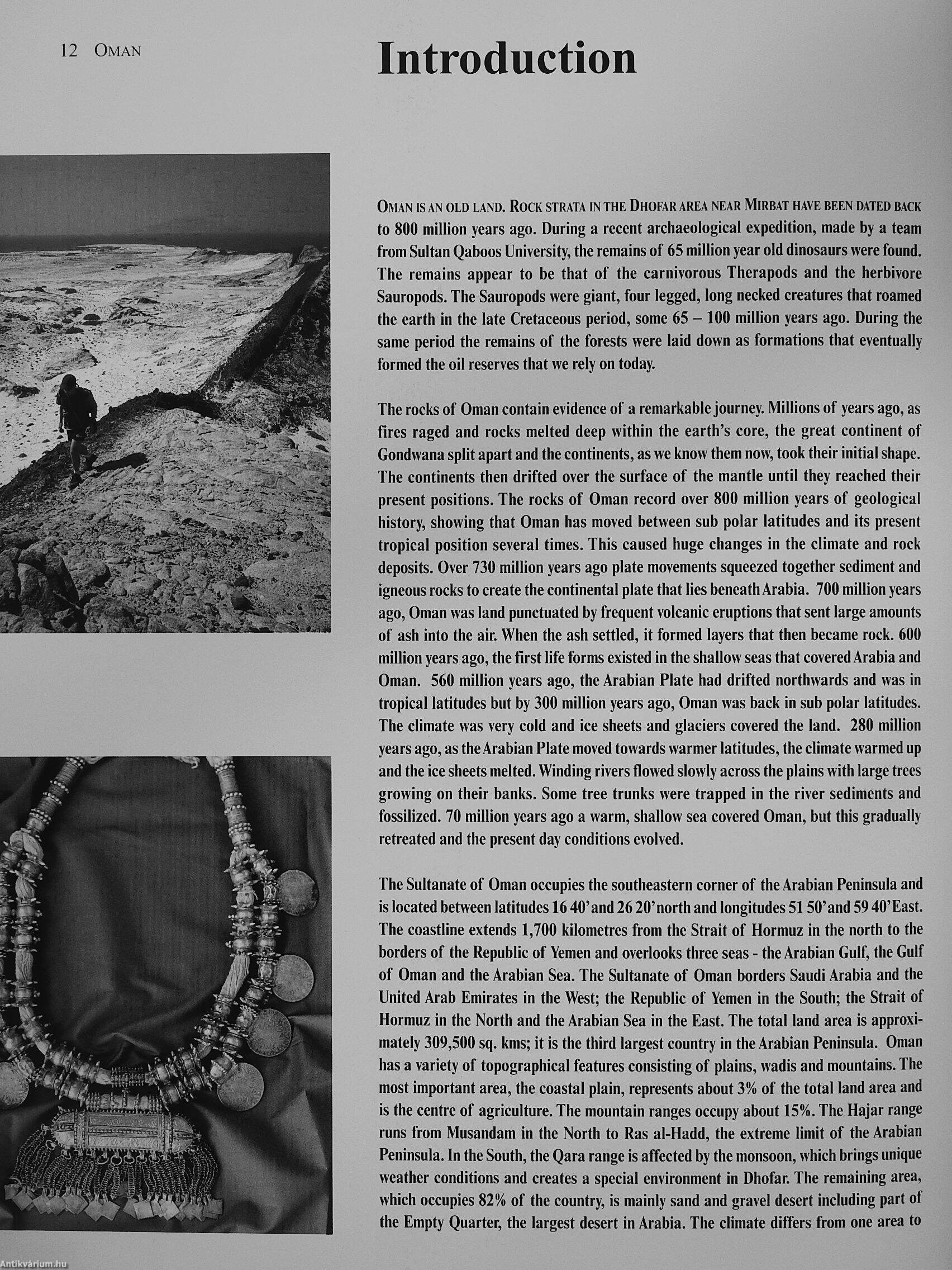
Fülszöveg
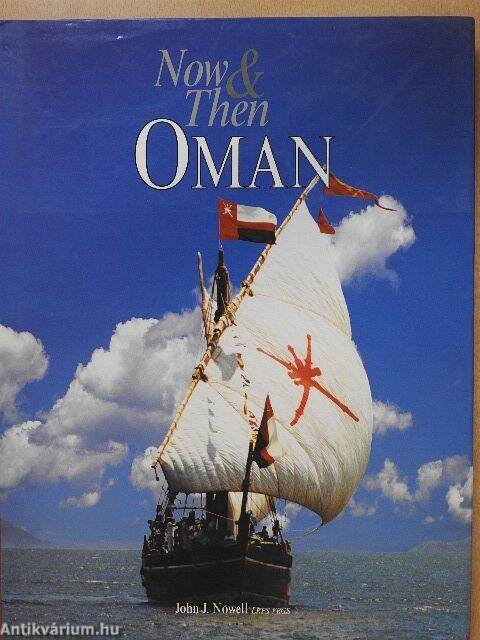
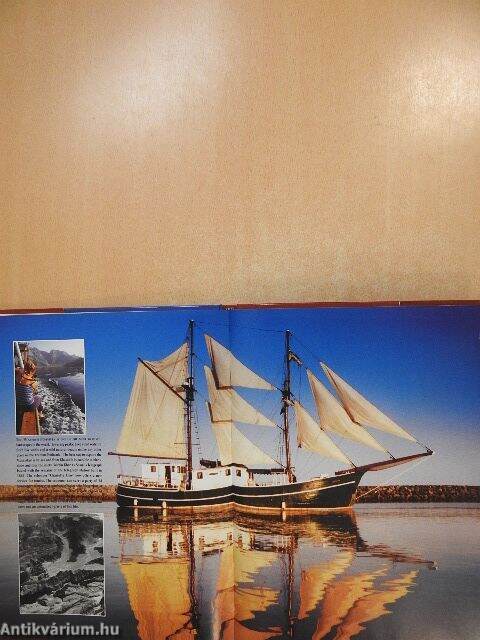
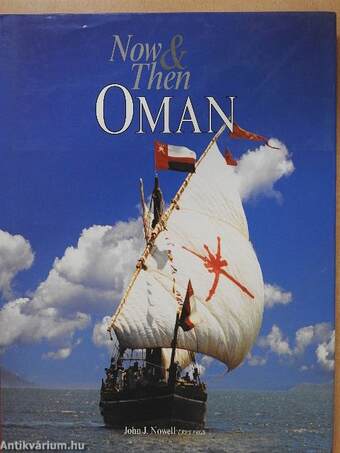
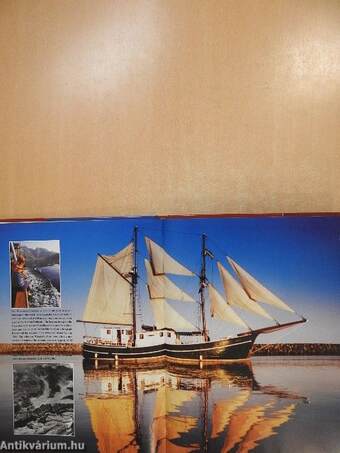
The cover photograph spans a thousand years. The photograph shows the "Sohar Ship" making a triumphant entry into Canton harbour in 1980. The ship had been built in Sur using traditional building methods dating back hundreds of years. The Omani dhows were built of timber from the coast of India at Malabar, lashed together with coconut fibres, sealed with a mixture of sardine oil and sugar and sailed under a lateen sail using the new techniques of navigation.
The Sultanate of Oman has always had a prominent position in history because of its geographical position. Oman traded from the earliest times with the civilisations in the Fertile Crescent and the Indus Valley. This, in turn, led to the development of profound sailing and navigational skills and techniques. Thus, while the famous Portuguese sailor "Henry The Navigator"was struggling to get his fleet down the West Coast of Africa in the 1500s, sailing dhows from Oman had been trading for centuries with countries as far a... Tovább
Fülszöveg
The cover photograph spans a thousand years. The photograph shows the "Sohar Ship" making a triumphant entry into Canton harbour in 1980. The ship had been built in Sur using traditional building methods dating back hundreds of years. The Omani dhows were built of timber from the coast of India at Malabar, lashed together with coconut fibres, sealed with a mixture of sardine oil and sugar and sailed under a lateen sail using the new techniques of navigation.
The Sultanate of Oman has always had a prominent position in history because of its geographical position. Oman traded from the earliest times with the civilisations in the Fertile Crescent and the Indus Valley. This, in turn, led to the development of profound sailing and navigational skills and techniques. Thus, while the famous Portuguese sailor "Henry The Navigator"was struggling to get his fleet down the West Coast of Africa in the 1500s, sailing dhows from Oman had been trading for centuries with countries as far a field as Zanzibar and China. The sailing skills and trading routes that the Omanis developed were the envy of the western world. With their occupation of Muscat in 1507 the Portuguese took over domination of these trading routes. 100 years later English sailors arrived in a more peaceful manner, in search of limes, which prevented the ships crews from getting the dreaded disease known as scurvy, during their long sea crossings. A relationship began between the Omanis and the English that has lasted until the present time.
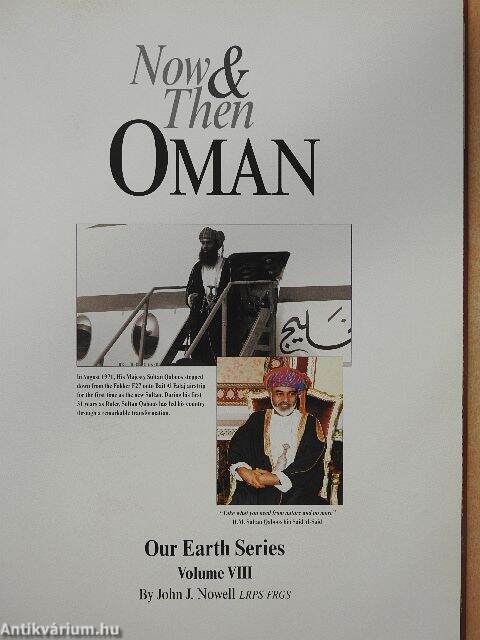
With the ascension of Sultan Qaboos to power in 1970, Oman was propelled into the twenty-first century, fuelled and financed by the discovery of oil, as a country of the new millennium. Its transformation, aptly termed the "Renaissance", from a country with few schools, hospitals or roads to the present day has been controlled but spectacular. Where there were tracks around Muttrah, there is now an elegant Corniche, where there were simple houses built of palm fronds and coral blocks, there are elegant villas; where there was a modest population working hard to survive on fishing, herding and trading, there is a cosmopolitan mix of nationalities living in a healthy and prosperous environment.
I ¦ ,
"Now & Then - Oman"is a photographic insight into a nation whose fortunes waned in one region to be replaced by oil wealth in another. This book is a beautiful and historical photographic record, and will be an inspiration for photographers in the years to come.
The Author.
Yorkshire born John Nowell completed his first wing over at the age of 14, as a member of the Air Training Corps, in a De Havilland Chipmunk. He decided there then that flying was to be his career. After leaving school, he joined the Royal Air Force but was too late to achieve his passion of flying Sunderland flying boats. He did serve on some of the great flying boat squadrons, numbers 206, 205 and 230 where, in addition to his flying duties, he was responsible for the squadron records including the photo albums and the RAF Form S40s - the monthly operational record of the squadron. It was here that John first saw the amazing records of the exploration flights, made in the 1930s, by the flying boat crews who crossed half the world to Australia and the Far East.
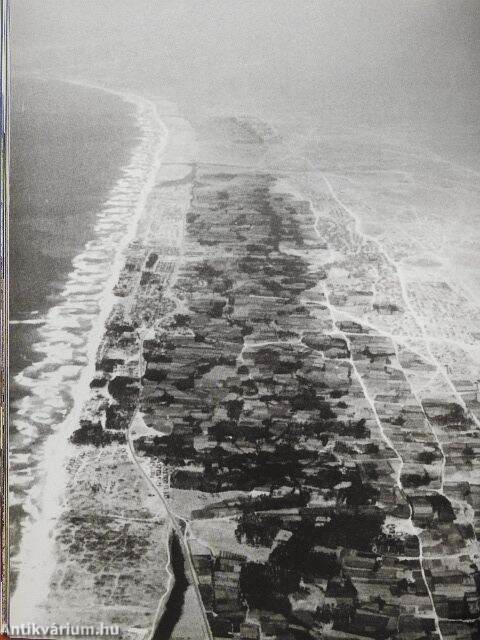
In 1966, whilst serving on No. 205 Sqdrn, John flew from England via Salalah to Singapore in a Shakleton bomber. His flight at low level from Salalah via Masirah and Ras Al Hadd gave him his first insight into a country that was to become his home in later years. In 1980 John joined the Royal Flight at Seeb to fly the new Puma helicopters. During his 10 years stay he flew over every part of Oman and in the words of Dr Rodney Salm, "photographed every rock in Oman". In 1994 during a two week period he photographed the entire coastline for a UN sponsored conservation project that was utilized by the Ministry of Commerce and the Office of the Conservation Adviser to His Majesty Sultan Qaboos, to regulate urban planning and the boundaries of National Parks. In 1988 whilst on a routine flight between Sur and Muscat through the Jebel Akhdar he discovered an unknown collection of fifty 4,000-year-old tombs, some of which were in almost perfect condition. Subsequently in 1991 he guided a German archeologist to the same site. Dr Paul Yule's press release made the front page of the English Times.
He was made a Licentiate of The Royal Photographic Society in 1990 based on the photographs in his first book, "A Day Above Oman". His photographic interest in history and archaeology was instrumental in the location of 4,000-year-old tombs on a remote plateau of Oman and was made a Fellow of the Royal Geographical Society. He is also an Upper Freeman of the Guild of Pilots & Navigators and is now based in Dubai where he is working on further books in the"A Day Above"and"Now Then"series.
During research for a previous book, "Now Then - The Emirates", it became apparent that there was a wealth of old photographs of Oman, the capital Muscat and also of Muttrah and Salalah. A photograph was found taken in 1911 showing Sayyid Taimur Bin Faisal, the son of Sultan Sayyid Faisal Bin Turki, on horseback armed with a Matini Henry rifle; a picture taken in 1932 of an Royal Air Force Singapore flying boat showing Muscat residents standing on the wings, came to light; a shot taken of fishermen rowing in front of Al Husn Palace in Salalah and another taken in 1935 showing teak being unloaded from traditional dhows were located. Vissza
Témakörök
John J. Nowell
John J. Nowell műveinek az Antikvarium.hu-n kapható vagy előjegyezhető listáját itt tekintheti meg: John J. Nowell könyvek, művekMegvásárolható példányok
Állapotfotók
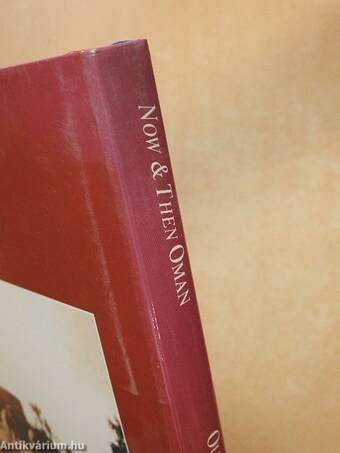
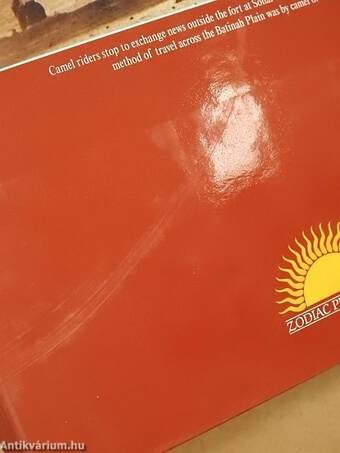
A védőborító enyhén elszíneződött, kopottas.
Állapot:
Jó
15.000 ,-Ft
75
pont kapható
Kosárba
 Folytatás Microsoft-tal