A kosaram
0
MÉG
5000 Ft
a(z) 5000Ft-os
szállítási
értékhatárig
Ginop popup ablak bezárása

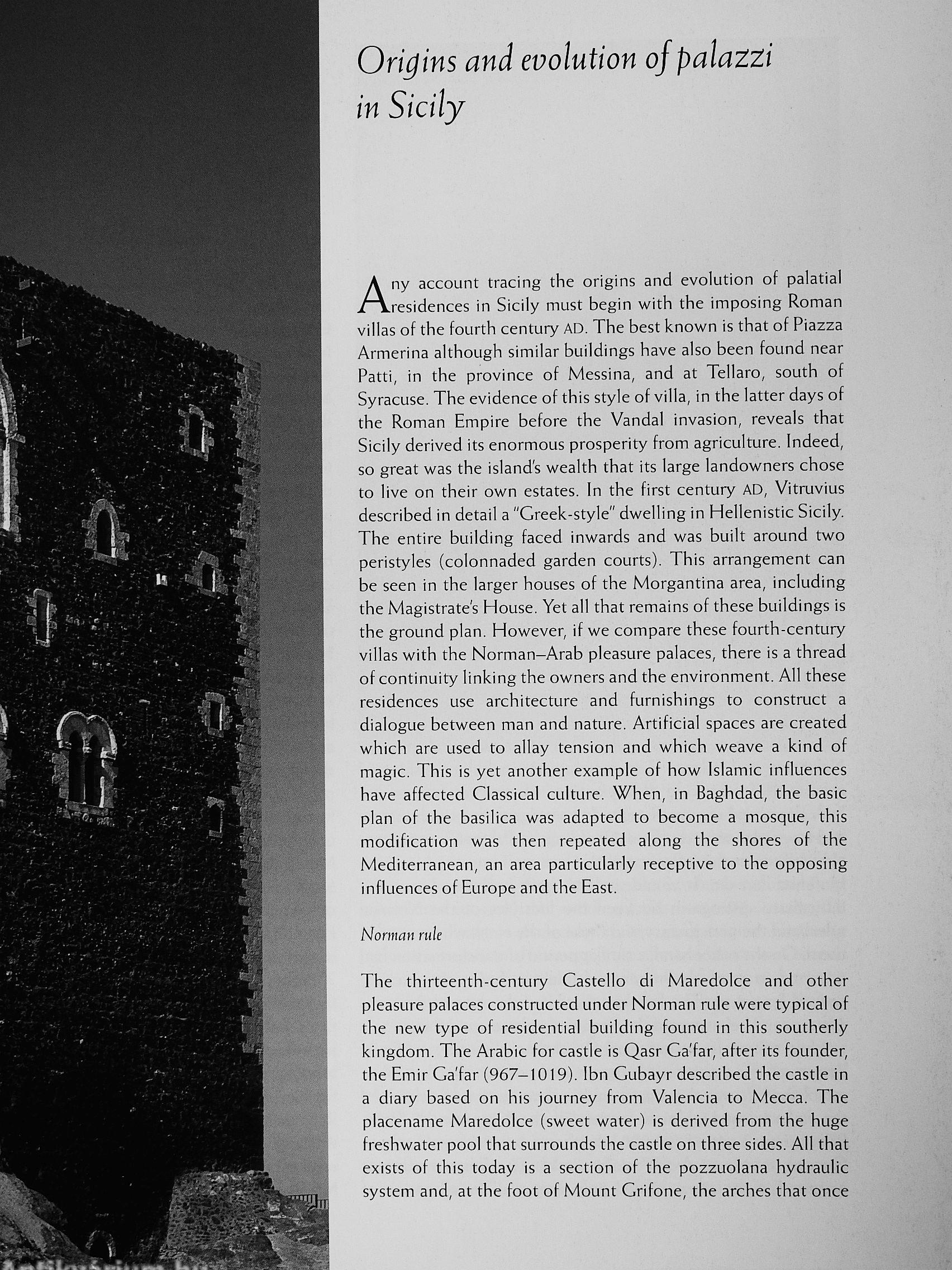
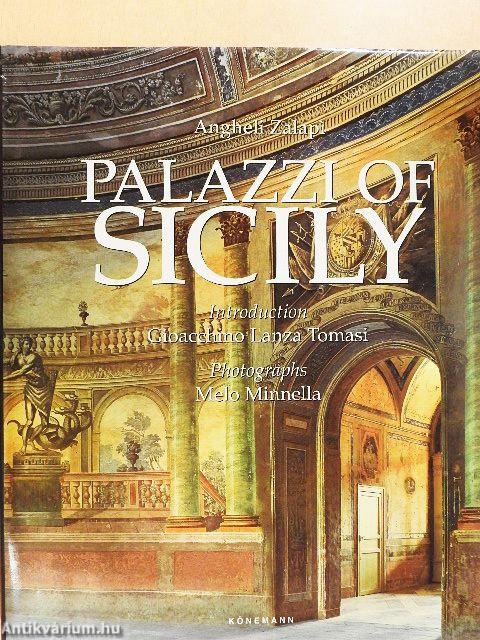
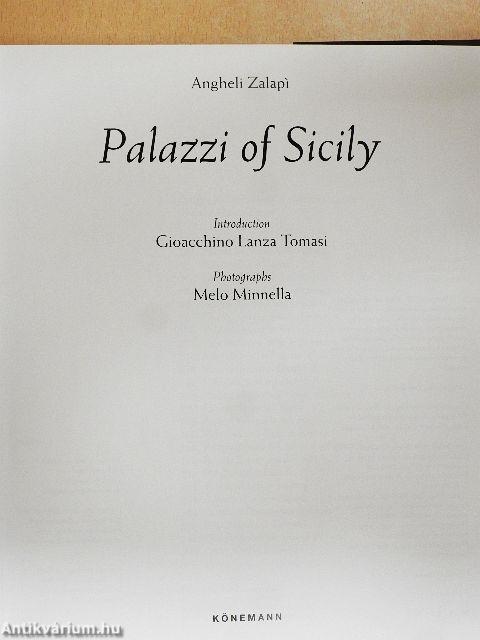
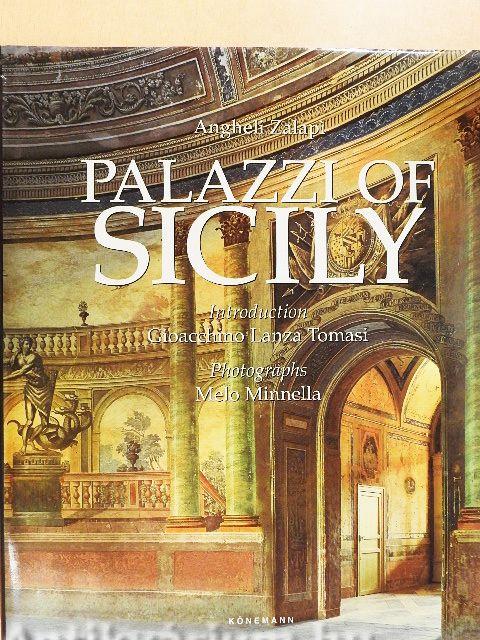
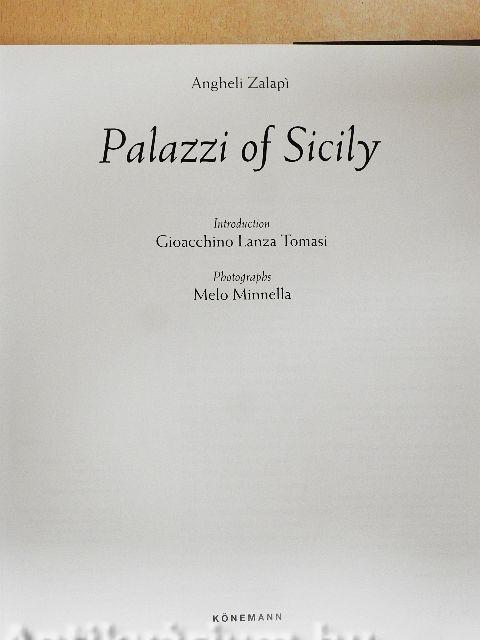
Palazzi of Sicily

Szerző
Fordító
Fotózta
Kapcsolódó személy
Köln
Kiadó: Könemann Verlagsgesellschaft mbH
Kiadás helye: Köln
Kiadás éve:
Kötés típusa: Fűzött keménykötés
Oldalszám: 324 oldal
Sorozatcím:
Kötetszám:
Nyelv: Angol  
Méret: 26 cm x 22 cm
ISBN: 3-8290-3449-0
Megjegyzés: Színes fotókkal.
Értesítőt kérek a kiadóról

A beállítást mentettük,
naponta értesítjük a beérkező friss
kiadványokról
A beállítást mentettük,
naponta értesítjük a beérkező friss
kiadványokról

Előszó

Tovább

Előszó


Vissza

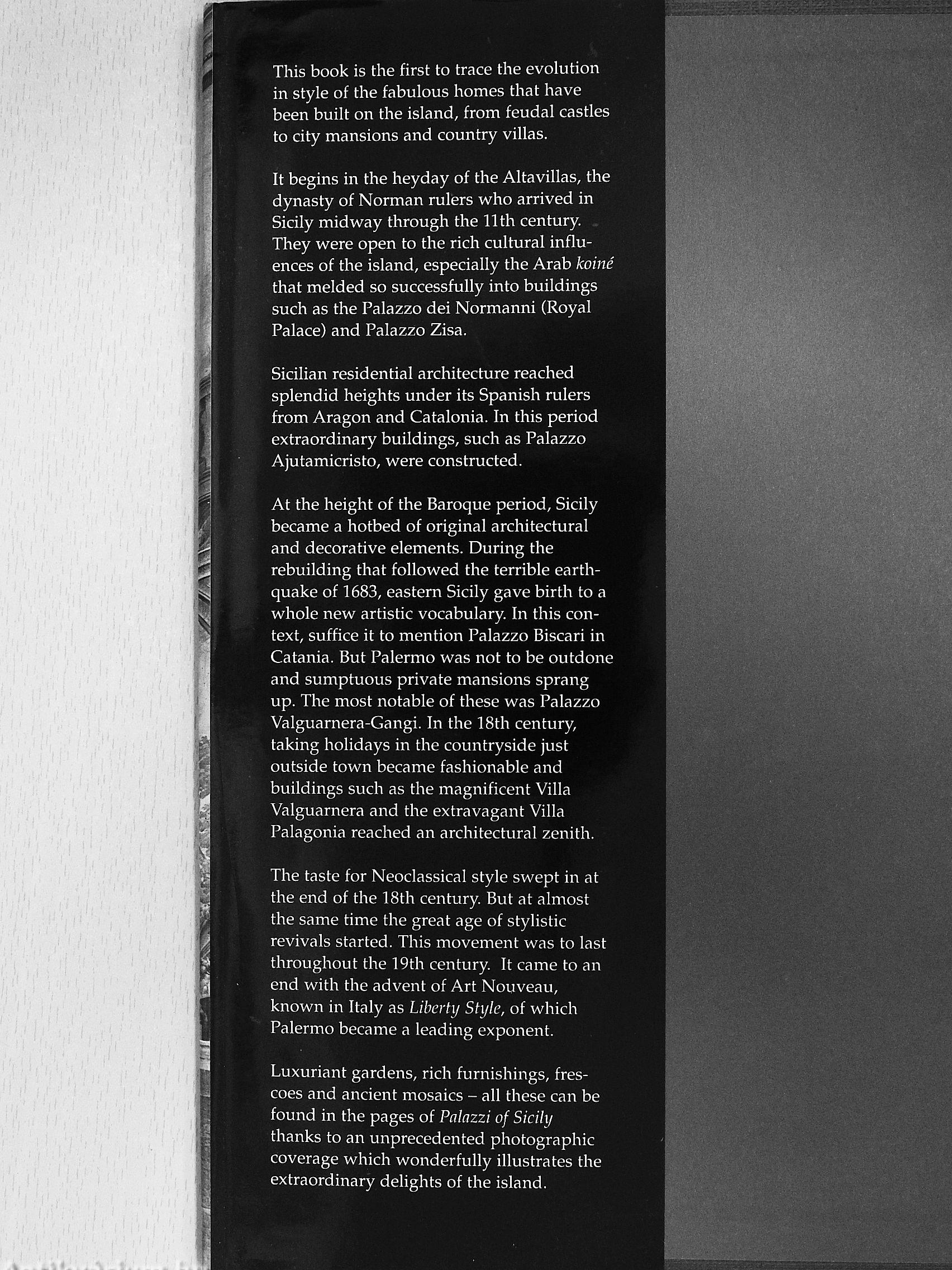
Fülszöveg


This book is the first to trace the evolution in style of the fabulous homes that have been built on the island, from feudal castles to city mansions and country villas.
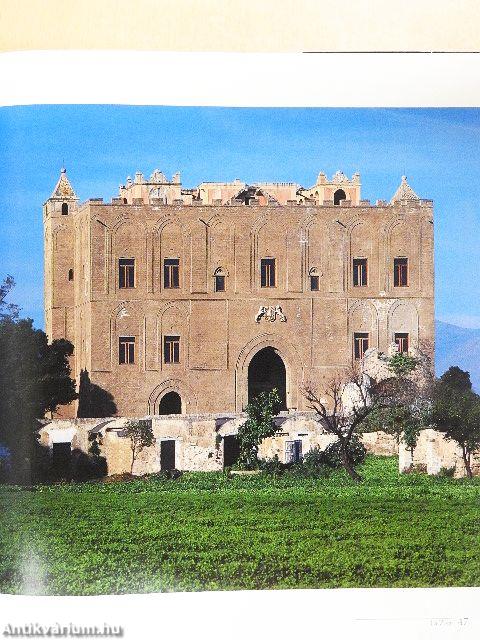
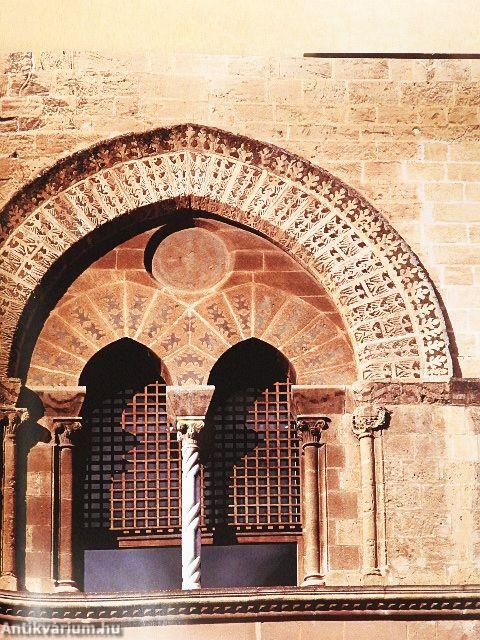
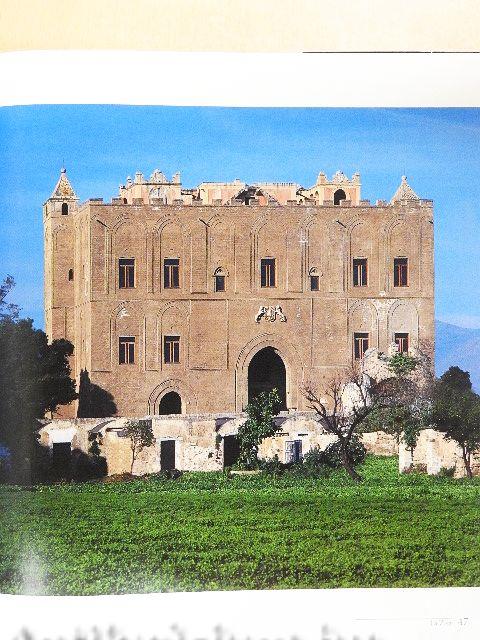
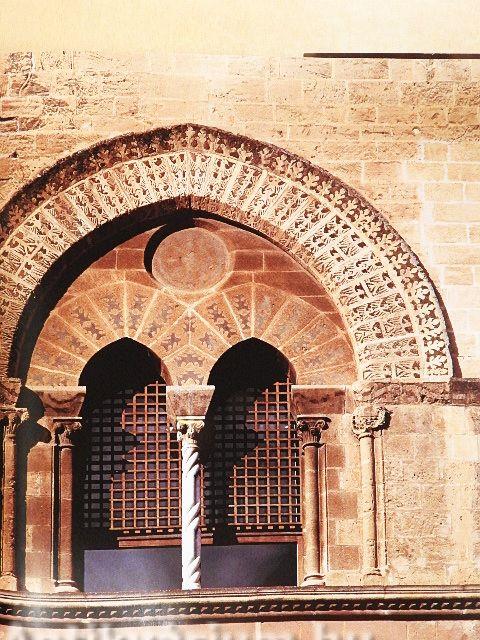
It begins in the heyday of the Altavillas, the dynasty of Norman rulers who arrived in Sicily midway through the 11th century They were open to the rich cultural influences of the island, especially the Arab koine that melded so successfully into buildings such as the Palazzo dei Normanni (Royal Palace) and Palazzo Zisa.
Sicilian residential architecture reached splendid heights under its Spanish rulers from Aragon and Catalonia. In this period extraordinary buildings, such as Palazzo Ajutamicristo, were constructed.

r' *
•it 'r ( 'J'

At the height of the Baroque period, Sicily became a hotbed of original architectural and decorative elements. During the rebuilding that followed the terrible earthquake of 1683, eastern Sicily gave birth to a whole new artistic vocabulary. In this context, suffice it to... Tovább

Fülszöveg


This book is the first to trace the evolution in style of the fabulous homes that have been built on the island, from feudal castles to city mansions and country villas.
It begins in the heyday of the Altavillas, the dynasty of Norman rulers who arrived in Sicily midway through the 11th century They were open to the rich cultural influences of the island, especially the Arab koine that melded so successfully into buildings such as the Palazzo dei Normanni (Royal Palace) and Palazzo Zisa.
Sicilian residential architecture reached splendid heights under its Spanish rulers from Aragon and Catalonia. In this period extraordinary buildings, such as Palazzo Ajutamicristo, were constructed.

r' *
•it 'r ( 'J'

At the height of the Baroque period, Sicily became a hotbed of original architectural and decorative elements. During the rebuilding that followed the terrible earthquake of 1683, eastern Sicily gave birth to a whole new artistic vocabulary. In this context, suffice it to mention Palazzo Biscari in Catania. But Palermo was not to be outdone and sumptuous private mansions sprang up. The most notable of these was Palazzo Valguarnera-Gangi. In the 18th century, taking holidays in the countryside just outside town became fashionable and buildings such as the magnificent Villa Valguarnera and the extravagant Villa Palagonia reached an architectural zenith.
The taste for Neoclassical style swept in at the end of the 18th century But at almost the same time the great age of stylistic revivals started. This movement was to last throughout the 19th century. It came to an end with the advent of Art Nouveau, known in Italy as liberhj Style, of which Palermo became a leading exponent.
Luxuriant gardens, rich furnishings, frescoes and ancient mosaics - all these can be found in the pages of Palazzi of Sicily thanks to an unprecedented photographic coverage which wonderfully illustrates the extraordinary delights of the island. Vissza

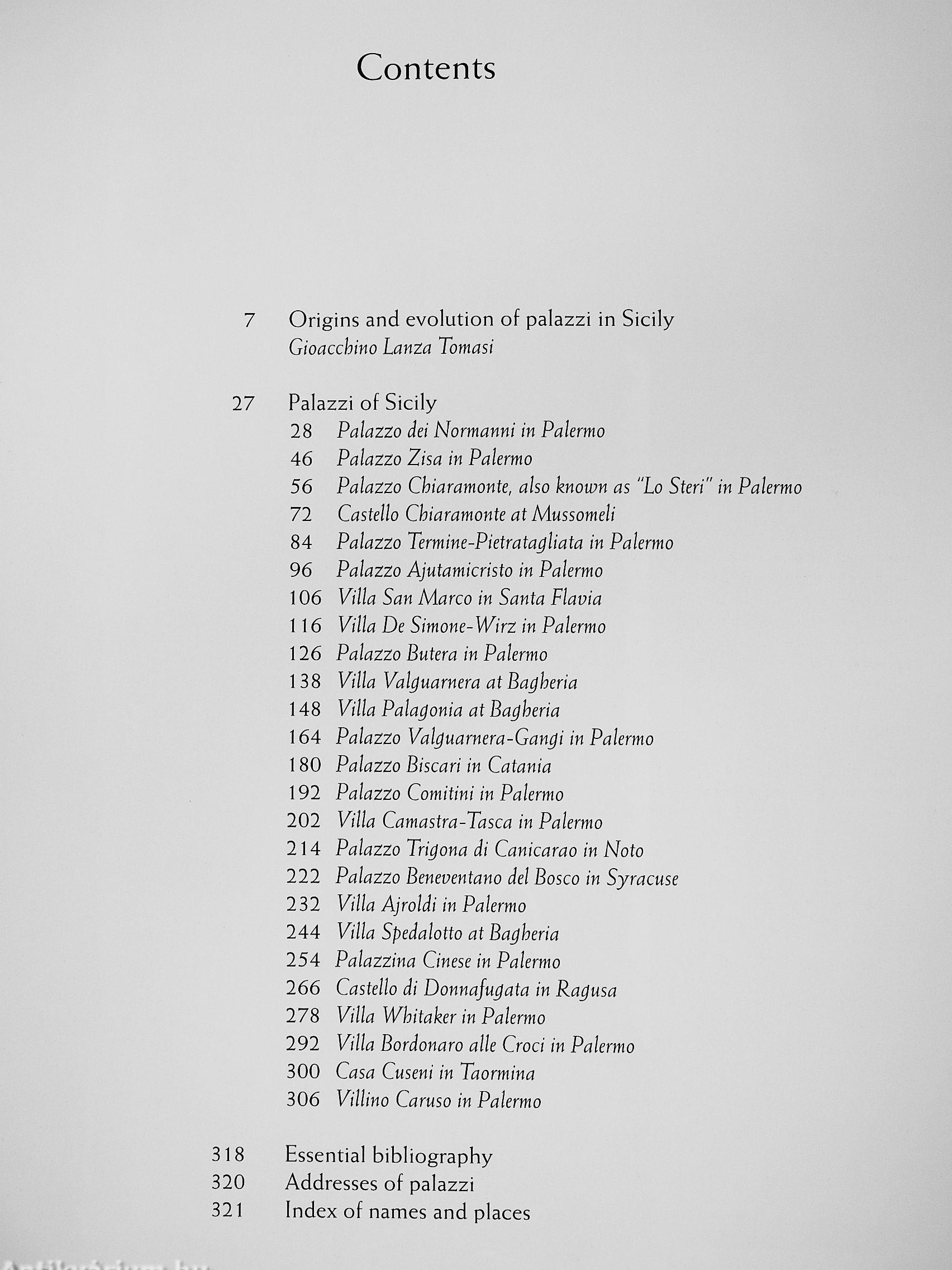
Tartalom


Vissza

Angheli Zalapí

Angheli Zalapí műveinek az Antikvarium.hu-n kapható vagy előjegyezhető listáját itt tekintheti meg: Angheli Zalapí könyvek, művek
Megvásárolható példányok

Nincs megvásárolható példány
A könyv összes megrendelhető példánya elfogyott. Ha kívánja, előjegyezheti a könyvet, és amint a könyv egy újabb példánya elérhető lesz, értesítjük.

Előjegyzem