
1.135.994
kiadvánnyal nyújtjuk Magyarország legnagyobb antikvár könyv-kínálatát

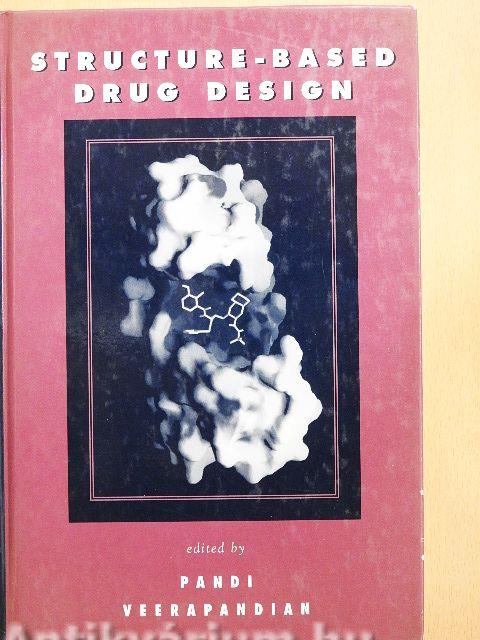
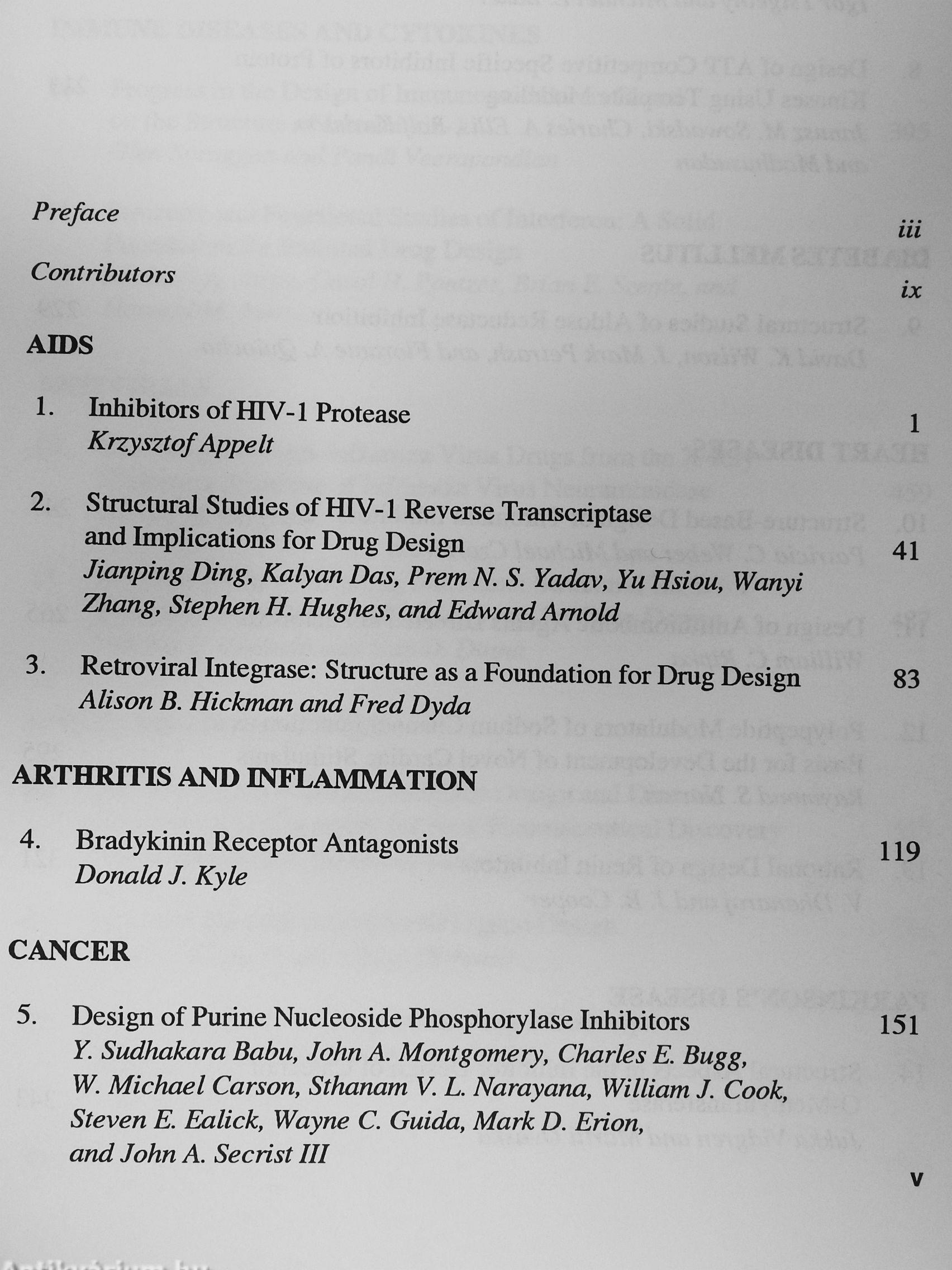
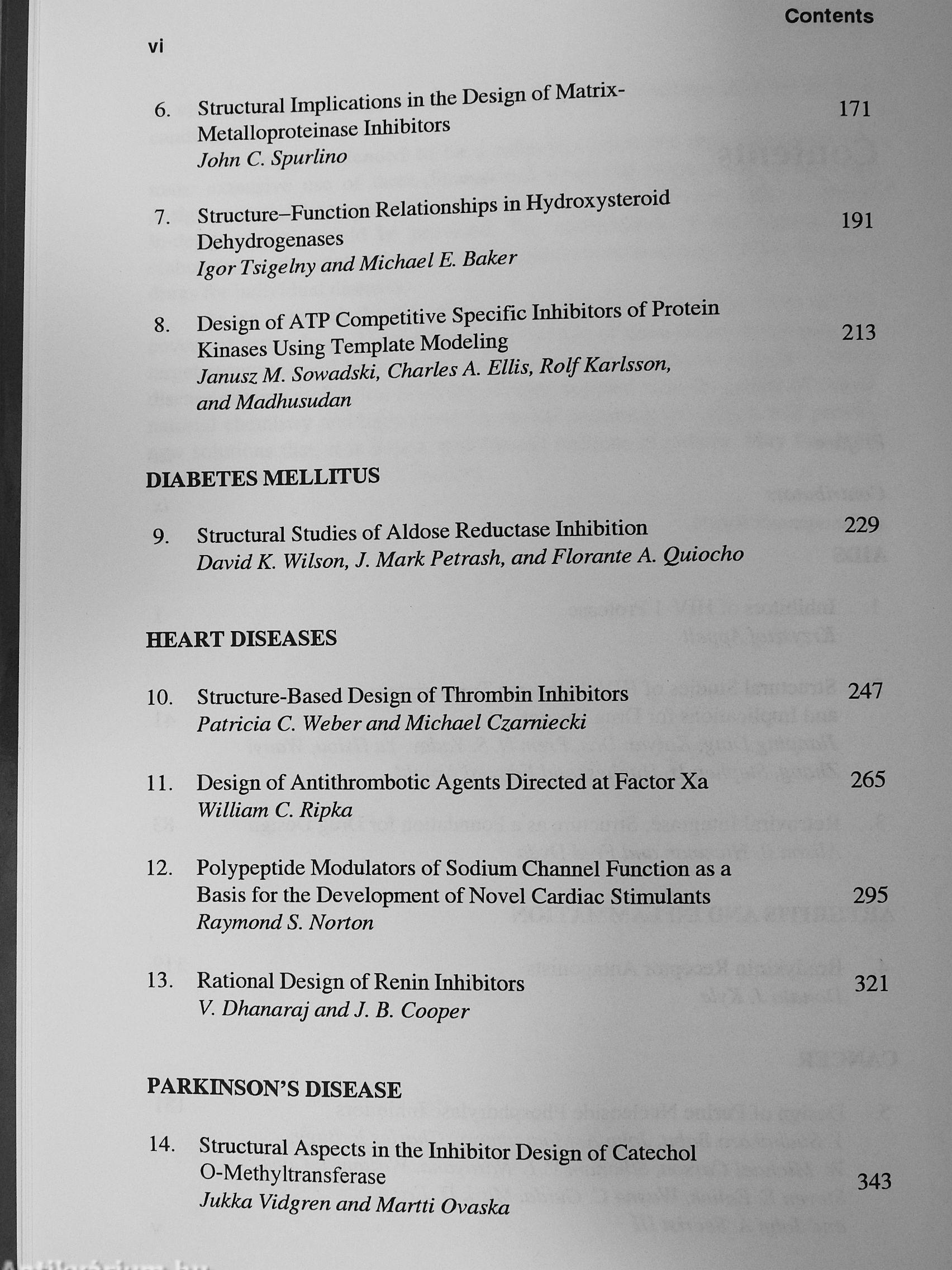
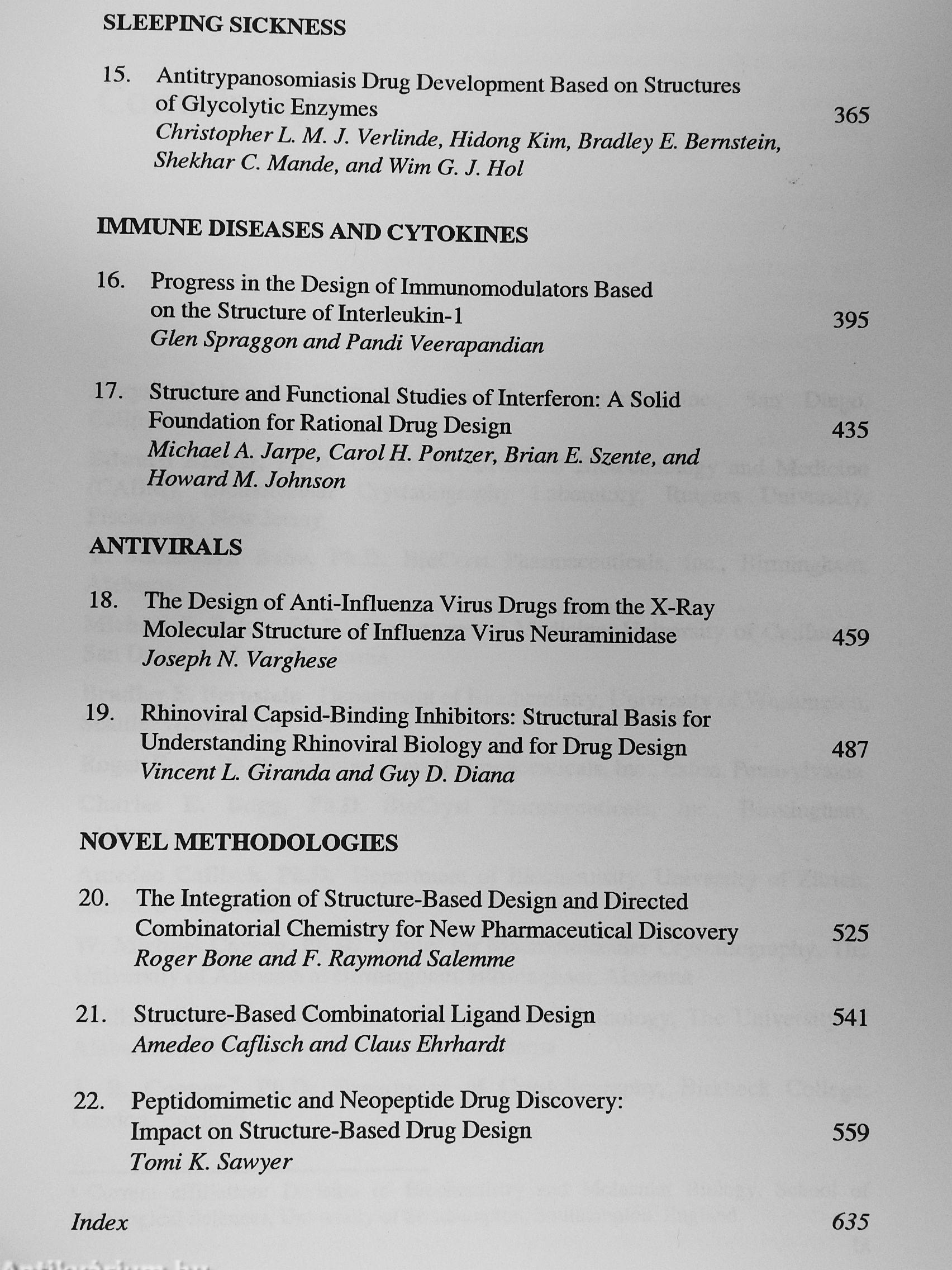
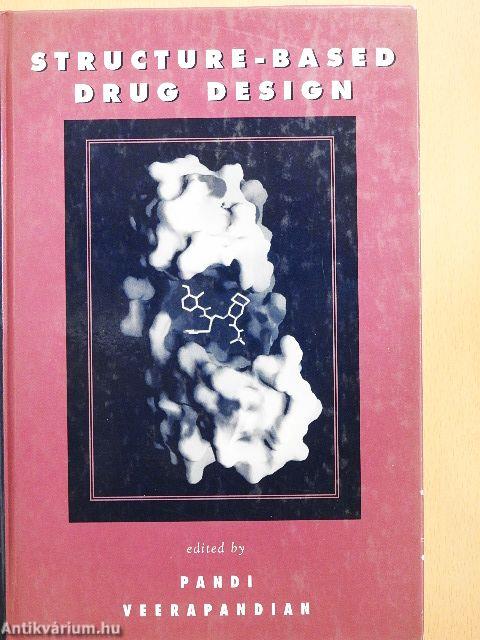
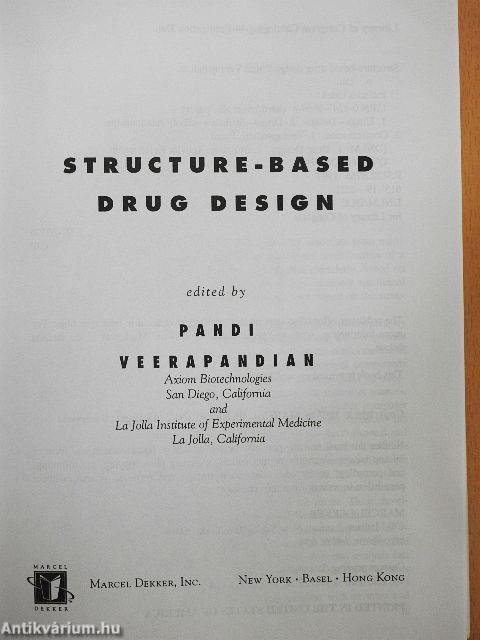
Structure-Based Drug Design
New York
| Kiadó: | Marcel Dekker, Inc. |
|---|---|
| Kiadás helye: | New York |
| Kiadás éve: | |
| Kötés típusa: | Fűzött kemény papírkötés |
| Oldalszám: | 647 oldal |
| Sorozatcím: | |
| Kötetszám: | |
| Nyelv: | Angol |
| Méret: | 24 cm x 16 cm |
| ISBN: | 0-8247-9869-4 |
| Megjegyzés: | Fekete-fehér ábrákkal. |
Értesítőt kérek a kiadóról
A beállítást mentettük,
naponta értesítjük a beérkező friss
kiadványokról
naponta értesítjük a beérkező friss
kiadványokról
A beállítást mentettük,
naponta értesítjük a beérkező friss
kiadványokról
naponta értesítjük a beérkező friss
kiadványokról
Előszó
Tovább
Fülszöveg
about the book .
Introducing the most recent advances in crystallography, nuclear inagnetic resonance, molecular modeling techniques, and computational coinbinatorial chemistry, this unique, interdisciplinary reference explains the application of three-dimen-sional structural infonnation in the design of phaririaceutical drugs.
Furnishing authoritative analyses by world-renowned experts, Structure-Based Drug Design discusses protein structure-based design in optimizing HIV protease inhibitors presents recent results on the high-resolution three-dimensional structure of the catalytic core domain of HIV-1 focuses on structure-based design strategies for uncovering receptor antagonists demonstrates a systematic approach to the design of inhibitory compounds in cancer treatment reviews current knowledge on the Interleukin-1 (IL-1) system and progress in the development of IL-1 modulators describes the influence of structure-based methods in designing capsid-binding inhibitors and... Tovább
Fülszöveg
about the book .
Introducing the most recent advances in crystallography, nuclear inagnetic resonance, molecular modeling techniques, and computational coinbinatorial chemistry, this unique, interdisciplinary reference explains the application of three-dimen-sional structural infonnation in the design of phaririaceutical drugs.
Furnishing authoritative analyses by world-renowned experts, Structure-Based Drug Design discusses protein structure-based design in optimizing HIV protease inhibitors presents recent results on the high-resolution three-dimensional structure of the catalytic core domain of HIV-1 focuses on structure-based design strategies for uncovering receptor antagonists demonstrates a systematic approach to the design of inhibitory compounds in cancer treatment reviews current knowledge on the Interleukin-1 (IL-1) system and progress in the development of IL-1 modulators describes the influence of structure-based methods in designing capsid-binding inhibitors and much more.
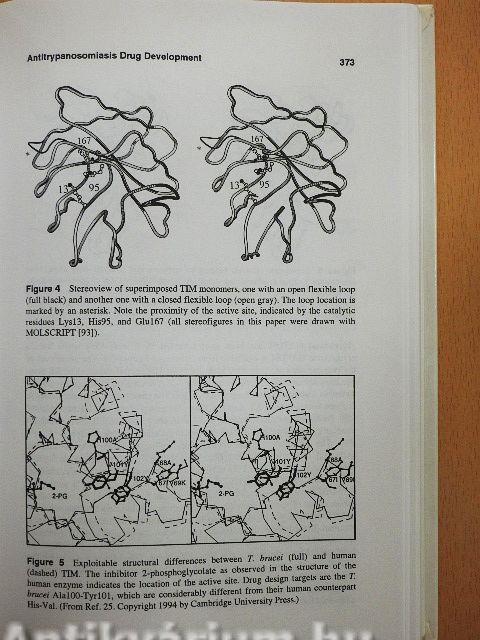
Packed with lucid illustrations and containing over 1600 bibliographic citations, Structure-Based Drug Design is an essential resource for pharmaceutical scientists and pharmacologists; organic, medicinal, clinical, and analytical chemists and biochemists; molecular and cell biologists; drug-development personnel; biotechnolo-gists; and upper-level undergraduate and graduate students in these disciplines.
about the editor. . .
Pandi Veerapandian is Chief Scientific Officer at Axiom Biotechnologies, Inc., San Diego, California. Previously, he was Head of Scientific Computing in the Structural Biology Program at La Jolla Cancer Research Foundation, Califomia. He is a member of the Protein Society, the American Crystallographic Association, and the American Chemical Society, among other organizations. Dr. Veerapandian received the Ph.D. degree in molecular biophysics from the Indian Institute of Science, Bangalore.
Printed in the United States of America ISBN: 0—8247—9869—4
Mai^cel Dekker, Inc. New York • Basel « Hong Konc; Vissza

Témakörök
- Idegennyelv > Idegennyelvű könyvek > Angol > Természettudományok > Biológia
- Idegennyelv > Idegennyelvű könyvek > Angol > Természettudományok > Kémia
- Idegennyelv > Idegennyelvű könyvek > Angol > Orvostudomány
- Természettudomány > Kémia > Biokémia
- Természettudomány > Kémia > Idegennyelvű
- Természettudomány > Kémia > Társtudományok > Orvosi kémia
- Természettudomány > Biológia > Biológia, általános > Biokémia
- Természettudomány > Biológia > Biológia, általános > Társtudományok > Orvostan
- Természettudomány > Biológia > Biológia, általános > Idegennyelvű
- Orvostudomány > Gyógyszertan > Gyógyszerkutatás
- Orvostudomány > Gyógyszertan > Gyógyszerismeret
- Orvostudomány > Gyógyszertan > Idegennyelvű
- Orvostudomány > Orvosi idegennyelvű könyvek > Gyógyszertan
Megvásárolható példányok
Állapotfotók
Állapot:
Jó
56.000 ,-Ft
280
pont kapható
Kosárba
 Folytatás Microsoft-tal