
1.150.377
kiadvánnyal nyújtjuk Magyarország legnagyobb antikvár könyv-kínálatát

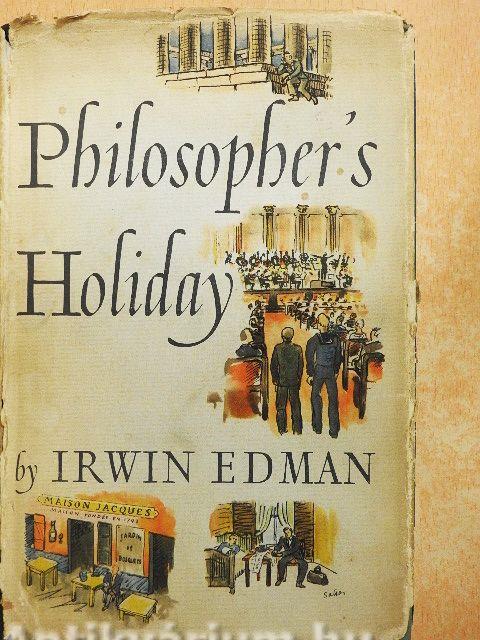
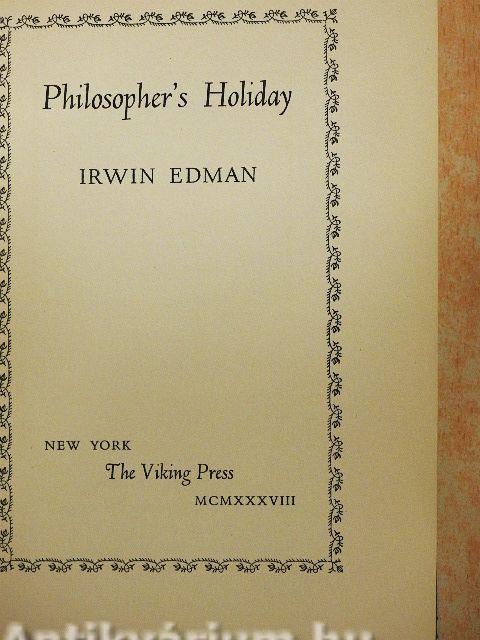
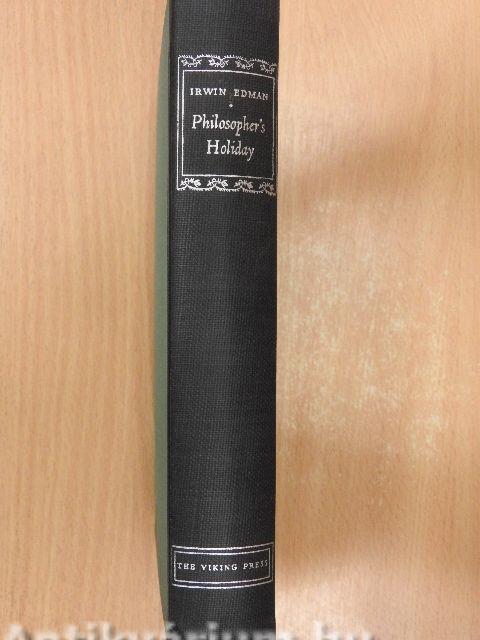
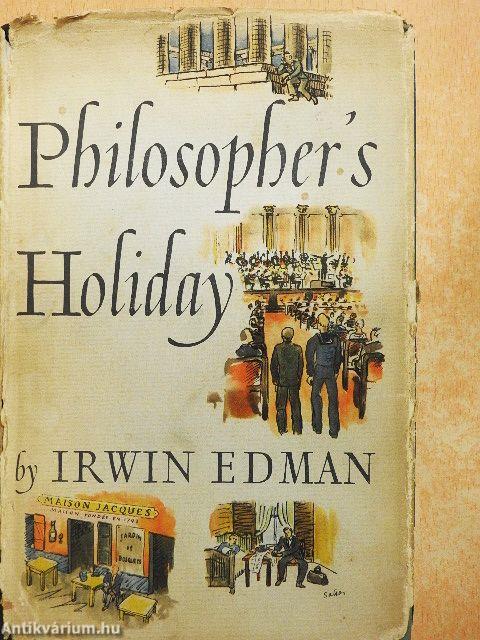
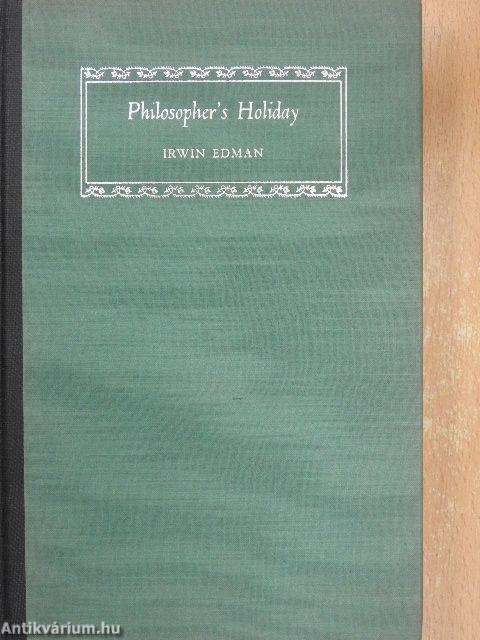
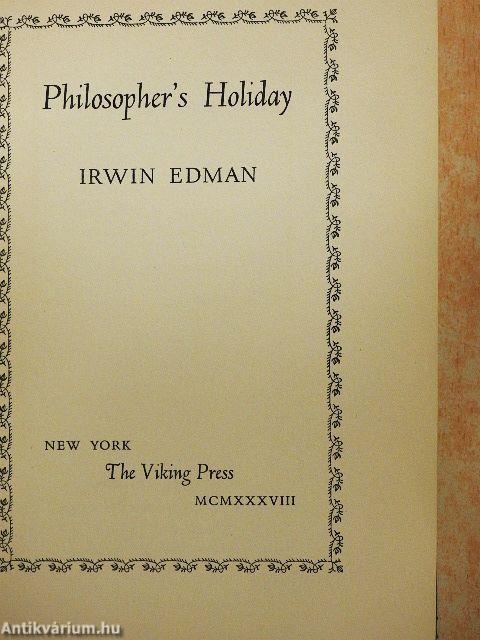
Philosopher's Holiday
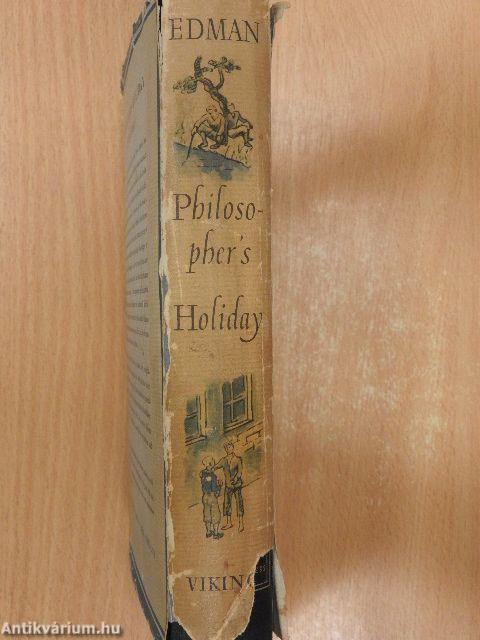
Védőborítós példány
New York
| Kiadó: | The Viking Press |
|---|---|
| Kiadás helye: | New York |
| Kiadás éve: | |
| Kötés típusa: | Vászon |
| Oldalszám: | 270 oldal |
| Sorozatcím: | |
| Kötetszám: | |
| Nyelv: | Angol |
| Méret: | 22 cm x 15 cm |
| ISBN: | |
Értesítőt kérek a kiadóról
A beállítást mentettük,
naponta értesítjük a beérkező friss
kiadványokról
naponta értesítjük a beérkező friss
kiadványokról
A beállítást mentettük,
naponta értesítjük a beérkező friss
kiadványokról
naponta értesítjük a beérkező friss
kiadványokról
Előszó
Tovább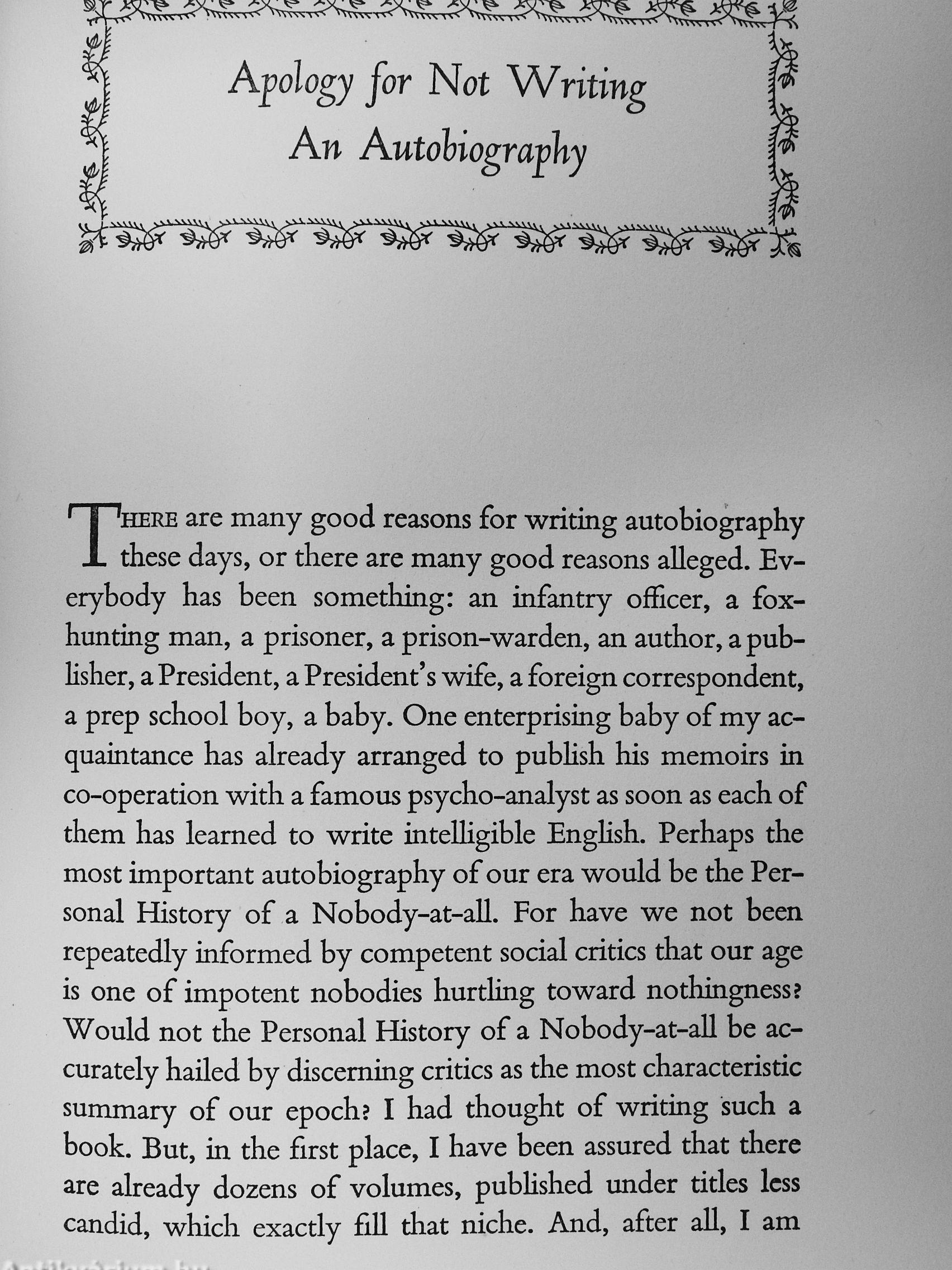
Fülszöveg
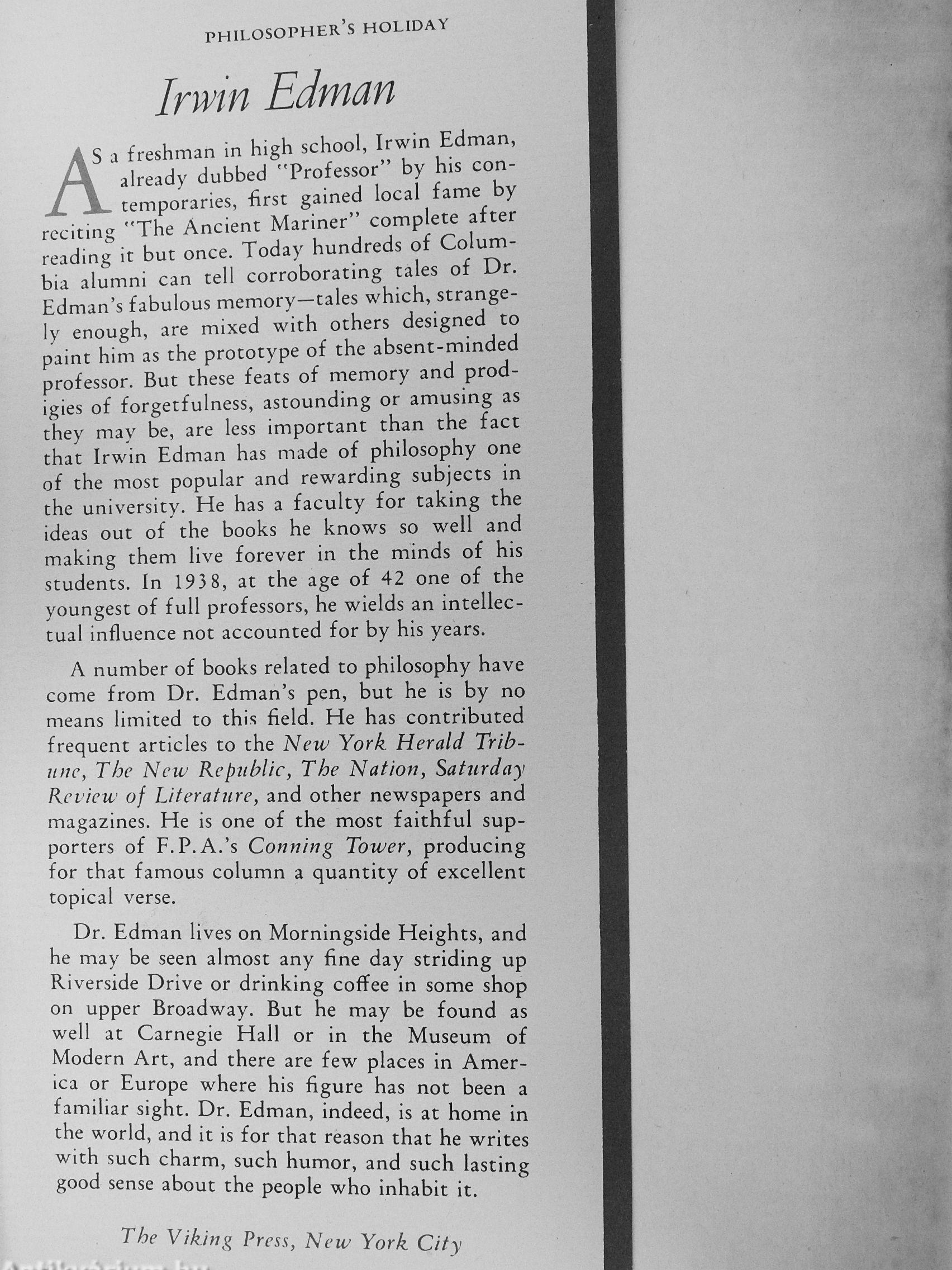
PHILOSOPHER S HOLIDAY
Irwtn Edman
AS a freshman in high school, Irwin Edman, f\ already dubbed "Professor" by his con-X JL temporaries, first gained local fame by reciting "The Ancient Mariner" complete after reading it but once. Today hundreds of Columbia alumni can tell corroborating tales of Dr. Edman's fabulous memory—tales which, strangely enough, are mixed with others designed to paint him as the prototype of the absent-minded professor. But these feats of memory and prodigies of forgetfulness, astounding or amusing as they may be, are less important than the fact that Irwin Edman has made of philosophy one of the most popular and rewarding subjects in the university. He has a faculty for taking the ideas out of the books he knows so well and making them live forever in the minds of his students. In 193 8, at the age of 42 one of the youngest of full professors, he wields an intellectual influence not accounted for by his years.
A number of books related to philosophy... Tovább
Fülszöveg
PHILOSOPHER S HOLIDAY
Irwtn Edman
AS a freshman in high school, Irwin Edman, f\ already dubbed "Professor" by his con-X JL temporaries, first gained local fame by reciting "The Ancient Mariner" complete after reading it but once. Today hundreds of Columbia alumni can tell corroborating tales of Dr. Edman's fabulous memory—tales which, strangely enough, are mixed with others designed to paint him as the prototype of the absent-minded professor. But these feats of memory and prodigies of forgetfulness, astounding or amusing as they may be, are less important than the fact that Irwin Edman has made of philosophy one of the most popular and rewarding subjects in the university. He has a faculty for taking the ideas out of the books he knows so well and making them live forever in the minds of his students. In 193 8, at the age of 42 one of the youngest of full professors, he wields an intellectual influence not accounted for by his years.
A number of books related to philosophy have come from Dr. Edman's pen, but he is by no means limited to this field. He has contributed frequent articles to the New York Herald Tribune, The New Republic, The Nation, Saturday Review of Literature, and other newspapers and magazines. He is one of the most faithful supporters of F.P.A.'s Conning Tower, producing for that famous column a quantity of excellent topical verse.
Dr. Edman lives on Morningside Heights, and he may be seen almost any fine day striding up Riverside Drive or drinking coffee in some shop on upper Broadway. But he may be found as well at Carnegie Hall or in the Museum of Modern Art, and there are few places in America or Europe where his figure has not been a familiar sight. Dr. Edman, indeed, is at home in the world, and it is for that reason that he writes with such charm, such humor, and such lasting good sense about the people who inhabit it.
The Viking Press, New York City
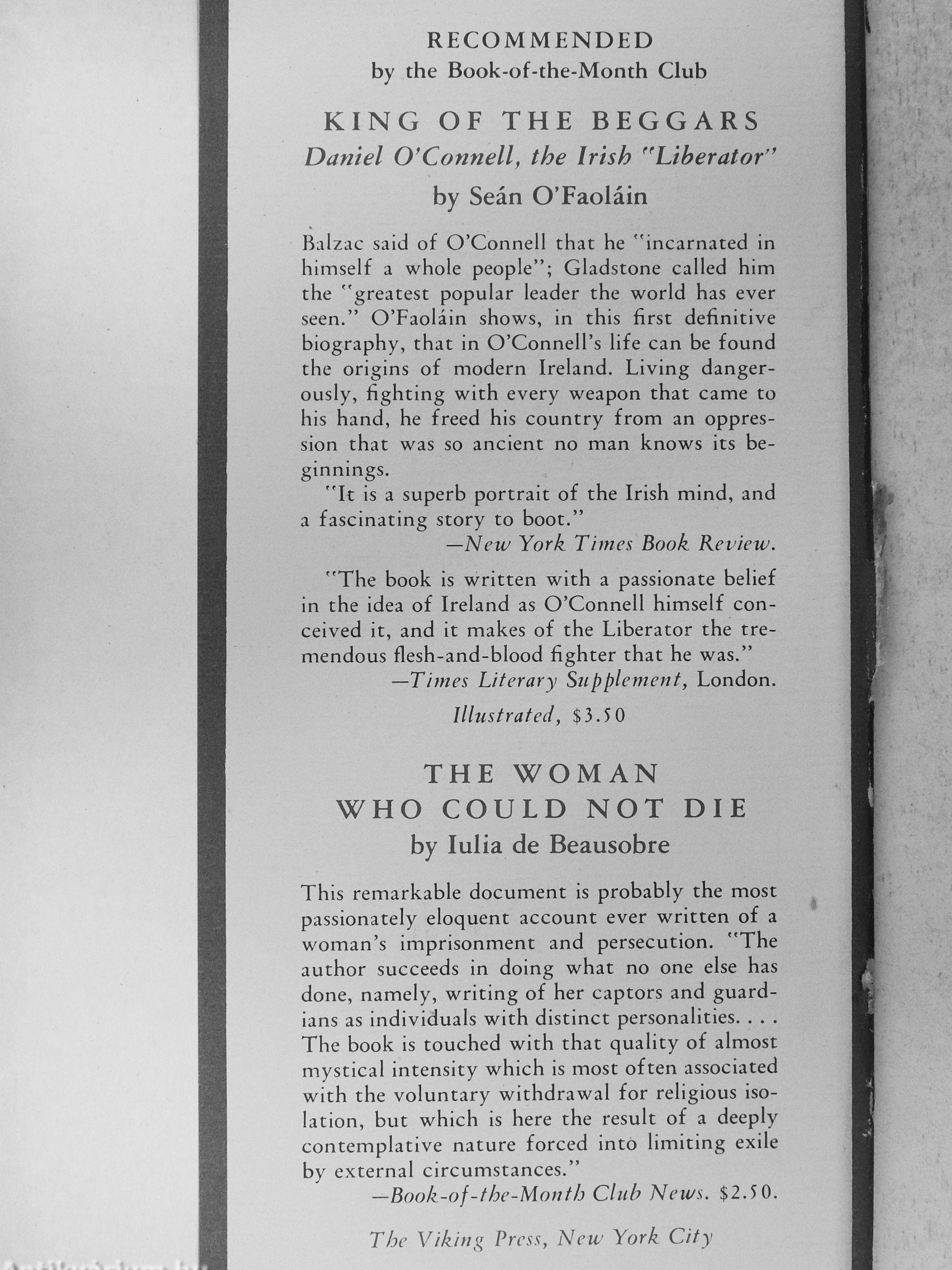
RECOMMENDED by the Book-of-the-Month Club
KING OF THE BEGGARS Daniel O'Connell, the Irish "Liberator" by Sean O'Faolain
Riilzac said of O'Connell that he "incarnated in himself a whole people"; Gladstone called him the "greatest popular leader the world has ever seen." O'Faolain shows, in this first definitive biography, that in O'Connell's life can be found the origins of modern Ireland. Living dangerously, fighting with every weapon that came to his hand, he freed his country from an oppression that was so ancient no man knows its beginnings.
"It is a superb portrait of the Irish mind, and a fascinating story to boot."
—New York Times Book Review.
"The book is written with a passionate belief in the idea of Ireland as O'Connell himself conceived it, and it makes of the Liberator the tremendous flesh-and-blood fighter that he was."
—Times Literary Supplement, London.
llltcstrated, $3.50
THE WOMAN WHO COULD NOT DIE by lulia de Beausobre
This remarkable document is probably the most passionately eloquent account ever written of a woman's imprisonment and persecution. "The author succeeds in doing what no one else has done, namely, writing of her captors and guardians as individuals with distinct personalities. . . . The book is touched with that quality of almost mystical intensity which is most often associated with the voluntary withdrawal for religious isolation, but which is here the result of a deeply contemplative nature forced into limiting exile by external circumstances."
-Book-of-fhe-Month Cliih Neu/s. $2.5 0.
The V/kins Press, New York City
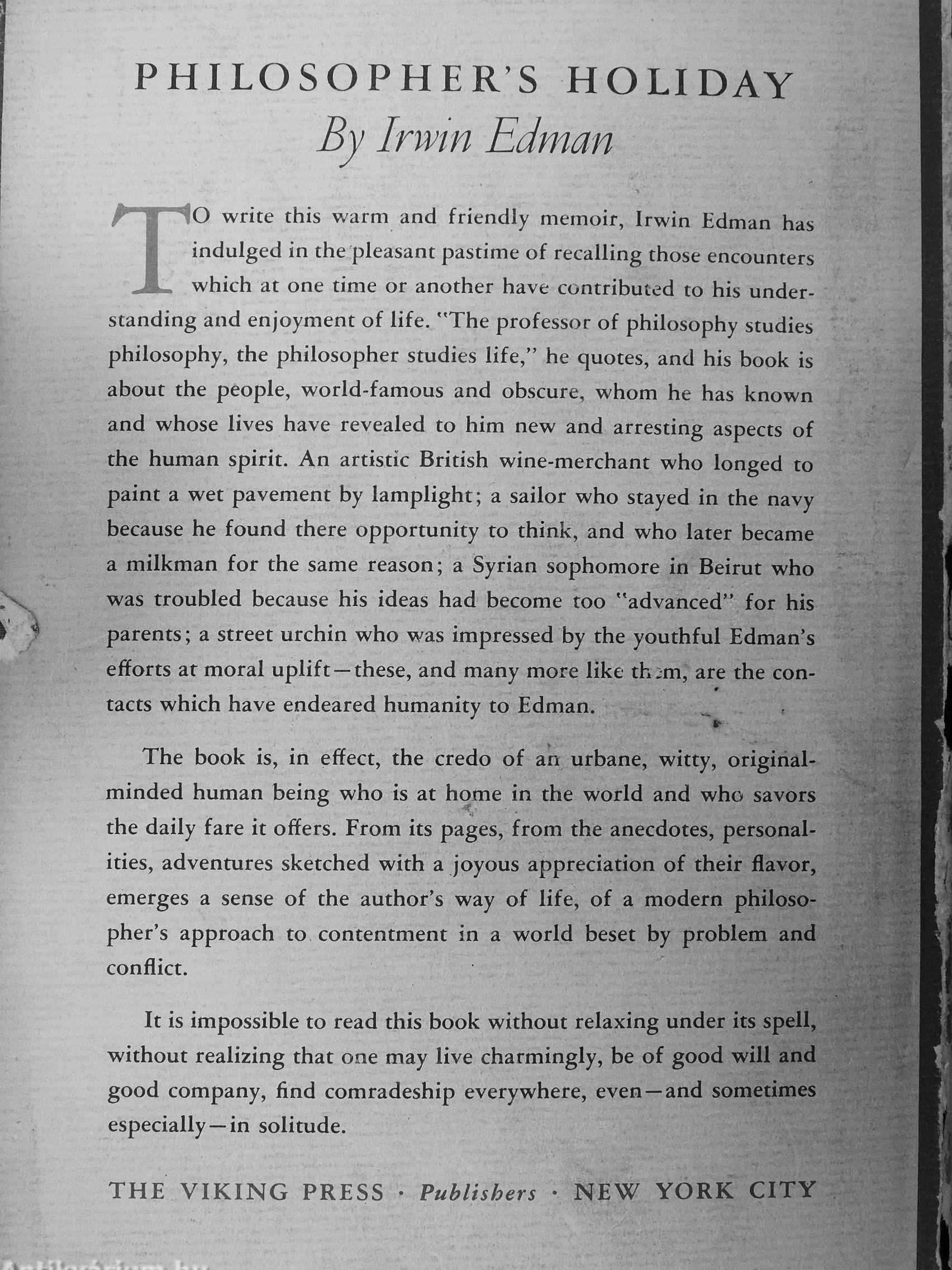
PHILOSOPHER'S HOLIDAY By Invin Edman
^ I 10 write this warm and friendly memoir, Irwin Edman has
I indulged in the pleasant pastime of recalling those encounters which at one time or another have contributed to his understanding and enjoyment of life. "The professor of philosophy studies philosophy, the philosopher studies life," he quotes, and his book is about the people, world-famous and obscure, whom he has known and whose lives have revealed to him new and arresting aspects of the human spirit. An artistic British wine-merchant who longed to paint a wet pavement by lamplight; a sailor who stayed in the navy because he found there opportunity to think, and who later became a milkman for the same reason; a Syrian sophomore in Beirut who was troubled because his ideas had become too "advanced" for his parents; a street urchin who was impressed by the youthful Edman's efforts ar moral uplift —these, and many more like th.m, are the contacts which have endeared humanity to Edman.
The book is, in effect, the credo of an urbane, witty, original-minded human being who is at home in the world and who savors the daily fare it offers. From its pages, from the anecdotes, personalities, adventures sketched with a joyous appreciation of their flavor, emerges a sense of the author's way of life, of a modern philosopher's approach to contentment in a world beset by problem and conflict.
It is impossible to read this book without relaxing under its spell, ^ without realizing that one may live charmingly, be of good will and ?^ j good company, find comradeship everywhere, even —and sometimes especially —in solitude.
THE VIKING PRESS • Publishers • NEW YORK CITY Vissza
Témakörök
- Idegennyelv > Idegennyelvű könyvek > Angol > Szépirodalom > Regény, novella, elbeszélés
- Szépirodalom > Regény, novella, elbeszélés > Az író származása szerint > Amerika > Amerikai Egyesült Államok
- Szépirodalom > Regény, novella, elbeszélés > Tartalom szerint > Filozófikus regények
- Filozófia > Témaköre szerint > Filozófiatörténet > Irányzatok
- Idegennyelv > Idegennyelvű könyvek > Angol > Filozófia > Témaköre szerint > Filozófiatörténet > Irányzatok
- Szépirodalom > Regény, novella, elbeszélés > Tartalom szerint > Életrajzi regények > Önéletrajzok, naplók, memoárok
Irwin Edman
Irwin Edman műveinek az Antikvarium.hu-n kapható vagy előjegyezhető listáját itt tekintheti meg: Irwin Edman könyvek, művekMegvásárolható példányok
Állapotfotók
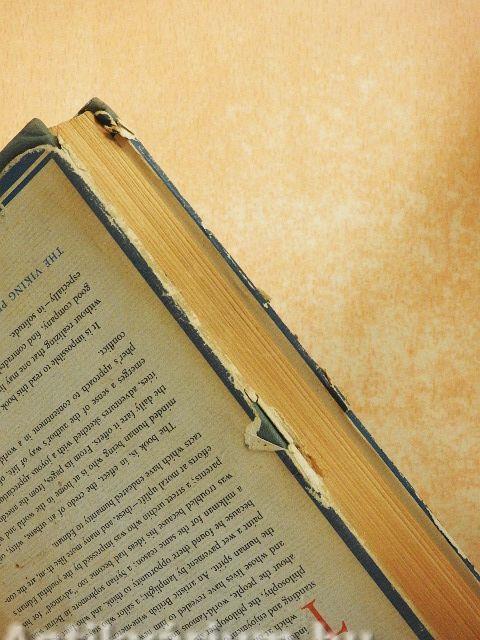
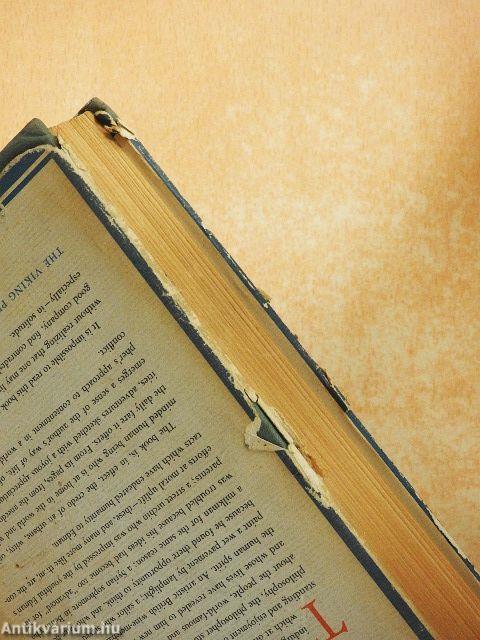
A védőborító sérült, hiányos.
A felső lapélek színezettek.
Állapot:
Jó
12.000 ,-Ft
60
pont kapható
Kosárba
 Folytatás Microsoft-tal