
1.145.955
kiadvánnyal nyújtjuk Magyarország legnagyobb antikvár könyv-kínálatát

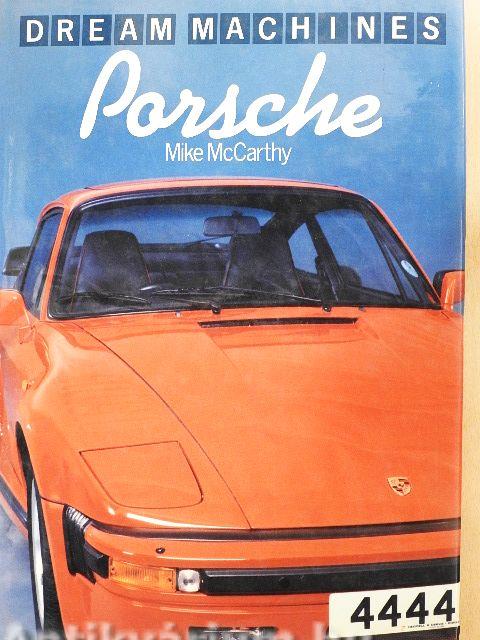
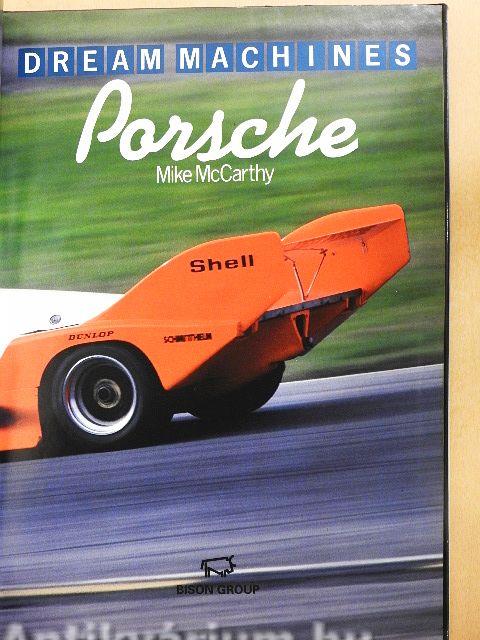
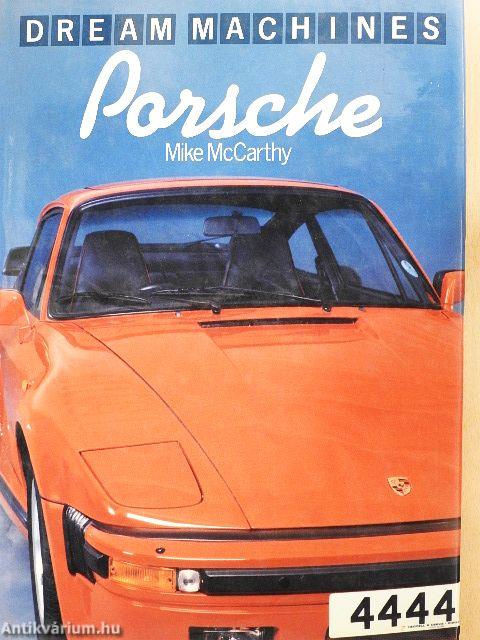
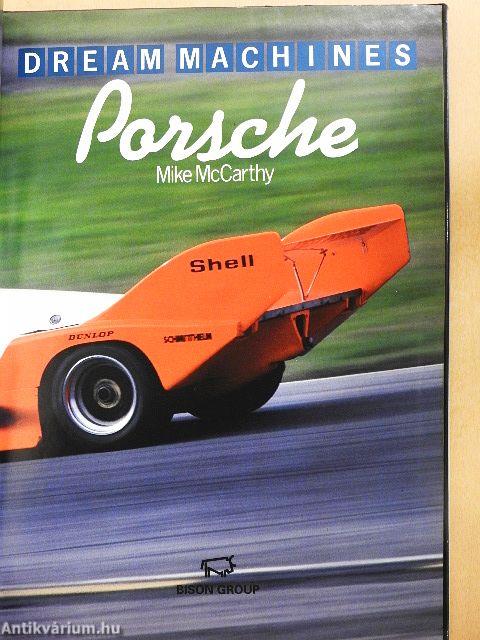
Porsche
London
| Kiadó: | Bison Books Ltd. |
|---|---|
| Kiadás helye: | London |
| Kiadás éve: | |
| Kötés típusa: | Varrott keménykötés |
| Oldalszám: | 128 oldal |
| Sorozatcím: | Dream Machines |
| Kötetszám: | |
| Nyelv: | Angol |
| Méret: | 36 cm x 27 cm |
| ISBN: | 0-86124-573-3 |
| Megjegyzés: | Színes és fekete-fehér fotókkal. |
Értesítőt kérek a kiadóról
Értesítőt kérek a sorozatról
A beállítást mentettük,
naponta értesítjük a beérkező friss
kiadványokról
naponta értesítjük a beérkező friss
kiadványokról
A beállítást mentettük,
naponta értesítjük a beérkező friss
kiadványokról
naponta értesítjük a beérkező friss
kiadványokról
Előszó
Tovább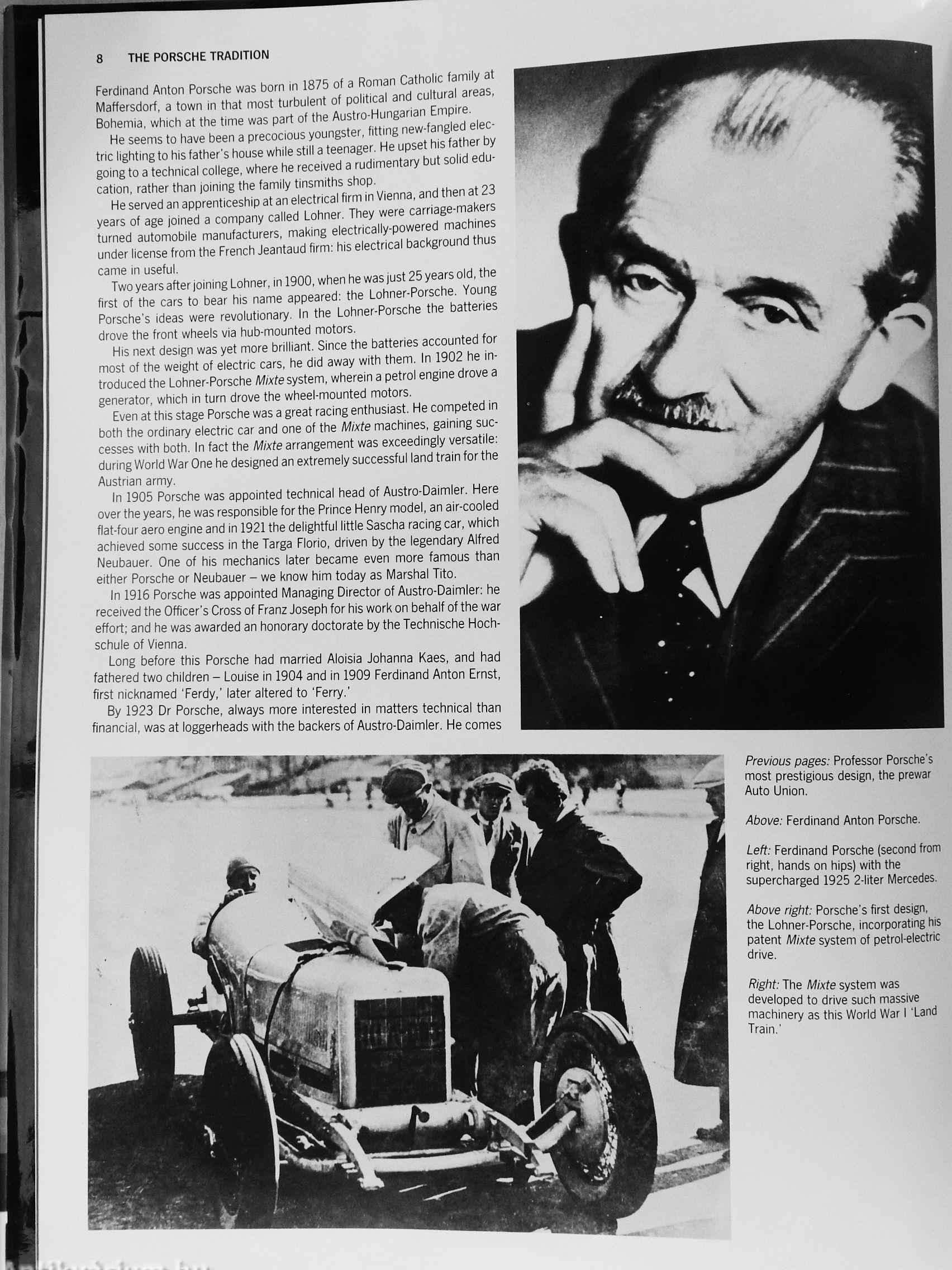
Fülszöveg
Ferdinand Anton Porsche was undoubtedly one of the most influential engineers of the twentieth century. From an early age he applied his exceptional skills in the improvement of automotive engineering: he was the man responsible for some of the finest motoring machines of the 1920s, 1930s, and 1940s, from the glamorous Mercedes-Benz SSs, SSKs, and SSKLs to the humble Volkswagen Beetle.
But it is the family of sports cars bearing his name that are legendary. For all that, the Porsche company had an inauspicious start in post-war Europe. Porsche was imprisoned by the French until 1947 and the first Porsche cars were conceived in a sawmill, and built from VW mechanical components. Although 'the Professor' died in 1957, Porsche remained a family concern for the next twenty years. His son and daughter, Ferry Porsche and Louise Piech, succeeded him and turned from pure design work to manufacturing; today the company is acknowledged as one of the greatest manufacturers of sports cars... Tovább
Fülszöveg
Ferdinand Anton Porsche was undoubtedly one of the most influential engineers of the twentieth century. From an early age he applied his exceptional skills in the improvement of automotive engineering: he was the man responsible for some of the finest motoring machines of the 1920s, 1930s, and 1940s, from the glamorous Mercedes-Benz SSs, SSKs, and SSKLs to the humble Volkswagen Beetle.
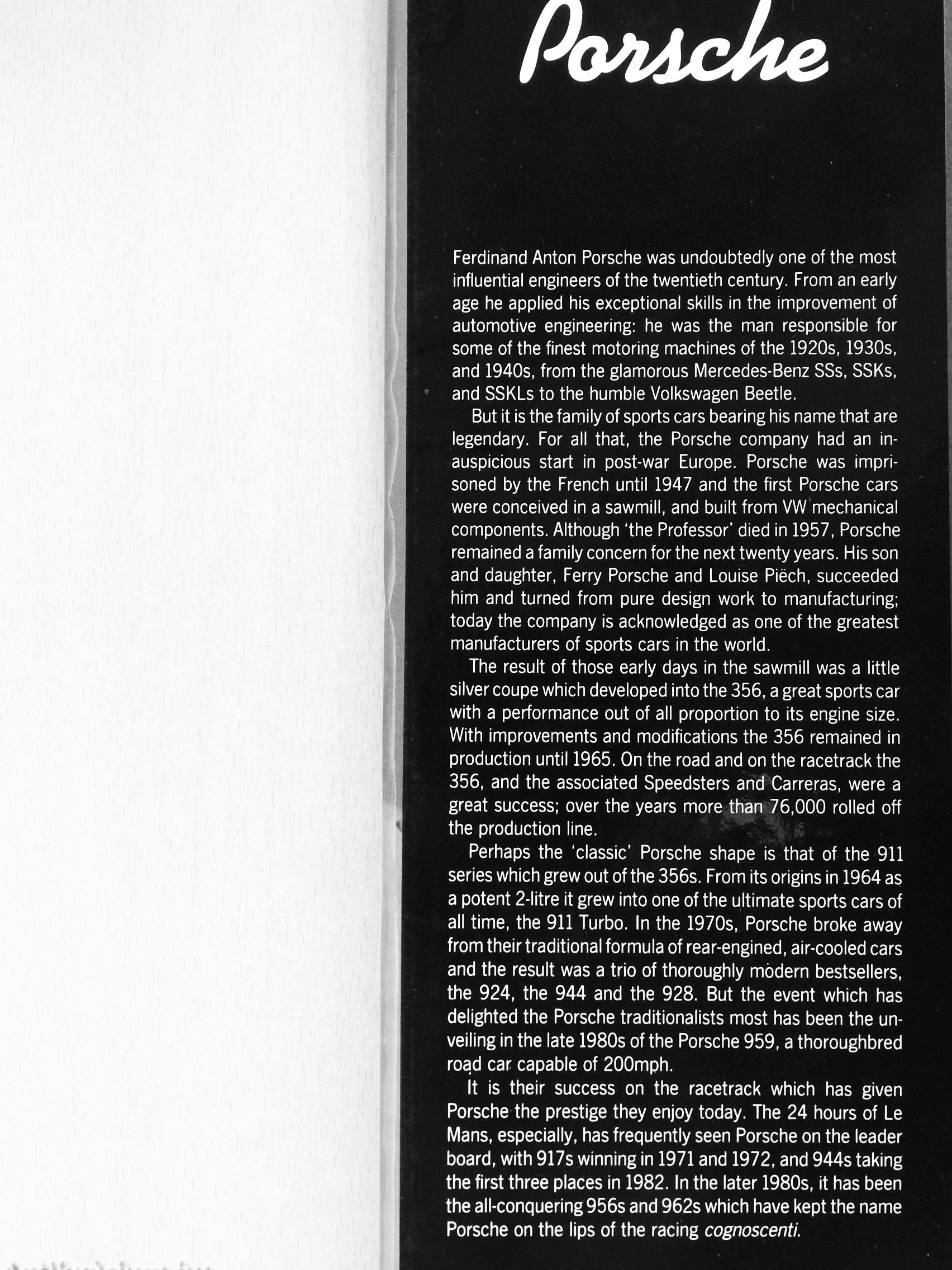
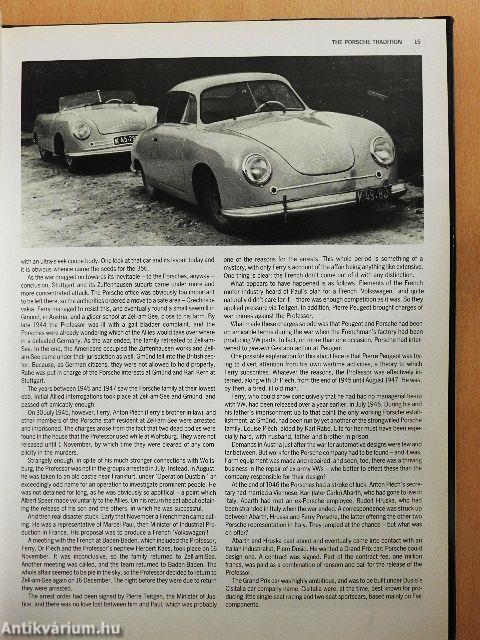
But it is the family of sports cars bearing his name that are legendary. For all that, the Porsche company had an inauspicious start in post-war Europe. Porsche was imprisoned by the French until 1947 and the first Porsche cars were conceived in a sawmill, and built from VW mechanical components. Although 'the Professor' died in 1957, Porsche remained a family concern for the next twenty years. His son and daughter, Ferry Porsche and Louise Piech, succeeded him and turned from pure design work to manufacturing; today the company is acknowledged as one of the greatest manufacturers of sports cars in the world.
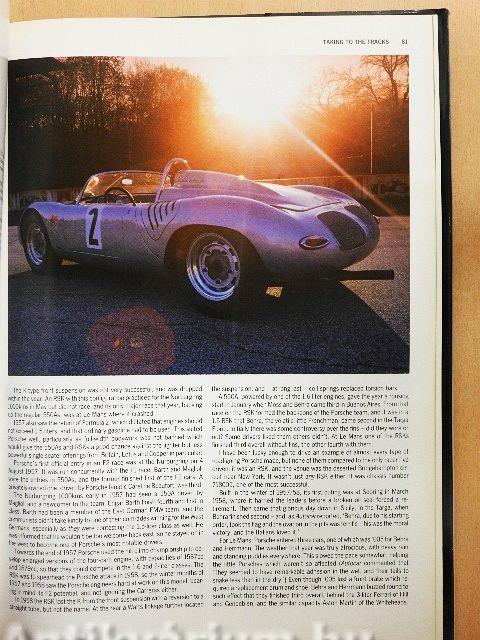
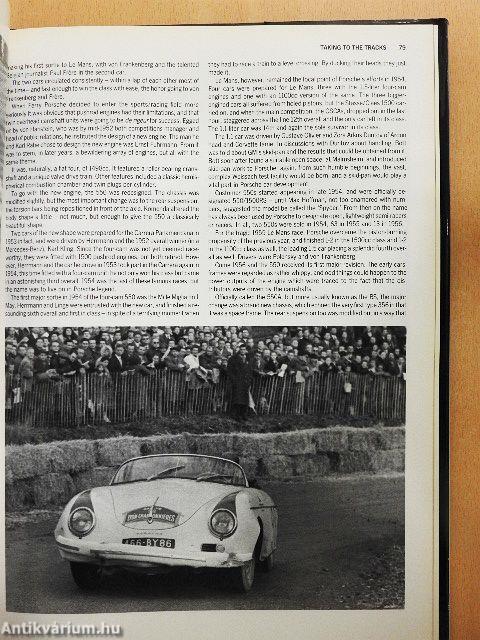
The result of those early days in the sawmill was a little silver coupe which developed into the 356, a great sports car with a performance out of all proportion to its engine size. With improvements and modifications the 356 remained in production until 1965. On the road and on the racetrack the 356, and the associated Speedsters and Carreras, were a great success; over the years more than 76,000 rolled off the production line.
Perhaps the 'classic' Porsche shape is that of the 911 series which grew out of the 356s. From its origins in 1964 as a potent 2-litre it grew into one of the ultimate sports cars of all time, the 911 Turbo. In the 1970s, Porsche broke away from their traditional formula of rear-engined, air-cooled cars and the result was a trio of thoroughly modern bestsellers, the 924, the 944 and the 928. But the event which has delighted the Porsche traditionalists most has been the unveiling in the late 1980s of the Porsche 959, a thoroughbred road car capable of 200mph.
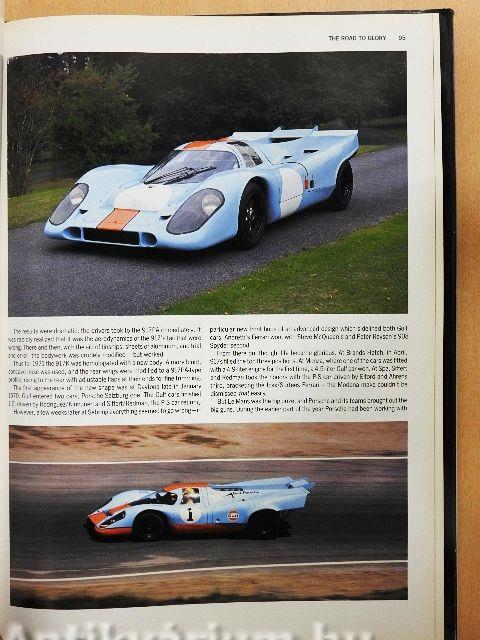
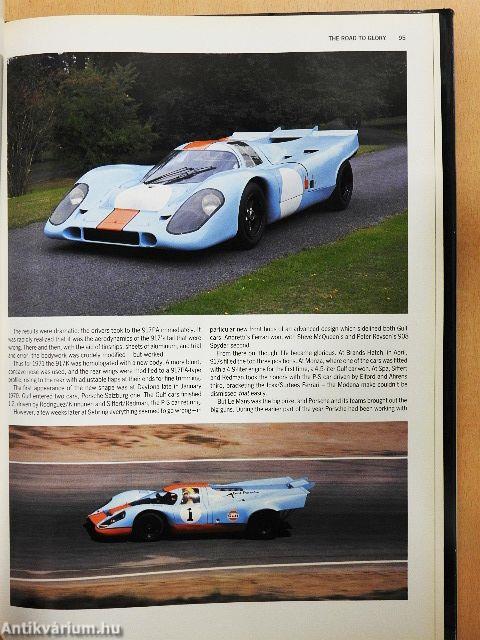
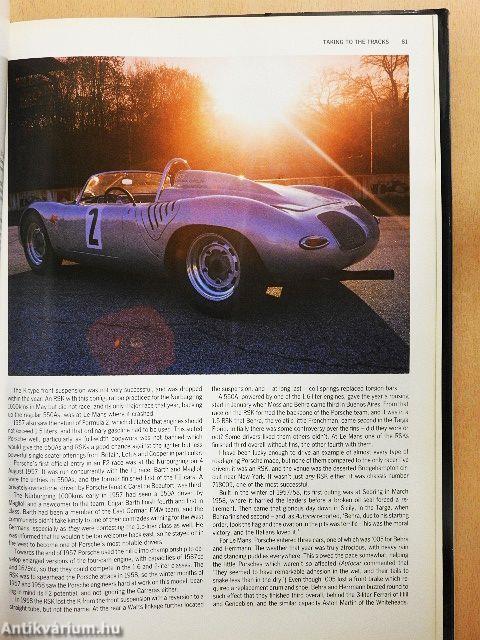
It is their success on the racetrack which has given Porsche the prestige they enjoy today. The 24 hours of Le Mans, especially, has frequently seen Porsche on the leader board, with 917s winning in 1971 and 1972, and 944s taking the first three places in 1982. In the later 1980s, it has been the all-conquering 956s and 962s which have kept the name Porsche on the lips of the racing cognoscenti.
dreammachines
Po^Uche^
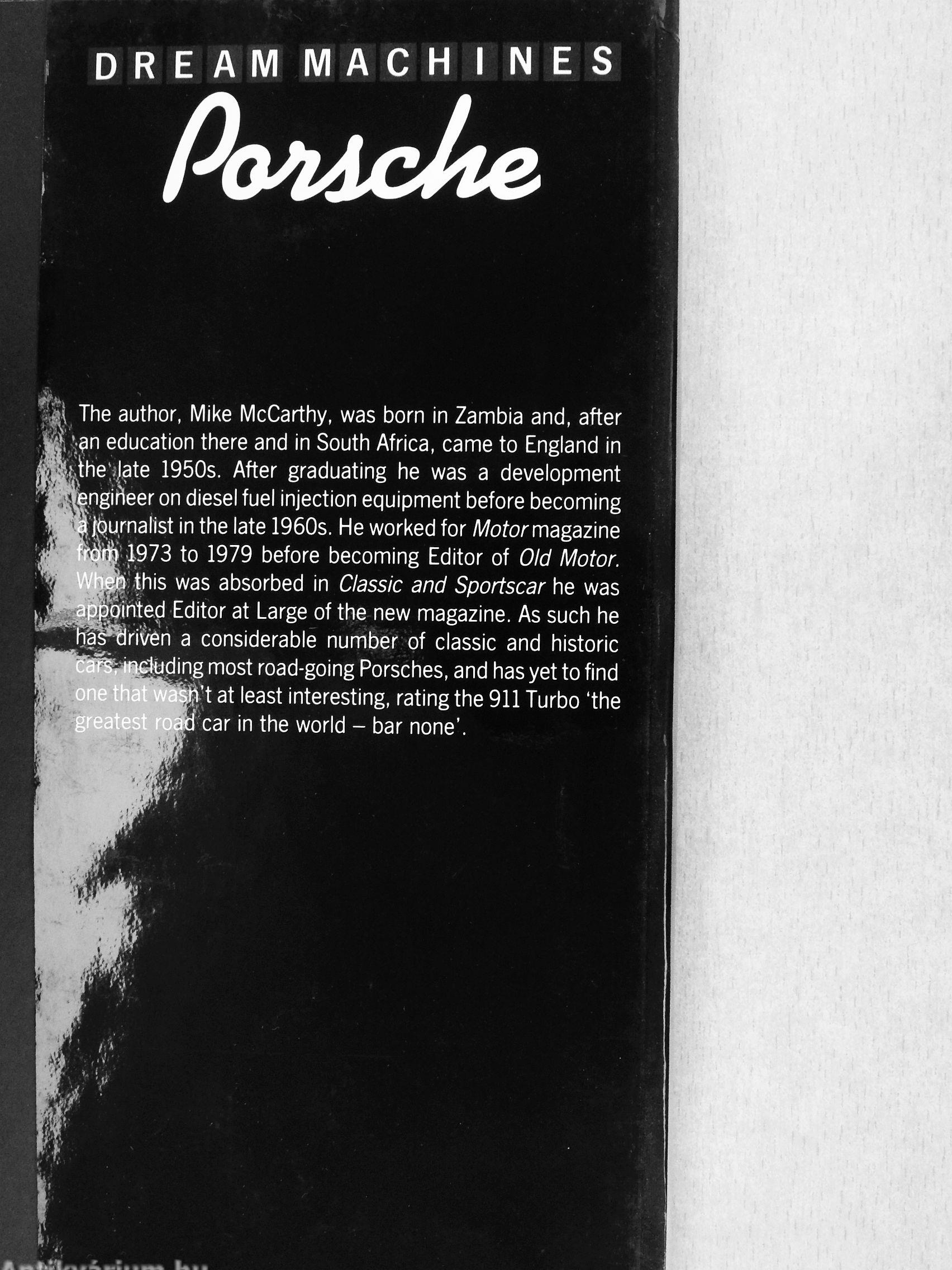
The author, Mike McCarthy, was born in Zambia and, after M '•^n education there and in South Africa, came to England in i^ithe'jlate 1950s. After graduating he was a development ^Hfengiheer on diesel fuel injection equipment before becoming l|M |G!u,rnal1st in the late 1960s. He worked for Motor magazine jHMjfi 1973 to 1979 before becoming Editor of Old Motor. '^^Hpl this was absorbed in Classic and Sportscar he was Editor at Large of the new magazine. As such he a considerable number of classic and historic jllllllllll^^ most road-going Porsches, and has yet to find n^^^HjUlP't at least interesting, rating the 911 Turbo 'the ^^^^^^Ha car In the world - bar none'. Vissza
Témakörök
- Idegennyelv > Idegennyelvű könyvek > Angol > Műszaki
- Idegennyelv > Idegennyelvű könyvek > Angol > Művelődéstörténet
- Idegennyelv > Idegennyelvű könyvek > Angol > Sport > Technikai sportok
- Művelődéstörténet > Technikatörténet > Közlekedés
- Műszaki > Technika > Technikatörténet
- Műszaki > Közlekedés > Közúti > Autó
- Sport > Sporttörténet > Egyéb
- Sport > Technikai sportok > Autó-motor > Egyéb
- Műszaki > Idegennyelv > Angol
- Műszaki > Közlekedés
- Műszaki
Mike McCarthy
Mike McCarthy műveinek az Antikvarium.hu-n kapható vagy előjegyezhető listáját itt tekintheti meg: Mike McCarthy könyvek, művekMegvásárolható példányok
Nincs megvásárolható példány
A könyv összes megrendelhető példánya elfogyott. Ha kívánja, előjegyezheti a könyvet, és amint a könyv egy újabb példánya elérhető lesz, értesítjük.
 Folytatás Microsoft-tal