
1.149.675
kiadvánnyal nyújtjuk Magyarország legnagyobb antikvár könyv-kínálatát

Public Relations
New York
| Kiadó: | The Museum of Modern Art |
|---|---|
| Kiadás helye: | New York |
| Kiadás éve: | |
| Kötés típusa: | Ragasztott papírkötés |
| Oldalszám: | 110 oldal |
| Sorozatcím: | |
| Kötetszám: | |
| Nyelv: | Angol |
| Méret: | 22 cm x 28 cm |
| ISBN: | 0-87070-543-1 |
| Megjegyzés: | Fekete-fehér fotókkal. |
Értesítőt kérek a kiadóról
A beállítást mentettük,
naponta értesítjük a beérkező friss
kiadványokról
naponta értesítjük a beérkező friss
kiadványokról
A beállítást mentettük,
naponta értesítjük a beérkező friss
kiadványokról
naponta értesítjük a beérkező friss
kiadványokról
Előszó
Tovább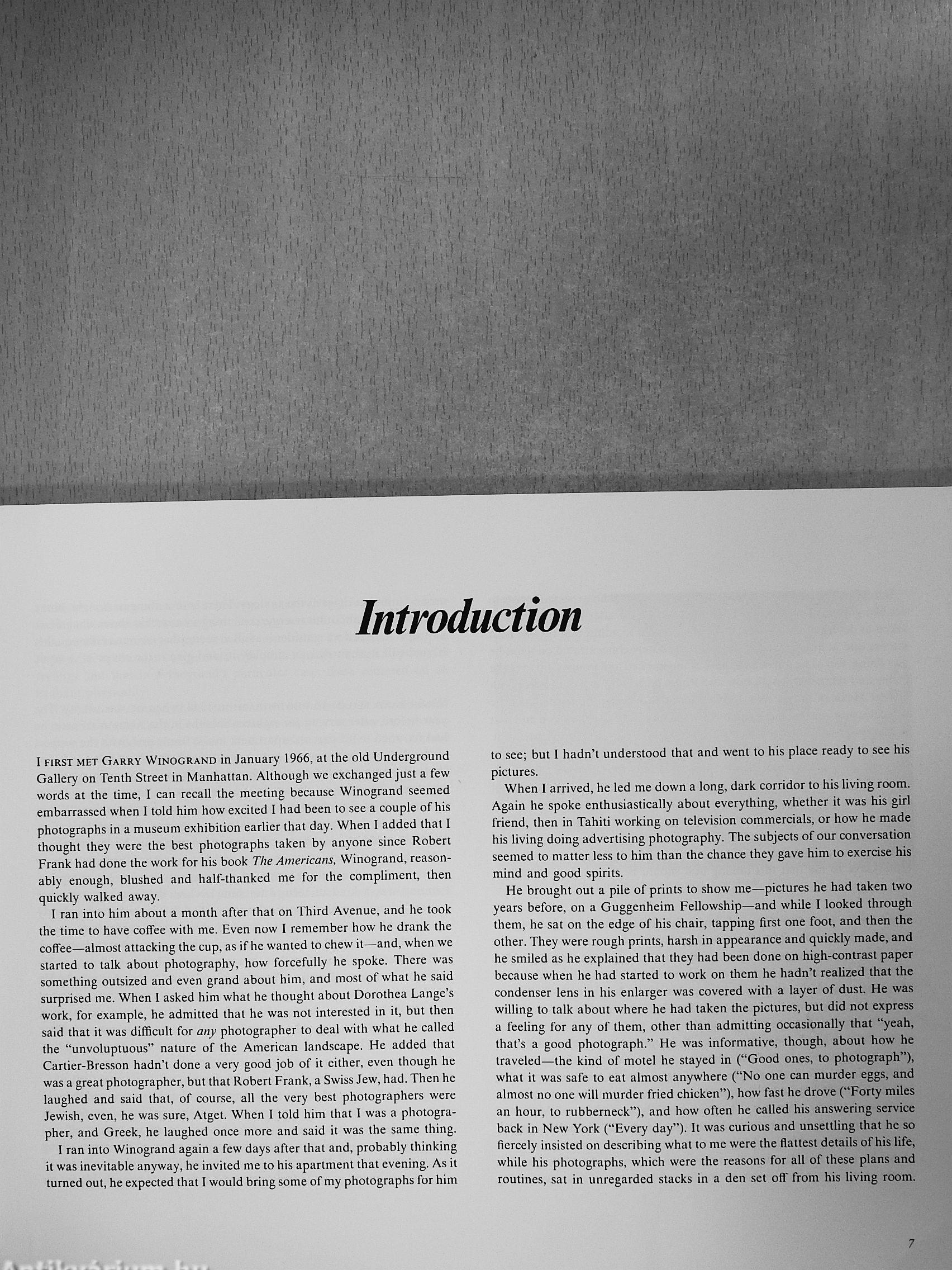
Fülszöveg
1' ' i" . 'i'l'Ji, '
/; , ¦!; ^'ii i i !!vy
Garry Winogrand
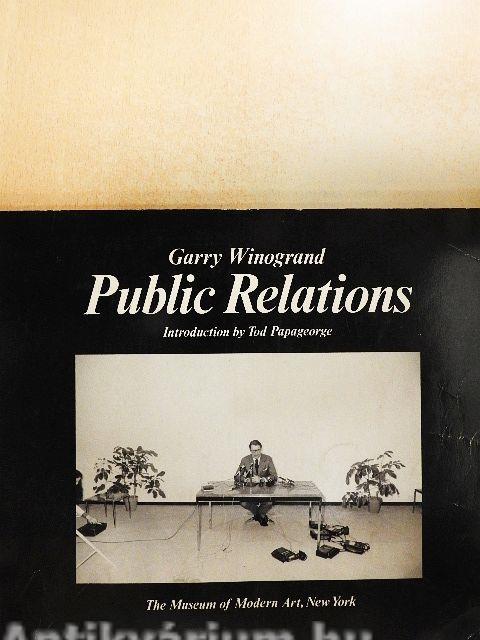
Public Relations
Introduction by Tod Papageorge
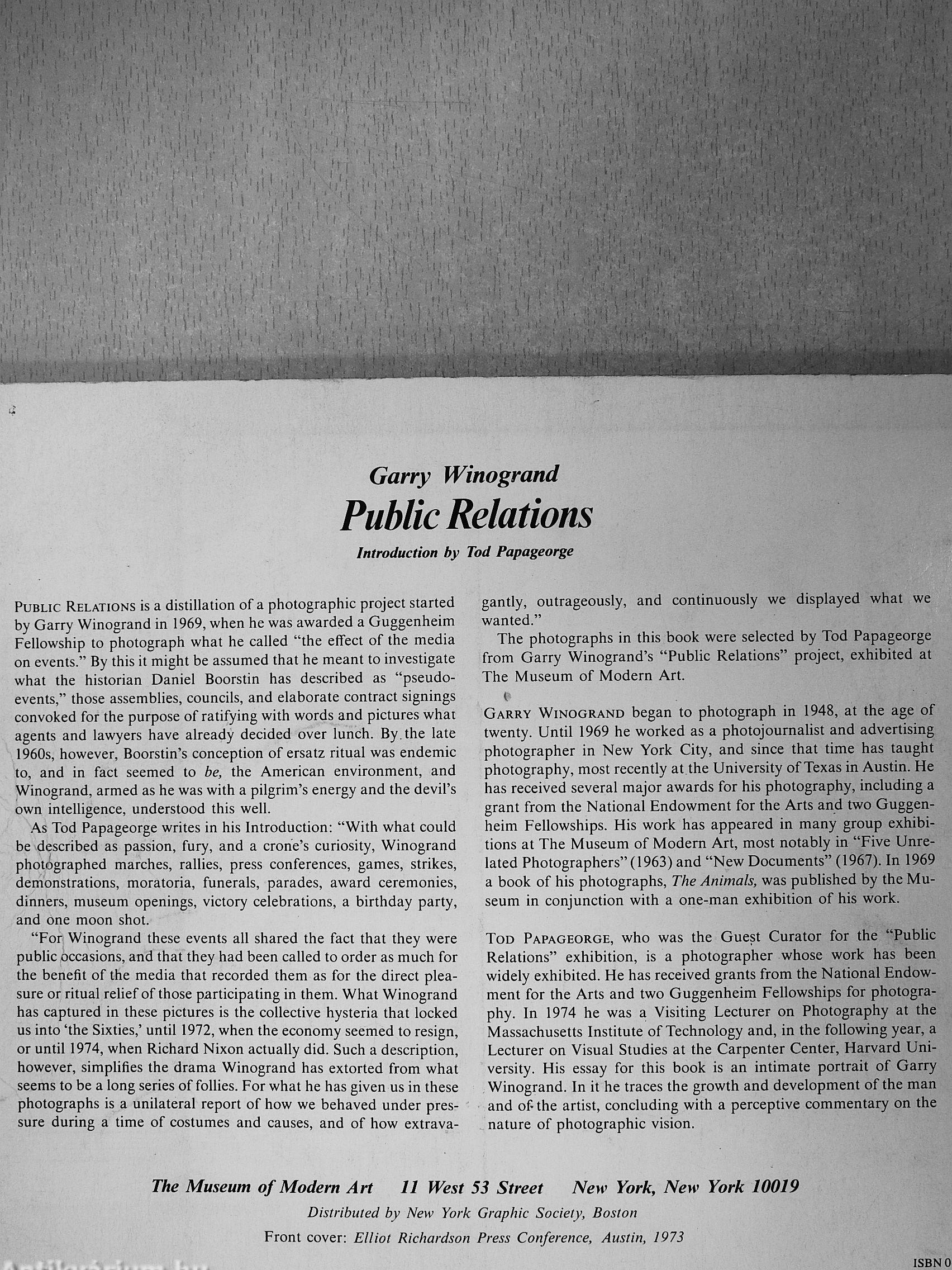
Public Relations is a distillation of a photographic project started by Garry Winogrand in 1969, when he was awarded a Guggenheim Fellowship to photograph what he called "the effect of the media on events." By this it might be assumed that he meant to investigate what the historian Daniel Boorstin has described as "pseudo-events," those assemblies, councils, and elaborate contract signings convoked for the purpose of ratifying with words and pictures what agents and lawyers have already decided over lunch. By, the late 1960s, however, Boorstin's conception of ersatz ritual was endemic lo, and in fact seemed to be, the American environment, and Winogrand, armed as he was with a pilgrim's energy and the devil's own intelligence, understood this well.
Tod Papageorge writes in his Introduction: "With what could be described as passion, fury, and a crone's... Tovább
Fülszöveg
1' ' i" . 'i'l'Ji, '
/; , ¦!; ^'ii i i !!vy
Garry Winogrand
Public Relations
Introduction by Tod Papageorge
Public Relations is a distillation of a photographic project started by Garry Winogrand in 1969, when he was awarded a Guggenheim Fellowship to photograph what he called "the effect of the media on events." By this it might be assumed that he meant to investigate what the historian Daniel Boorstin has described as "pseudo-events," those assemblies, councils, and elaborate contract signings convoked for the purpose of ratifying with words and pictures what agents and lawyers have already decided over lunch. By, the late 1960s, however, Boorstin's conception of ersatz ritual was endemic lo, and in fact seemed to be, the American environment, and Winogrand, armed as he was with a pilgrim's energy and the devil's own intelligence, understood this well.
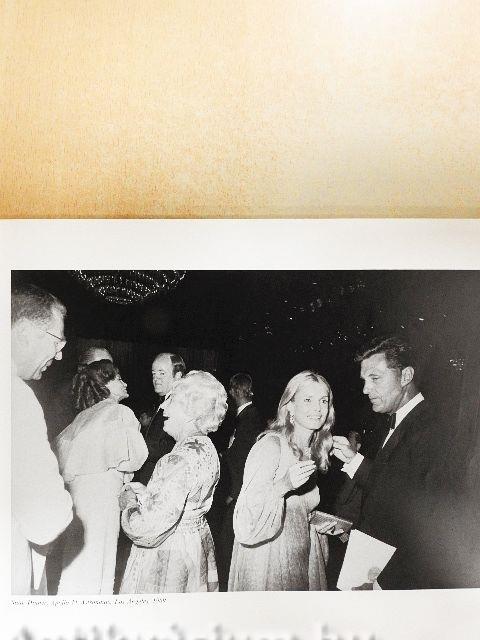
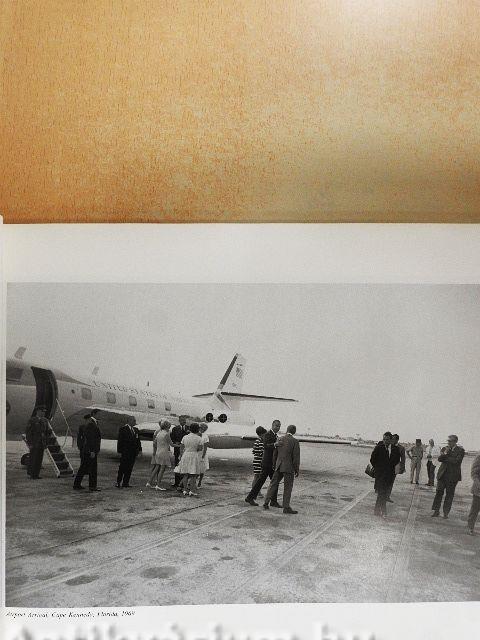
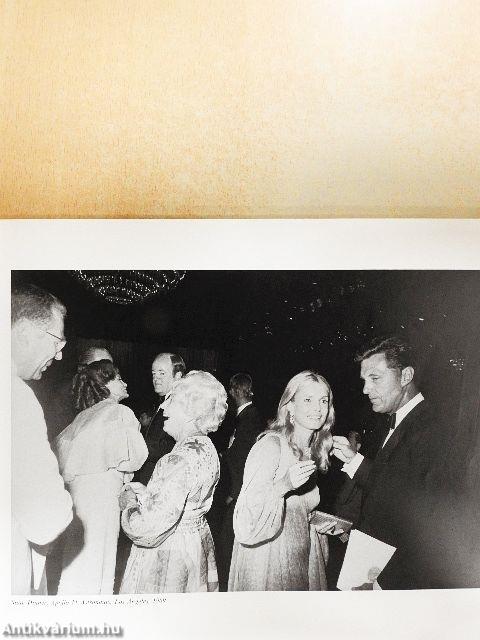
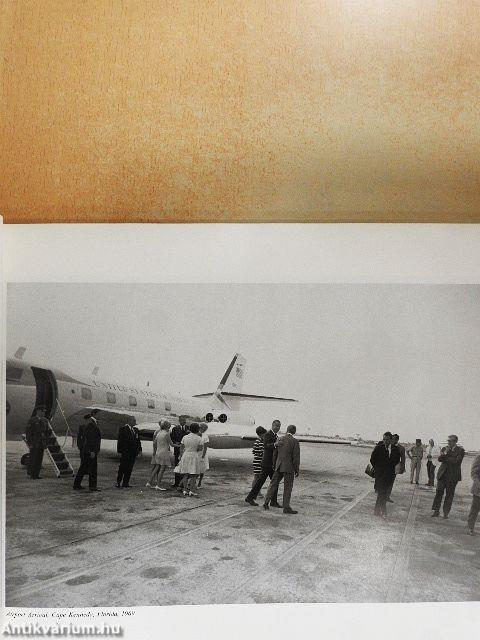
Tod Papageorge writes in his Introduction: "With what could be described as passion, fury, and a crone's curiosity, Winogrand photographed marches, rallies, press conferences, games, strikes, demonstrations, moratoria, funerals, parades, award ceremonies, dinners, museum openings, victory celebrations, a birthday party, and one moon shot.
"For Winogrand these events all shared the fact that they were public occasions, and that they had been called to order as much for the benefit of the media that recorded them as for the direct pleasure or ritual relief of those participating in them. What Winogrand has captured in these pictures is the collective hysteria that locked us into 'the Sixties,' until 1972, when the economy seemed to resign, or until 1974, when Richard Nixon actually did. Such a description, however, simplifies the drama Winogrand has extorted from what seems to be a long series of follies. For what he has given us in these photographs is a unilateral report of how we behaved under pressure during a time of costumes and causes, and of how extrava-
gantly, outrageously, and continuously we displayed what we wanted."
The photographs in this book were selected by Tod Papageorge from Garry Winogrand's "Public Relations" project, exhibited at The Museum of Modern Art. (•
Garry Winogrand began to photograph in 1948, at the age of twenty. Until 1969 he worked as a photojournalist and advertising photographer in New York City, and since that time has taught photography, most recently at the University of Texas in Austin. He has received several major awards for his photography, including a grant from the National Endowment for the Arts and two Guggenheim Fellowships. His work has appeared in many group exhibitions at The Museum of Modern Art, most notably in "Five Unrelated Photographers" (1963) and "New Documents" (1967). In 1969 a book of his photographs, Tite Animals, was published by the Museum in conjunction with a one-man exhibition of his work.
Tod Papageorge, who was the Guest Curator for the "Public Relations" exhibition, is a photographer whose work has been widely exhibited. He has received grants from the National Endowment for the Arts and two Guggenheim Fellowships for photography. In 1974 he was a Visiting Lecturer on Photography at the Massachusetts Institute of Technology and, in the following year, a Lecturer on Visual Studies at the Carpenter Center, Harvard University. His essay for this book is an intimate portrait of Garry Winogrand. In it he traces the growth and development of the man and of the artist, concluding with a perceptive commentary on the nature of photographic vision.
The Museum of Modem Art 11 West 53 Street New York, New York 10019
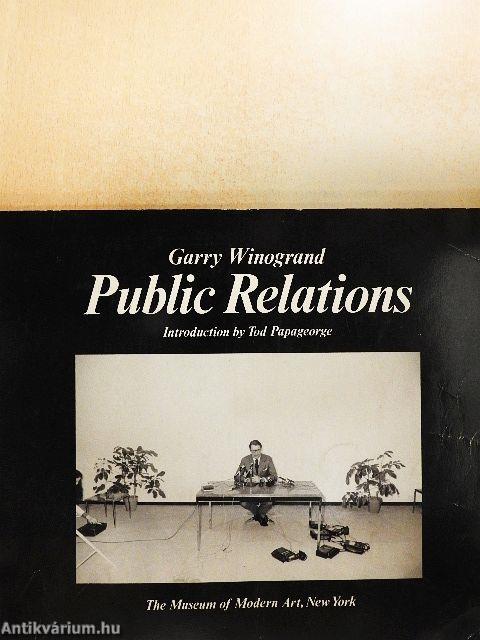
Distributed by New York Graphic Society, Boston Front cover: EHiot Richardson Press Conference, Austin, 1973 Vissza
Témakörök
- Közgazdaságtan > Menedzserképzés, marketing
- Idegennyelv > Idegennyelvű könyvek > Angol > Művészetek > Fotóművészet
- Idegennyelv > Idegennyelvű könyvek > Angol > Közgazdaságtan > Menedzserképzés, marketing
- Művészetek > Fotóművészet > Albumok > Külföldi
- Művészetek > Fotóművészet > Albumok > Tematikus
- Művészetek > Fotóművészet > Idegen nyelv > Angol
- Művészetek > Fotóművészet > Témái > Fotódokumentumok
Megvásárolható példányok
Állapotfotók
Átlagos állapotú példány.
Állapot:
Jó
16.000 ,-Ft
80
pont kapható
Kosárba
 Folytatás Microsoft-tal