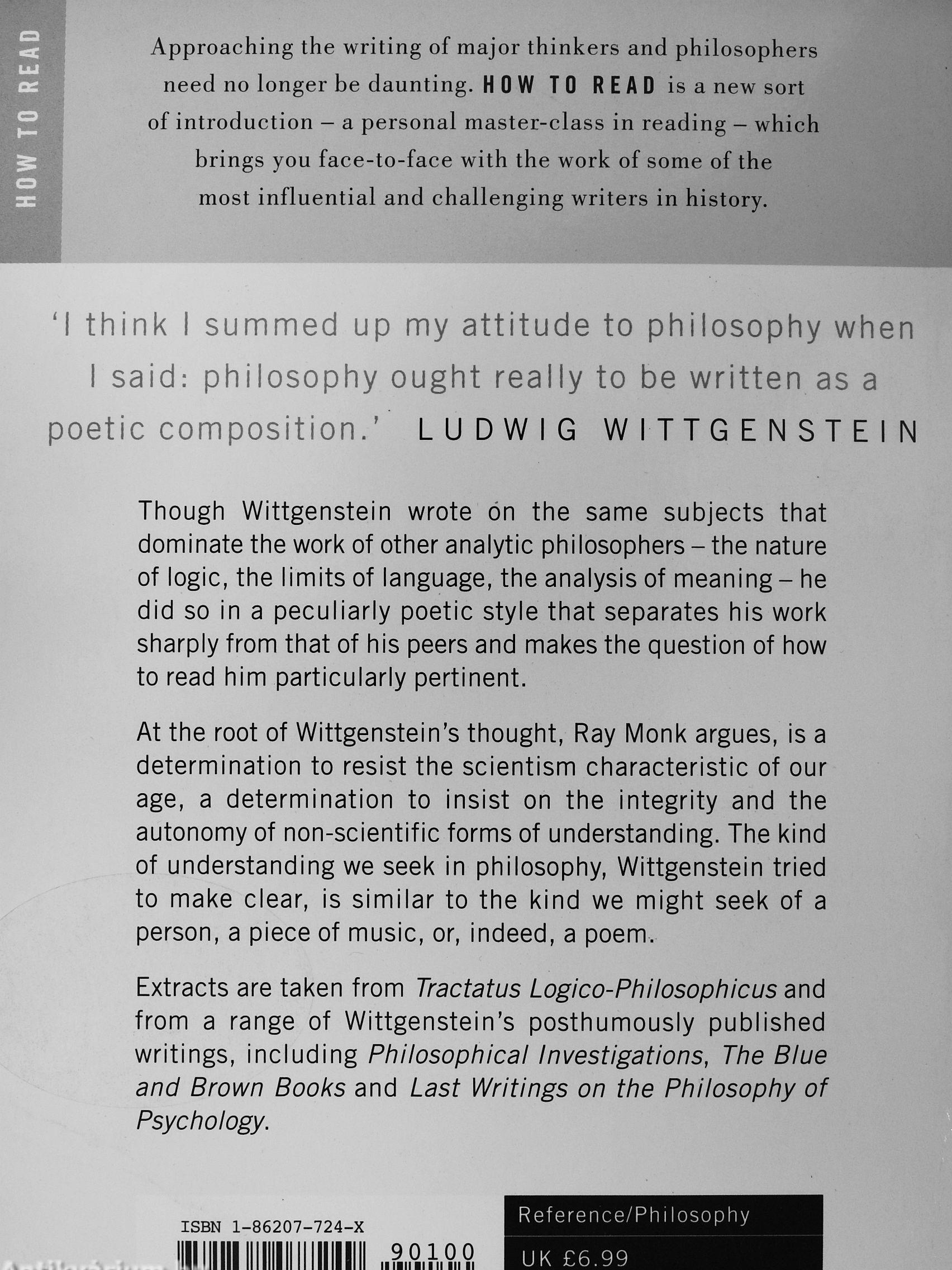
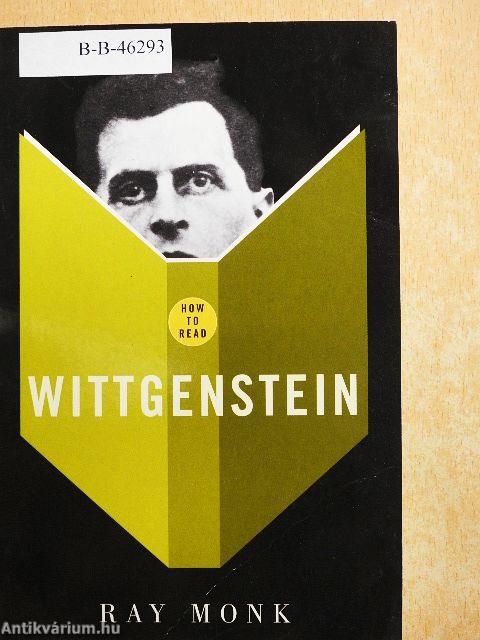
^ Approaching the writing of major thinkers and philosophers need no longer be daunting. HOW TO READ is a new sort of introduction - a personal master-class in reading - which brings you face-to-face with the work of some of the most influential and challenging writers in history.
'I think I summed up my attitude to philosophy when
I said: philosophy ought really to be written as a poetic composition.' LUDWIG WITTGENSTEIN
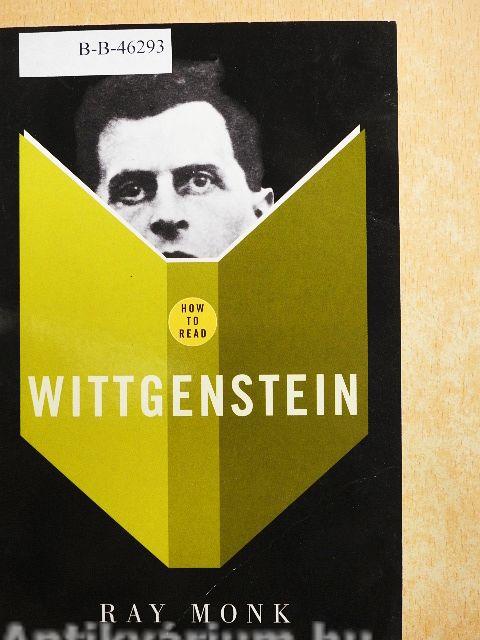
Though Wittgenstein wrote on the same subjects that dominate the work of other analytic philosophers - the nature of logic, the limits of language, the analysis of meaning - he did so in a peculiarly poetic style that separates his work sharply from that of his peers and makes the question of how to read him particularly pertinent.
At the root of Wittgenstein's thought, Ray Monk argues, is a determination to resist the scientism characteristic of our age, a determination to insist on the integrity and the autonomy of non-scientific forms of understanding. The...
Tovább
Fülszöveg
^ Approaching the writing of major thinkers and philosophers need no longer be daunting. HOW TO READ is a new sort of introduction - a personal master-class in reading - which brings you face-to-face with the work of some of the most influential and challenging writers in history.
'I think I summed up my attitude to philosophy when
I said: philosophy ought really to be written as a poetic composition.' LUDWIG WITTGENSTEIN
Though Wittgenstein wrote on the same subjects that dominate the work of other analytic philosophers - the nature of logic, the limits of language, the analysis of meaning - he did so in a peculiarly poetic style that separates his work sharply from that of his peers and makes the question of how to read him particularly pertinent.
At the root of Wittgenstein's thought, Ray Monk argues, is a determination to resist the scientism characteristic of our age, a determination to insist on the integrity and the autonomy of non-scientific forms of understanding. The kind of understanding we seek in philosophy, Wittgenstein tried to make clear, is similar to the kind we might seek of a person, a piece of music, or, indeed, a poem.
Extracts are taken from Tractatus Logico-Philosophicus and from a range of Wittgenstein's posthumously published writings, including Philosophical Investigations, The Blue and Brown Books and Last Writings on the Philosophy of Psychology.
ISBN 1-86207-724-X
90100
iiiiiriiiii III 11
Reference/Philosophy
Vissza
Google, Facebook, Apple, Microsoft fiókkal való belépés/regisztráció eseténautomatikusan elfogadja az Általános Szerződési Feltételeket.
Elfelejtett jelszó
Kérjük, adja meg azonosítóját, és a hozzá tartozó email címet, hogy jelszavát elküldhessük Önnek!
A *-gal jelölt mezők kitöltése kötelező!
Azonosító név/E-mail cím* Azonosító és e-mail cím megegyező
E-mail cím*
(2009 március óta a regisztrált ügyfelek azonosító neve megegyezik az email címmel)
Ha az azonosítóját sem tudja megadni, kérjük, hívja az ügyfélszolgálati vonalat:
+36-62-452-833
1
2
3
Regisztráció
Regisztráció
Regisztrációja sikeresen megtörtént.
Megadott e-mail címére megerősítő e-mailt küldtünk. Ahhoz, hogy a regisztrációja véglegesedjen, és le tudja adni rendeléseit, kérjük, kattintson a levélben található linkre. A megerősítő link a kiküldéstől számított 48 óráig érvényes, ezután a regisztrációs adatok törlésre kerülnek.
Kérjük, jelölje meg az érdeklődési körébe tartozó témaköröket!
Regisztráció
Az ön által megjelölt témakörök:
Temakor_1
Beállíthatja, hogy emailben értesítőt kapjon az újonnan beérkezett példányokról a bejelölt témaköröknek megfelelően.
Beállított értesítőit belépés után bármikor módosíthatja az Értesítő menüpont alatt:
létrehozhat új témaköri értesítőt
inaktiválhatja értesítőjét, ha éppen nem kíván a megadott témában értesítőt kapni
törölheti véglegesen az adott értesítőjét
szerkesztheti jelenlegi értesítőjét, ha még részletesebben szeretné megadni mi érdekli.
Az Ön választása alapján naponta vagy 3 naponta kap tőlünk emailt a beállított értesítőjéről.



 Folytatás Microsoft-tal