Fülszöveg
FROM ONE OF OUR LEADING HISTORIANS AND
THINKERS, INCISIVE OBSERVATIONS ON A CENTURY WHOSE EXPERIENCE AND LESSONS
WE ARE ALREADY FORGETTING AT OUR PERIL
As Tony Judt argues persuasively in Reappraisals, we have entered an "age of forgetting." Today's world is so utterly unlike the world of just twenty years ago that we have set aside our immediate past even before we could make sense of it. We Hterally don't know where we came from, and the results of this burgeoning ignorance are proving calamitous, with the clear prospect of worse to come. We have lost touch with three generations of international policy debate, social thought, and public-spirited social activism. We no longer know how to discuss such vital issues of public poHcy and we have forgotten the role once played by intellectuals in debating, transmitting, and defending the ideas that shaped their time. In Reappraisals, Tony }udt resurrects key aspects of the world we have lost and reminds us how important they still...
Tovább
Fülszöveg
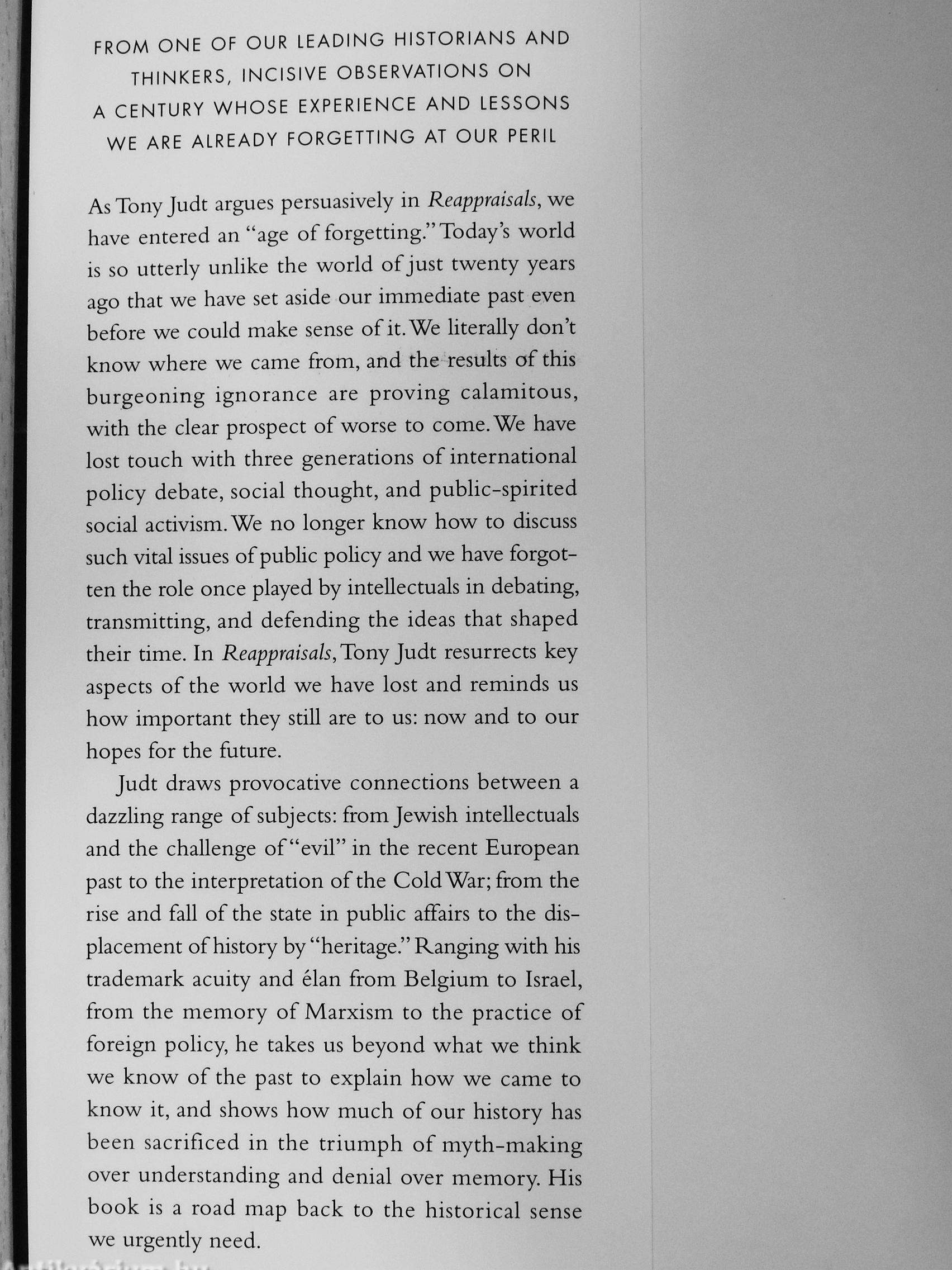
FROM ONE OF OUR LEADING HISTORIANS AND
THINKERS, INCISIVE OBSERVATIONS ON A CENTURY WHOSE EXPERIENCE AND LESSONS
WE ARE ALREADY FORGETTING AT OUR PERIL
As Tony Judt argues persuasively in Reappraisals, we have entered an "age of forgetting." Today's world is so utterly unlike the world of just twenty years ago that we have set aside our immediate past even before we could make sense of it. We Hterally don't know where we came from, and the results of this burgeoning ignorance are proving calamitous, with the clear prospect of worse to come. We have lost touch with three generations of international policy debate, social thought, and public-spirited social activism. We no longer know how to discuss such vital issues of public poHcy and we have forgotten the role once played by intellectuals in debating, transmitting, and defending the ideas that shaped their time. In Reappraisals, Tony }udt resurrects key aspects of the world we have lost and reminds us how important they still are to us: now and to our hopes for the future.
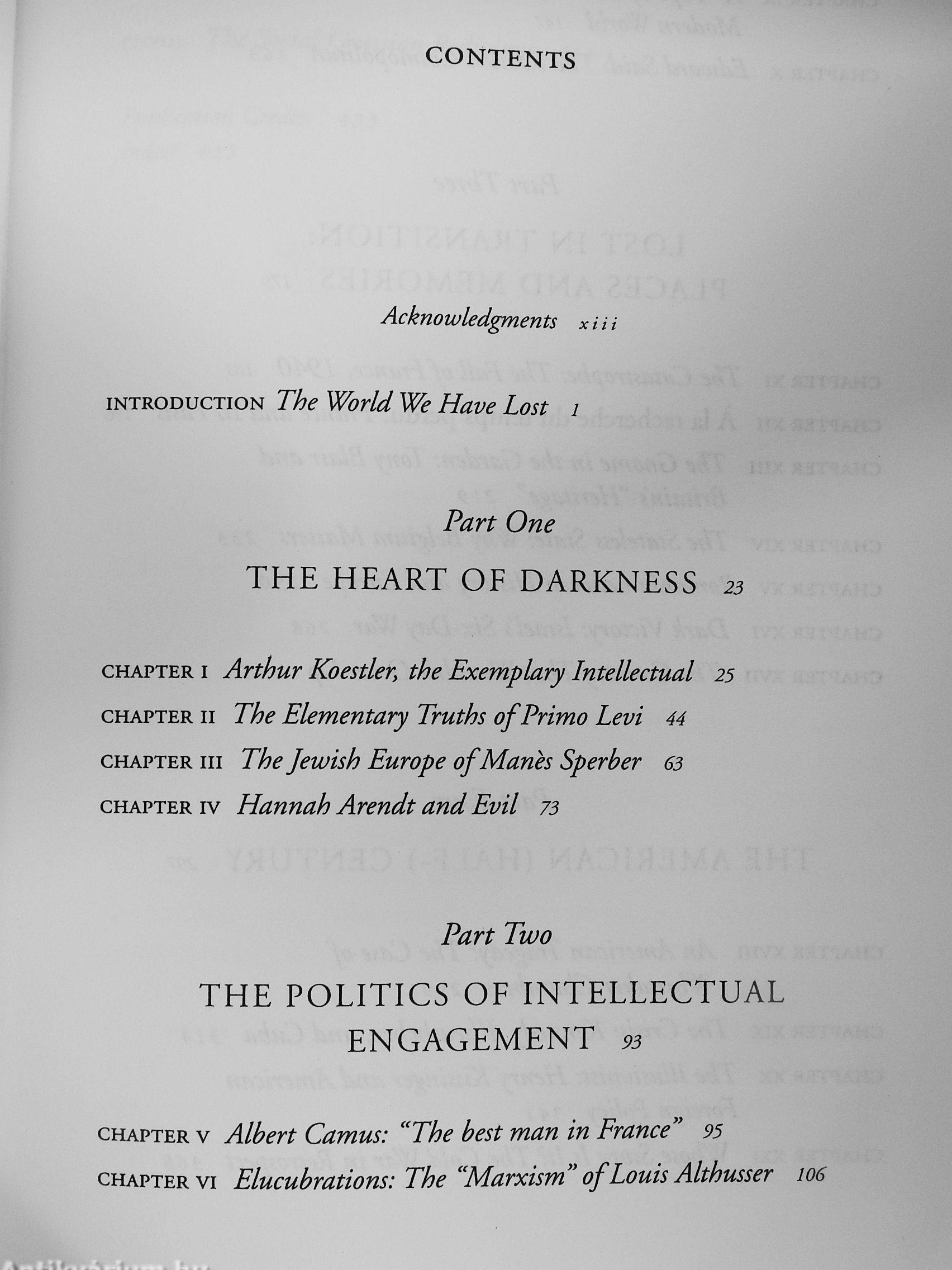
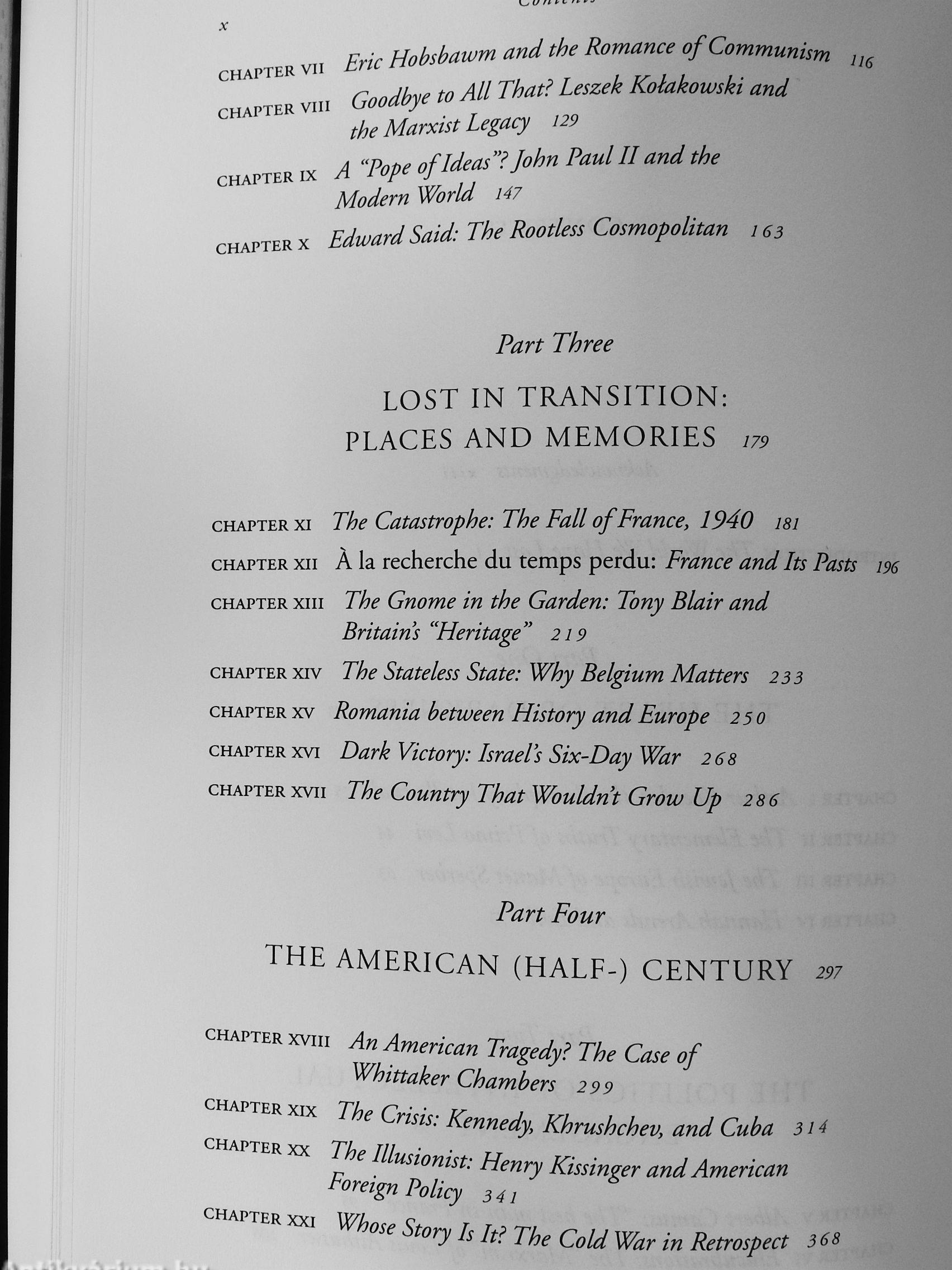
Judt draws provocative connections between a dazzling range of subjects: from Jewish intellectuals and the challenge of "evil" in the recent European past to the interpretation of the Cold War; from the rise and fail of the state in public affairs to the displacement of history by "heritage." Ranging with his trademark acuity and élan from Belgium to Israel, from the memory of Marxism to the practice of foreign policy, he takes us beyond what we think we know of the past to explain how we came to know it, and shows how much of our history has been sacrificed in the triumph of myth-making over understanding and denial over memory. His book is a road map back to the historical sense we urgently need.
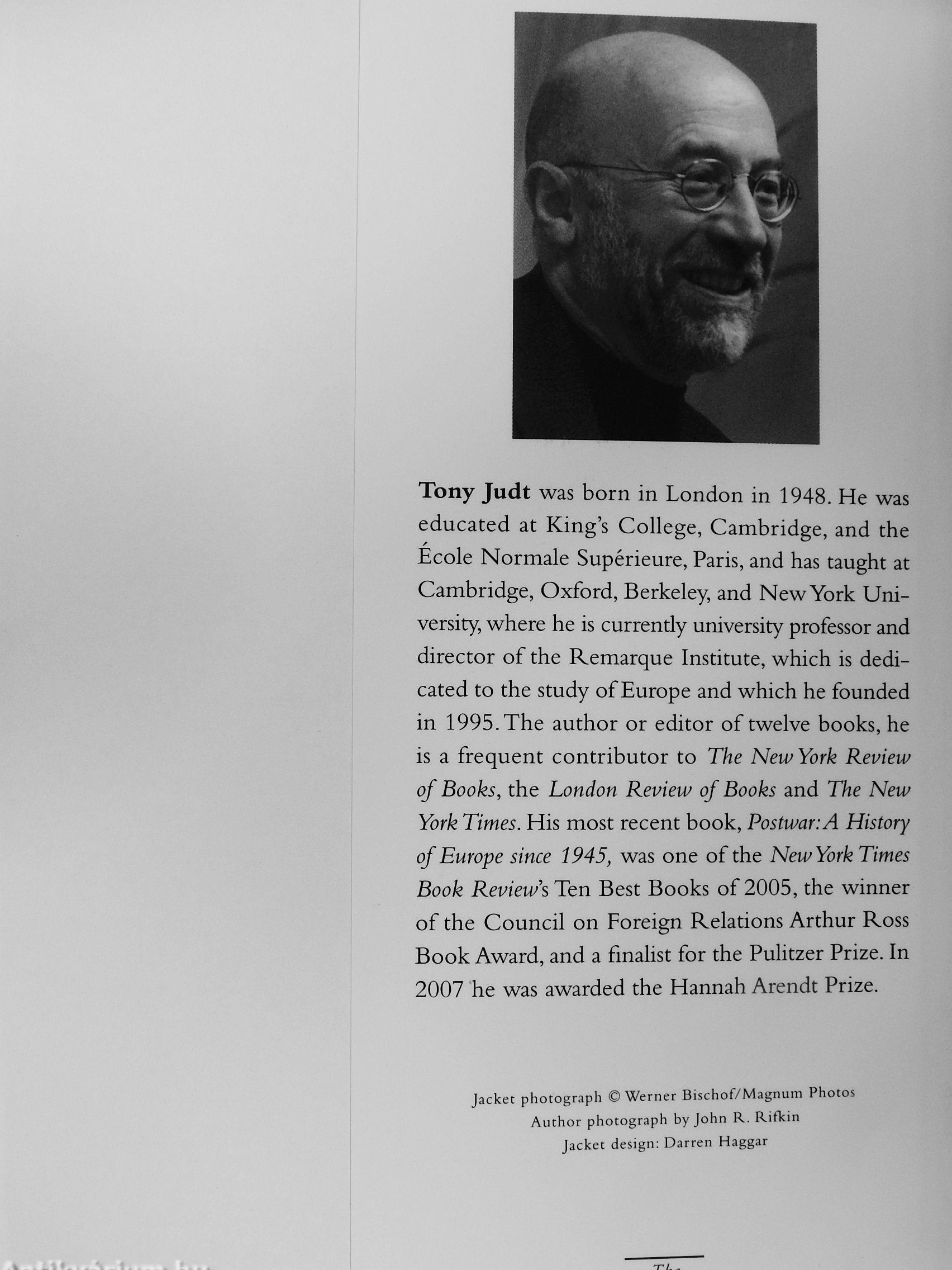
Tony Judt was born in London in 1948. He was educated at King's College, Cambridge, and the Ecole Normale Supérieure, Paris, and has taught at Cambridge, Oxford, Berkeley, and New York University, where he is currently university professor and director of the Remarque Institute, which is dedicated to the study of Europe and which he founded in 1995. The author or editor of twelve books, he is a frequent contributor to The New York Review of Boolis, the London Review of Books and The New Yorii Times. His most recent book, Postwar: A History of Europe since 1945, was one of the New York Times Book Review's Ten Best Books of 2005, the winner of the Council on Foreign Relations Arthur Ross Book Award, and a fmahst for the Pulitzer Prize. In 2007 he was awarded the Hannah Arendt Prize.
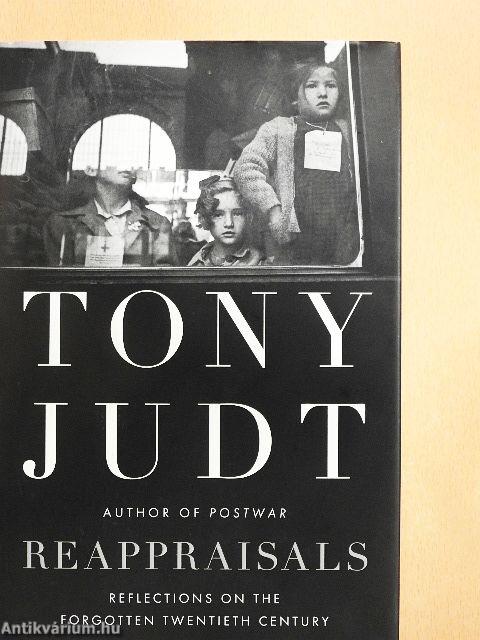
Jacket photograph ©Werner Bischof/Magnum Photos Author photograph by John R. Rifkin Jacket design: Darren Haggar
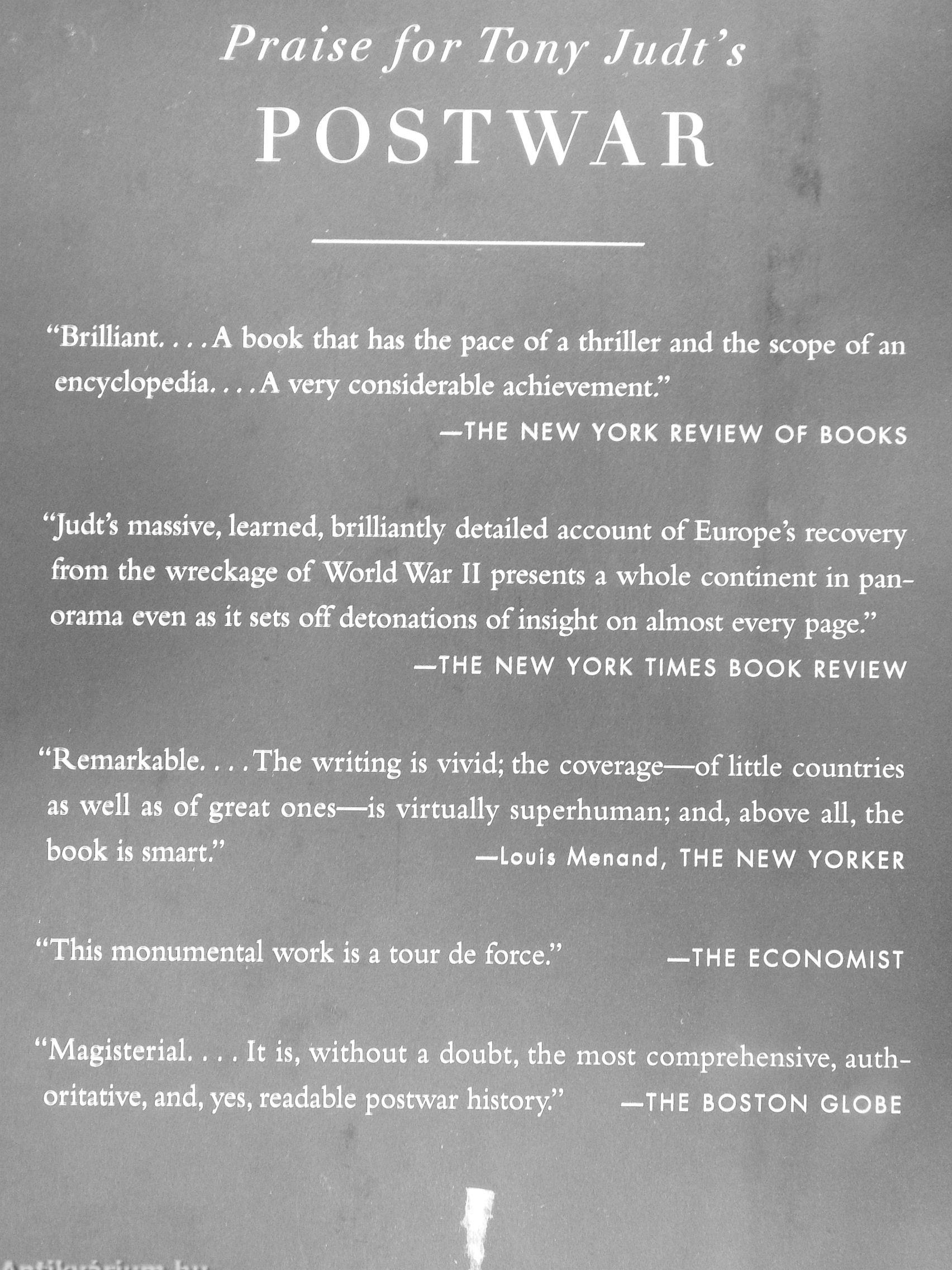
Praise for Tony Judt's
POSTWAR
"Brilliant____A book that has the pace of a thriller and the scope of an
encyclopedia____A very considerable achievement."
—THE NEW YORK REVIEW OF BOOKS
"Judt's massive, learned, briUiantly detailed account of Europe's recovery from the wreckage of World War II presents a whole continent in panorama even as it sets off detonations of insight on almost every page."
—THE NEW YORK TIMES BOOK REVIEW
"Remarkable----The writing is vivid; the coverage—of litde countries
as well as of great ones—is virtually superhuman; and, above all, the book is smart." -LouU Menand, THE NEW YORKER
"This monumental work is a tour de force."
-THE ECONOMIST
"Magisterial It is, without a doubt, the most comprehensive, authoritative, and, yes, readable postwar history." —THE BOSTON GLOBE
Vissza 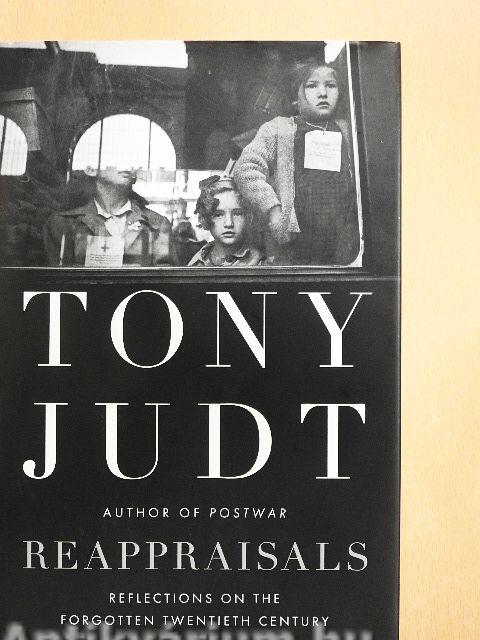



 Folytatás Microsoft-tal