
1.125.511
kiadvánnyal nyújtjuk Magyarország legnagyobb antikvár könyv-kínálatát

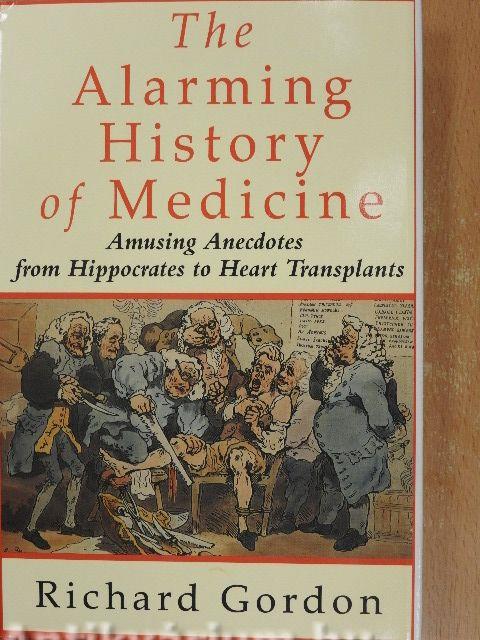
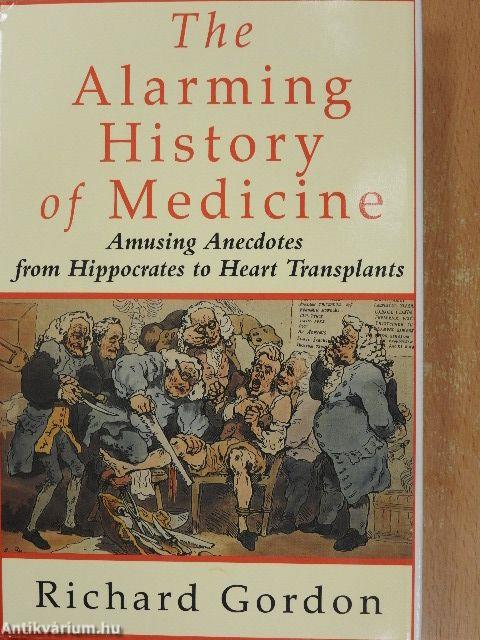
The Alarming History of Medicine
Amusing Anecdotes from Hippocrates to Heart Transplants
New York
| Kiadó: | St. Martin's Press |
|---|---|
| Kiadás helye: | New York |
| Kiadás éve: | |
| Kötés típusa: | Varrott keménykötés |
| Oldalszám: | 256 oldal |
| Sorozatcím: | |
| Kötetszám: | |
| Nyelv: | Angol |
| Méret: | 22 cm x 15 cm |
| ISBN: | 0-312-10411-1 |
| Megjegyzés: | Fekete-fehér fotókkal, reprodukciókkal. |
Értesítőt kérek a kiadóról
A beállítást mentettük,
naponta értesítjük a beérkező friss
kiadványokról
naponta értesítjük a beérkező friss
kiadványokról
A beállítást mentettük,
naponta értesítjük a beérkező friss
kiadványokról
naponta értesítjük a beérkező friss
kiadványokról
Előszó
Tovább
Fülszöveg
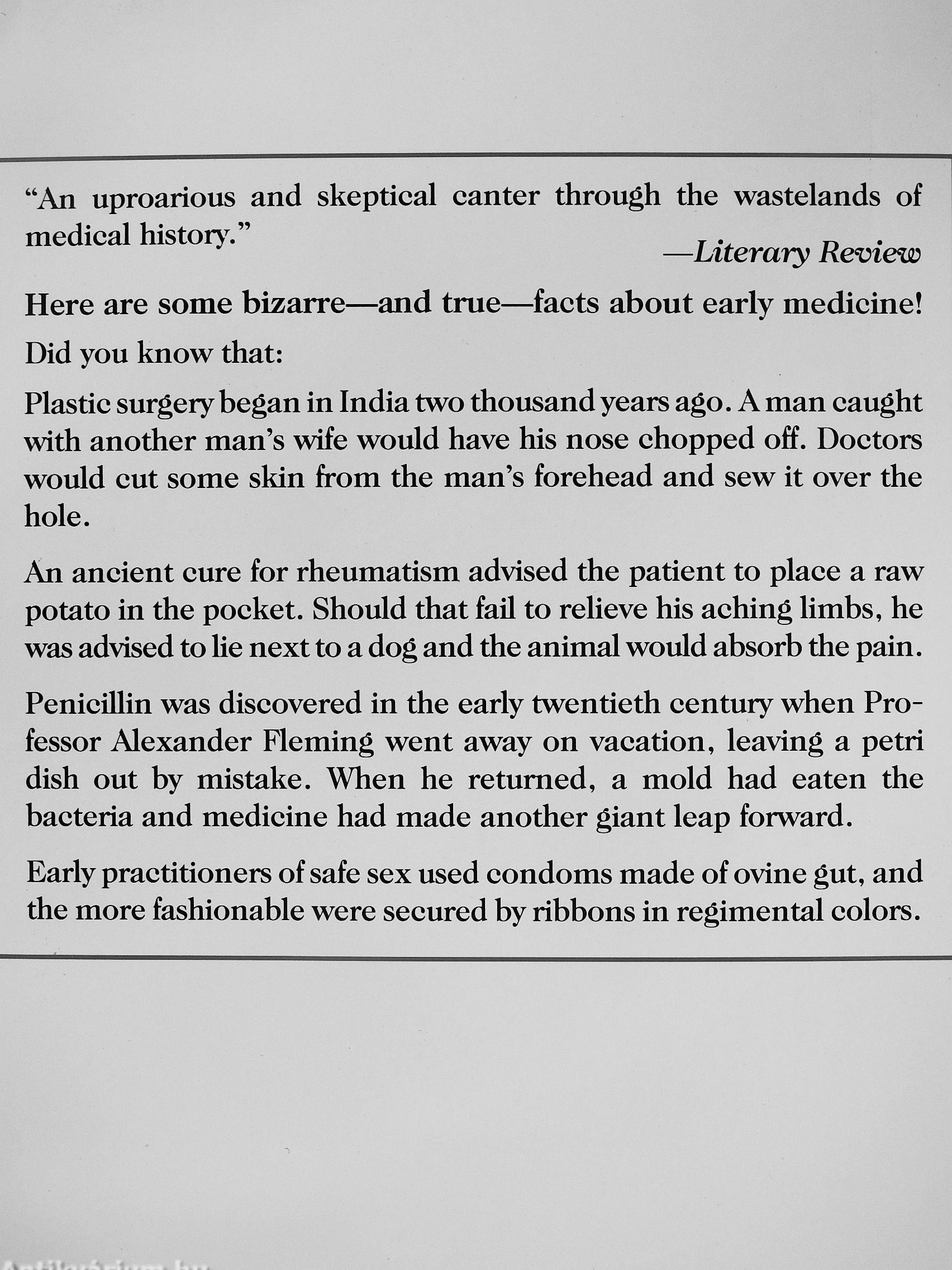
"An uproarious and skeptical canter through the wastelands of
medical histor>\" ,. „ .
—Literary Review
Here are some bizarre—and true—facts about early medicine! Did you know that:
Plastic surgery began in India two thousand years ago. A man caught with another man's wife would have his nose chopped off. Doctors would cut some skin from the man's forehead and sew it over the hole.
An ancient cure for rheumatism advised the patient to place a raw potato in the pocket. Should that fail to relieve his aching limbs, he was advised to lie next to a dog and the animal would absorb the pain.
Penicillin was discovered in the early twentieth century when Professor Alexander Fleming went away on vacation, leaving a petri dish out by mistake. When he returned, a mold had eaten the bacteria and medicine had made another giant leap forward.
Early practitioners of safe sex used condoms made of ovine gut, and the more fashionable were secured by ribbons in regimental colors.
i ^V • V:... Tovább
Fülszöveg
"An uproarious and skeptical canter through the wastelands of
medical histor>\" ,. „ .
—Literary Review
Here are some bizarre—and true—facts about early medicine! Did you know that:
Plastic surgery began in India two thousand years ago. A man caught with another man's wife would have his nose chopped off. Doctors would cut some skin from the man's forehead and sew it over the hole.
An ancient cure for rheumatism advised the patient to place a raw potato in the pocket. Should that fail to relieve his aching limbs, he was advised to lie next to a dog and the animal would absorb the pain.
Penicillin was discovered in the early twentieth century when Professor Alexander Fleming went away on vacation, leaving a petri dish out by mistake. When he returned, a mold had eaten the bacteria and medicine had made another giant leap forward.
Early practitioners of safe sex used condoms made of ovine gut, and the more fashionable were secured by ribbons in regimental colors.
i ^V • V: l'i'p, "'1 ''ifi'V;hii I. I,]
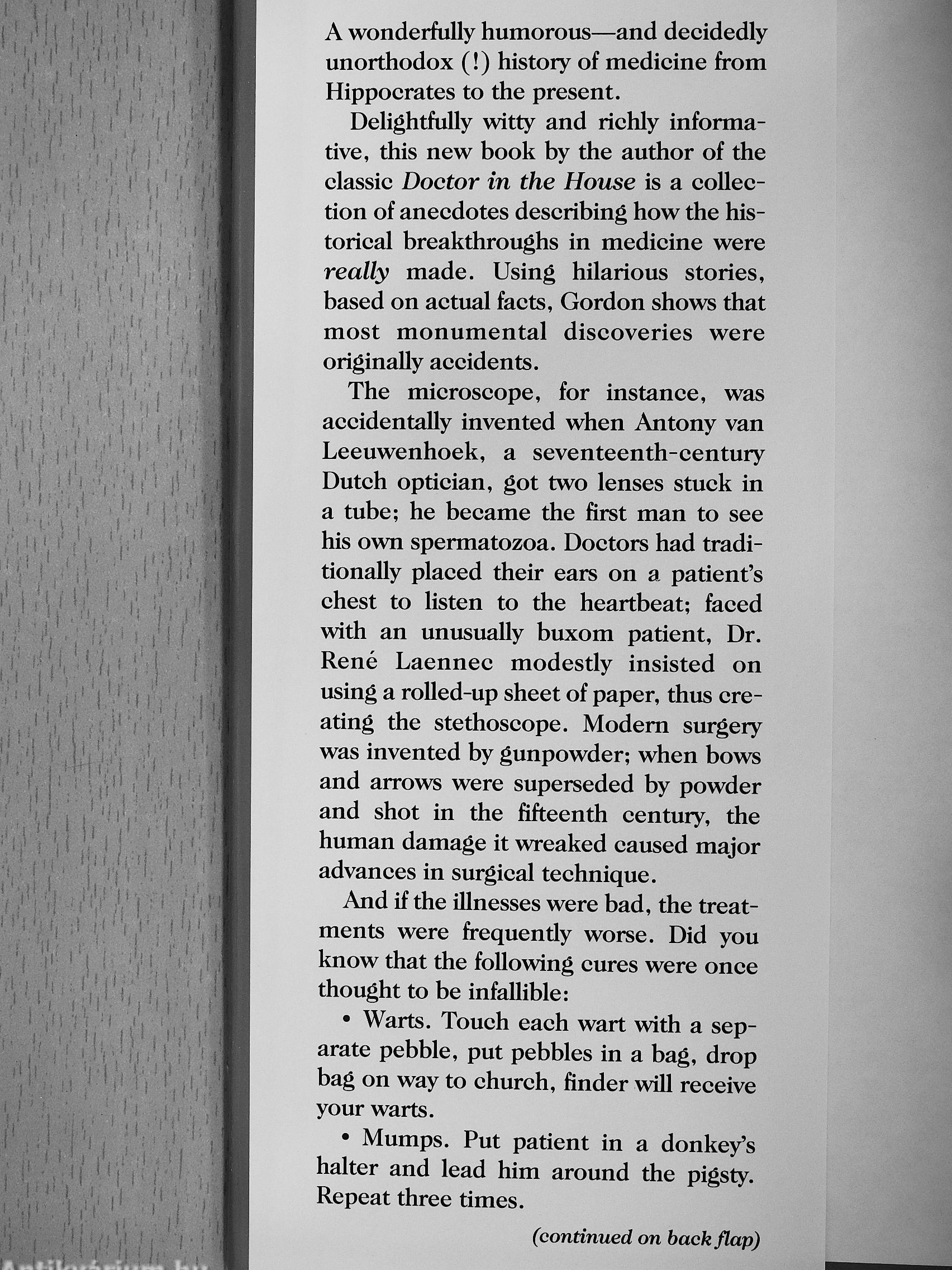
A wonderfully humorous—and decidedly unorthodox (!) history of medicine from Hippocrates to the present.
Delightfully witty and richly informative, this new book by the author of the classic Doctor in the House is a collection of anecdotes describing how the historical breakthroughs in medicine were really made. Using hilarious stories, based on actual facts, Gordon shows that most monumental discoveries were originally accidents.
The microscope, for instance, was accidentally invented when Antony van Leeuwenhoek, a seventeenth-century Dutch optician, got two lenses stuck in a tube; he became the first man to see his own spermatozoa. Doctors had traditionally placed their ears on a patient's chest to listen to the heartbeat; faced with an unusually buxom patient, Dr. René Laennee modestly insisted on using a rolled-up sheet of paper, thus creating the stethoscope. Modem surgery was invented by gunpowder; when bows and arrows were superseded by powder and shot in the fifteenth century, the human damage it wreaked caused major advances in surgical technique.
And if the Ulnesses were bad, the treatments were frequently worse. Did you know that the following cures were once thought to be infallible:
• Warts. Touch each wart with a separate pebble, put pebbles in a bag, drop bag on way to church, finder will receive your warts.
• Mumps. Put patient in a donkey's halter and lead him around the pigsty. Repeat three times.
(continued on back flap)
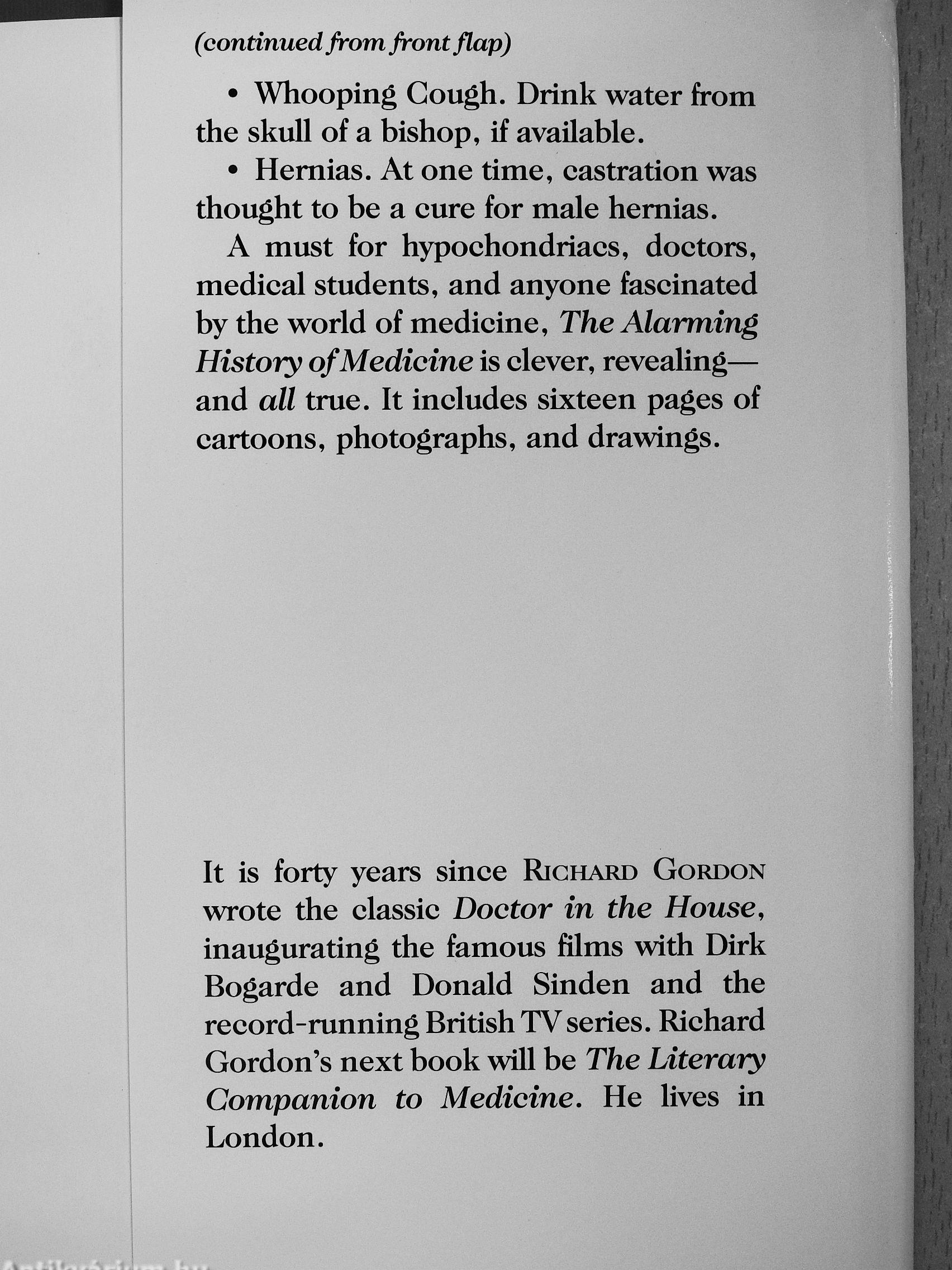
(continued from front flap)
• Whooping Cough. Drink water from the skull of a bishop, if available.
• Hernias. At one time, castration was thought to be a cure for male hernias.
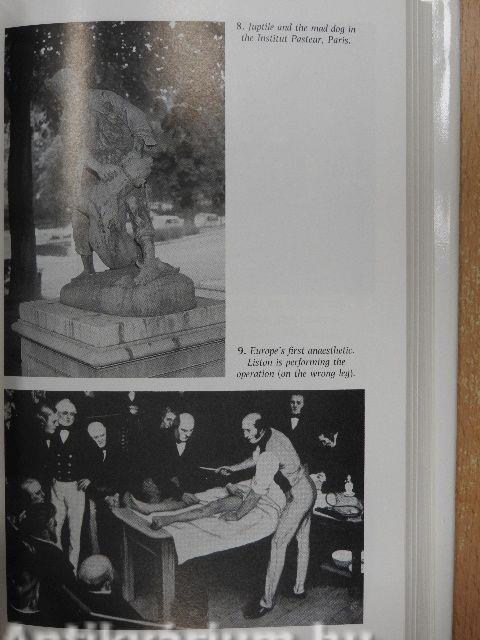
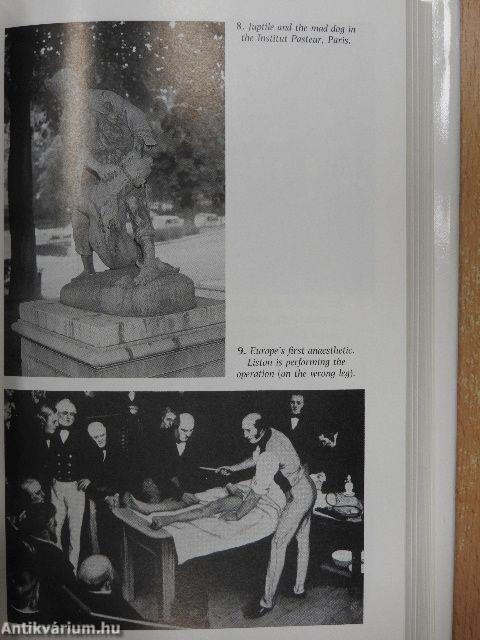
A must for hypochondriacs, doctors, medical students, and anyone fascinated by the world of medicine, The Alarming History of Medicine is clever, revealing— and all true. It includes sixteen pages of cartoons, photographs, and drawings.
It is forty years since Richard Gordon wrote the classic Doctor in the House, inaugurating the famous films with Dirk Bogarde and Donald Sinden and the record-running British TV series. Richard Gordon's next book will be The Literary Companion to Medicine. He lives in London. Vissza
Témakörök
- Idegennyelv > Idegennyelvű könyvek > Angol > Szépirodalom > Szórakoztató irodalom > Humor
- Idegennyelv > Idegennyelvű könyvek > Angol > Orvostudomány
- Orvostudomány > Általános orvosi, egyéb > Idegennyelvű
- Orvostudomány > Általános orvosi, egyéb > Orvostudomány története
- Orvostudomány > Orvosi idegennyelvű könyvek > Általános orvosi
- Orvostudomány > Orvosi idegennyelvű könyvek > Orvosi ismeretterjesztő
- Orvostudomány > Orvosi ismeretterjesztő > Gyógyítás > Egyéb
- Orvostudomány > Orvosi ismeretterjesztő > Idegennyelvű
- Idegennyelv > Idegennyelvű könyvek > Angol > Szépirodalom
- Szépirodalom
- Szépirodalom > Szórakoztató irodalom > Humor
Richard Gordon
Richard Gordon műveinek az Antikvarium.hu-n kapható vagy előjegyezhető listáját itt tekintheti meg: Richard Gordon könyvek, művekMegvásárolható példányok
Nincs megvásárolható példány
A könyv összes megrendelhető példánya elfogyott. Ha kívánja, előjegyezheti a könyvet, és amint a könyv egy újabb példánya elérhető lesz, értesítjük.
 Folytatás Microsoft-tal