
1.122.145
kiadvánnyal nyújtjuk Magyarország legnagyobb antikvár könyv-kínálatát

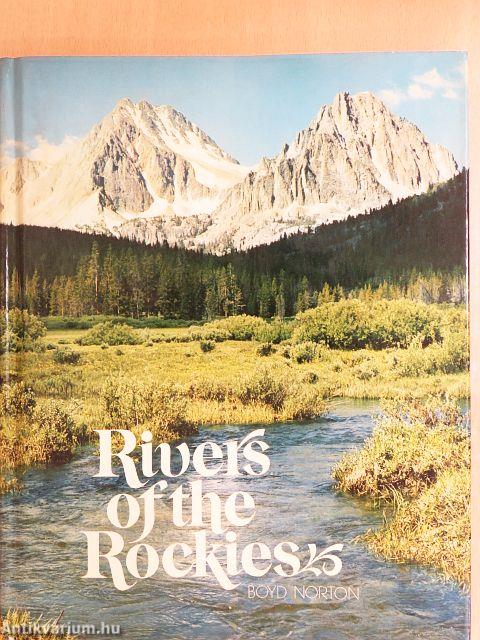
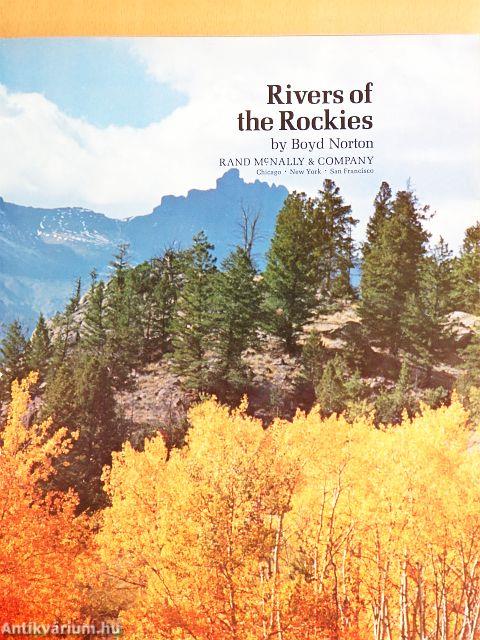
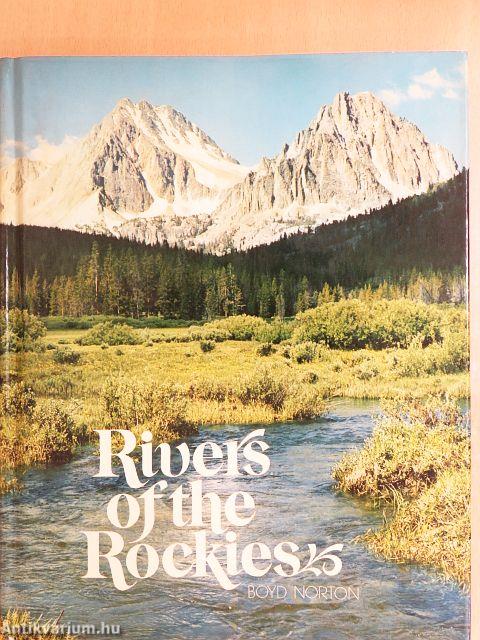
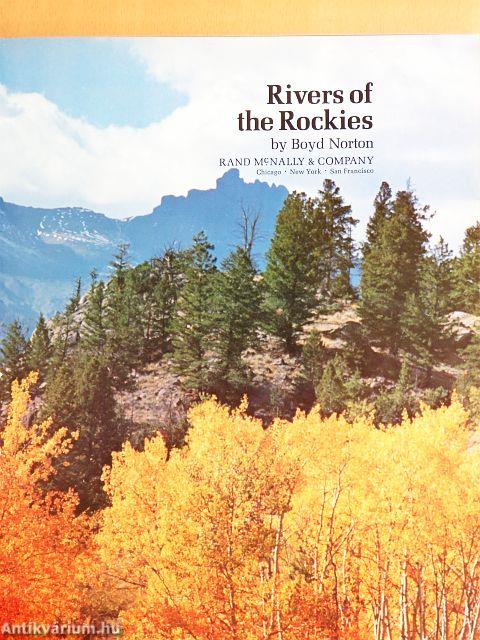
Rivers of the Rockies
Chicago
| Kiadó: | Rand McNally & Company |
|---|---|
| Kiadás helye: | Chicago |
| Kiadás éve: | |
| Kötés típusa: | Vászon |
| Oldalszám: | 160 oldal |
| Sorozatcím: | |
| Kötetszám: | |
| Nyelv: | Angol |
| Méret: | 31 cm x 25 cm |
| ISBN: | 0-528-81012-X |
| Megjegyzés: | Színes fotókkal. |
Értesítőt kérek a kiadóról
A beállítást mentettük,
naponta értesítjük a beérkező friss
kiadványokról
naponta értesítjük a beérkező friss
kiadványokról
A beállítást mentettük,
naponta értesítjük a beérkező friss
kiadványokról
naponta értesítjük a beérkező friss
kiadványokról
Előszó
Tovább
Fülszöveg
Rivers of the Rockies
IlJustrated with 80 full-color photographs
by Boyd Norton
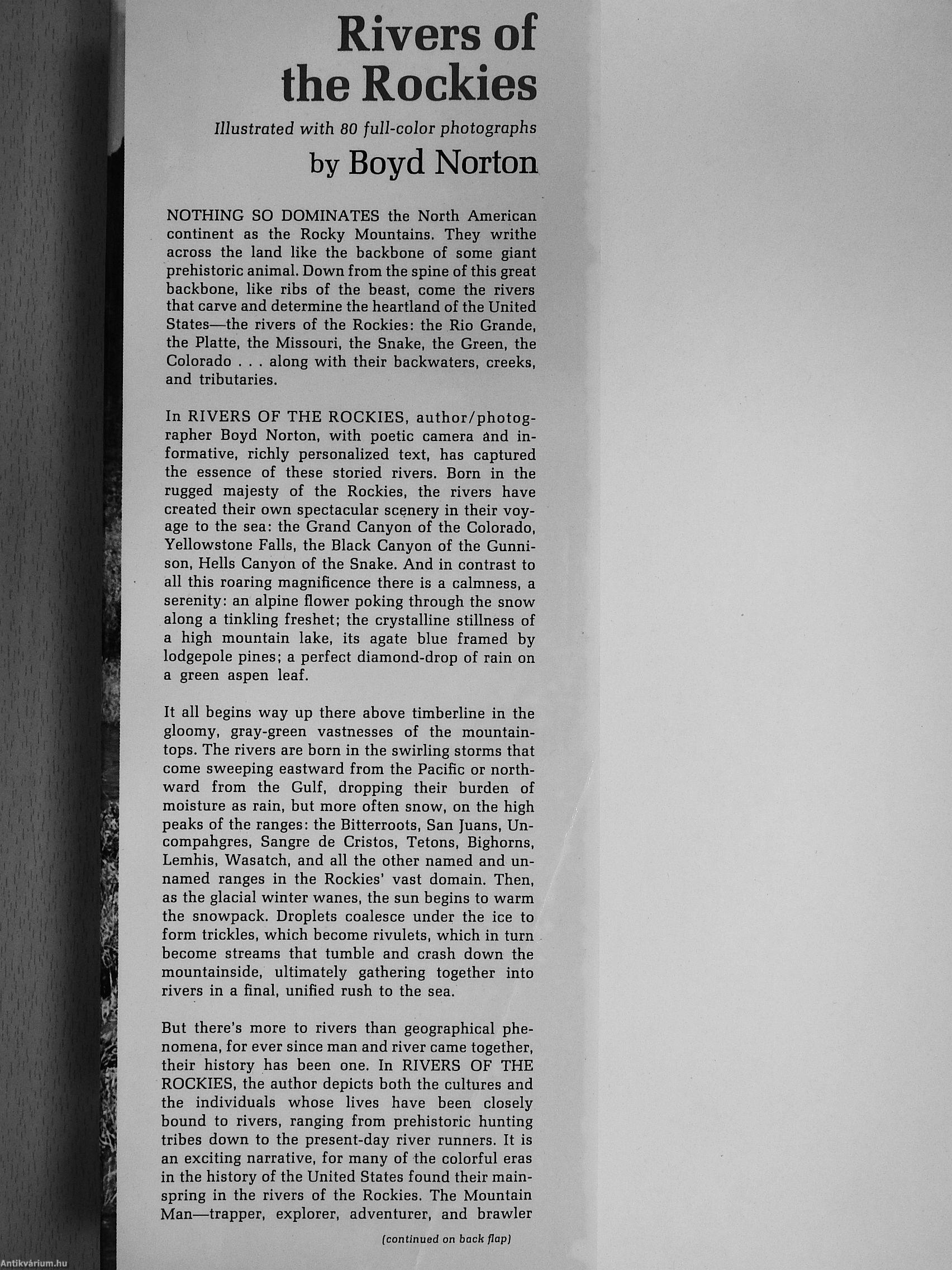
NOTHING SO DOMINATES the North American continent as the Rocky Mountains. They writhe across the land like the backbone of some giant prehistoric animal. Down from the spine of this great backbone, like ribs of the beast, come the rivers that carve and determine the heartland of the United States—the rivers of the Rockies: the Rio Grande, the Platte, the Missouri, the Snake, the Green, the Colorado . . . along with their backwaters, creeks, and tributaries.
In RIVERS OF THE ROCKIES, author/photographer Boyd Norton, with poetic camera and informative, richly personalized text, has captured the essence of these storied rivers. Born in the rugged majesty of the Rockies, the rivers have created their own spectacular scenery in their voyage to the sea: the Grand Canyon of the Colorado, Yellowstone Falls, the Black Canyon of the Gunnison, Hells Canyon of the Snake. And in contrast to all this roaring... Tovább
Fülszöveg
Rivers of the Rockies
IlJustrated with 80 full-color photographs
by Boyd Norton
NOTHING SO DOMINATES the North American continent as the Rocky Mountains. They writhe across the land like the backbone of some giant prehistoric animal. Down from the spine of this great backbone, like ribs of the beast, come the rivers that carve and determine the heartland of the United States—the rivers of the Rockies: the Rio Grande, the Platte, the Missouri, the Snake, the Green, the Colorado . . . along with their backwaters, creeks, and tributaries.
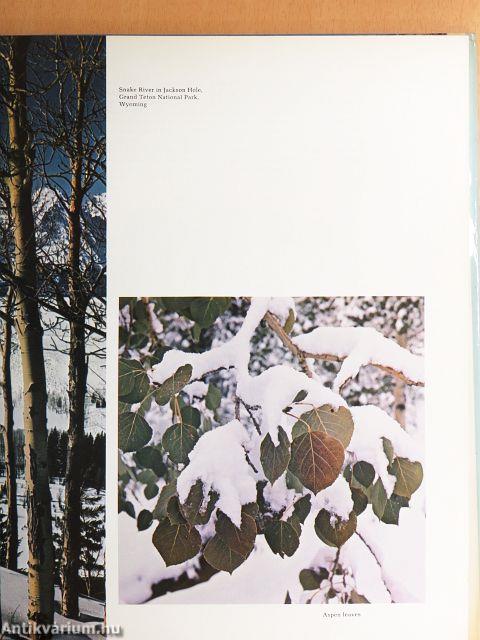
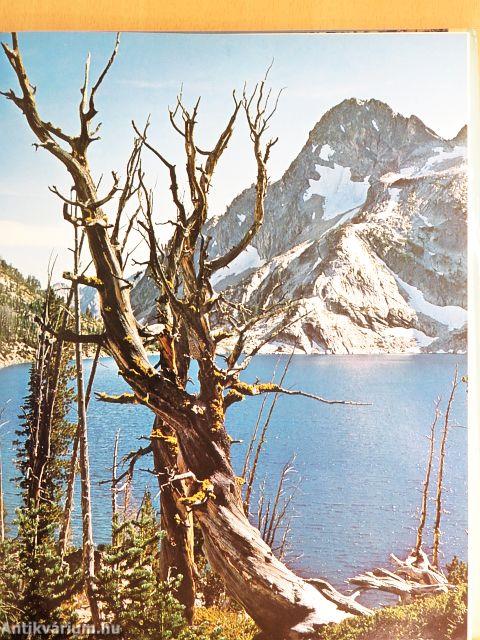
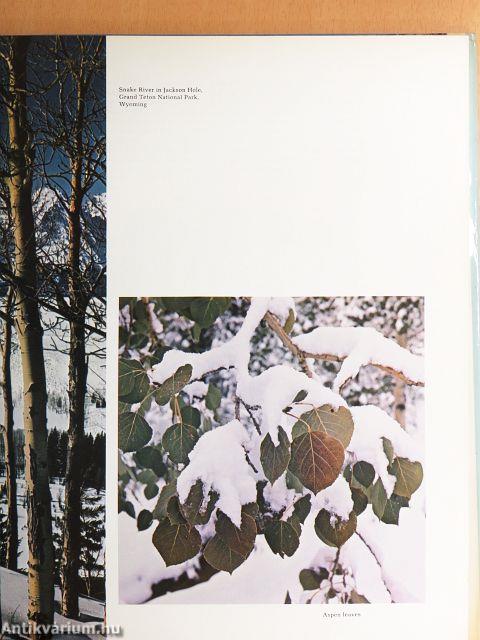
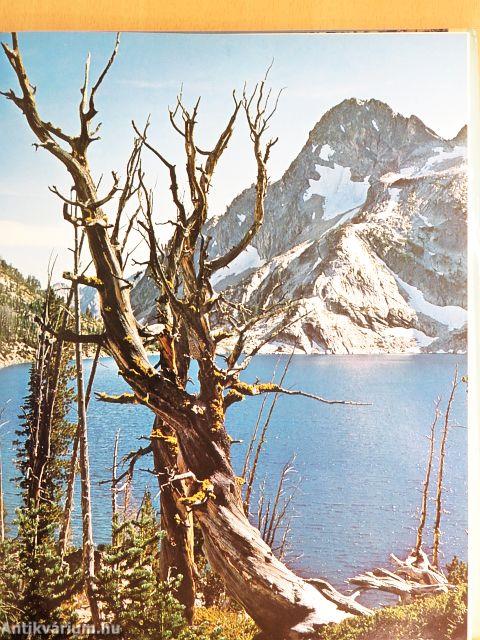
In RIVERS OF THE ROCKIES, author/photographer Boyd Norton, with poetic camera and informative, richly personalized text, has captured the essence of these storied rivers. Born in the rugged majesty of the Rockies, the rivers have created their own spectacular scenery in their voyage to the sea: the Grand Canyon of the Colorado, Yellowstone Falls, the Black Canyon of the Gunnison, Hells Canyon of the Snake. And in contrast to all this roaring magnificence there is a calmness, a serenity: an alpine flower poking through the snow along a tinkling freshet: the crystalline stillness of a high mountain lake, its agate blue framed by lodgepole pines; a perfect diamond-drop of rain on a green aspen leaf.
It all begins way up there above timberline in the gloomy, gray-green vastnesses of the mountain-tops. The rivers are born in the swirling storms that come sweeping eastward from the Pacific or northward from the Gulf, dropping their burden of moisture as rain, but more often snow, on the high peaks of the ranges: the Bitterroots, San Juans, Un-compahgres, Sangre de Cristos, Tetons, Bighorns, Lemhis, Wasatch, and all the other named and unnamed ranges in the Rockies' vast domain. Then, as the glacial winter wanes, the sun begins to warm the snowpack. Droplets coalesce under the ice to form trickles, which become rivulets, which in turn become streams that tumble and crash down the mountainside, ultimately gathering together into rivers in a final, unified rush to the sea.
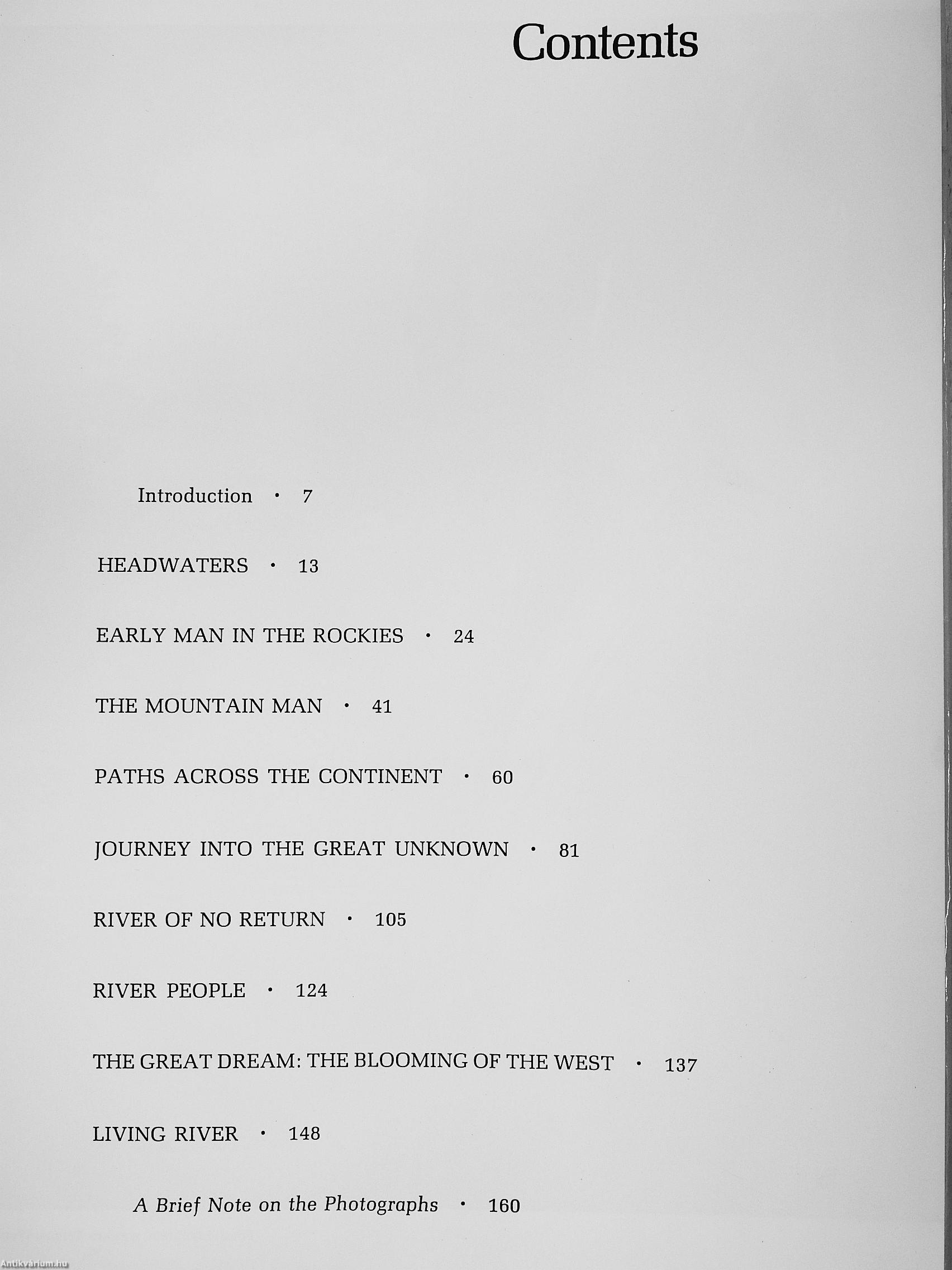
But there's more to rivers than geographical phenomena, for ever since man and river came together, their history has been one. In RIVERS OF THE ROCKIES, the author depicts both the cultures and the individuals whose lives have been closely bound to rivers, ranging from prehistoric hunting tribes down to the present-day river runners. It is an exciting narrative, for many of the colorful eras in the history of the United States found their mainspring in the rivers of the Rockies. The Mountain Man—trapper, explorer, adventurer, and brawler
(continued on back flapl
Boyd Norton
fcontinued from front flap)
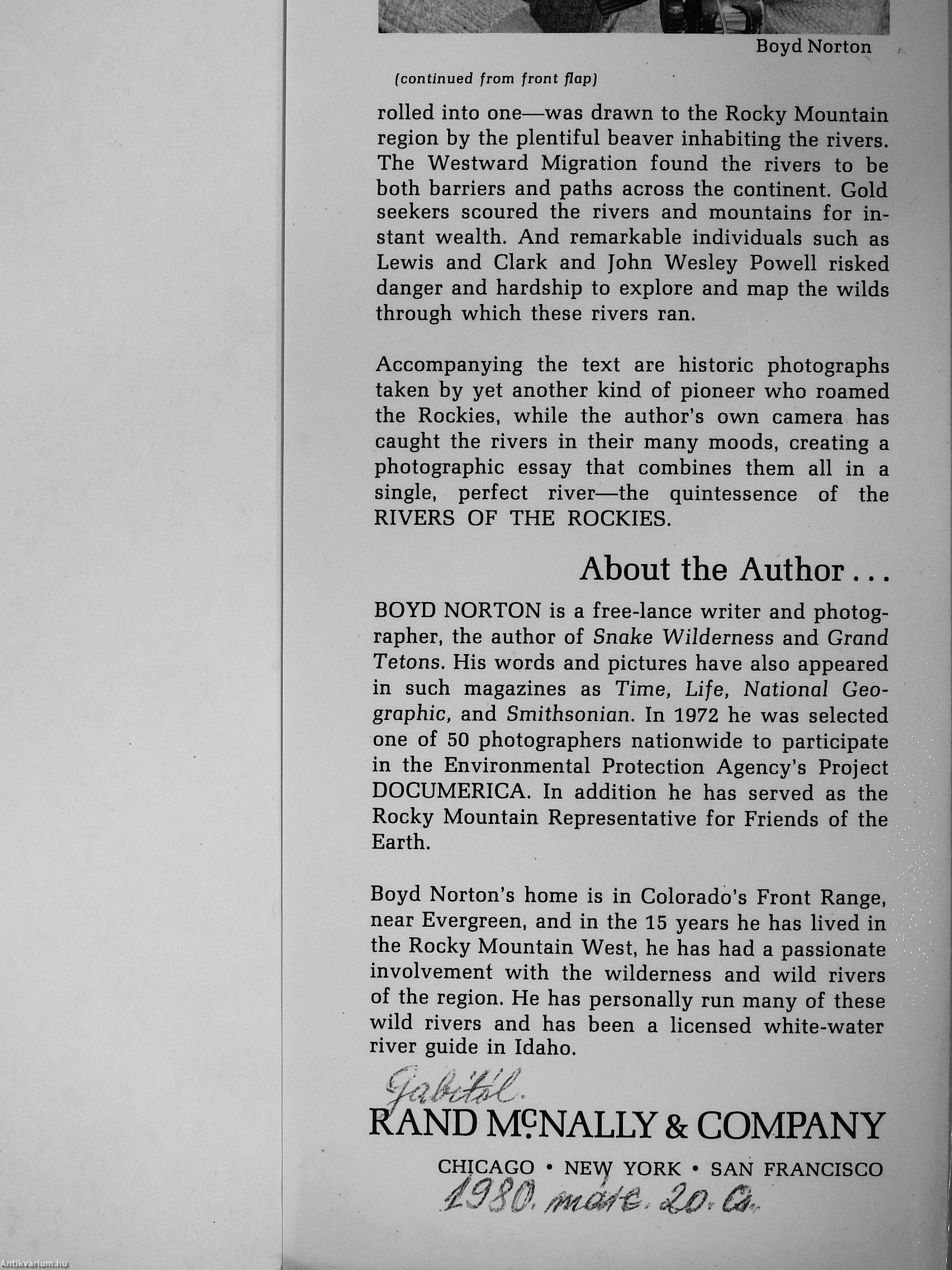
rolled into one—was drawn to the Rocky Mountain region by the plentiful beaver inhabiting the rivers. The Westward Migration found the rivers to be both barriers and paths across the continent. Gold seekers scoured the rivers and mountains for instant wealth. And remarkable individuals such as Lewis and Clark and John Wesley Powell risked danger and hardship to explore and map the wilds through which these rivers ran.
Accompanying the text are historic photographs taken by yet another kind of pioneer who roamed the Rockies, while the author's own camera has caught the rivers in their many moods, creating a photographic essay that combines them all in a single, perfect river—the quintessence of the RIVERS OF THE ROCKIES.
About the Author
BOYD NORTON is a free-lance writer and photographer, the author of Snake Wilderness and Grand Tetons. His words and pictures have also appeared in such magazines as Time, Life, National Geographic, and Smithsonian. In 1972 he was selected one of 50 photographers nationwide to participate in the Environmental Protection Agency's Project DOCUMERICA. In addition he has served as the Rocky Mountain Representative for Friends of the Earth.
Boyd Norton's home is in Colorado's Front Range, near Evergreen, and in the 15 years he has lived in the Rocky Mountain West, he has had a passionate involvement with the wilderness and wild rivers of the region. He has personally run many of these wild rivers and has been a licensed white-water river guide in Idaho.
RAND M9NALLY & COMPANY
CHICAGO • NEW YORK • SAN FRANCISCO Vissza
Témakörök
- Idegennyelv > Idegennyelvű könyvek > Angol > Művészetek > Fotóművészet
- Idegennyelv > Idegennyelvű könyvek > Angol > Természettudományok > Földrajz
- Természettudomány > Földrajz > Kontinensek földrajza > Téma szerint > Éghajlat
- Természettudomány > Földrajz > Kontinensek földrajza > Téma szerint > Vízrajz
- Természettudomány > Földrajz > Kontinensek földrajza > Topográfia szerint > Amerika
- Természettudomány > Földrajz > Kontinensek földrajza > Topográfia szerint > Hegyek
- Természettudomány > Földrajz > Idegen nyelv > Angol
- Művészetek > Fotóművészet > Albumok > Külföldi
- Művészetek > Fotóművészet > Albumok > Tematikus
- Művészetek > Fotóművészet > Idegen nyelv > Angol
- Művészetek > Fotóművészet > Témái > Fotódokumentumok
- Művészetek > Fotóművészet > Témái > Tájfényképészet
- Művészetek > Fotóművészet > Témái > Természet
Boyd Norton
Boyd Norton műveinek az Antikvarium.hu-n kapható vagy előjegyezhető listáját itt tekintheti meg: Boyd Norton könyvek, művekMegvásárolható példányok
Nincs megvásárolható példány
A könyv összes megrendelhető példánya elfogyott. Ha kívánja, előjegyezheti a könyvet, és amint a könyv egy újabb példánya elérhető lesz, értesítjük.
 Folytatás Microsoft-tal