
1.156.995
kiadvánnyal nyújtjuk Magyarország legnagyobb antikvár könyv-kínálatát

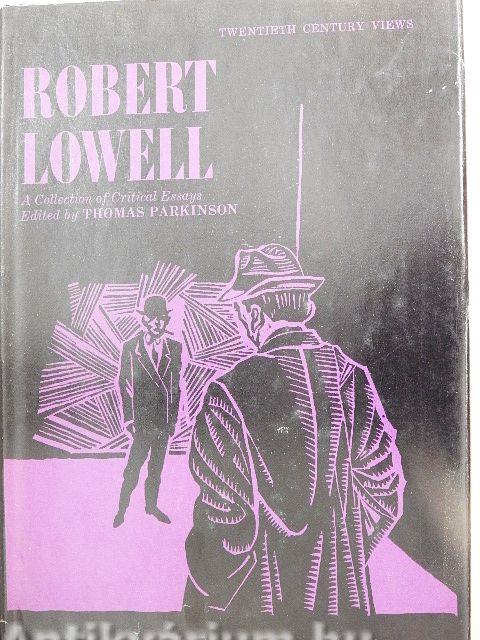
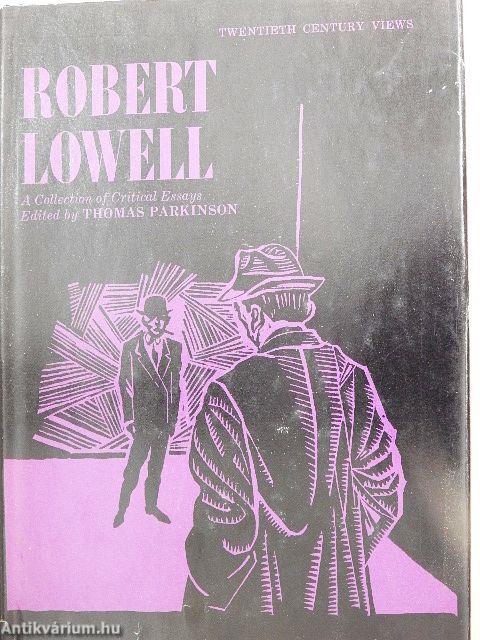
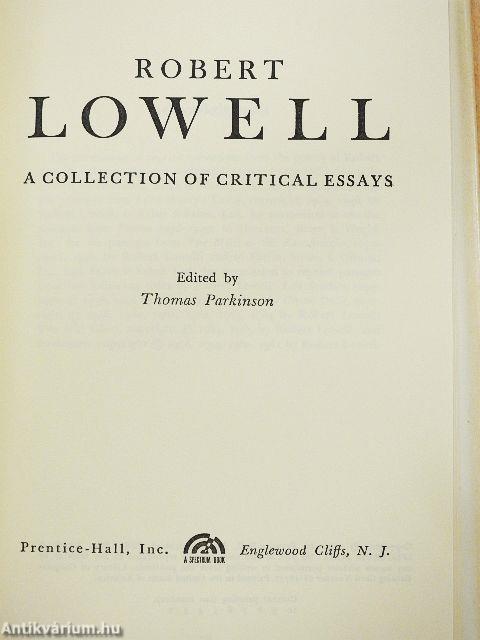
Robert Lowell
A collection of critical essays
Englewood Cliffs
| Kiadó: | Prentice Hall, Inc. |
|---|---|
| Kiadás helye: | Englewood Cliffs |
| Kiadás éve: | |
| Kötés típusa: | Vászon |
| Oldalszám: | 176 oldal |
| Sorozatcím: | Twentieth Century Views |
| Kötetszám: | |
| Nyelv: | Angol |
| Méret: | 21 cm x 15 cm |
| ISBN: | |
Értesítőt kérek a kiadóról
Értesítőt kérek a sorozatról
A beállítást mentettük,
naponta értesítjük a beérkező friss
kiadványokról
naponta értesítjük a beérkező friss
kiadványokról
A beállítást mentettük,
naponta értesítjük a beérkező friss
kiadványokról
naponta értesítjük a beérkező friss
kiadványokról
Előszó
Tovább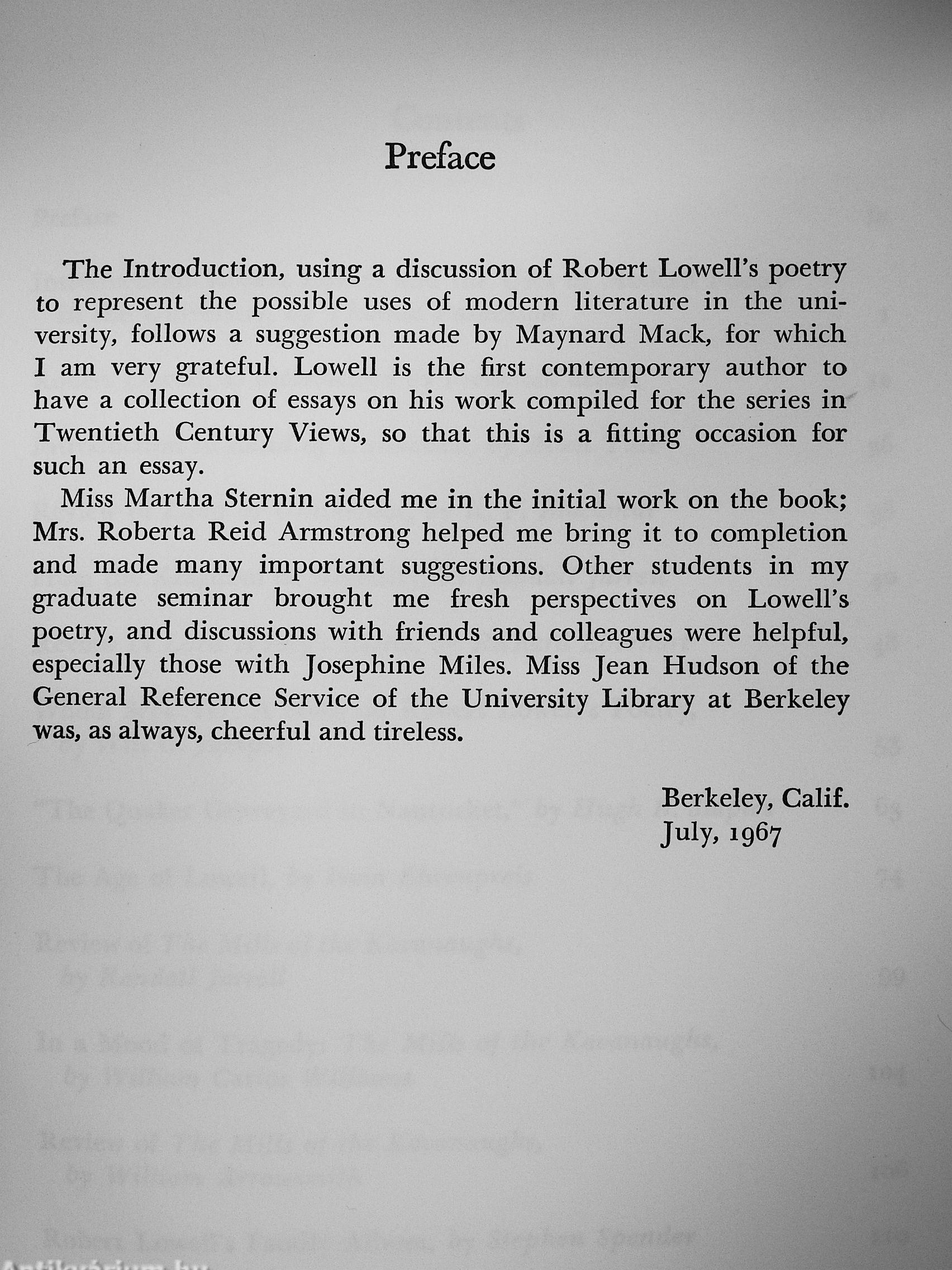
Fülszöveg
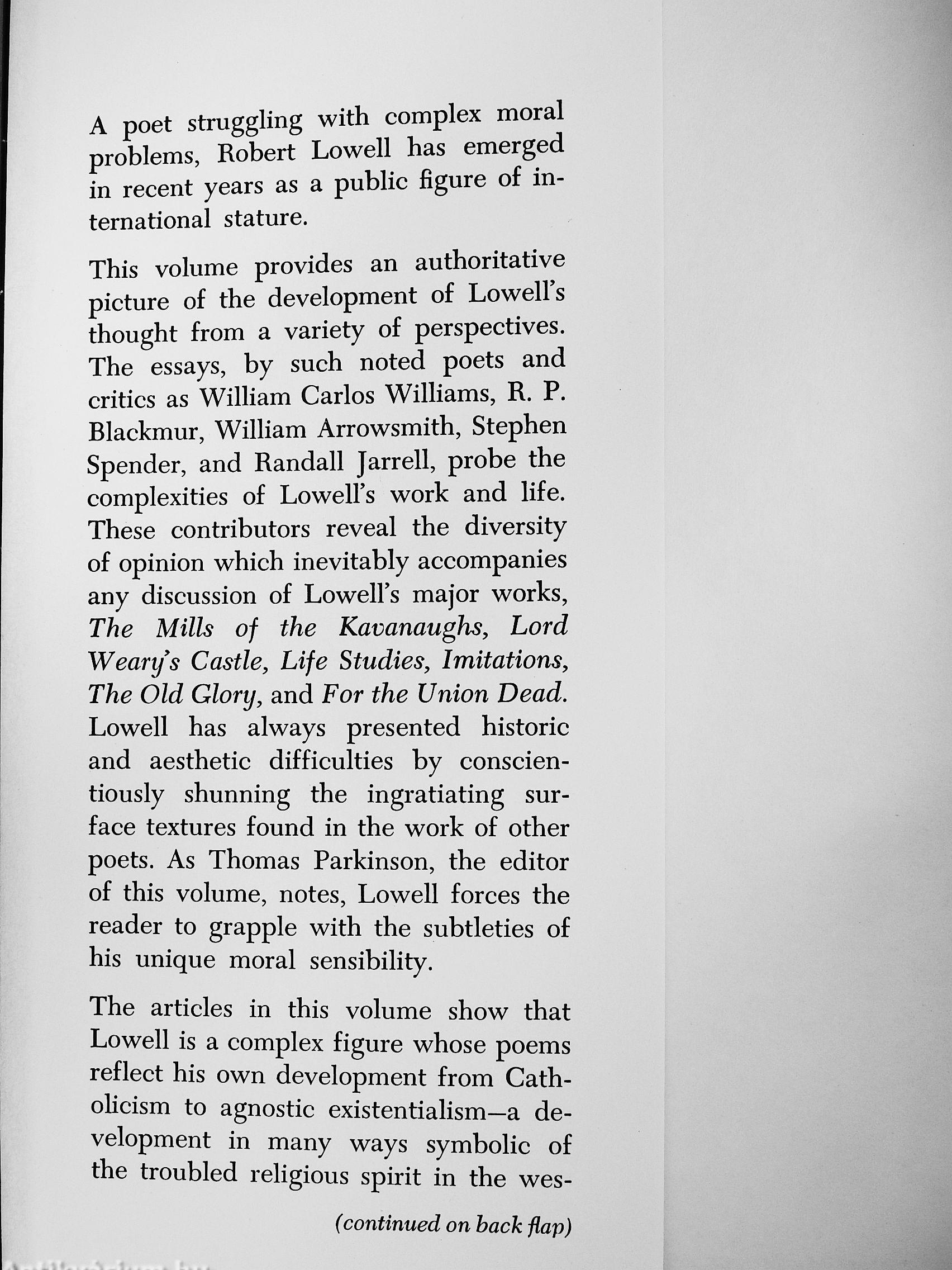
A poet struggling with complex moral problems, Robert Lowell has emerged in recent years as a public figure of international stature.
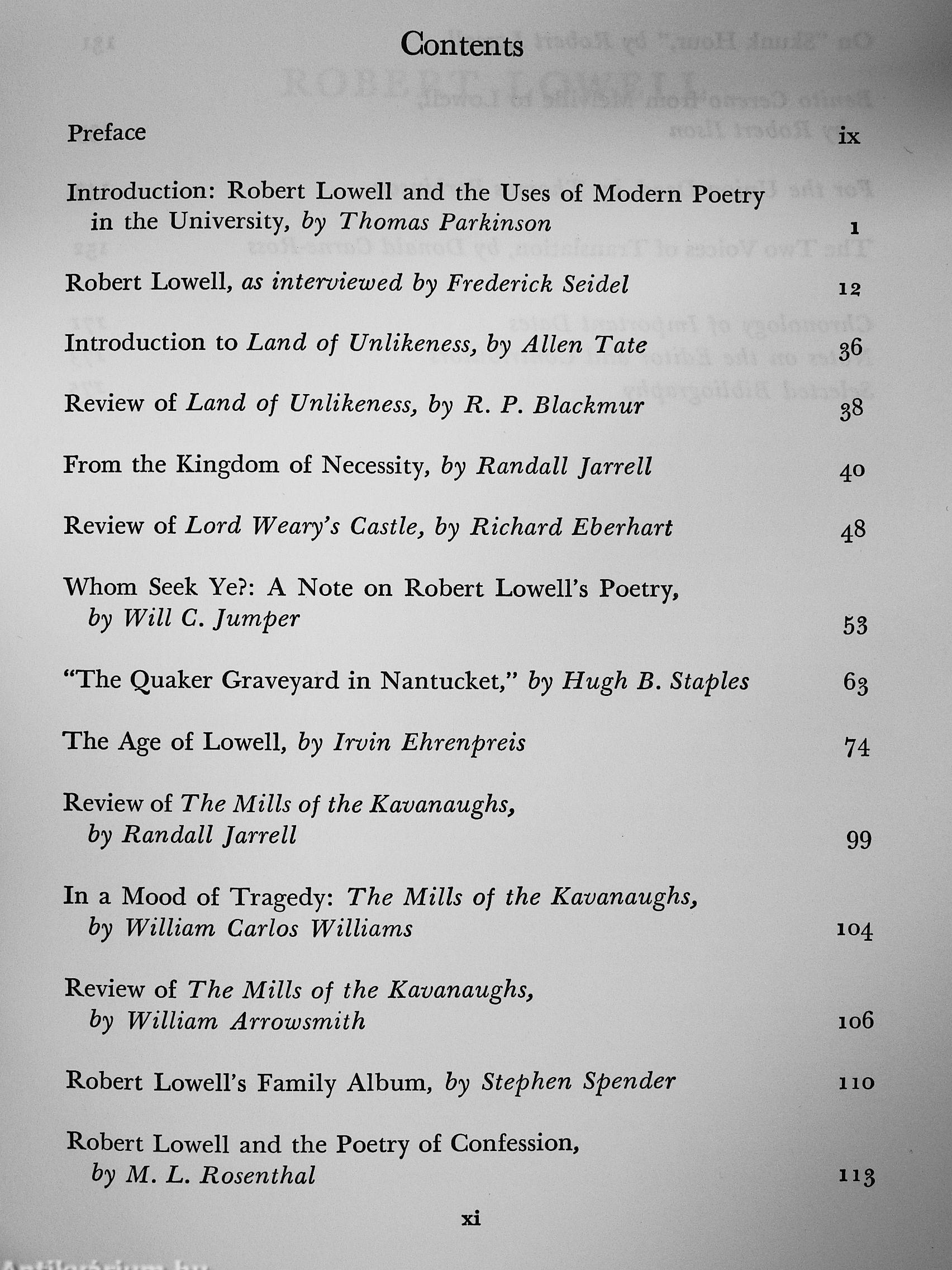
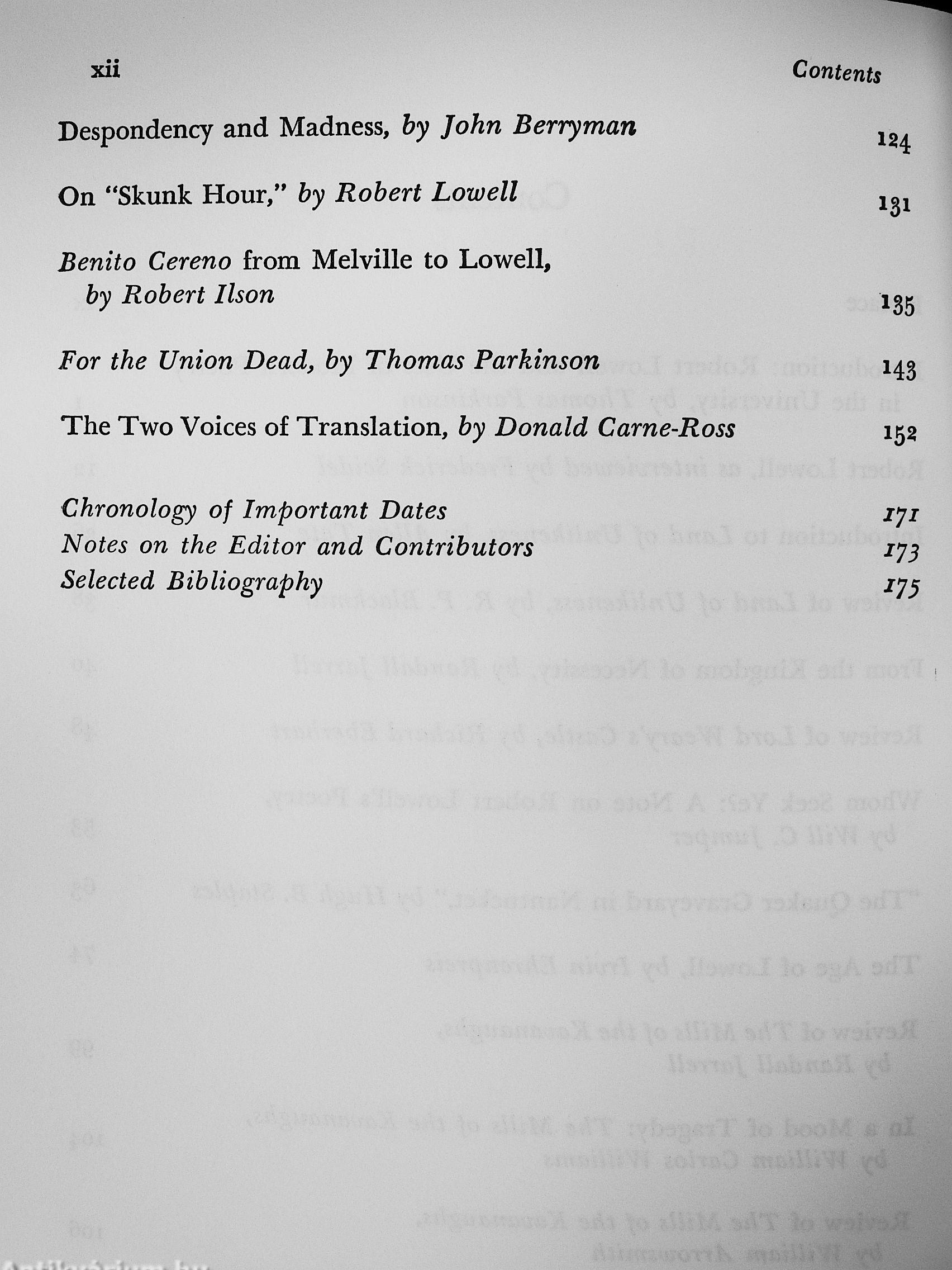
This volume provides an authoritative picture of the development of Lowell's thought from a variety of perspectives. The essays, by such noted poets and critics as William Carlos Williams, R. P. Blackmur, William Arrowsmith, Stephen Spender, and Randall Jarrell, probe the complexities of Lowell's work and life. These contributors reveal the diversity of opinion which inevitably accompanies any discussion of Lowell's major works. The Mills of the Kavanaughs, Lord Weary s Castle, Life Studies, Imitations, The Old Glory, and For the Union Dead. Lowell has always presented historic and aesthetic difficulties by conscientiously shunning the ingratiating surface textures found in the work of other poets. As Thomas Parkinson, the editor of this volume, notes, Lowell forces the reader to grapple with the subtleties of his unique moral sensibility.
The... Tovább
Fülszöveg
A poet struggling with complex moral problems, Robert Lowell has emerged in recent years as a public figure of international stature.
This volume provides an authoritative picture of the development of Lowell's thought from a variety of perspectives. The essays, by such noted poets and critics as William Carlos Williams, R. P. Blackmur, William Arrowsmith, Stephen Spender, and Randall Jarrell, probe the complexities of Lowell's work and life. These contributors reveal the diversity of opinion which inevitably accompanies any discussion of Lowell's major works. The Mills of the Kavanaughs, Lord Weary s Castle, Life Studies, Imitations, The Old Glory, and For the Union Dead. Lowell has always presented historic and aesthetic difficulties by conscientiously shunning the ingratiating surface textures found in the work of other poets. As Thomas Parkinson, the editor of this volume, notes, Lowell forces the reader to grapple with the subtleties of his unique moral sensibility.
The articles in this volume show that Lowell is a complex figure whose poems reflect his own development from Catholicism to agnostic existentiahsm-a development in many ways symbolic of the troubled religious spirit in the wes-
(continued on back fiap)
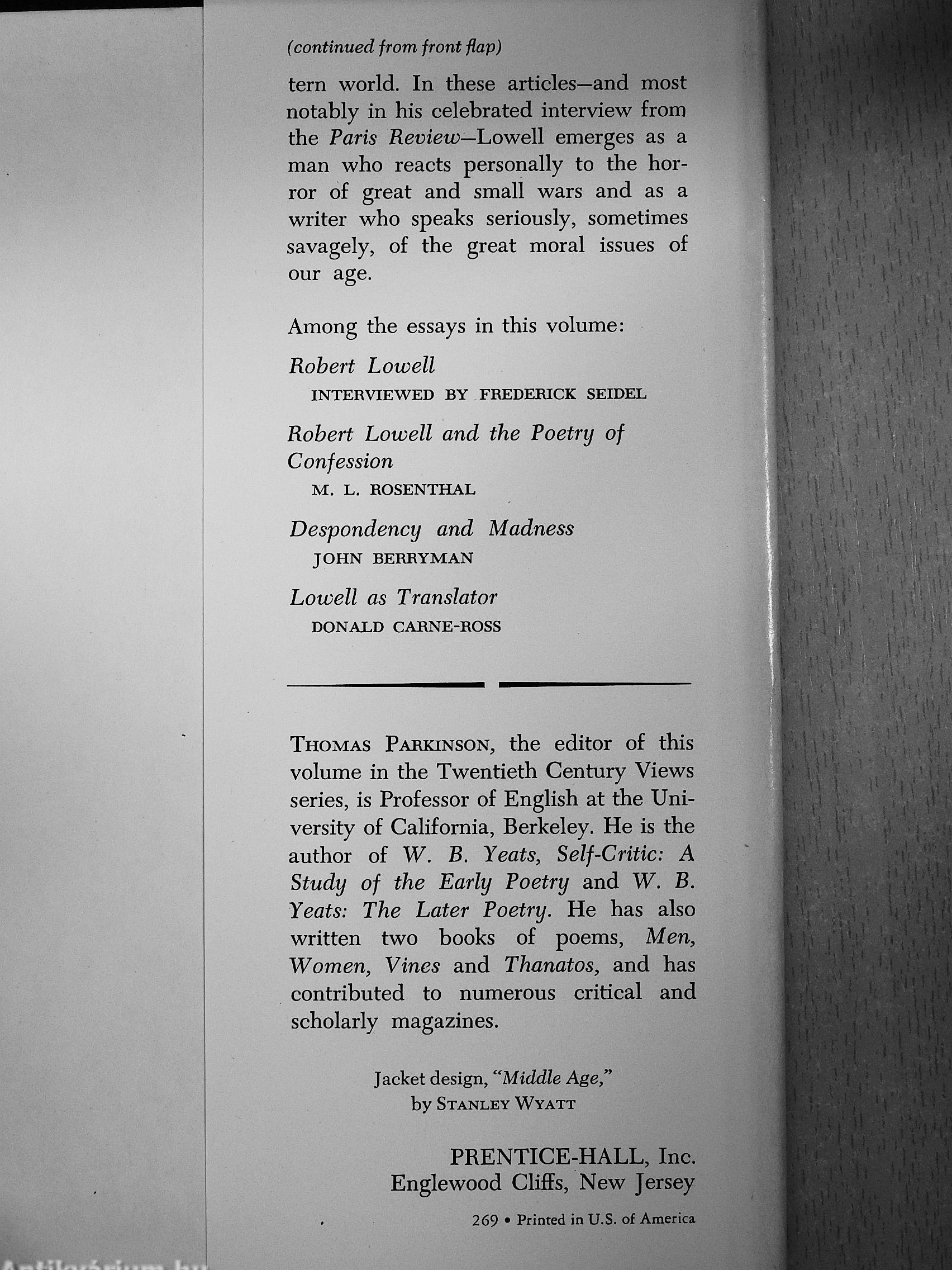
(continued from front flap)
tern world. In these articles—and most notably in his celebrated interview from the Paris Review—Lowell emerges as a man who reacts personally to the horror of great and small wars and as a writer who speaks seriously, sometimes savagely, of the great moral issues of our age.
Among the essays in this volume: Robert Lowell
interviewed by fredeeick seidel
Robert Lowell and the Poetry of Confession
m. l. rosenthal
Despondency and Madness
john berbyman
Lowell as Translator
donald cabne-ross
Thomas Parkinson, the editor of this volume in the Twentieth Century Views series, is Professor of English at the University of California, Berkeley. He is the author of W. B. Yeats, Self-Critic: A Study of the Early Poetry and W. B. Yeats: The Later Poetry. He has also written two books of poems, Men, Women, Vines and Thanatos, and has contributed to numerous critical and scholarly magazines.
Jacket design, "Middle Age," by Stanley Wyatt
PRENTICE-HALL, Inc.
Englewood ClifiEs, New Jersey
269 • Printed in U.S. of America
pi! .1.',!. Vissza
Robert Lowell
Robert Lowell műveinek az Antikvarium.hu-n kapható vagy előjegyezhető listáját itt tekintheti meg: Robert Lowell könyvek, művekMegvásárolható példányok
Nincs megvásárolható példány
A könyv összes megrendelhető példánya elfogyott. Ha kívánja, előjegyezheti a könyvet, és amint a könyv egy újabb példánya elérhető lesz, értesítjük.
 Folytatás Microsoft-tal