
1.119.843
kiadvánnyal nyújtjuk Magyarország legnagyobb antikvár könyv-kínálatát

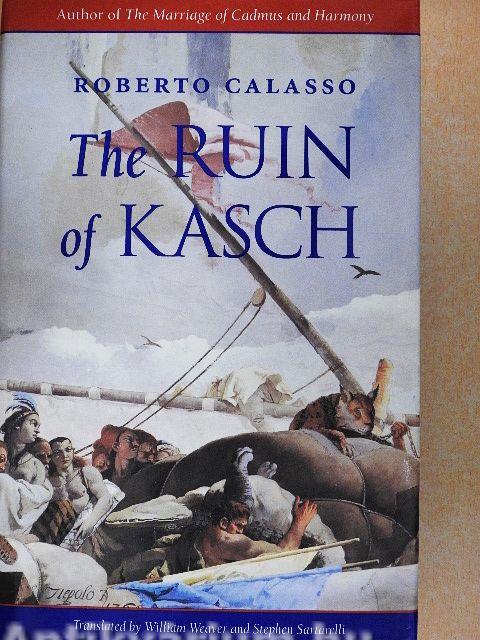
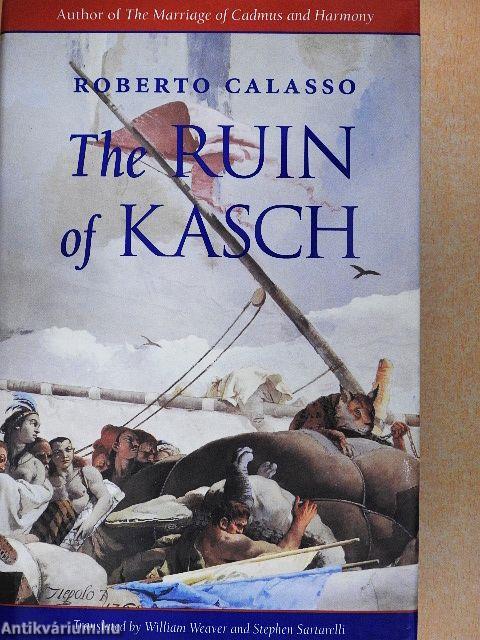
The Ruin of Kasch
Cambridge
| Kiadó: | The Belknap Press of Harvard University Press |
|---|---|
| Kiadás helye: | Cambridge |
| Kiadás éve: | |
| Kötés típusa: | Vászon |
| Oldalszám: | 385 oldal |
| Sorozatcím: | |
| Kötetszám: | |
| Nyelv: | Angol |
| Méret: | 24 cm x 16 cm |
| ISBN: | 0-674-78026-4 |
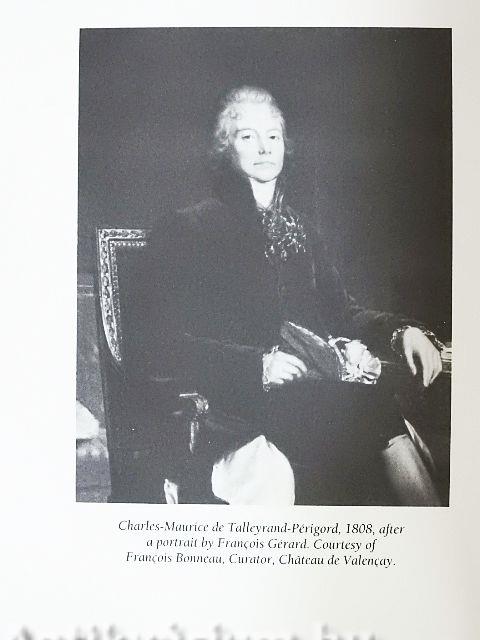
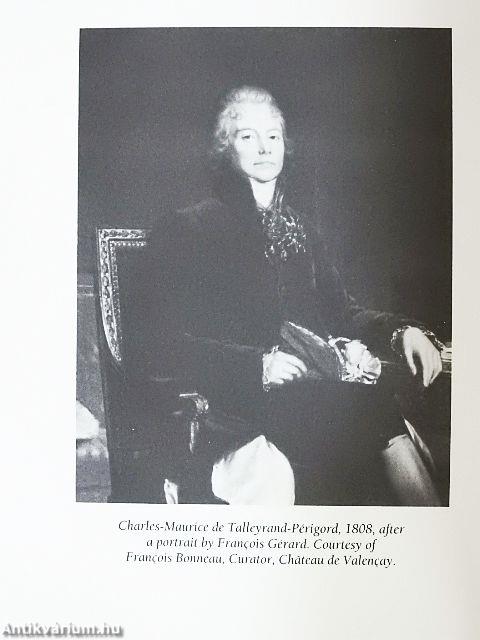
| Megjegyzés: | Egy fekete-fehér reprodukcióval. |
Értesítőt kérek a kiadóról
A beállítást mentettük,
naponta értesítjük a beérkező friss
kiadványokról
naponta értesítjük a beérkező friss
kiadványokról
A beállítást mentettük,
naponta értesítjük a beérkező friss
kiadványokról
naponta értesítjük a beérkező friss
kiadványokról
Előszó
Tovább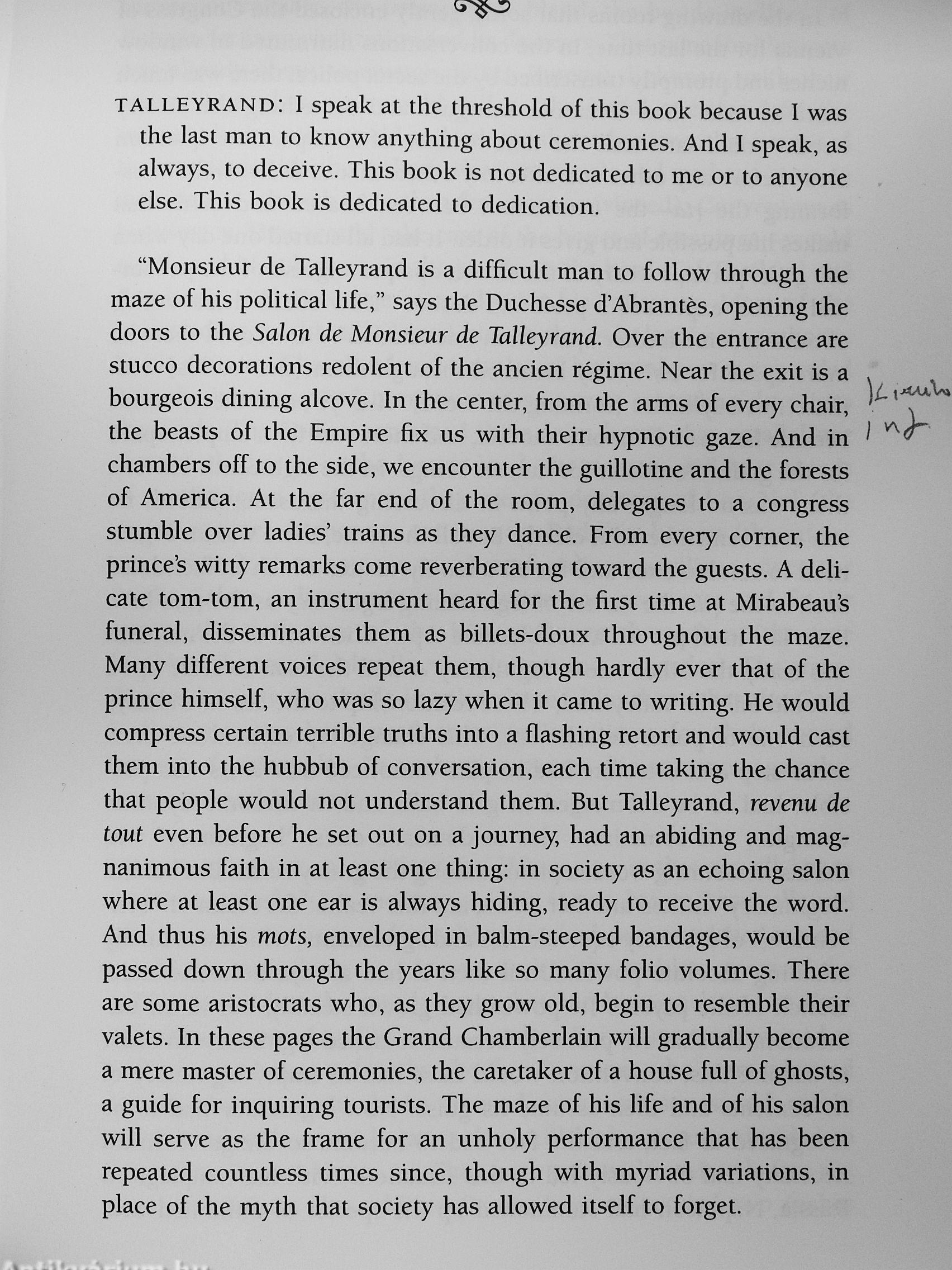
Fülszöveg
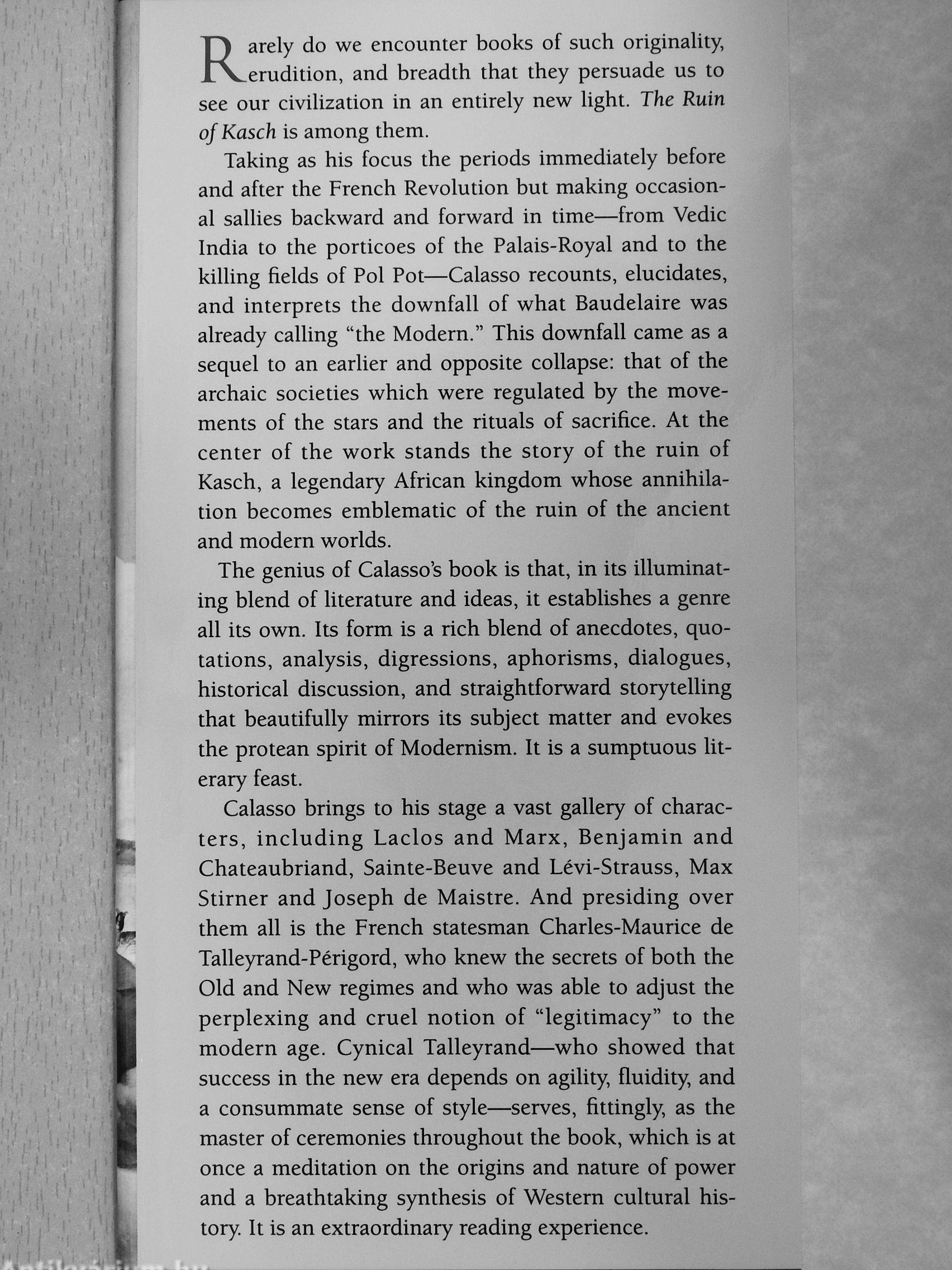
Rarely do we encounter books of such originality, erudition, and breadth that they persuade us to see our civilization in an entirely new light. The Ruin of Kasch is among them.
Taking as his focus the periods immediately before and after the French Revolution but making occasional sallies backward and forward in time—from Vedic India to the porticoes of the Palais-Royal and to the killing fields of Pol Pot—Calasso recounts, elucidates, and interprets the downfall of what Baudelaire was already calling "the Modern." This downfall came as a sequel to an earlier and opposite collapse: that of the archaic societies which were regulated by the movements of the stars and the rituals of sacrifice. At the center of the work stands the story of the ruin of Kasch, a legendary African kingdom whose annihilation becomes emblematic of the ruin of the ancient and modern worlds.
The genius of Calasso's book is that, in its illuminating blend of literature and ideas, it establishes a genre all... Tovább
Fülszöveg
Rarely do we encounter books of such originality, erudition, and breadth that they persuade us to see our civilization in an entirely new light. The Ruin of Kasch is among them.
Taking as his focus the periods immediately before and after the French Revolution but making occasional sallies backward and forward in time—from Vedic India to the porticoes of the Palais-Royal and to the killing fields of Pol Pot—Calasso recounts, elucidates, and interprets the downfall of what Baudelaire was already calling "the Modern." This downfall came as a sequel to an earlier and opposite collapse: that of the archaic societies which were regulated by the movements of the stars and the rituals of sacrifice. At the center of the work stands the story of the ruin of Kasch, a legendary African kingdom whose annihilation becomes emblematic of the ruin of the ancient and modern worlds.
The genius of Calasso's book is that, in its illuminating blend of literature and ideas, it establishes a genre all its own. Its form is a rich blend of anecdotes, quotations, analysis, digressions, aphorisms, dialogues, historical discussion, and straightforward storytelling that beautifully mirrors its subject matter and evokes the protean spirit of Modernism. It is a sumptuous literary feast.
Calasso brings to his stage a vast gallery of characters, including Laclos and Marx, Benjamin and Chateaubriand, Sainte-Beuve and Lévi-Strauss, Max Stirner and Joseph de Maistre. And presiding over them all is the French statesman Charles-Maurice de Talleyrand-Périgord, who knew the secrets of both the Old and New regimes and who was able to adjust the perplexing and cruel notion of "legitimacy" to the modern age. Cynical Talleyrand—who showed that success in the new era depends on agihty, fluidity, and a consummate sense of style—serves, fittingly, as the master of ceremonies throughout the book, which is at once a meditation on the origins and nature of power and a breathtaking synthesis of Western cultural history It is an extraordinary reading experience.
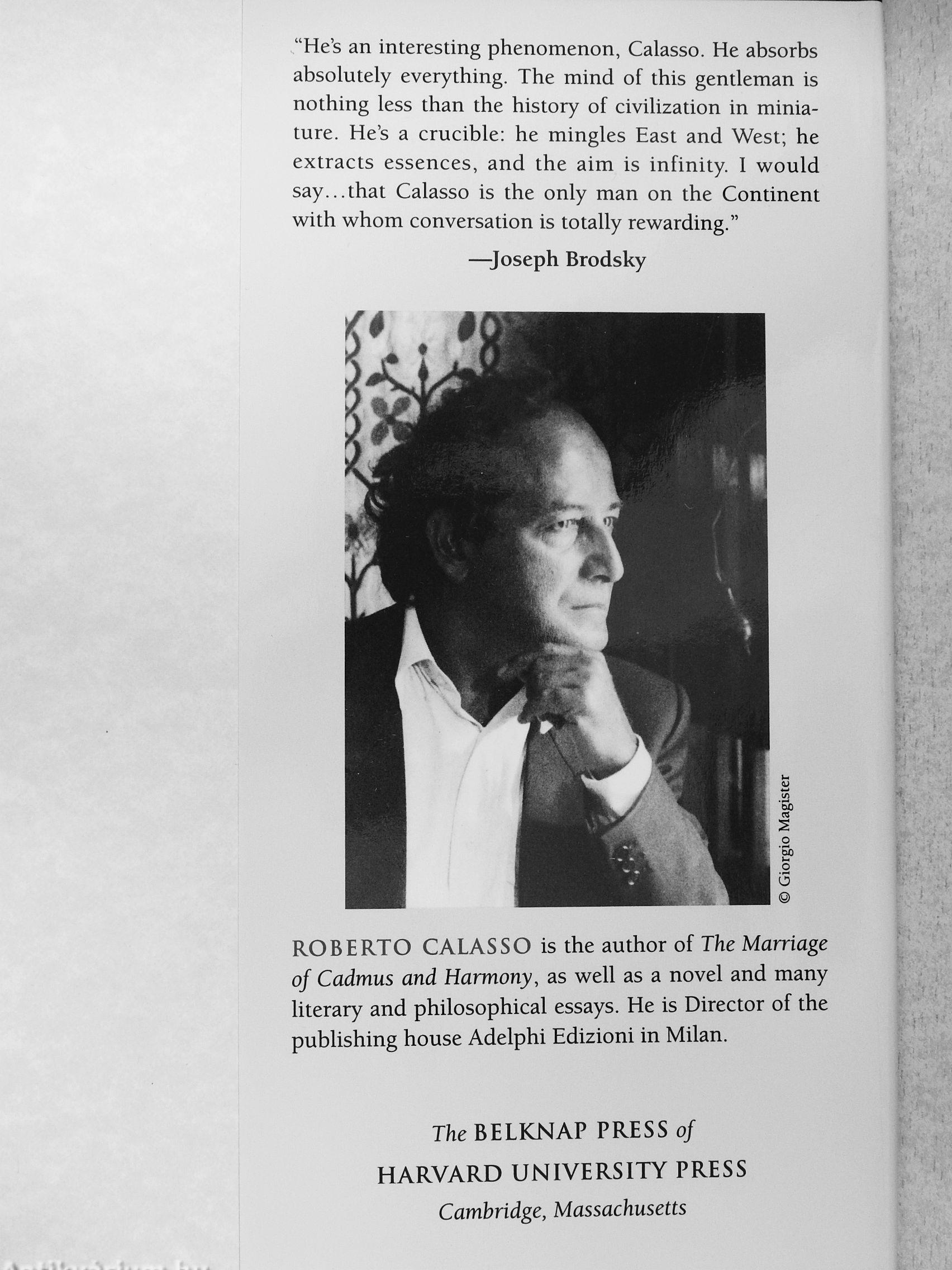
"He's an interesting phenomenon, Calasso. He absorbs absolutely everything. The mind of this gentleman is nothing less than the history of civilization in miniature. He's a crucible: he mingles East and West; he extracts essences, and the aim is infinity. 1 w^ould say that Calasso is the only man on the Continent with whom conversation is totally rewarding."
—Joseph Brodsky
ROBERTO CALASSO is the author of The Marriage of Cadmus and Harmony, as well as a novel and many literary and philosophical essays. He is Director of the publishing house Adelphi Edizioni in Milan.
The BELKNAP PRESS of HARVARD UNIVERSITY PRESS Cambridge, Massachusetts
INTERNATIONALLY ACCLAIMED
"The Ruin of Kasch takes up two subjects: the first is Talleyrand, and the second is everything else. And everything else includes all the things that have happened in human history, from the beginnings of civilization until today It is a book that loves to reveal itself as wandering and vagrant, guided only by fancy and by an insatiable curiosity, constructed of fragments, citations, digressions, anecdotes, and aphorisms— all so that it can be read with nearly continuous pleasure."
—Italo Calvino, Panorama Mese
"Philosophical, meandering, allegorical, funny, tragic, episodic, The Ruin of Kasch declares war on all ideologies Those of you who love small, sensible, linear novels— this book will cure you of your shivers and qualms .Long live Calassotherapy!"
—Frédéric Vitoux, Le Nouvel Observateur
"The book—like an explosion carrying sky-high the wreckage of a city—is an appropriately chaotic and fast-moving assemblage One minute, the reader is present at the Congress of Vienna; the next, in Cambodia under the Pol Pot regime The implication [of the legend of the decline and fall of Kasch] is that this severing of ties with the past and with the consecrated system of correspondences between Heaven and mortal society is a universal phenomenon, a human step into a profane existence that happens again and again, as we see it happen in France."
—Andrea Lee, New Yorker
"The Ruin of Kasch is not a narrative but an inexhaustible mine of anecdotes, not an essay but an endless string of brilliant insights into literature, history, philosophy, economics, politics—in short, into the makings and unmakings of the modem world." —Masolino d'Amico, Times Literary Supplement
It- . , •",!' ' '
"Scarcely have readers opened the book when they are not merely interested but fascinated—dazzled in the richest sense of the word .Here is a work that combines erudition, brilliance of style, and intellectual virtuosity to portray the modem era." —François Bott, Le Monde
"With The Ruin of Kasch Roberto Calasso has perhaps inaugurated a new literary category: the hybrid book, uniting history and novel, tale and aphorism, fable and reflection One doesn't know what to admire more: the emdition that laughs at erudition, the supple and imperious thinking that connects disparate elements with a single stroke, the masterful way the subject engenders its own form A very great book."
—Pascal Bruckner, Le Figaro
Design by Annamarie McMahon
Jacket Illustration: Detail from a fresco by Tiepolo in the Royal Palace, Madrid. Courtesy Patrimonio Nacional, Madrid.
ISBN O-bVM-TöQab-M
v. ti/
978067478026290000 Vissza

Témakörök
- Idegennyelv > Idegennyelvű könyvek > Angol > Szépirodalom > Megtörtént bűnügyek, dokumentumregények
- Idegennyelv > Idegennyelvű könyvek > Angol > Szépirodalom > Regény, novella, elbeszélés
- Idegennyelv > Idegennyelvű könyvek > Angol > Művelődéstörténet
- Művelődéstörténet > Civilizációtörténet > Afrikai
- Művelődéstörténet > Civilizációtörténet > Európai
- Művelődéstörténet > Kultúra > Története
- Szépirodalom > Regény, novella, elbeszélés > Tartalom szerint > Történelmi regények > Újkor > Egyéb
- Szépirodalom > Regény, novella, elbeszélés > Tartalom szerint > Földrajzi besorolások > Afrika
- Szépirodalom > Regény, novella, elbeszélés > Tartalom szerint > Földrajzi besorolások > Ázsia
- Szépirodalom > Regény, novella, elbeszélés > Tartalom szerint > Kor- és társadalomrajz
- Szépirodalom > Megtörtént bűnügyek, dokumentumregények

Roberto Calasso
Roberto Calasso műveinek az Antikvarium.hu-n kapható vagy előjegyezhető listáját itt tekintheti meg: Roberto Calasso könyvek, művekMegvásárolható példányok
Állapotfotók
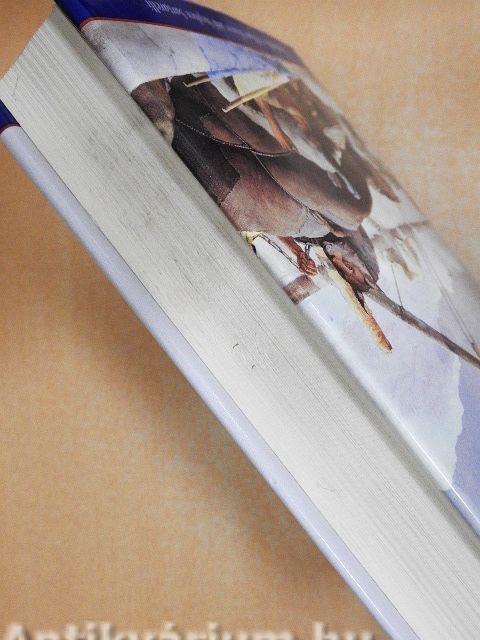
A lapélek foltosak.
Állapot:
Jó
9.400 ,-Ft
47
pont kapható
Kosárba
 Folytatás Microsoft-tal