
1.153.315
kiadvánnyal nyújtjuk Magyarország legnagyobb antikvár könyv-kínálatát

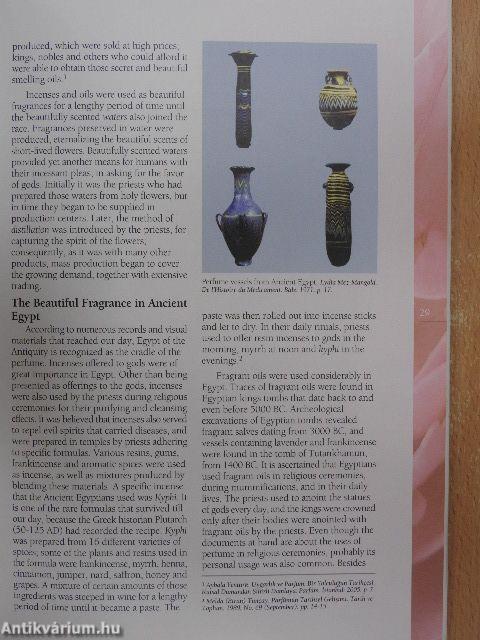
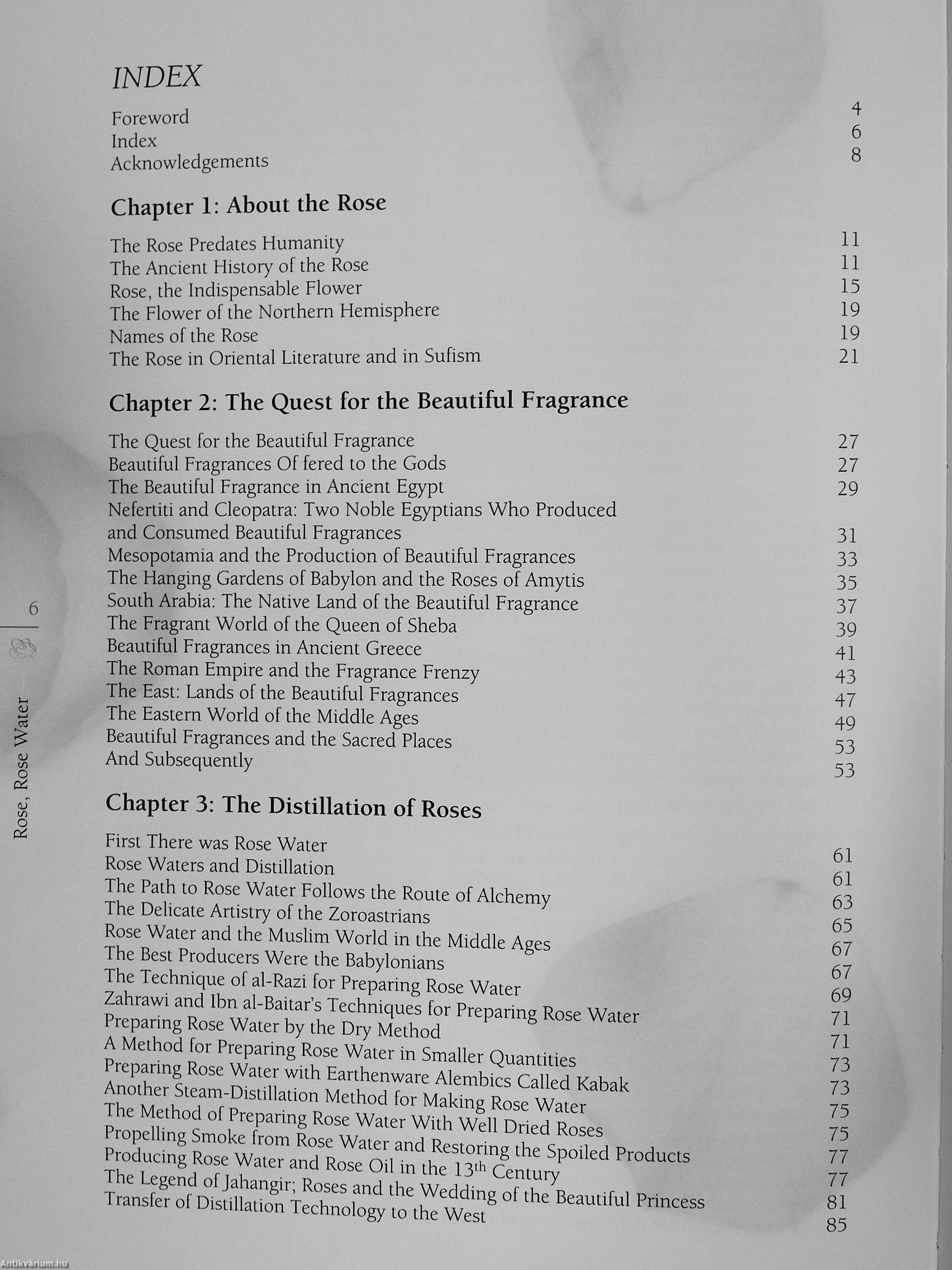
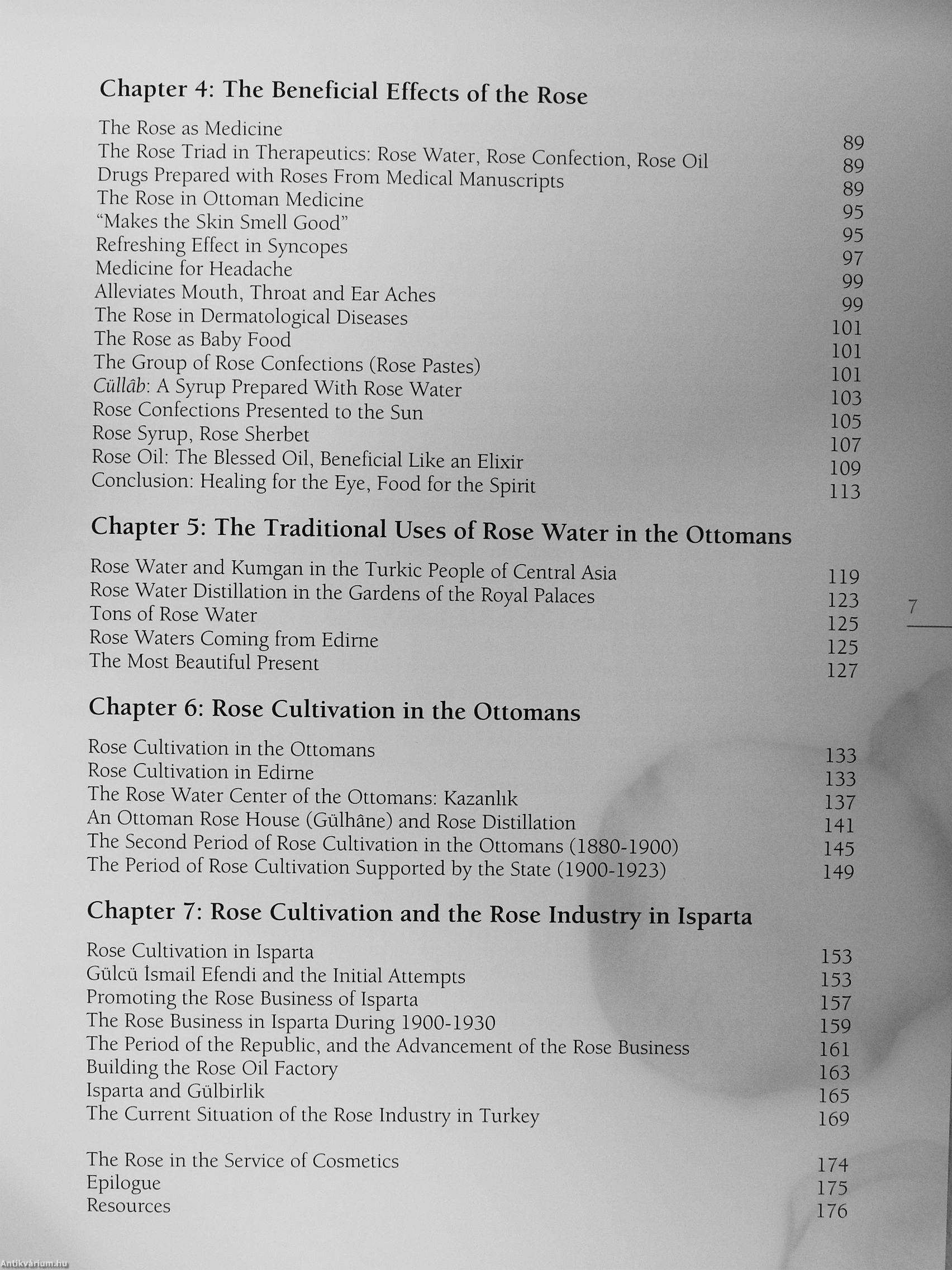
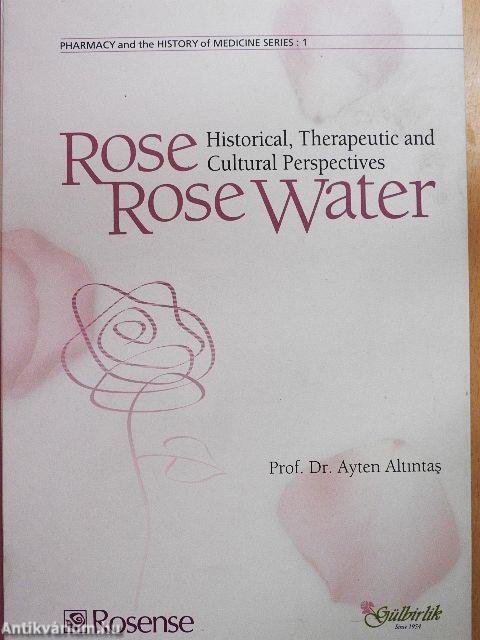
Rose, Rose Water
Historical, Therapeutic and Cultural Perspectives
Isztambul
| Kiadó: | Rosense-Gülbirlik |
|---|---|
| Kiadás helye: | Isztambul |
| Kiadás éve: | |
| Kötés típusa: | Fűzött kemény papírkötés |
| Oldalszám: | 177 oldal |
| Sorozatcím: | Pharmacy and the History of Medicine Series |
| Kötetszám: | 1 |
| Nyelv: | Angol |
| Méret: | 24 cm x 17 cm |
| ISBN: | 978-975-01257-3-7 |
| Megjegyzés: | Színes és fekete-fehér fotókkal, reprodukciókkal. |
Értesítőt kérek a kiadóról
Értesítőt kérek a sorozatról
A beállítást mentettük,
naponta értesítjük a beérkező friss
kiadványokról
naponta értesítjük a beérkező friss
kiadványokról
A beállítást mentettük,
naponta értesítjük a beérkező friss
kiadványokról
naponta értesítjük a beérkező friss
kiadványokról
Előszó
Tovább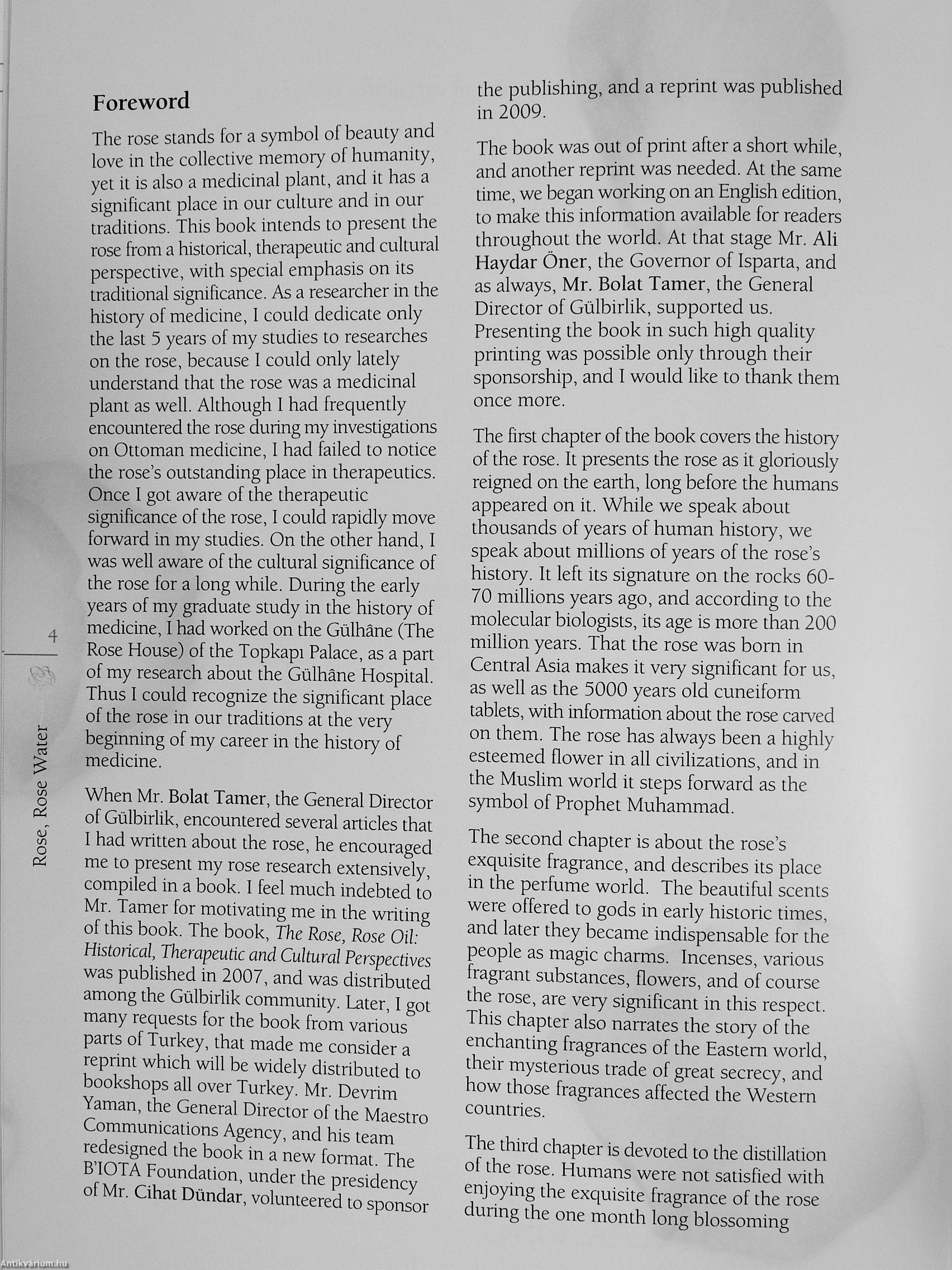
Fülszöveg
Tmaestro
Rose, Rose Water: Historical, Therapeulic and Cultural Perspectives
This book is wriilen primarily for presenting the therapeutic uses of fragrant roses in Ottoman medicine.
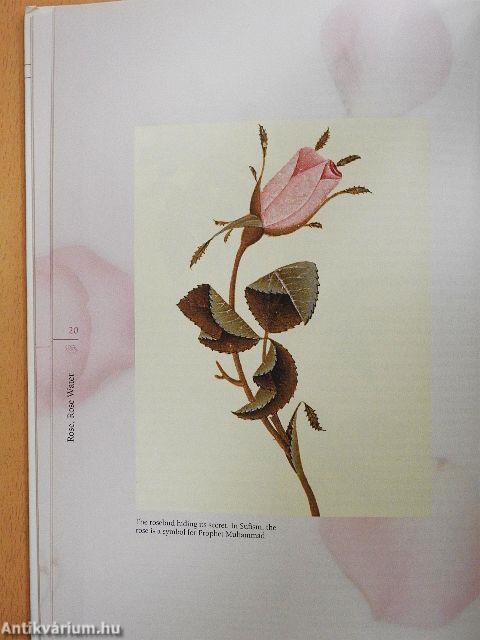
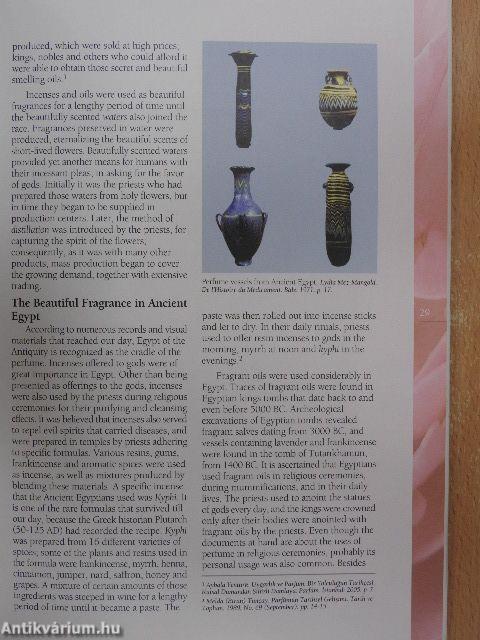
The rose had been one of the therapeutic agents utilized by ancient medicine, and after affirming its beneficial effects through thousands years of experience, it acquired a si^ificant place in Ottoman medicine too. Here we v^ish to present the rose water, rose confection, rose syrup, and rose oil formulas used m the therapeulic practices of the past, to modem medicine. Writing about the rose would be incomplete without mentioning its place in mythology, in history, in literature, and in an; so the book, even though brleffy, also touches on those subjects. The history of the rose is an exciting adventure in itself, one that is unbelievably rich, yet only a tiny drop of this adventure could be included in this book. Here you wi 1 read about the significance of the exquisite fragrance in the history... Tovább
Fülszöveg
Tmaestro
Rose, Rose Water: Historical, Therapeulic and Cultural Perspectives
This book is wriilen primarily for presenting the therapeutic uses of fragrant roses in Ottoman medicine.
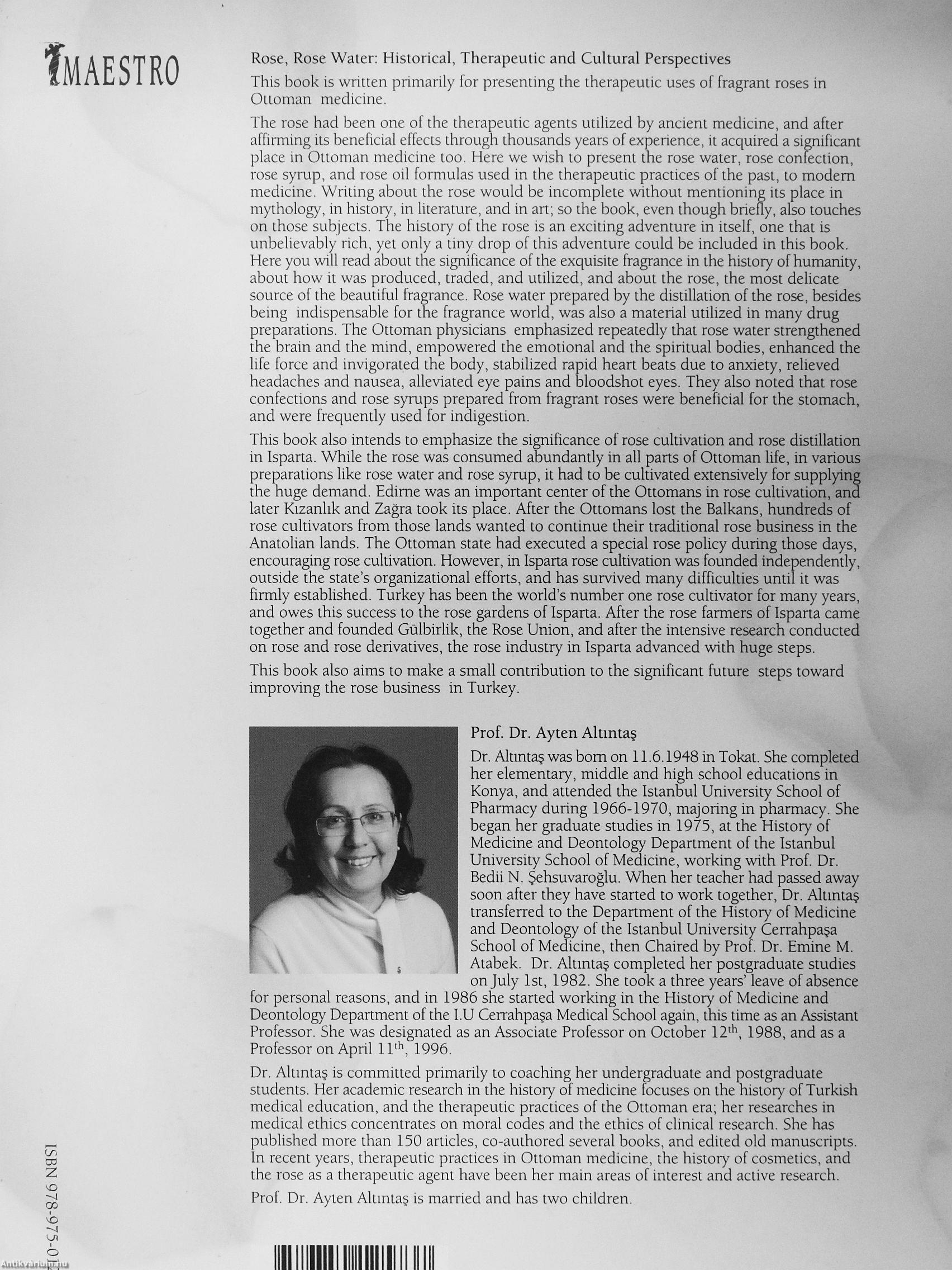
The rose had been one of the therapeutic agents utilized by ancient medicine, and after affirming its beneficial effects through thousands years of experience, it acquired a si^ificant place in Ottoman medicine too. Here we v^ish to present the rose water, rose confection, rose syrup, and rose oil formulas used m the therapeulic practices of the past, to modem medicine. Writing about the rose would be incomplete without mentioning its place in mythology, in history, in literature, and in an; so the book, even though brleffy, also touches on those subjects. The history of the rose is an exciting adventure in itself, one that is unbelievably rich, yet only a tiny drop of this adventure could be included in this book. Here you wi 1 read about the significance of the exquisite fragrance in the history of humanity, about how it was produced, traded, and utilized, and about the rose, the most delicate source of the beautiful fragrance. Rose water prepared by the distillation of the rose, besides being indispensable for the fragrance world, was also a material utilized in many drug preparations. The Ottoman physicians emphasized repeatedly that rose water strengthened the brain and the mind, empowered the emotional and the spiritual bodies, enhanced the life force and invigorated the body, stabilized rapid heart beats due to anxiety, relieved headaches and nausea, alleviated eye pains and bloodshot eyes. They also noted that rose confections and rose syrups prepared from fragrant roses were beneficial for the stomach, and were frequently used for indigestion.
This book also intends to emphasize the significance of rose cultivation and rose distillation in Isparta. While the rose was consumed abundandy in all parts of Ottoman life, in various preparations like rose water and rose syrup, it had to be cultivated extensively for supplying the huge demand. Edime was an important center of the Ottomans in rose cultivation, and later Kizanlik and Zagra took its place. After the Ottomans lost the Balkans, hundreds of rose cultivators from those lands wanted to continue their traditional rose business in the Anatolian lands. The Ottoman state had executed a special rose policy during those days, encouraging rose cultivation. However, in Ispana rose cultivation was founded independendy, outside the state's organizational efforts, and has sur/ived many difficulties unti it was firmly established. Turkey has been the world's number one rose cultivator for many years, and owes this success to the rose gardens of Isparta. After the rose farmers of Isparta came together and founded Gulbirlik, the Rose Union, and after the intensive research conducted on rose and rose derivatives, the rose industry in Isparta advanced with huge steps.
This book also aims to make a small contribution to the significant future steps toward improving the rose business in Turkey.
Prof. Dr. Ayten Altinia§
Dr. Alunta§ was bom on 11.6.1948 in Tokat. She completed her elementary, middle and high school educations in Konya, and attended the Istanbul University School of Pharmacy during 1966-1970, majoring in pharmacy. She began her graduate studies in 1975, at the History of Medicine and Deontology Department of the Istanbul University School of Medicine, working with Prof. Dr. Bedii N. 5ehsuvaroglu. When her teacher had passed away soon after they have started to work together. Dr. Altmta§ transferred to the Department of the History of Medicine and Deontolo^ of the Istanbul University Cerrahpa^a School of Medicine, then Chaired by Prof. Dr. Emine M. Atabek. Dr. Altmta§ completed her postgraduate studies on July 1st, 1982. She took a three years' leave of absence for personal reasons, and in 1986 she started working in the History of Medicine and Deontology Department of the I.U Cerrahpa§a Medical School again, this time as an Assistant Professor. She was designated as an Associate Professor on October 12*^, 1988, and as a Professor on April 11'^, 1996.
Dr. Altinta§ is committed primarily to coaching her undergraduate and postgraduate students. Her academic research in the history of medicine focuses on the history of Turkish medical education, and the therapeutic practices of the Ottoman era; her researches in medical ethics concentrates on moral codes and the ethics of clinical research. She has published more than 150 articles, co-authored several books, and edited old manuscripts. In recent years, therapeutic practices in Ottoman medicine, the histor>' of cosmetics, and the rose as a therapeutic agent have been her main areas of interest and active research. Prof. Dr. Ayten Altinta? is married and has two children.
9789750125737 Vissza
Témakörök
- Idegennyelv > Idegennyelvű könyvek > Angol > Egyéb
- Idegennyelv > Idegennyelvű könyvek > Angol > Természettudományok > Kémia
- Idegennyelv > Idegennyelvű könyvek > Angol > Természettudományok > Egyéb
- Idegennyelv > Idegennyelvű könyvek > Angol > Orvostudomány
- Idegennyelv > Idegennyelvű könyvek > Angol > Művelődéstörténet
- Idegennyelv > Idegennyelvű könyvek > Angol > Természetgyógyászat
- Művelődéstörténet > Kultúra > Története
- Természetgyógyászat > Terápiák > Fizioterápia > Fitoterápiák
- Természettudomány > Kémia > Idegennyelvű
- Természettudomány > Kémia > Társtudományok > Gyógyszerészet
- Természettudomány > Kémia > Vegyészet, vegyipar
- Mezőgazdaság > Virágtermesztés > Rózsa
- Természettudomány > Növényvilág > Növényápolás > Virágtermesztés
- Orvostudomány > Általános orvosi, egyéb > Idegennyelvű
- Orvostudomány > Általános orvosi, egyéb > Terápia > Hagyományos
- Orvostudomány > Gyógyszertan > Gyógyszerkészítmények > Gyógynövény
- Orvostudomány > Gyógyszertan > Idegennyelvű
- Orvostudomány > Gyógyszertan > Társtudományok > Kémia
- Orvostudomány > Orvosi idegennyelvű könyvek > Általános orvosi
- Orvostudomány > Orvosi idegennyelvű könyvek > Gyógyszertan
Prof. Dr. Ayten Altintas
Prof. Dr. Ayten Altintas műveinek az Antikvarium.hu-n kapható vagy előjegyezhető listáját itt tekintheti meg: Prof. Dr. Ayten Altintas könyvek, művekMegvásárolható példányok
Állapotfotók
Állapot:
Jó
18.000 ,-Ft
90
pont kapható
Kosárba
 Folytatás Microsoft-tal