Fülszöveg
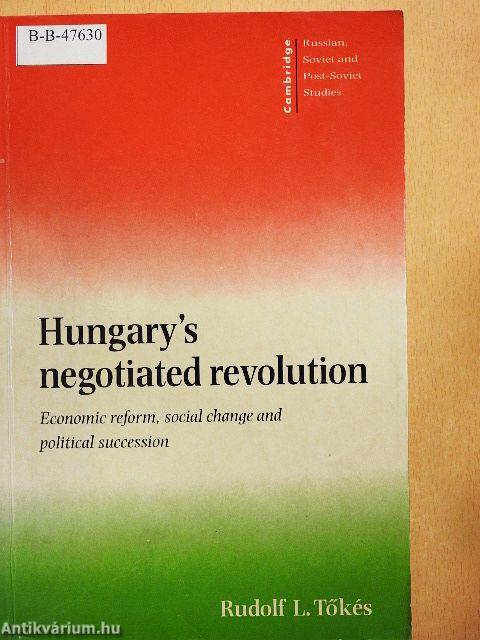
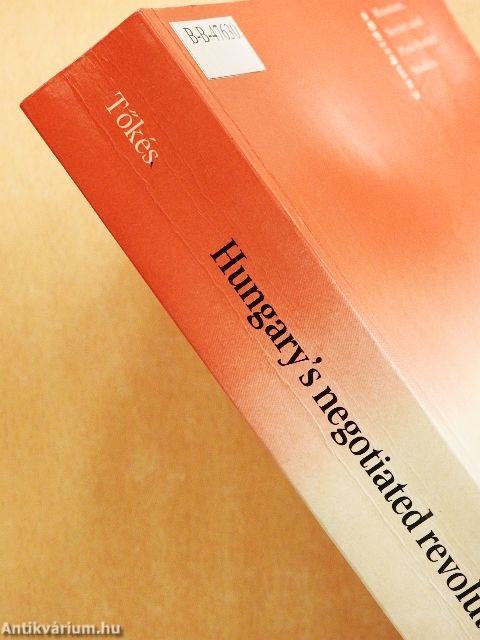
"An impressive intellectual accomplishment by one of the scholars best qualified to write about contemporary Hungary. The book is a valuable study of Hungary's recent transition to democracy as well as of the political history of the previous Kádár period; Relying on the insights of the political scientist and on the judicious use of original archival materials Tőkés has produced a book that will remain a standard work on modern Hungarian history and politics for decades to come." Andrew C. Janos University of California, Berkeley
"Provides an excellent description and commentary on the development of Hungary from the revolution of 19 56 through the fall of communism. It is attractively written and oiTers insights on the reasons and mechanisms of the decline of communism which are instructive not only in regard to Hungary but to East-European developments in the last thirty years in general. Hungary's Negotiated Revolution is to my mind one of the best treatments of the...
Tovább
Fülszöveg
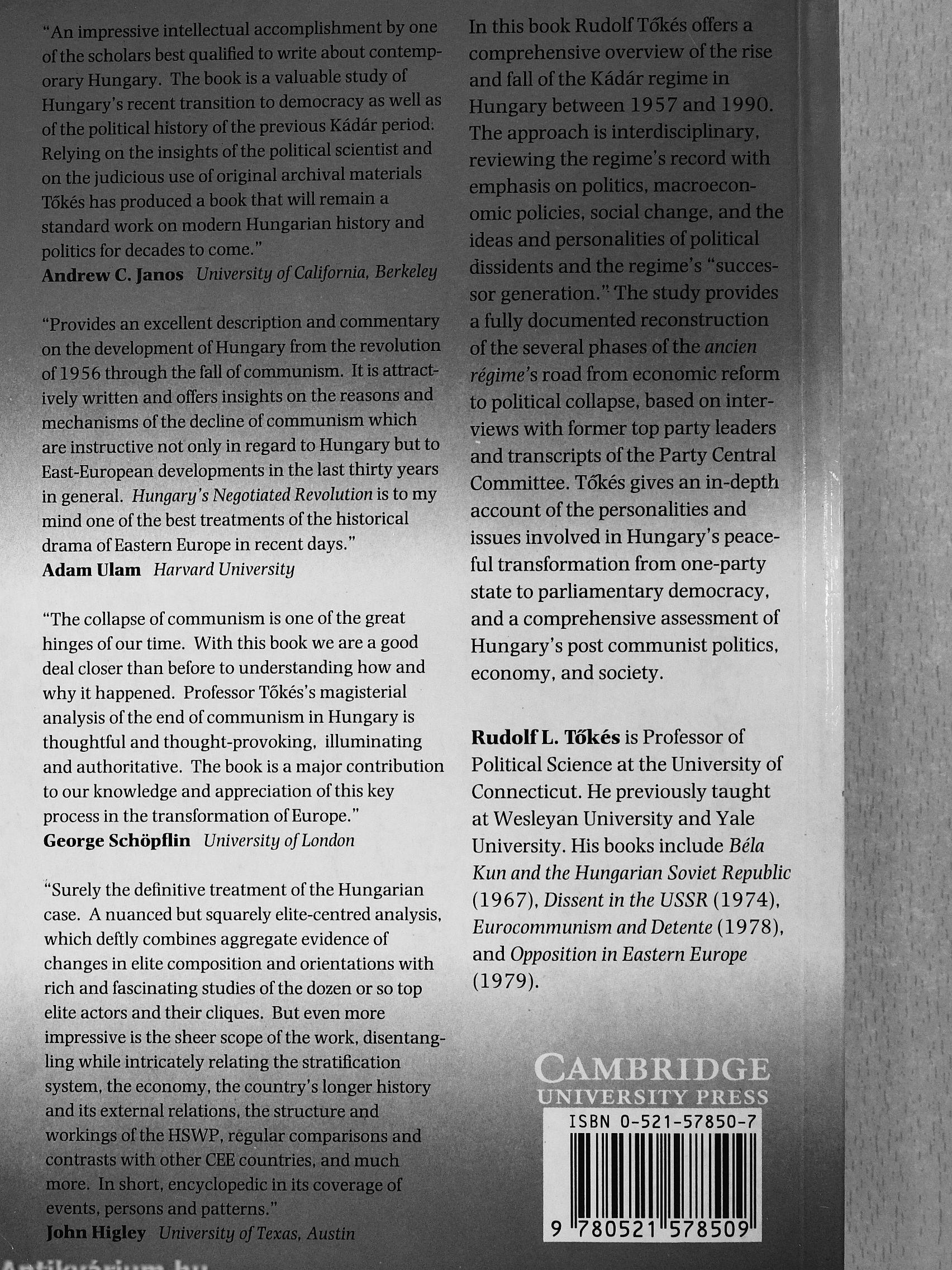
"An impressive intellectual accomplishment by one of the scholars best qualified to write about contemporary Hungary. The book is a valuable study of Hungary's recent transition to democracy as well as of the political history of the previous Kádár period; Relying on the insights of the political scientist and on the judicious use of original archival materials Tőkés has produced a book that will remain a standard work on modern Hungarian history and politics for decades to come." Andrew C. Janos University of California, Berkeley
"Provides an excellent description and commentary on the development of Hungary from the revolution of 19 56 through the fall of communism. It is attractively written and oiTers insights on the reasons and mechanisms of the decline of communism which are instructive not only in regard to Hungary but to East-European developments in the last thirty years in general. Hungary's Negotiated Revolution is to my mind one of the best treatments of the historical drama of Eastern Europe in recent days." Adam Ulam Harvard University
"The collapse of communism is one of the great hinges of our time. With this book we are a good deal closer than before to understanding how and why it happened. Professor Tőkés's magisterial analysis of the end of communism in Hungary is thoughtful and thought-provoking, illuminating and authoritative. The book is a major contribution to our knowledge and appreciation of this key process in the transformation of Europe." George Schöpfiin University of London
"Surely the definitive treatment of the Hungarian case. A nuanced but squarely elite-centred analysis, which deftly combines aggregate evidence of changes in elite composition and orientations with rich and fascinating studies of the dozen or so top elite actors and their cliques. But even more impressive is the sheer scope of the work, disentangling while intricately relating the stratification system, the economy, the country's longer history and its external relations, the structure aijd workings of the HSWP, regular comparisons and contrasts with other CEE countries, and much more. In short, encyclopedic in its coverage of events, persons and patterns." John Higley University of Texas, Austin
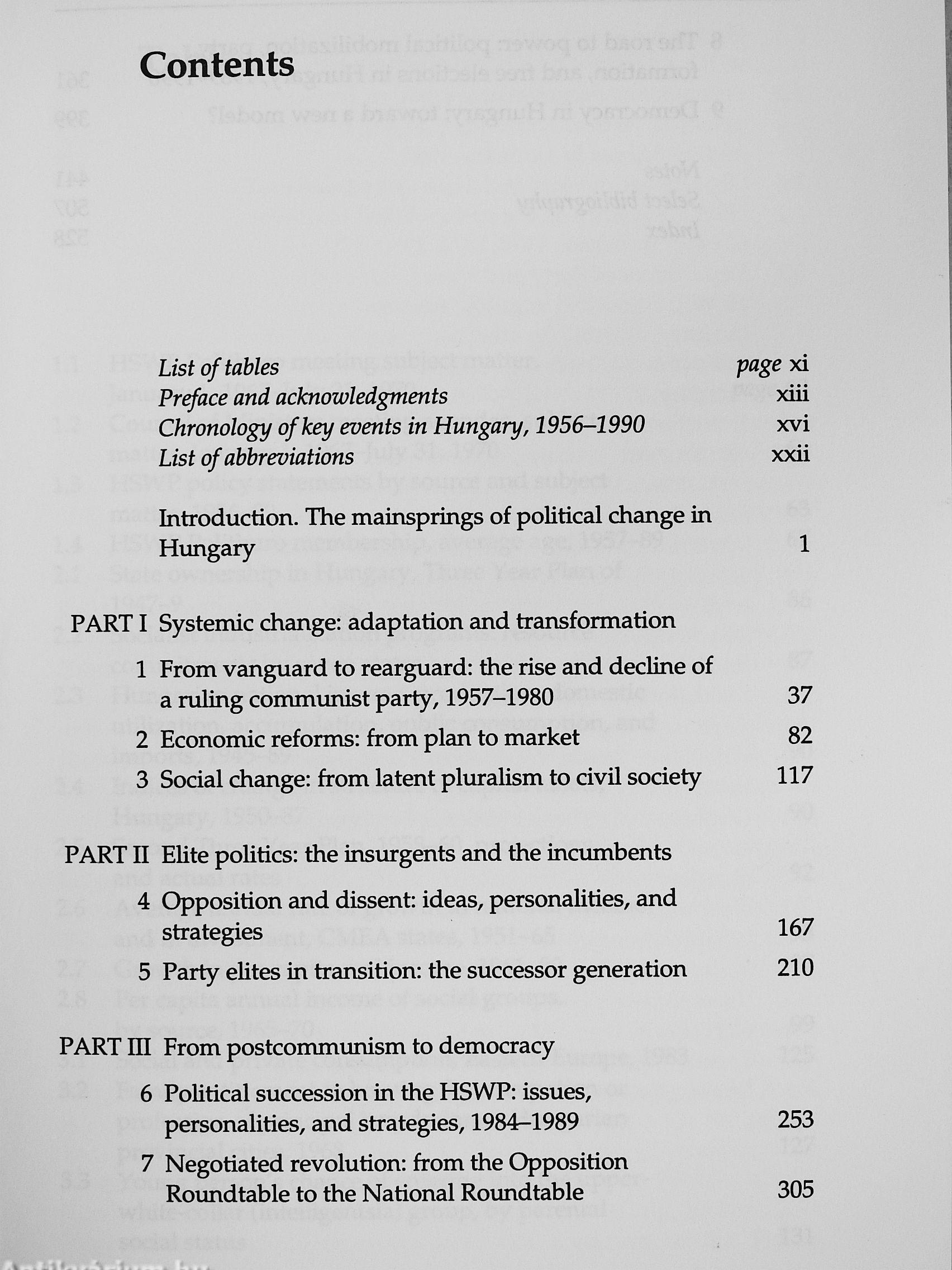
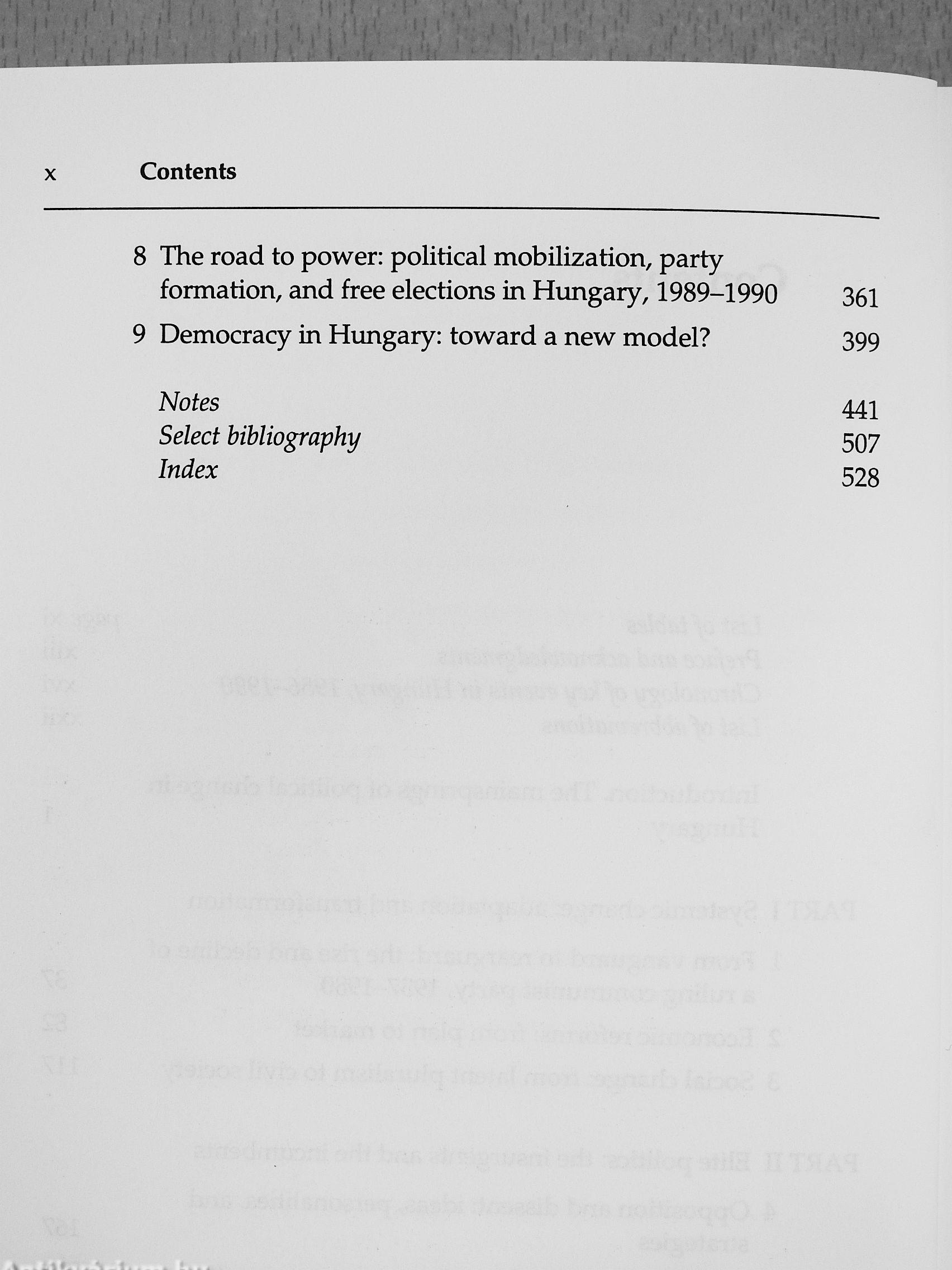
In this book Rudolf Tőkés offers a comprehensive overview of the rise and fall of the Kádár regime in Hungary between 1957and 1990. The approach is interdisciplinary, reviewing the regime's record with emphasis on politics, macroecon-omic policies, social change, and the ideas and personalities of political dissidents and the regime's "successor generation."- The study provides a fully documented reconstruction of the several phases of the ancien regime's road from economic reform to poUtical collapse, based on interviews with former top party leaders and transcripts of the Party Central Committee. Tőkés gives an in-depth account of the personalities and issues involved in Hungary's peaceful transformation from one-party state to parliamentary democracy, and a comprehensive assessment of Hungary's post communist politics, economy, and society.
Rudolf L. Tőkés is Professor of Political Science at the University of Connecticut. He previously taught at Wesleyan University and Yale University. His books include Béla Kun and the Hungarian Soviet Republic (1967), Dissent in the USSR (1974), Eurocommunism andDetente (1978), and Opposition in Eastern Europe (1979).
Vissza 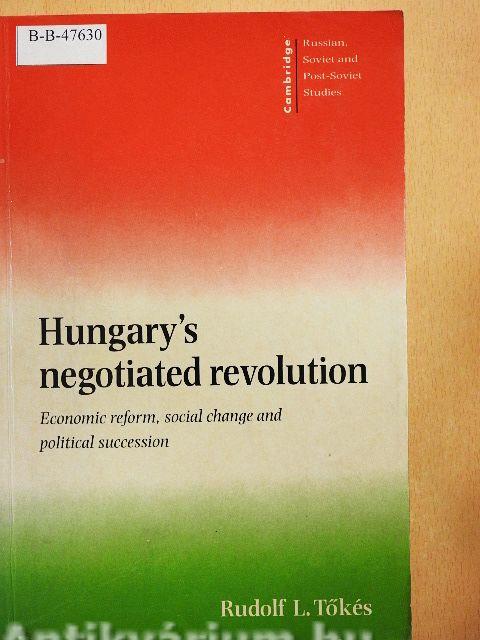


 Folytatás Microsoft-tal