
1.160.524
kiadvánnyal nyújtjuk Magyarország legnagyobb antikvár könyv-kínálatát

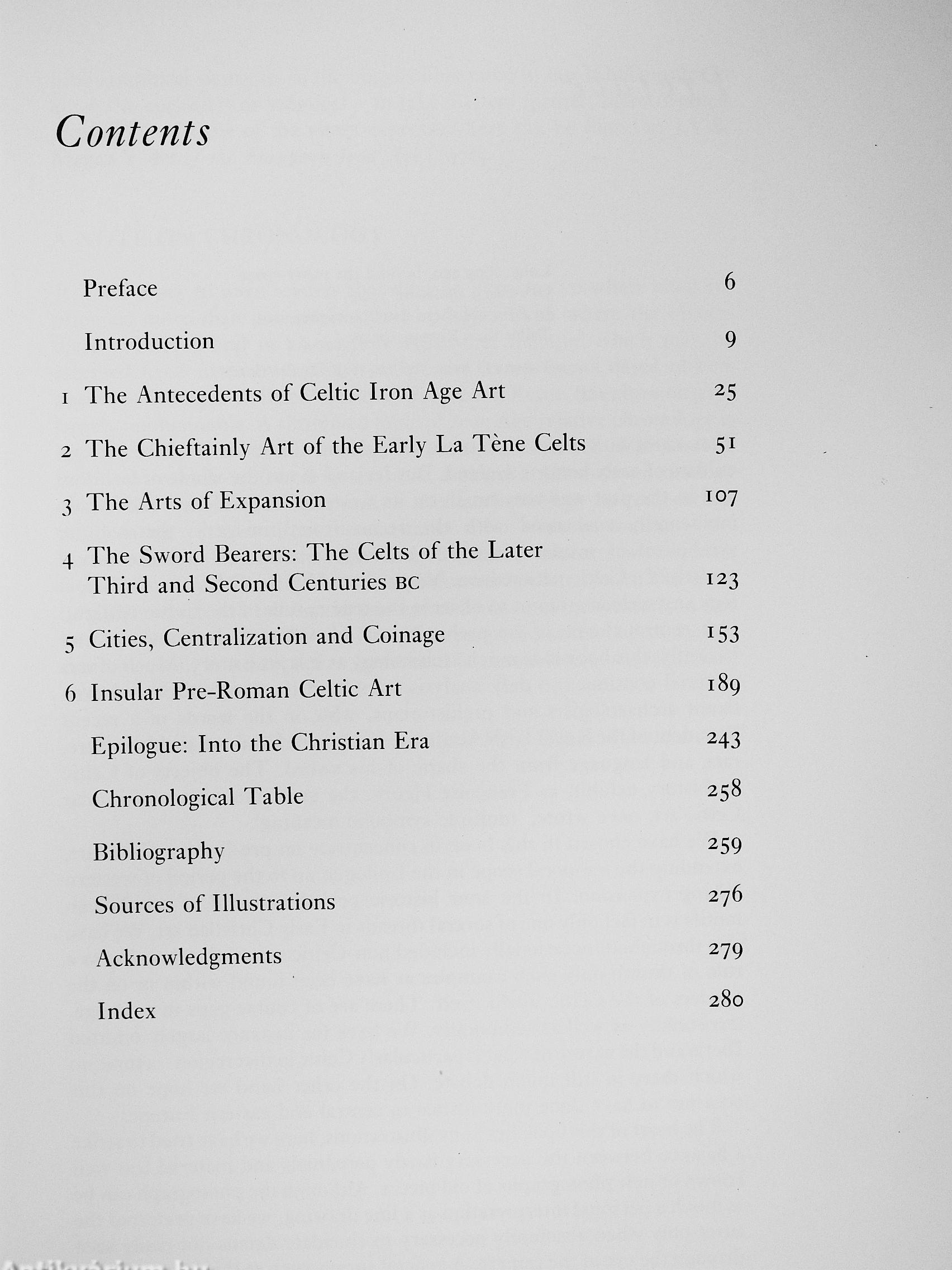
Celtic Art
From its beginnings to the Book of Kells
London
| Kiadó: | Thames and Hudson |
|---|---|
| Kiadás helye: | London |
| Kiadás éve: | |
| Kötés típusa: | Varrott papírkötés |
| Oldalszám: | 288 oldal |
| Sorozatcím: | |
| Kötetszám: | |
| Nyelv: | Angol |
| Méret: | 25 cm x 19 cm |
| ISBN: | 0-500-27585-8 |
| Megjegyzés: | Színes és fekete-fehér fotókkal, illusztrációkkal. |
Értesítőt kérek a kiadóról
A beállítást mentettük,
naponta értesítjük a beérkező friss
kiadványokról
naponta értesítjük a beérkező friss
kiadványokról
A beállítást mentettük,
naponta értesítjük a beérkező friss
kiadványokról
naponta értesítjük a beérkező friss
kiadványokról
Előszó
Tovább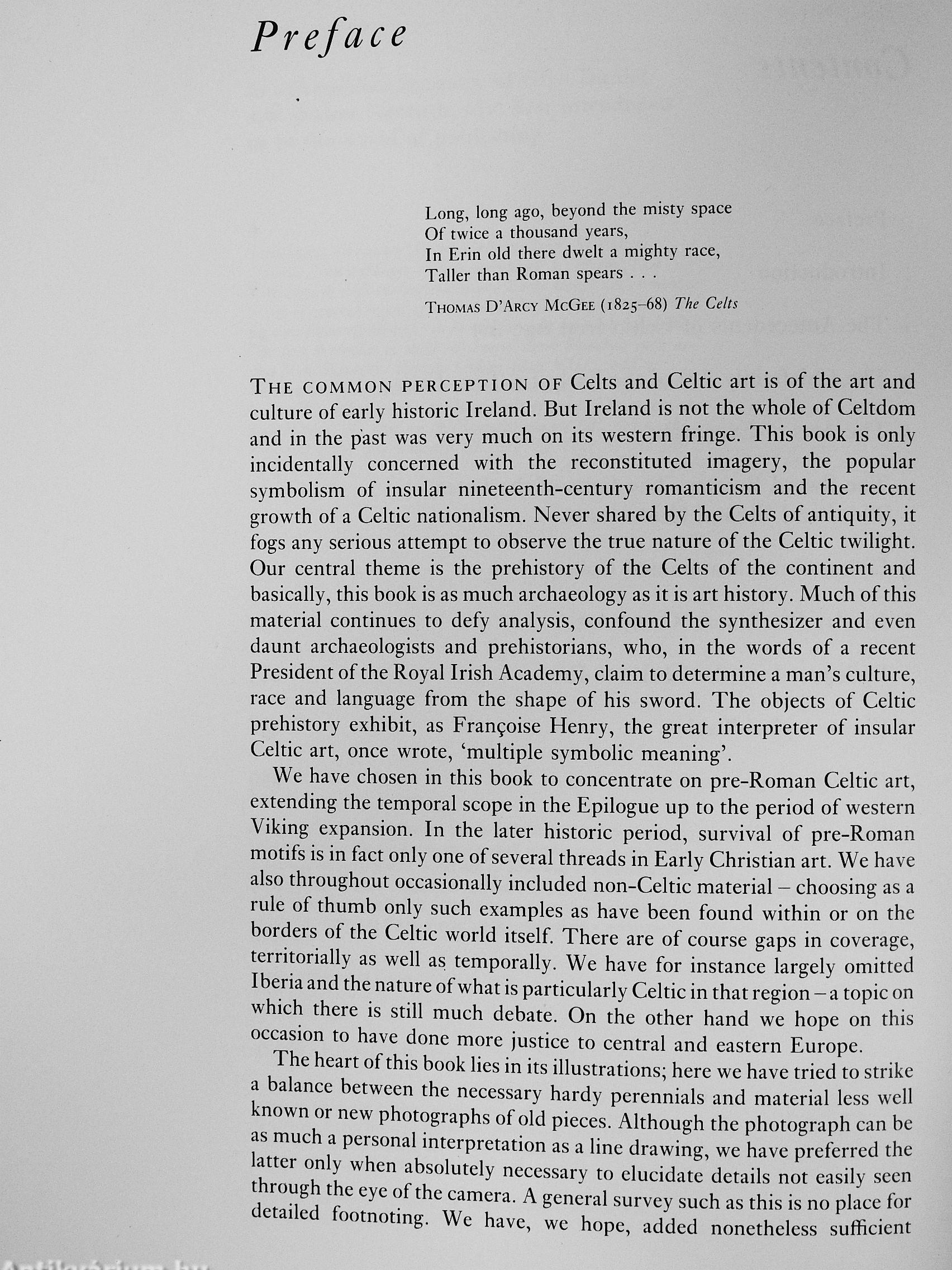
Fülszöveg
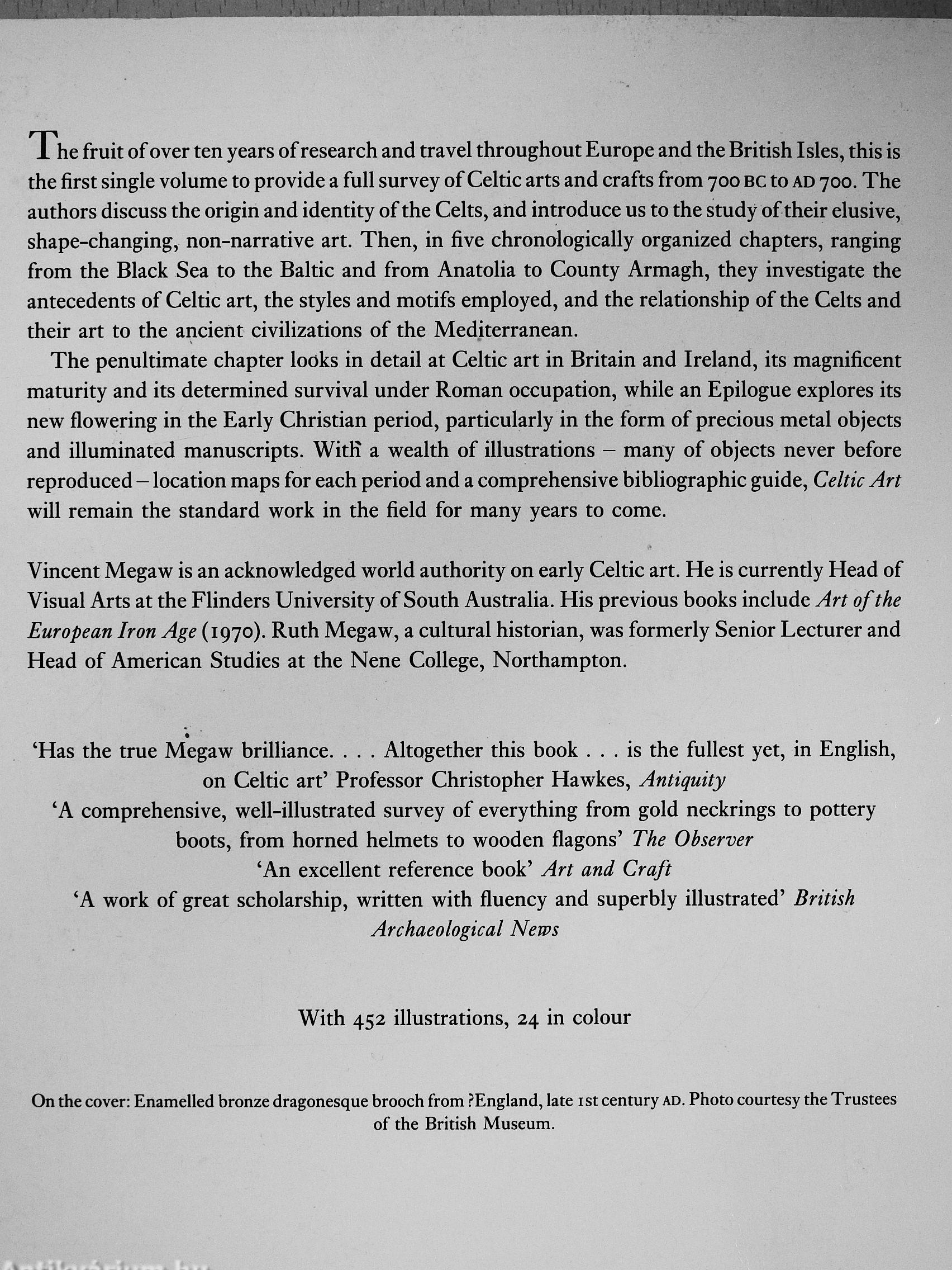
Th e fruit of over ten years of research and travel throughout Europe and the British Isles, this is the first single volume to provide a full survey of Celtic arts and crafts from 700 bc to ad 700. The authors discuss the origin and identity of the Celts, and introduce us to the study of their elusive, shape-changing, non-narrative art. Then, in five chronologically organized chapters, ranging from the Black Sea to the Baltic and from Anatolia to County Armagh, they investigate the antecedents of Celtic art, the styles and motifs employed, and the relationship of the Celts and their art to the ancient civilizations of the Mediterranean.
The penultimate chapter looks in detail at Celtic art in Britain and Ireland, its magnificent maturity and its determined survival under Roman occupation, while an Epilogue explores its new flowering in the Early Christian period, particularly in the form of precious metal objects and illuminated manuscripts. With a wealth of illustrations - many... Tovább
Fülszöveg
Th e fruit of over ten years of research and travel throughout Europe and the British Isles, this is the first single volume to provide a full survey of Celtic arts and crafts from 700 bc to ad 700. The authors discuss the origin and identity of the Celts, and introduce us to the study of their elusive, shape-changing, non-narrative art. Then, in five chronologically organized chapters, ranging from the Black Sea to the Baltic and from Anatolia to County Armagh, they investigate the antecedents of Celtic art, the styles and motifs employed, and the relationship of the Celts and their art to the ancient civilizations of the Mediterranean.
The penultimate chapter looks in detail at Celtic art in Britain and Ireland, its magnificent maturity and its determined survival under Roman occupation, while an Epilogue explores its new flowering in the Early Christian period, particularly in the form of precious metal objects and illuminated manuscripts. With a wealth of illustrations - many of objects never before reproduced-location maps for each period and a comprehensive bibliographic guide, Celtic Art will remain the standard work in the field for many years to come.
Vincent Megaw is an acknowledged world authority on early Celtic art. He is currently Head of Visual Arts at the Flinders University of South Australia. His previous books include Art of the European Iron Age (1970). Ruth Megaw, a cultural historian, was formerly Senior Lecturer and Head of American Studies at the Nene College, Northampton.
'Has the true Megaw brilliance. . . . Altogether this book is the fullest yet, in English, on Celtic art' Professor Christopher Hawkes, Antiquity 'A comprehensive, well-illustrated survey of everything from gold neckrings to pottery boots, from horned helmets to wooden flagons' The Observer 'An excellent reference book' Art and Craft 'A work of great scholarship, written with fluency and superbly illustrated' British
Archaeological News
With 452 illustrations, 24 in colour
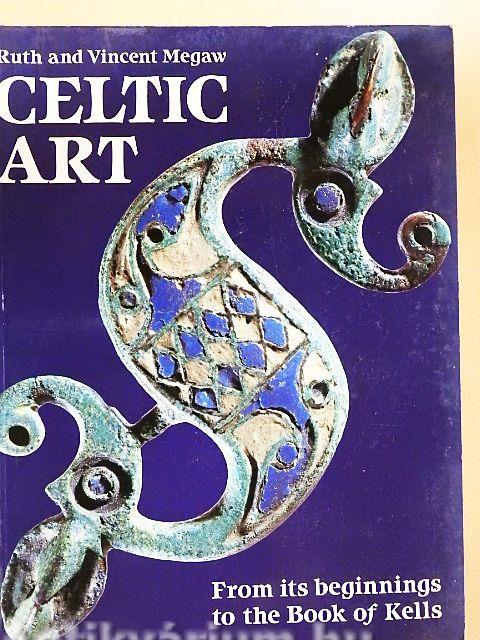
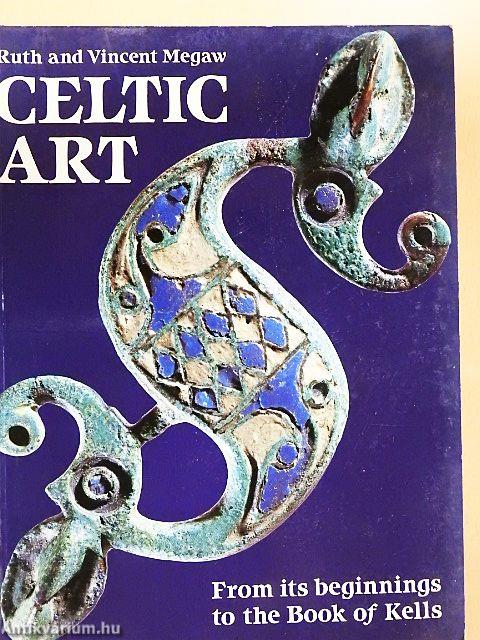
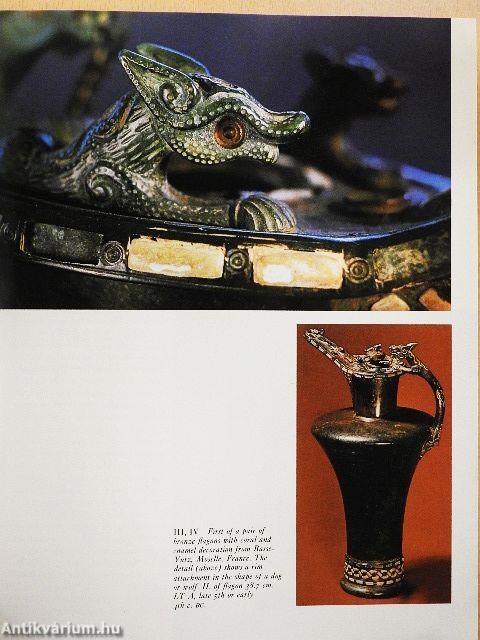
On the cover: Enamelled bronze dragonesque brooch from .'England, late i st century ad. Photo courtesy the Trustees
of the British Museum. Vissza
Témakörök
- Idegennyelv > Idegennyelvű könyvek > Angol > Művészetek > Iparművészet
- Idegennyelv > Idegennyelvű könyvek > Angol > Művészetek > Művészettörténet, általános
- Idegennyelv > Idegennyelvű könyvek > Angol > Művelődéstörténet
- Művelődéstörténet > Civilizációtörténet > Európai
- Művelődéstörténet > Kultúra > Története
- Művelődéstörténet > Átfogó művek, tanulmányok
- Művészetek > Művészettörténet általános > Társadalom és művészet > Egyéb
- Művészetek > Művészettörténet általános > Kontinensek művészete > Európa
- Művészetek > Művészettörténet általános > Idegen nyelv > Angol
- Művészetek > Művészettörténet általános > Művészettörténet > Külföldi
- Művészetek > Művészettörténet általános > Korszakok, stílusok > Ókor > Egyéb
- Művészetek > Művészettörténet általános > Korszakok, stílusok > Középkor > Egyéb
- Művészetek > Iparművészet > Története > Külföldi
- Művészetek > Iparművészet > Idegen nyelv > Angol
- Művészetek > Iparművészet > Fém-, ötvösművészet > Numizmatika
- Művészetek > Iparművészet > Fém-, ötvösművészet > Fémművesség
Megvásárolható példányok
Nincs megvásárolható példány
A könyv összes megrendelhető példánya elfogyott. Ha kívánja, előjegyezheti a könyvet, és amint a könyv egy újabb példánya elérhető lesz, értesítjük.
 Folytatás Microsoft-tal