
1.145.153
kiadvánnyal nyújtjuk Magyarország legnagyobb antikvár könyv-kínálatát

Scandinavian Mythology
London
| Kiadó: | Hamlyn Publishing Group Limited |
|---|---|
| Kiadás helye: | London |
| Kiadás éve: | |
| Kötés típusa: | Varrott keménykötés |
| Oldalszám: | 143 oldal |
| Sorozatcím: | |
| Kötetszám: | |
| Nyelv: | Angol |
| Méret: | 29 cm x 21 cm |
| ISBN: | 0-600-34280-8 |
| Megjegyzés: | Fekete-fehér és színes fotókkal. |
Értesítőt kérek a kiadóról
A beállítást mentettük,
naponta értesítjük a beérkező friss
kiadványokról
naponta értesítjük a beérkező friss
kiadványokról
A beállítást mentettük,
naponta értesítjük a beérkező friss
kiadványokról
naponta értesítjük a beérkező friss
kiadványokról
Előszó
Tovább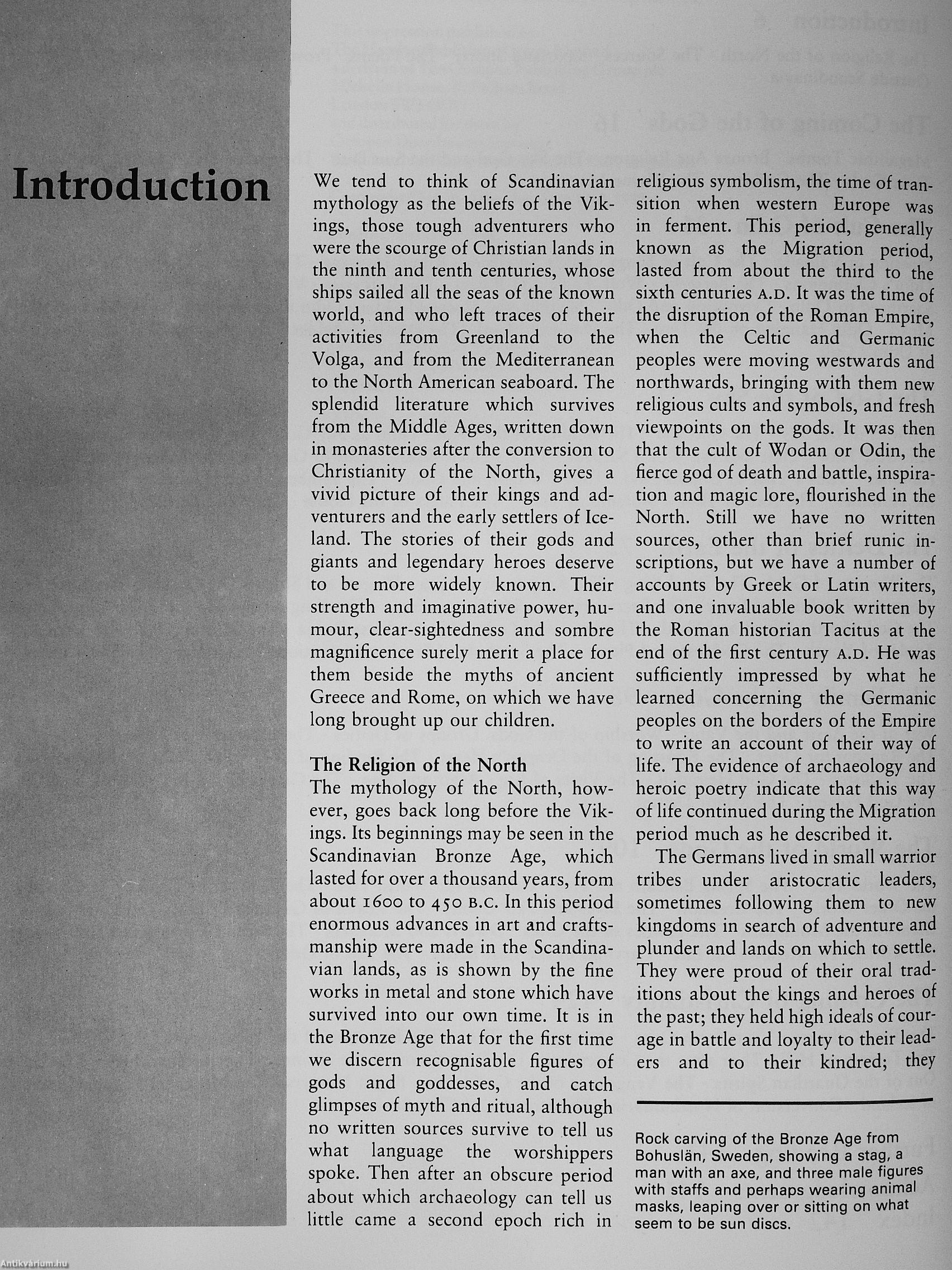
Fülszöveg
i
i
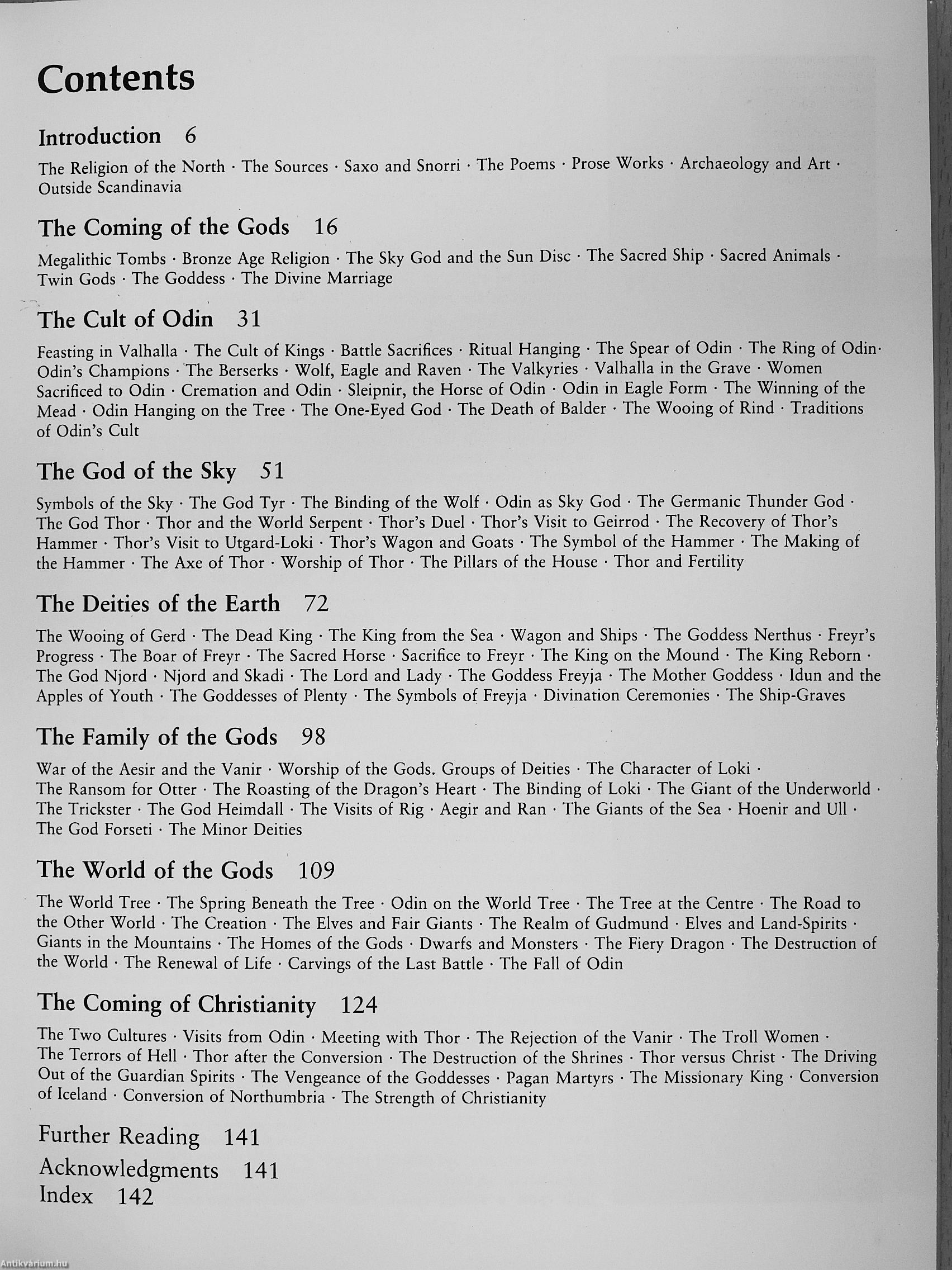
Scandinavian Mythology
The rehgion of Odin, god of war and magic, of Thor, ruler of the thunder, of Freyr, god of fertility, the tales of the Valkyries and berserks, dragons and giants — all are often thought of as being the creation of the Vikings.
Certainly the religion of the Northern gods reached a peak during the ninth and tenth centuries when the Vikings roamed the world from Greenland to the Volga. But the mythology of Scandinavia, Germany and Iceland can be traced back to the Bronze Age.
mythology reflects the Norsemen's love of nflict; death and violence were rarely far
Scandinavian my battle and confl , away. They believed that those who died heroically in battle went to Valhalla where each day they fought once more, and at night feasted on never-failing meat and mead.
Hilda Davidson brings to life this world of mighty warriors, ruthless gods, giants, dwarfs, elves and monsters. She also demonstrates how Christianity gradually spread and overcame the old... Tovább
Fülszöveg
i
i
Scandinavian Mythology
The rehgion of Odin, god of war and magic, of Thor, ruler of the thunder, of Freyr, god of fertility, the tales of the Valkyries and berserks, dragons and giants — all are often thought of as being the creation of the Vikings.
Certainly the religion of the Northern gods reached a peak during the ninth and tenth centuries when the Vikings roamed the world from Greenland to the Volga. But the mythology of Scandinavia, Germany and Iceland can be traced back to the Bronze Age.
mythology reflects the Norsemen's love of nflict; death and violence were rarely far
Scandinavian my battle and confl , away. They believed that those who died heroically in battle went to Valhalla where each day they fought once more, and at night feasted on never-failing meat and mead.
Hilda Davidson brings to life this world of mighty warriors, ruthless gods, giants, dwarfs, elves and monsters. She also demonstrates how Christianity gradually spread and overcame the old religion, intermingling with it in art and story-telling for many years.
Hilda Roderick Ellis Davidson was born at Bibington, Cheshire. She was educated at Birkenhead Girls' Secondary School and Newnham College, Cambridge, where she took a double first in English and Archaeology, and went on to research Norse mythology and rehgion for her Ph.D. She has lectured in English at the Royal Holloway College and Birkbeck College, but has concentrated on writing and research, particularly into eastern influences on Scandinavian mythology. She became Gulbenkian Research Fellow at Lucy Cavendish College, Cambridge, and was Vice-President 1975-80. She is a Fellow of the Society of Antiquaries, has been President of the London Folklore Society, and is general editor of Mistletoe Books published by the Society. She has two children and seven grandchildren and lives in Cambridge.
Mrs Davidson has also written The Road to Hel (1943), The Golden Age of Northumbia (1958), The Sword in Anglo-Saxon England (1962), Gods and Myths of Northern Europe (1964), Pagan Scandinavia (1967), The Chariot of the Sun (1969) with Peter Gelling, The Viking Road to Byzantium (1976), Patterns of Folklore (1978) and Commentary on the First Nine Books of Saxo Grammaticus (2 vols. 1979-80).
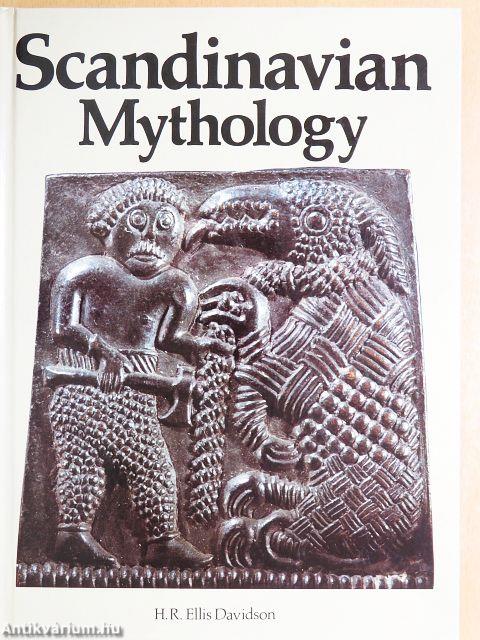
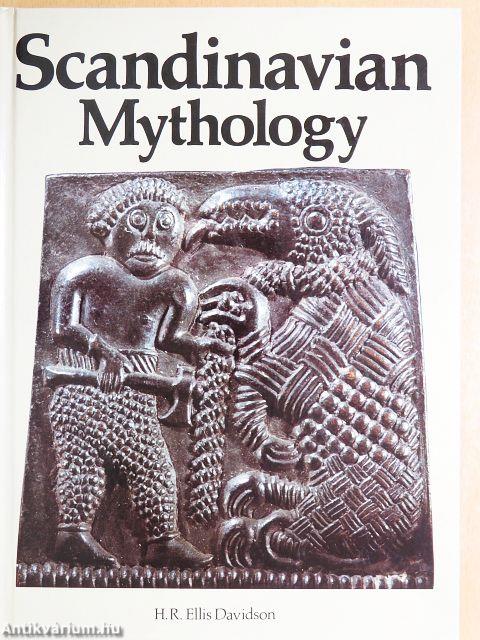
Front cover illustration: Man with a chained monster, perhaps Tyr binding the wolL Die for making helmet plates found at Torslunda. Statens Historiska Museum, Stockholm. Photograph: Werner Forman Archive, London.
Back cover illustration: Sigurd roasting the dragon's heart while Regin sleeps. Detail from a 12th-century carving from a stave-church portal. Universitatets Old-saksamling, Oslo. Photograph: Werner Forman Archive, London. Vissza

Témakörök
H. R. Ellis Davidson
H. R. Ellis Davidson műveinek az Antikvarium.hu-n kapható vagy előjegyezhető listáját itt tekintheti meg: H. R. Ellis Davidson könyvek, művekMegvásárolható példányok
Nincs megvásárolható példány
A könyv összes megrendelhető példánya elfogyott. Ha kívánja, előjegyezheti a könyvet, és amint a könyv egy újabb példánya elérhető lesz, értesítjük.
 Folytatás Microsoft-tal