
1.161.159
kiadvánnyal nyújtjuk Magyarország legnagyobb antikvár könyv-kínálatát

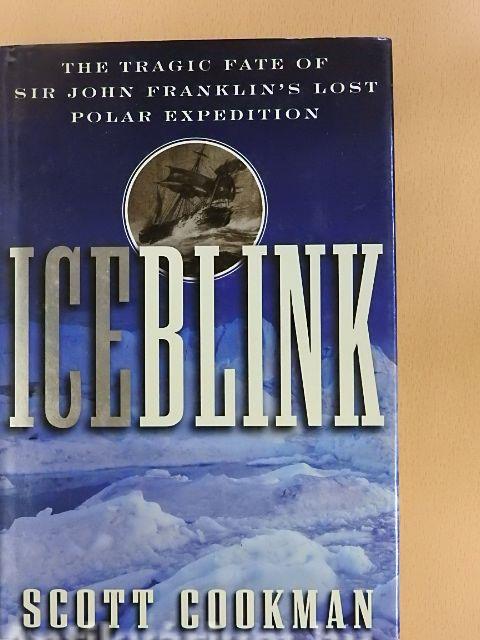
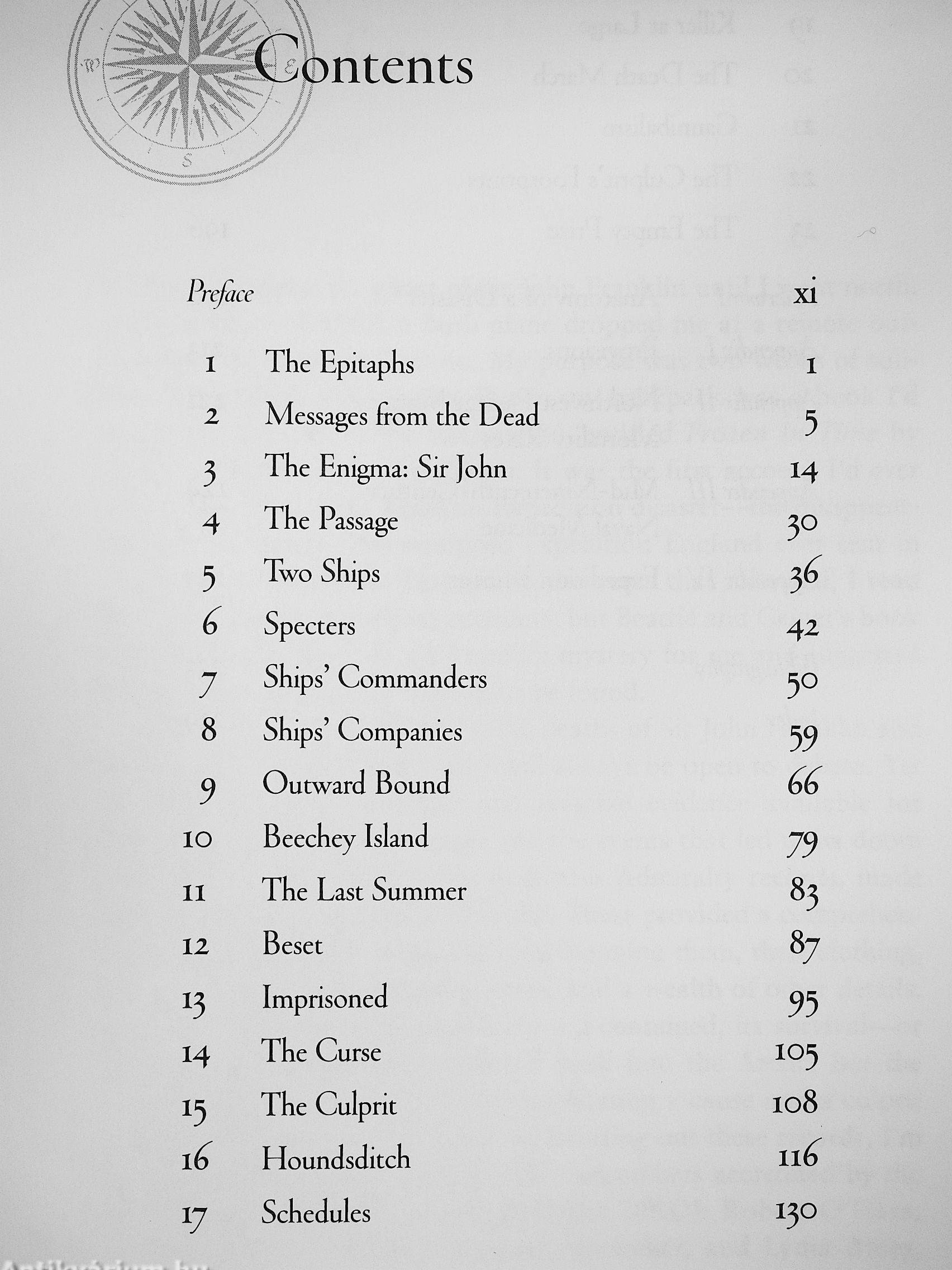
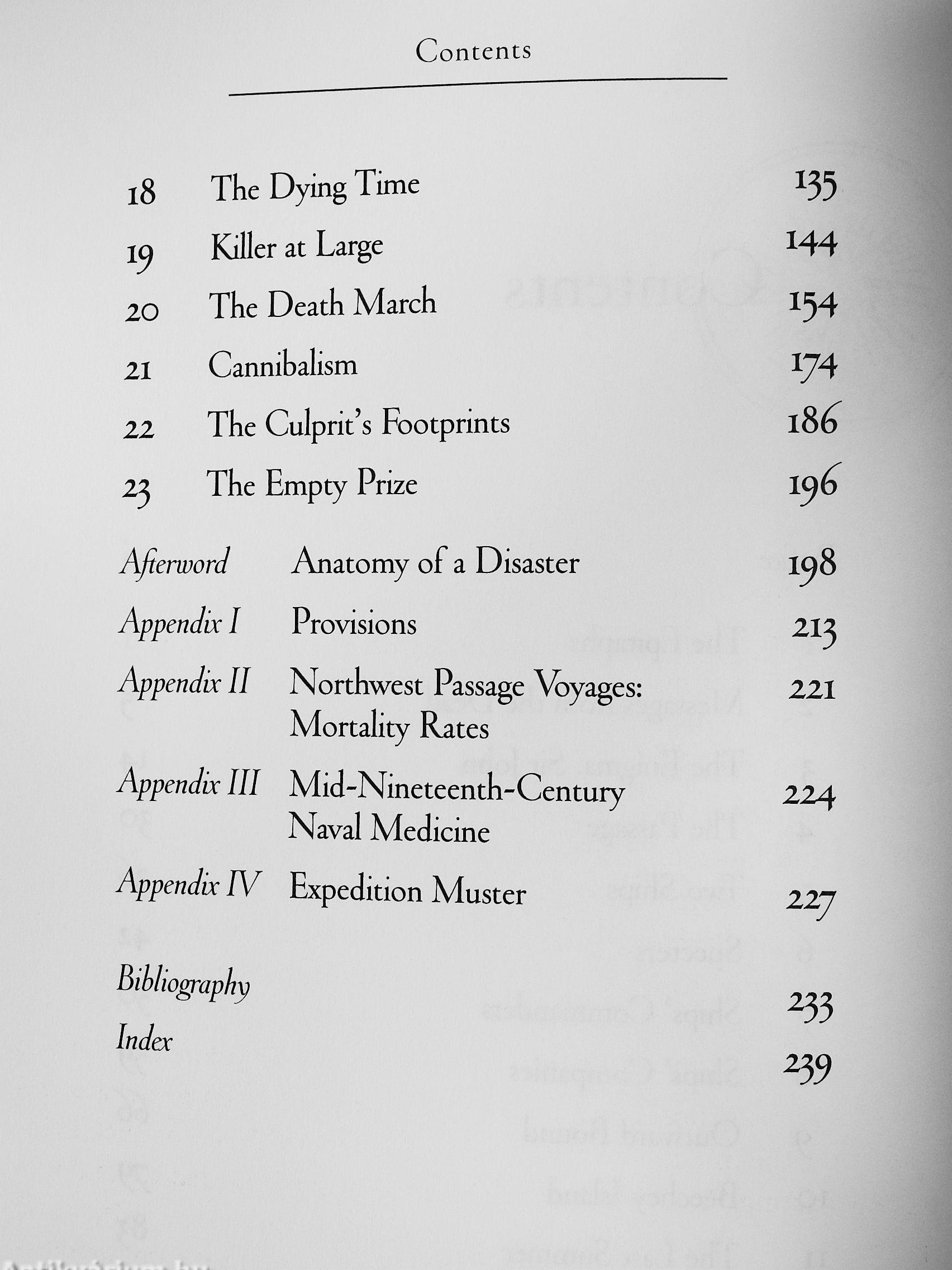
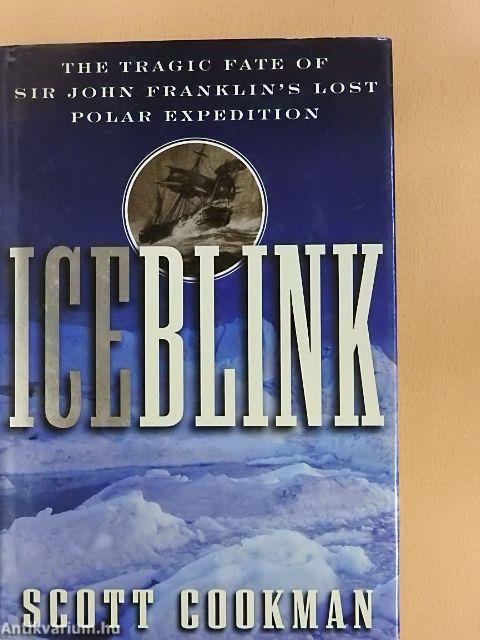
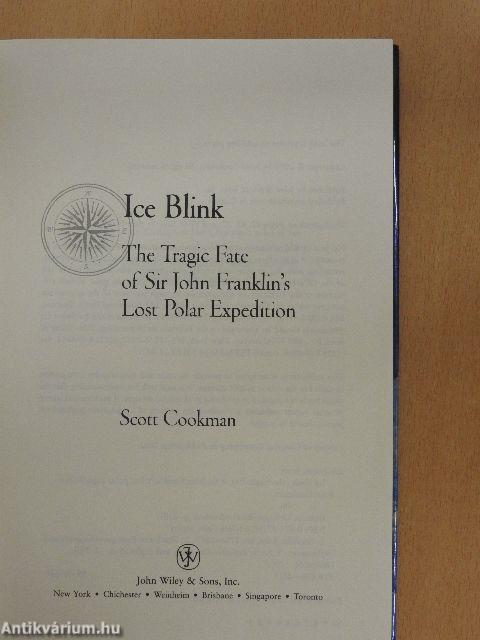
Ice Blink
The Tragic Fate of Sir John Franklin's Lost Polar Expedition
New York
| Kiadó: | John Wiley & Sons, Inc. |
|---|---|
| Kiadás helye: | New York |
| Kiadás éve: | |
| Kötés típusa: | Fűzött keménykötés |
| Oldalszám: | 244 oldal |
| Sorozatcím: | |
| Kötetszám: | |
| Nyelv: | Angol |
| Méret: | 23 cm x 16 cm |
| ISBN: | 0-471-37790-2 |
| Megjegyzés: | Fekete-fehér illusztrációkkal, fotókkal. |
Értesítőt kérek a kiadóról
A beállítást mentettük,
naponta értesítjük a beérkező friss
kiadványokról
A beállítást mentettük,
naponta értesítjük a beérkező friss
kiadványokról
Előszó
Tovább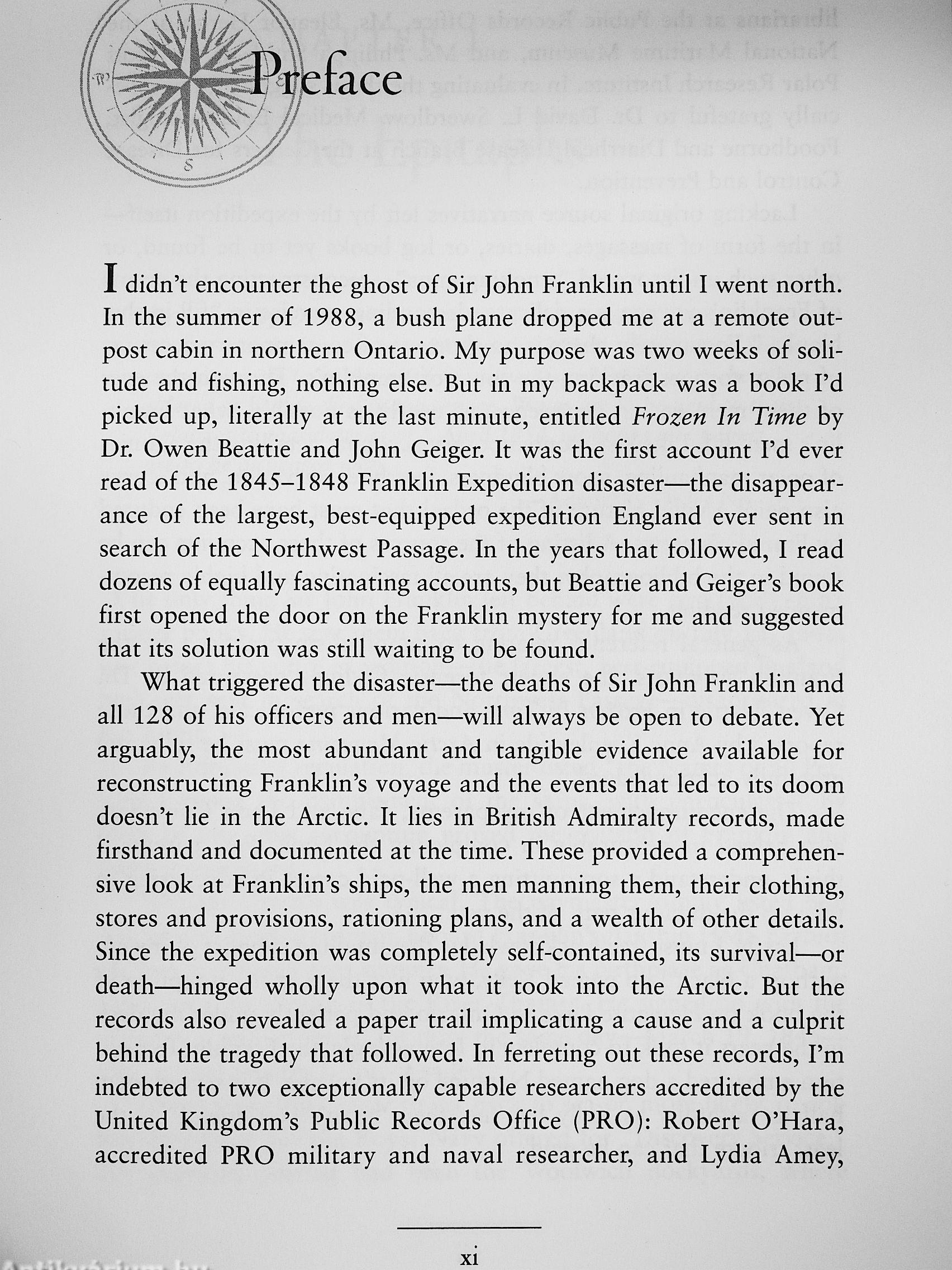
Fülszöveg
$24.95 USA/$34.95 can
5 : Il
' ' ' ; L
THE TRAOIO FATE OF SIR JOHN FRANKIilN'S liOST POIiAR EXPEDITION
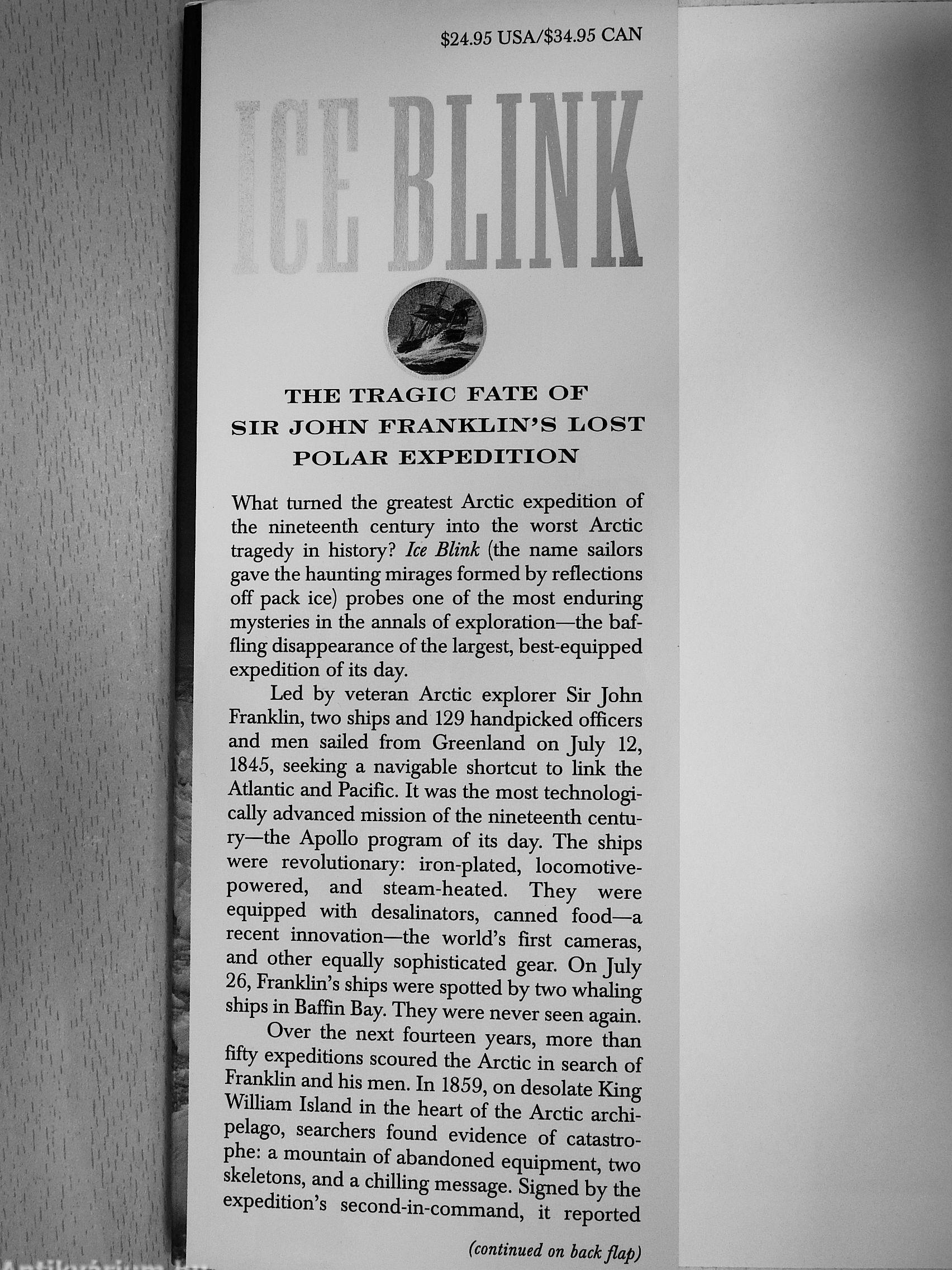
What turned the greatest Arctic expedition of the nineteenth century into the worst Arctic tragedy in history? Ice Blink (the name sailors gave the haunting mirages formed by reflections off pack ice) probes one of the most enduring mysteries in the annals of exploration—the baffling disappearance of the largest, best-equipped expedition of its day.
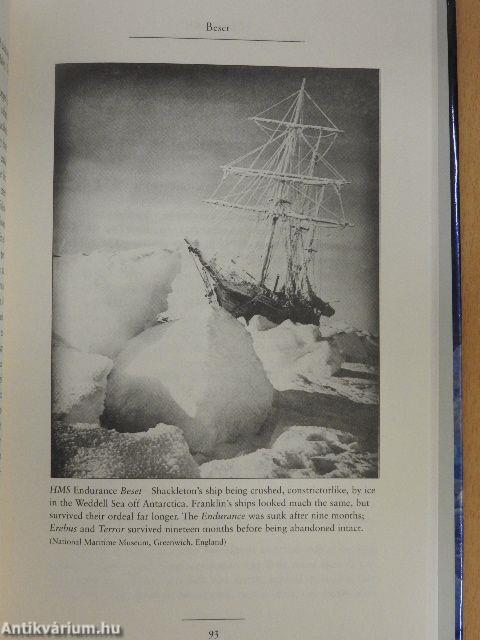
Led by veteran Arctic explorer Sir John Franklin, two ships and 129 handpicked officers and men sailed from Greenland on July 12, 1845, seeking a navigable shortcut to hnk the Atlantic and Pacific. It was the most technologically advanced mission of the nineteenth century—the Apollo program of its day. The ships were revolutionary: iron-plated, locomotive-powered, and steam-heated. They were equipped with desalinators, canned food—a recent innovation—the world's first cameras, and other equally sophisticated gear. On July 26,... Tovább
Fülszöveg
$24.95 USA/$34.95 can
5 : Il
' ' ' ; L
THE TRAOIO FATE OF SIR JOHN FRANKIilN'S liOST POIiAR EXPEDITION
What turned the greatest Arctic expedition of the nineteenth century into the worst Arctic tragedy in history? Ice Blink (the name sailors gave the haunting mirages formed by reflections off pack ice) probes one of the most enduring mysteries in the annals of exploration—the baffling disappearance of the largest, best-equipped expedition of its day.
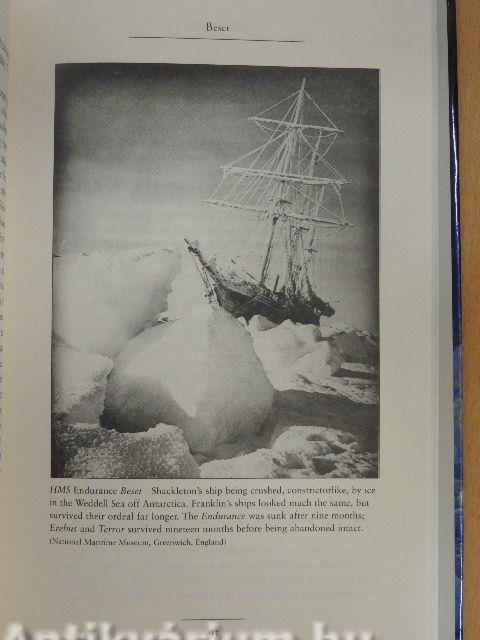
Led by veteran Arctic explorer Sir John Franklin, two ships and 129 handpicked officers and men sailed from Greenland on July 12, 1845, seeking a navigable shortcut to hnk the Atlantic and Pacific. It was the most technologically advanced mission of the nineteenth century—the Apollo program of its day. The ships were revolutionary: iron-plated, locomotive-powered, and steam-heated. They were equipped with desalinators, canned food—a recent innovation—the world's first cameras, and other equally sophisticated gear. On July 26, Franklin's ships were spotted by two whaling ships in Baffin Bay. They were never seen again.
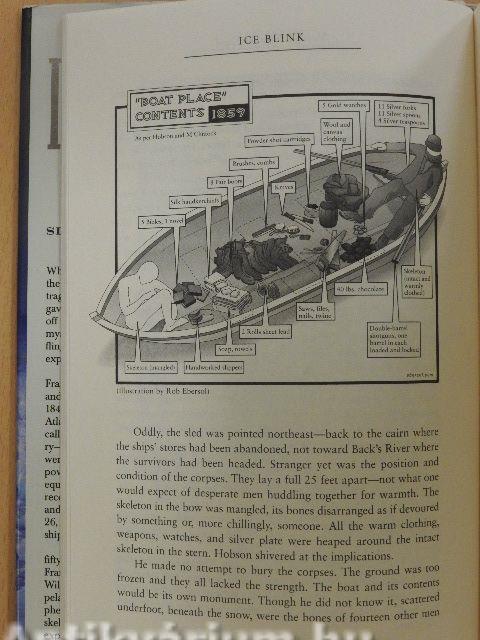
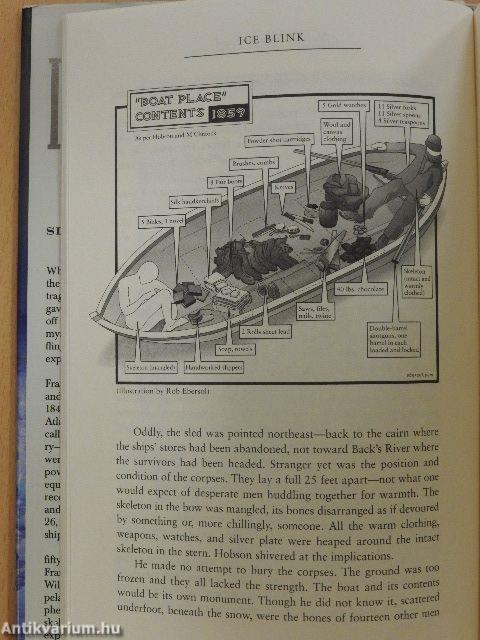
Over the next fourteen years, more than fifty expeditions scoured the Arctic in search of Franklin and his men. In 1859, on desolate King William Island in the heart of the Arctic archipelago, searchers found evidence of catastrophe: a mountain of abandoned equipment, two skeletons, and a chilling message. Signed by the expedition's second-in-command, it reported
(continued on back flap)
(continued from front flap)
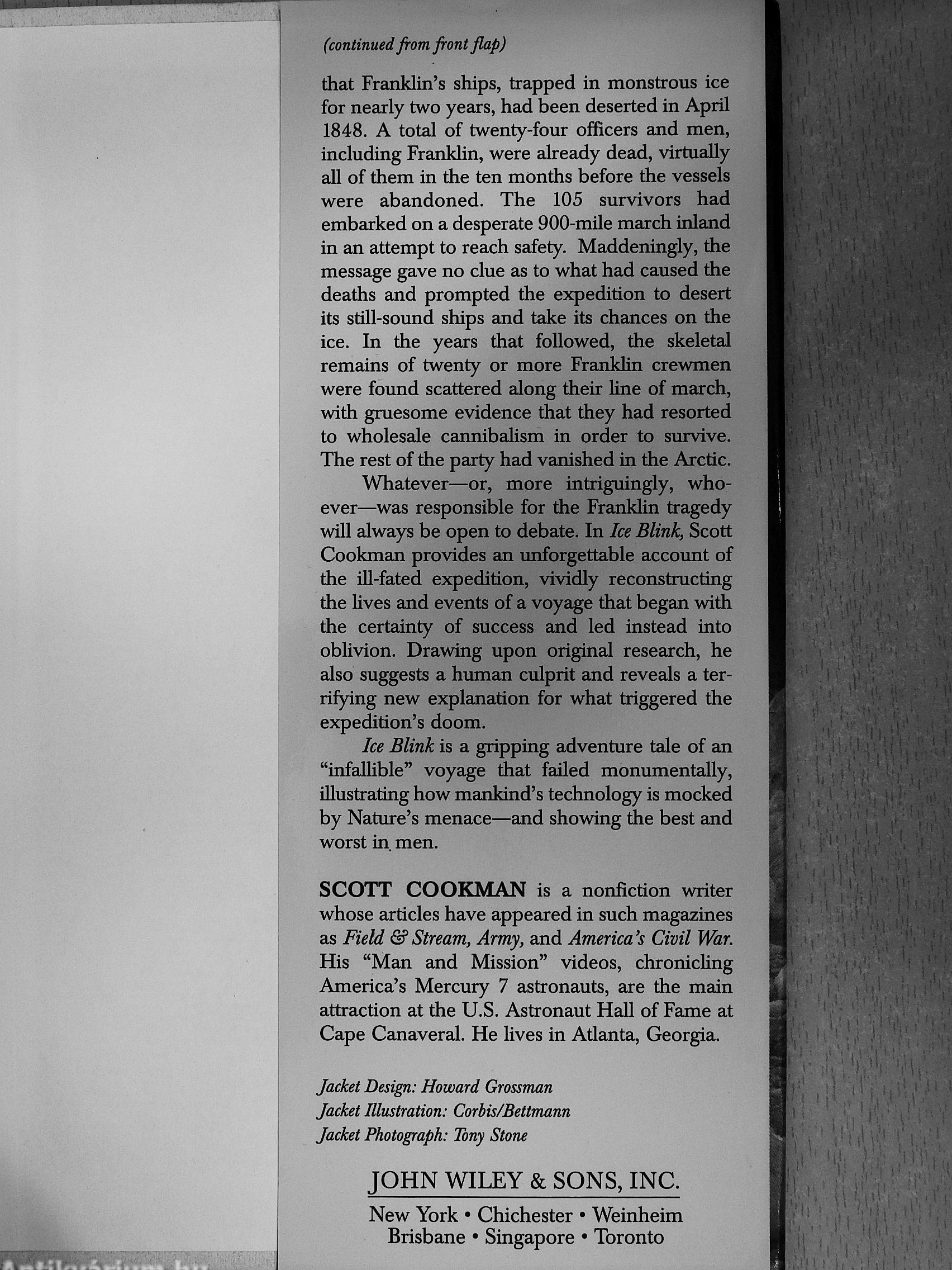
that Franklin's ships, trapped in monstrous ice for nearly two years, had been deserted in April 1848. A total of twenty-four officers and men, including Franklin, were already dead, virtually all of them in the ten months before the vessels were abandoned. The 105 survivors had embarked on a desperate 900-mile march inland in an attempt to reach safety. Maddeningly, the message gave no clue as to what had caused the deaths and prompted the expedition to desert its still-sound ships and take its chances on the ice. In the years that followed, the skeletal remains of twenty or more Franklin crewmen were found scattered along their line of march, with gruesome evidence that they had resorted to wholesale cannibalism in order to survive. The rest of the party had vanished in the Arctic.
Whatever—or, more intriguingly, whoever—was responsible for the Franklin tragedy will always be open to debate. In Ice Blink, Scott Cookman provides an unforgettable account of the ill-fated expedition, vividly reconstructing the lives and events of a voyage that began with the certainty of success and led instead into oblivion. Drawing upon original research, he also suggests a human culprit and reveals a terrifying new explanation for what triggered the expedition's doom.
Ice Blink is a gripping adventure tale of an "infallible" voyage that failed monumentally, illustrating how mankind's technology is mocked by Nature's menace—and showing the best and worst in, men.
scott cookman is a nonfiction writer whose articles have appeared in such magazines as Field & Stream, Army, and America's Civil War. His "Man and Mission" videos, chronicling America's Mercury 7 astronauts, are the main attraction at the U.S. Astronaut Hall of Fame at Cape Canaveral. He lives in Atianta, Georgia.
Jadcet Design: Howard Grossman Jacket Illustration: Corbis/Bettmann Jaclcet Photograph: Tony Stone
JOHN WILEY & SONS, INC.
New York • Brisbane
Chichester • • Singapore '
Weinheim Toronto
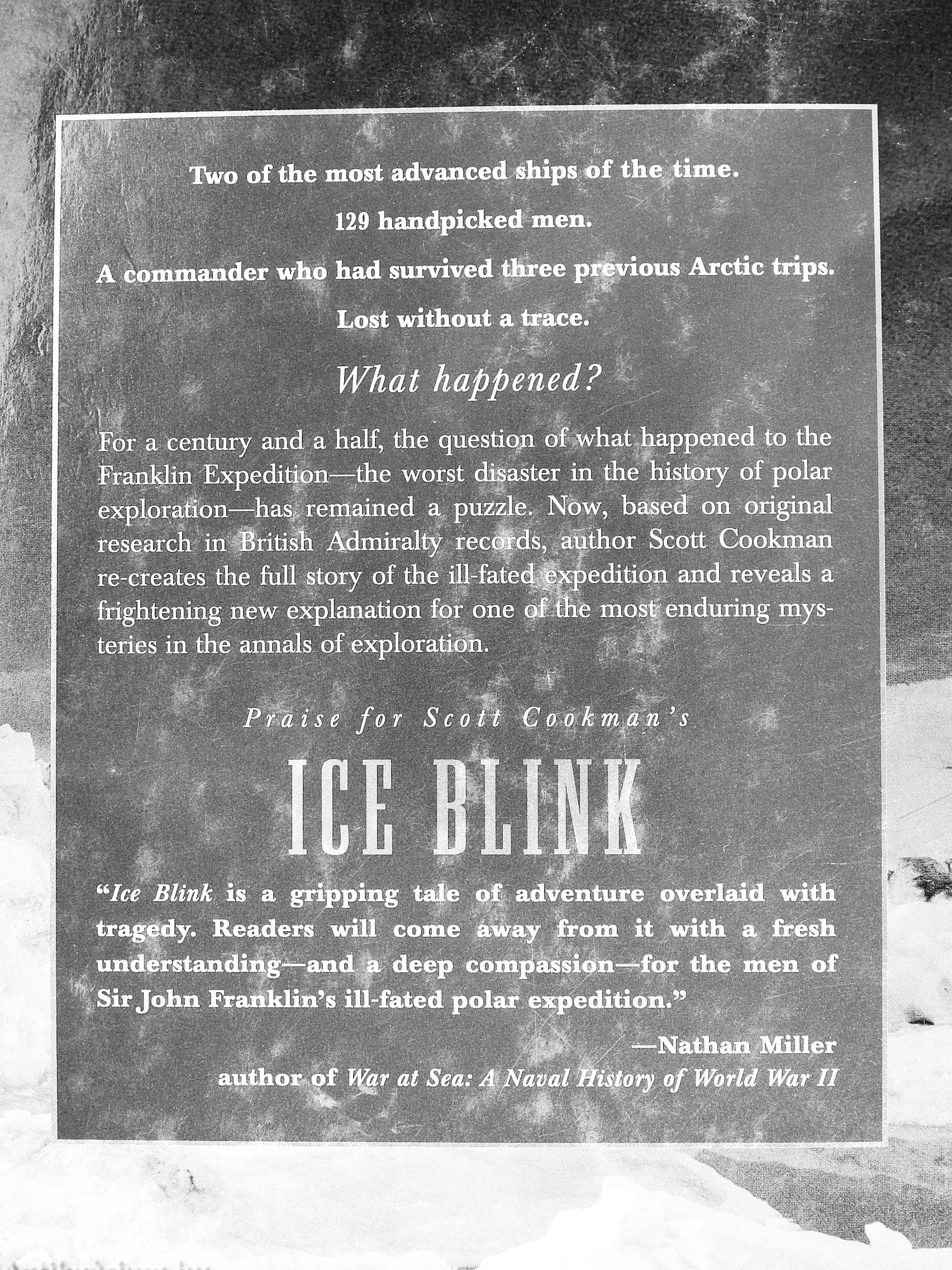
i Two of the most advanced ships of the^time.
129 handpicked men. A commander who had survived ^ee pilous Arctic trips. Lost without a trace.
What happened? ^
For a century and a half, the questiqji of what .happened to the Franjyin Expedition—^^the worst disaster in the history of polar explpra&n—has^reirtained a puzlzle. Nôw, based on original research in #riti^ i^miralt^ rec^ds, author Scott Cookman re-creates the full story of the ill-fat;e^^edition and reveals a frightening new explanation for one ^fe mos^enduring mysteries in die annals of exploration. ;
Pr'aise for Scoti (J o o km^an ' s
^Ice Blink is a gripping tale of adventure overlaid with tragedy. Readers will come aWay from it with a fitésh understandi^j^-^andji deep com^ássi^n-^fpr the men of " Sir John Fratiklin's ili-fated polar expedition."
. -/V^N^an/Miller
author,v^ l^r at Sea: MNaval NWory of World War II Vissza
Témakörök
- Idegennyelv > Idegennyelvű könyvek > Angol > Szépirodalom > Megtörtént bűnügyek, dokumentumregények
- Idegennyelv > Idegennyelvű könyvek > Angol > Útleírás
- Útleírás > Expedíciók
- Útleírás > Idegennyelvű útleírás > Angol
- Útleírás > Kontinensek > Sarkvidékek
- Útleírás > Közlekedés > Hajó, vitorlás, tutaj
- Szépirodalom > Megtörtént bűnügyek, dokumentumregények
Scott Cookman
Scott Cookman műveinek az Antikvarium.hu-n kapható vagy előjegyezhető listáját itt tekintheti meg: Scott Cookman könyvek, művekMegvásárolható példányok
Nincs megvásárolható példány
A könyv összes megrendelhető példánya elfogyott. Ha kívánja, előjegyezheti a könyvet, és amint a könyv egy újabb példánya elérhető lesz, értesítjük.
 Folytatás Microsoft-tal