
1.147.271
kiadvánnyal nyújtjuk Magyarország legnagyobb antikvár könyv-kínálatát

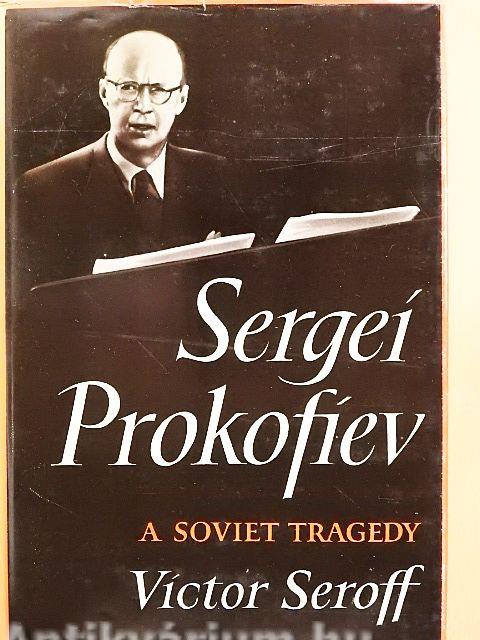
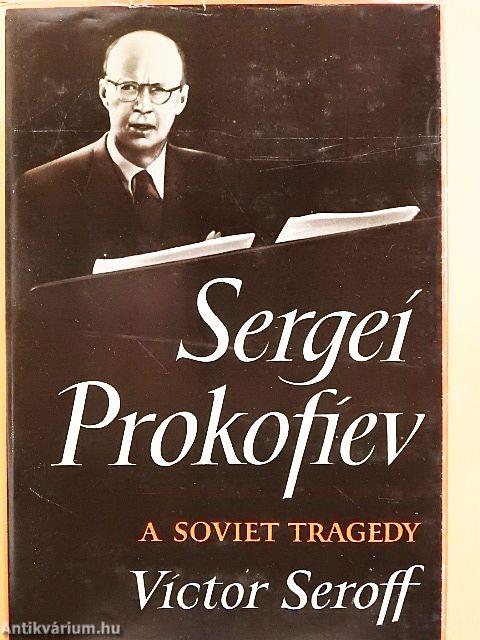
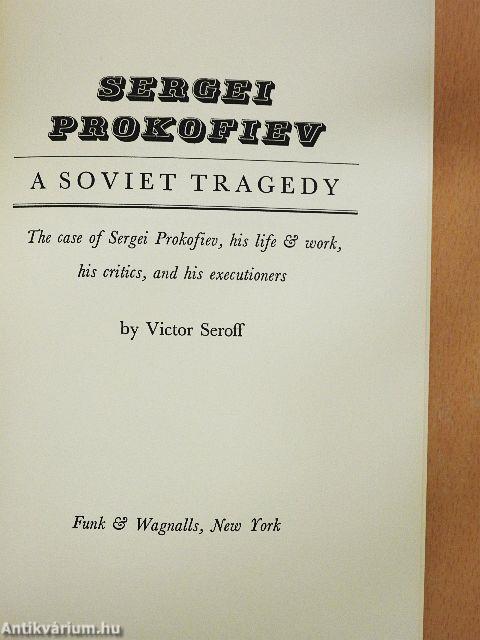
Sergei Prokofiev
A Soviet Tragedy/The case of Sergei Prokofiev, his life & work, his critics, and his executioners
New York
| Kiadó: | Funk & Wagnalls |
|---|---|
| Kiadás helye: | New York |
| Kiadás éve: | |
| Kötés típusa: | Vászon |
| Oldalszám: | 339 oldal |
| Sorozatcím: | |
| Kötetszám: | |
| Nyelv: | Angol |
| Méret: | 24 cm x 16 cm |
| ISBN: | |
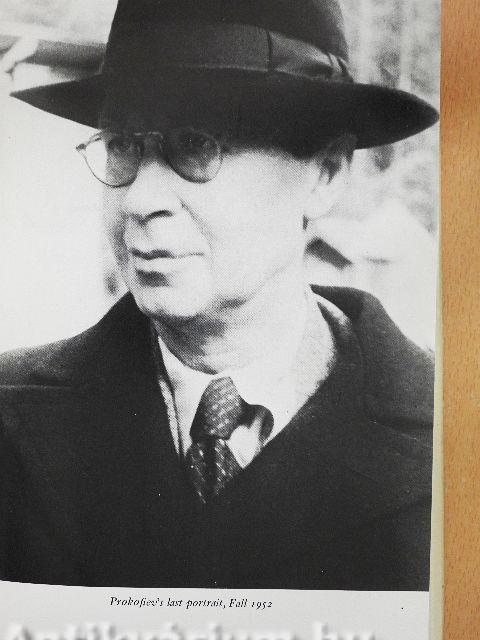
| Megjegyzés: | Fekete-fehér fotókkal. |
Értesítőt kérek a kiadóról
A beállítást mentettük,
naponta értesítjük a beérkező friss
kiadványokról
naponta értesítjük a beérkező friss
kiadványokról
A beállítást mentettük,
naponta értesítjük a beérkező friss
kiadványokról
naponta értesítjük a beérkező friss
kiadványokról
Előszó
Tovább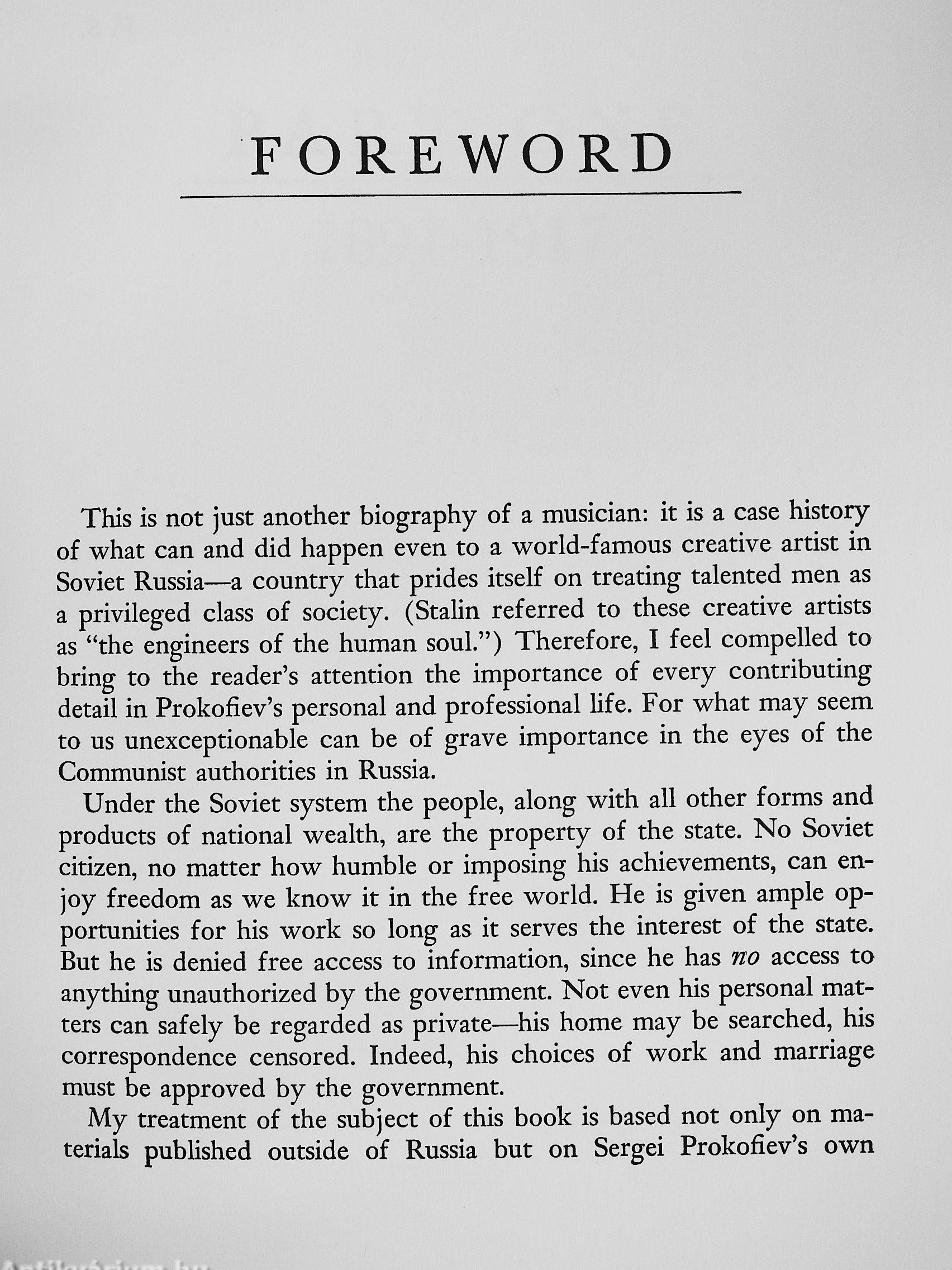
Fülszöveg
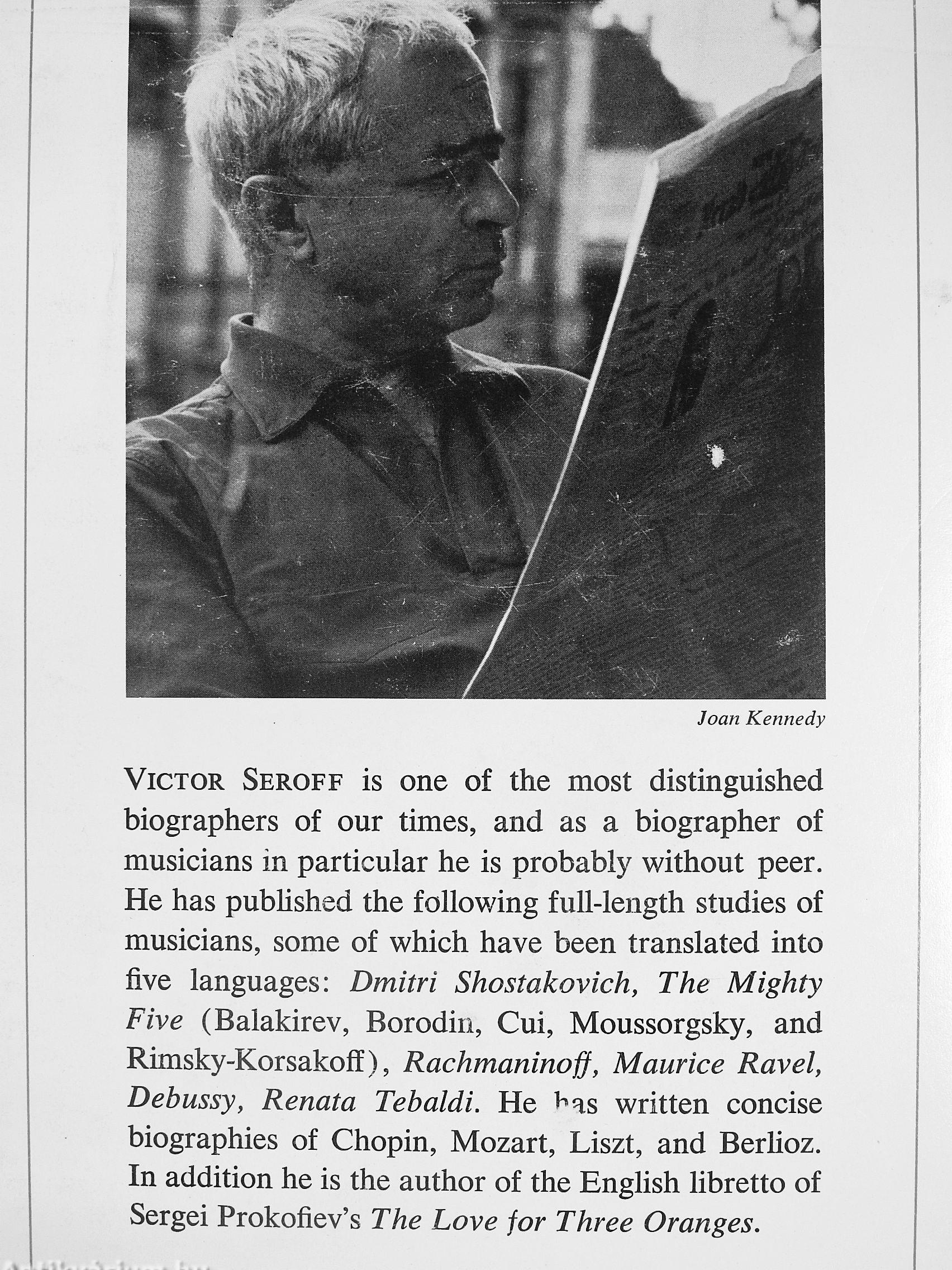
Joan Kennedy
Victor Seroff is one of the most distinguished biographers of our times, and as a biographer of musicians in particular he is probably without peer. He has published the following full-length studies of musicians, some of which have been translated into five languages: Dmitri Shostakovich, The Mighty Five (Balakirev, Borodin, Cui, Moussorgsky, and Rimsky-Korsakoff), Rachmaninoff, Maurice Ravel, Debussy, Renata Tebaldi. He l^as written concise biographies of Chopin, Mozart, Liszt, and Berlioz. In addition he is the author of the English libretto of Sergei Prokofiev's The Love for Three Oranges.
í V. , ij
I - .V i'
'VI' i -
1 : I ,!1 ' , ! ' '
V : I l' , '.i f
¦I .11 . I. ' ¦
i ''-i!! i' h
' ¦ Í i lí.'i l' ,f.l ¦ ¦ I'')
At:'-';.; r
I .j^ . .
A' VW V H i'f .1
It-'ivi'll
rs'i
Sergei Prokopev
A SOVIET TRAGEDY
Victor Seroff
"Prokofiev is not only a brilliant and perceptive study of one of the great musical geniuses of our time but a mirror which... Tovább
Fülszöveg
Joan Kennedy
Victor Seroff is one of the most distinguished biographers of our times, and as a biographer of musicians in particular he is probably without peer. He has published the following full-length studies of musicians, some of which have been translated into five languages: Dmitri Shostakovich, The Mighty Five (Balakirev, Borodin, Cui, Moussorgsky, and Rimsky-Korsakoff), Rachmaninoff, Maurice Ravel, Debussy, Renata Tebaldi. He l^as written concise biographies of Chopin, Mozart, Liszt, and Berlioz. In addition he is the author of the English libretto of Sergei Prokofiev's The Love for Three Oranges.
í V. , ij
I - .V i'
'VI' i -
1 : I ,!1 ' , ! ' '
V : I l' , '.i f
¦I .11 . I. ' ¦
i ''-i!! i' h
' ¦ Í i lí.'i l' ,f.l ¦ ¦ I'')
At:'-';.; r
I .j^ . .
A' VW V H i'f .1
It-'ivi'll
rs'i
Sergei Prokopev
A SOVIET TRAGEDY
Victor Seroff
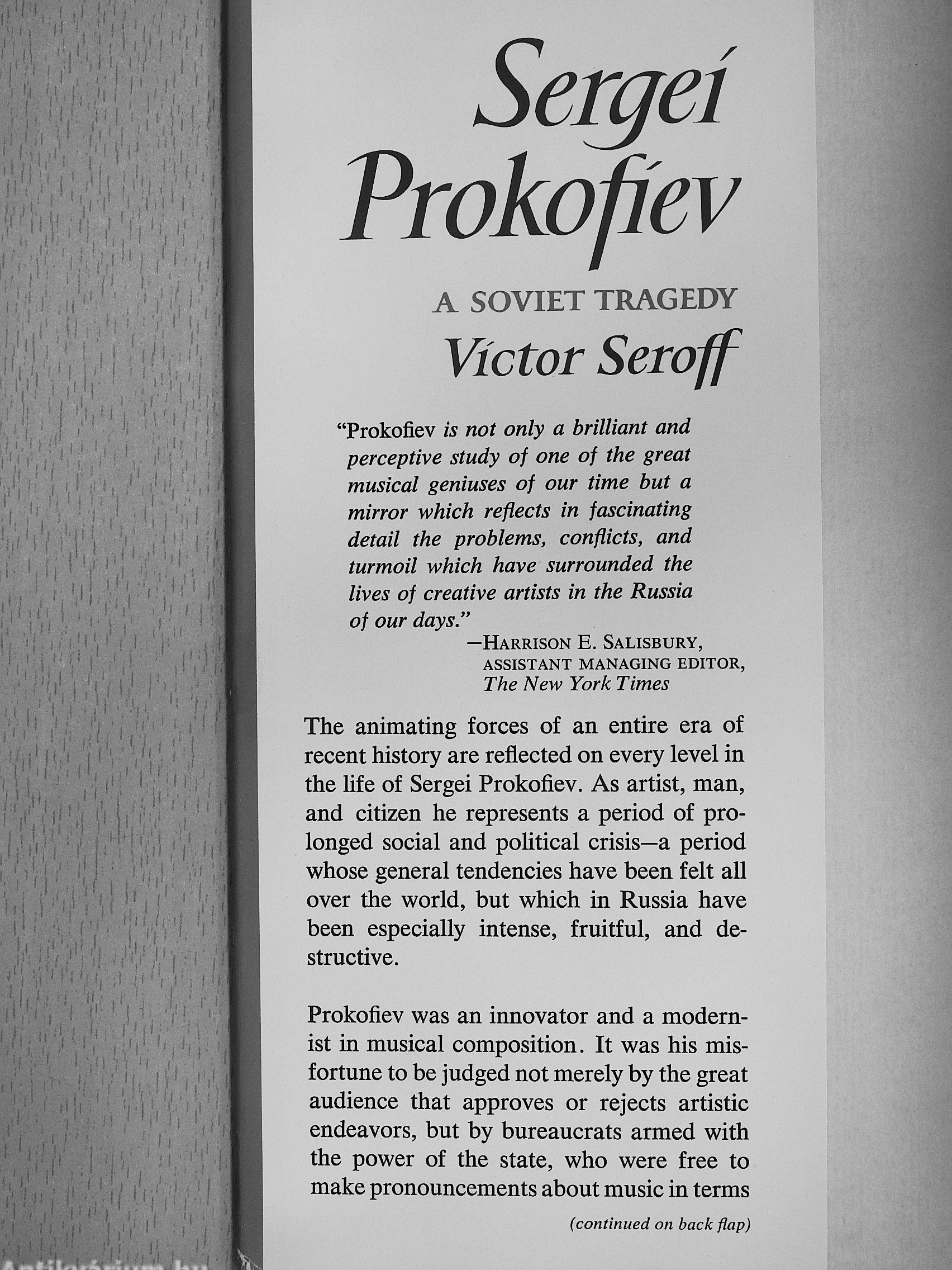
"Prokofiev is not only a brilliant and perceptive study of one of the great musical geniuses of our time but a mirror which reflects in fascinating detail the problems, conflicts, and turmoil which have surrounded the lives of creative artists in the Russia of our days."
-Harrison E. Salisbury,
assistant managing editor,
The New York Times
The animating forces of an entire era of recent history are reflected on every level in the life of Sergei Prokonev. As artist, man, and citizen he represents a period of prolonged social and political crisis—a period whose general tendencies have been felt all over the world, but which in Russia have been especially intense, fruitful, and destructive.
Prokofiev was an innovator and a modernist in musical composition. It was his misfortune to be judged not merely by the great audience that approves or rejects artistic endeavors, but by bureaucrats armed with the power of the state, who were free to make pronouncements about music in terms
(continued on back flap)
(continued from front flap)
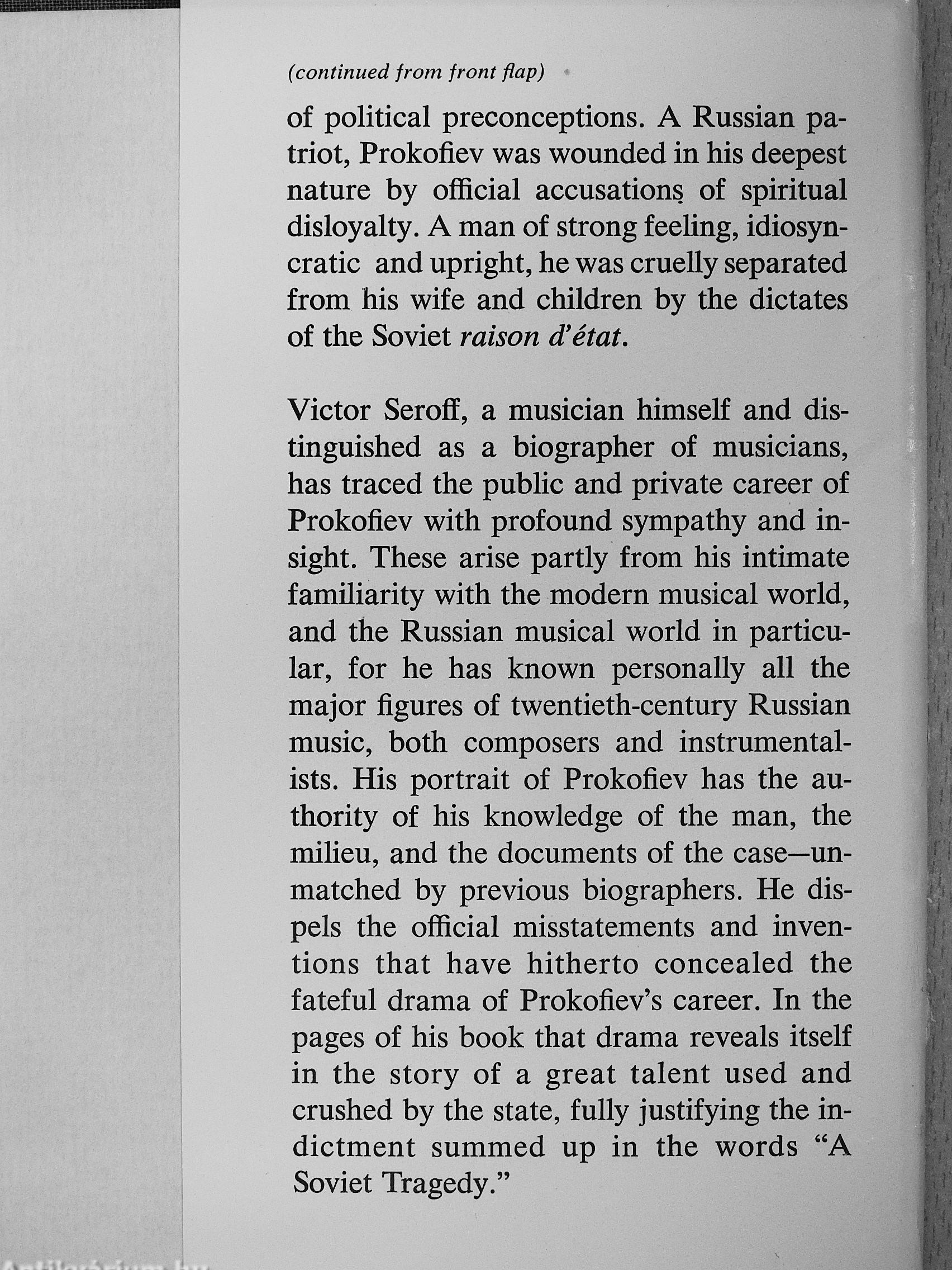
of political preconceptions. A Russian patriot, Prokofiev was wounded in his deepest nature by official accusations of spiritual disloyalty. A man of strong feeling, idiosyncratic and upright, he was cruelly separated from his wife and children by the dictates of the Soviet raison d'état.
Victor Seroii, a musician himself and distinguished as a biographer of musicians, has traced the public and private career of Prokofiev with profound sympathy and insight. These arise partly from his intimate familiarity with the modern musical world, and the Russian musical world in particular, for he has known personally all the major figures of twentieth-century Russian music, both composers and instrumentalists. His portrait of Prokofiev has the authority of his knowledge of the man, the milieu, and the documents of the case—unmatched by previous biographers. He dispels the official misstatements and inventions that have hitherto concealed the fateful drama of Prokofiev's career. In the pages of his book that drama reveals itself in the story of a great talent used and crushed by the state, fully justifying the indictment summed up in the words "A Soviet Tragedy." Vissza
Témakörök
- Életrajz > Művészet > Zene
- Idegennyelv > Idegennyelvű könyvek > Angol > Művészetek > Zene
- Művészetek > Zene > Komolyzene > Korszakok > Orosz zeneszerzők
- Művészetek > Zene > Komolyzene > Életrajzok > Külföldi
- Művészetek > Zene > Komolyzene > Idegen nyelv > Angol
- Idegennyelv > Idegennyelvű könyvek > Angol > Életrajz > Művészet > Egyéb
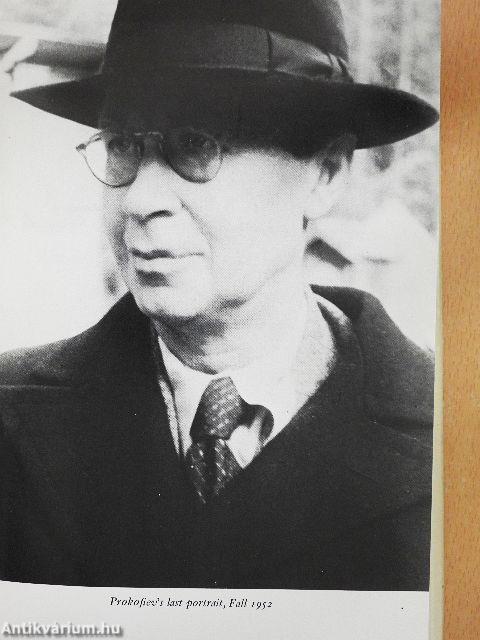
Victor Seroff
Victor Seroff műveinek az Antikvarium.hu-n kapható vagy előjegyezhető listáját itt tekintheti meg: Victor Seroff könyvek, művekMegvásárolható példányok
Állapotfotók
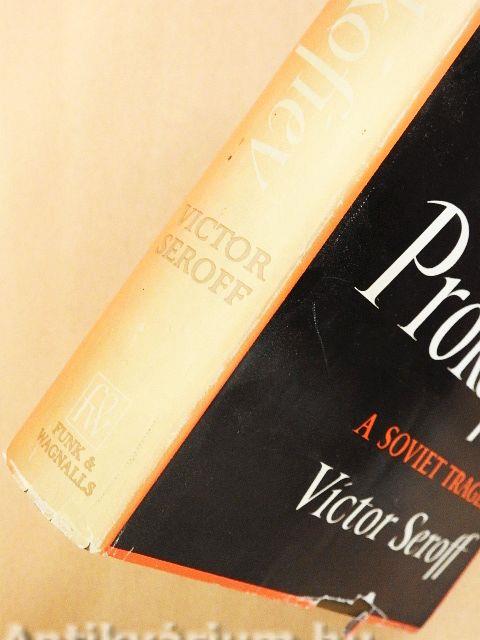
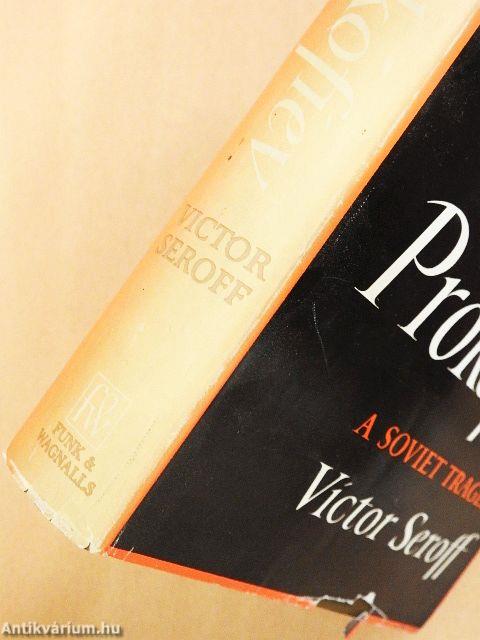
A védőborító szakadozott, elszíneződött.
Állapot:
Jó
4.980 ,-Ft
25
pont kapható
Kosárba
 Folytatás Microsoft-tal