
1.147.750
kiadvánnyal nyújtjuk Magyarország legnagyobb antikvár könyv-kínálatát

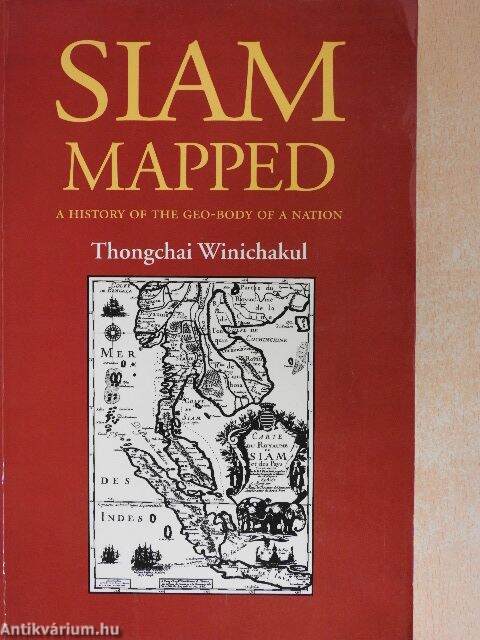
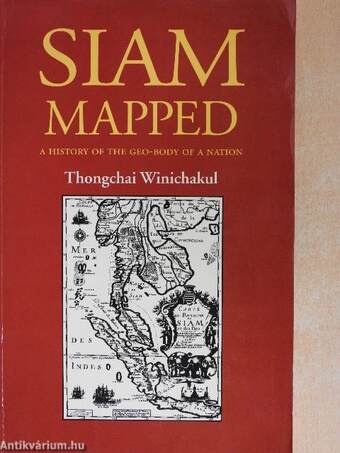
Siam Mapped
A History of the Geo-Body of a Nation
Chiang Mai
| Kiadó: | Silkworm Books |
|---|---|
| Kiadás helye: | Chiang Mai |
| Kiadás éve: | |
| Kötés típusa: | Ragasztott papírkötés |
| Oldalszám: | 227 oldal |
| Sorozatcím: | |
| Kötetszám: | |
| Nyelv: | Angol |
| Méret: | 23 cm x 15 cm |
| ISBN: | 974-7100-56-8 |
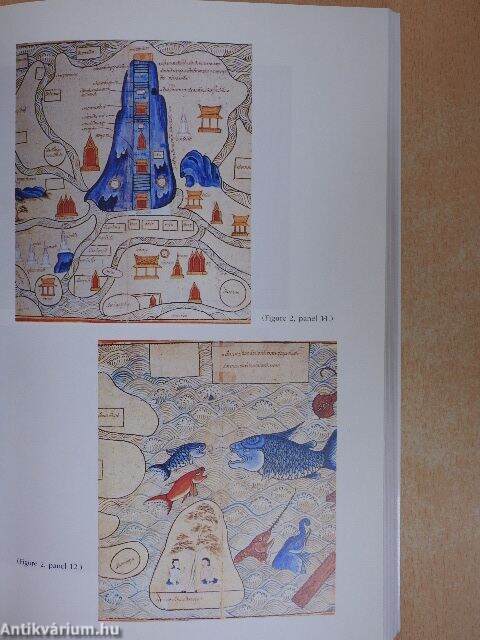
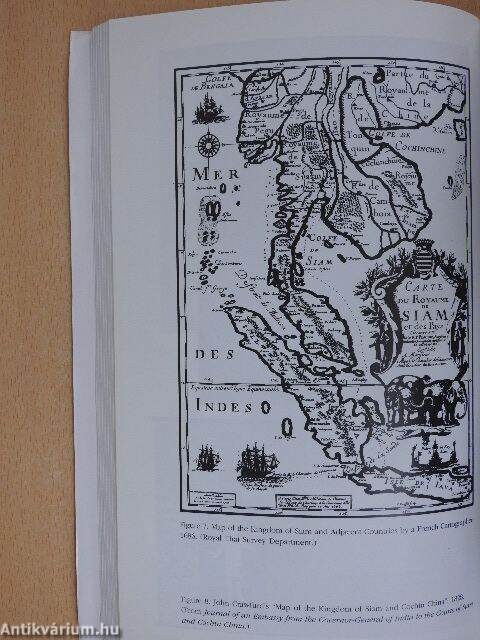
| Megjegyzés: | Színes és fekete-fehér térképekkel, illusztrációkkal. |
Értesítőt kérek a kiadóról
A beállítást mentettük,
naponta értesítjük a beérkező friss
kiadványokról
naponta értesítjük a beérkező friss
kiadványokról
A beállítást mentettük,
naponta értesítjük a beérkező friss
kiadványokról
naponta értesítjük a beérkező friss
kiadványokról
Előszó
Tovább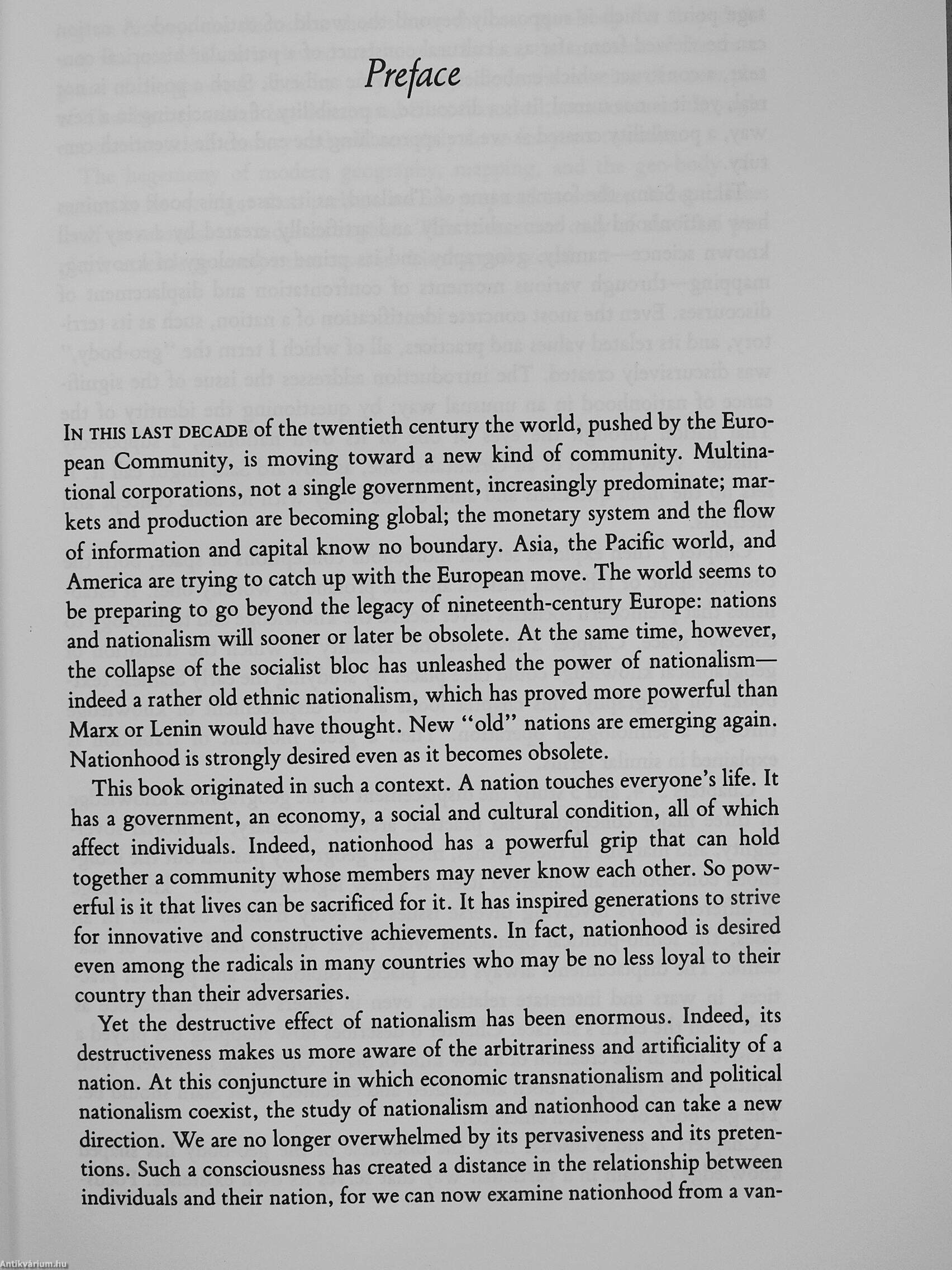
Fülszöveg
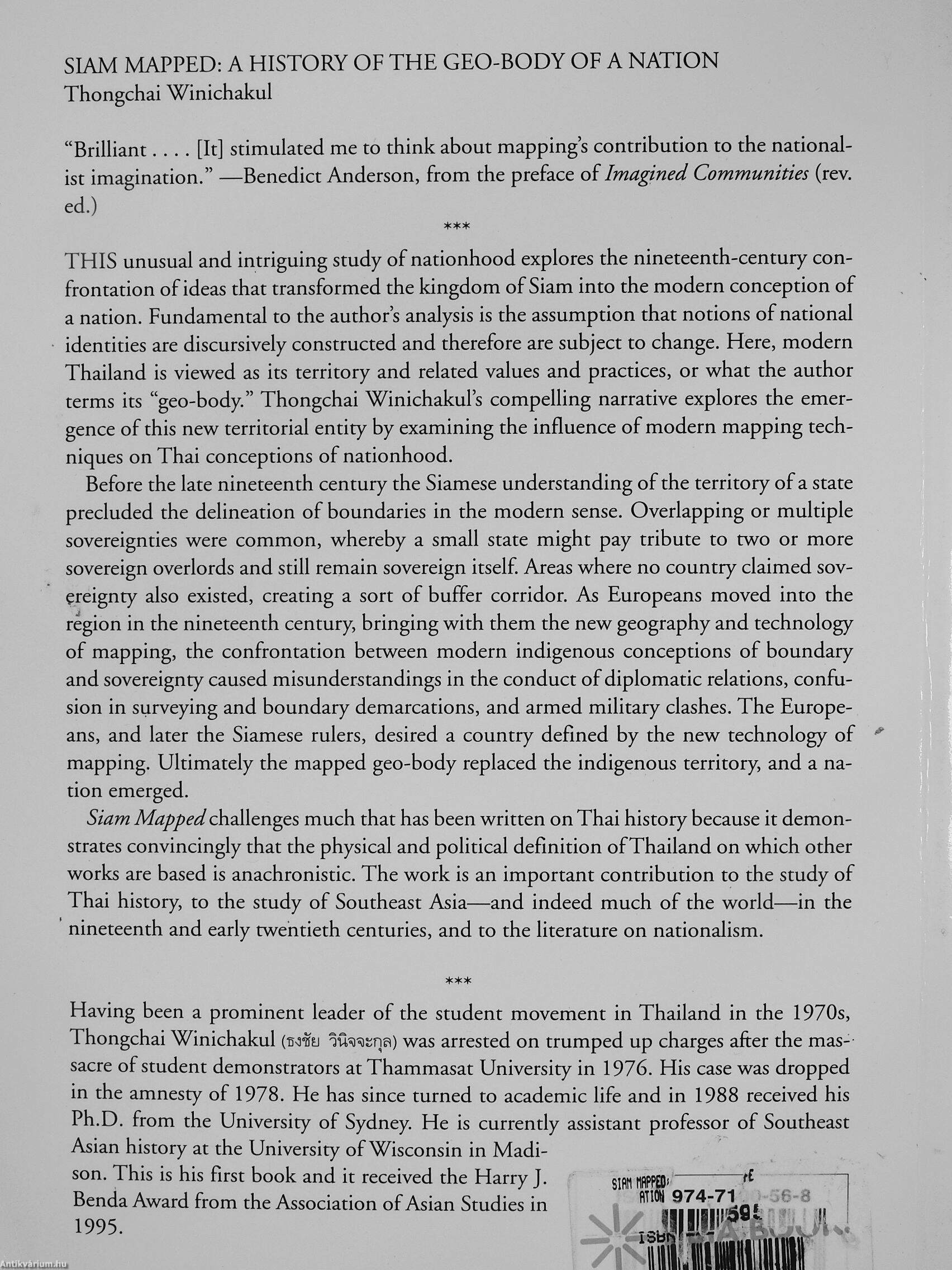
SIAM MAPPED: A HISTORY OF THE GEO-BODY OF A NATION Thongchai Winichalcul
"BrilHant____[It] stimulated me to think about mapping's contribution to the nationalist imagination." —Benedict Anderson, from the preface of Imagined Communities (rev. ed.)
***
THIS unusual and intriguing study of nationhood explores the nineteenth-century confrontation of ideas chat transformed the kingdom of Siam into the modern conception of a nation. Fundamental to the author's analysis is the assumption that notions of national identities are discursively constructed and therefore are subject to change. Here, modern Thailand is viewed as its territory and related values and practices, or what the author terms its "geo-body." Thongchai Winichakul's compelling narrative explores the emergence of this new territorial entity by examining the influence of modern mapping techniques on Thai conceptions of nationhood.
Before the late nineteenth century the Siamese understanding of the territory of a state... Tovább
Fülszöveg
SIAM MAPPED: A HISTORY OF THE GEO-BODY OF A NATION Thongchai Winichalcul
"BrilHant____[It] stimulated me to think about mapping's contribution to the nationalist imagination." —Benedict Anderson, from the preface of Imagined Communities (rev. ed.)
***
THIS unusual and intriguing study of nationhood explores the nineteenth-century confrontation of ideas chat transformed the kingdom of Siam into the modern conception of a nation. Fundamental to the author's analysis is the assumption that notions of national identities are discursively constructed and therefore are subject to change. Here, modern Thailand is viewed as its territory and related values and practices, or what the author terms its "geo-body." Thongchai Winichakul's compelling narrative explores the emergence of this new territorial entity by examining the influence of modern mapping techniques on Thai conceptions of nationhood.
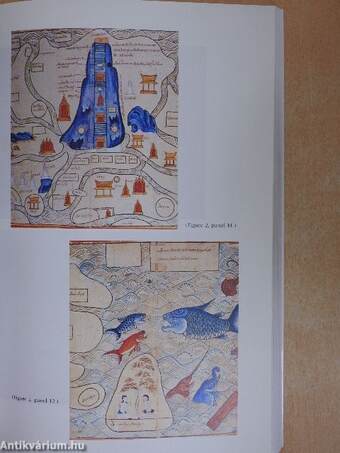
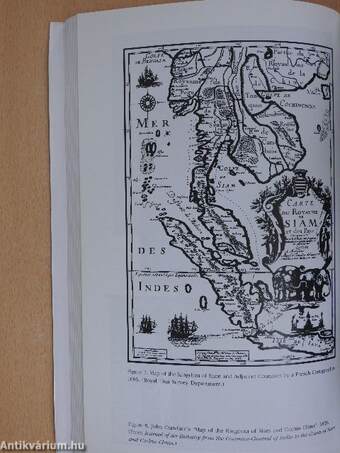
Before the late nineteenth century the Siamese understanding of the territory of a state precluded the delineation of boundaries in the modern sense. Overlapping or multiple sovereignties were common, whereby a small state might pay tribute to two or more sovereign overlords and still remain sovereign itself Areas where no country claimed sovereignty also existed, creating a sort of buffer corridor. As Europeans moved into the region in the nineteenth century, bringing with them the new geography and technology of mapping, the confrontation between modern indigenous conceptions of boundary and sovereignty caused misunderstandings in the conduct of diplomatic relations, confusion in surveying and boundary demarcations, and armed military clashes. The Europeans, and later the Siamese rulers, desired a country defined by the new technology of mapping. Ultimately the mapped geo-body replaced the indigenous territory, and a nation emerged.
Siam challenges much that has been written on Thai history because it demon-
strates convincingly that the physical and political definition ofThailand on which other works are based is anachronistic. The work is an important contribution to the study of Thai history, to the study of Southeast Asia—and indeed much of the world—in the nineteenth and early twentieth centuries, and to the literature on nationalism.
Having been a prominent leader of the student movement in Thailand in the 1970s, Thongchai Winichakul (wit] îiisi'ijtnfi) was arrested on trumped up charges after the massacre of student demonstrators atThammasat University in 1976. His case was dropped in the amnesty of 1978. He has since turned to academic life and in 1988 received his Ph.D. from the University of Sydney. He is currently assistant professor of Southeast Asian history at the University of Wisconsin in Madison. This is his first book and it received the Harry J. j^n mppQii-"
Benda Award from the Association ofAsian Studies in i „ 1995. Nl^sJIlfi''^.! Jl^' Vissza
Témakörök
- Történelem > Társadalomelmélet
- Idegennyelv > Idegennyelvű könyvek > Angol > Történelem > Egyéb
- Történelem > Idegennyelvű > Angol
- Történelem > Politika > Egyéb
- Történelem > Kontinensek szerint > Ázsia, ázsiai országok története > Távol-Kelet
- Történelem > Politika > Politikai rendszerek
- Történelem > Tanulmányok
Thongchai Winichakul
Thongchai Winichakul műveinek az Antikvarium.hu-n kapható vagy előjegyezhető listáját itt tekintheti meg: Thongchai Winichakul könyvek, művekMegvásárolható példányok
Nincs megvásárolható példány
A könyv összes megrendelhető példánya elfogyott. Ha kívánja, előjegyezheti a könyvet, és amint a könyv egy újabb példánya elérhető lesz, értesítjük.
 Folytatás Microsoft-tal