
1.128.726
kiadvánnyal nyújtjuk Magyarország legnagyobb antikvár könyv-kínálatát

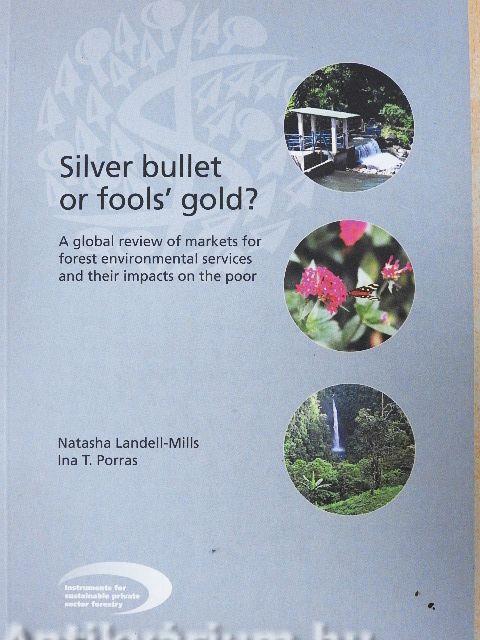
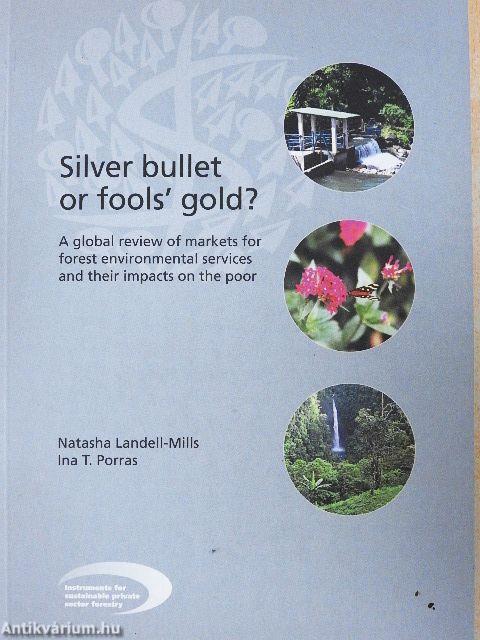
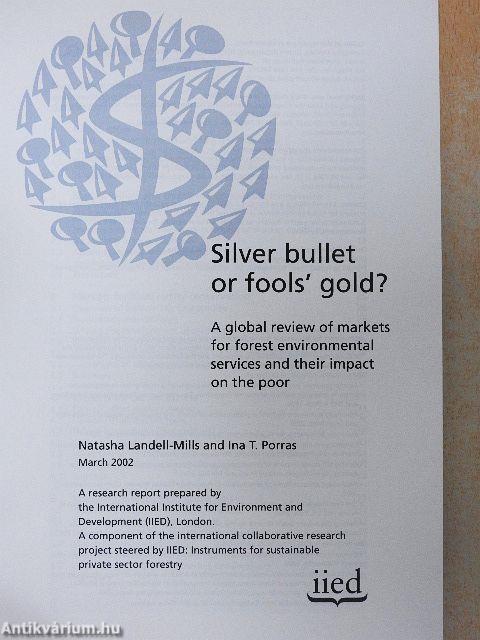
Silver bullet or fools' gold?
A global review of markets for forest environmental services and their impact on the poor
London
| Kiadó: | International Institute for Environment and Development |
|---|---|
| Kiadás helye: | London |
| Kiadás éve: | |
| Kötés típusa: | Ragasztott papírkötés |
| Oldalszám: | 254 oldal |
| Sorozatcím: | |
| Kötetszám: | |
| Nyelv: | Angol |
| Méret: | 24 cm x 17 cm |
| ISBN: | 1-899825-92-4 |
| Megjegyzés: | Fekete-fehér fotókkal. |
Értesítőt kérek a kiadóról
A beállítást mentettük,
naponta értesítjük a beérkező friss
kiadványokról
naponta értesítjük a beérkező friss
kiadványokról
A beállítást mentettük,
naponta értesítjük a beérkező friss
kiadványokról
naponta értesítjük a beérkező friss
kiadványokról
Előszó
Tovább
Fülszöveg
Silver bullet or fools' gold?
Market-based approaches to environmental management are all the rage. Claims that market mechanisms can encourage environmental protection and promote greater economic efficiency, whilst saving tax payers money, are tantalising. In the forestry sector, policy-makers are widely heeding this advice and shrinking command and control systems in favour of incentive mechanisms that seek to align private enthusiasm with the public good. In some cases, governments are even promoting the creation of markets where none existed before. In others, markets are evolving of their own accord.
In such times of change, it is difficult to stand back and take stock. Yet, it is during such times that guidance is most needed. Unanswered questions abound. What drives market development? How should markets be established? What costs are involved? Will markets improve welfare? Will some stakeholders benefit more than others? How does performance vary between market... Tovább
Fülszöveg
Silver bullet or fools' gold?
Market-based approaches to environmental management are all the rage. Claims that market mechanisms can encourage environmental protection and promote greater economic efficiency, whilst saving tax payers money, are tantalising. In the forestry sector, policy-makers are widely heeding this advice and shrinking command and control systems in favour of incentive mechanisms that seek to align private enthusiasm with the public good. In some cases, governments are even promoting the creation of markets where none existed before. In others, markets are evolving of their own accord.
In such times of change, it is difficult to stand back and take stock. Yet, it is during such times that guidance is most needed. Unanswered questions abound. What drives market development? How should markets be established? What costs are involved? Will markets improve welfare? Will some stakeholders benefit more than others? How does performance vary between market structures? What is the role for governments? In the rush to introduce market-based solutions to environmental problems, a particular concern is how markets are impacting on poorer groups.
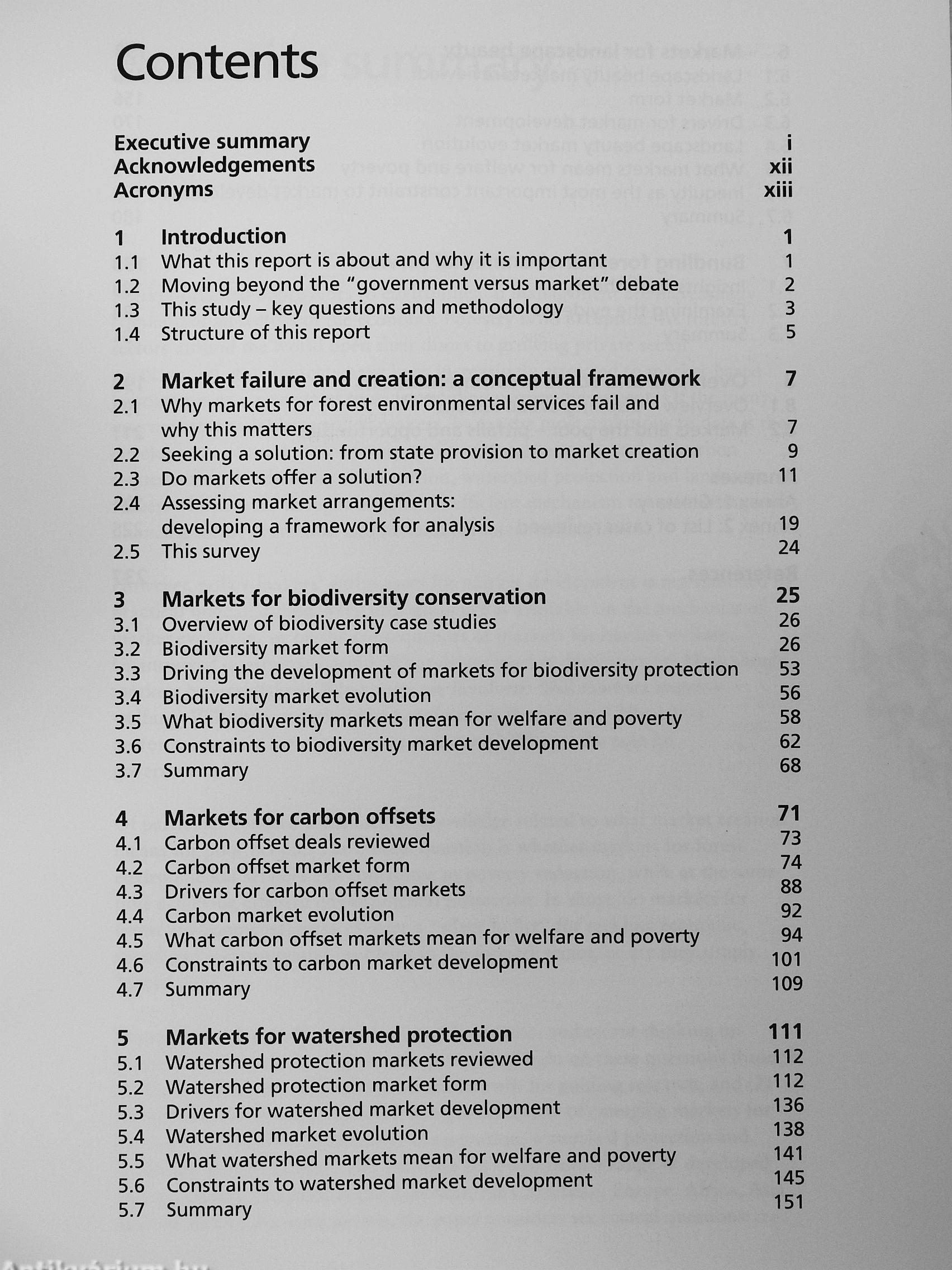
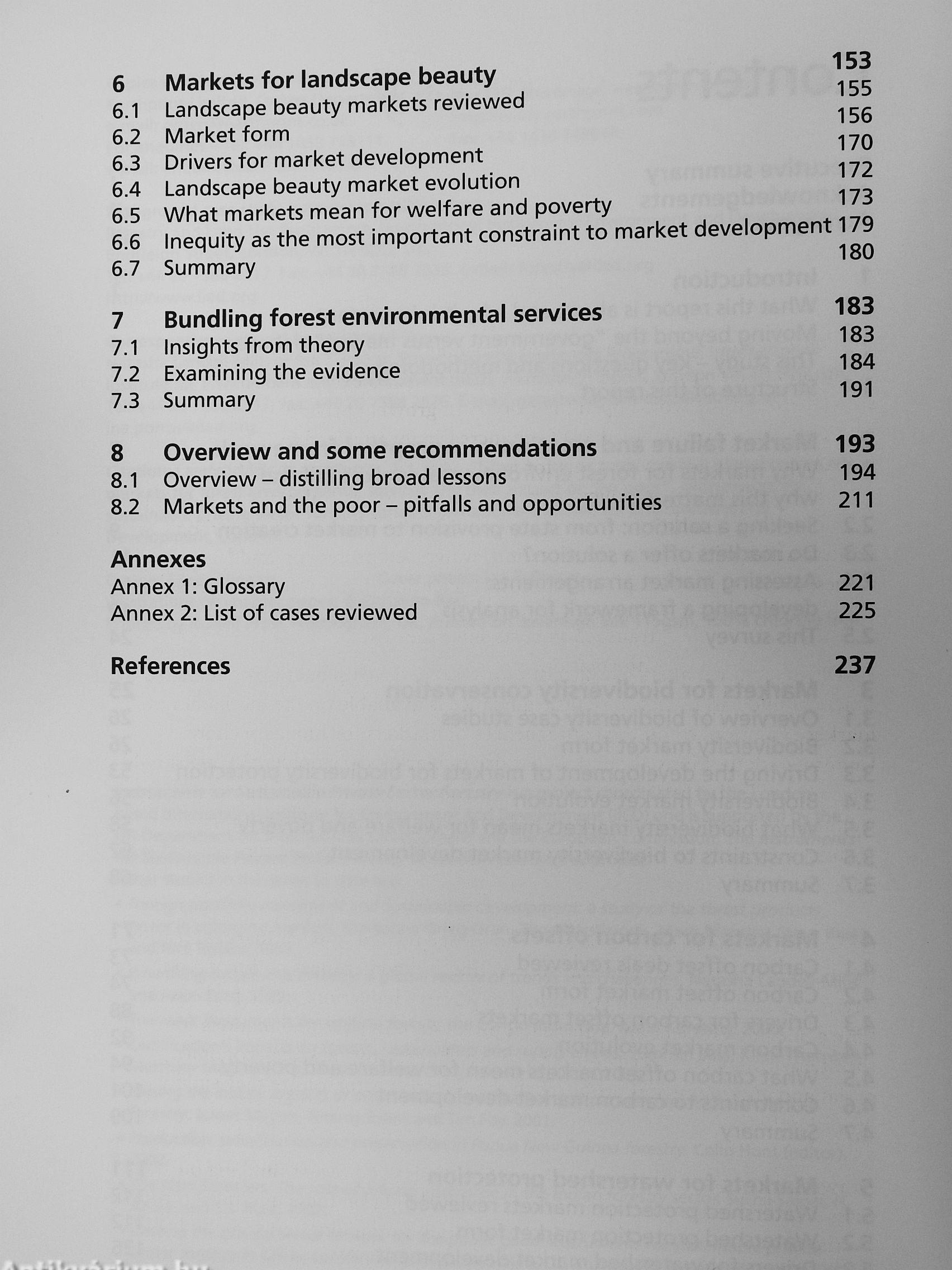
This report attempts to shed light on these questions through a global review of emerging markets for carbon sequestration, biodiversity conservation, watershed protection and landscape beauty. In total, 287 cases are reviewed from a range of developed and developing countries. While emphasising the enormous diversity of experiences throughout the world, the report also draws out cross-cutting lessons relating to market form, drivers, processes and impacts. The report calls for both optimism and caution, with special attention given to potential pitfalls as well as opportunities facing poorer groups. Policy-makers and practitioners seeking to address environmental and social problems in the forestry sector through market instruments would do well to consider the insights offered by this review.
Instruments for sustainable private sector forestry series Forests provide society with many goods and services. The private sector has come to play an increasingly dominant role in the production and distribution of many forest goods. Often, this has come at a price -environments have been degraded, social inequalities increased. Forest services that benefit society as a whole, notably climate moderation, biodiversity and heritage, are overlooked or undermined because they offer no opportunity for private profit. Securing these forest goods and services has traditionally been a government function. However, faced with limited resources, many governments now face the challenge of finding ways to ensure the private sector manages forests such that they optimise benefits to society. Some industry leaders have already taken the initiative and are working towards better forestry.
This series of publications comprises both thematic and country studies. The studies aim to better understand private sector motivations and to identify effective market and regulatory instruments to ensure that the private sector produces social and environmental benefits from forest management. By considering new instruments within the wider context of policy reform, the series aims to provide practical guidance on how best to ensure that the private sector manages forest resources sustainably.
Shell Foundation SUSTAINABLE ENERGY PROGRAMME
^Kw SWISS AGENCY
FOft DEVELOPMENT AND COOPERATION
SDC
DANIDA :
Royal Danish ^^ Ministry of Foreign Affairs
iMSida
DFID
Department fn tntcrn»tlon« Develgpmen
(nt«matlon«l Institut« for Environment and Vissza
Témakörök
- Szociológia > Szociálpolitika > Szegénység
- Idegennyelv > Idegennyelvű könyvek > Angol > Egyéb
- Idegennyelv > Idegennyelvű könyvek > Angol > Természettudományok > Biológia
- Idegennyelv > Idegennyelvű könyvek > Angol > Szociológia > Szociálpolitika > Szegénység
- Mezőgazdaság > Erdőgazdálkodás > Egyéb
- Természettudomány > Biológia > Ökológia, környezetvédelem > Környezetvédelem > Környezetgazdálkodás
- Természettudomány > Biológia > Ökológia, környezetvédelem > Idegennyelvű
Megvásárolható példányok
Nincs megvásárolható példány
A könyv összes megrendelhető példánya elfogyott. Ha kívánja, előjegyezheti a könyvet, és amint a könyv egy újabb példánya elérhető lesz, értesítjük.
 Folytatás Microsoft-tal