
1.150.692
kiadvánnyal nyújtjuk Magyarország legnagyobb antikvár könyv-kínálatát

Monsters
History's Most Evil Men And Women
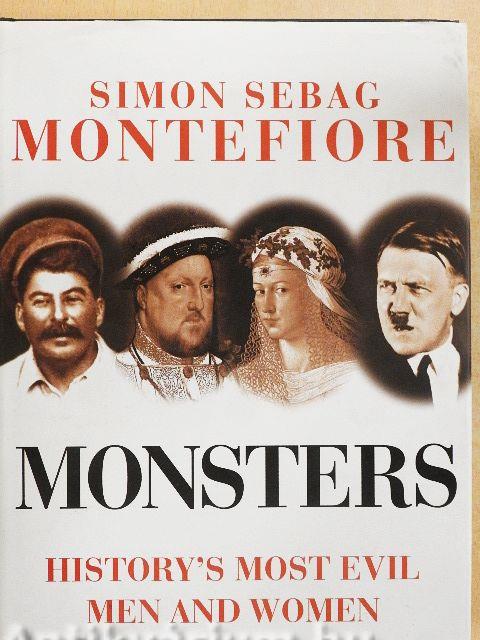
London
| Kiadó: | Quercus Publishing PLC |
|---|---|
| Kiadás helye: | London |
| Kiadás éve: | |
| Kötés típusa: | Fűzött kemény papírkötés |
| Oldalszám: | 320 oldal |
| Sorozatcím: | |
| Kötetszám: | |
| Nyelv: | Angol |
| Méret: | 25 cm x 19 cm |
| ISBN: | 978-84724-501-4 |
| Megjegyzés: | További kapcsolódó személyek a kötetben. Színes és fekete-fehér fotókkal. |
Értesítőt kérek a kiadóról
A beállítást mentettük,
naponta értesítjük a beérkező friss
kiadványokról
naponta értesítjük a beérkező friss
kiadványokról
A beállítást mentettük,
naponta értesítjük a beérkező friss
kiadványokról
naponta értesítjük a beérkező friss
kiadványokról
Előszó
Tovább
Fülszöveg
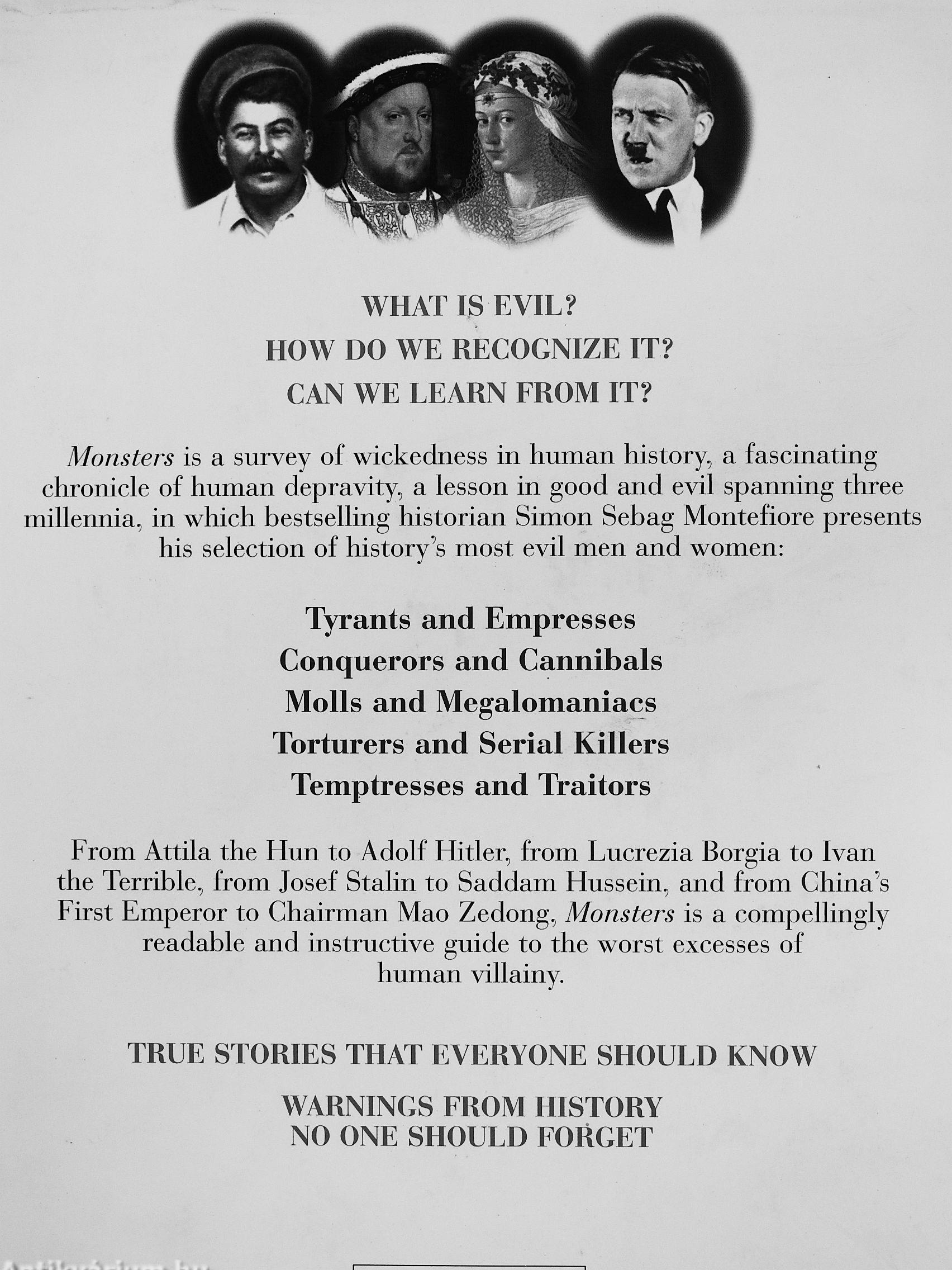
WHAT IS EVIL? HOW DO WE RECOGNIZE IT? CAN WE LEARN FROM IT?
Monsters is a survey of wickedness in human history, a fascinating chronicle of human depravity, a lesson in good and evil spanning three millennia, in which bestseUing historian Simon Sebag Montefiore presents his selection of history's most evil men and women:
Tyrants and Empresses Conquerors and Cannibals Molls and Megalomaniacs Torturers and Serial Killers Temptresses and Traitors
From Attila the Hun to Adolf Hitler, from Lucrezia Borgia to Ivan the Terrible, from Josef Stalin to Saddam Hussein, and from China's First Emperor to Chairman Mao Zedong, Monsters is a compellingly readable and instructive guide to the worst excesses of human villainy.
TRUE STORIES THAT EVERYONE SHOULD KNOW
WARNINGS FROM HISTORY NO ONE SHOULD FORGET
Here ara history's monsters . . .
Some devised methods of torture cruel beyond belief, some killed members of their own families, others ordered the murders of millions of irmocents; some... Tovább
Fülszöveg
WHAT IS EVIL? HOW DO WE RECOGNIZE IT? CAN WE LEARN FROM IT?
Monsters is a survey of wickedness in human history, a fascinating chronicle of human depravity, a lesson in good and evil spanning three millennia, in which bestseUing historian Simon Sebag Montefiore presents his selection of history's most evil men and women:
Tyrants and Empresses Conquerors and Cannibals Molls and Megalomaniacs Torturers and Serial Killers Temptresses and Traitors
From Attila the Hun to Adolf Hitler, from Lucrezia Borgia to Ivan the Terrible, from Josef Stalin to Saddam Hussein, and from China's First Emperor to Chairman Mao Zedong, Monsters is a compellingly readable and instructive guide to the worst excesses of human villainy.
TRUE STORIES THAT EVERYONE SHOULD KNOW
WARNINGS FROM HISTORY NO ONE SHOULD FORGET
Here ara history's monsters . . .
Some devised methods of torture cruel beyond belief, some killed members of their own families, others ordered the murders of millions of irmocents; some were admired statesmen, some were maniacs - others simply butchers. Vlad Dracul, prince of Wallachia, impaled his enemies on a forest of bloody stakes; the Byzantine empress Irene had her son's eyes gouged out; the Crusaders massacred 70,000 innocent Muslims and Jews when they took Jerusalem; the Mongol warlord Tamerlane built pyramids of human skulls. In the 20th century, Adolf Hitler slaughtered 6 million Jews, Josef Stalin liquidated 25 million Russians, while Mao Zedong was responsible for the deaths of 70 million Chinese.
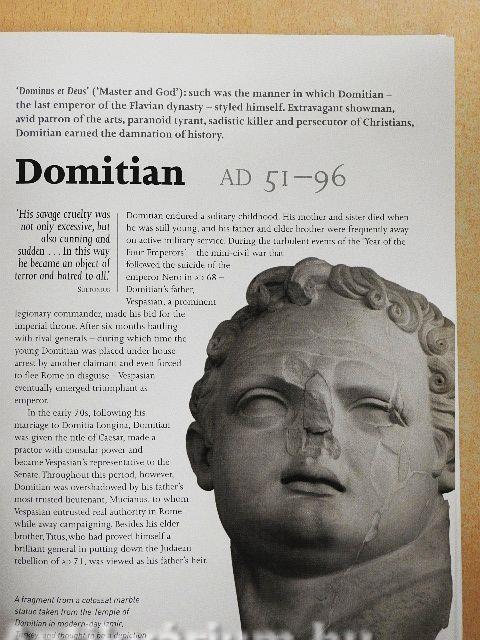
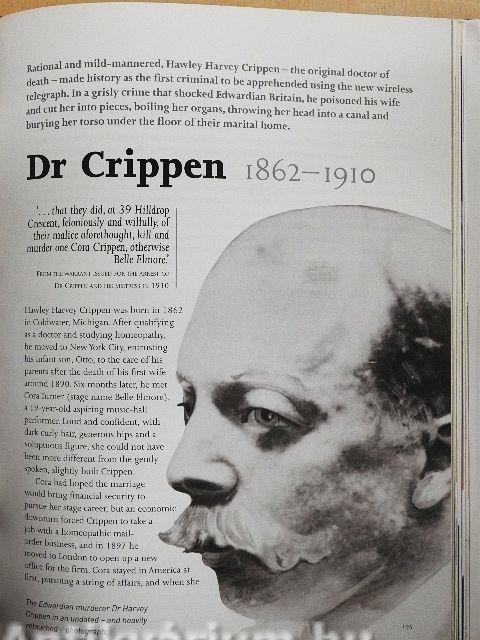
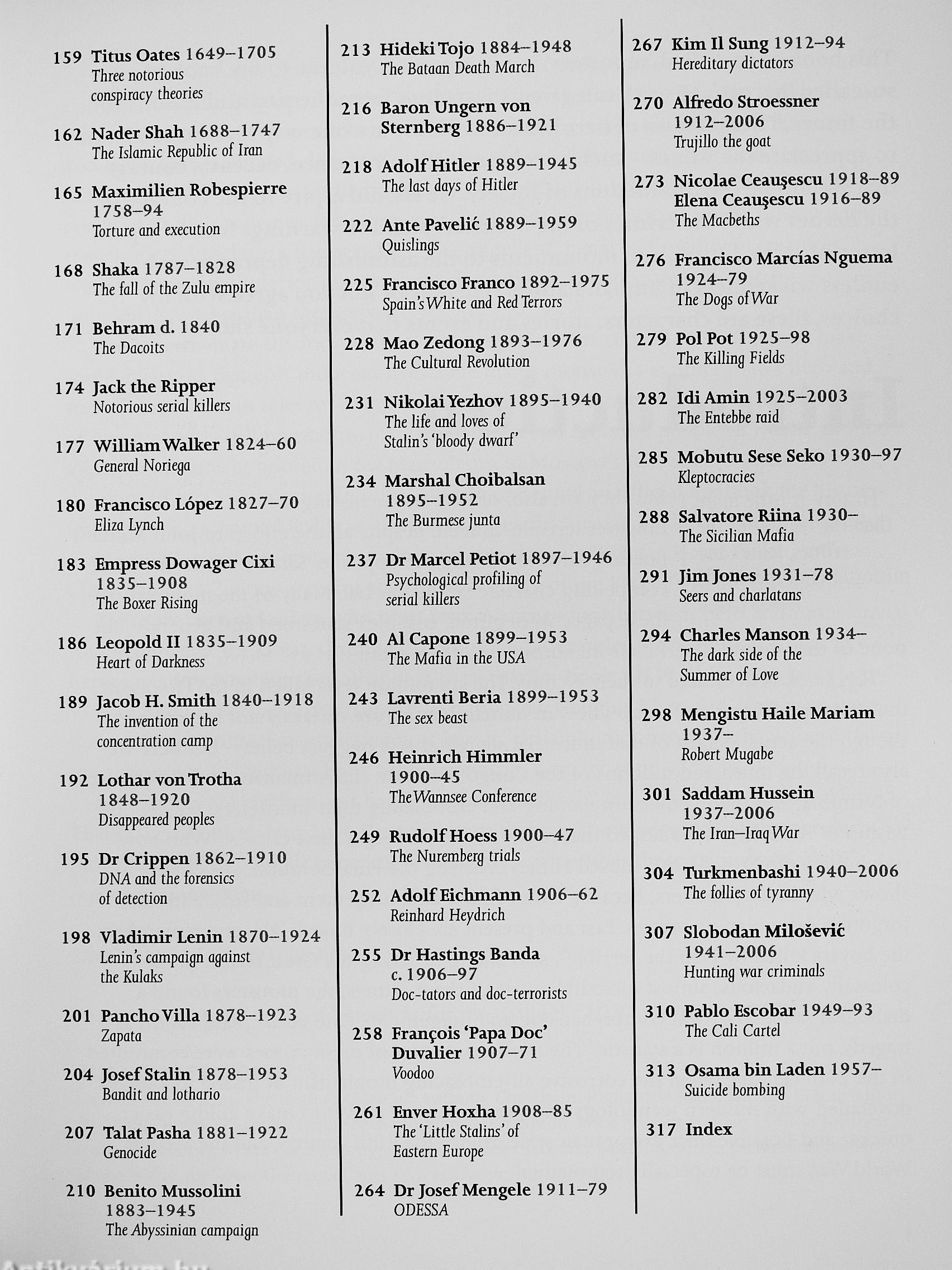
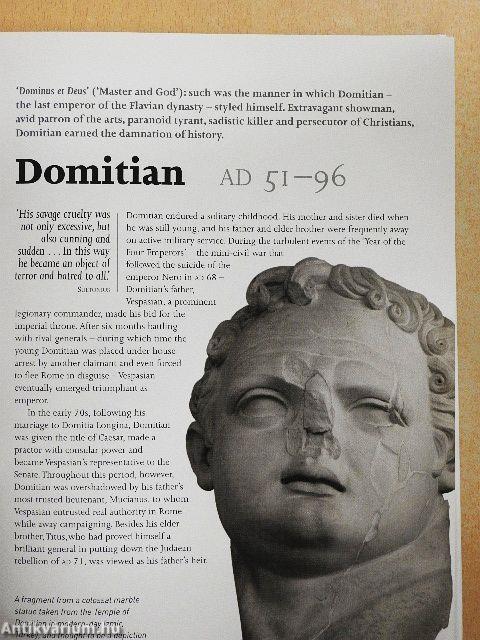
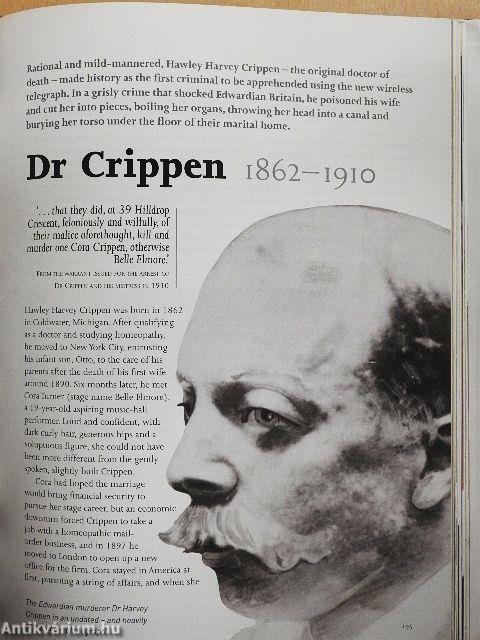
In 101 World Heroes Simon Sebag Montefiore selected his ultimate heroes and heroines; here he reveals history's dark side. Monsters presents, in chronological order, compellingly readable portraits of 101 sinister individuals who shared a relish for the brutal exercise of pitiless, unbounded power, a delight in imposing pain and suffering, and a contempt for human life. Many of them - Nero and Al Capone, Genghis Khan and Henry VIII, Lucrezia Borgia and Jack the Ripper, Lenin and Himmler, Charles Manson and Pablo Escobar -are notorious. Others - Byzantine emperor Justinian the Slit-Nose, Pope John XII (who tumed the Vatican into a brothel), the 16th-century Scots cannibal Sawney Beane, Baron Ungem von Sternberg (who conquered Mongolia in 1920 believing he was Genghis Khan reborn), vampiric Hungarian countess Elizabeth Báthory, Barbarossa the Ottoman pirate-king - are less familiar. Each biography is accompanied by an article revealing fascinating aspects of those monsters: Sultan Selim the Grim divulges the secret Ottoman methods of royal murder; 'Bloody' Mary evokes the heretic's death at the stake; we travel with Leopold II of Belgium into the 'Heart of Darkness' that was the Belgian Congo; Malawian dictator Or Banda unveils the strange phenomenon of medical doctors who became murderous tyrants; and Papa Doc of Haiti reveals the nature of Voodoo.
Lavishly illustrated, interspersed with illuminating quotations, both accessible and informative, Monsters is a Who's Who of the cruel and murderous, the rapacious and depraved, and a gripping compendium of stories, characters and indispensable lessons from history that no one should forget - and everyone should know.
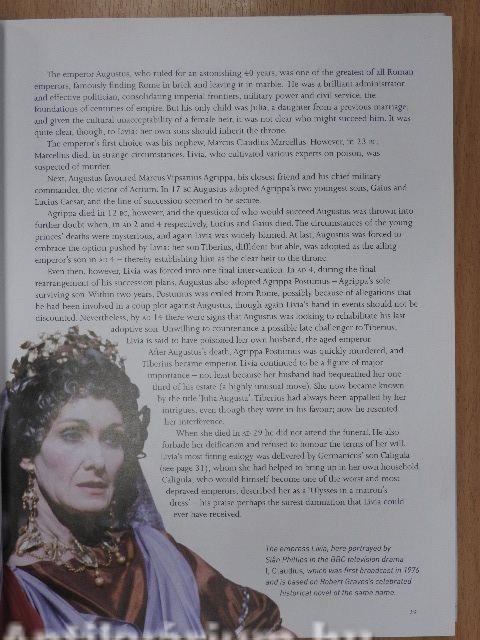
This book of so-called 'monsters' is a companion volume to my book of so-called 'heroes'. History can give us warnings from the past and lessons for the future. These stories of heroism and villainy are one way that we can learn to appreciate the values - such as responsibility, tolerance, decency, courage -that should be the foundations of society. We should aspire to the courage of the heroes while the crimes of the monsters stand as warnings from the past, lessons for the future, and monuments to the astonishing depravity and endless wickedness of human nature. Whether or not you agree with my choices, these are characters, stories and events that everyone should know.
Introduction
'History is little more than the register of the crimes, follies and misfortunes of mankind.'
Edward Gkbon
But they are also, of course, fascinating for their own sake, however terrible. Indeed, despite all the efforts of John Milton's poetic genius to achieve the opposite, Satan remains the most compelling character in Paradise Lost. Many of the monsters in these pages were gifted, complex statesmen and generals. But none of that should divert us from chronicling their crimes.
This book is dedicated to their victims. The six million Jews killed in the Holocaust, the most appalling act of wickedness in human history, are certainly not forgotten though the actual details of that industrial slaughter still beggars belief - but here we also recall the murdered millions of the Congo, Rwanda, the Armenians and the Hereros of Namibia, and many others. In naming and chronicling their murderers, we defy the wishes of the killers who hoped that posterity would forget their crimes. 'Who now remembers the Armenians?' mused Hitler, ordering the Final Solution. His comment shows why history matters, because Hitler found encouragement and solace in the forgotten Armenian massacres. Past and present are closely linked: 'No-one remembers the boyars killed by Ivan the Terrible', said Stalin, ordering the Great Terror. In the colossally audacious, almost incredible scale of these crimes, the monsters found a diabohcal sanctuary from comprehension and judgement. 'One death', said Stalin, 'is a tragedy, but a million is a statistic.' The most disgusting of these crimes were committed in the 20th century when the corrosive all-embracing utopianism of insane ideologies dovetailed with modern technology and pervasive state power to make killing easier, quicker and possible on a gargantuan scale. Hence the 20th century, and the Second World War, must be especially represented. Vissza

Témakörök
- Történelem > Általános, összefoglaló művek
- Életrajz > Történelmi személyiségek > Külföldi
- Életrajz > Gyűjtemények
- Idegennyelv > Idegennyelvű könyvek > Angol > Szépirodalom > Megtörtént bűnügyek, dokumentumregények
- Idegennyelv > Idegennyelvű könyvek > Angol > Életrajz > Történelmi személyiségek > Külföldi
- Idegennyelv > Idegennyelvű könyvek > Angol > Életrajz > Gyűjtemények
- Idegennyelv > Idegennyelvű könyvek > Angol > Történelem > Egyéb
- Történelem > Életrajz > Uralkodók, uralkodóházak > Külföldi
- Történelem > Életrajz > Politikusok, történelmi személyiségek > Külföldi
- Történelem > Idegennyelvű > Angol
- Szépirodalom > Megtörtént bűnügyek, dokumentumregények



Megvásárolható példányok
Nincs megvásárolható példány
A könyv összes megrendelhető példánya elfogyott. Ha kívánja, előjegyezheti a könyvet, és amint a könyv egy újabb példánya elérhető lesz, értesítjük.
 Folytatás Microsoft-tal