Fülszöveg
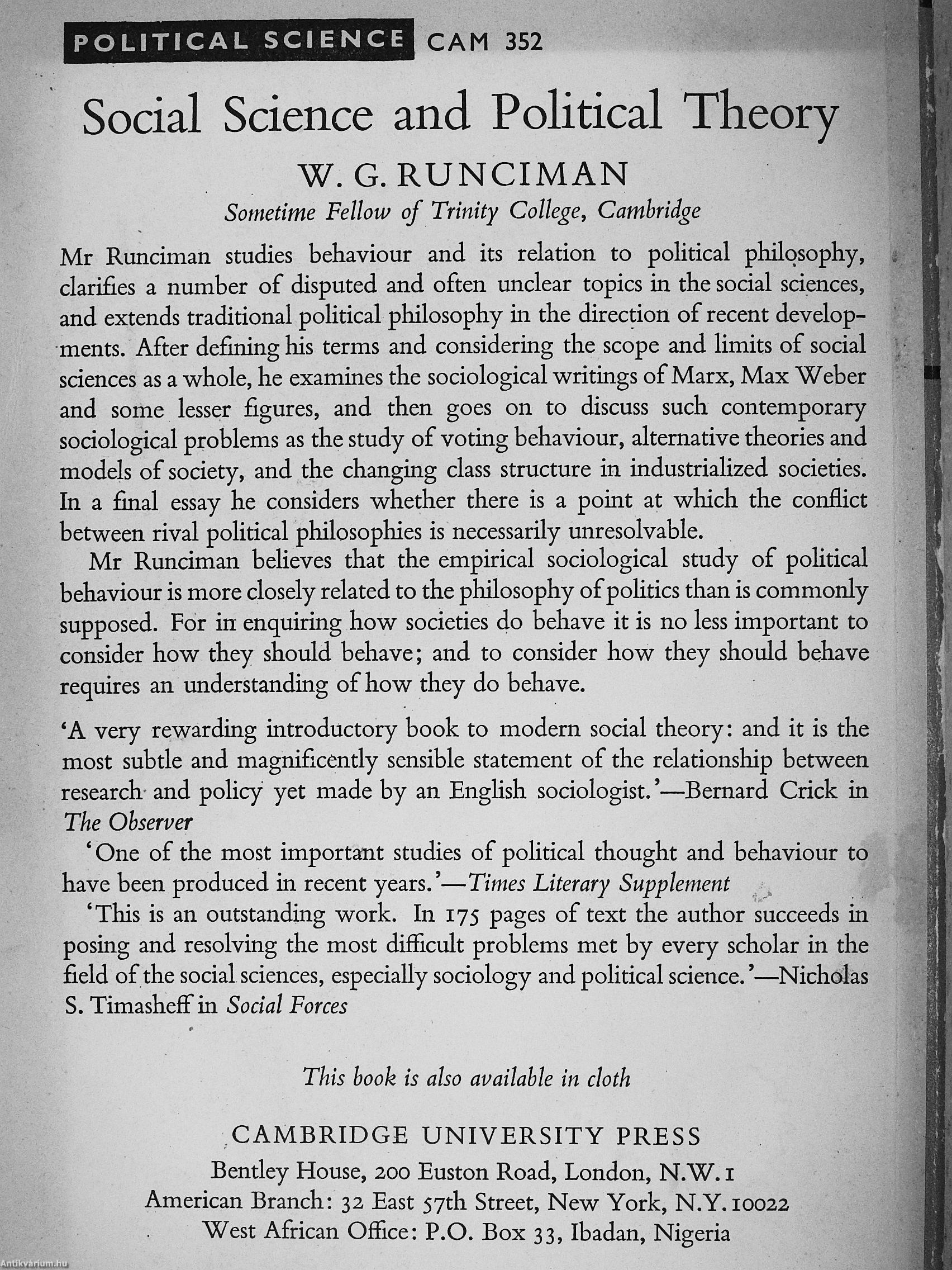
POLITICAL SCIENCE
CAM 352
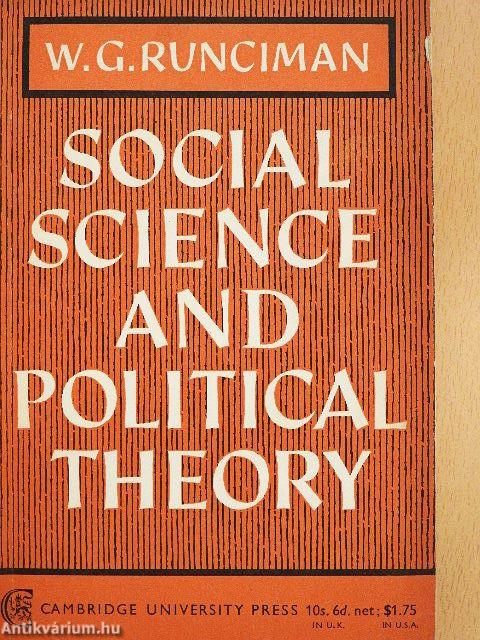
Social Science and Political Theory
W. G. RUNCIMAN
Sometime Fellow of Trinity College, Cambridge
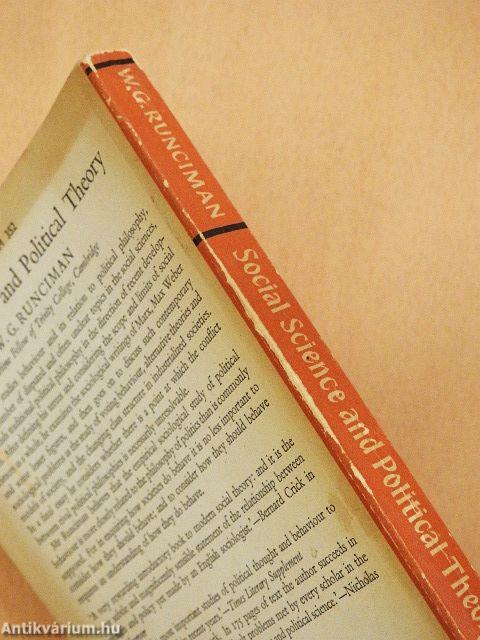
Mr Runciman studies behaviour and its relation to political philosophy, clarifies a number of disputed and often unclear topics in the social sciences, and extends traditional political philosophy in the direction of recent developments. After defining his terms and considering the scope and limits of social sciences as a whole, he examines the sociological writings of Marx, Max Weber and some lesser figures, and then goes on to discuss such contemporary sociological problems as the study of voting behaviour, alternative theories and models of society, and the changing class structure in industrialized societies. In a final essay he considers whether there is a point at which the conflict between rival political philosophies is necessarily unresolvable.
Mr Runciman beUeves that the empirical sociological study of political behaviour is more closely...
Tovább
Fülszöveg
POLITICAL SCIENCE
CAM 352
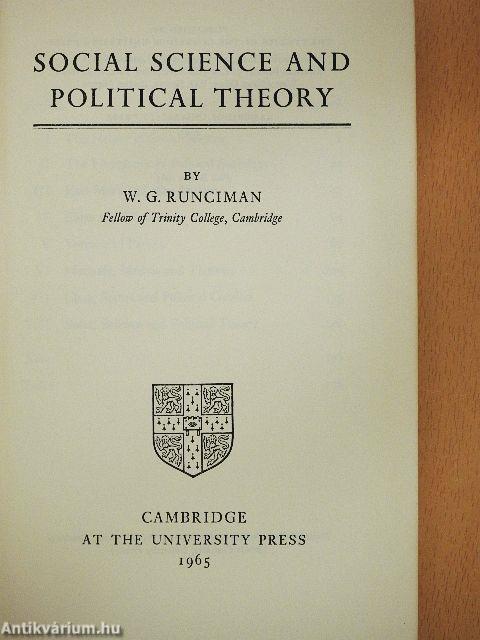
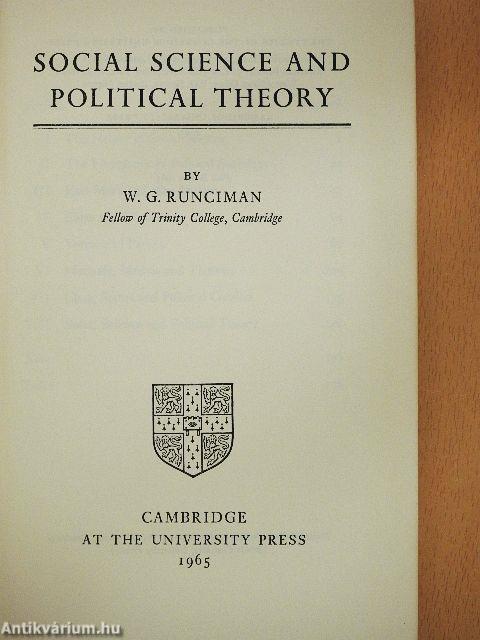
Social Science and Political Theory
W. G. RUNCIMAN
Sometime Fellow of Trinity College, Cambridge
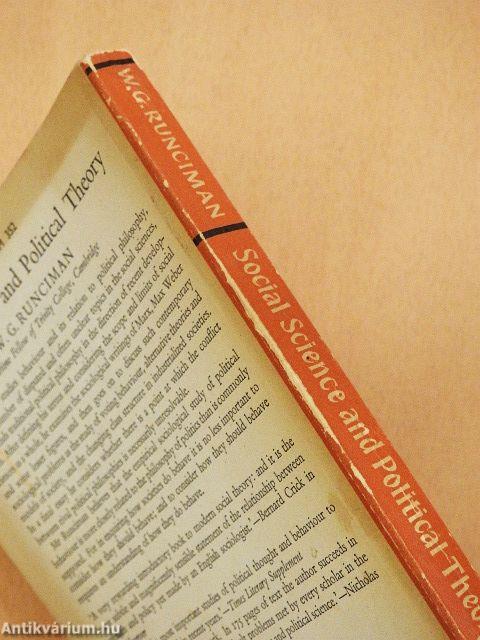
Mr Runciman studies behaviour and its relation to political philosophy, clarifies a number of disputed and often unclear topics in the social sciences, and extends traditional political philosophy in the direction of recent developments. After defining his terms and considering the scope and limits of social sciences as a whole, he examines the sociological writings of Marx, Max Weber and some lesser figures, and then goes on to discuss such contemporary sociological problems as the study of voting behaviour, alternative theories and models of society, and the changing class structure in industrialized societies. In a final essay he considers whether there is a point at which the conflict between rival political philosophies is necessarily unresolvable.
Mr Runciman beUeves that the empirical sociological study of political behaviour is more closely related to the philosophy of poHtics than is commonly supposed. For in enquiring how societies do behave it is no less important to consider how they should behave; and to consider how they should behave requires an understanding of how they do behave.
'A very rewarding introductory book to modem social theory: and it is the most subtle and magnificently sensible statement of the relationship between research and poHcy yet made by an English sociologist.'—Bernard Crick in The Observer
' One of the most important studies of political thought and behaviour to have been produced in recent years.'—Times Literary Supplement
'This is an outstanding work. In 175 pages of text the author succeeds in posing and resolving the most difficult problems met by every scholar in the field of the social sciences, especially sociology and political science.'—Nicholas S. Timasheff"in Social Forces
This book is also available in cloth
CAMBRIDGE UNIVERSITY PRESS Bentley House, 200 Euston Road, London, N.W. i American Branch: 32 East 57th Street, New York, N.Y. 10022 West African Office: P.O. Box 33, Ibadan, Nigeria
Vissza 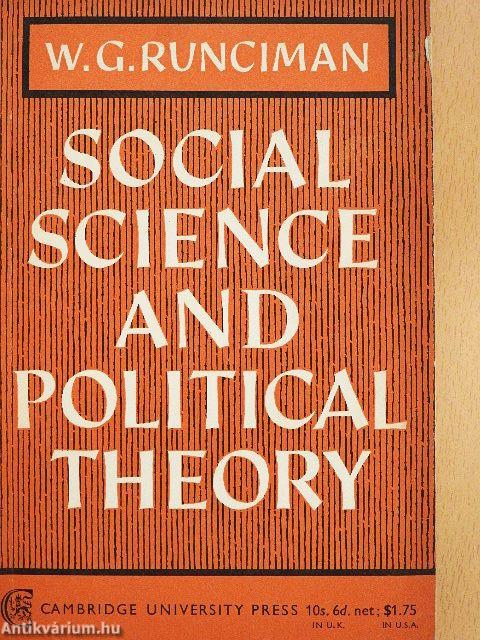


 Folytatás Microsoft-tal