
1.153.656
kiadvánnyal nyújtjuk Magyarország legnagyobb antikvár könyv-kínálatát

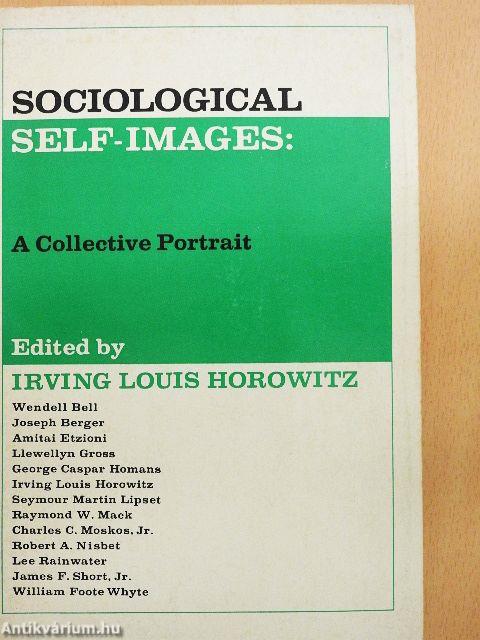
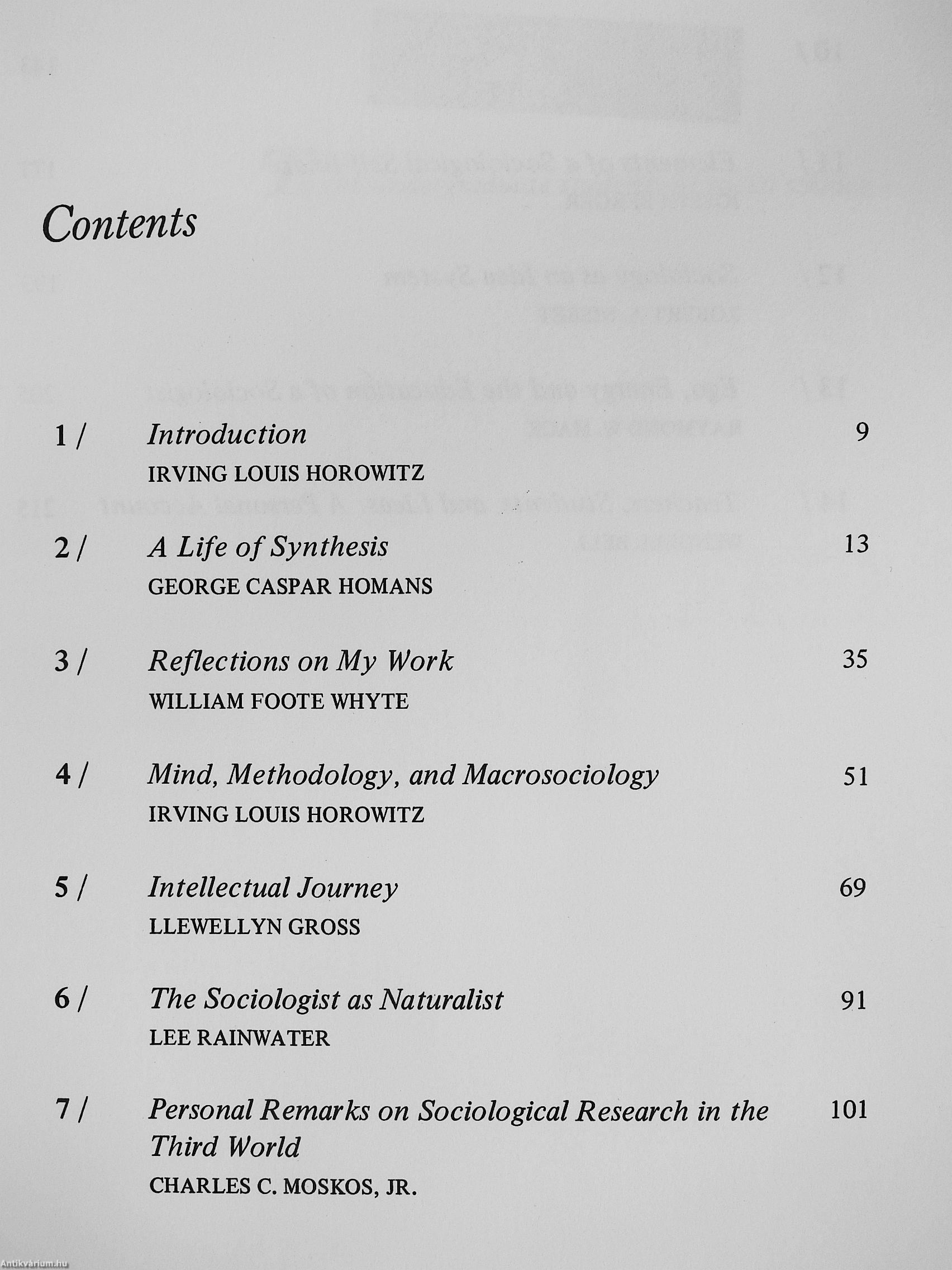
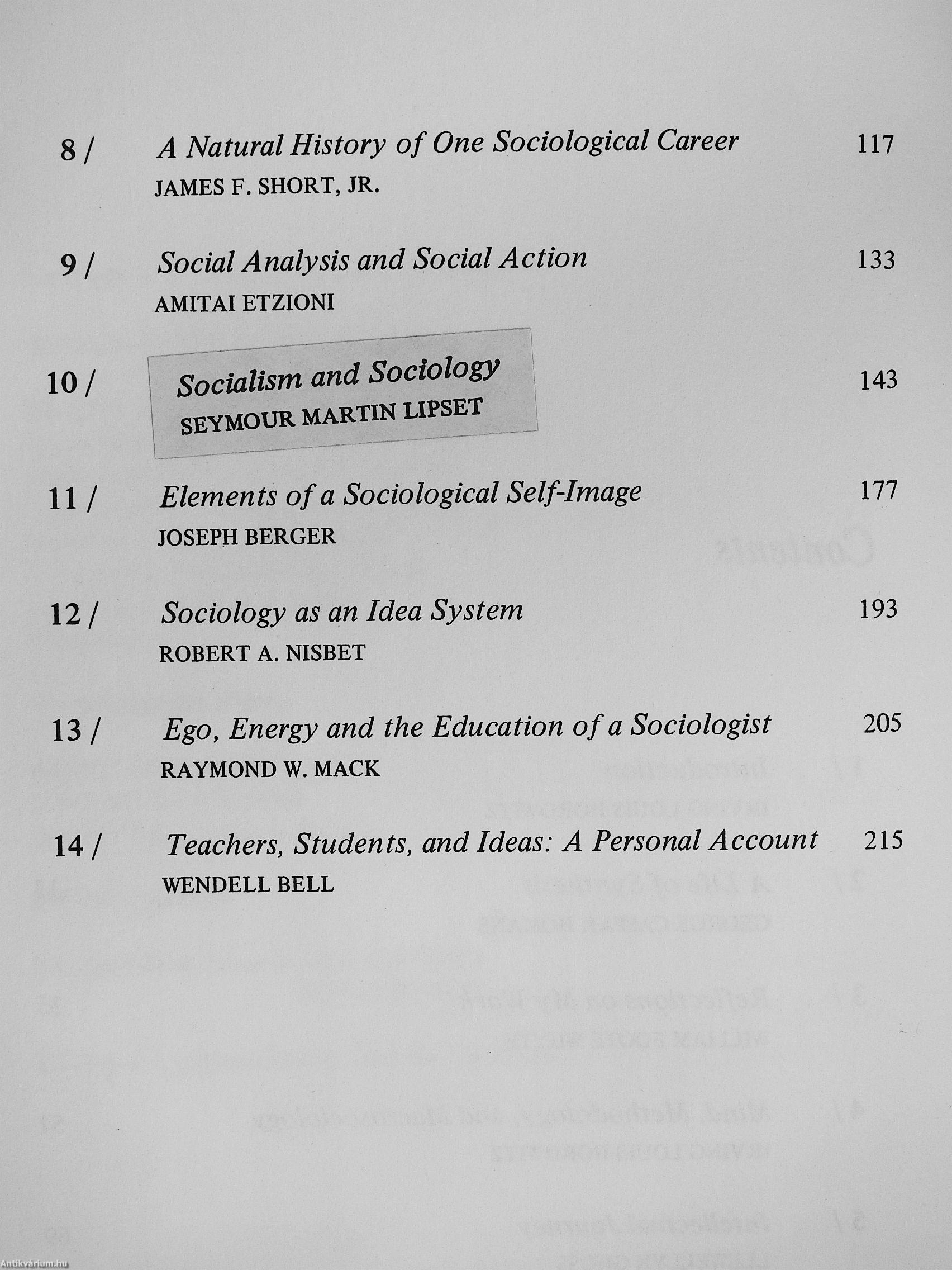
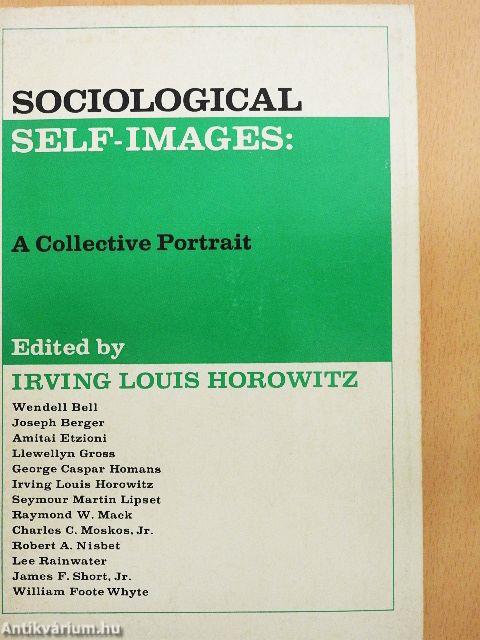
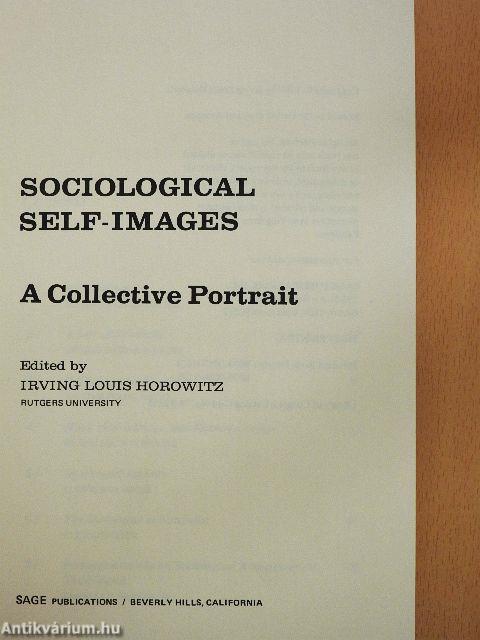
Sociological Self-Images
A Collective Portrait
Beverly Hills
| Kiadó: | SAGE Publications |
|---|---|
| Kiadás helye: | Beverly Hills |
| Kiadás éve: | |
| Kötés típusa: | Varrott papírkötés |
| Oldalszám: | 255 oldal |
| Sorozatcím: | |
| Kötetszám: | |
| Nyelv: | Angol |
| Méret: | 23 cm x 15 cm |
| ISBN: | |
| Megjegyzés: | További kapcsolódó személyek a könyvben. |
Értesítőt kérek a kiadóról
A beállítást mentettük,
naponta értesítjük a beérkező friss
kiadványokról
naponta értesítjük a beérkező friss
kiadványokról
A beállítást mentettük,
naponta értesítjük a beérkező friss
kiadványokról
naponta értesítjük a beérkező friss
kiadványokról
Előszó
Tovább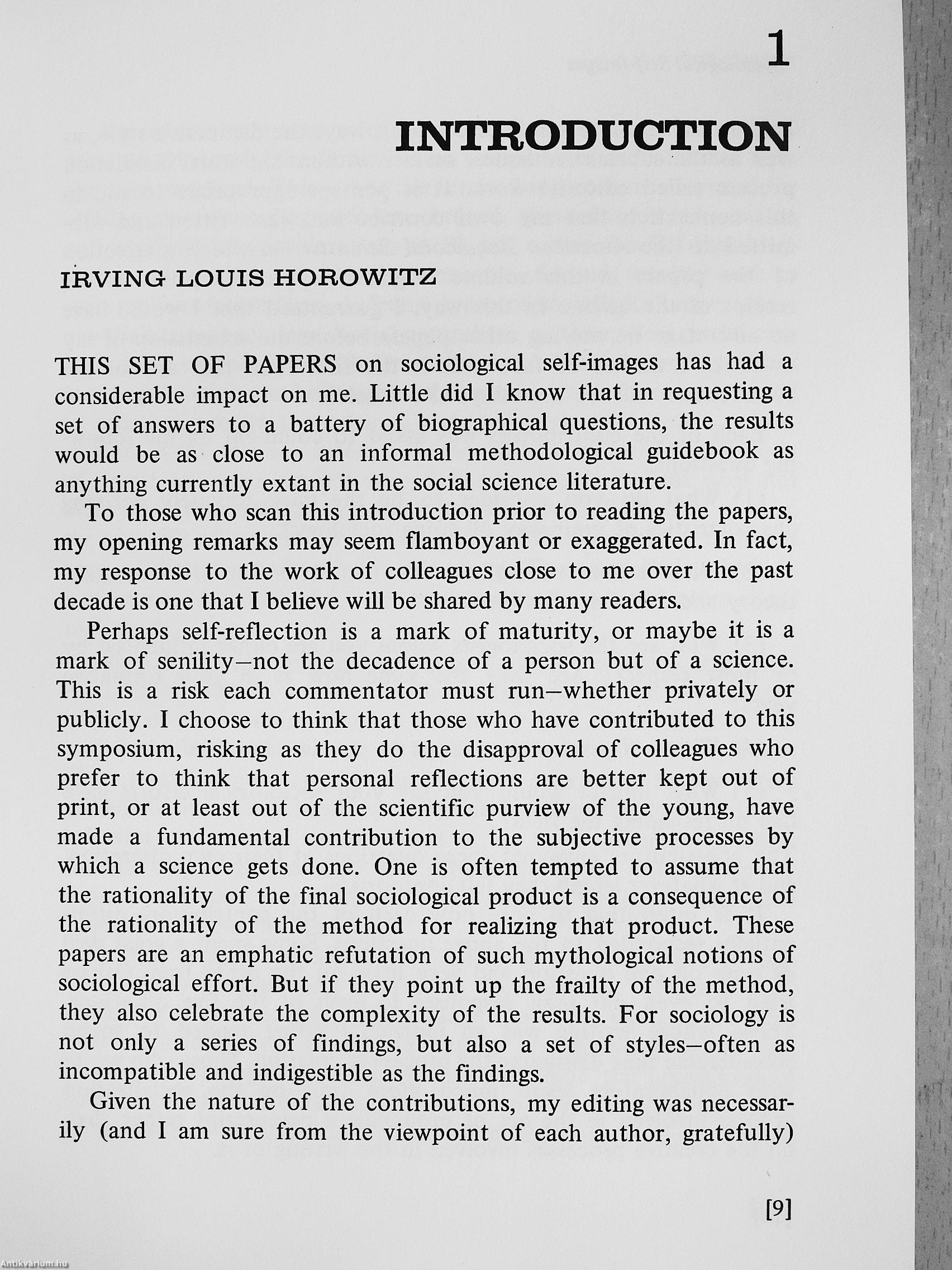
Fülszöveg
"Sociology is not only a series of findings, but also a Sbt of styles "
Thirteen leading sociologists candidly assess modern social sclence-and their Impact on its development—in the fascinating personal statements which comprise Sociological Self-images. Taken together, these divergent viewpoints are, in the editor's words, "as close to an informal methodological guidebook as anything currently extant in the social science literature."
Each of the contributors was asked to comment upon the following questions:
(1) What do you consider to be the most uniquely defining characteristics of your way of doing sociology?
(2) What is your view of the current relationship of sociological theory and social application?
(3) Who are the sociologists whom you are either influenced by or most respect? Are they the same now as in your formative years?
(4) Which of your own writings do you like best and why?
(5) What Impact would you say your sociological efforts have had on reshaping the... Tovább
Fülszöveg
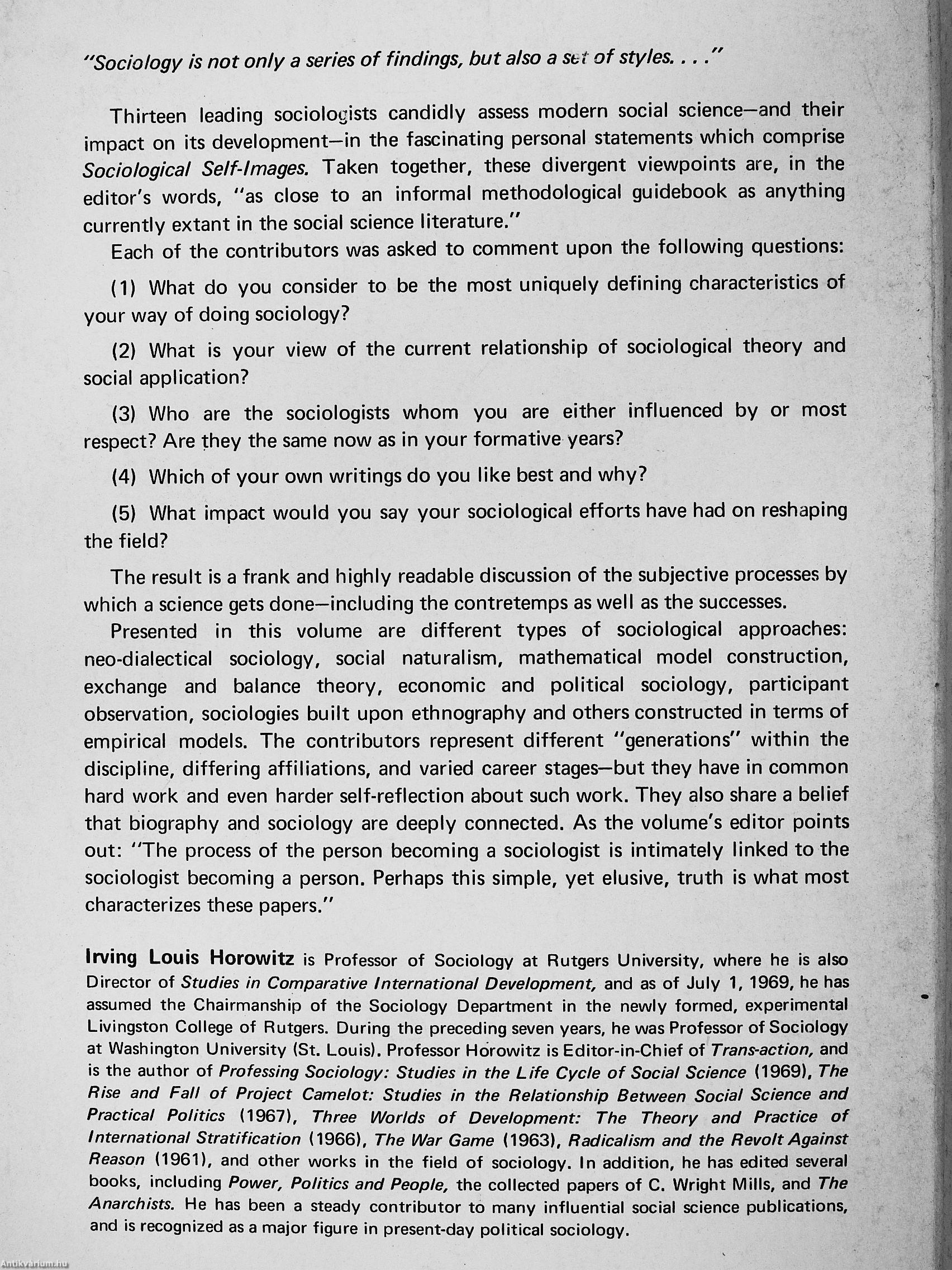
"Sociology is not only a series of findings, but also a Sbt of styles "
Thirteen leading sociologists candidly assess modern social sclence-and their Impact on its development—in the fascinating personal statements which comprise Sociological Self-images. Taken together, these divergent viewpoints are, in the editor's words, "as close to an informal methodological guidebook as anything currently extant in the social science literature."
Each of the contributors was asked to comment upon the following questions:
(1) What do you consider to be the most uniquely defining characteristics of your way of doing sociology?
(2) What is your view of the current relationship of sociological theory and social application?
(3) Who are the sociologists whom you are either influenced by or most respect? Are they the same now as in your formative years?
(4) Which of your own writings do you like best and why?
(5) What Impact would you say your sociological efforts have had on reshaping the field?
The result is a frank and highly readable discussion of the subjective processes by which a science gets done—including the contretemps as well as the successes.
Presented in this volume are different types of sociological approaches: neo-dialectical sociology, social naturalism, mathematical model construction, exchange and balance theory, economic and political sociology, participant observation, sociologies built upon ethnography and others constructed in terms of empirical models. The contributors represent different "generations" within the discipline, differing affiliations, and varied career stages—but they have in common hard work and even harder self-reflection about such work. They also share a belief that biography and sociology are deeply connected. As the volume's editor points out: "The process of the person becoming a sociologist is intimately linked to the sociologist becoming a person. Perhaps this simple, yet elusive, truth is what most characterizes these papers."
Irving Louis Horowitz is Professor of Sociology at Rutgers University, where he is also Director of Studies in Comparative International Development, and as of July 1, 1969, he has assumed the Chairmanship of the Sociology Department in the newly formed, experimental Livingston College of Rutgers. During the preceding seven years, he was Professor of Sociology at Washington University (St. Louis). Professor Horowitz is Editor-in-Chief of Trans-action, and is the author of Professing Sociology: Studies in the Life Cycle of Social Science (1969), The Rise and Fall of Project Camelot: Studies in the Relationship Between Social Science and Practical Politics (1967), Three Worlds of Development: The Theory and Practice of International Stratification (1966), The War Game (1963), Radicalism and the Revolt Against Reason (1961), and other works in the field of sociology. In addition, he has edited several books, including Power, Politics and People, the collected papers of C. Wright Mills, and The Anarchists. He has been a steady contributor to many influential social science publications, and Is recognized as a major figure In present-day political sociology. Vissza
Témakörök
- Idegennyelv > Idegennyelvű könyvek > Angol > Művelődéstörténet
- Művelődéstörténet > Eszmetörténet > Tudományok
- Szociológia > Módszertan > Kutatások
- Szociológia > Története > Irányzatok, elméletek
- Szociológia > Tanulmányok, esszék
- Idegennyelv > Idegennyelvű könyvek > Angol > Szociológia > Tanulmányok, esszék
- Idegennyelv > Idegennyelvű könyvek > Angol > Szociológia > Módszertan > Kutatások
- Idegennyelv > Idegennyelvű könyvek > Angol > Szociológia > Története > Irányzatok, elméletek
Megvásárolható példányok
Állapotfotók


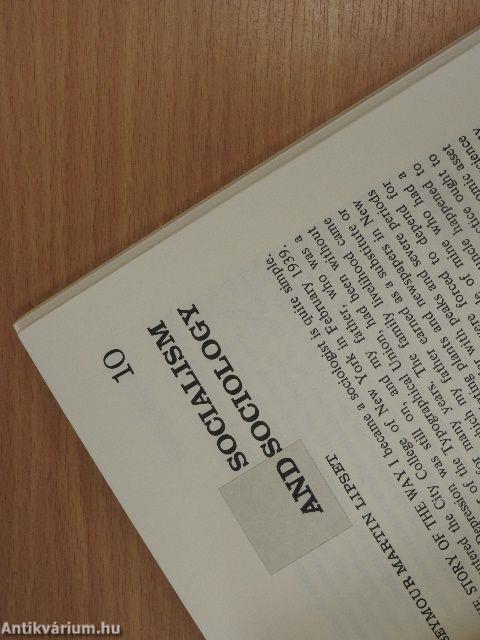


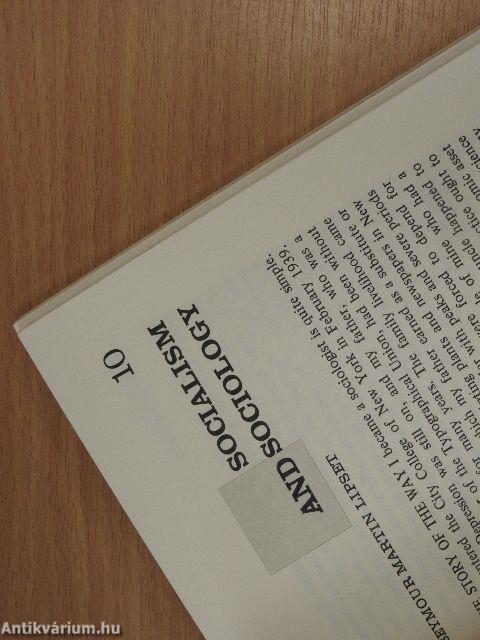
A borító elszíneződött, foltos, a lapélek foltosak. Néhány lapon a szöveg ragasztott címkével javított.
Állapot:
Jó
3.240 ,-Ft
16
pont kapható
Kosárba
 Folytatás Microsoft-tal