
1.155.979
kiadvánnyal nyújtjuk Magyarország legnagyobb antikvár könyv-kínálatát

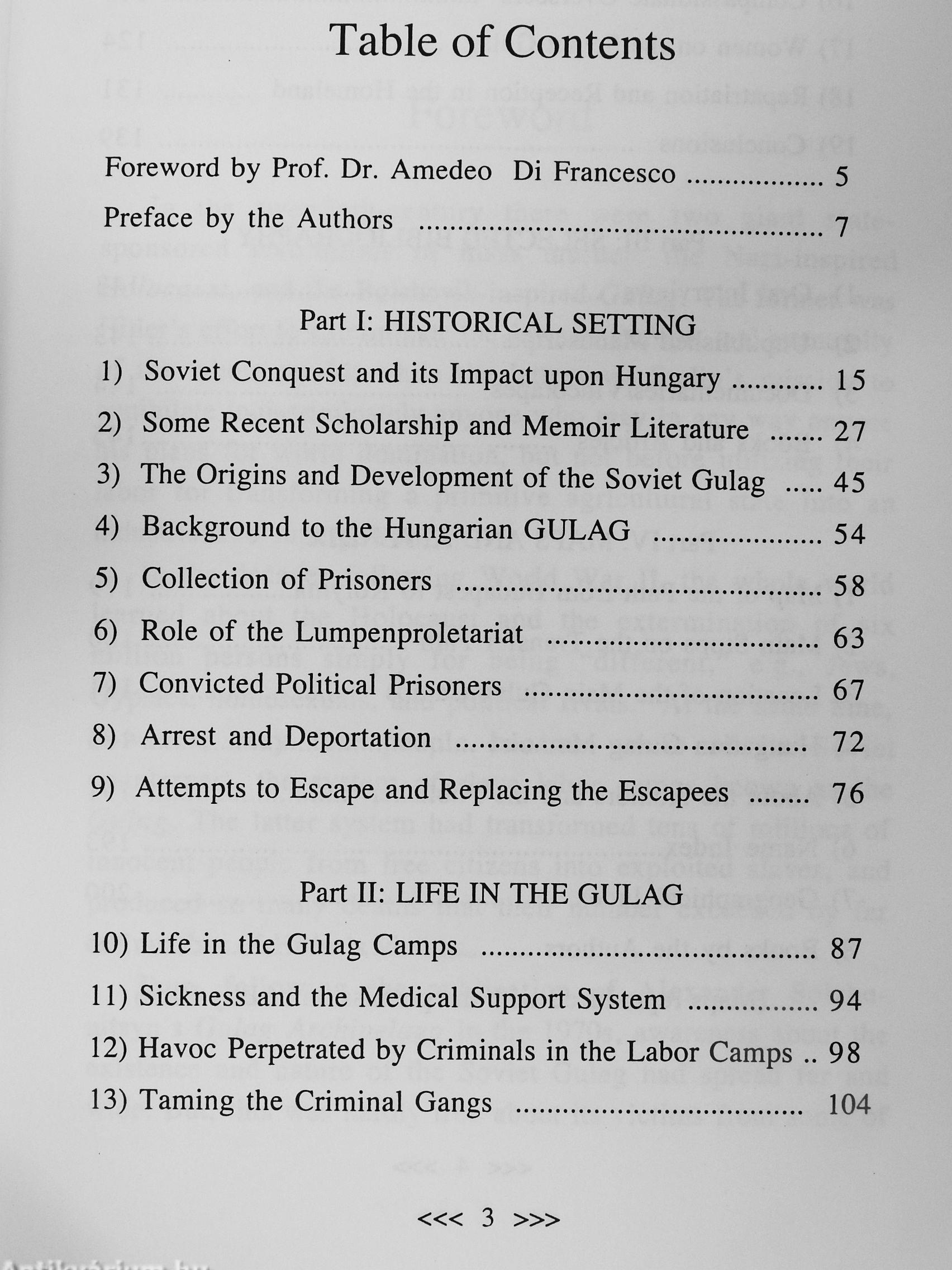
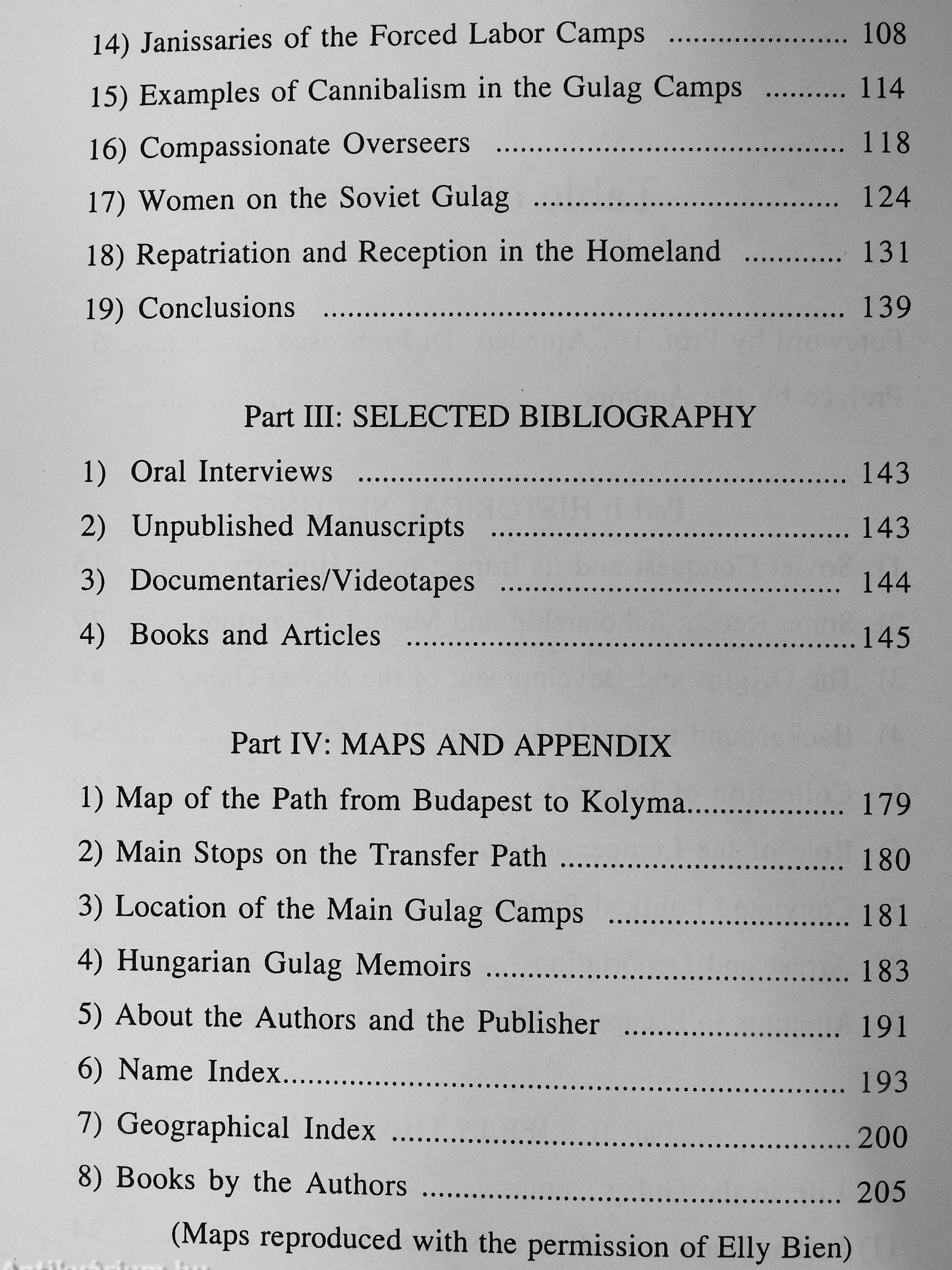
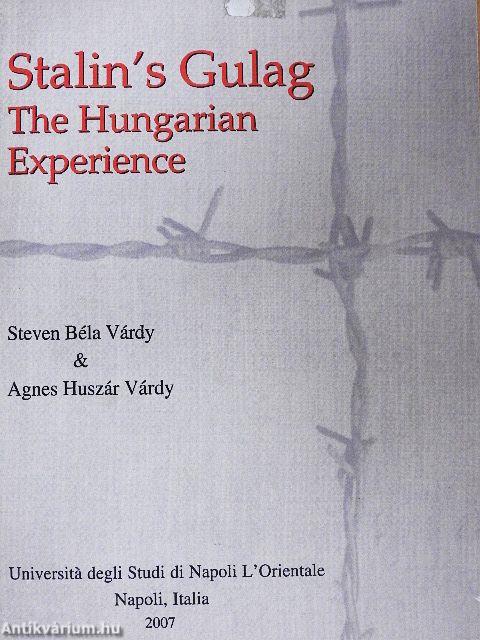
Stalin's Gulag
The Hungarian Experience
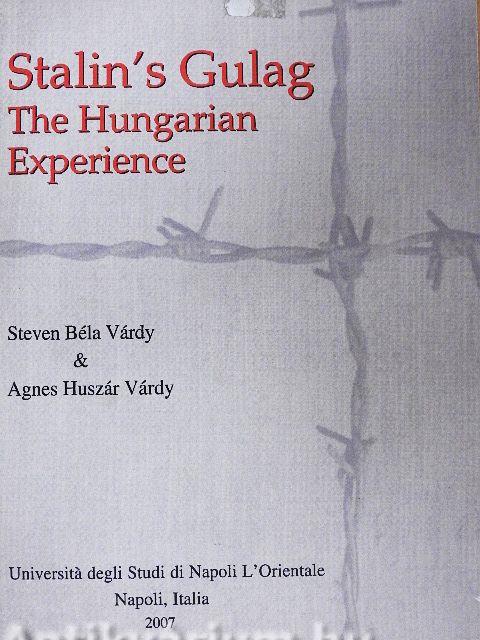
Nápoly
| Kiadó: | Universitá degli Studi di Napoli L'Orientale |
|---|---|
| Kiadás helye: | Nápoly |
| Kiadás éve: | |
| Kötés típusa: | Ragasztott papírkötés |
| Oldalszám: | 207 oldal |
| Sorozatcím: | |
| Kötetszám: | |
| Nyelv: | Angol |
| Méret: | 21 cm x 14 cm |
| ISBN: | 978-1-59571-183-0 |
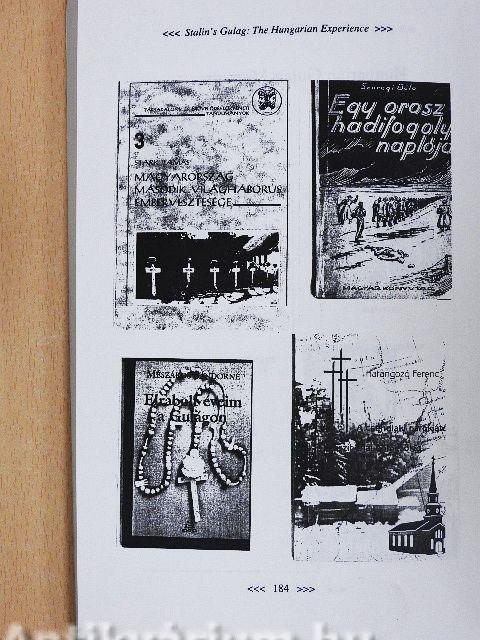
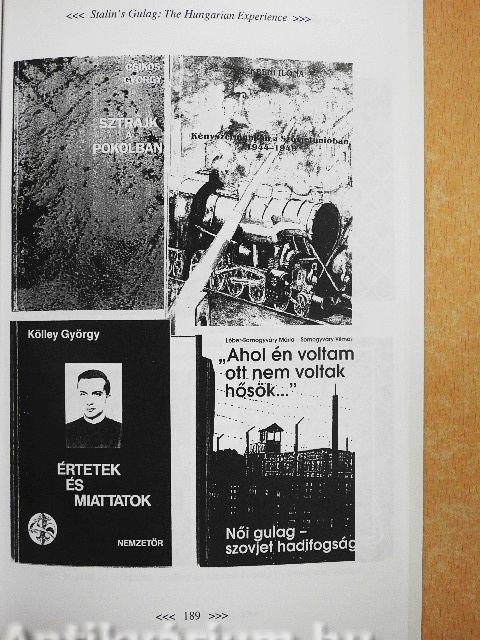
| Megjegyzés: | Fekete-fehér fotókkal. |
Értesítőt kérek a kiadóról
A beállítást mentettük,
naponta értesítjük a beérkező friss
kiadványokról
naponta értesítjük a beérkező friss
kiadványokról
A beállítást mentettük,
naponta értesítjük a beérkező friss
kiadványokról
naponta értesítjük a beérkező friss
kiadványokról
Előszó
Tovább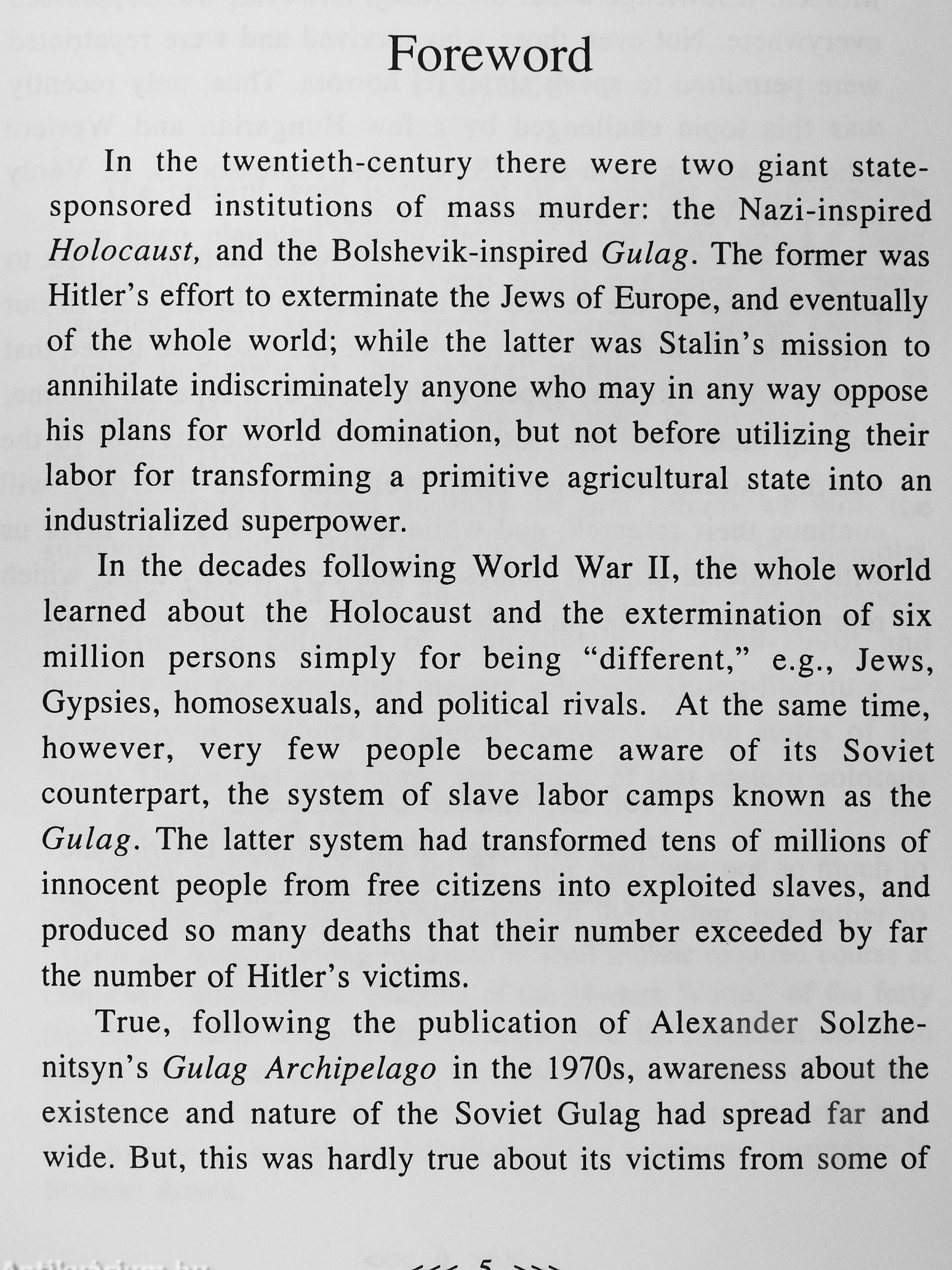
Fülszöveg
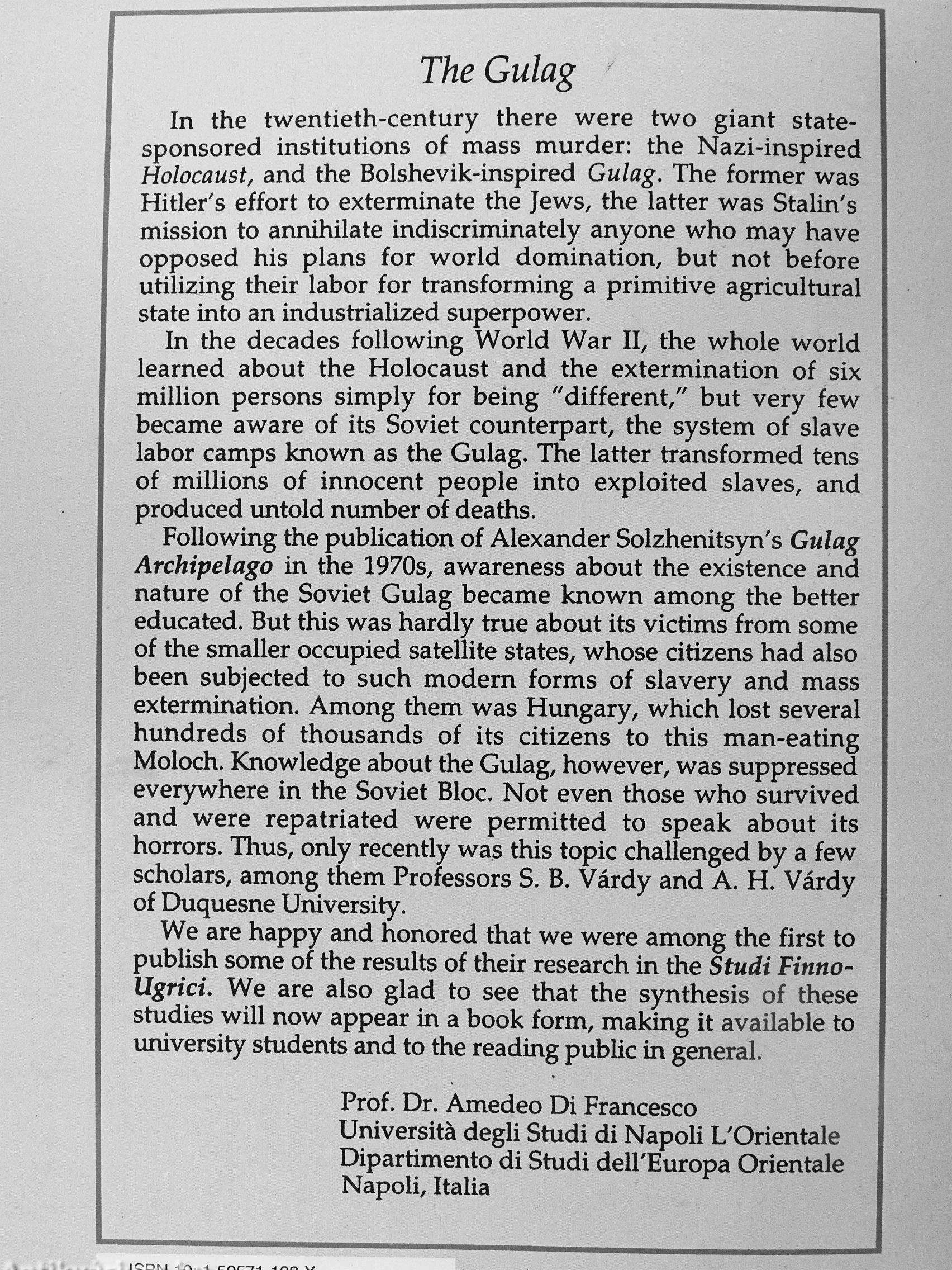
The Gulag
In the twentieth-century there were two giant state-sponsored institutions of mass murder: the Nazi-inspired Holocaust, and the Bolshevik-inspired Gulag. The former was Hitler's effort to exterminate the Jews, the latter was Stalin's mission to annihilate indiscriminately anyone who may have opposed his plans for world domination, but not before utilizing their labor for transforming a primitive agricultural state into an industrialized superpower.
In the decades following World War II, the whole world learned about the Holocaust and the extermination of six million persons simply for being "different," but very few became aware of its Soviet counterpart, the system of slave labor camps known as the Gulag. The latter transformed tens of millions of innocent people into exploited slaves, and produced untold number of deaths.
Following the publication of Alexander Solzhenitsyn's Gulag Archipelago in the 1970s, awareness about the existence and nature of the Soviet Gulag... Tovább
Fülszöveg
The Gulag
In the twentieth-century there were two giant state-sponsored institutions of mass murder: the Nazi-inspired Holocaust, and the Bolshevik-inspired Gulag. The former was Hitler's effort to exterminate the Jews, the latter was Stalin's mission to annihilate indiscriminately anyone who may have opposed his plans for world domination, but not before utilizing their labor for transforming a primitive agricultural state into an industrialized superpower.
In the decades following World War II, the whole world learned about the Holocaust and the extermination of six million persons simply for being "different," but very few became aware of its Soviet counterpart, the system of slave labor camps known as the Gulag. The latter transformed tens of millions of innocent people into exploited slaves, and produced untold number of deaths.
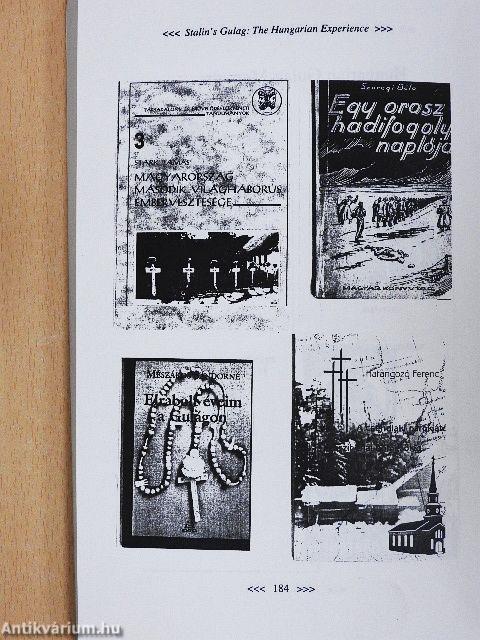
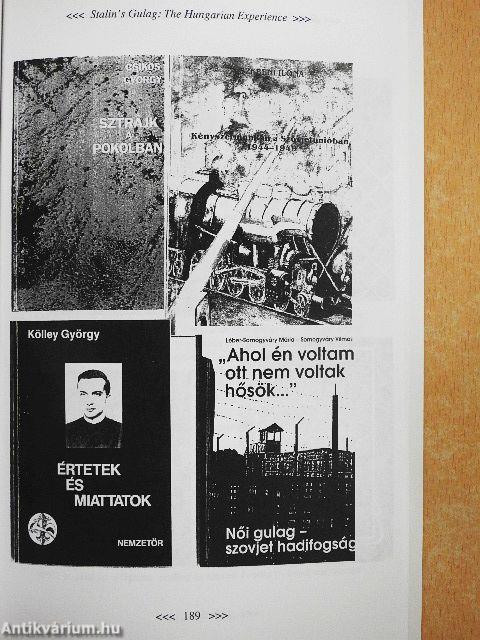
Following the publication of Alexander Solzhenitsyn's Gulag Archipelago in the 1970s, awareness about the existence and nature of the Soviet Gulag became known among the better educated. But this was hardly true about its victims from some of the smaller occupied satellite states, whose citizens had also been subjected to such modern forms of slavery and mass extermination. Among them was Hungary, which lost several hundreds of thousands of its citizens to this man-eating Moloch. Knowledge about the Gulag, however, was suppressed everywhere in the Soviet Bloc. Not even those who survived and were repatriated were permitted to speak about its horrors. Thus, only recently was this topic challenged by a few scholars, among them Professors S. B. Vardy and A. H. Vardy of Duquesne University.
We are happy and honored that we were among the first to publish some of the results of their research in the Studi Finno-Ugrici. We are also glad to see that the synthesis of these studies will now appear in a book form, making it available to imiversity students and to the reading public in general.
Prof. Dr. Amedeo Di Francesco Université degli Studi di Napoli L'Orientale Dipartimento di Studi dell'Europa Orientale Napoli, Italia Vissza
Témakörök
- Idegennyelv > Idegennyelvű könyvek > Angol > Szépirodalom > Megtörtént bűnügyek, dokumentumregények
- Idegennyelv > Idegennyelvű könyvek > Angol > Szépirodalom > Regény, novella, elbeszélés
- Idegennyelv > Idegennyelvű könyvek > Angol > Történelem > Európa története > Magyarország története
- Idegennyelv > Idegennyelvű könyvek > Angol > Történelem > Európa története > Egyéb
- Szépirodalom > Regény, novella, elbeszélés > Tartalom szerint > Történelmi regények > Hadifogság, lágerek
- Történelem > Idegennyelvű > Angol
- Történelem > Magyarország története és személyiségei > Magyarország a XX. században > II. világháború > Hadtörténete
- Történelem > Magyarország története és személyiségei > Magyarország a XX. században > A II. világháború utáni Magyarország > Köztársaság (1945-48)
- Történelem > Magyarország története és személyiségei > Magyarország a XX. században > A II. világháború utáni Magyarország > Rákosi-korszak > Egyéb
- Történelem > Politika > Külpolitika > Magyarok külföldön
- Történelem > Kontinensek szerint > Európa, európai országok története > Kelet-Európa > Oroszország, Szovjetúnió
- Történelem > Legújabb kor > II. világháború > Hadtörténet
- Történelem > Legújabb kor > A hidegháború kora (1946-1991)
- Történelem > Hadtörténet > Hadügy, hadviselés
- Szépirodalom > Regény, novella, elbeszélés > Tartalom szerint > Életrajzi regények > Önéletrajzok, naplók, memoárok
- Szépirodalom > Megtörtént bűnügyek, dokumentumregények
Megvásárolható példányok
Állapotfotók
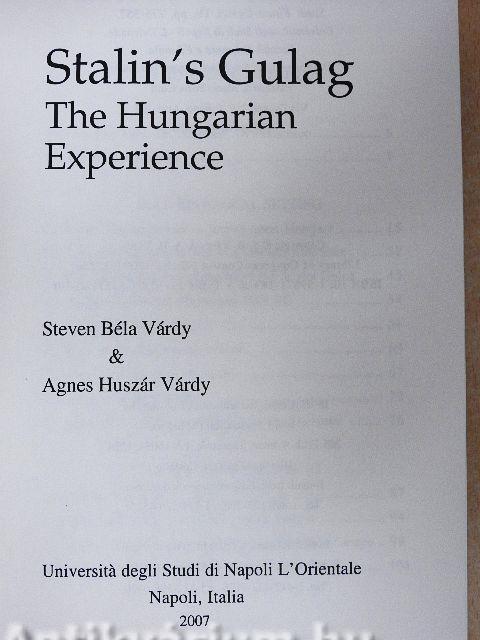

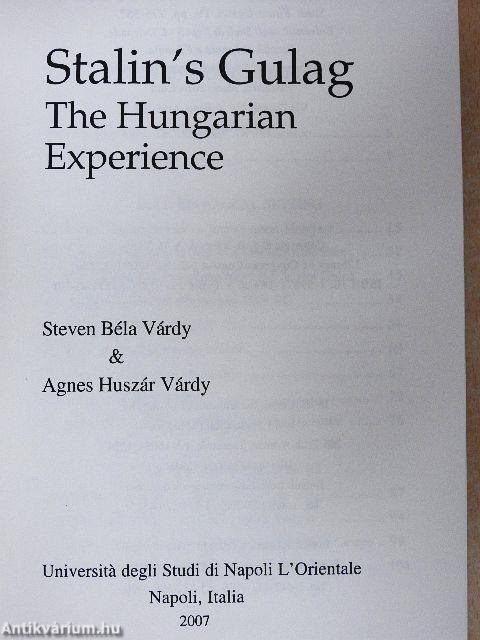

A borítón címke nyoma látható. A lapélek foltosak.
Állapot:
Jó
7.980 ,-Ft
64
pont kapható
Kosárba
 Folytatás Microsoft-tal