
1.150.328
kiadvánnyal nyújtjuk Magyarország legnagyobb antikvár könyv-kínálatát

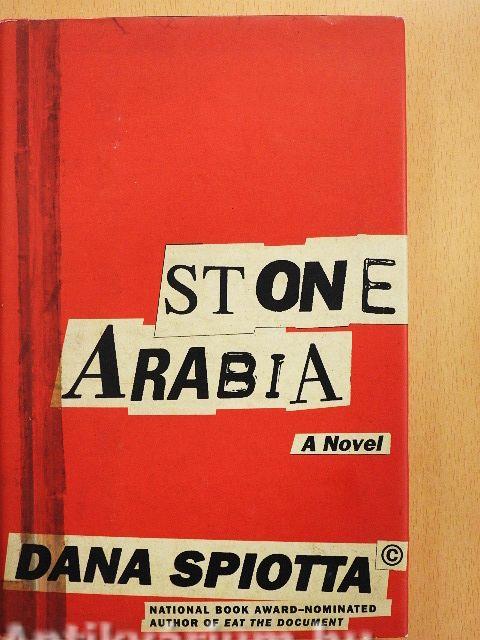
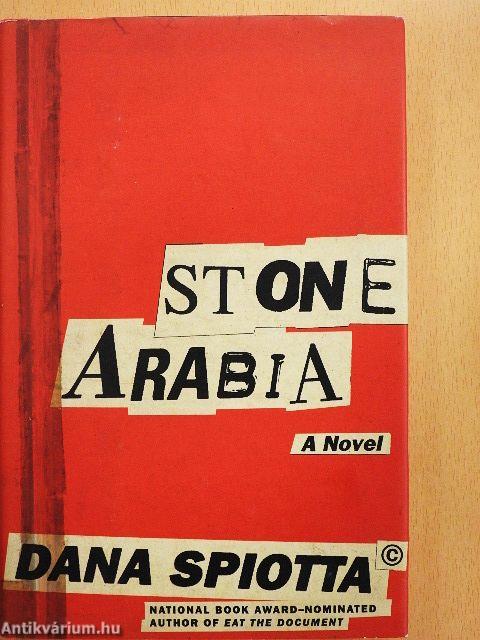
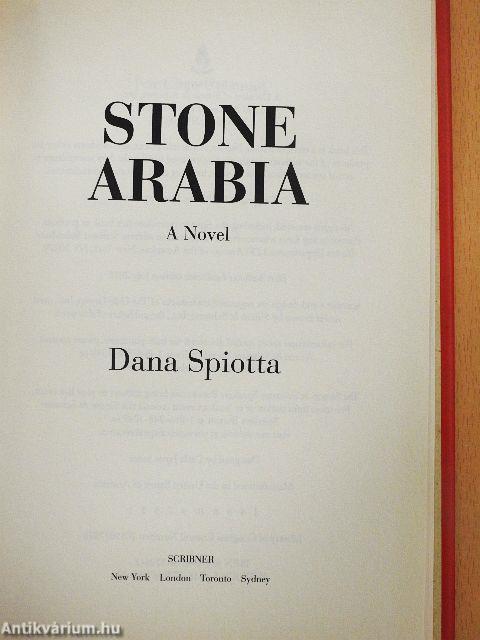
Stone Arabia

New York
| Kiadó: | Scribner |
|---|---|
| Kiadás helye: | New York |
| Kiadás éve: | |
| Kötés típusa: | Fűzött keménykötés |
| Oldalszám: | 239 oldal |
| Sorozatcím: | |
| Kötetszám: | |
| Nyelv: | Angol |
| Méret: | 22 cm x 15 cm |
| ISBN: | 978-1-4516-1796-2 |
Értesítőt kérek a kiadóról
A beállítást mentettük,
naponta értesítjük a beérkező friss
kiadványokról
naponta értesítjük a beérkező friss
kiadványokról
A beállítást mentettük,
naponta értesítjük a beérkező friss
kiadványokról
naponta értesítjük a beérkező friss
kiadványokról
Előszó
Tovább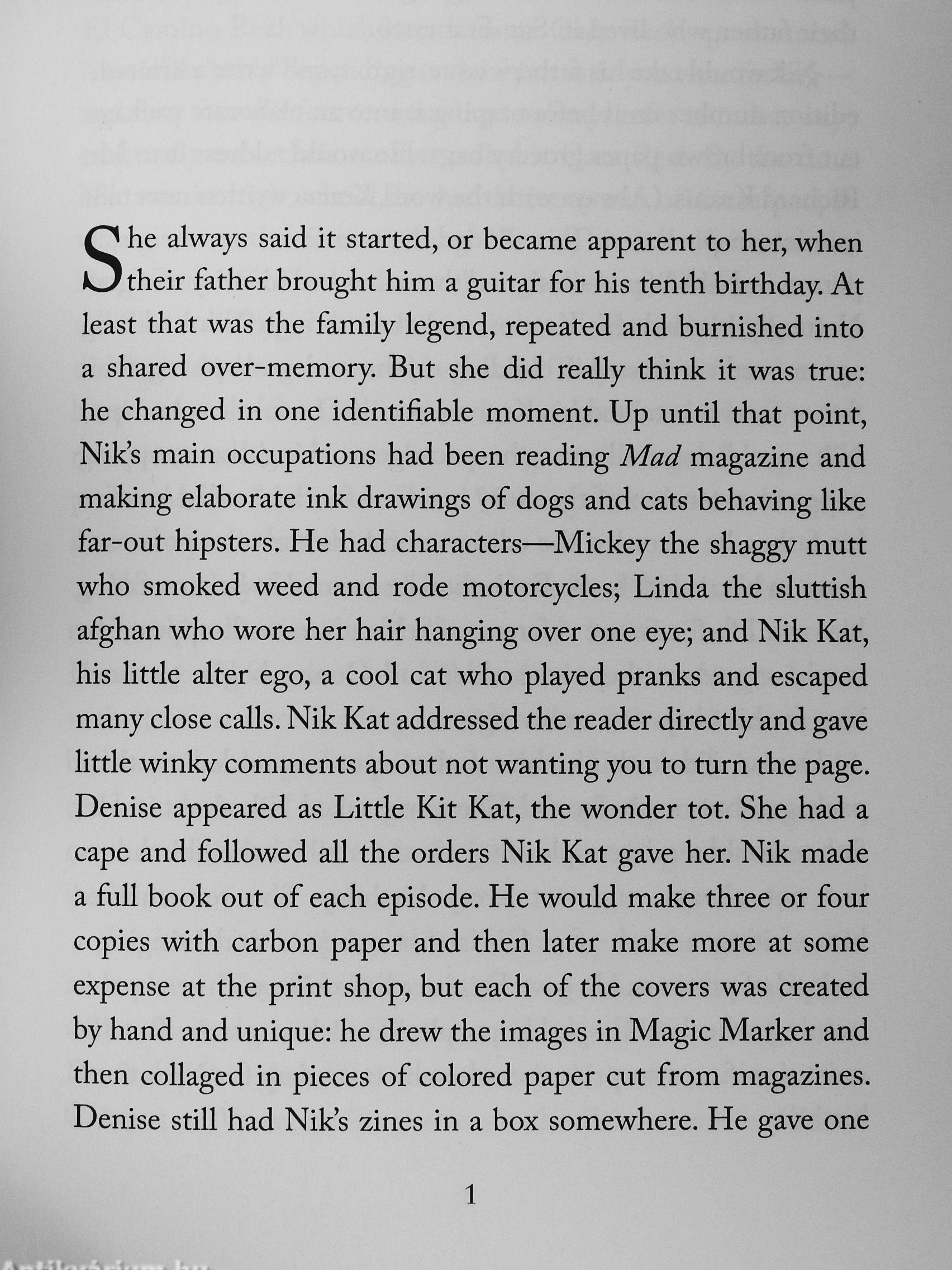
Fülszöveg
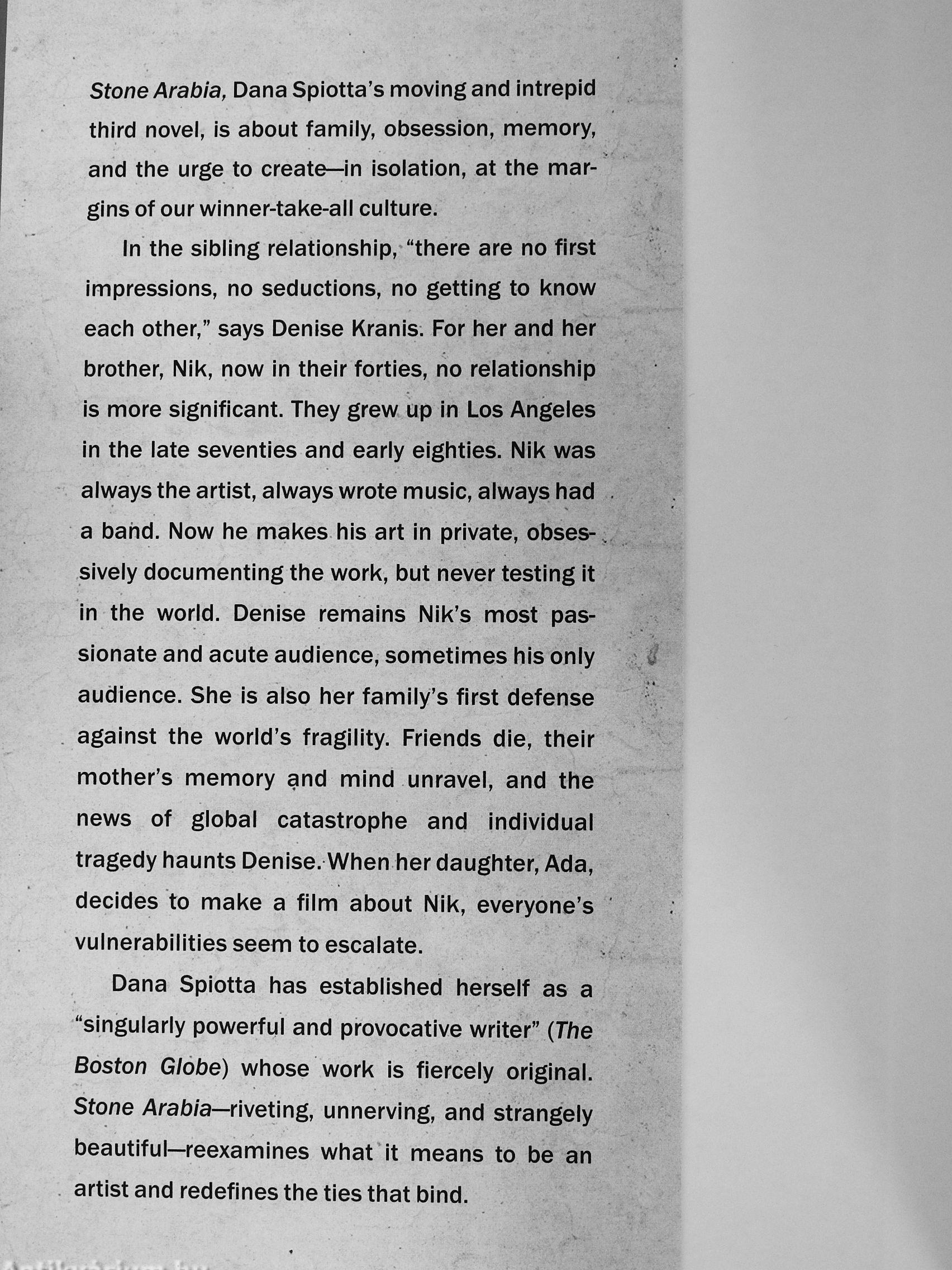
stone Arabia, Dana Spiotta's moving and intrepid third novel, is about family, obsession, memory, and the urge to create—in isolation, at the margins of our winner-take-all culture.
In the sibling relationship, "there are no first impressions, no seductions, no getting to know each other," says Denise Kranis. For her and her brother, Nik, now in their forties, no relationship is more significant. They grew up in Los Angeles in the late seventies and early eighties. Nik was always the artist, always wrote music, always had a band. Now he makes his art in private, obses-. sively documenting the work, but never testing it in the world. Denise remains Nik's most passionate and acute audience, sometimes his only audience. She is also her family's first defense against the world's fragility. Friends die, their mother's memory and mind unravel, and the news of global catastrophe and individual tragedy haunts Denise. When her daughter, Ada, decides to make a film about Nik, everyone's... Tovább
Fülszöveg
stone Arabia, Dana Spiotta's moving and intrepid third novel, is about family, obsession, memory, and the urge to create—in isolation, at the margins of our winner-take-all culture.
In the sibling relationship, "there are no first impressions, no seductions, no getting to know each other," says Denise Kranis. For her and her brother, Nik, now in their forties, no relationship is more significant. They grew up in Los Angeles in the late seventies and early eighties. Nik was always the artist, always wrote music, always had a band. Now he makes his art in private, obses-. sively documenting the work, but never testing it in the world. Denise remains Nik's most passionate and acute audience, sometimes his only audience. She is also her family's first defense against the world's fragility. Friends die, their mother's memory and mind unravel, and the news of global catastrophe and individual tragedy haunts Denise. When her daughter, Ada, decides to make a film about Nik, everyone's vulnerabilities seem to escalate. v,
Dana Spiotta has established herself as a "singularly powerful and provocative writer" (The Boston Globe) whose work is fiercely original. Stone Arab/a—riveting, unnerving, and strangely beautiful—reexamines what it means to be an artist and redefines the ties that bind.
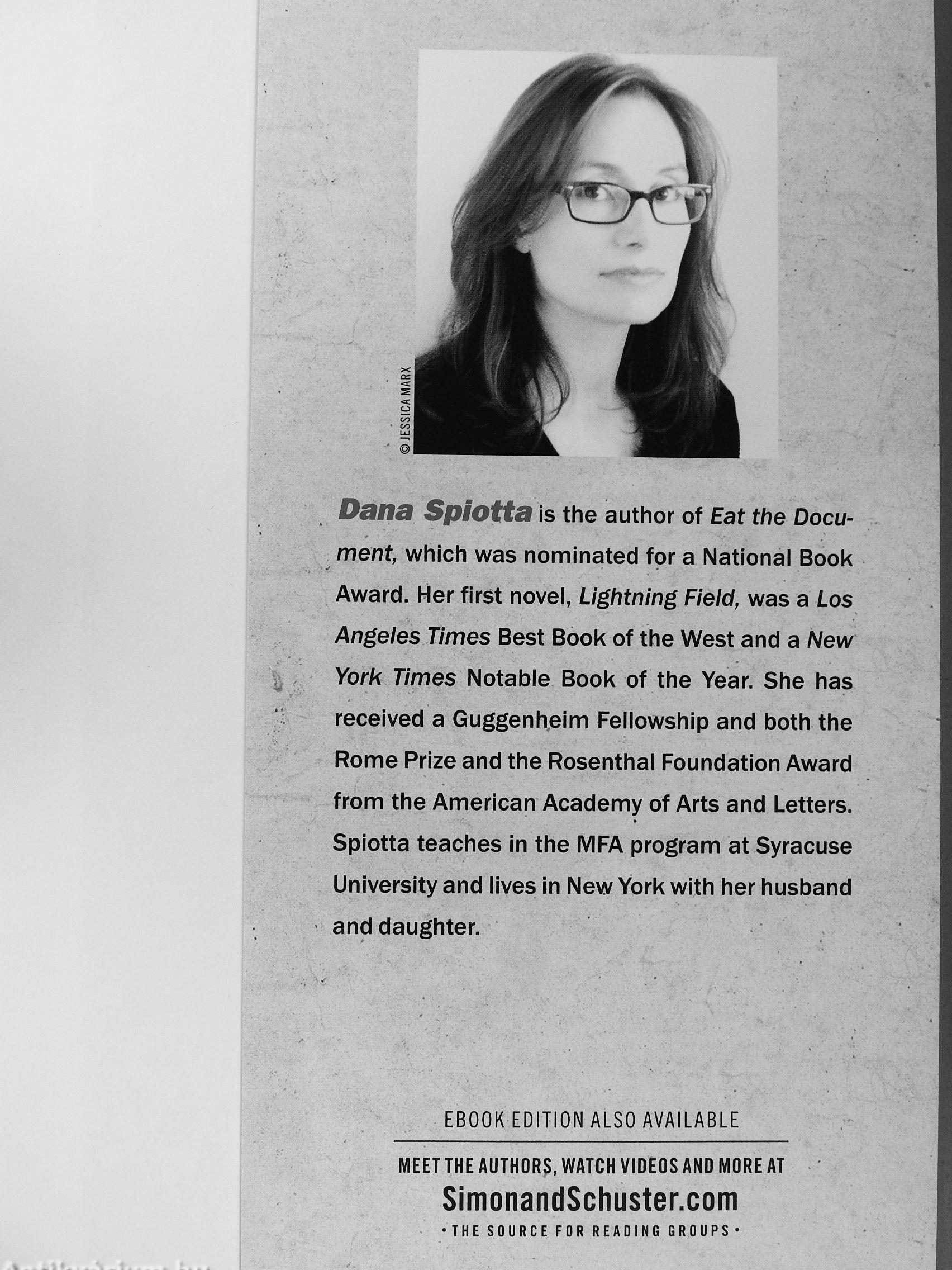
Dana Spiotta is the author of Eat the Document, which was nominated for a National Book Award. Her first novel, Lightning Field, was a Los Angeles Times Best Book of the West and a New York Times Notable Book of the Year. She has received a Guggenheim Fellowship and both the Rome Prize and the Rosenthal Foundation Award from the American Academy of Arts and Letters. Spiotta teaches in the MFA program at Syracuse University and lives in New York with her husband and daughter.
EBOOK EDITION ALSO AVAILABLE MEET THE AUTHORS, WATCH VIDEOS AND MORE AT
SimonandSchuster.com
¦THE SOURCE FOR READING GROUPS-
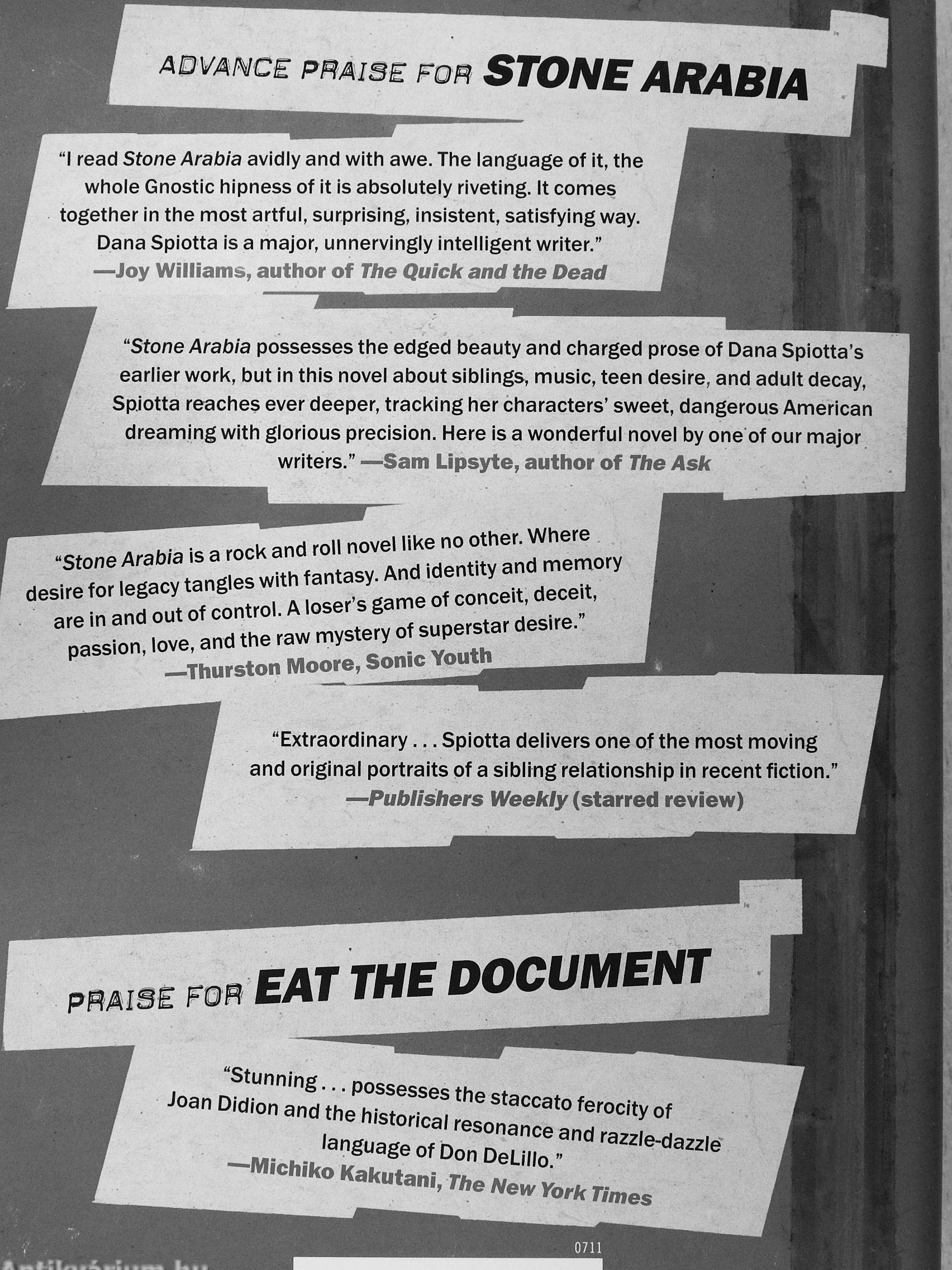
advance praise for stone ARABIA
"I read Stone Arabia avidly and with awe. Tlie language of it, the
whole Gnostic hipness of it is absolutely riveting. It comes together in the most artful, surprising, insistent, satisfying way. Dana Spiotta is a major, unnervingiy intelligent writer." —Joy Williams, author of The Quick and the Dead
"Stone Arabia possesses the edged beauty and charged prose of Dana Spiotta's earlier work, but in this novel about siblings, music, teen desire, and adult decay, Spiotta reaches ever deeper, tracking her characters' sweet, dangerous American dreaming with glorious precision. Here is a wonderful novel by one of our major writers." —Sam Lipsyte, author of The Ask
-S,o„e I. . roc. and ro,.^^^^^^^^^
desire for legacy tangles With fan
of conceit, deceit,
are in and out of control. A loser s gam passion, love, and the raw -vstery 0 -Pe-t^^
-Thurston Moore. Sonic You^ „,
"Extraordinary Spiotta delivers one of the most moving and original portraits of a sibling relationship in recent fiction. —Publishers Weekly (starred review)
PRAISE fO^
EAT THE DOCUMENT
"Stunning possesses the staccato ferocity of Joan Didion and the historical resonance and razzle-dazzle language of Don DeLillo." —Michiko Kakutani, The New York Times
Vissza
Témakörök
- Idegennyelv > Idegennyelvű könyvek > Angol > Szépirodalom > Regény, novella, elbeszélés
- Szépirodalom > Regény, novella, elbeszélés > Az író származása szerint > Amerika > Amerikai Egyesült Államok
- Szépirodalom > Regény, novella, elbeszélés > Tartalom szerint > Családregények
- Szépirodalom > Regény, novella, elbeszélés > Tartalom szerint > Lélektani regények
Dana Spiotta
Dana Spiotta műveinek az Antikvarium.hu-n kapható vagy előjegyezhető listáját itt tekintheti meg: Dana Spiotta könyvek, művekMegvásárolható példányok
Állapotfotók
Állapot:
Jó
4.480 ,-Ft
22
pont kapható
Kosárba
 Folytatás Microsoft-tal