
1.118.322
kiadvánnyal nyújtjuk Magyarország legnagyobb antikvár könyv-kínálatát

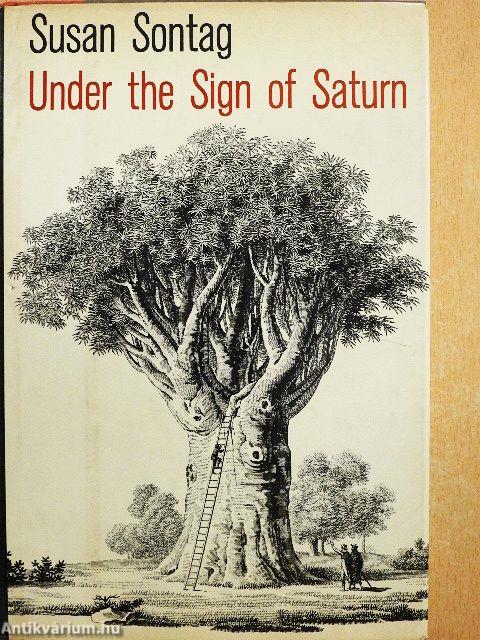
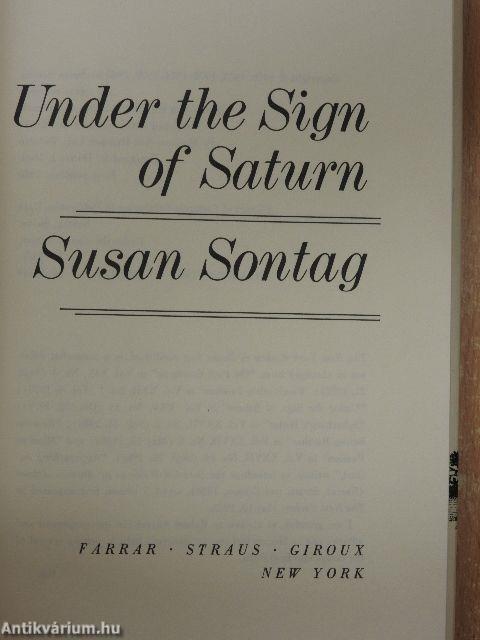
Under the Sign of Saturn
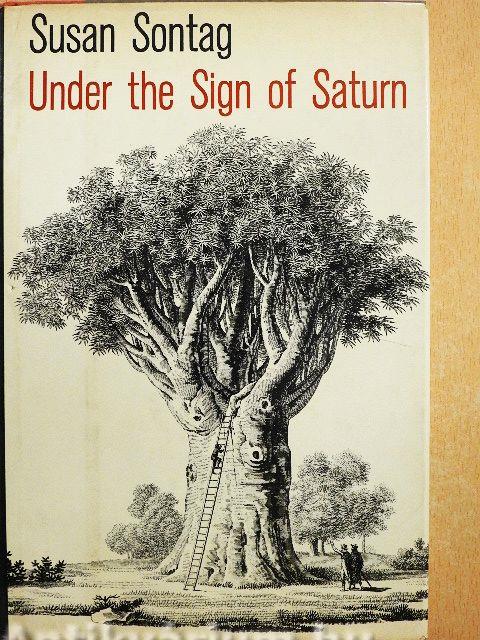
New York
| Kiadó: | Farrar-Straus-Giroux |
|---|---|
| Kiadás helye: | New York |
| Kiadás éve: | |
| Kötés típusa: | Félvászon |
| Oldalszám: | 203 oldal |
| Sorozatcím: | |
| Kötetszám: | |
| Nyelv: | Angol |
| Méret: | 22 cm x 15 cm |
| ISBN: | 0-374-28076-2 |
Értesítőt kérek a kiadóról
A beállítást mentettük,
naponta értesítjük a beérkező friss
kiadványokról
naponta értesítjük a beérkező friss
kiadványokról
A beállítást mentettük,
naponta értesítjük a beérkező friss
kiadványokról
naponta értesítjük a beérkező friss
kiadványokról
Előszó
Tovább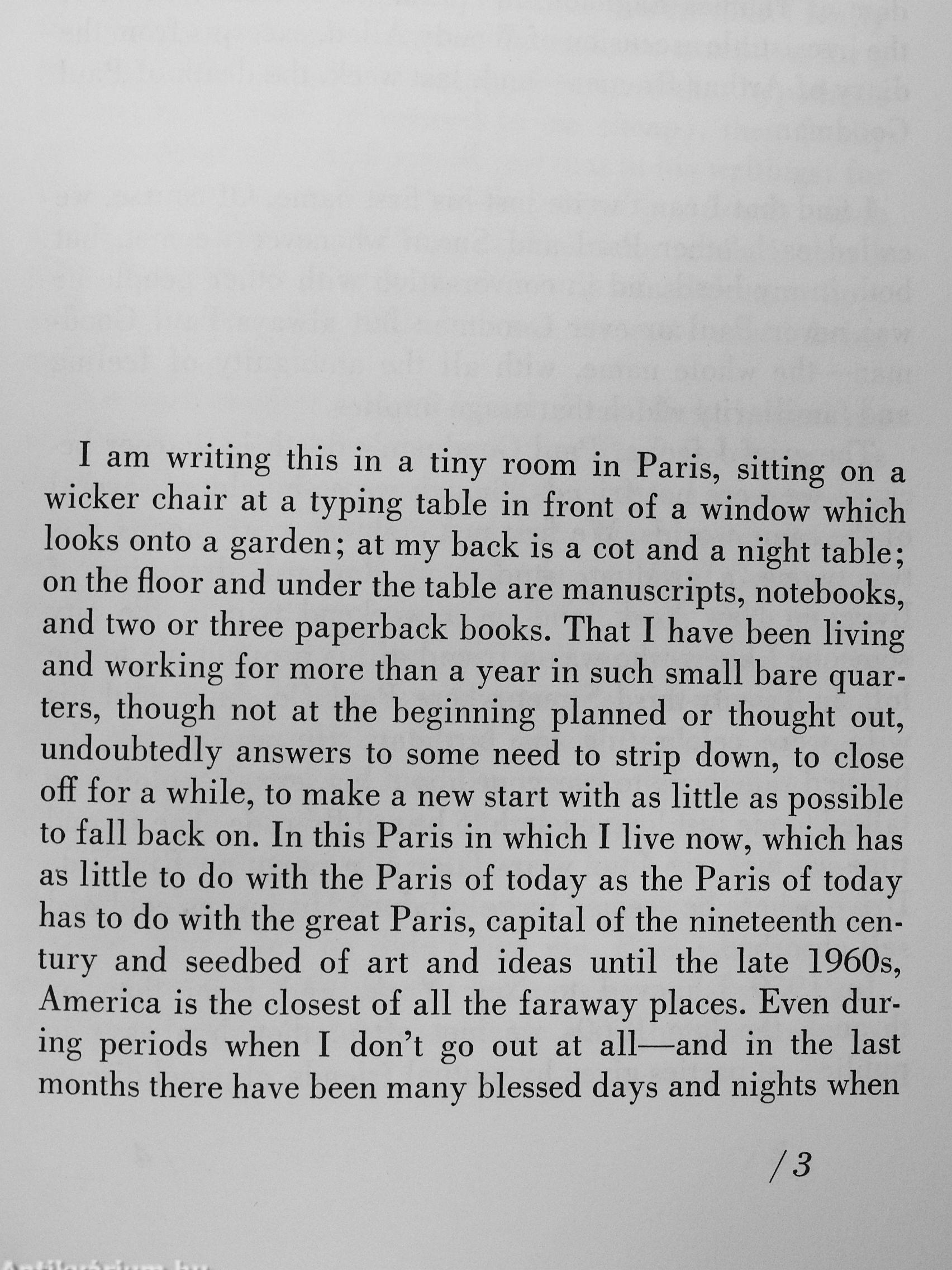
Fülszöveg
Susan Sontag
Under the Sign of Saturn
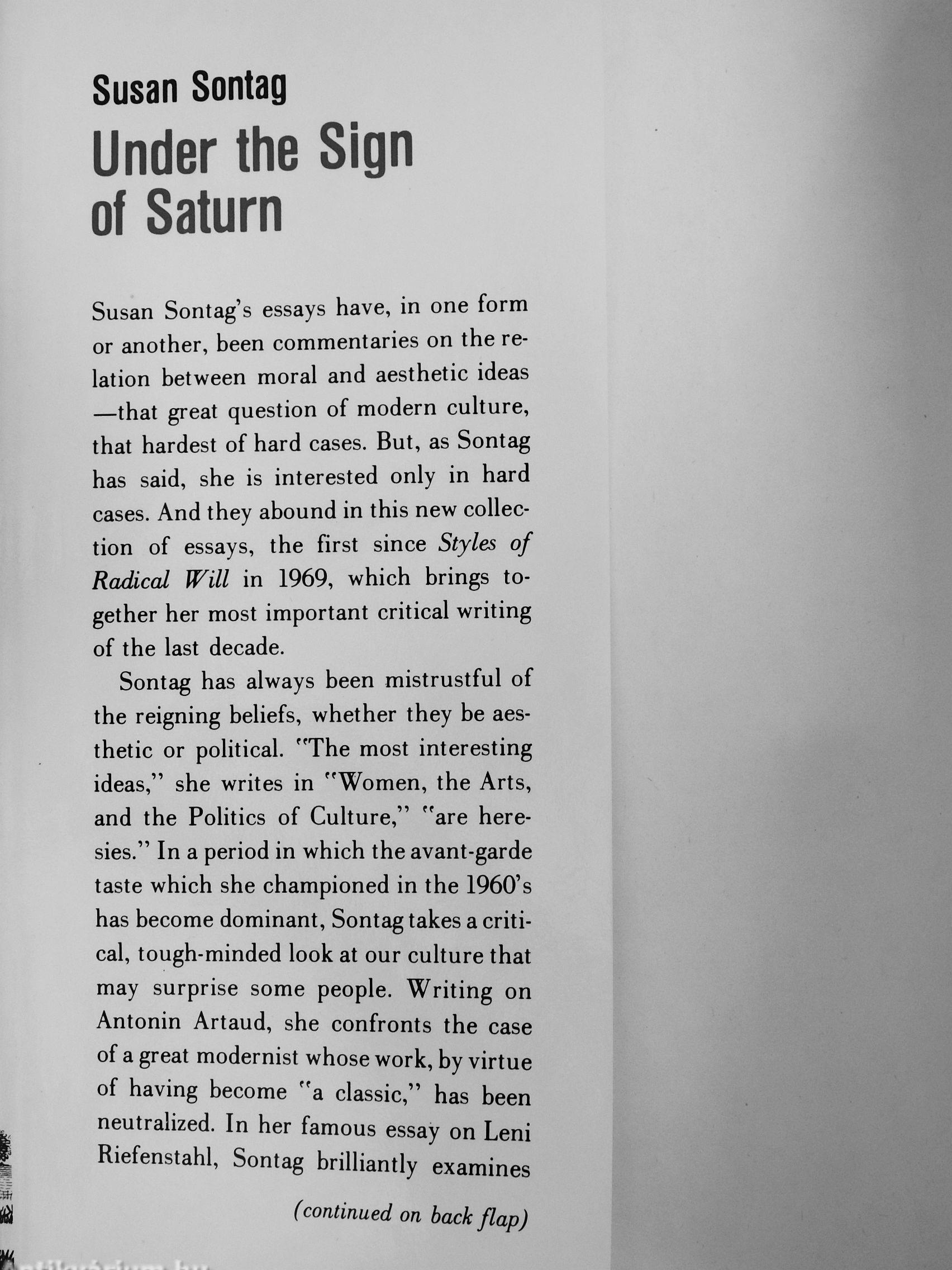
Susan Sontag's essays have, in one form or another, been commentaries on the relation between moral and aesthetic ideas —that great question of modern culture, that hardest of hard cases. But, as Sontag has said, she is interested only in hard cases. And they abound in this new collection of essays, the first since Styles of Radical Will in 1969, which brings together her most important critical writing of the last decade.
Sontag has always been mistrustful of the reigning beliefs, whether they be aesthetic or political. "The most interesting ideas," she writes in "Women, the Arts, and the Politics of Culture," "are heresies." In a period in which the avant-garde taste which she championed in the 1960's has become dominant, Sontag takes a critical, tough-minded look at our culture that may surprise some people. Writing on Antonin Artaud, she confronts the case of a great modernist whose work, by virtue of having become "a classic," has been... Tovább
Fülszöveg
Susan Sontag
Under the Sign of Saturn
Susan Sontag's essays have, in one form or another, been commentaries on the relation between moral and aesthetic ideas —that great question of modern culture, that hardest of hard cases. But, as Sontag has said, she is interested only in hard cases. And they abound in this new collection of essays, the first since Styles of Radical Will in 1969, which brings together her most important critical writing of the last decade.
Sontag has always been mistrustful of the reigning beliefs, whether they be aesthetic or political. "The most interesting ideas," she writes in "Women, the Arts, and the Politics of Culture," "are heresies." In a period in which the avant-garde taste which she championed in the 1960's has become dominant, Sontag takes a critical, tough-minded look at our culture that may surprise some people. Writing on Antonin Artaud, she confronts the case of a great modernist whose work, by virtue of having become "a classic," has been neutralized. In her famous essay on Leni Riefenstahl, Sontag brilliantly examines
(continued on back flap)
(continued from front flap)
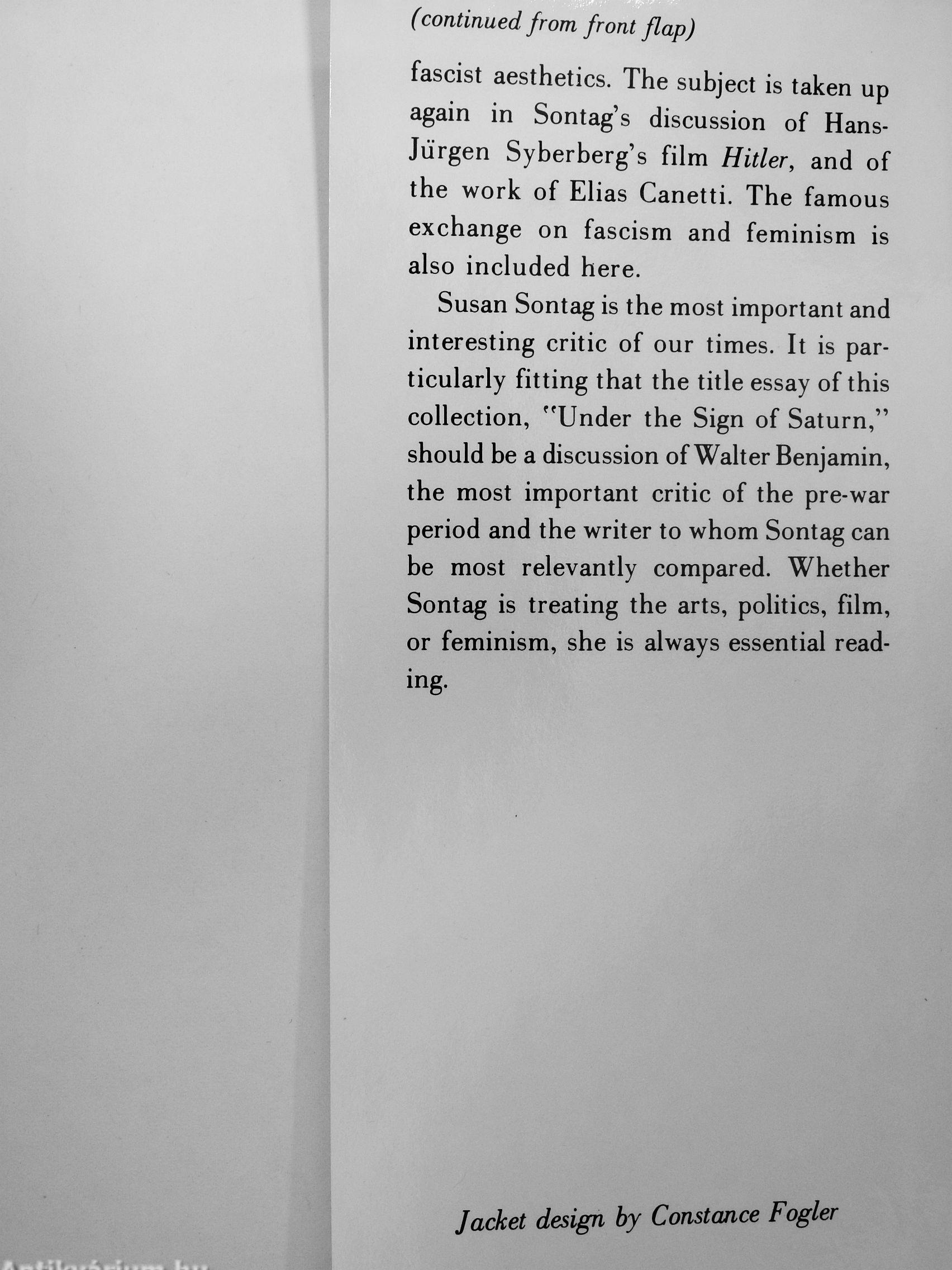
fascist aesthetics. The subject is taken up again in Sontag's discussion of Hans-Jürgen Syberberg's film Hitler, and of the work of Elias Canetti. The famous exchange on fascism and feminism is also included here.
Susan Sontag is the most important and interesting critic of our times. It is particularly fitting that the title essay of this collection, "Under the Sign of Saturn," should be a discussion of Walter Benjamin, the most important critic of the pre-war period and the writer to whom Sontag can be most relevantly compared. Whether Sontag is treating the arts, politics, film, or feminism, she is always essential reading.
Jacket design by Constance Fogler Vissza
Témakörök
- Idegennyelv > Idegennyelvű könyvek > Angol > Művészetek > Művészettörténet, általános
- Idegennyelv > Idegennyelvű könyvek > Angol > Szépirodalom > Regény, novella, elbeszélés
- Idegennyelv > Idegennyelvű könyvek > Angol > Irodalomtörténet
- Irodalomtörténet > Irodalomtudomány > Korszakok > 20. századi
- Irodalomtörténet > Irodalomelmélet > Irodalomkritika
- Szépirodalom > Regény, novella, elbeszélés > Az író származása szerint > Amerika > Amerikai Egyesült Államok
- Szépirodalom > Regény, novella, elbeszélés > Tartalom szerint > Esszék
- Művészetek > Művészettörténet általános > Idegen nyelv > Angol
- Művészetek > Művészettörténet általános > Művészetkritikák
Susan Sontag
Susan Sontag műveinek az Antikvarium.hu-n kapható vagy előjegyezhető listáját itt tekintheti meg: Susan Sontag könyvek, művekMegvásárolható példányok
Nincs megvásárolható példány
A könyv összes megrendelhető példánya elfogyott. Ha kívánja, előjegyezheti a könyvet, és amint a könyv egy újabb példánya elérhető lesz, értesítjük.
 Folytatás Microsoft-tal