
1.146.244
kiadvánnyal nyújtjuk Magyarország legnagyobb antikvár könyv-kínálatát

The Balkans (dedikált példány)
From Constantinople to Communism/Konstantinápolytól a kommunizmusig

New York
| Kiadó: | Palgrave |
|---|---|
| Kiadás helye: | New York |
| Kiadás éve: | |
| Kötés típusa: | Fűzött keménykötés |
| Oldalszám: | 468 oldal |
| Sorozatcím: | |
| Kötetszám: | |
| Nyelv: | Angol |
| Méret: | 24 cm x 16 cm |
| ISBN: | 0-312-21736-6 |
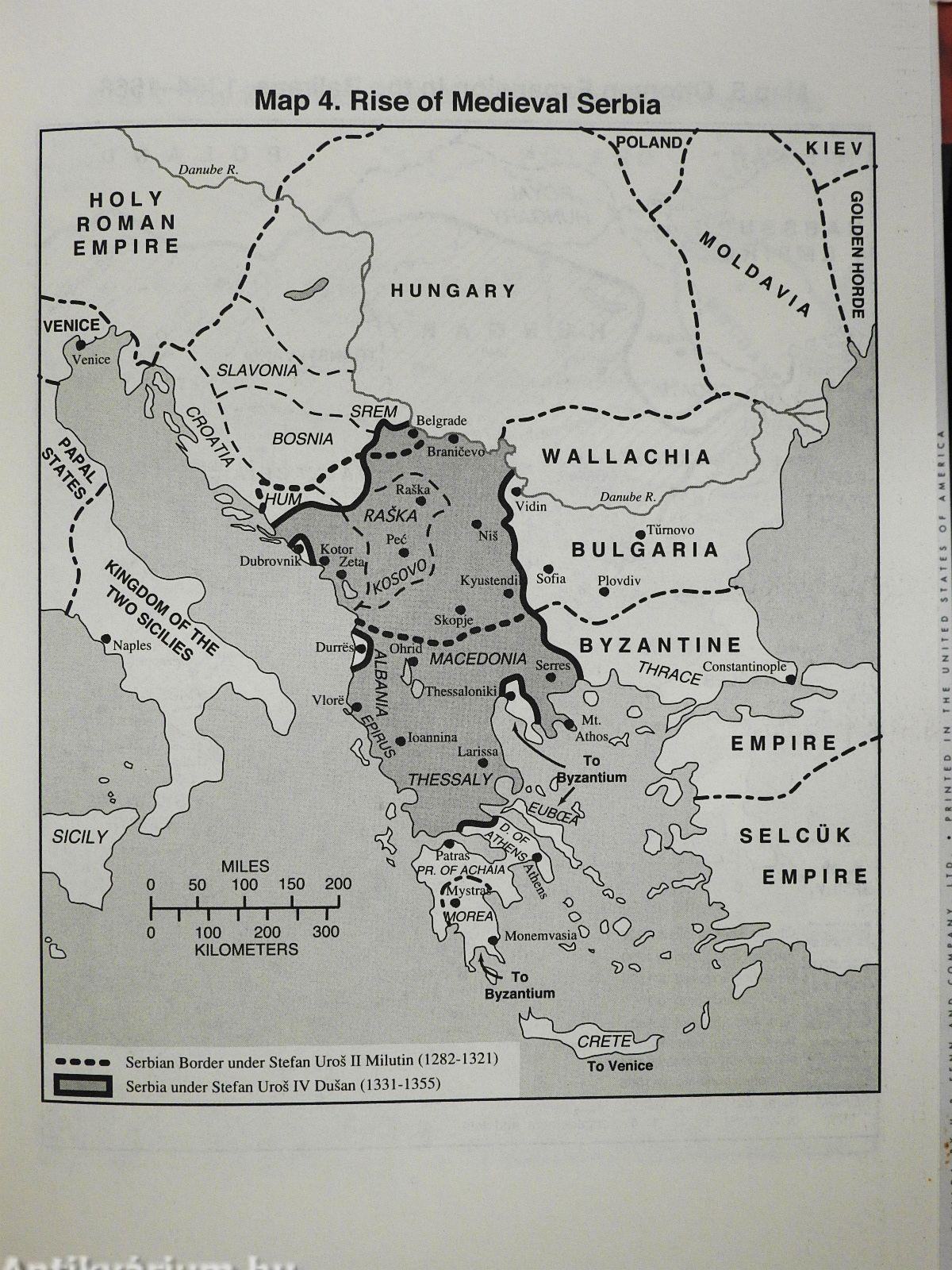
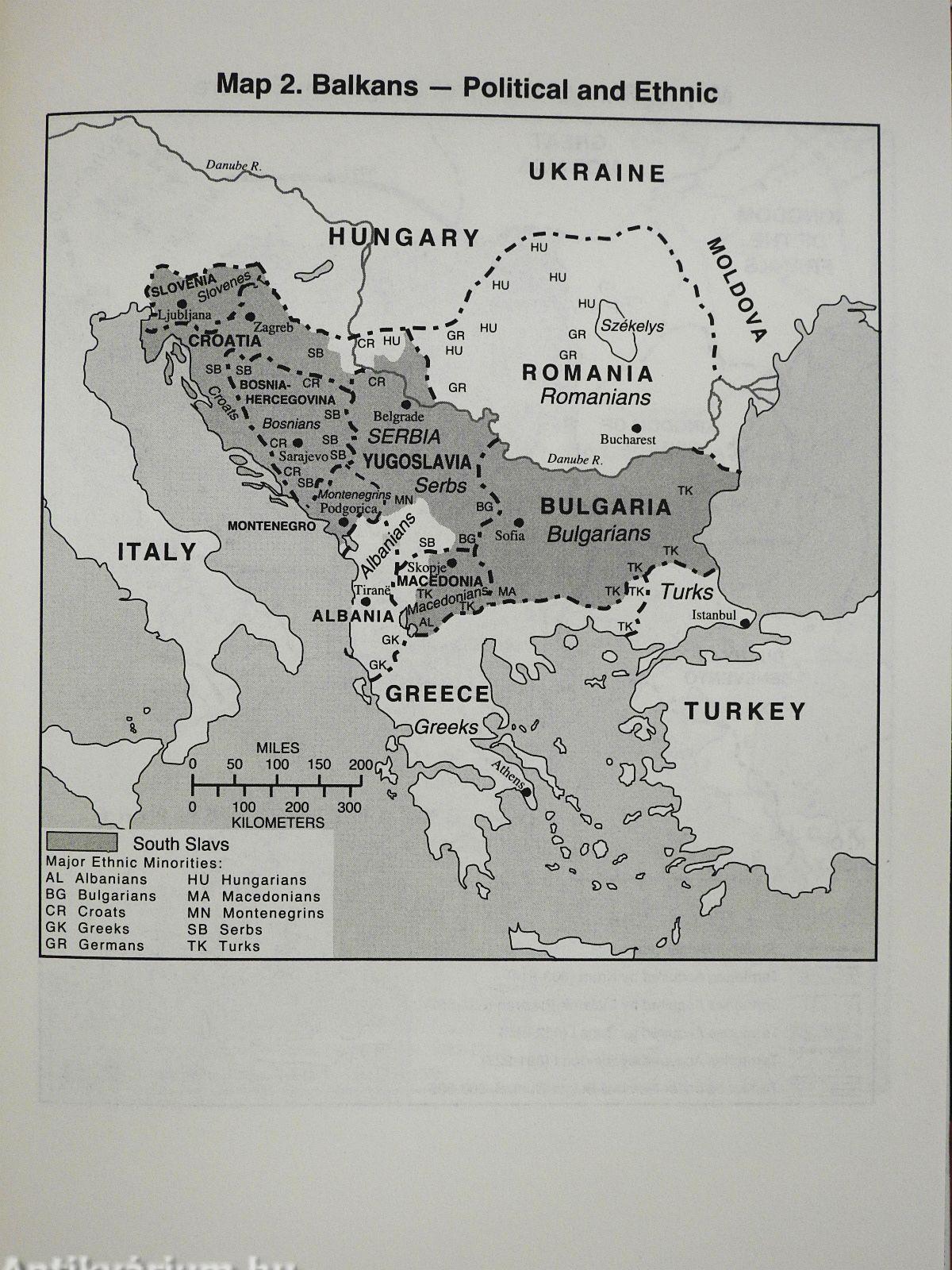
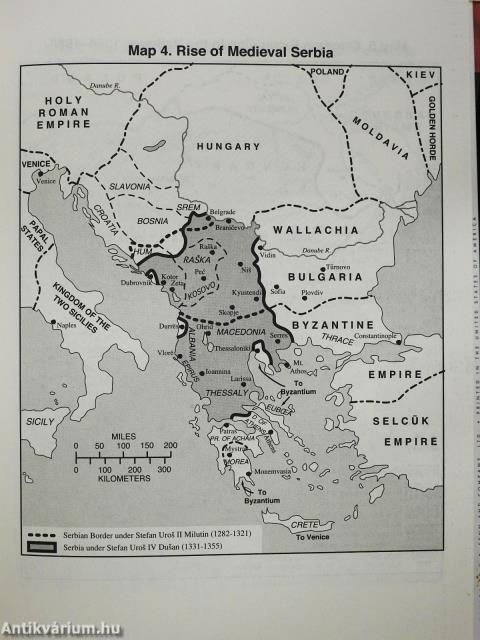
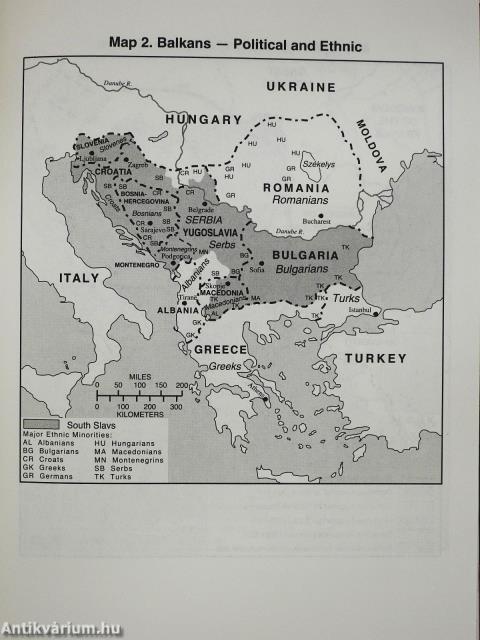
| Megjegyzés: | Dennis P. Hupchick szerző által dedikált példány. Fekete-fehér térképekkel. |
Értesítőt kérek a kiadóról
A beállítást mentettük,
naponta értesítjük a beérkező friss
kiadványokról
naponta értesítjük a beérkező friss
kiadványokról
A beállítást mentettük,
naponta értesítjük a beérkező friss
kiadványokról
naponta értesítjük a beérkező friss
kiadványokról
Előszó
Tovább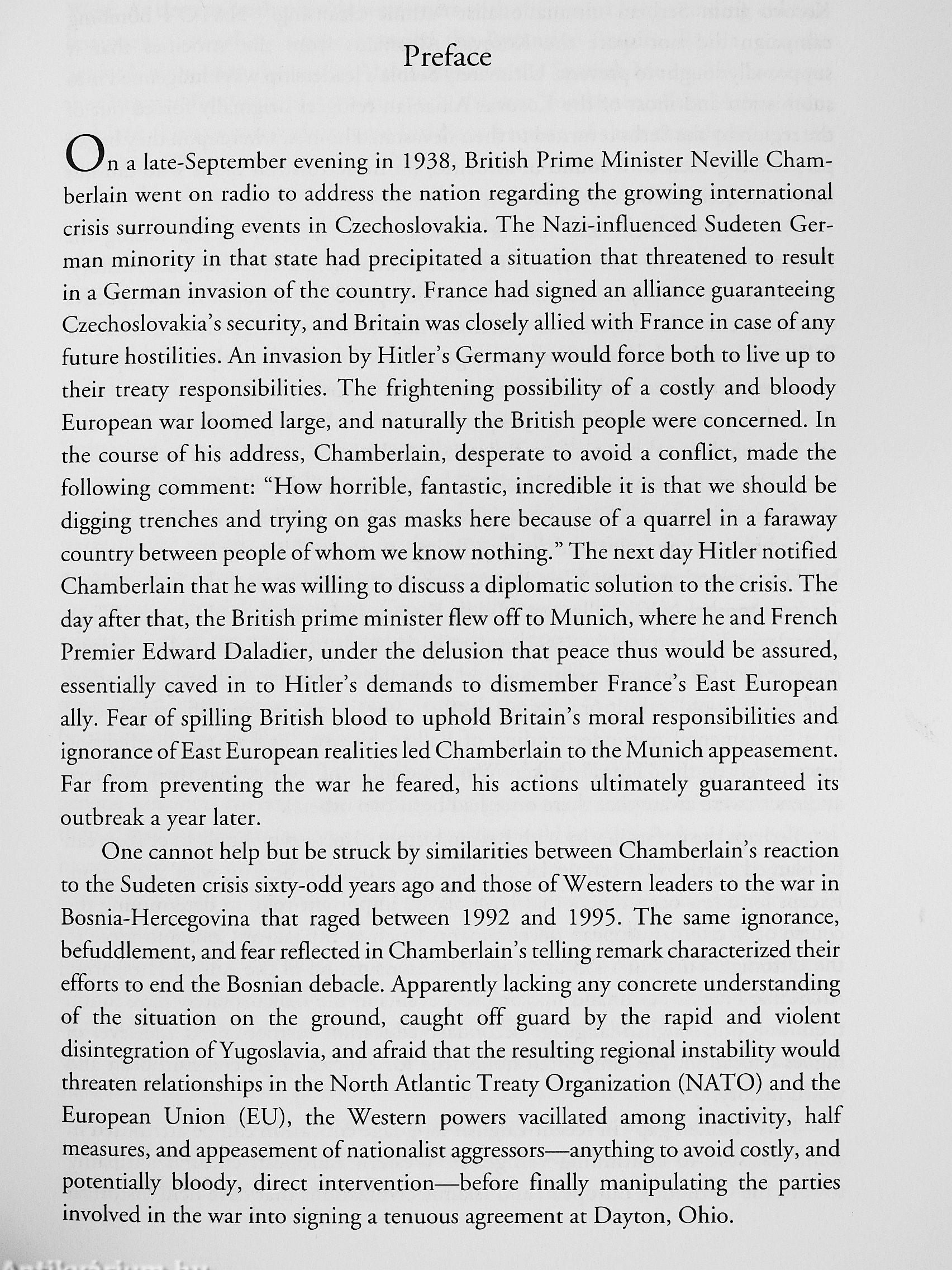
Fülszöveg
VV7W
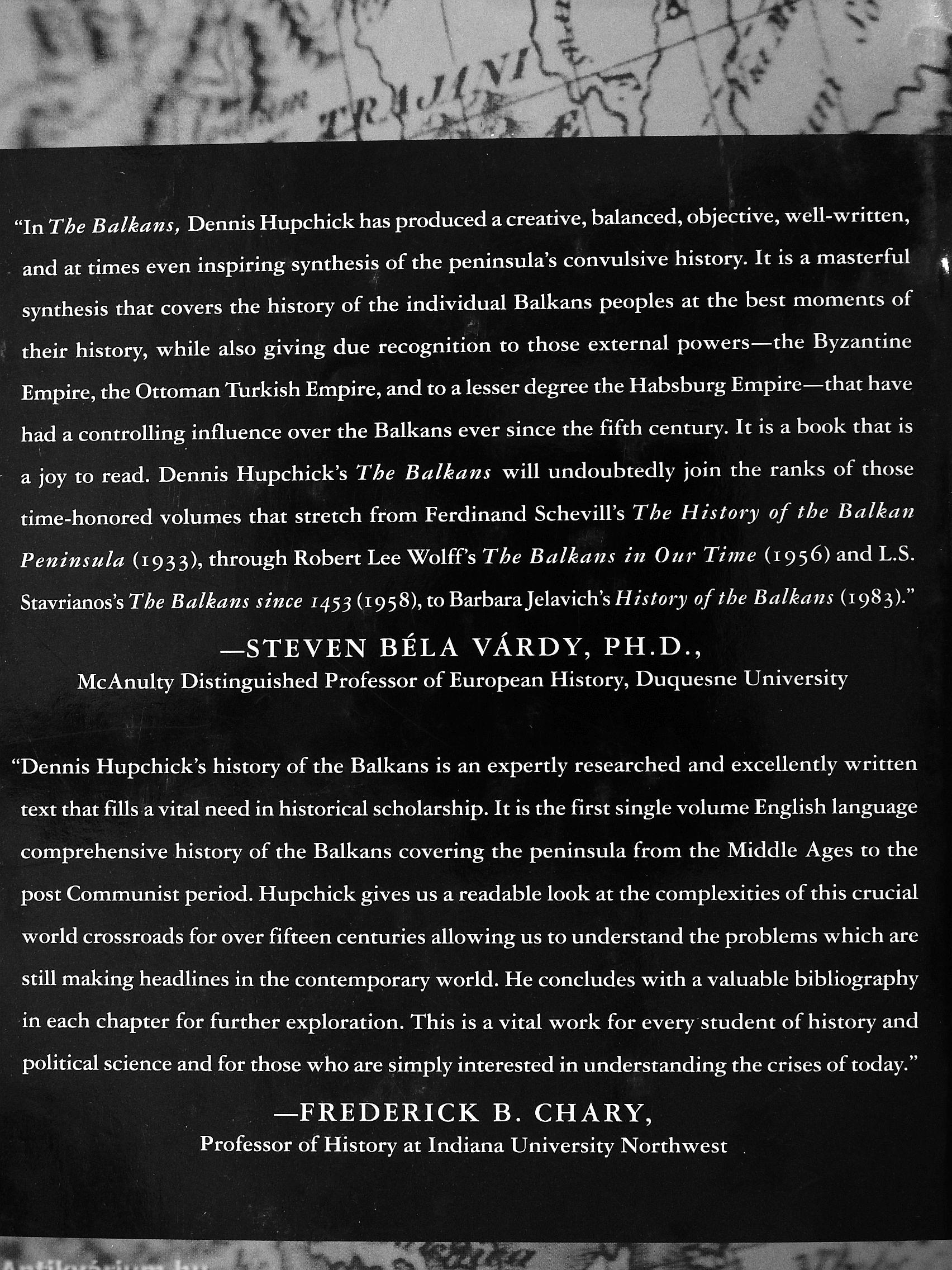
"In The Balkans, Dennis Hupchick has produced a creative, balanced, objective, well-written, and at times even inspiring synthesis of the peninsula's convulsive history. It is a masterful synthesis that covers the history of the individual Balkans peoples at the best moments of their history, while also giving due recognition to those external powers—the Byzantine Empire, the Ottoman Turkish Empire, and to a lesser degree the Habsburg Empire—that have had a controlling influence over the Balkans ever since the fifth century. It is a book that is a joy to read. Dennis Hupchick's The Balkans will undoubtedly join the ranks of those time-honored volumes that stretch from Ferdinand Schevill's The History of the Balkan Peninsula (1933), through Robert Lee Wolff's The Balkans in Our Time (1956) and L.S. Stavrianos's TAe Balkans since 1453 (1958), to Barbara Jelavich'sHw/orj/ of the Balkans (1983)."
—STEVEN BÉLA VÁRDY, PH.D.,
McAnulty Distinguished Professor of European... Tovább
Fülszöveg
VV7W
"In The Balkans, Dennis Hupchick has produced a creative, balanced, objective, well-written, and at times even inspiring synthesis of the peninsula's convulsive history. It is a masterful synthesis that covers the history of the individual Balkans peoples at the best moments of their history, while also giving due recognition to those external powers—the Byzantine Empire, the Ottoman Turkish Empire, and to a lesser degree the Habsburg Empire—that have had a controlling influence over the Balkans ever since the fifth century. It is a book that is a joy to read. Dennis Hupchick's The Balkans will undoubtedly join the ranks of those time-honored volumes that stretch from Ferdinand Schevill's The History of the Balkan Peninsula (1933), through Robert Lee Wolff's The Balkans in Our Time (1956) and L.S. Stavrianos's TAe Balkans since 1453 (1958), to Barbara Jelavich'sHw/orj/ of the Balkans (1983)."
—STEVEN BÉLA VÁRDY, PH.D.,
McAnulty Distinguished Professor of European History, Duquesne University
"Dennis Hupchick's history of the Balkans is an expertly researched and excellently written text that fills a vital need in historical scholarship. It is the first single volume English language comprehensive history of the Balkans covering the peninsula from the Middle Ages to the post Communist period. Hupchick gives us a readable look at the complexities of this crucial world crossroads for over fifteen centuries allowing us to understand the problems which are still making headlines in the contemporary world. He concludes with a valuable bibliography in each chapter for further exploration. This is a vital work for every student of history and political science and for those who are simply interested in understanding the crises of today."
—FREDERICK B. CHARY,
Professor of History at Indiana University Northwest
i ¦
' iii'r'i'í,' 1
i "' i P'íi i 'í lVi. • V'J.'.i'i I
' 'Ml I.':
M
?fm
i'i'! ii 1 v^i'i I-M P ' í i'.ViM ' ¦'
literi »'ilÉi/U'ií
ÉMi'm
i$mí
'i . i . r 1,1.1
T
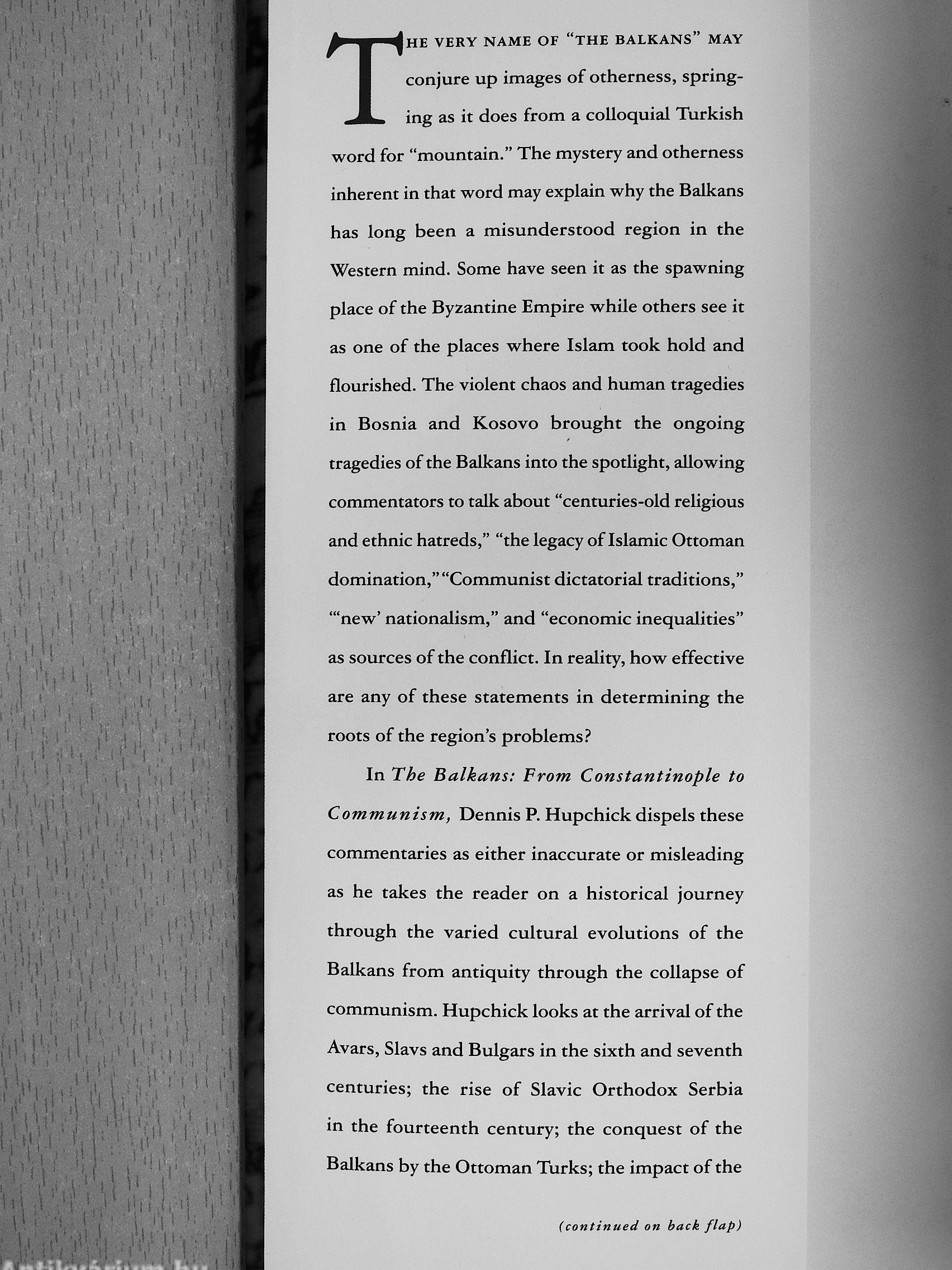
A W VERY NAME OF "THE BALKANS" MAY
conjure up images of otherness, springing as it does from a colloquial Turkish word for "mountain." The mystery and otherness inherent in that word may explain why the Balkans has long been a misunderstood region in the Western mind. Some have seen it as the spawning place of the Byzantine Empire while others see it as one of the places where Islam took hold and flourished. The violent chaos and human tragedies in Bosnia and Kosovo brought the ongoing tragedies of the Balkans into the spotlight, allowing commentators to talk about "centuries-old religious and ethnic hatreds," "the legacy of Islamic Ottoman domination," "Communist dictatorial traditions," "'new' nationalism," and "economic inequalities" as sources of the conflict. In reality, how effective are any of these statements in determining the roots of the region's problems?
In The Balkans: From Constantinople to Communism, Dennis P. Hupchick dispels these commentaries as either inaccurate or misleading as he takes the reader on a historical journey through the varied cultural evolutions of the Balkans from antiquity through the collapse of communism. Hupchick looks at the arrival of the Avars, Slavs and Bulgars in the sixth and seventh centuries; the rise of Slavic Orthodox Serbia in the fourteenth century; the conquest of the Balkans by the Ottoman Turks; the impact of the
{continued on back flap) Vissza
Témakörök
- Idegennyelv > Idegennyelvű könyvek > Angol > Történelem > Európa története > Egyéb
- Történelem > Idegennyelvű > Angol
- Történelem > Kontinensek szerint > Európa, európai országok története > Dél-Európa > Egyéb
- Történelem > Kontinensek szerint > Európa, európai országok története > Kelet-Európa > Egyéb
- Történelem > Monográfiák > Világtörténelem
- Dedikált, aláírt kiadványok > Idegennyelv > Szerző által > Dedikált kötetek
- Dedikált, aláírt kiadványok > Történelem > Világtörténelem > Szerző által > Dedikált kötetek
- Idegennyelv > Dedikált, aláírt kötetek > Szerző által > Dedikált kötetek
- Történelem > Dedikált, aláírt kötetek > Szerző által > Dedikált kötetek

Dennis P. Hupchick
Dennis P. Hupchick műveinek az Antikvarium.hu-n kapható vagy előjegyezhető listáját itt tekintheti meg: Dennis P. Hupchick könyvek, művekMegvásárolható példányok
Állapotfotók




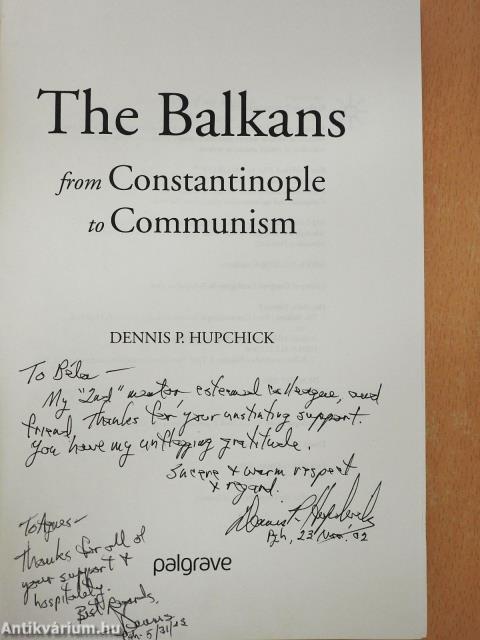
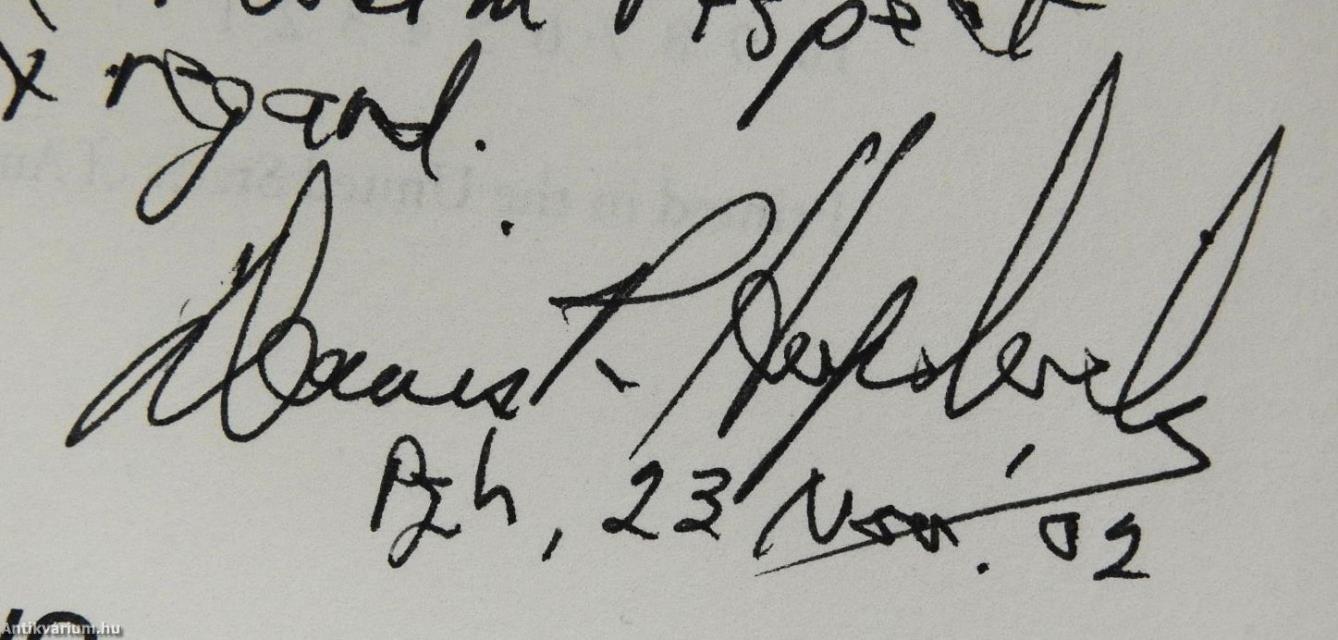


A címlapon a szerző, Dennis P. Hupchick névre szóló dupla dedikációja látható. Jó állapotú példány.
Állapot:
Jó
15.000 ,-Ft
75
pont kapható
Kosárba
 Folytatás Microsoft-tal