
1.119.460
kiadvánnyal nyújtjuk Magyarország legnagyobb antikvár könyv-kínálatát

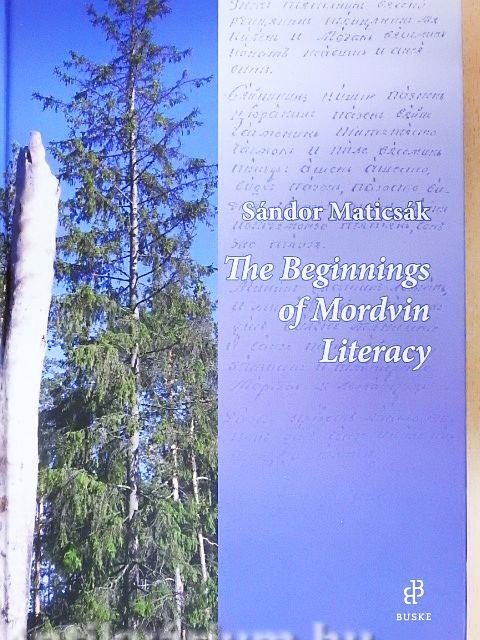
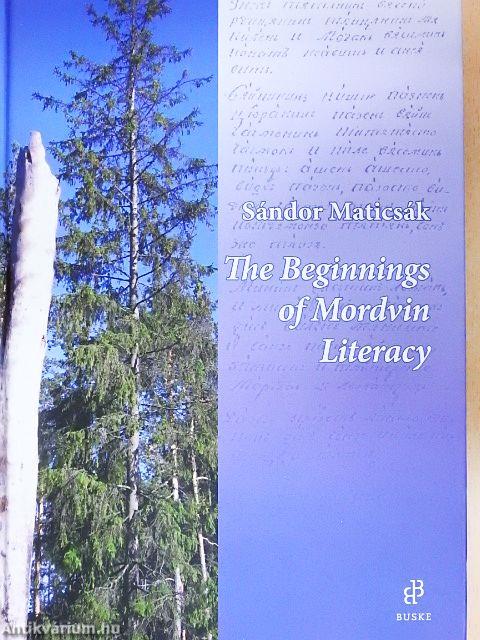
The Beginnings of Mordvin Literacy
(17-18th centuries)
| Kiadó: | Buske |
|---|---|
| Kiadás helye: | |
| Kiadás éve: | |
| Kötés típusa: | Fűzött kemény papírkötés |
| Oldalszám: | 252 oldal |
| Sorozatcím: | |
| Kötetszám: | |
| Nyelv: | Angol |
| Méret: | 24 cm x 17 cm |
| ISBN: | 978-3-87548-817-3 |
Értesítőt kérek a kiadóról
A beállítást mentettük,
naponta értesítjük a beérkező friss
kiadványokról
naponta értesítjük a beérkező friss
kiadványokról
A beállítást mentettük,
naponta értesítjük a beérkező friss
kiadványokról
naponta értesítjük a beérkező friss
kiadványokról
Előszó
Tovább
Fülszöveg
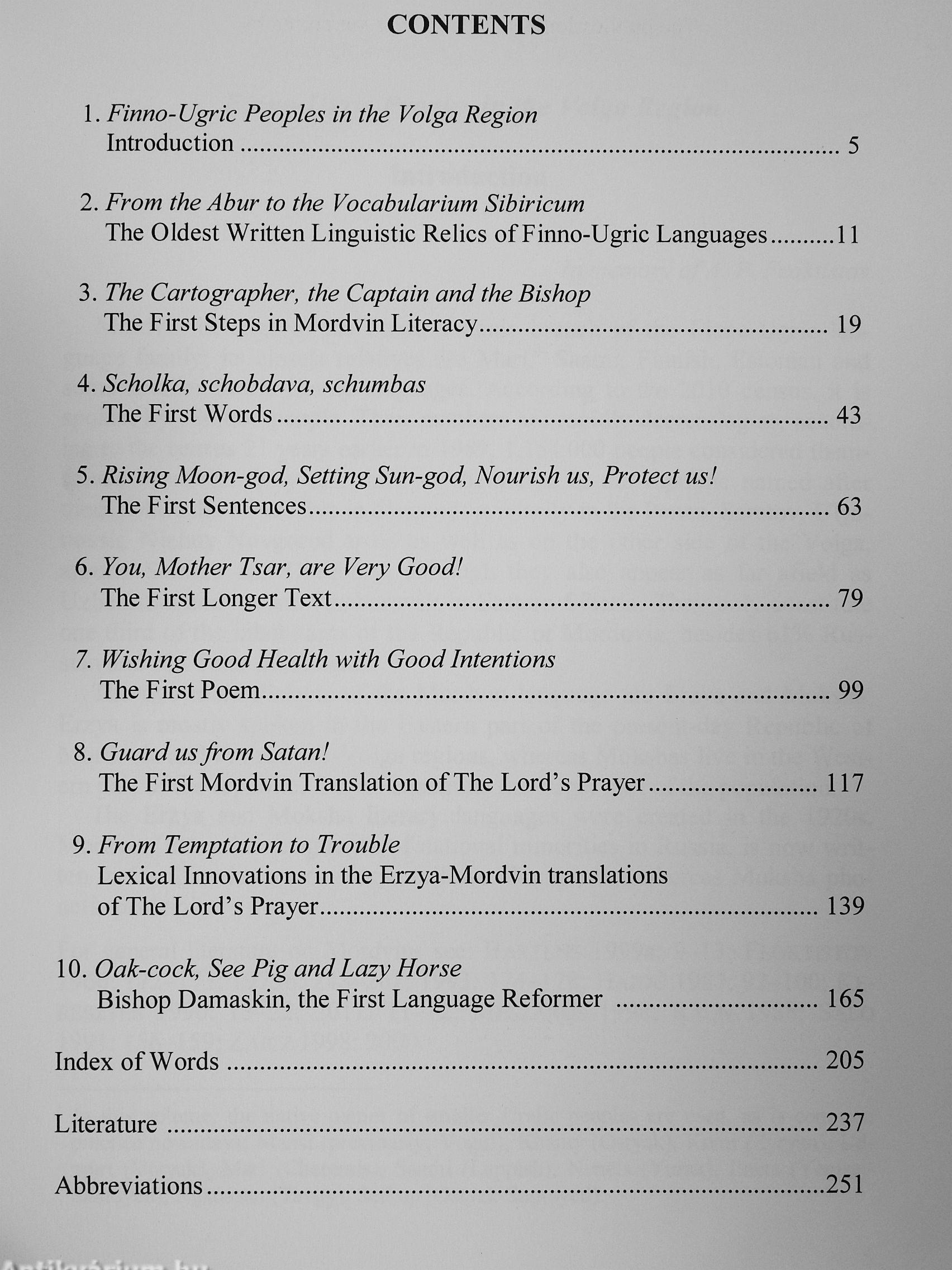
Mordvin literacy, like that of most other Finno-Ugric languages, looks back on a short history of just three centuries. The first linguistic relics are lists of words compiled by scholars (Müller, Fischer, Pallas et al.) who participated in the expeditions sponsored by Peter the Great and Katherine II in order to map remote areas of the Russian Empire, explore the customs and reUgious beliefs and describe the languages of the peoples living there. This included the collection and study of religious texts written in the church schools of the region, primarily in the seminaries of Kazan and Nizhny Novgorod.
The book gives an overview of the most important linguistic relics from Nicolaes Witsens Dutch-Mordvin vocabulary of 1692 to the translation of The Lords Prayer from the late 18"" century. The author presents the first written Mordvin sentences, the first continuous text and the first poem. He specifies the reading of the texts and identifies the dialect they belong to (Erzya or... Tovább
Fülszöveg
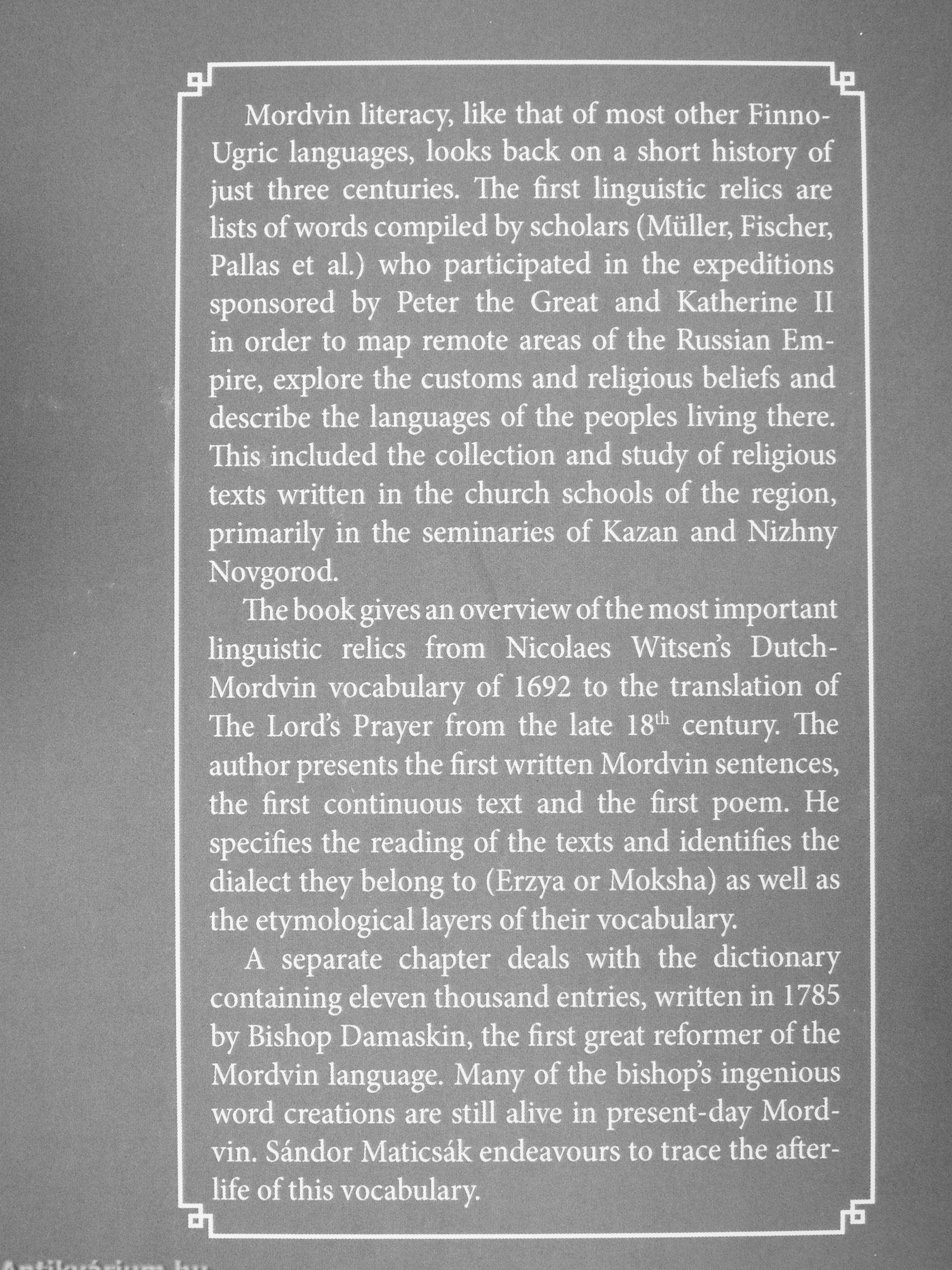
Mordvin literacy, like that of most other Finno-Ugric languages, looks back on a short history of just three centuries. The first linguistic relics are lists of words compiled by scholars (Müller, Fischer, Pallas et al.) who participated in the expeditions sponsored by Peter the Great and Katherine II in order to map remote areas of the Russian Empire, explore the customs and reUgious beliefs and describe the languages of the peoples living there. This included the collection and study of religious texts written in the church schools of the region, primarily in the seminaries of Kazan and Nizhny Novgorod.
The book gives an overview of the most important linguistic relics from Nicolaes Witsens Dutch-Mordvin vocabulary of 1692 to the translation of The Lords Prayer from the late 18"" century. The author presents the first written Mordvin sentences, the first continuous text and the first poem. He specifies the reading of the texts and identifies the dialect they belong to (Erzya or Moksha) as well as the etymological layers of their vocabulary.
A separate chapter deals with the dictionary containing eleven thousand entries, written in 1785 by Bishop Damaskin, the first great reformer of the Mordvin language. Many of the bishops ingenious word creations are still alive in present-day Mordvin. Sándor Maticsák endeavours to trace the afterlife of this vocabulary. Vissza
Megvásárolható példányok
Állapotfotók
Állapot:
Jó
5.680 ,-Ft
28
pont kapható
Kosárba
 Folytatás Microsoft-tal