
1.119.662
kiadvánnyal nyújtjuk Magyarország legnagyobb antikvár könyv-kínálatát

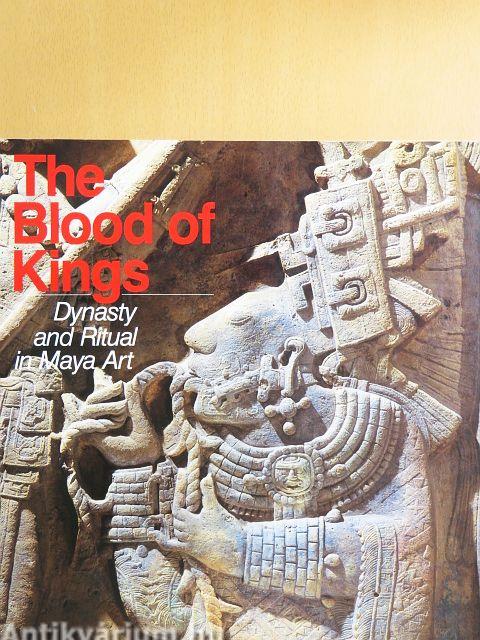
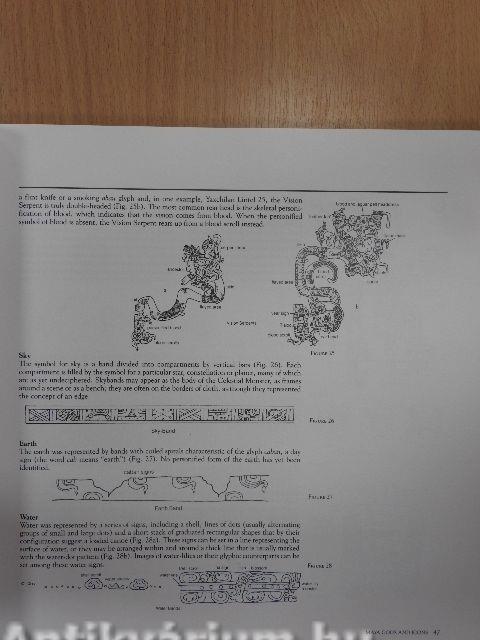
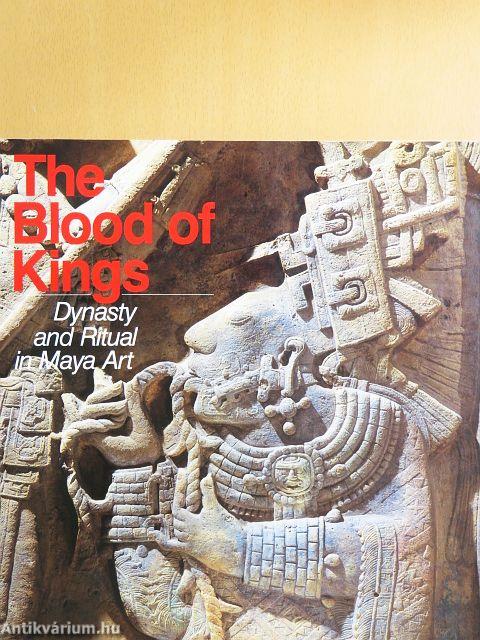
The Blood of Kings
Dynasty and Ritual in Maya Art
London
| Kiadó: | Thames and Hudson |
|---|---|
| Kiadás helye: | London |
| Kiadás éve: | |
| Kötés típusa: | Varrott papírkötés |
| Oldalszám: | 335 oldal |
| Sorozatcím: | |
| Kötetszám: | |
| Nyelv: | Angol |
| Méret: | 25 cm x 25 cm |
| ISBN: | 0-500-27667-6 |
| Megjegyzés: | Színes fotókkal, fekete-fehér illusztrációkkal. |
Értesítőt kérek a kiadóról
A beállítást mentettük,
naponta értesítjük a beérkező friss
kiadványokról
naponta értesítjük a beérkező friss
kiadványokról
A beállítást mentettük,
naponta értesítjük a beérkező friss
kiadványokról
naponta értesítjük a beérkező friss
kiadványokról
Előszó
Tovább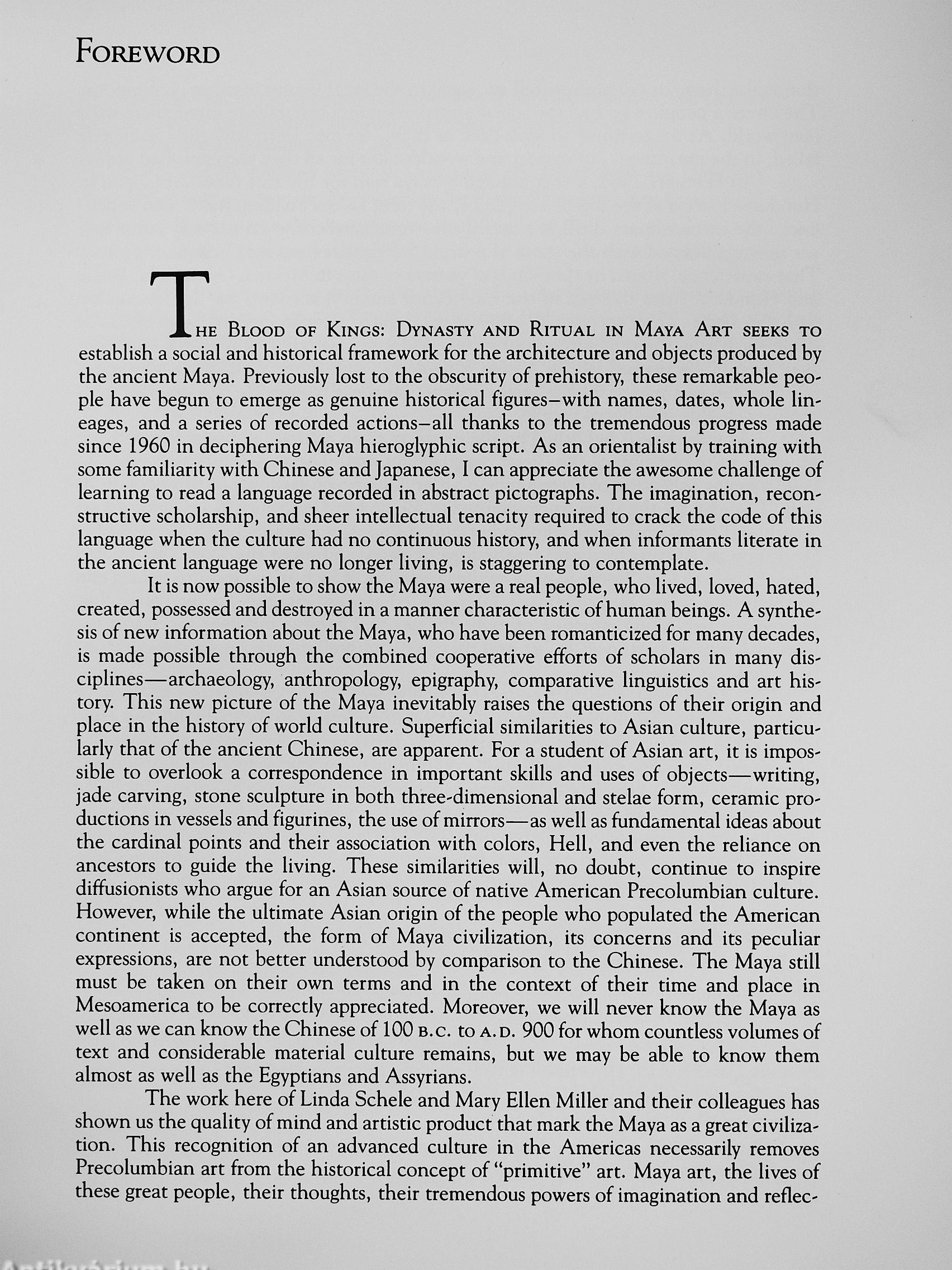
Fülszöveg
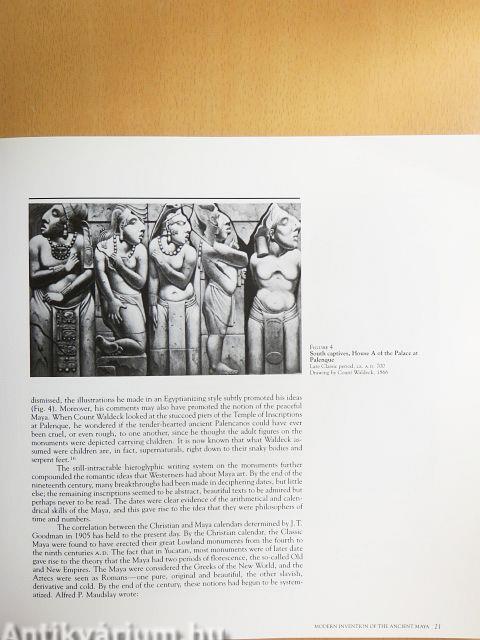
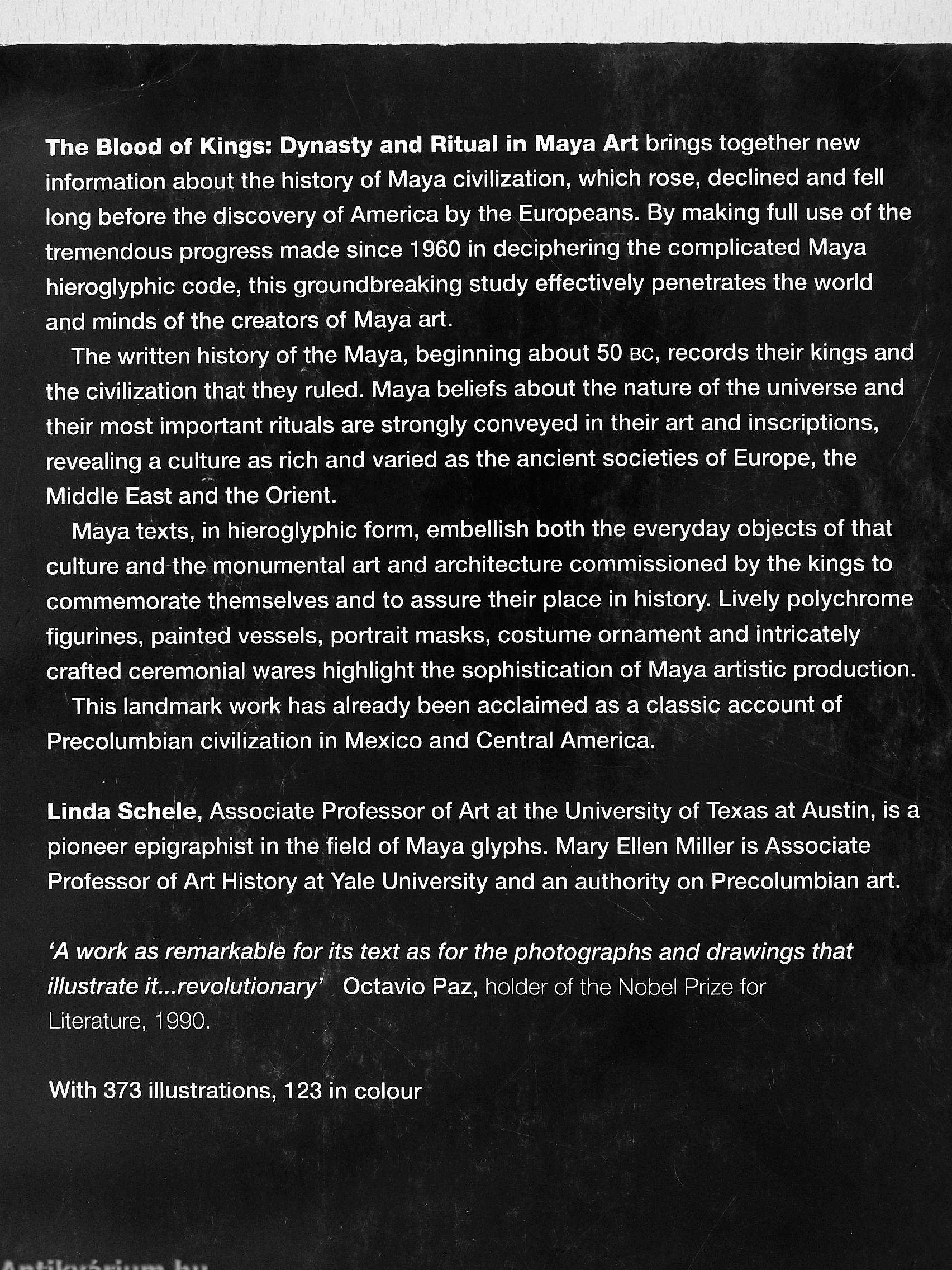
The Blood of Kings: Dynasty and Ritual in Maya Art brings together new information about the history of Maya civilization, which rose, declined and fell long before the discovery of America by the Europeans. By making full use of the tremendous progress made since 1960 in deciphering the complicated Maya hieroglyphic code, this groundbreaking study effectively penetrates the world and minds of the creators of Maya art.
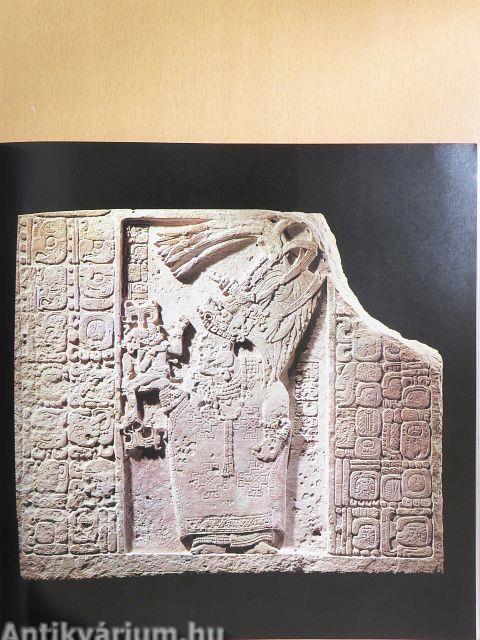
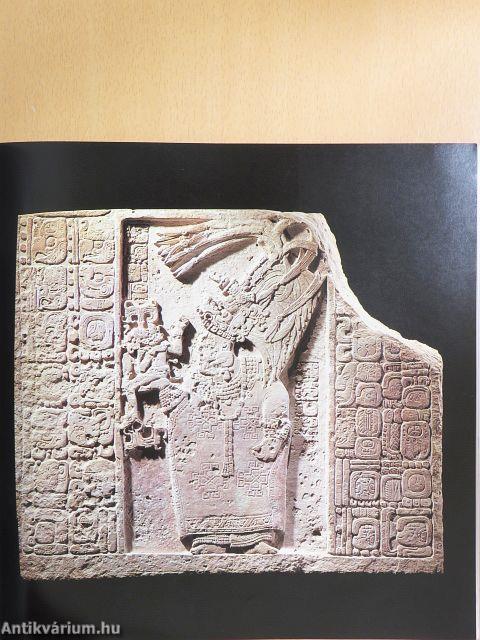
The written history of the Maya, beginning about 50 bc, records their kings and the civilization that they ruled. Maya beliefs about the nature of the universe and their most important rituals are strongly conveyed in their art and inscriptions, revealing a culture as rich and varied as the ancient societies of Europe, the Middle East and the Orient.
Maya texts, In hieroglyphic form, embellish both the everyday objects of that culture and the monumental art and architecture commissioned by the kings to commemorate themselves and to assure their place in history.... Tovább
Fülszöveg
The Blood of Kings: Dynasty and Ritual in Maya Art brings together new information about the history of Maya civilization, which rose, declined and fell long before the discovery of America by the Europeans. By making full use of the tremendous progress made since 1960 in deciphering the complicated Maya hieroglyphic code, this groundbreaking study effectively penetrates the world and minds of the creators of Maya art.
The written history of the Maya, beginning about 50 bc, records their kings and the civilization that they ruled. Maya beliefs about the nature of the universe and their most important rituals are strongly conveyed in their art and inscriptions, revealing a culture as rich and varied as the ancient societies of Europe, the Middle East and the Orient.
Maya texts, In hieroglyphic form, embellish both the everyday objects of that culture and the monumental art and architecture commissioned by the kings to commemorate themselves and to assure their place in history. Lively polychrome figurines, painted vessels, portrait masks, costume ornament and intricately crafted ceremonial wares highlight the sophistication of Maya artistic production.
This landmark work has already been acclaimed as a classic account of Precolumbian civilization in Mexico and Central America.
Linda Scheie, Associate Professor of Art at the University of Texas at Austin, is a pioneer epigraphist in the field of Maya glyphs. Mary Ellen Miller is Associate Professor of Art History at Yale University and an authority on Precolumbian art.
'A work as remarkable for its text as for the photographs and drawings that illustrate it revolutionary' Octavio Paz, holder of the Nobel Prize for Literature, 1990.
With 373 illustrations, 123 in colour Vissza
Témakörök
- Idegennyelv > Idegennyelvű könyvek > Angol > Művészetek > Művészettörténet, általános
- Idegennyelv > Idegennyelvű könyvek > Angol > Művelődéstörténet
- Idegennyelv > Idegennyelvű könyvek > Angol > Történelem > Egyéb
- Művelődéstörténet > Civilizációtörténet > Amerikai
- Művelődéstörténet > Kultúra > Története
- Művészetek > Művészettörténet általános > Kontinensek művészete > Amerika
- Művészetek > Művészettörténet általános > Idegen nyelv > Angol
- Művészetek > Művészettörténet általános > Korszakok, stílusok > Ókor > Egyéb
- Történelem > Idegennyelvű > Angol
- Régészet > Általános régészet, antropológia > Ókor
- Régészet > Kontinensek szerint > Amerika
- Idegennyelv > Idegennyelvű könyvek > Angol > Régészet > Általános régészet, antropológia > Ókor
- Idegennyelv > Idegennyelvű könyvek > Angol > Régészet > Kontinensek szerint > Amerika
- Történelem > Kontinensek szerint > Amerika, amerikai országok története > Latin-Amerika
- Történelem > Ókor > Egyéb
- Történelem > Régészet > Általános régészet, antropológia > Ókor
- Történelem > Régészet > Kontinensek szerint > Amerika
Megvásárolható példányok
Állapotfotók
Állapot:
Jó
12.000 ,-Ft
60
pont kapható
Kosárba
 Folytatás Microsoft-tal