
1.120.306
kiadvánnyal nyújtjuk Magyarország legnagyobb antikvár könyv-kínálatát

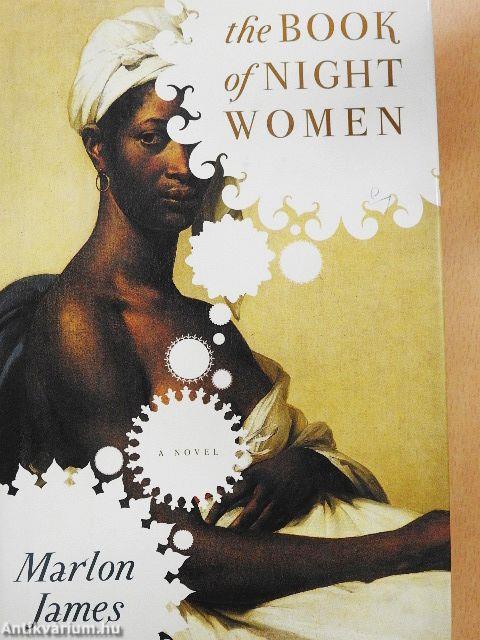
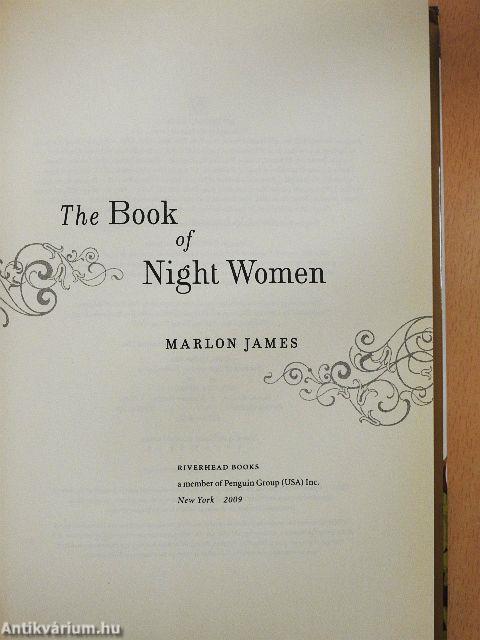
The Book of Night Women
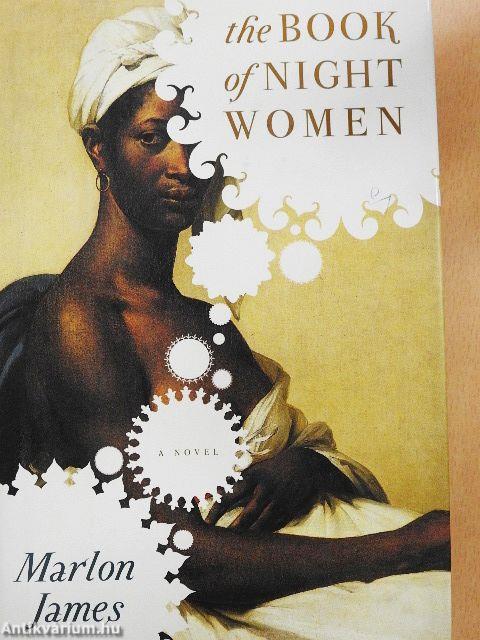
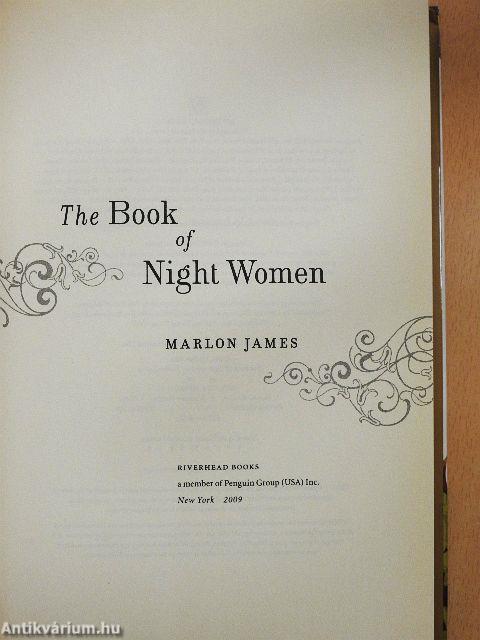
New York
| Kiadó: | Riverhead Books |
|---|---|
| Kiadás helye: | New York |
| Kiadás éve: | |
| Kötés típusa: | Fűzött keménykötés |
| Oldalszám: | 417 oldal |
| Sorozatcím: | |
| Kötetszám: | |
| Nyelv: | Angol |
| Méret: | 24 cm x 16 cm |
| ISBN: | 978-1-59448-857-3 |
Értesítőt kérek a kiadóról
A beállítást mentettük,
naponta értesítjük a beérkező friss
kiadványokról
naponta értesítjük a beérkező friss
kiadványokról
A beállítást mentettük,
naponta értesítjük a beérkező friss
kiadványokról
naponta értesítjük a beérkező friss
kiadványokról
Előszó
Tovább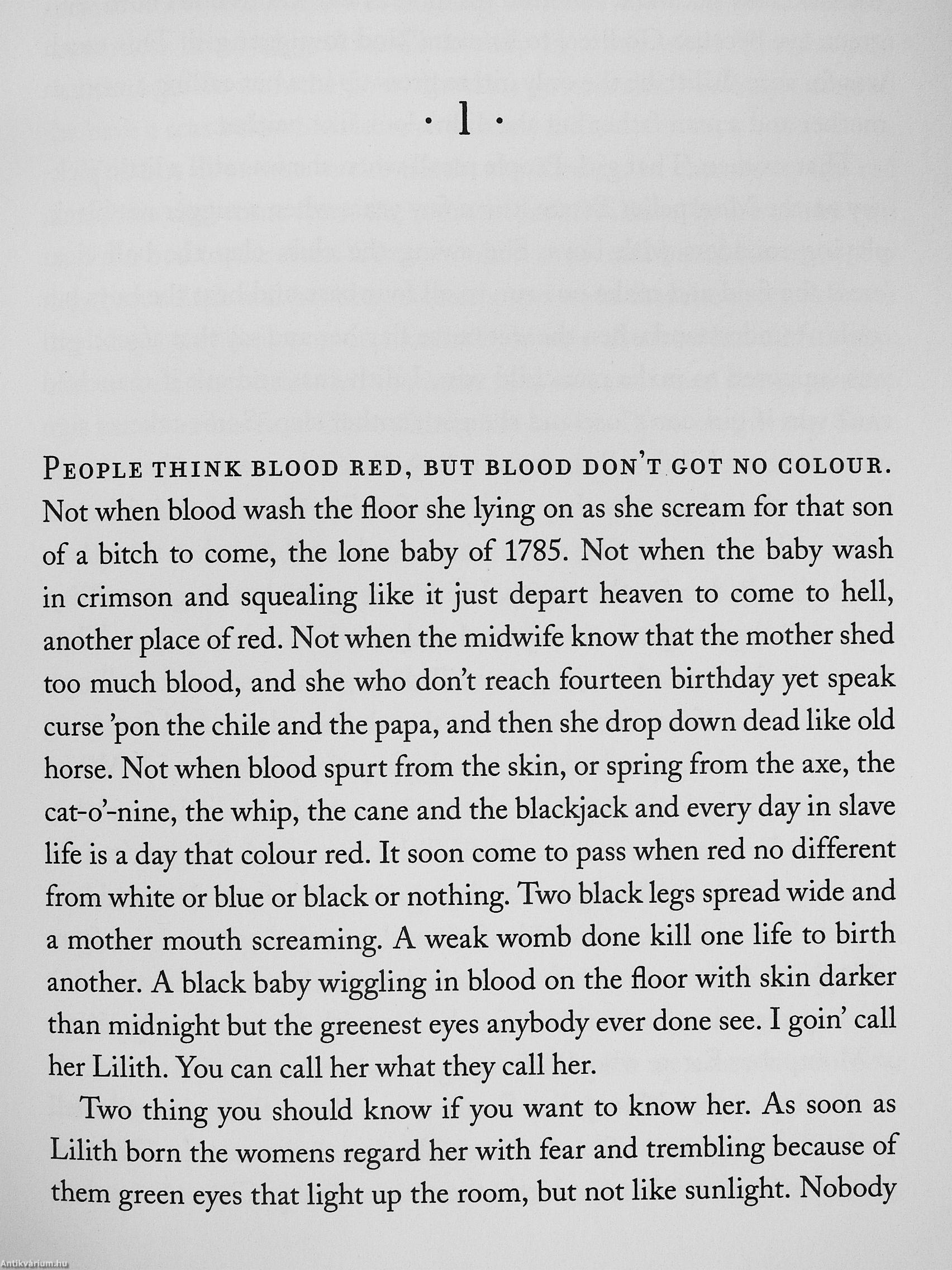
Fülszöveg
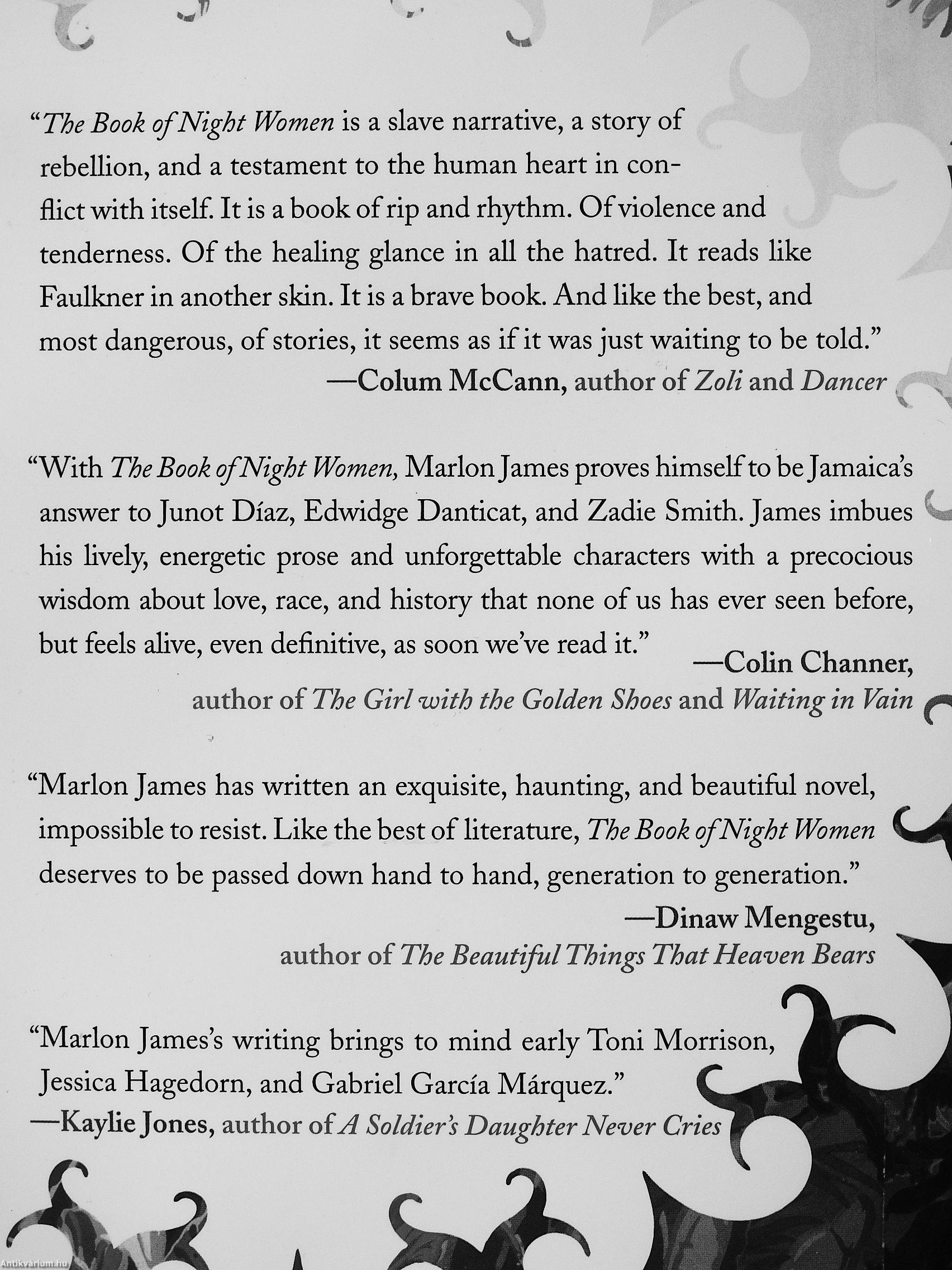
''The Book of Night Women is a slave narrative, a story of rebellion, and a testament to the human heart in con- ^
flict with itself. It is a book of rip and rhythm. Of violence and tenderness. Of the heaUng glance in all the hatred. It reads Hke Faulkner in another skin. It is a brave book. And like the best, and most dangerous, of stories, it seems as if it was just waiting to be told."
—Colum McCann, author of Zoli and Dancer , ^
"With The Book of Night Women, Marlon James proves himself to be Jamaica's
answer to Junot Diaz, Edwidge Danticat, and Zadie Smith. James imbues
his lively, energetic prose and unforgettable characters with a precocious
wisdom about love, race, and history that none of us has ever seen before,
but feels alive, even definitive, as soon we've read it." „
—Colin Channer,
author of The Girl with the Golden Shoes and Waiting in Vain ^
"Marlon James has written an exquisite, haunting, and beautiful novel, impossible to resist. Like the best of... Tovább
Fülszöveg
''The Book of Night Women is a slave narrative, a story of rebellion, and a testament to the human heart in con- ^
flict with itself. It is a book of rip and rhythm. Of violence and tenderness. Of the heaUng glance in all the hatred. It reads Hke Faulkner in another skin. It is a brave book. And like the best, and most dangerous, of stories, it seems as if it was just waiting to be told."
—Colum McCann, author of Zoli and Dancer , ^
"With The Book of Night Women, Marlon James proves himself to be Jamaica's
answer to Junot Diaz, Edwidge Danticat, and Zadie Smith. James imbues
his lively, energetic prose and unforgettable characters with a precocious
wisdom about love, race, and history that none of us has ever seen before,
but feels alive, even definitive, as soon we've read it." „
—Colin Channer,
author of The Girl with the Golden Shoes and Waiting in Vain ^
"Marlon James has written an exquisite, haunting, and beautiful novel, impossible to resist. Like the best of literature, The Book of Night Women deserves to be passed down hand to hand, generation to generation."
—Dinaw Mengestu, author of The Beautiful Things That Heaven Bears
"Marlon James's writing brings to mind early Toni Morrison, Jessica Hagedorn, and Gabriel Garcia Márquez."
—Kaylie Jones, author oí A Soldier s Daughter Never Cries
r/ieBOO^o/N\GHT WOMEN
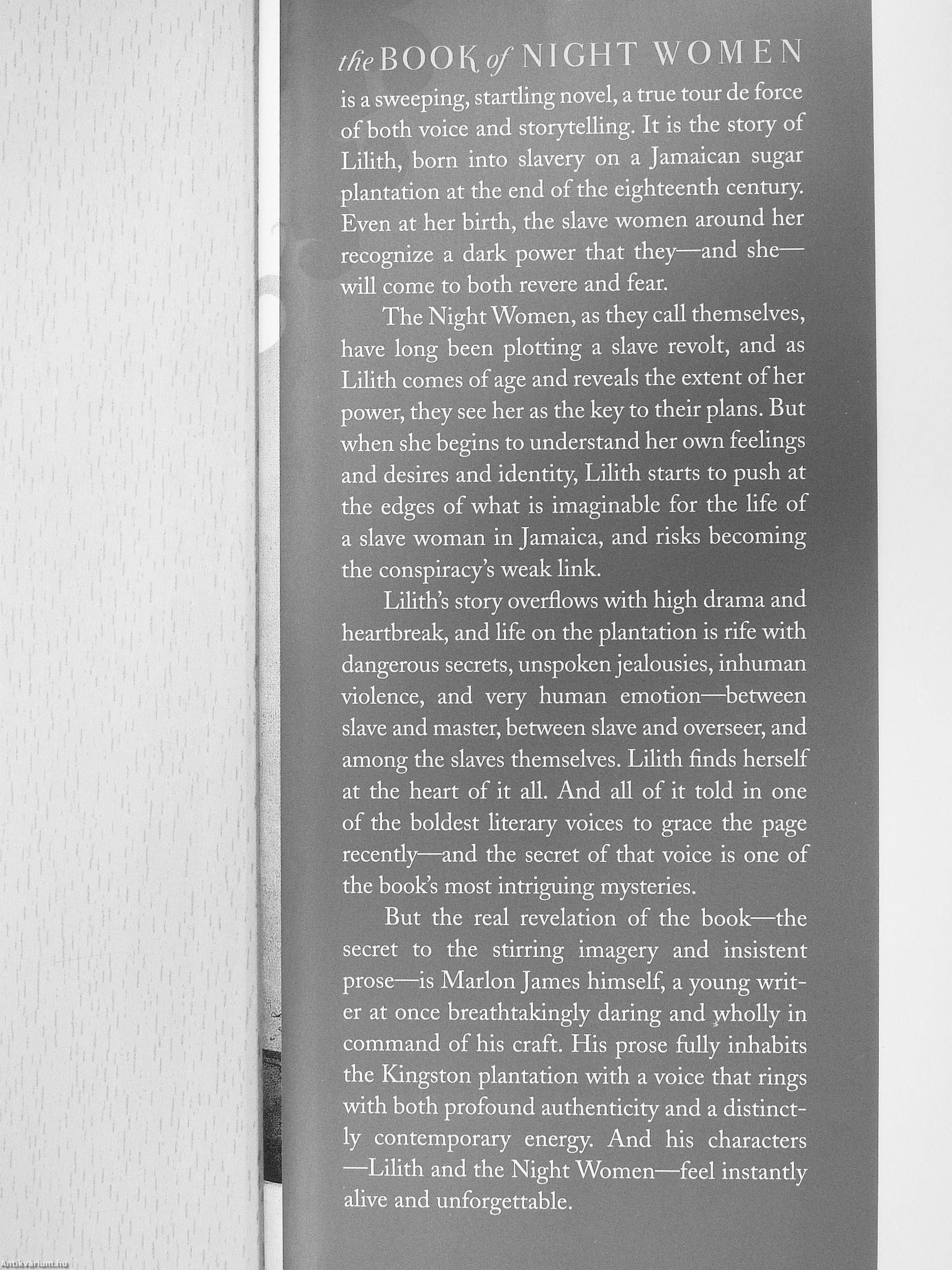
is a sweeping, startling novel, a true tour de force of both voice and storytelling. It is the story of Lilith, born into slavery on a Jamaican sugar plantation at the end of the eighteenth century. Even at her birth, the slave women around her recognize a dark power that they—and she— wiU come to both revere and fear.
The Night Women, as they call themselves, have long been plotting a slave revolt, and as Lilith comes of age and reveals the extent of her power, they see her as the key to their plans. But when she begins to understand her own feelings and desires and identity, Lilith starts to push at the edges of what is imaginable for the life of a slave woman in Jamaica, and risks becoming the conspiracy's weak link.
Lilith's story overflows with high drama and heartbreak, and life on the plantation is rife with dangerous secrets, unspoken jealousies, inhuman violence, and very human emotion—between slave and master, between slave and overseer, and among the slaves themselves. Lilith finds herself at the heart of it all. And all of it told in one of the boldest literary voices to grace the page recently—and the secret of that voice is one of the book's most intriguing mysteries.
But the real revelation of the book—the secret to the stirring imagery and insistent prose—is Marlon James himself, a young writer at once breathtakingly daring and yvholly in command of his craft. His prose fully inhabits the Kingston plantation with a voice that rings with both profound authenticity and a distinctly contemporary energy. And his characters —Lilith and the Night Women—feel instantly alive and unforgettable. Vissza
Témakörök
- Idegennyelv > Idegennyelvű könyvek > Angol > Szépirodalom > Regény, novella, elbeszélés
- Szépirodalom > Regény, novella, elbeszélés > Az író származása szerint > Amerika > Jamaica
- Szépirodalom > Regény, novella, elbeszélés > Tartalom szerint > Történelmi regények > Újkor > Egyéb
- Szépirodalom > Regény, novella, elbeszélés > Tartalom szerint > Társadalmi csoportok
Marlon James
Marlon James műveinek az Antikvarium.hu-n kapható vagy előjegyezhető listáját itt tekintheti meg: Marlon James könyvek, művekMegvásárolható példányok
Nincs megvásárolható példány
A könyv összes megrendelhető példánya elfogyott. Ha kívánja, előjegyezheti a könyvet, és amint a könyv egy újabb példánya elérhető lesz, értesítjük.
 Folytatás Microsoft-tal