
1.116.081
kiadvánnyal nyújtjuk Magyarország legnagyobb antikvár könyv-kínálatát

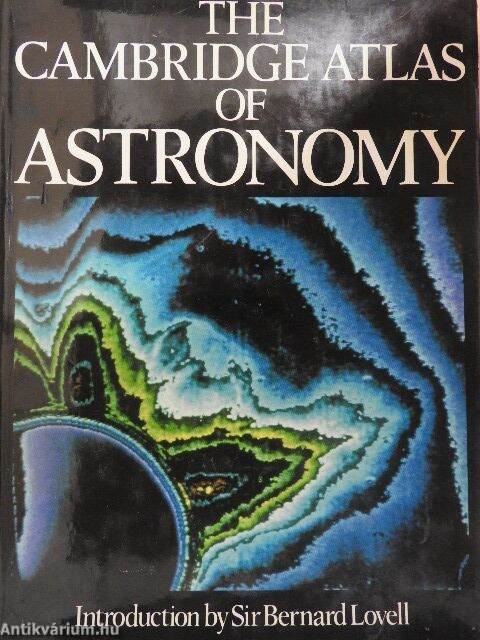
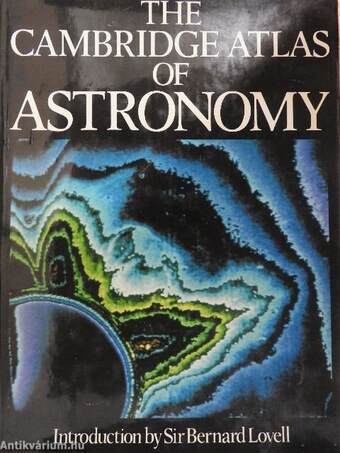
The Cambridge Atlas of Astronomy
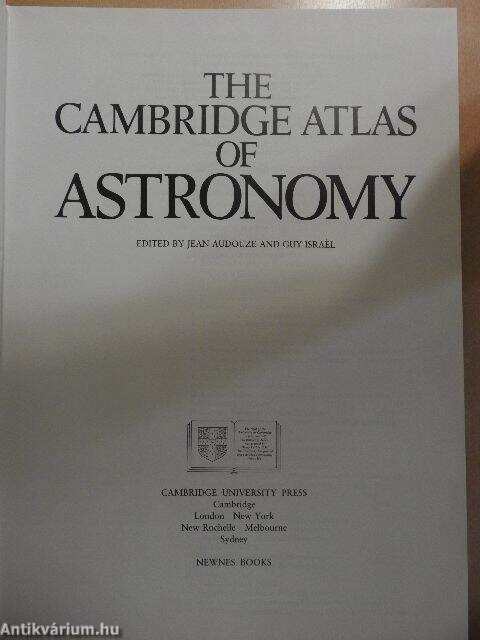
| Kiadó: | Cambridge University Press-Newnes Books |
|---|---|
| Kiadás helye: | |
| Kiadás éve: | |
| Kötés típusa: | Fűzött keménykötés |
| Oldalszám: | 432 oldal |
| Sorozatcím: | |
| Kötetszám: | |
| Nyelv: | Angol |
| Méret: | 37 cm x 27 cm |
| ISBN: | 0-60035814-3 |
| Megjegyzés: | Színes és fekete-fehér fotókkal, illusztrációkkal. |
Értesítőt kérek a kiadóról
A beállítást mentettük,
naponta értesítjük a beérkező friss
kiadványokról
naponta értesítjük a beérkező friss
kiadványokról
A beállítást mentettük,
naponta értesítjük a beérkező friss
kiadványokról
naponta értesítjük a beérkező friss
kiadványokról
Előszó
Tovább
Fülszöveg
THE CAMBRIDGE AmSOFASTTONOM^
General Editors: J. Audouze and G. Israël
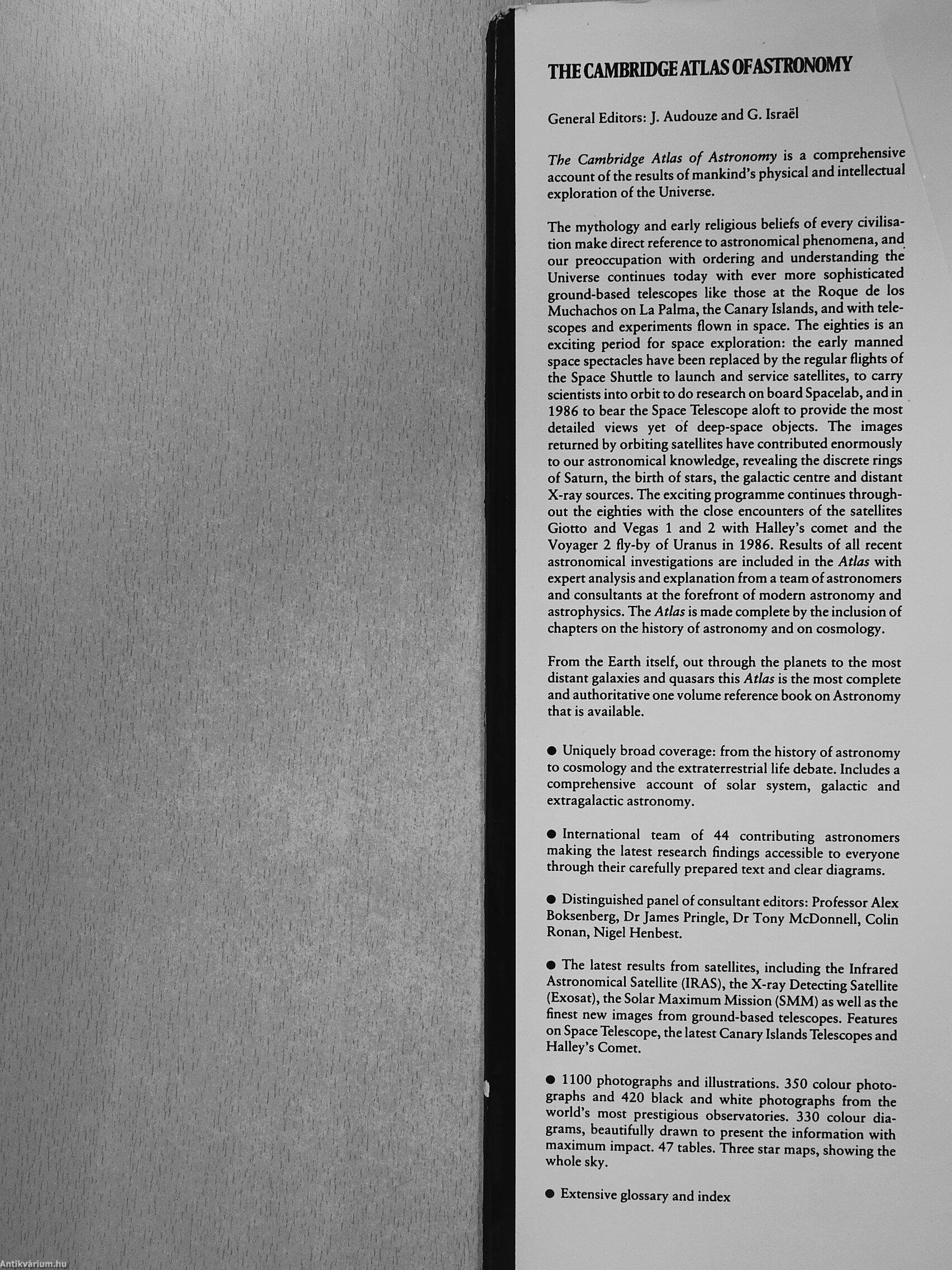
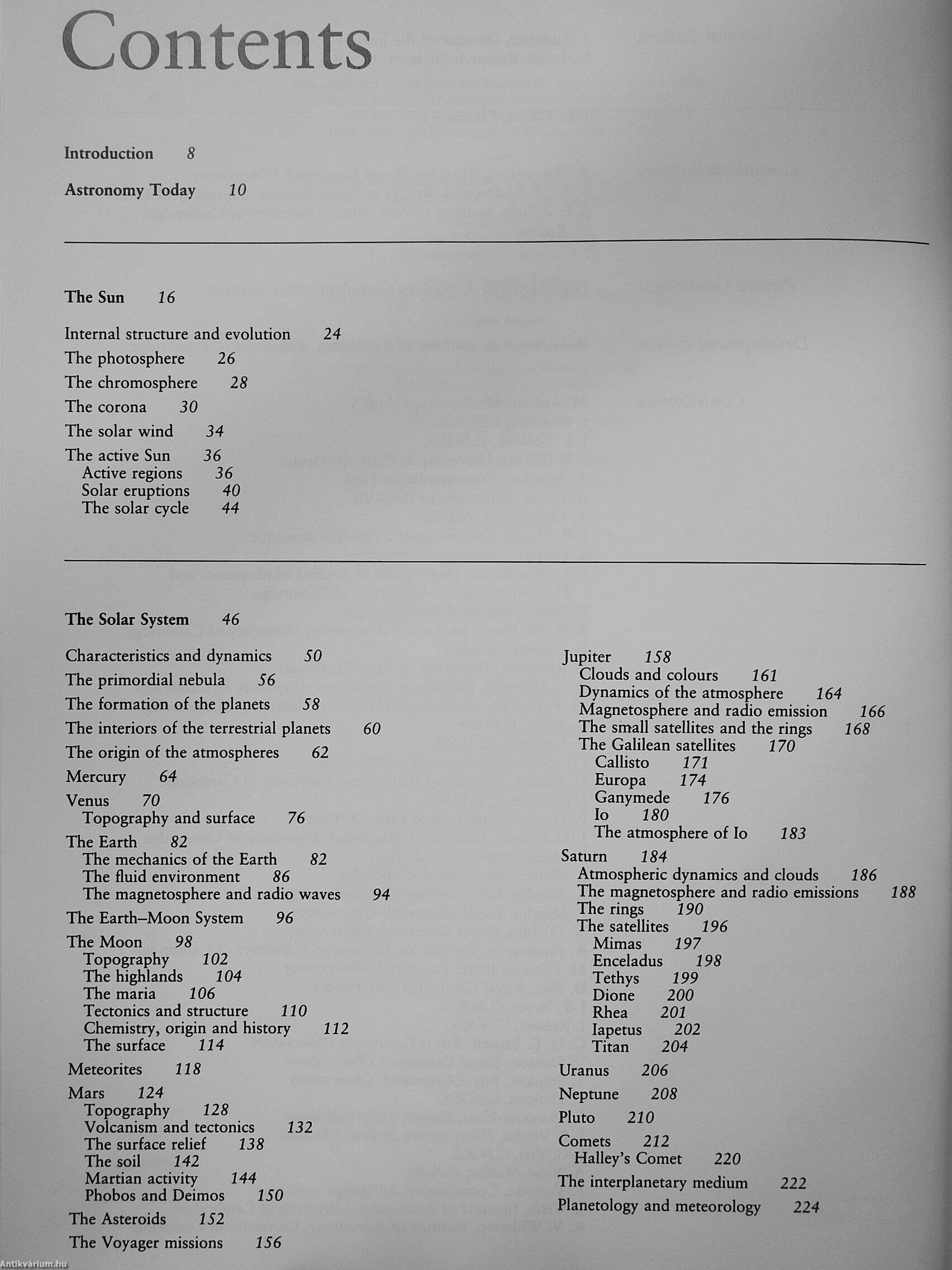
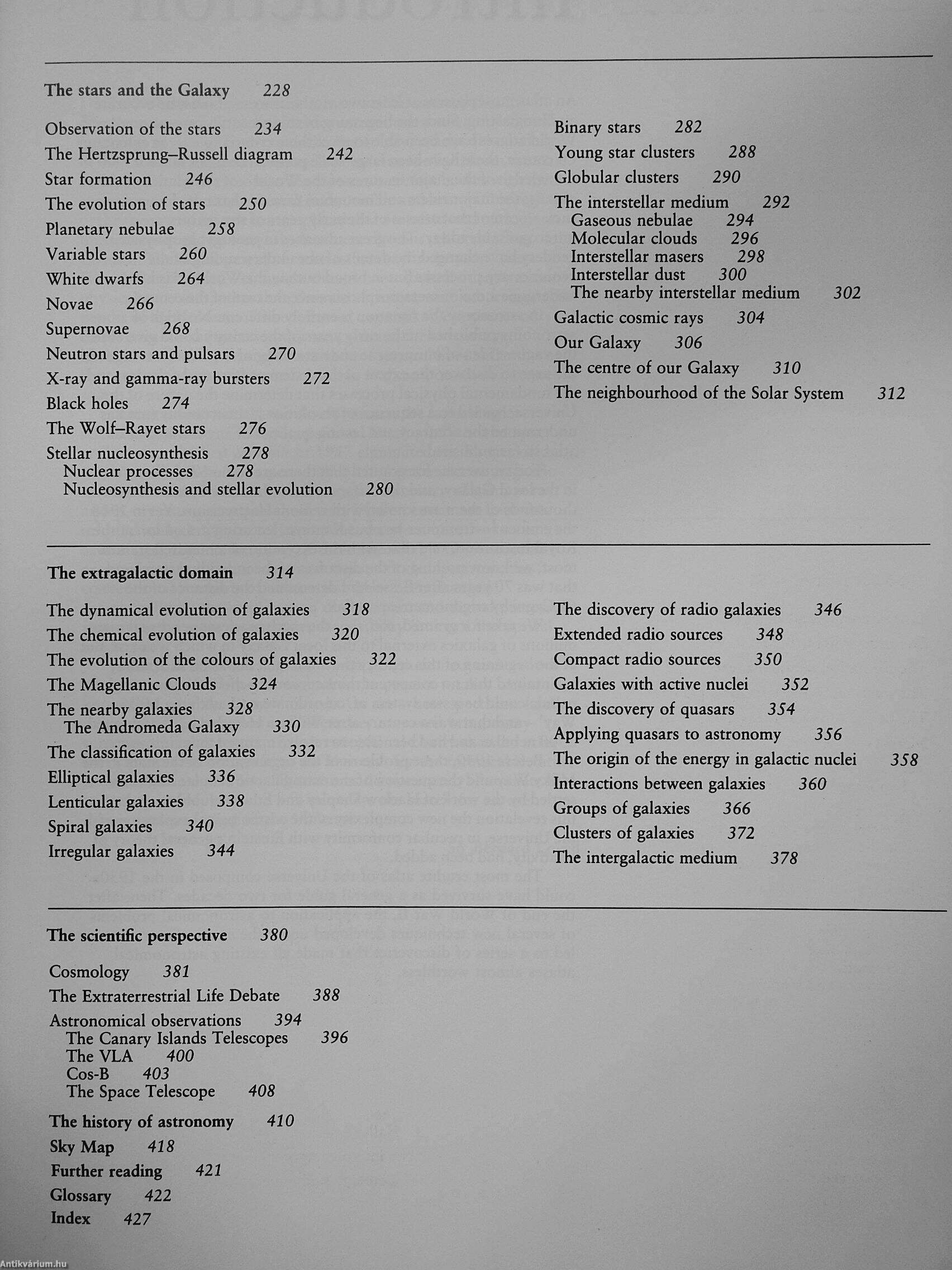
The Cambridge Atlas of Astronomy is a comprehensive account of the results of mankind's physical and intellectual exploration of the Universe.
The mythology and early religious beliefs of every civilisation make direct reference to astronomical phenomena, and our preoccupation with ordering and understanding the Universe continues today with ever more sophisticated ground-based telescopes like those at the Roque de los Muchachos on La Palma, the Canary Islands, and with telescopes and experiments flown in space. The eighties is an exciting period for space exploration: the early manned space speaacles have been replaced by the regular flights of the Space Shuttle to launch and service satellites, to carry scientists into orbit to do research on board Spacelab, and in 1986 to bear the Space Telescope aloft to provide the most detailed views yet of deep-space objeas. The images returned by orbiting satellites... Tovább
Fülszöveg
THE CAMBRIDGE AmSOFASTTONOM^
General Editors: J. Audouze and G. Israël
The Cambridge Atlas of Astronomy is a comprehensive account of the results of mankind's physical and intellectual exploration of the Universe.
The mythology and early religious beliefs of every civilisation make direct reference to astronomical phenomena, and our preoccupation with ordering and understanding the Universe continues today with ever more sophisticated ground-based telescopes like those at the Roque de los Muchachos on La Palma, the Canary Islands, and with telescopes and experiments flown in space. The eighties is an exciting period for space exploration: the early manned space speaacles have been replaced by the regular flights of the Space Shuttle to launch and service satellites, to carry scientists into orbit to do research on board Spacelab, and in 1986 to bear the Space Telescope aloft to provide the most detailed views yet of deep-space objeas. The images returned by orbiting satellites have contributed enormously to our astronomical knowledge, revealing the discrete rings of Saturn, the birth of stars, the galactic centre and distant X-ray sources. The exciting programme continues throughout the eighties with the close encounters of the satellites Giotto and Vegas 1 and 2 with Halley's comet and the Voyager 2 fly-by of Uranus in 1986. Results of all recent astronomical investigations are included in the Atlas with expert analysis and explanation from a team of astronomers and consultants at the forefront of modern astronomy and astrophysics. The Atlas is made complete by the inclusion of chapters on the history of astronomy and on cosmology.
From the Earth itself, out through the planets to the most distant galaxies and quasars this Atlas is the most complete and authoritative one volume reference book on Astronomy that is available.
• Uniquely broad coverage: from the history of astronomy to cosmology and the extraterrestrial life debate. Includes a comprehensive account of solar system, galactic and extragalactic astronomy.
• International team of 44 contributing astronomers making the latest research findings accessible to everyone through their carefully prepared text and clear diagrams.
• Distinguished panel of consultant editors: Professor Alex Boksenberg, Dr James Pringle, Dr Tony McDonnell, Colin Ronan, Nigel Henbest.
• The latest results from satellites, including the Infrared Astronomical Satellite (IRAS), the X-ray Detecting Satellite (Exosat), the Solar Maximum Mission (SMM) as well as the finest new images from ground-based telescopes. Features on Space Telescope, the latest Canary Islands Telescopes and Halley's Comet.
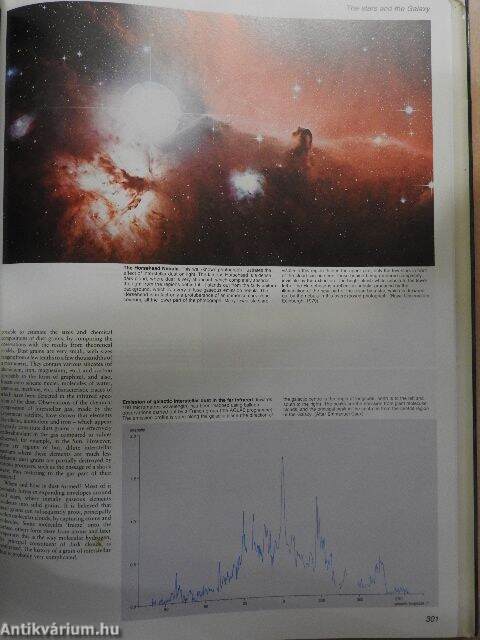
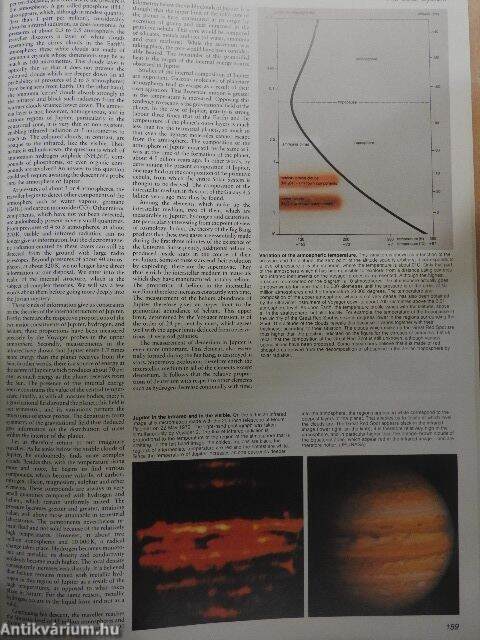
• 1100 photographs and illustrations. 350 colour photographs and 420 black and white photographs from the world's most prestigious observatories. 330 colour diagrams, beautifully drawn to present the information with maximum impact. 47 tables. Three star maps, showing the whole sky.
• Extensive glossary and index Vissza
Témakörök
- Idegennyelv > Idegennyelvű könyvek > Angol > Természettudományok > Csillagászat
- Természettudomány > Csillagászat > Csillagok > Egyéb
- Természettudomány > Csillagászat > Csillagok > Nap
- Természettudomány > Csillagászat > Idegennyelvű
- Természettudomány > Csillagászat > Lexikonok, kézikönyvek
- Természettudomány > Csillagászat > Űrhajózás, űrkutatás
- Természettudomány > Csillagászat > Világegyetem
Megvásárolható példányok
Nincs megvásárolható példány
A könyv összes megrendelhető példánya elfogyott. Ha kívánja, előjegyezheti a könyvet, és amint a könyv egy újabb példánya elérhető lesz, értesítjük.
 Folytatás Microsoft-tal